Photo credit: Tap Rack Bang, LLC/YouTube
A pistol can feel perfectly fine when everything is slow. The draw is clean, the grip is settled, the trigger press is deliberate, and the shooter has time to think through every step. That is not where a handgun really proves itself. The truth usually comes out when the pace picks up. Faster strings, quicker sight recovery, reloads under pressure, and less-than-perfect grip pressure all start revealing what the gun actually feels like when you are working instead of testing.
That is why some pistols stand out so clearly. They do not become chaotic the moment speed increases. They track predictably, return to the sights without drama, and let the shooter stay organized instead of fighting the gun. Some are full-size pistols with obvious advantages. Others are compact enough to carry while still keeping enough control to remain useful at speed. What they have in common is simple: they keep helping instead of getting in the way once the timer matters.
Walther PDP Compact
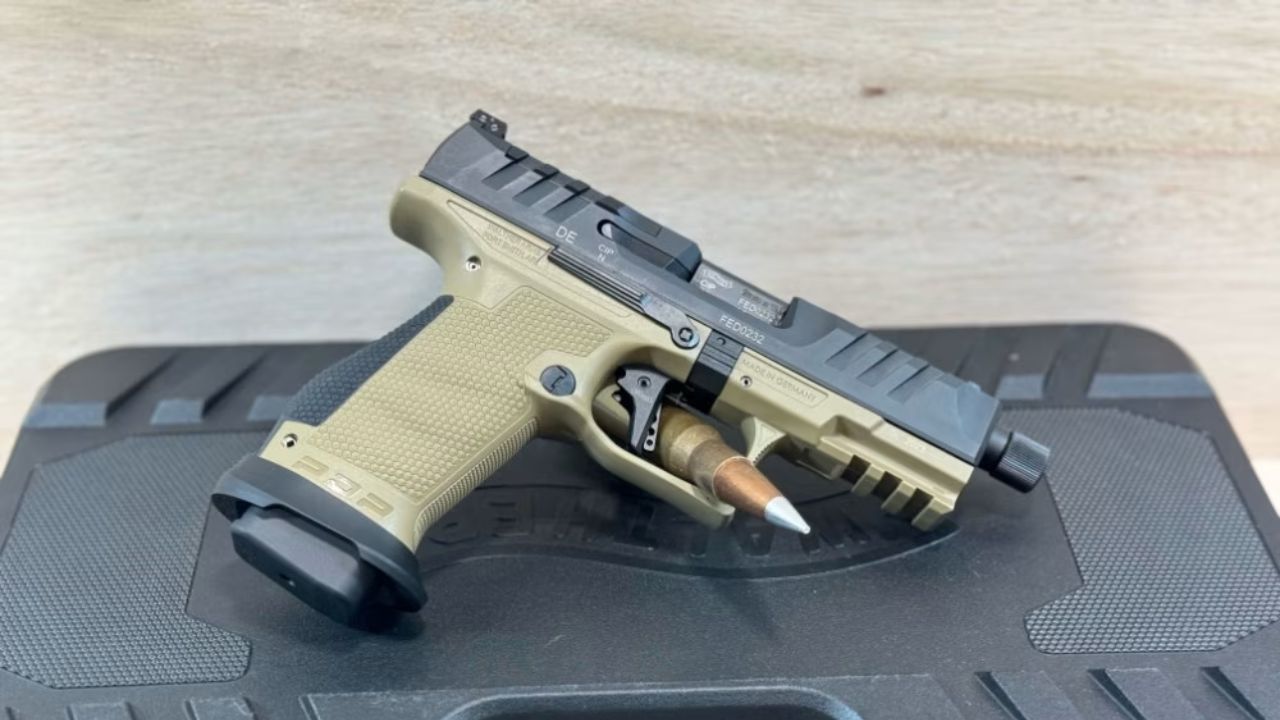
The Walther PDP Compact stays manageable when the pace picks up because it gives the shooter a lot of useful control without asking for a lot of compromise. The grip shape helps lock the pistol in, the trigger is easy to understand, and the gun tends to track in a very readable way. When shots start coming faster, that readability matters. A pistol that tells the shooter exactly what it is doing is a lot easier to run well than one that feels vague or nervous.
It also helps that the PDP Compact sits in a very smart size range. It is large enough to feel planted, but not so large that it stops making sense as a practical defensive pistol. Once drills get faster and transitions get more demanding, the gun’s overall balance starts making a very strong case for itself. It is one of those pistols that often looks good on paper and then feels even better once the tempo increases.
CZ Shadow 2 Compact

The CZ Shadow 2 Compact stays manageable when the pace picks up because it has the kind of balance and low-in-the-hand feel that makes recoil seem more organized than abrupt. The pistol tracks flat, settles quickly, and gives the shooter a very strong sense of control once live fire stops being relaxed. A lot of handguns are comfortable in slow strings. This one keeps showing its value when things get faster and more demanding.
Its size is also part of what makes it so effective. It is compact enough to stay interesting as a practical pistol, but it still carries the kind of shootability people expect from a much larger handgun. That combination is rare. Once the pace rises, the Shadow 2 Compact feels like a pistol that wants the shooter to stay ahead of the gun instead of constantly recovering from it.
Beretta 92G Elite LTT
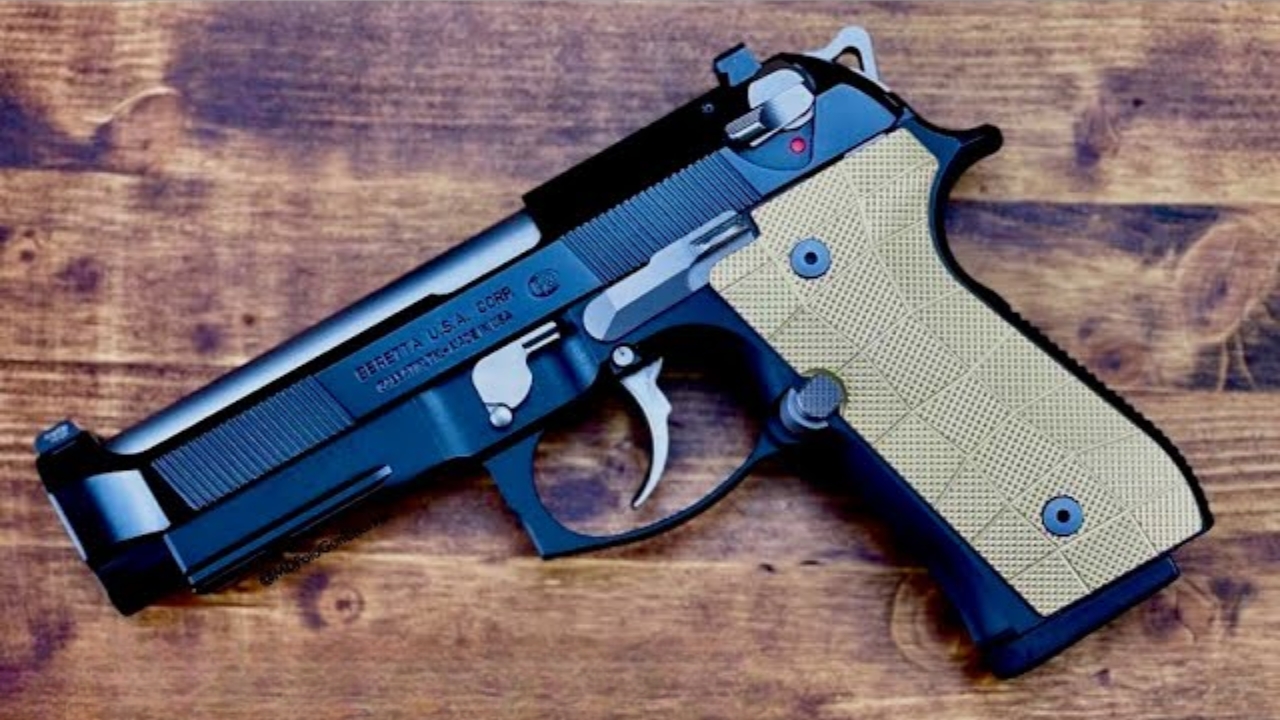
The Beretta 92G Elite LTT stays manageable when the pace picks up because the platform already had a naturally smooth recoil impulse, and this version makes even better use of it. The gun cycles with a kind of rhythm that helps the shooter stay visually connected to the sights, which becomes extremely valuable once the strings get fast. The overall feel is calm rather than jumpy, and that makes it easier to keep the gun working without unnecessary correction.
It also benefits from being a very mature design in the hands of people who know what they are doing. The controls are familiar, the weight is helpful without feeling excessive, and the pistol keeps rewarding disciplined shooting. At speed, that matters far more than clever marketing ever could. This is the kind of pistol that often makes people look smoother once they start pushing harder.
SIG Sauer P320 XFive Legion
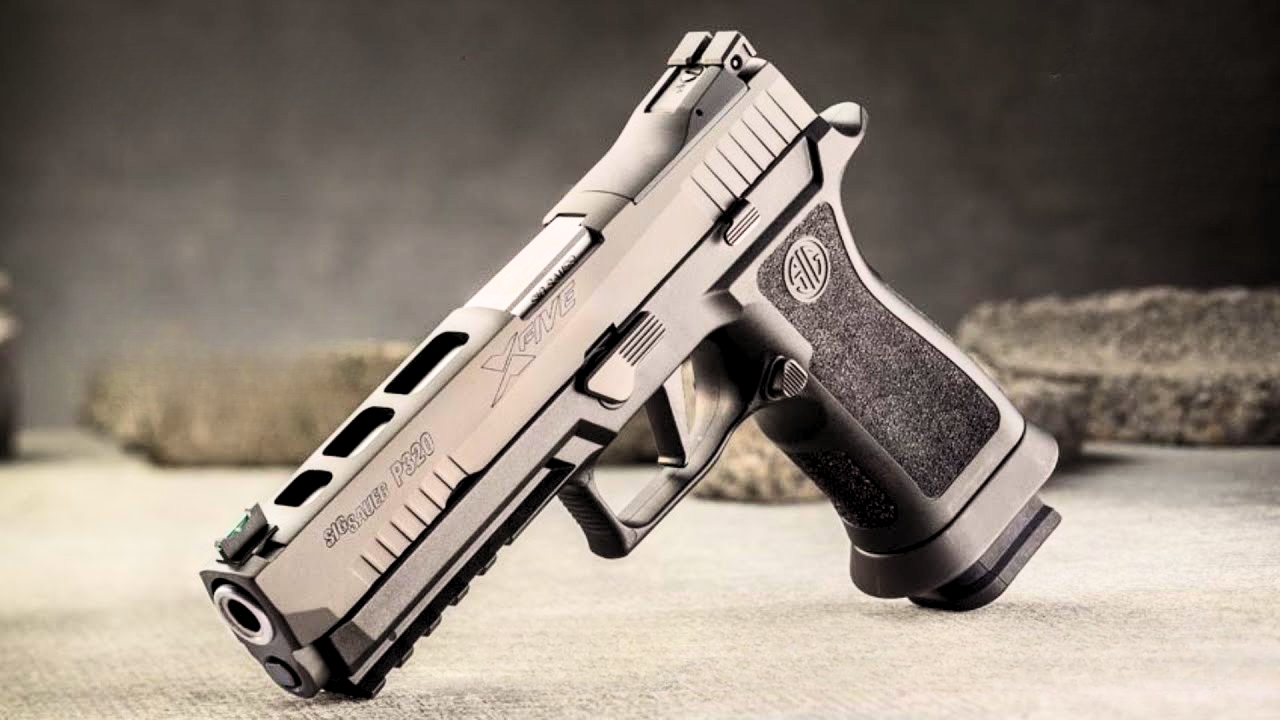
The SIG Sauer P320 XFive Legion stays manageable when the pace picks up because it was built with exactly that kind of shooting in mind. The added weight, smart ergonomics, and overall layout help the gun stay flatter and calmer than many ordinary striker-fired pistols. When you start shooting aggressively, the difference becomes obvious. The pistol does not seem eager to get away from the shooter.
That kind of behavior makes a huge difference during real drills. The sights come back in a useful way, the gun stays planted, and the trigger lets the shooter work with more confidence. This is not a subtle pistol, and it is not trying to be. It is a gun that makes speed feel more manageable because it was designed to support that kind of pace from the beginning.
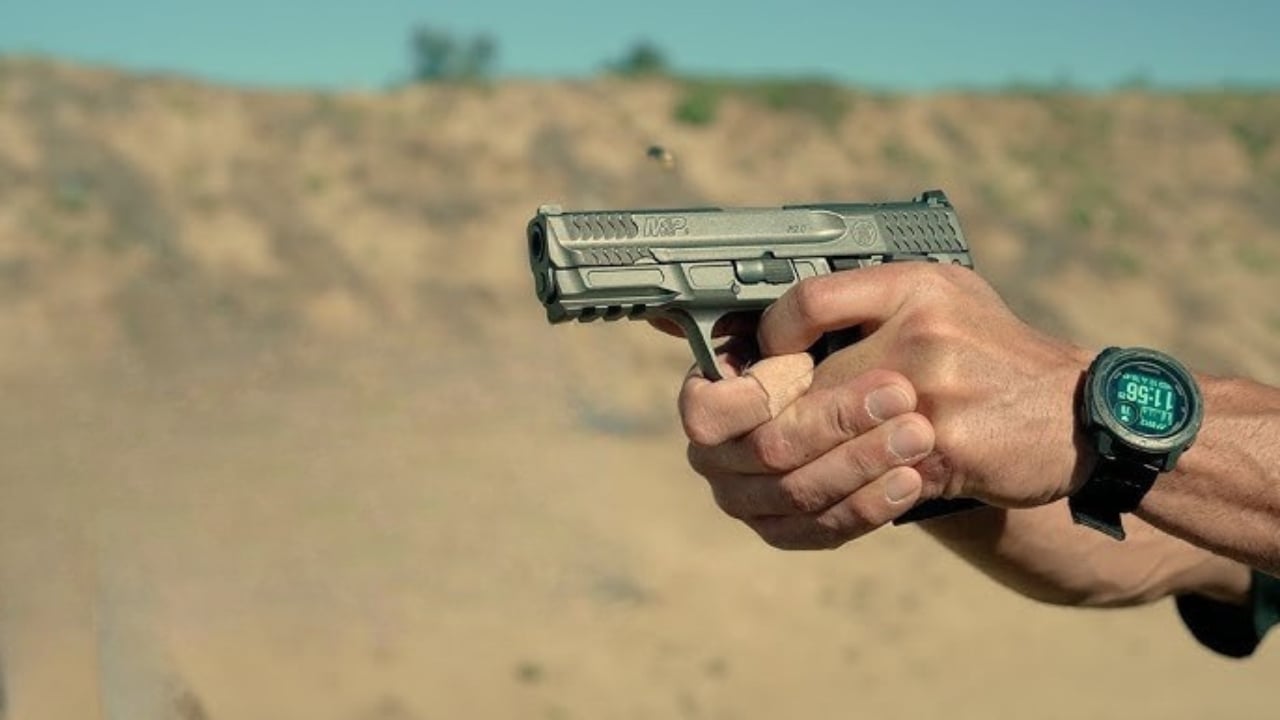
Smith & Wesson M&P 2.0 Metal
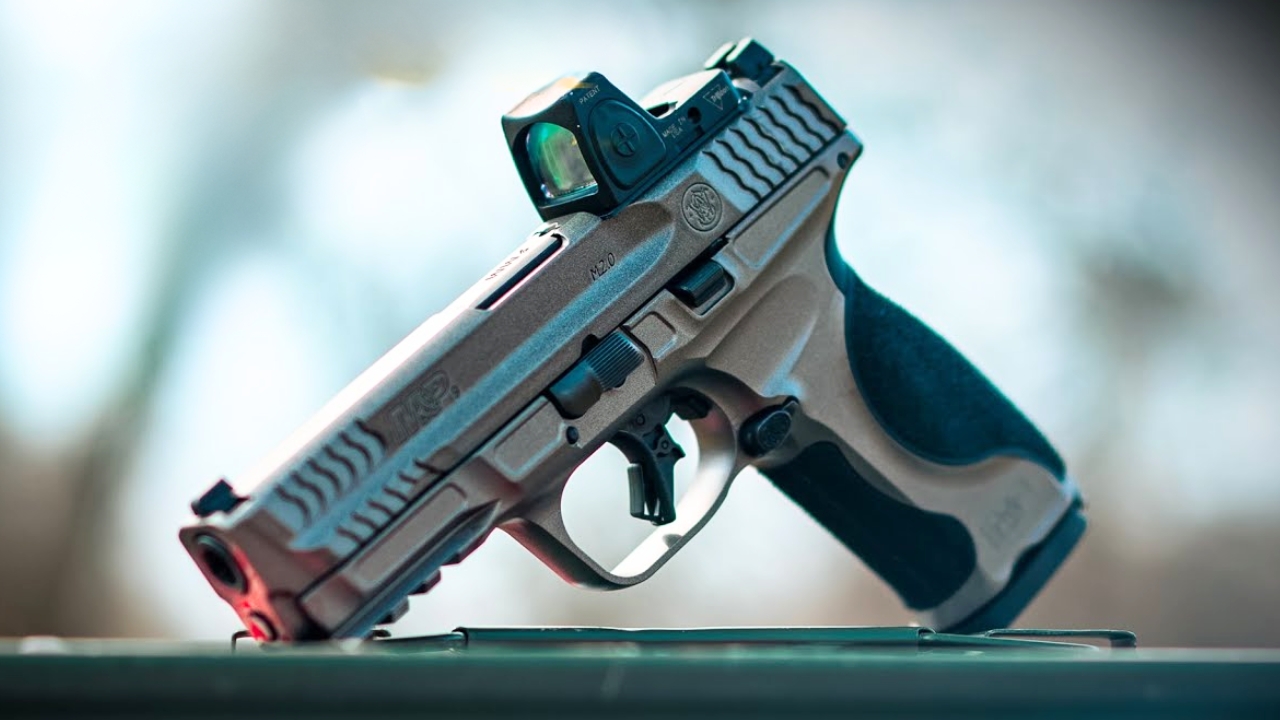
The Smith & Wesson M&P 2.0 Metal stays manageable when the pace picks up because it gives the shooter a little more steadiness and a little more return control than the polymer version while keeping the same strong ergonomics. The grip texture and frame shape already made the platform a good choice for more serious shooting. The metal frame just makes the whole package feel more settled once the cadence gets aggressive.
That added stability pays off quickly in practical use. The pistol does not feel lazy, but it does feel calmer, and calm is a very useful trait in a handgun once splits get tighter and recovery matters more. It keeps the strengths that made the M&P 2.0 family popular while improving the way the gun behaves at higher speed. That is exactly why it belongs in this conversation.
HK VP9
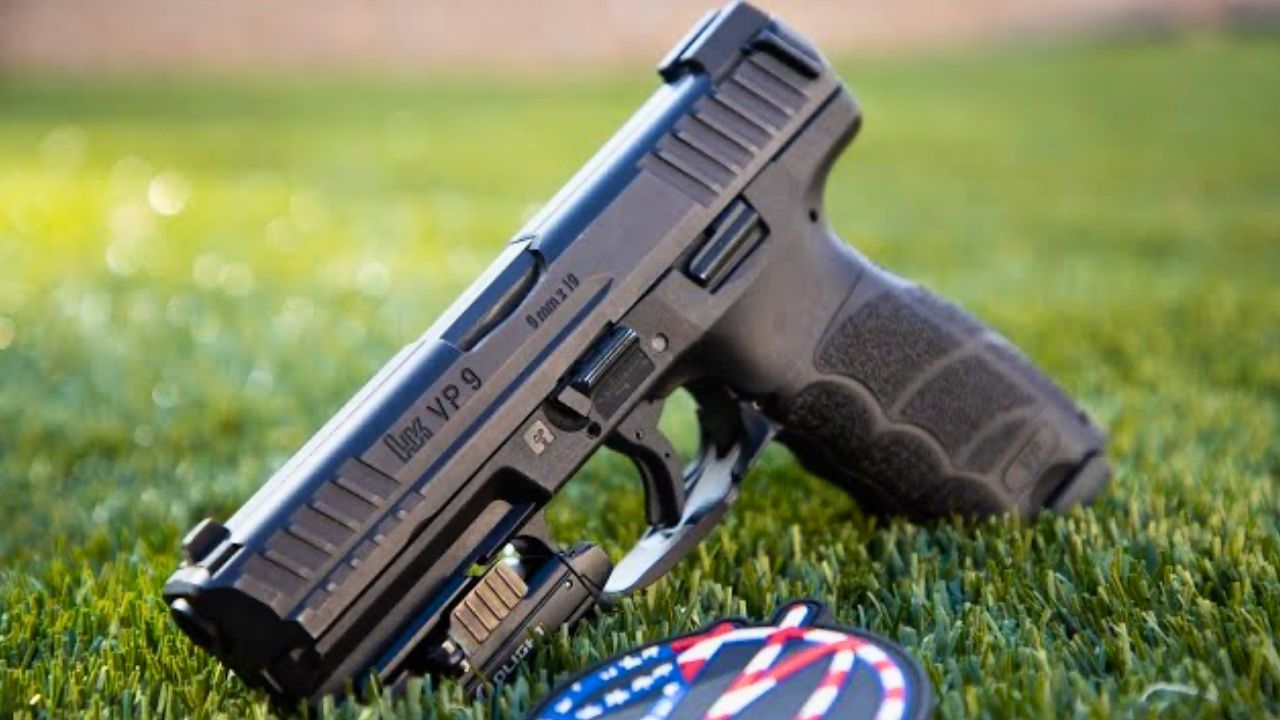
The HK VP9 stays manageable when the pace picks up because it gives the shooter a very friendly and very consistent interface. The grip shape works well for a lot of hands, the trigger is predictable, and the overall pistol tends to recoil in a way that feels controlled rather than erratic. Under faster shooting, that kind of predictability becomes a major asset. A gun that behaves honestly helps the shooter do the same.
The VP9 also earns its place here because it does not require a lot of adaptation. A shooter can usually settle into it quickly, and once that happens, the pistol starts showing just how easy it is to drive with some speed. It may not be the most dramatic handgun in the group, but it is one of the more naturally manageable ones when the pace starts climbing.
Staccato P
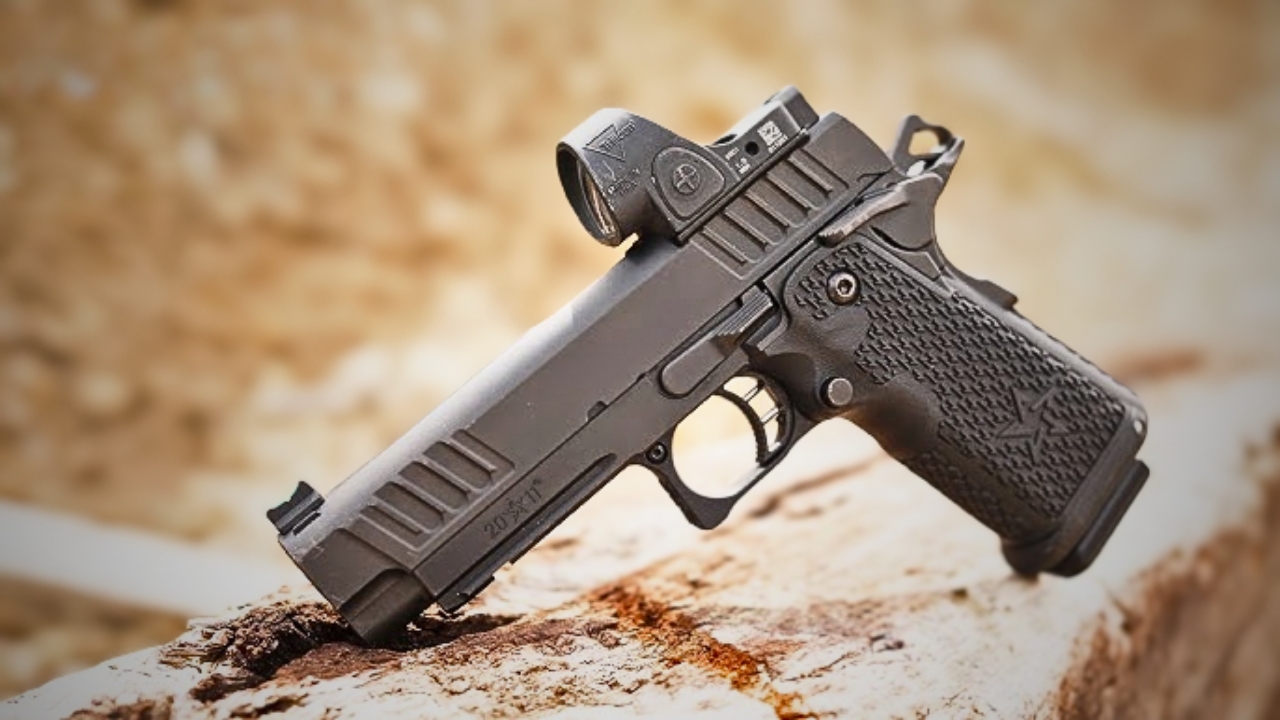
The Staccato P stays manageable when the pace picks up because it combines a very good trigger with a frame and recoil behavior that seem designed to keep the sights where the shooter wants them. It is one of those pistols that starts making more and more sense the faster you shoot it. Instead of becoming hectic, it tends to feel even more composed once the shooting becomes serious.
That is a huge reason people stay loyal to guns like this. Fast shooting exposes weakness fast, and the Staccato P has fewer weak spots to expose than most. The controls are useful, the trigger is excellent, and the whole pistol feels like it was built around the idea that speed should not have to mean sloppiness. When the pace picks up, it stays with the shooter instead of forcing the shooter to chase it.
SIG Sauer P226 Legion
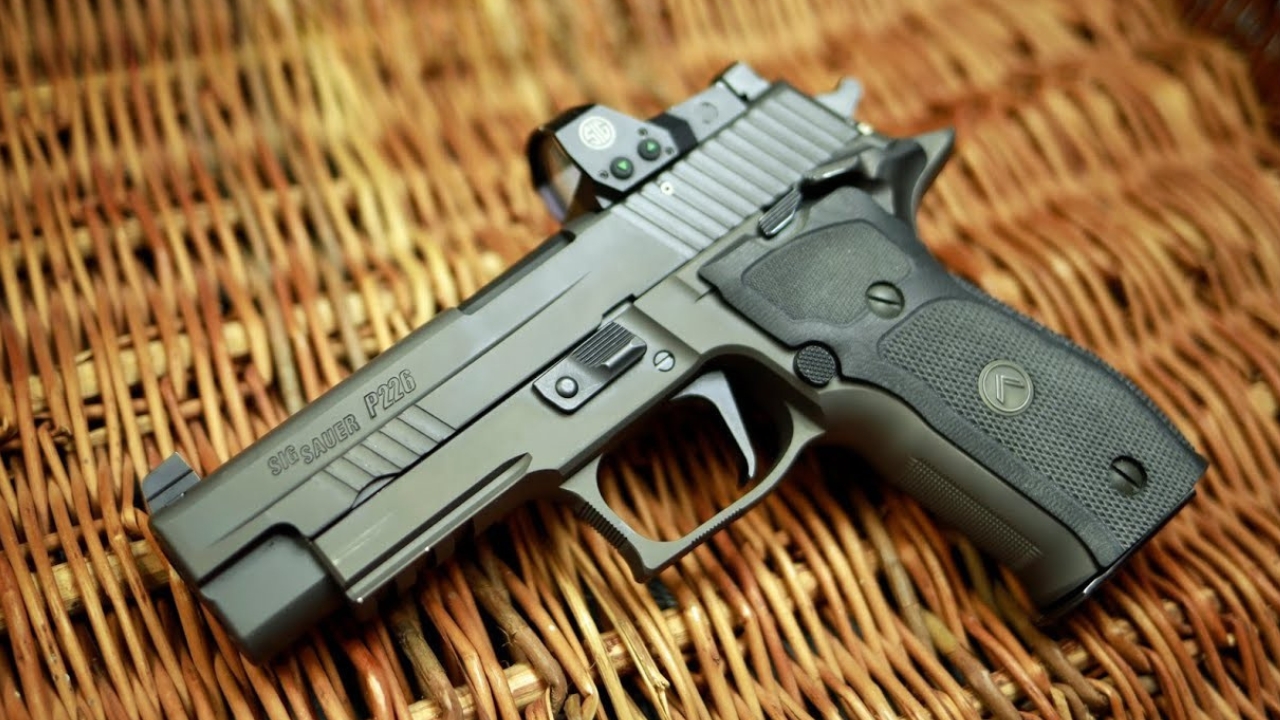
The SIG Sauer P226 Legion stays manageable when the pace picks up because the P226 was already a very stable pistol, and this version leans even harder into the strengths that matter in fast shooting. The pistol has enough weight to stay calm, enough grip to remain secure, and a trigger system that rewards disciplined use once the shooter understands it. It does not feel rattled when the work gets faster.
That is part of why so many experienced shooters keep returning to pistols like this. The Legion is not only accurate. It is composed. That makes a real difference when transitions, follow-up shots, and more aggressive shooting tempos enter the picture. It remains one of those pistols that feels more serious, not less, when you stop shooting slowly.
Springfield Echelon
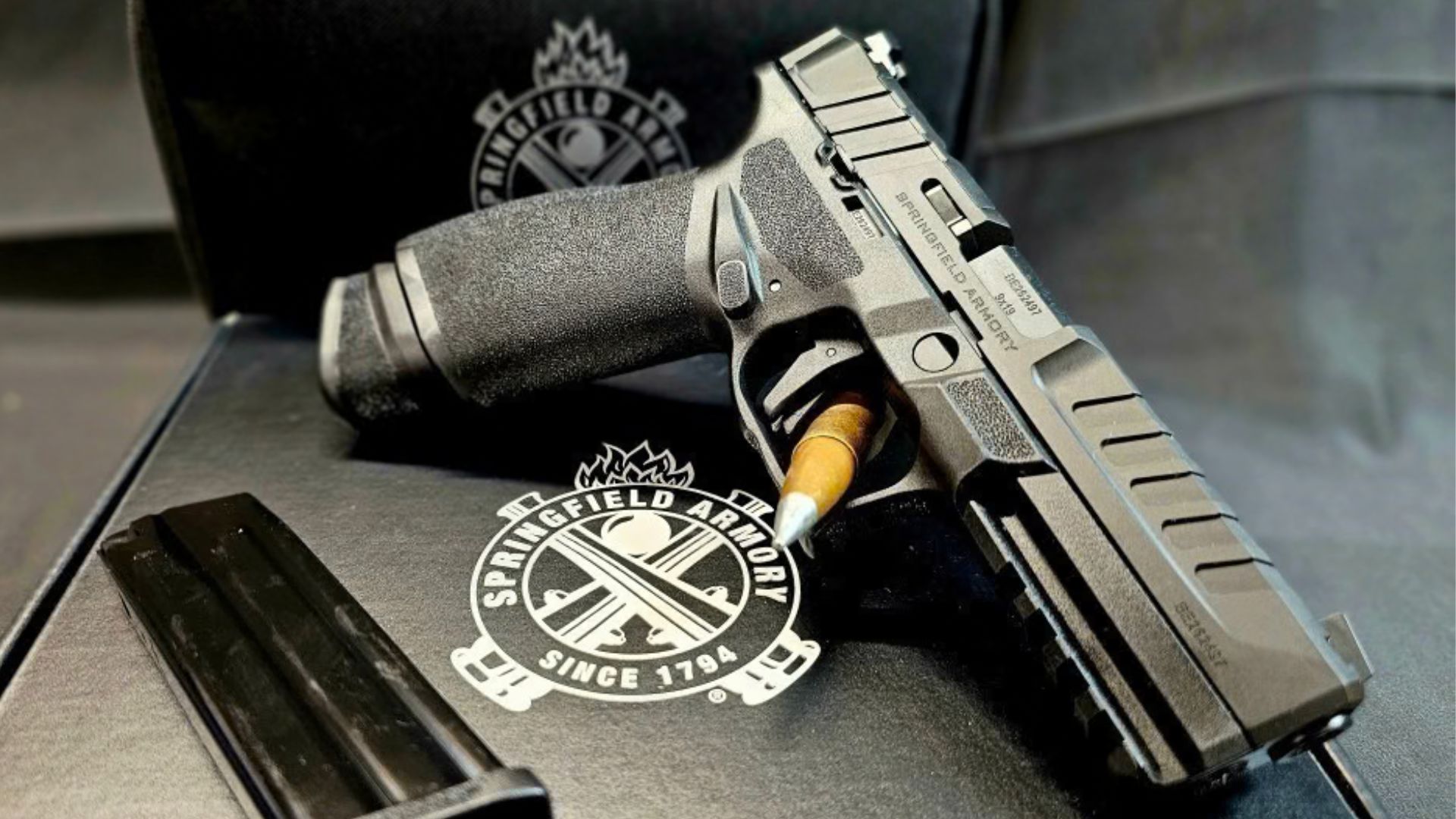
The Springfield Echelon stays manageable when the pace picks up because it feels balanced in a very practical way. The grip gives the shooter enough support to stay consistent, the pistol tracks cleanly, and the overall shooting experience tends to remain very readable once the speed comes up. That sort of control is one of the best things a pistol can offer during harder work.
It also helps that the Echelon does not seem overcomplicated in use. The controls are straightforward, the gun feels stable, and the platform supports faster work without becoming difficult to recover from. A lot of pistols seem fine until speed exposes their weaknesses. The Echelon tends to hold together well once that happens, and that is a big reason it deserves a place here.
Canik TTI Combat
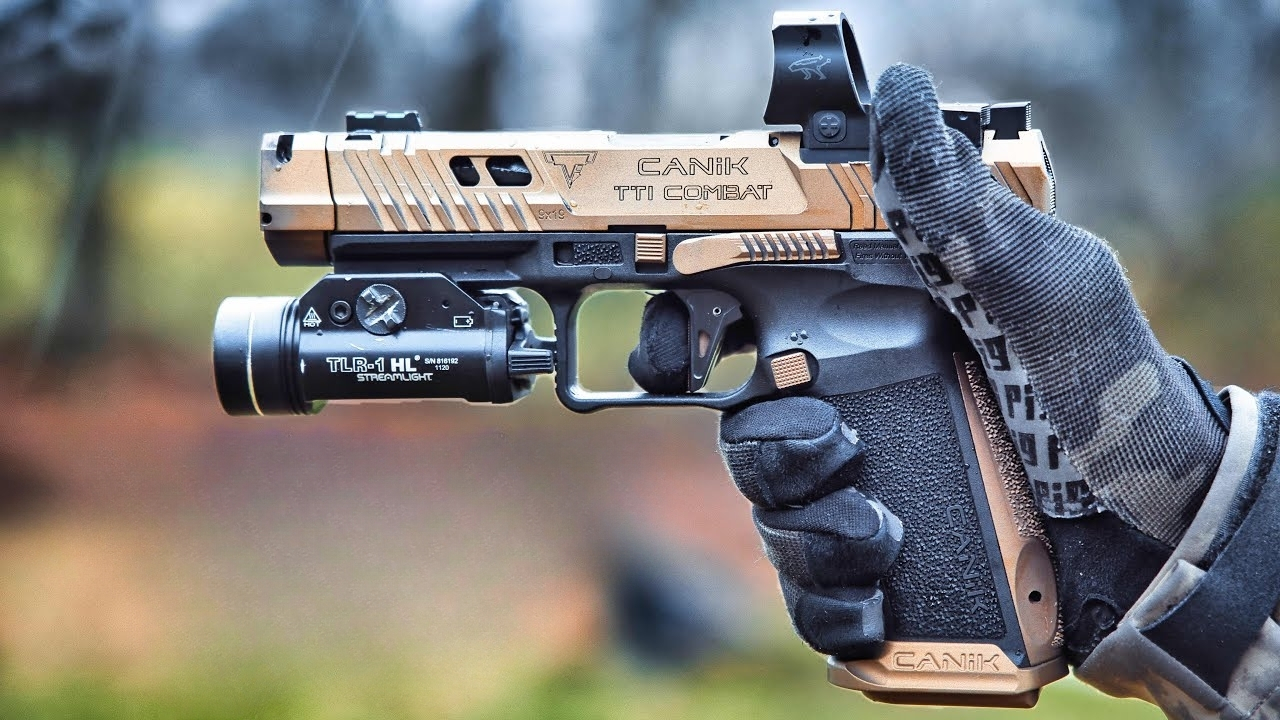
The Canik TTI Combat stays manageable when the pace picks up because it was clearly built around practical speed. The trigger is a major part of that, but so is the overall way the gun behaves in recoil. It tends to stay flatter and more controlled than many people expect, which makes it easier to maintain visual patience and keep the gun working cleanly during faster strings.
That matters because speed alone is not the goal. Useful speed is. The TTI Combat supports that by giving the shooter a pistol that feels ready for more aggressive work instead of merely tolerating it. It is the kind of handgun that starts making more sense the harder it gets pushed, and that is usually a strong sign.
Colt Competition 1911
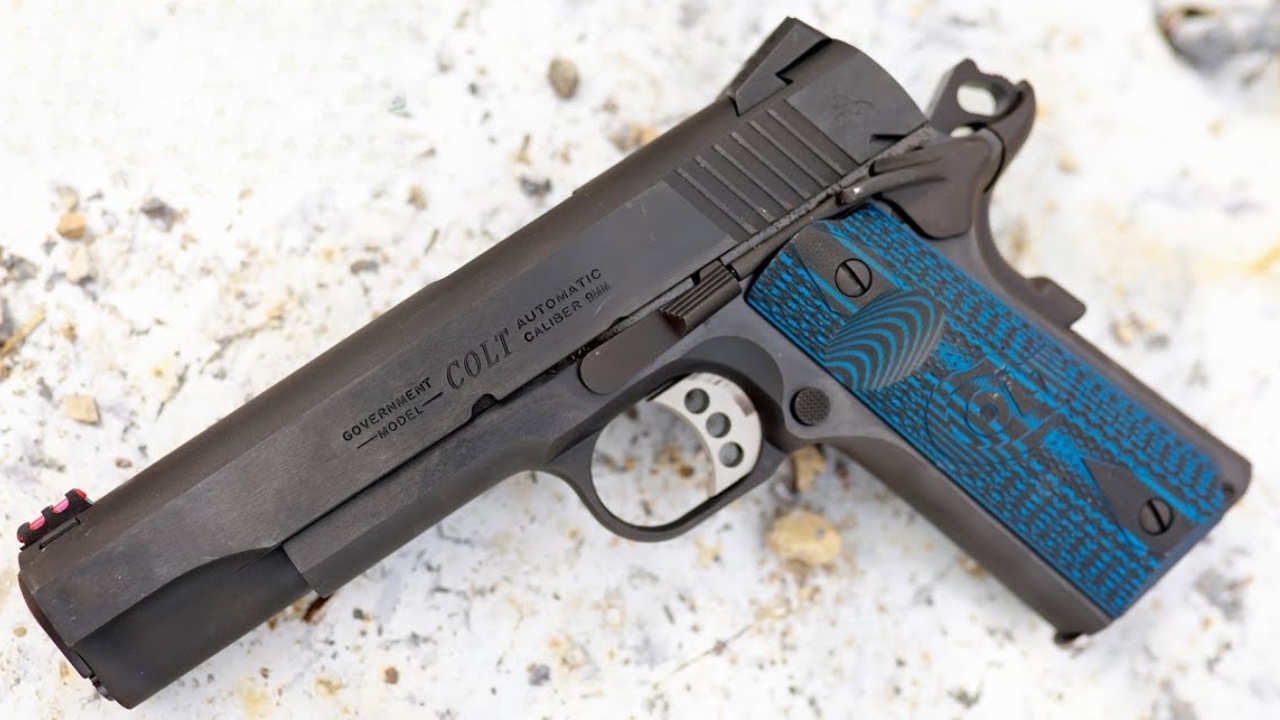
The Colt Competition 1911 stays manageable when the pace picks up because a good steel-frame 1911 with a clean trigger still offers one of the best fast-shooting experiences available. The gun points naturally, the trigger helps the shooter stay honest, and the frame weight does a lot of useful work once follow-up shots matter. Fast shooting with a well-sorted 1911 often feels less like fighting and more like flowing.
That is not an accident. The design still rewards precision and discipline in a way many other pistols do not. The Competition model keeps enough of that classic feel while remaining purpose-built for real shooting instead of only admiration. When the pace rises, it gives the shooter an interface that still makes a tremendous amount of sense.
Shadow Systems DR920P
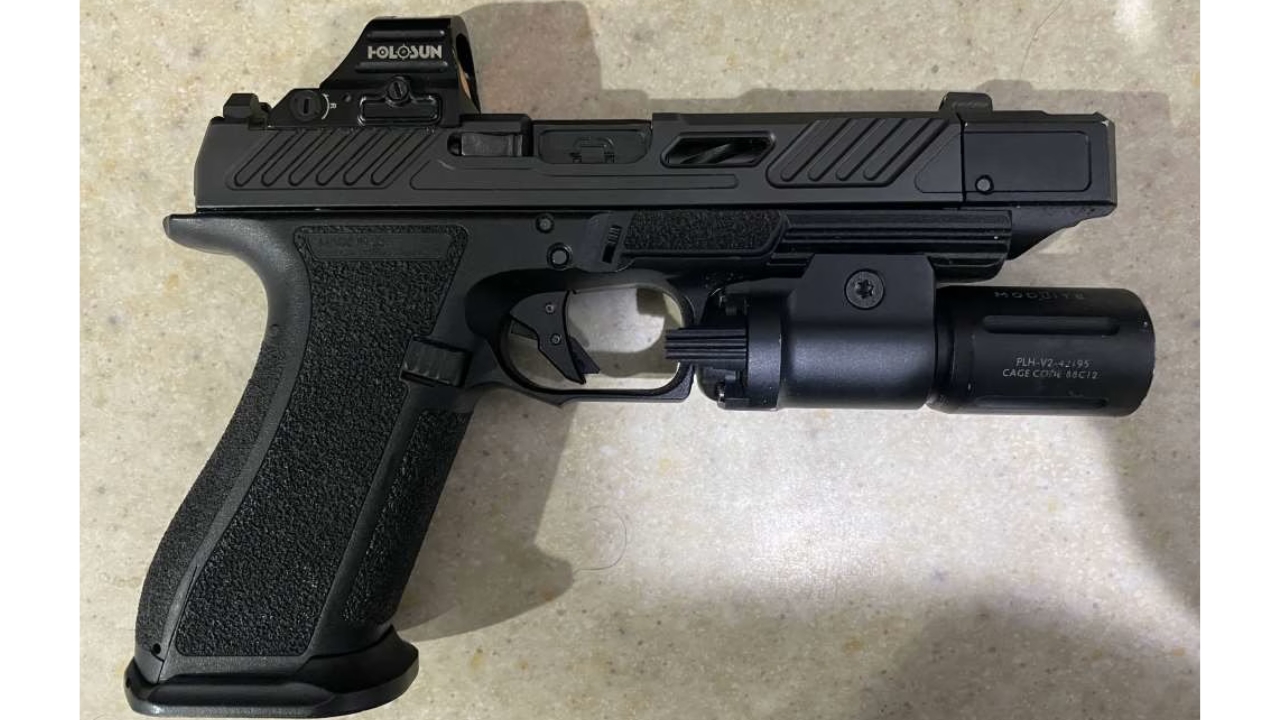
The Shadow Systems DR920P stays manageable when the pace picks up because the compensated setup actually helps the pistol stay organized instead of simply sounding impressive. The recoil behavior remains flatter, the sights settle quickly, and the whole gun feels built to support faster shooting rather than merely survive it. A good compensated pistol can make that difference very obvious.
It also benefits from the familiar general layout that many shooters already know how to run. That lowers the learning curve and lets the shooter focus on what the gun is doing under speed. In this case, what the gun is doing is helping a lot. When the pace starts climbing, the DR920P tends to remain calm enough to keep the shooter confident and efficient.
Dan Wesson DWX Compact
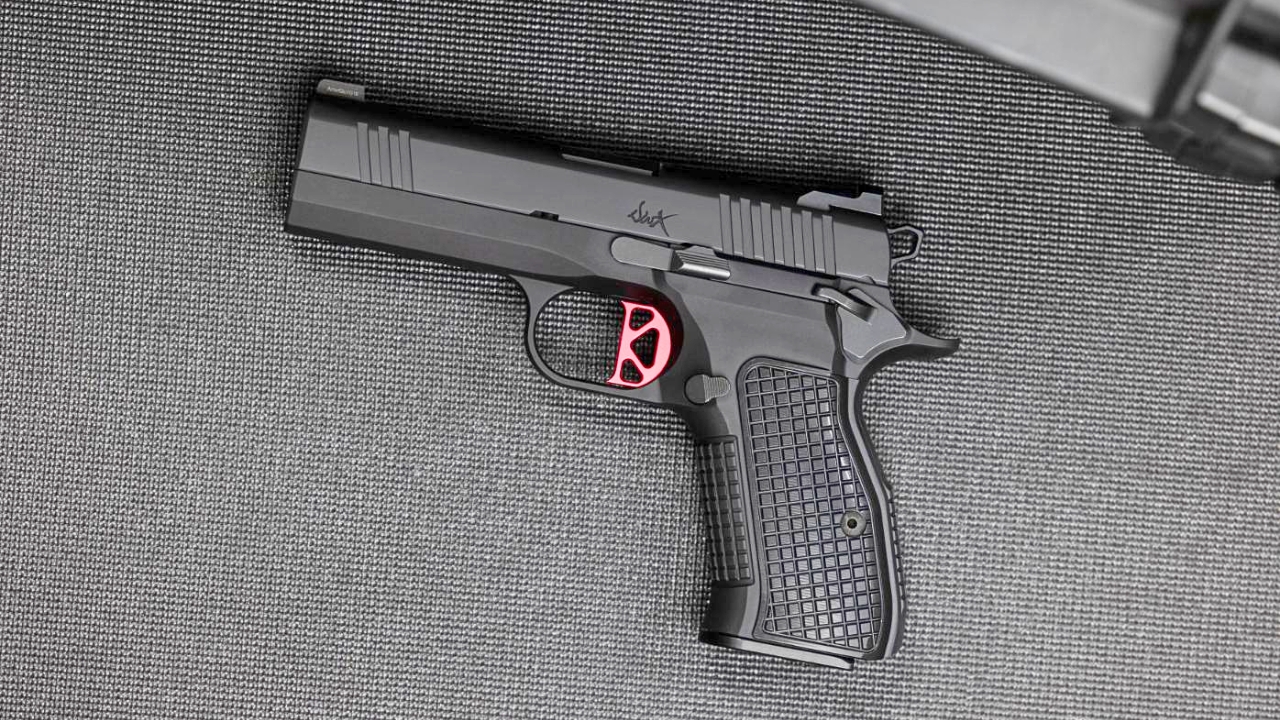
The Dan Wesson DWX Compact stays manageable when the pace picks up because it blends a great trigger with excellent ergonomics and a frame that helps the gun stay flatter than many compact pistols do. That blend is extremely useful once live fire stops being leisurely. The pistol feels quick, but not nervous, which is a difficult balance to get right.
That is a big reason it stands out. Many compact pistols can be shot quickly in short bursts. Fewer stay this cooperative as the demands increase. The DWX Compact seems built for that kind of pressure. It lets the shooter stay on task instead of constantly cleaning up the gun’s behavior, which is exactly what makes it so manageable.
Wilson Combat EDC X9 4-inch

The Wilson Combat EDC X9 4-inch stays manageable when the pace picks up because it gives the shooter a refined, very shootable pistol that keeps its composure extremely well. The trigger is excellent, the grip shape is practical, and the recoil behavior tends to feel controlled in a way that makes speed look cleaner. It does not become chaotic just because the shooter asks more from it.
That sort of response is what separates genuinely useful fast-shooting pistols from merely expensive ones. The EDC X9 keeps giving back the more serious the work gets. A pistol that feels this stable while still staying relatively practical in size earns a lot of respect quickly, especially from shooters who value control over noise.
CZ TS 2

The CZ TS 2 stays manageable when the pace picks up because it is one of those pistols that seems almost built to make fast shooting feel orderly. The weight, trigger, and low-sitting feel all help the gun stay very calm under recoil, and that becomes obvious the second the cadence rises. It is not a subtle difference. The pistol simply makes fast, accurate work easier to sustain.
That is why pistols like this stay so respected. They let the shooter focus on seeing what matters and pressing the gun cleanly instead of constantly correcting for movement. The TS 2 is not pretending to be a compromise carry gun or a one-size-fits-all answer. It is a serious shooter’s pistol, and when the pace picks up, it behaves exactly like one.
Like The Avid Outdoorsman’s content? Subscribe to our newsletter so you never miss an article.
Here’s more from us: