Photo credit: arda savasciogullari/GunBroker
Home defense has changed a lot over the years, and so has the understanding of what calibers actually work best in that role. The rounds that used to be considered “enough” don’t always make sense anymore, especially with better options available today. Between concerns about penetration, stopping power, and availability, some calibers simply don’t stack up. If you’re putting together a home defense plan, these are the calibers you can leave in the past.
.25 ACP
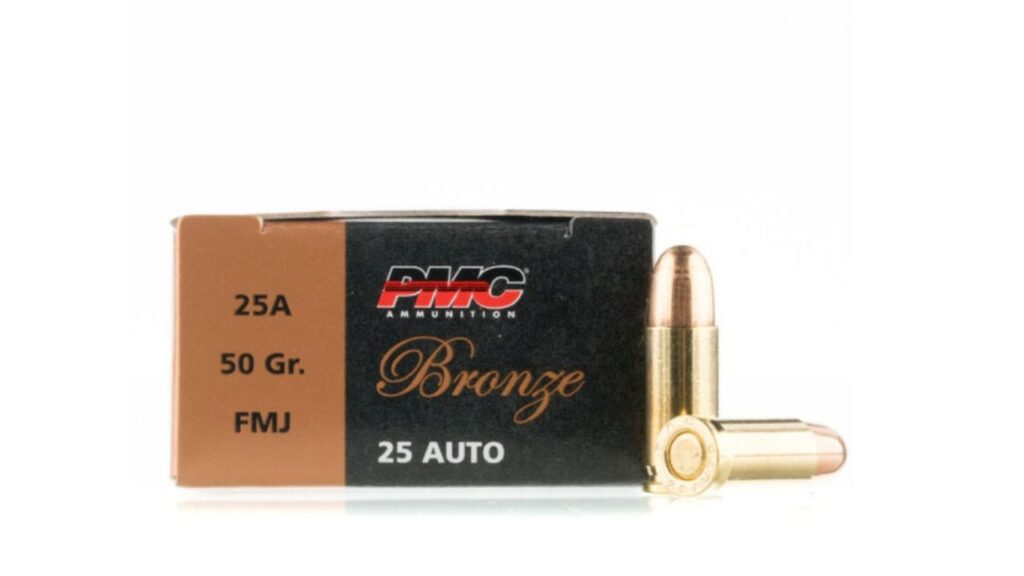
The .25 ACP has been around forever, but it never had much going for it. Out of pocket pistols, it doesn’t deliver the kind of penetration or energy you’d want when facing a real threat. Even though it’s small and easy to carry, its lack of stopping power makes it a poor choice inside the home.
Plenty of shooters have retired their .25s to the safe because they know modern 9mm or even .380 options outperform it in every way. For defense, it’s a caliber that belongs to history.
.32 ACP

Once a popular pocket pistol caliber, the .32 ACP is another round that doesn’t carry its weight in today’s defensive use. While it’s more powerful than .25 ACP, it still falls short when it comes to penetration and consistent stopping power. Many tests show it underperforms compared to modern choices.
The truth is, you’re better served with a caliber that has proven effectiveness and wider availability of defensive loads. For most people, the .32 ACP is outdated for serious home defense.
.38 S&W
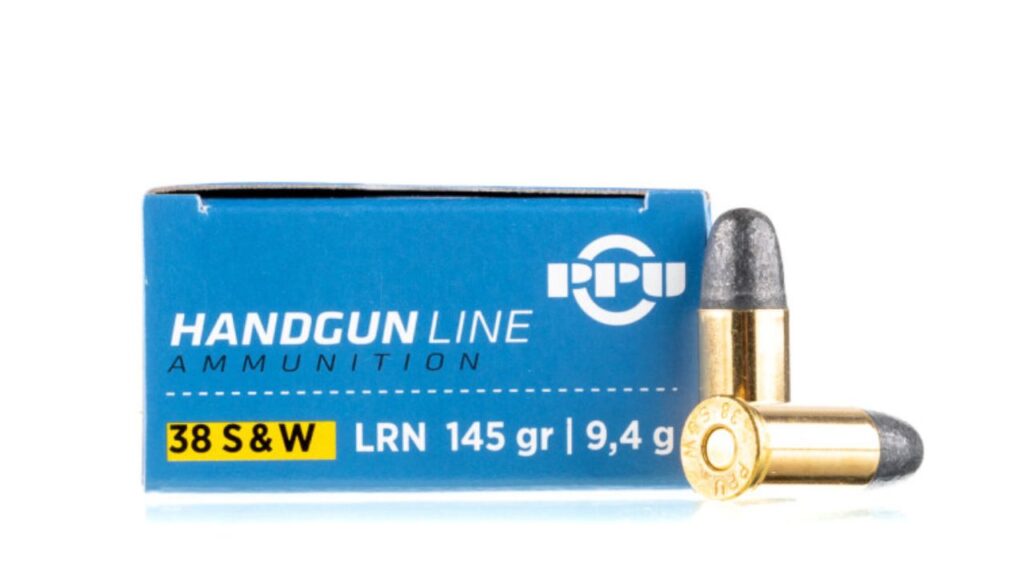
Not to be confused with .38 Special, the .38 S&W is an older, weaker cartridge that simply doesn’t match up to modern standards. Its lower pressure and velocity limit its ability to stop threats effectively. It had its place back in the early 1900s, but it’s been eclipsed for decades.
If you come across one of these older revolvers chambered in .38 S&W, it’s best to view it as a collector’s piece, not a reliable home defense option. It just doesn’t deliver the performance you’d want in a modern context.
.410 Bore (from handguns)
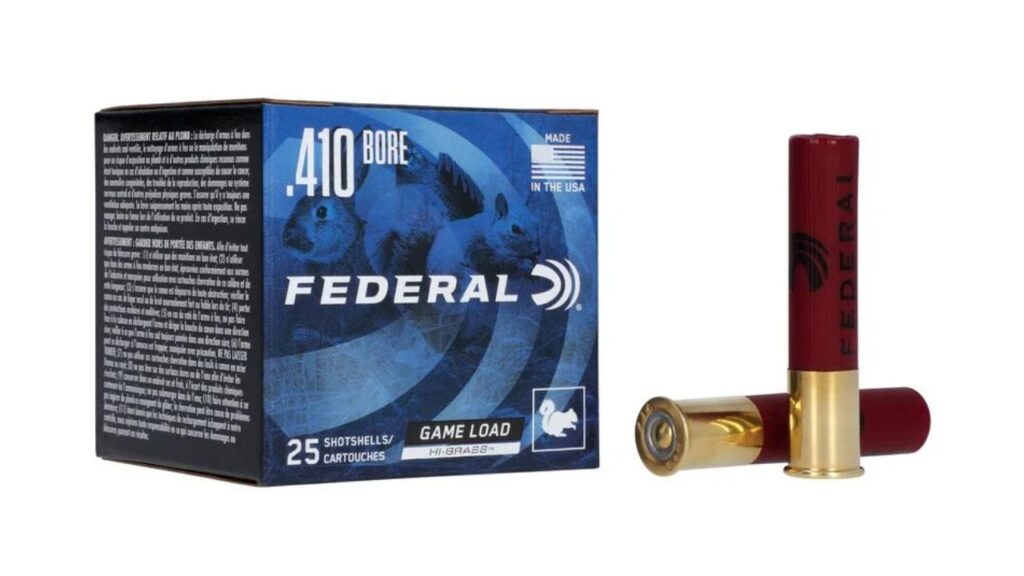
While .410 shotguns can be useful in certain settings, .410 handguns marketed for defense don’t live up to the hype. The short barrel and small payload make it unreliable for consistent stopping power. Even when loaded with buckshot, penetration often falls short.
The idea of a revolver-sized shotgun sounds appealing, but the reality is most shooters end up disappointed with its performance in real scenarios. It’s an example of a caliber that looks better in theory than in practice.
.22 LR
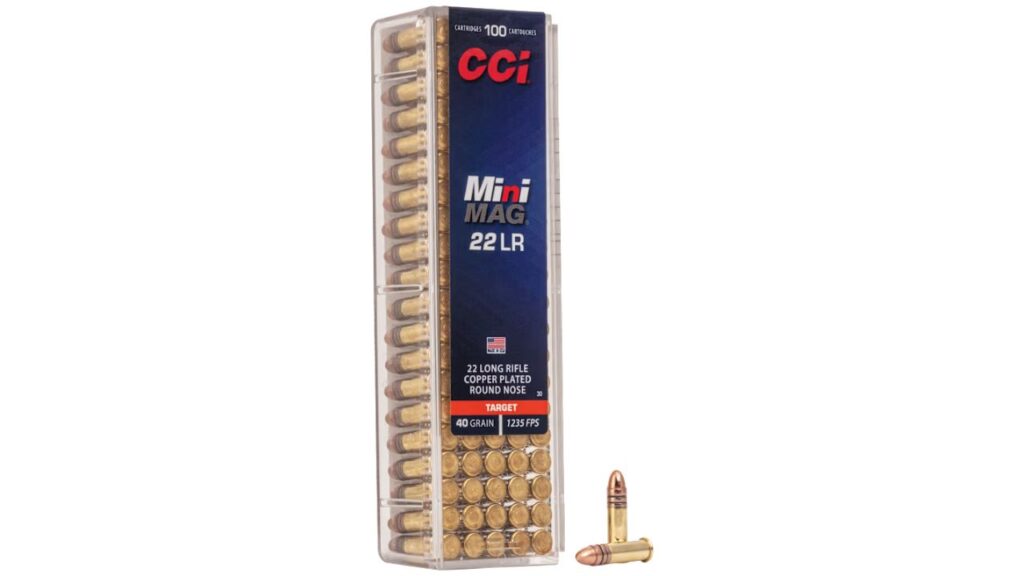
The .22 LR is one of the most common rounds in America, but for home defense, it’s not ideal. While it’s accurate and affordable, it simply doesn’t have the stopping power you’d want when things get serious. Rimfire reliability can also be an issue compared to centerfire cartridges.
That said, it’s better than nothing, and some folks may rely on it because it’s what they’re comfortable shooting. But if you have other options, .22 LR shouldn’t be your first choice for defending your home.
.380 ACP (in micro pistols)
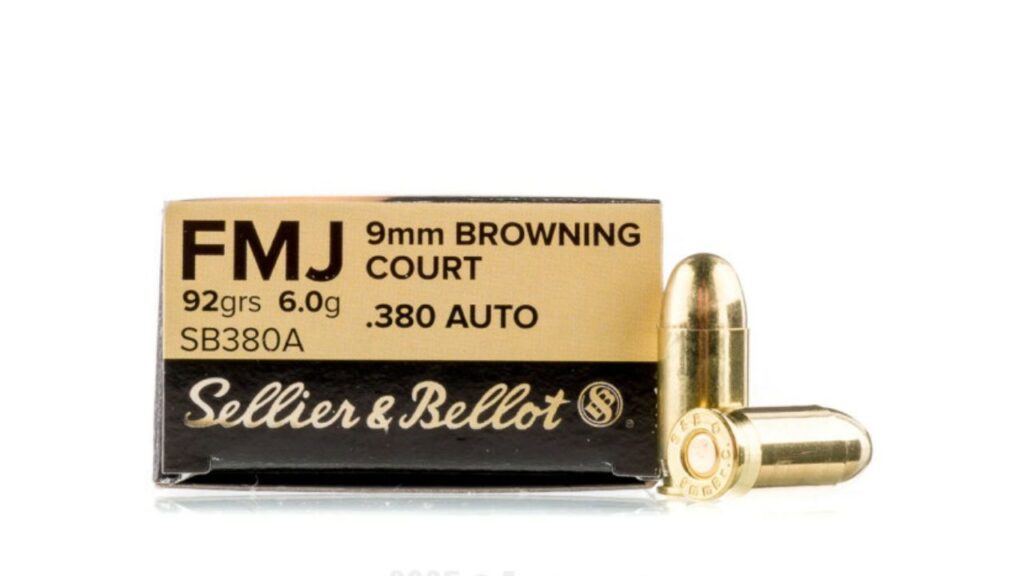
The .380 ACP can be effective in certain carry guns, but when it’s fired out of tiny pistols with short barrels, performance drops. Penetration is often shallow, and expansion isn’t always reliable. For home defense, where size isn’t usually the limiting factor, better calibers exist.
Many shooters have moved away from relying on .380 ACP for this reason. In a full-sized pistol with modern ammo, it’s workable, but compared to 9mm, it’s usually not worth the trade-offs.
9×18 Makarov
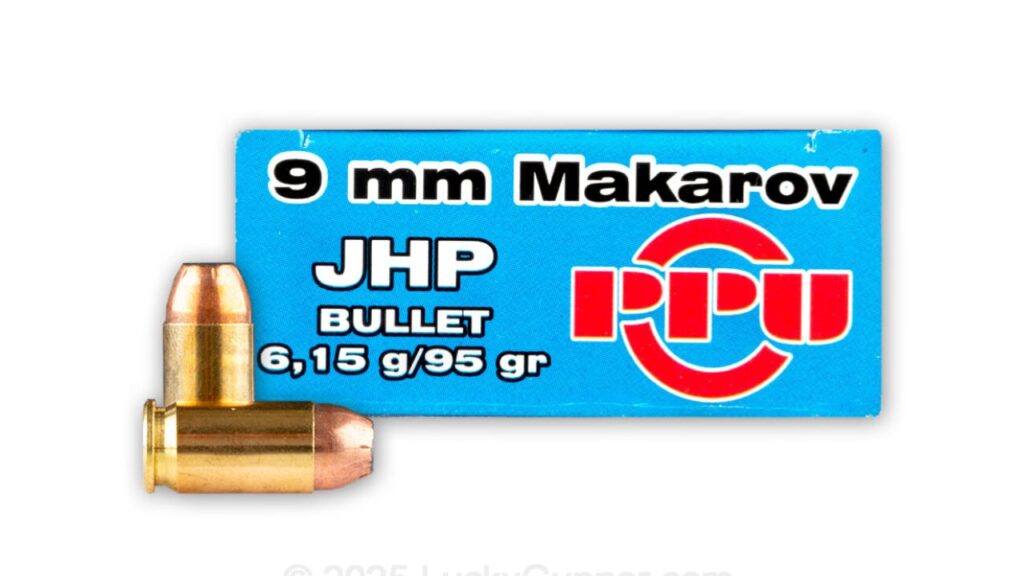
The 9×18 Makarov was once common in Eastern Bloc pistols, but today it doesn’t make much sense for home defense. Ballistics fall behind 9mm Luger, and defensive ammo is harder to find. While it’s fine for a range trip, its practical use for protection is limited.
For anyone relying on surplus pistols chambered in 9×18, the biggest issue is consistency. It lacks the versatility and availability of modern calibers, making it one that most people have outgrown.
.45 GAP
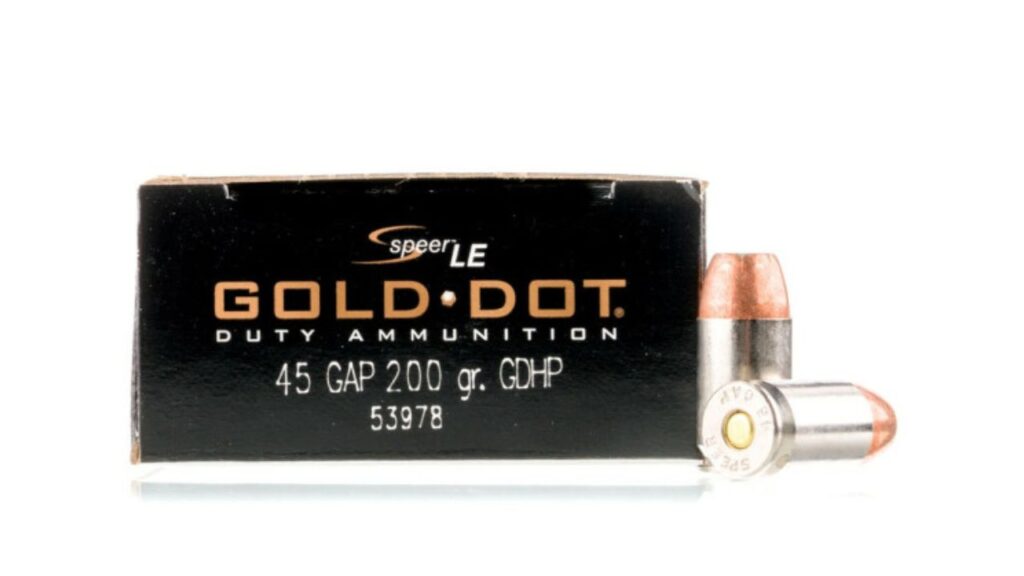
The .45 GAP was Glock’s attempt at creating a shorter version of .45 ACP, but it never caught on. Ammo availability is a major issue, and ballistically it doesn’t offer enough to justify choosing it over 9mm or .45 ACP. For home defense, it’s simply not practical.
If you’re thinking about what to stock and train with, the .45 GAP doesn’t make the cut. Its limited support and lack of real advantages make it a caliber that shooters have largely left behind.
.32 H&R Magnum

The .32 H&R Magnum was marketed as a light-recoiling revolver round, but for defense, it falls short. While it’s more capable than .32 ACP, it doesn’t provide the same confidence as .38 Special or 9mm. Defensive load options are limited, and its performance gap keeps it from being a solid choice.
Hunters and target shooters may still find a use for it, but for protecting your home, there are far stronger and more reliable choices. It’s a round most shooters don’t keep in their defensive lineup anymore.
e last thing you want is a hard-to-find round with questionable stopping power. The .25 NAA is a perfect example of a caliber that’s been outgrown by nearly every shooter looking for something reliable.
*This article was developed with AI-powered tools and has been carefully reviewed by our editors.