Photo credit: BERETTA9mmUSA/Youtube
I’ve watched the gun world do a full lap more than once. A model gets laughed off, a cartridge gets labeled “dead,” a design gets called outdated, and then real life nudges folks back toward it. Ammo prices change. Hunting access changes. Carry habits change. Even simple stuff like parts availability and magazine commonality starts to matter more than whatever was hot on the internet that year.
Here are 20 firearms (and a couple cartridges by name, because they’re tied to specific platforms) that didn’t always get their due at the time, but make a whole lot more sense in today’s mix of prices, regulations, and everyday practicality.
1. Ruger Mini-14 Ranch Rifle

For years, the Mini-14 lived in the shadow of the AR. It was “too expensive,” “not accurate enough,” and “why bother.” Then a bunch of states started getting weird about features, and suddenly a traditional-looking semi-auto that takes detachable mags is not such a dumb idea.
It carries easy, rides in a truck without snagging every sharp edge, and points like a normal rifle. Factory Ruger mags are the ticket, and yes, they cost more than bargain AR mags. Still, if you want a low-drama .223/5.56 that doesn’t scream “tactical,” this one aged well.
2. Ruger Mini-30

The Mini-30 was always the oddball brother. Back when 7.62×39 was cheap and stacked deep, it made sense. Then ammo prices and steel-case debates turned it into an afterthought.
Right now, it fills a niche: mild recoil, decent downrange thump for hogs and coyotes, and a handy package that feels more like a ranch rifle than a range toy. It can be pickier about ammo than an AK, and you’ll want good mags, but the concept holds up.
3. Mossberg 590A1
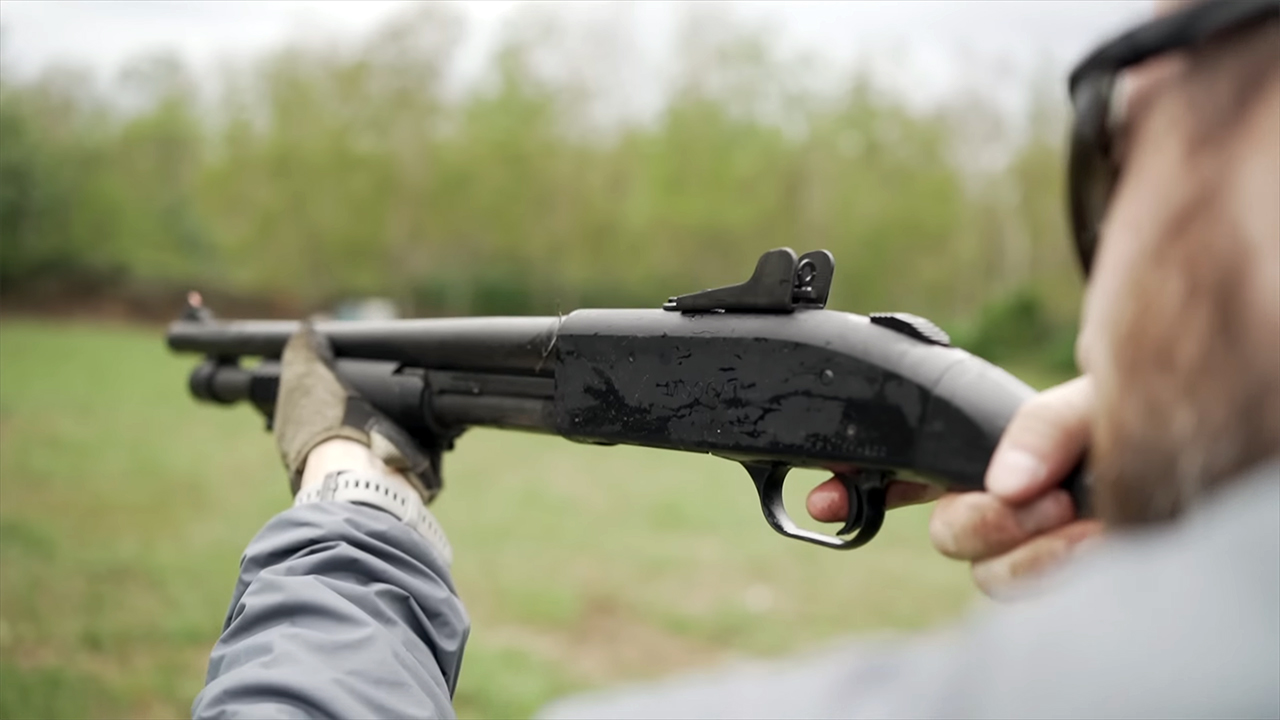
There was a time when any pump shotgun was “good enough,” and the heavy-barrel, metal-trigger-guard 590A1 seemed like overkill. Then folks started actually training with their defensive shotguns, running them hard, and learning what breaks.
This one is not fancy. It is heavy for what it is, and that’s part of the point. A pump that shrugs off abuse, cycles smooth when it’s dirty, and keeps working when it’s been bouncing around behind a seat has a way of looking smarter with age.
4. Remington 870 Wingmaster
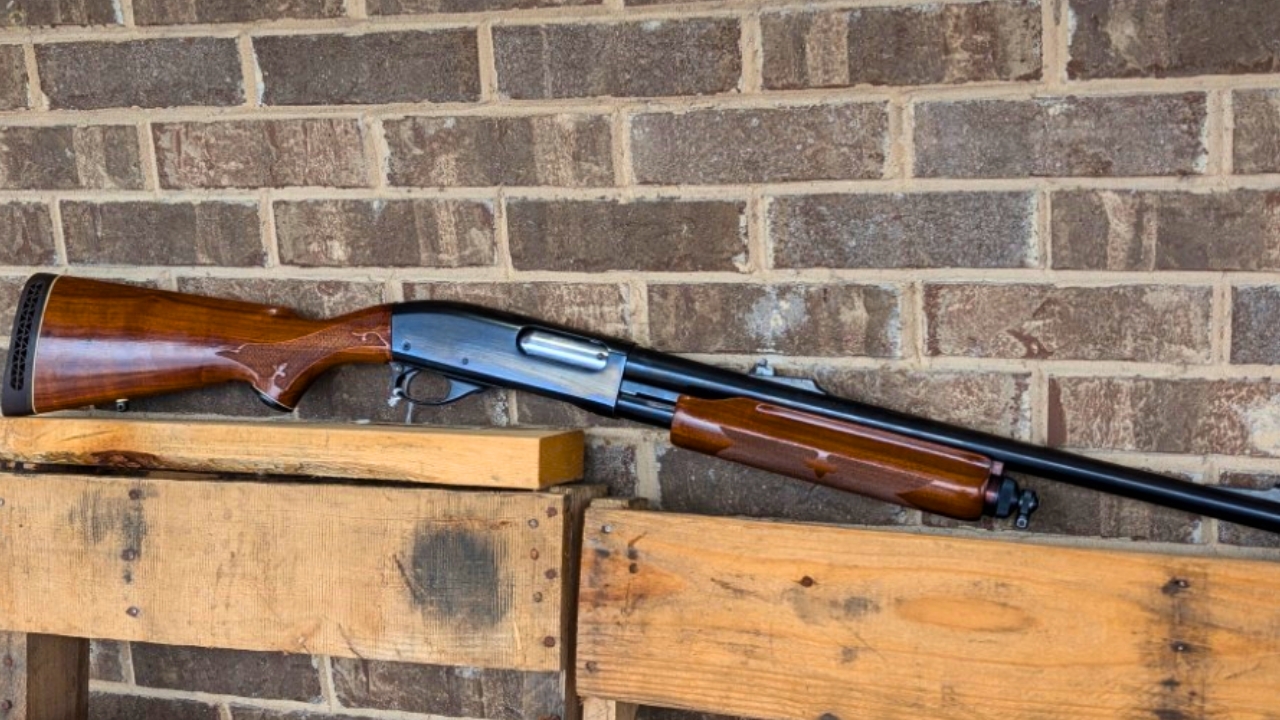
Older Wingmasters are the kind of “boring” that turns into trust. Smooth action, good steel, and a balance that makes you shoot better than you deserve on a fast crossing bird. Newer 870 conversations got messy for a while, and that dragged the whole name down.
If you’ve got a solid older one, it’s a lifetime tool. For upland hunters and turkey hunters who don’t want to baby a gun, a good Wingmaster still makes sense in a world where mid-grade shotguns cost more than they used to.
5. Marlin 336 in .30-30
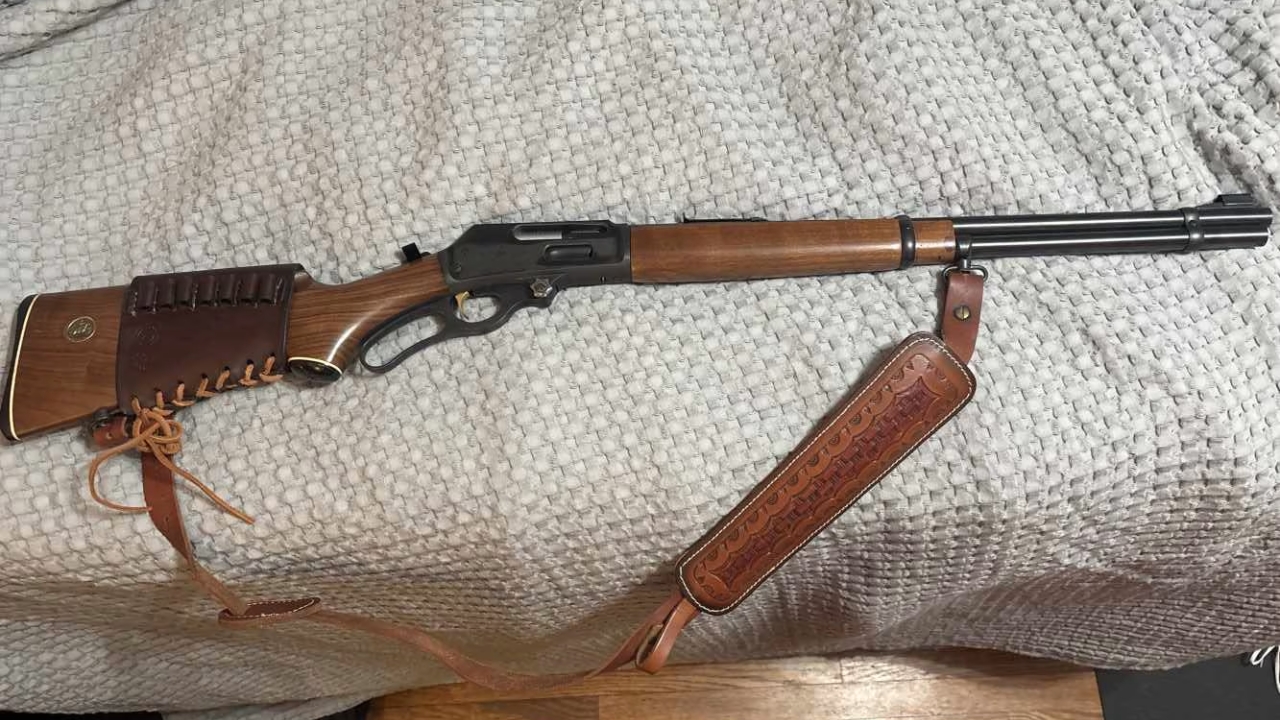
Plenty of folks dumped their lever guns when they got into scoped bolt guns and longer shots. Then property lines got tighter, timber got thicker, and a lot of deer hunting went back to 30–80 yard work in real cover.
A 336 carries like it belongs in your hands. It comes up fast, doesn’t punish you, and drops deer clean when you do your part. Ammo isn’t the bargain it once was, but .30-30 is still everywhere when oddball stuff disappears.
6. Winchester Model 94

The Model 94 used to be the “grandpa gun” people inherited and promptly traded toward something with a detachable mag and a tactical stock. Then they realized they’d traded away a rifle that weighs almost nothing and lives for still-hunting.
Is it a precision rig? No. But it is quick, familiar, and handy. If you hunt thick draws, creek bottoms, or hardwood ridges where shots come fast, the old 94 makes a lot of modern rifles feel clumsy.
7. Henry Big Boy in .357 Magnum
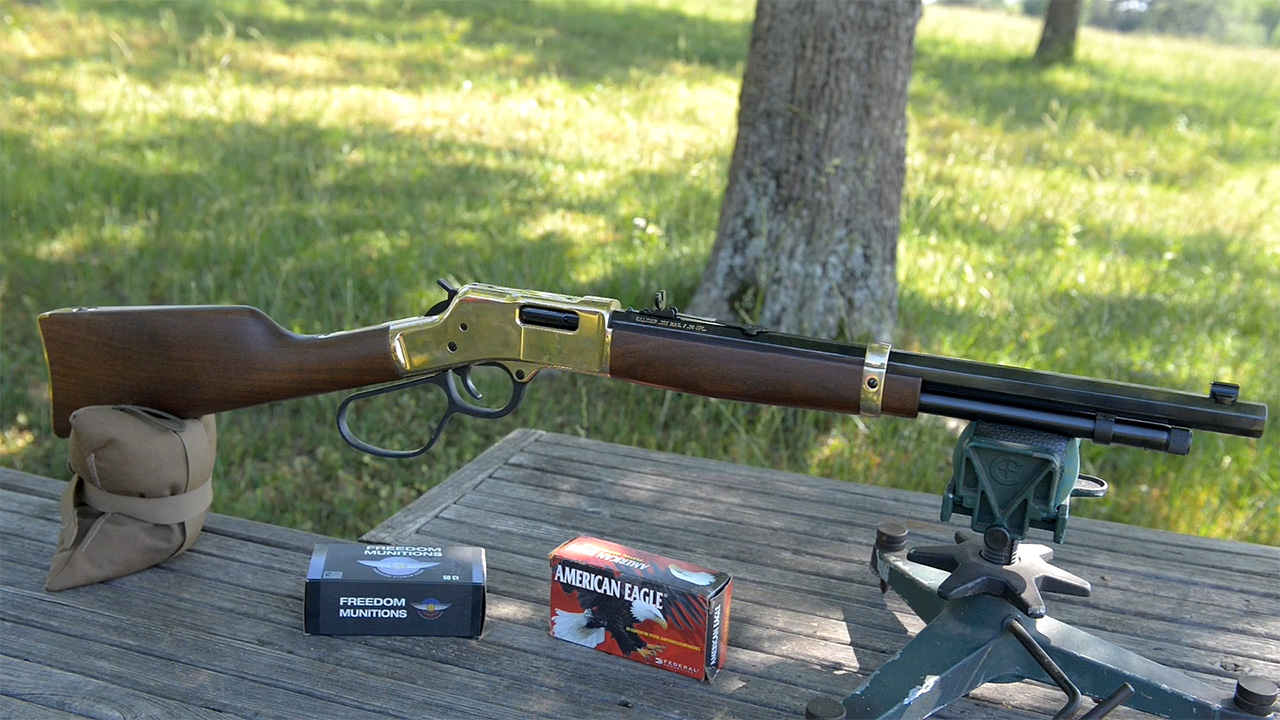
Lever guns in pistol calibers were once a cowboy-nostalgia purchase for most folks. Now they’re a legitimate “do a lot with one gun” answer, especially with suppressor popularity and the push for easy-shooting setups.
.357 out of a rifle is not the same animal as .357 out of a snubnose. It hits harder than people expect, recoil is mild, and it’s a joy to carry. If you already keep a .357 revolver, the ammo overlap is real convenience.
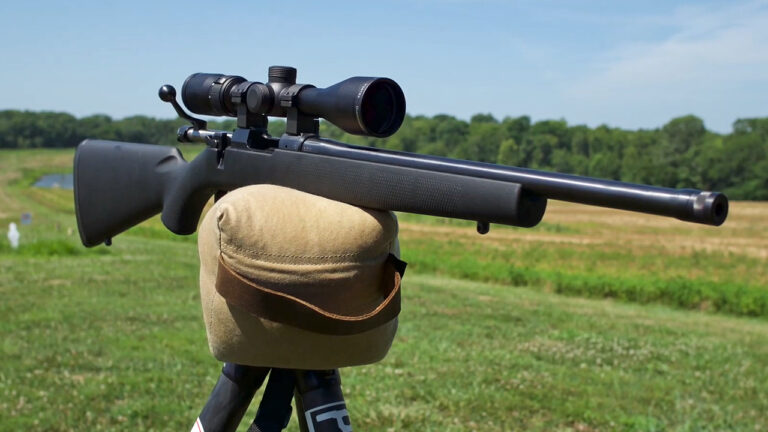
8. Ruger American Rifle

When the Ruger American showed up, it was the plastic-stock budget rifle that made traditionalists grumble. Then everybody started realizing most “budget” rifles shoot better than the average hunter, and not everybody wants to spend optics money on walnut.
The American is light, accurate, and not precious. It’s a rifle you can drag through a wet season and not cry about. The aftermarket has grown up around it too, so you’re not stuck with one configuration forever.
9. Savage Axis

The Axis caught plenty of jokes: cheap stock, basic feel, nothing to brag about. But when rifle prices climbed and new hunters needed something that simply works, the Axis started doing what it was always meant to do.
Most of them shoot, and they shoot well enough to fill freezers. The trigger situation depends on the generation, and the stock can feel flimsy, but if you want an honest starter rifle that doesn’t drain the tag budget, it’s hard to argue.
10. Tikka T3x (especially in .308)

Years back, some guys shrugged at Tikka because it wasn’t “classic” and it wasn’t built in the U.S. Then they worked a bolt that feels like it’s on ball bearings and watched the groups tighten up with boring factory ammo.
In a world where light rifles often kick like mules and feel rough, the T3x is a calm, consistent tool. .308 in particular makes more sense now: common ammo, manageable recoil, and it does nearly everything most hunters ask inside sane distances.
11. Ruger M77 (tang safety and Mk II)
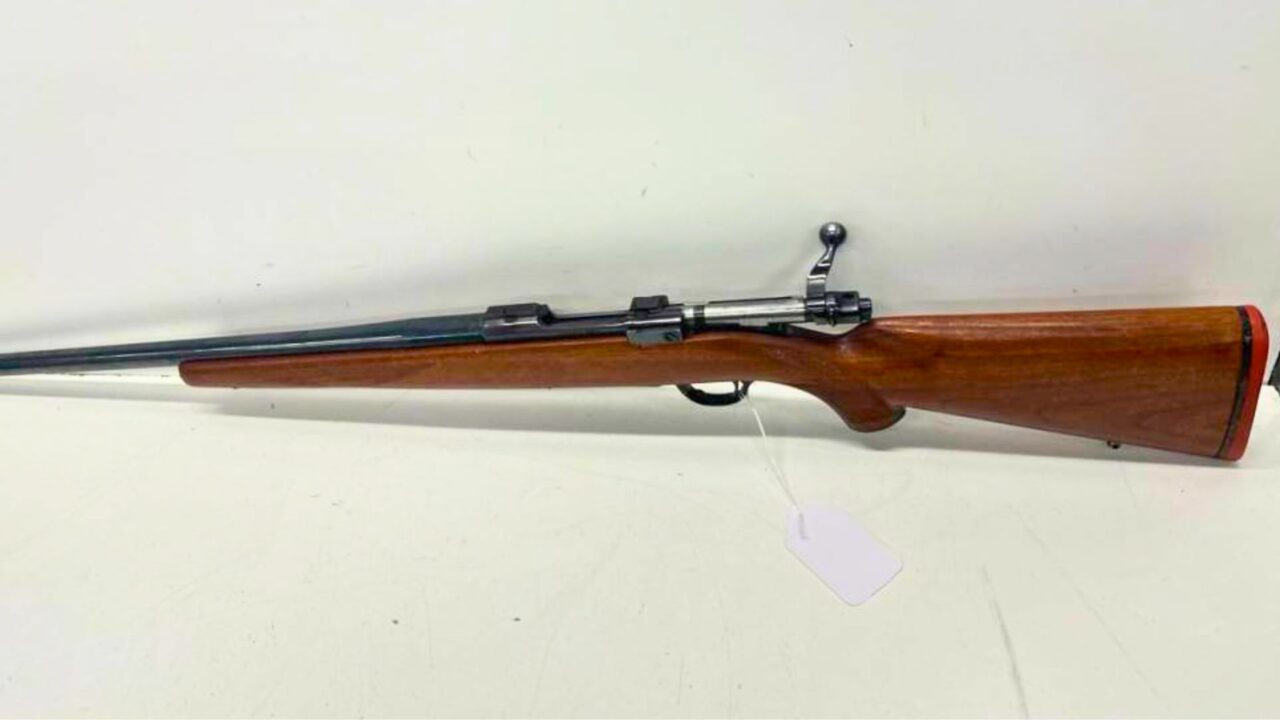
The M77 got labeled heavy and old-fashioned when lightweight rifles and detachable mags became the fashion. But controlled-round feed and a solid action aren’t trends. They’re solutions.
These rifles handle rough country well. They’re the kind of gun you don’t worry about when you’re climbing into a stand in the dark or riding a scabbard. Not everyone needs one, but if you do, you really do.
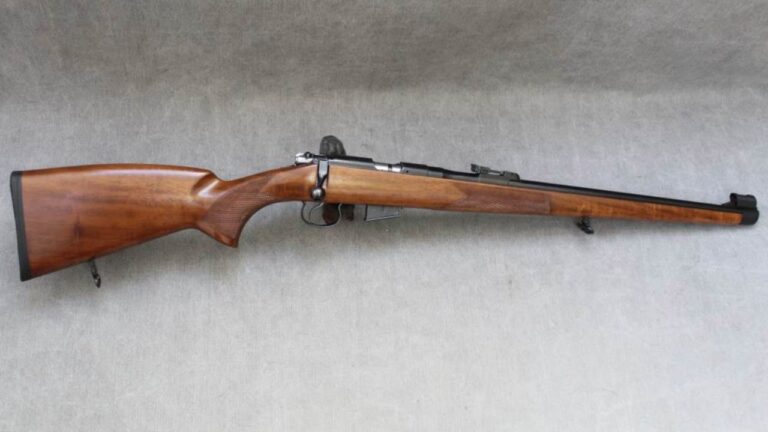
12. CZ 457 (.22 LR)
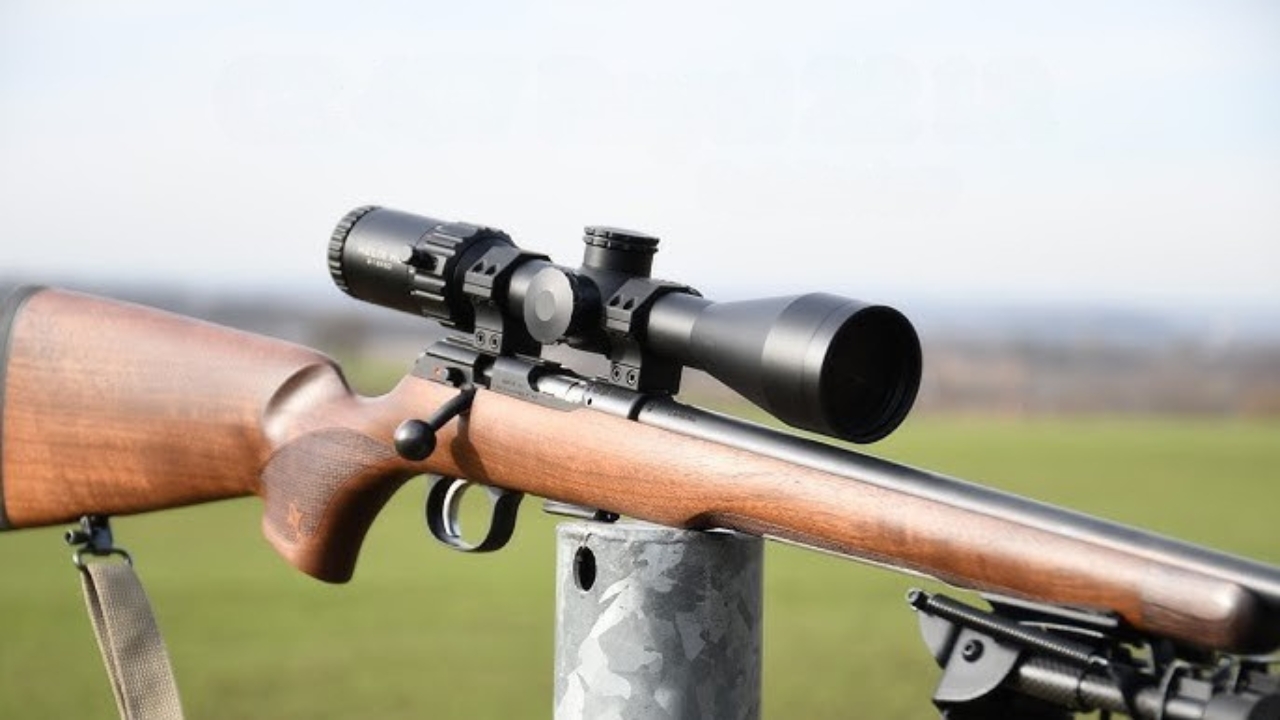
Rimfire used to be the cheap practice option. Now it’s also the “I can actually afford to shoot every week” option, and a good .22 is a bigger part of a serious shooter’s life than it used to be.
The 457 is accurate, smooth, and built like a real rifle, not a toy. Whether you’re hunting squirrels, teaching kids, or running steel at 50 yards, it’s hard to beat a rimfire that doesn’t fight you.
13. Ruger 10/22

The 10/22 has been around forever, so it’s easy to take it for granted. But what’s changed is how useful a simple semi-auto .22 is when centerfire ammo costs real money and range trips are shorter.
Magazines are everywhere, parts are everywhere, and you can keep one bone-stock or turn it into a project. There’s a reason it’s in so many cabins and farmhouses. It just keeps earning its keep.
14. Glock 19
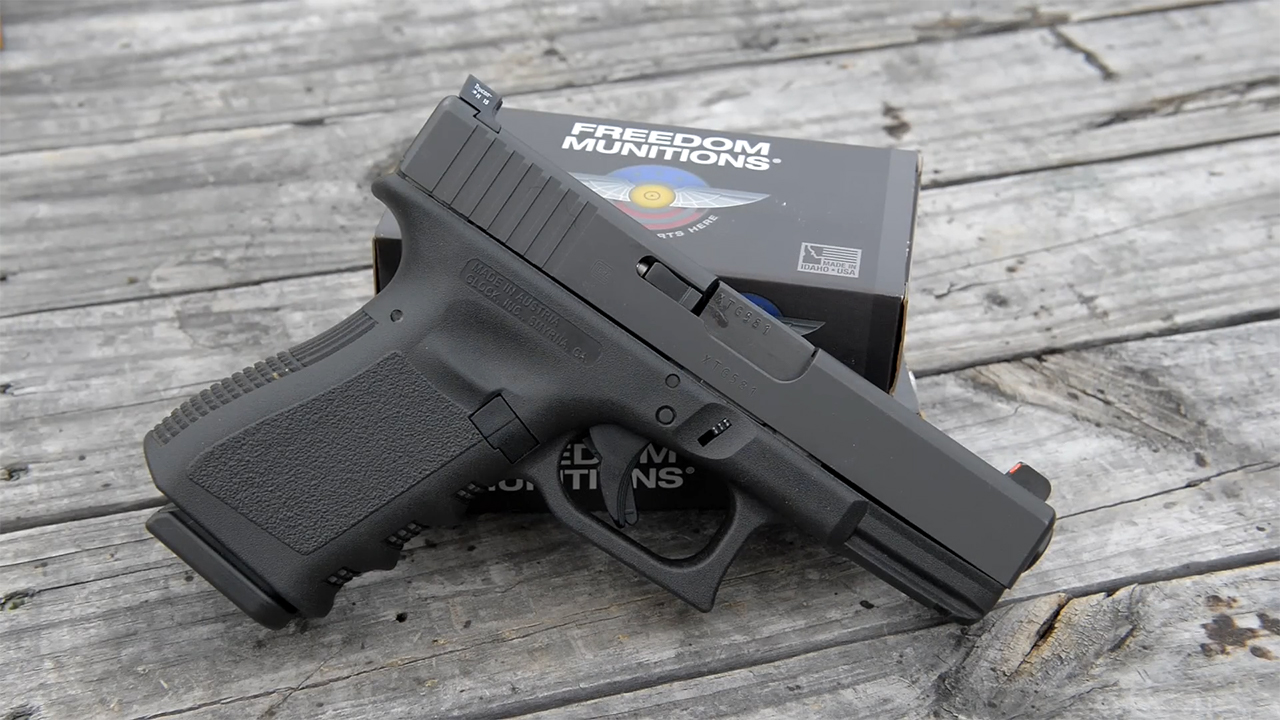
For a while, the Glock 19 got “basic” slapped on it like that was an insult. Then folks cycled through micro-compacts that were snappy, hard to shoot, and picky with ammo, and they started crawling back to the boring answer.
It carries well, shoots easy, and magazines are cheap and common. It’s not the most exciting pistol at the counter, but if you want a do-it-all 9mm that doesn’t demand attention, this is still the benchmark.
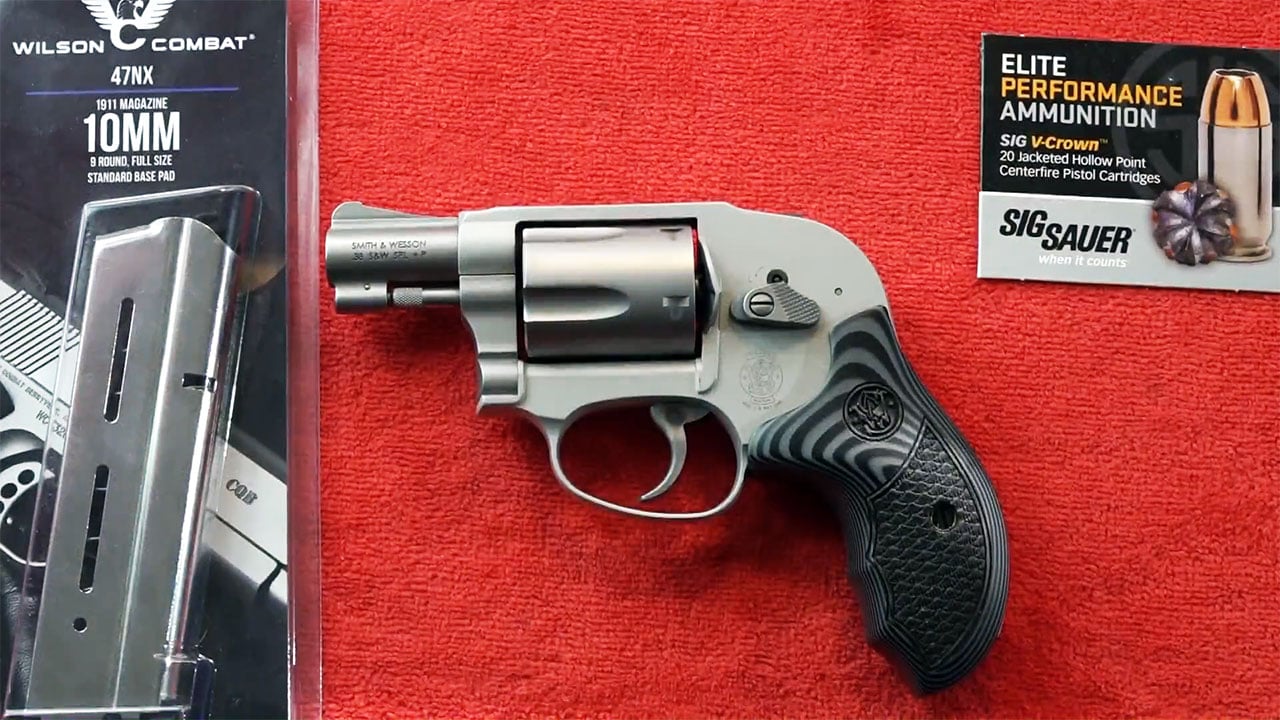
15. Smith & Wesson J-Frame (.38 Special)
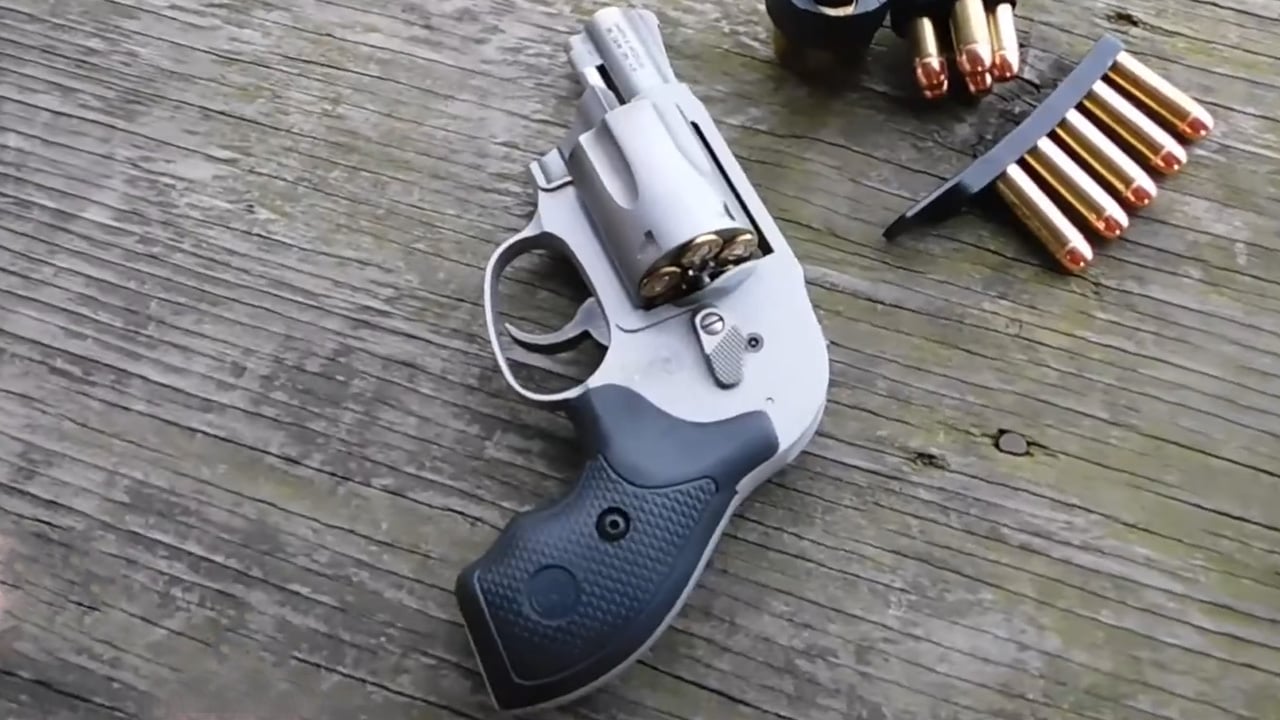
Small revolvers took a beating in the age of tiny 9mms. More capacity, faster reloads, better sights—on paper, the revolver looked outdated. Then real pocket carry realities showed up: lint, sweat, awkward draws, and guns that don’t get babied.
A J-frame is not easy to shoot well, and anyone who says otherwise is either gifted or lying. Still, it’s simple, it can live in a pocket holster, and it’s dependable with good ammo. For “always” carry, it still has a place.
16. Ruger LCR in .327 Federal Magnum

.327 Federal was one of those cartridges that got dismissed as pointless. Then folks started noticing you can get an extra round in a small-frame revolver, recoil can be reasonable with the right loads, and it hits harder than .32s of the past.
The LCR is light and ugly, and the trigger is better than it should be for what it is. Ammo availability can be the headache, so you have to be honest about whether you’ll actually stock it. But as a practical little trail and town gun, it’s smarter than it looked at launch.
17. Ruger GP100 (.357 Magnum)

Big revolvers weren’t “cool” for a while unless they were safe queens. Now more folks are spending time outdoors again—fishing access roads, checking fence lines, camping—and they want a sidearm that doesn’t care about dirt and weather.
A GP100 is heavy, and you feel that on the belt. The tradeoff is it’s shootable, durable, and not finicky. With .38s it’s a pussycat; with .357s it’s serious. There is comfort in that kind of simple.
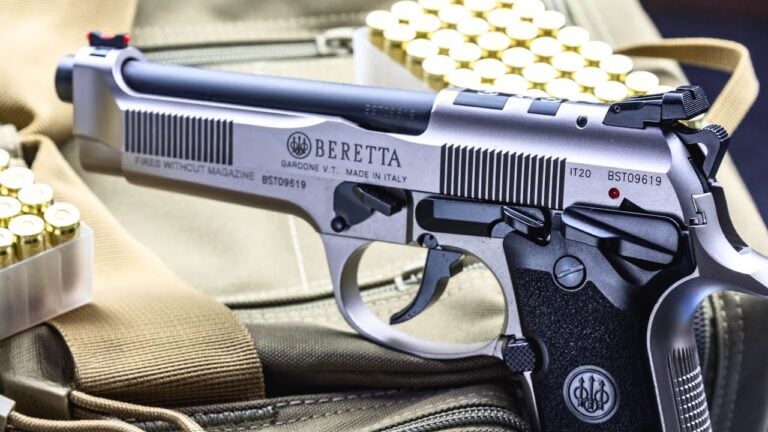
18. Beretta 92FS / M9
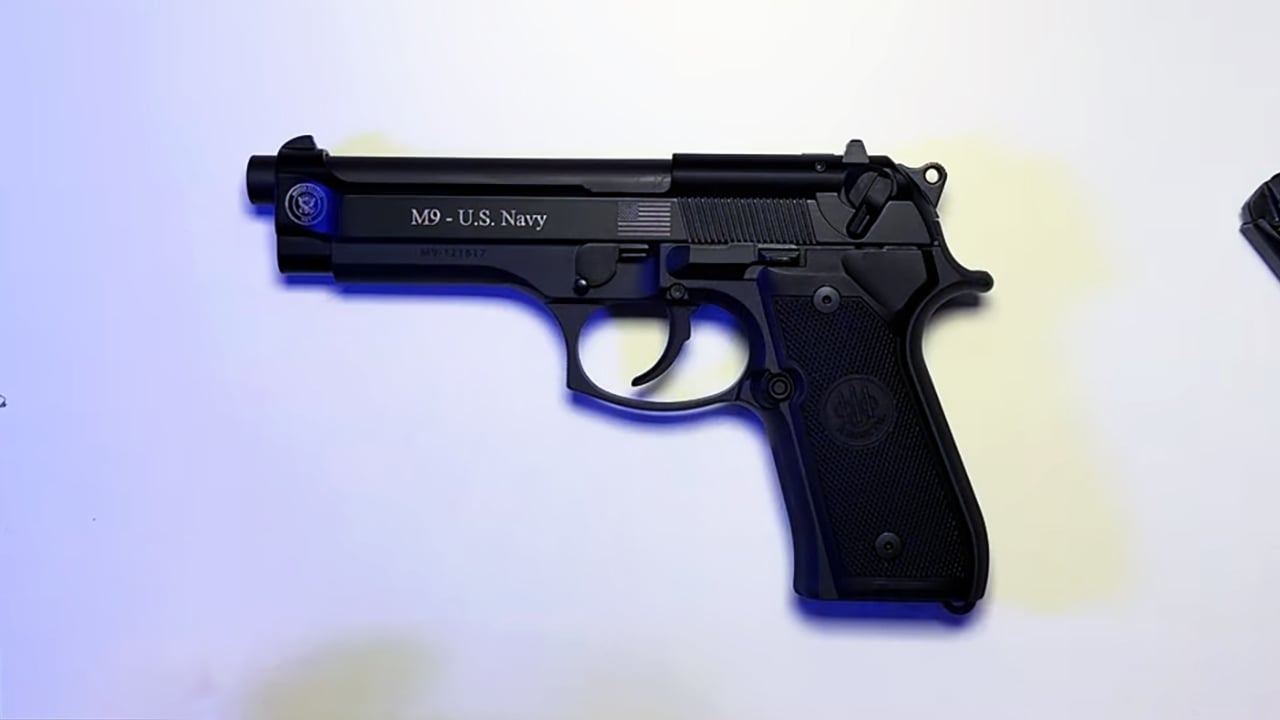
The Beretta 92 got called big and dated once striker-fired pistols took over. Then people started caring again about soft recoil, long sight radius, and a gun that runs smooth for long range sessions.
It’s a full-size pistol that behaves like one. If you’ve got medium to large hands, it points nice and tracks well. Magazines and parts are easy to find, and it’s a great “teach a new shooter on a 9mm” gun because it’s not trying to jump out of their hands.
19. SKS (7.62×39)

There was a time you could buy an SKS for cheap and not think twice. Those days are gone, and a lot of folks wish they hadn’t passed on them when they were stacked like cordwood at shows. That one hurts.
It’s not as modular as an AR and not as fast to reload as a detachable-mag gun, but it’s rugged and straightforward. For a ranch rifle that can live behind a door or in a truck (stored safely, of course), it still makes sense—especially where a “sporting” look matters.
20. .308 Winchester bolt guns (as a category)

For a long stretch, everybody chased flatter, faster, newer. Then the real world reintroduced itself: ammo shelves aren’t infinite, recoil matters when you actually practice, and most game is killed inside distances that don’t need a laser beam.
.308 is not trendy, and that’s why it’s strong. It’s common, it works, and rifles chambered for it tend to be reliable and easy to tune with different loads. If you hunt deer, hogs, black bear, and you want one rifle that’s not a diva, this is still a smart lane.
The funny part is none of these are magic. They’re just tools that fit the way a lot of us really live now: tighter budgets, less time to tinker, more need for ammo you can actually find, and gear that works when it’s cold, wet, and inconvenient. If you’ve got one of these in the safe, you might already be sitting on something more useful than the “better” gun you were told to buy.
Like The Avid Outdoorsman’s content? Subscribe to our newsletter so you never miss an article.
Here’s more from us: