
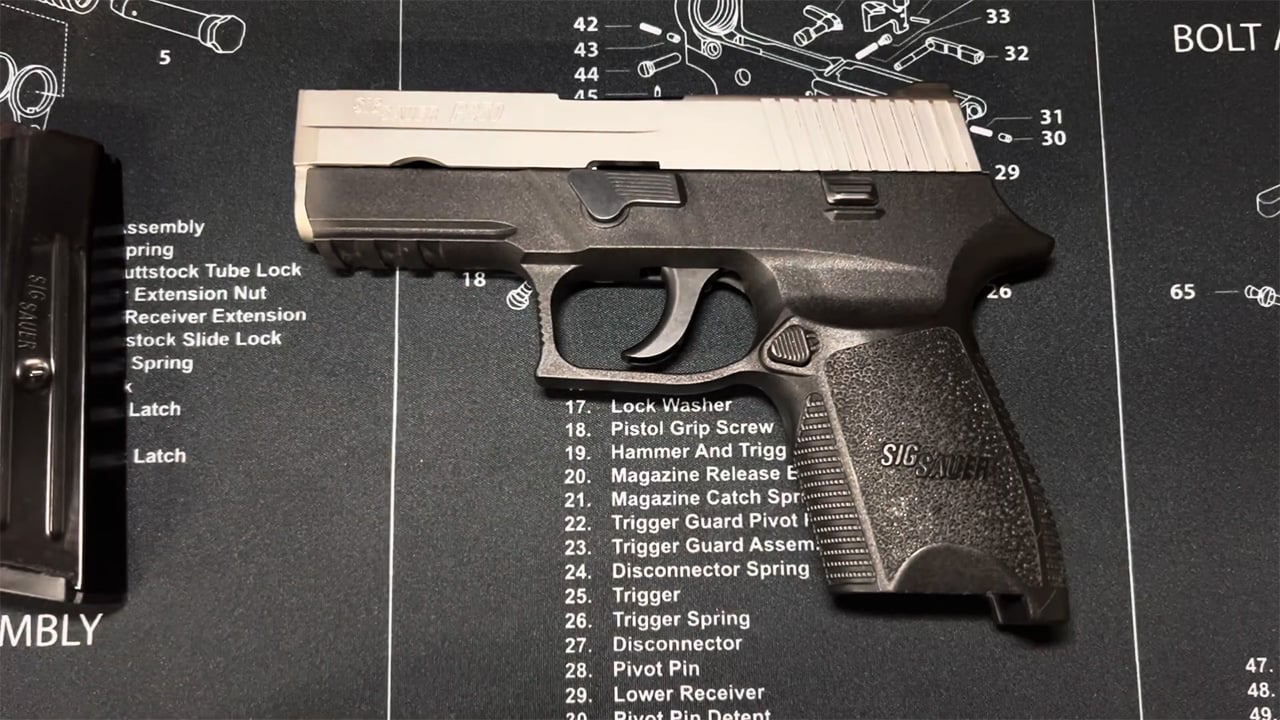
Photo credit: RawHawg/Youtube
Everybody loves a new semi-auto when it’s clean, slick, and still smells like packing oil. The trouble starts when the honeymoon ends and you actually run the thing—steel case, mixed magazines, a dusty tailgate, a couple quick strings, then back in the bag. I’ve watched more than a few “good deals” turn into dead weight right around the point where a normal shooter finally trusts the gun enough to quit babying it.
This isn’t a hit list of brands. It’s a reality check. Any maker can ship a lemon, and any owner can cause problems with bad mags, weak ammo, or zero maintenance. Still, some models show up again and again when the round count climbs and the excuses run out.
1. Remington R51 (Gen 1)

I wanted to like it. Slim, different, American-made on paper, and it pointed naturally. Then the stoppages started showing up before the first case of ammo was even gone, and they were the kind that kill confidence fast.
The worst part is it didn’t feel like a simple “try different ammo” situation. When a carry-sized pistol chokes often enough that you start counting failures per box, it stops being a tool and becomes a project. Most folks didn’t buy it to be a project.
2. SIG Sauer P250
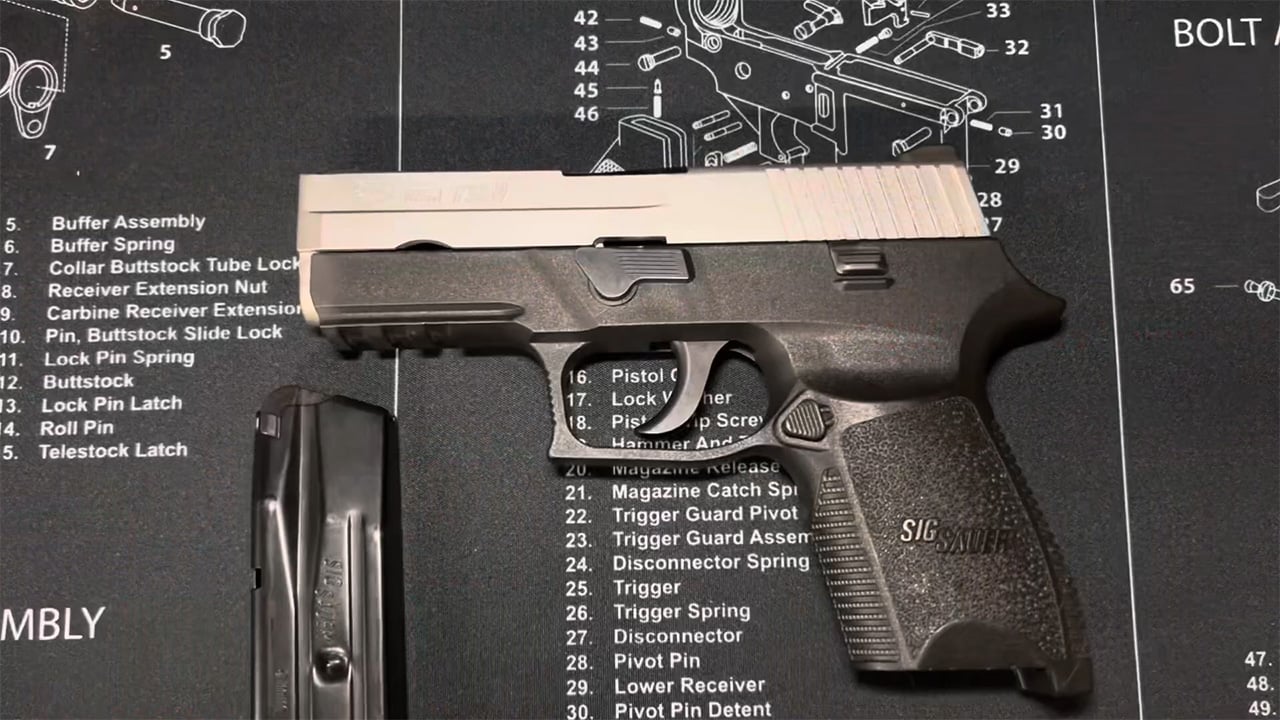
The P250 was supposed to be the smooth, modular answer for people who liked a hammer-fired feel without the hammer. That long, steady trigger can be shootable, but it also hides problems—especially when you’re pushing speed and trying to run drills.
I’ve seen them start fine and then get weird: sluggish reset feel, inconsistent ignition with certain primers, and shooters blaming themselves until they try something else and magically shoot better. It’s not that they can’t run; it’s that plenty of them don’t run like you hoped once you’re past the first few range trips.
3. Kimber Solo

This one hurts because the idea was solid: tiny 9mm, good sights, premium price tag, and the Kimber name on the slide. The reality is a pistol that often acts picky enough to make you feel like you’re feeding a spoiled bird dog.
When a small semi-auto demands specific ammo to behave, you’re already behind. Past a few hundred rounds, the tolerance stacking and finicky cycling shows up as failures to feed and lockback issues, usually right when the gun is good and dirty—like it would be in real life.
4. Taurus PT1911 (early production)
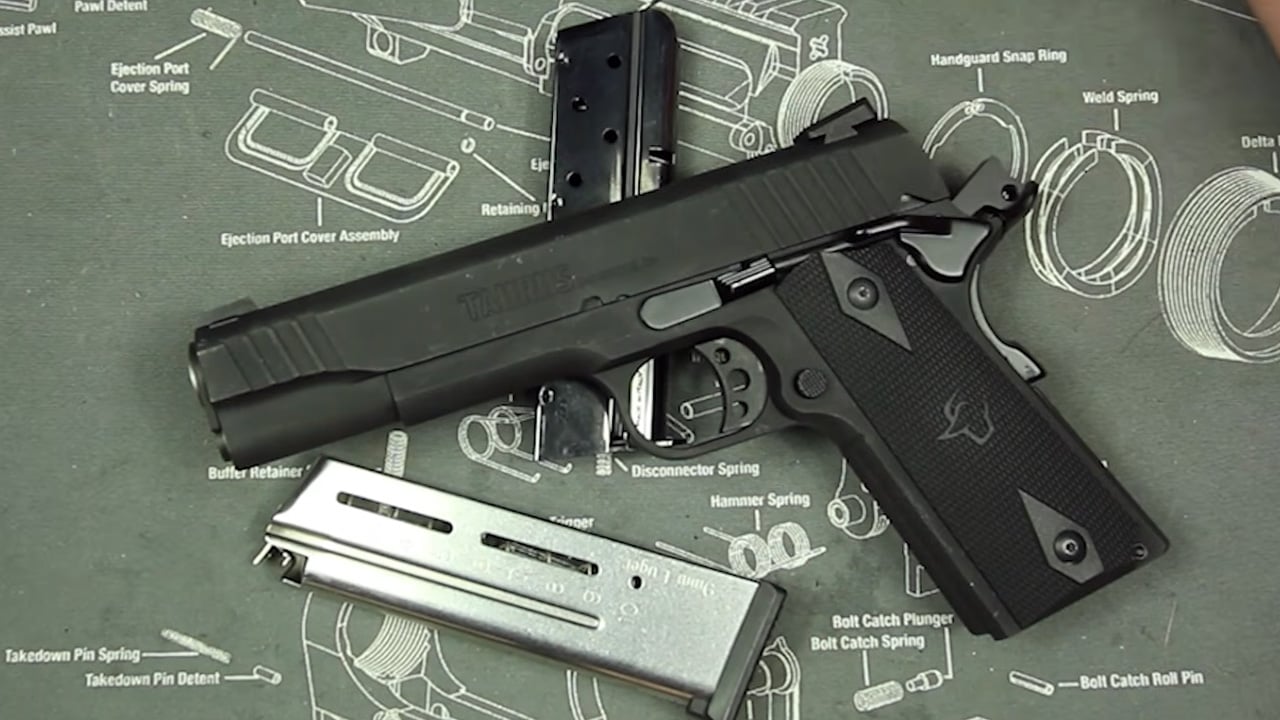
I’ve seen PT1911s that ran surprisingly well, and I’ve seen others that turned into a jam-o-matic once they got hot and a little dry. A 1911 can be a joy, but it’s not the platform you buy when you want “zero thinking required.”
With some of the early Taurus guns, little stuff adds up: extractor tension not quite right, magazine sensitivity, and parts fit that changes as things wear in. Around 500 rounds is where the small problems stop being “break-in” and start being your new normal.
5. Century Arms C308 (PTR/G3 pattern clone issues)

The roller-delayed guns have a vibe. They look tough, feel tough, and they throw brass into the next county. But the budget builds can be all over the place, and you find out quick when you start running real strings instead of slow-fire groups.
Common complaints are rough cycling, violent ejection chewing cases, and inconsistent reliability tied to surplus mags or oddball parts. You can end up with a rifle that “sort of” works until it’s dirty, then it becomes a bench gun you don’t trust.
6. IO Inc. AK (various models)

If you’ve been around AKs long enough, you’ve heard the warnings. Some of the IO builds had reputations for being out of spec in ways that aren’t just annoying—they’re dealbreakers.
By the time you’re a few hundred rounds in, the wear patterns tell the story. Rivets, trunnion fit, and general parts quality can take a rifle that should be boring-reliable and turn it into something you don’t even want to troubleshoot.
7. Pioneer Arms AK (early imports)
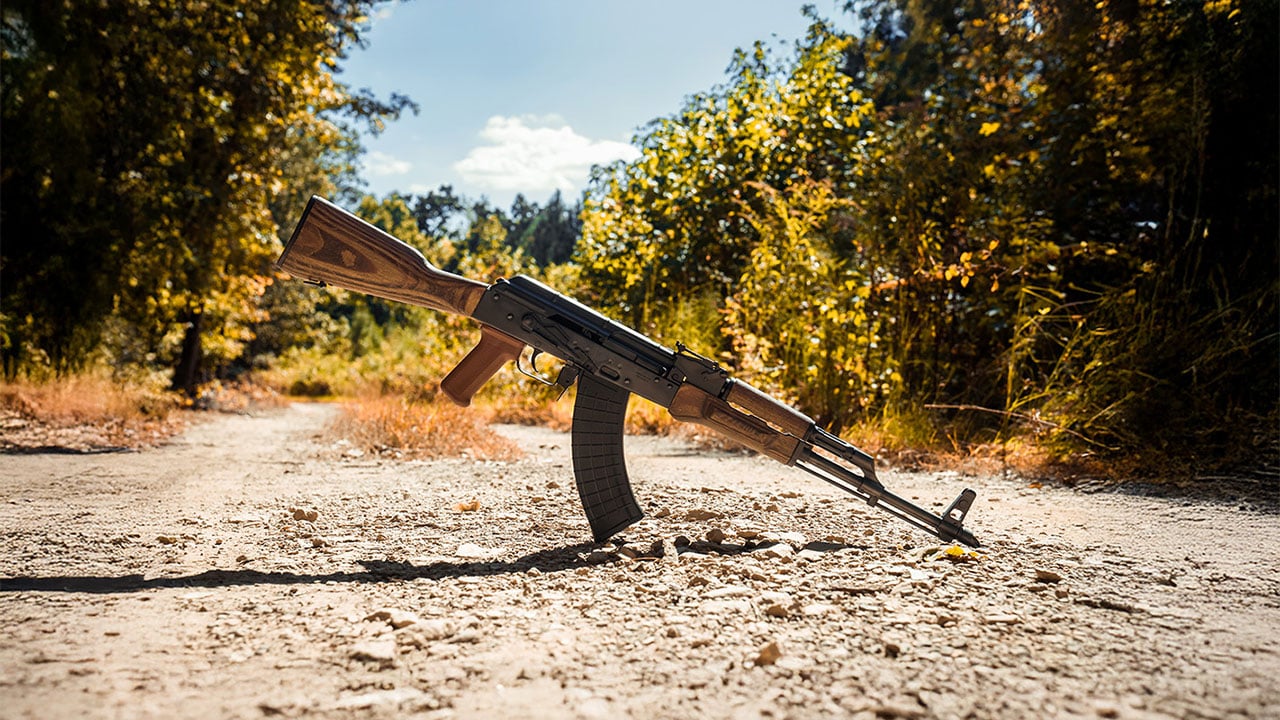
Some of these looked like the answer for guys who wanted an AK without paying collector prices. Then you start seeing canted sights, sloppy fit, and reliability that depends on which moon phase you’re shooting under.
An AK doesn’t need to be pretty, but it does need to be built right. Once you hit that mid-range round count, the “it’ll loosen up” hope fades, and you’re left wondering why your cheap rifle is now a safe ornament.
8. Remington 597

The 597 can be accurate. That’s what makes it frustrating. You get it dialed, you start stacking little groups, and then the feeding gremlins show up and ruin the whole day.
Most of it circles back to magazines and the way the gun runs when it’s dirty. Past a few bricks of .22, the stoppages become a routine unless you’ve got the right mags and you stay on top of cleaning. A .22 that requires constant attention isn’t the relaxing plinker it should be.
9. Mossberg 702 Plinkster

These sell because they’re cheap and they feel like an easy on-ramp for new shooters. And sometimes they’re fine. But I’ve watched more than one get “tired” fast—failures to extract, inconsistent ejection, and screws walking out.
When the goal is a truck .22 or a farm gun, the bar isn’t high. Still, if it turns into a malfunction demo after a few range sessions, it’s not saving you money. It’s just borrowing frustration.
10. Ruger SR9 (early run)
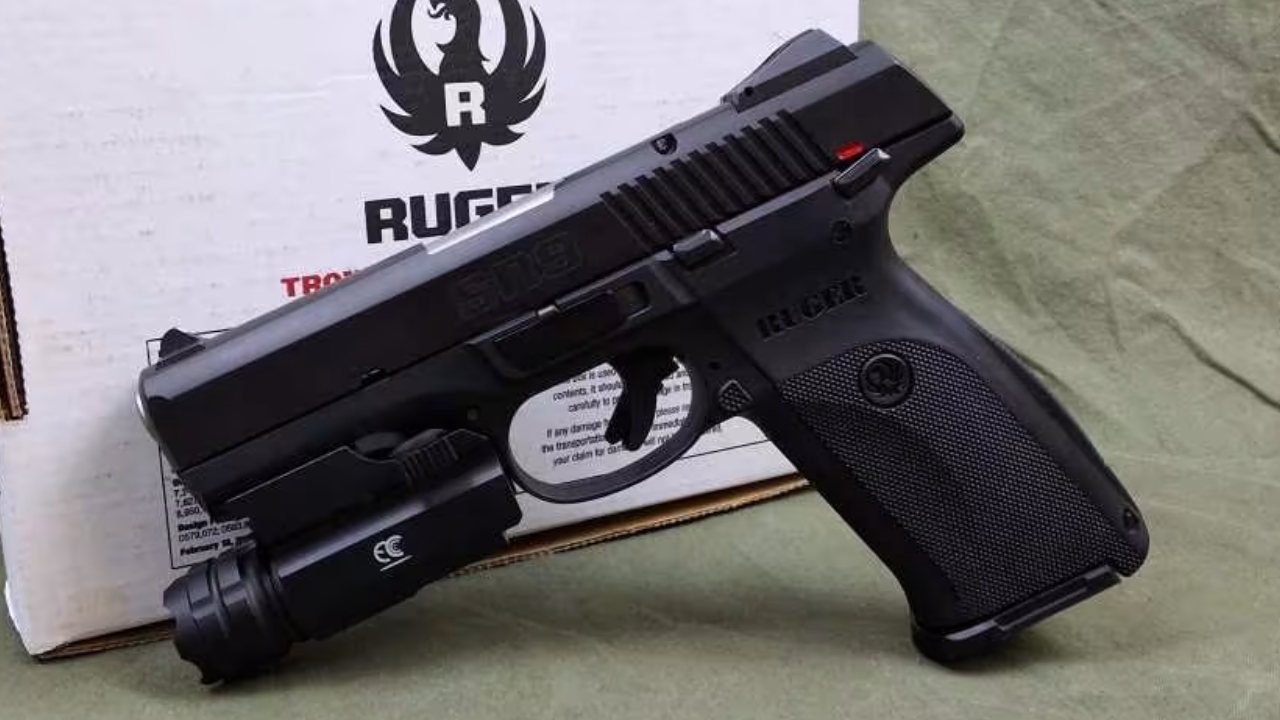
The SR9 is a good-handling pistol for a lot of folks, and Ruger usually earns trust. The early guns, though, had enough odd issues floating around—trigger reset feel, striker-related quirks—that some owners never got fully comfortable.
Past a few hundred rounds, little inconsistencies become patterns. The gun might still run, but if you’re constantly checking it, swapping mags, or diagnosing light strikes, it starts living in the back of the safe instead of on the belt.
11. Smith & Wesson SD9VE (out-of-the-box roughness)

The SD9VE is the definition of “budget duty style.” Plenty of them work, and plenty of folks carry them. But the combination of heavy trigger and basic sights can hide the fact that some examples start to choke once they’re fouled up.
I’ve also seen shooters run them hard, limp-wrist them under recoil because of the trigger pull, and then blame the gun for every hiccup. Either way, you end up with a pistol that gets retired early because it never inspires confidence.
12. SCCY CPX-2

This is one of those pistols that sells on price and size. The idea is appealing: small 9mm, simple controls, and you can actually find one when everything else is sold out.
The reality is you’re rolling the dice on durability and consistency. Around the 500-round mark is when you hear about cracked parts, persistent failures to feed, or a gun that suddenly won’t behave with the same ammo it liked last month. That’s not a problem you want in a defensive pistol.
13. Kel-Tec PF-9

Kel-Tec has made some truly clever guns, and I respect the company for trying stuff. The PF-9 is light and it carries easy, which is why so many folks bought one as a first CCW pistol.
But “light” can also mean snappy, and snappy guns get shot less. When they do get shot, they get hot and finicky. I’ve seen PF-9s that ran, and others that started peening and choking once they got a few boxes through them in one session.
14. Walther P22

The P22 is fun when it’s fun. It looks cool, feels good in the hand, and makes new shooters smile. Then it starts doing the .22 pistol thing where it becomes a full-time ammo critic.
With many P22s, the magic number is somewhere around a brick or two: extraction issues, slide not fully returning to battery, and magazines that seem to have moods. If you want a trainer that runs like a sewing machine, this one can let you down unless you’re willing to tinker.
15. GSG 1911-22
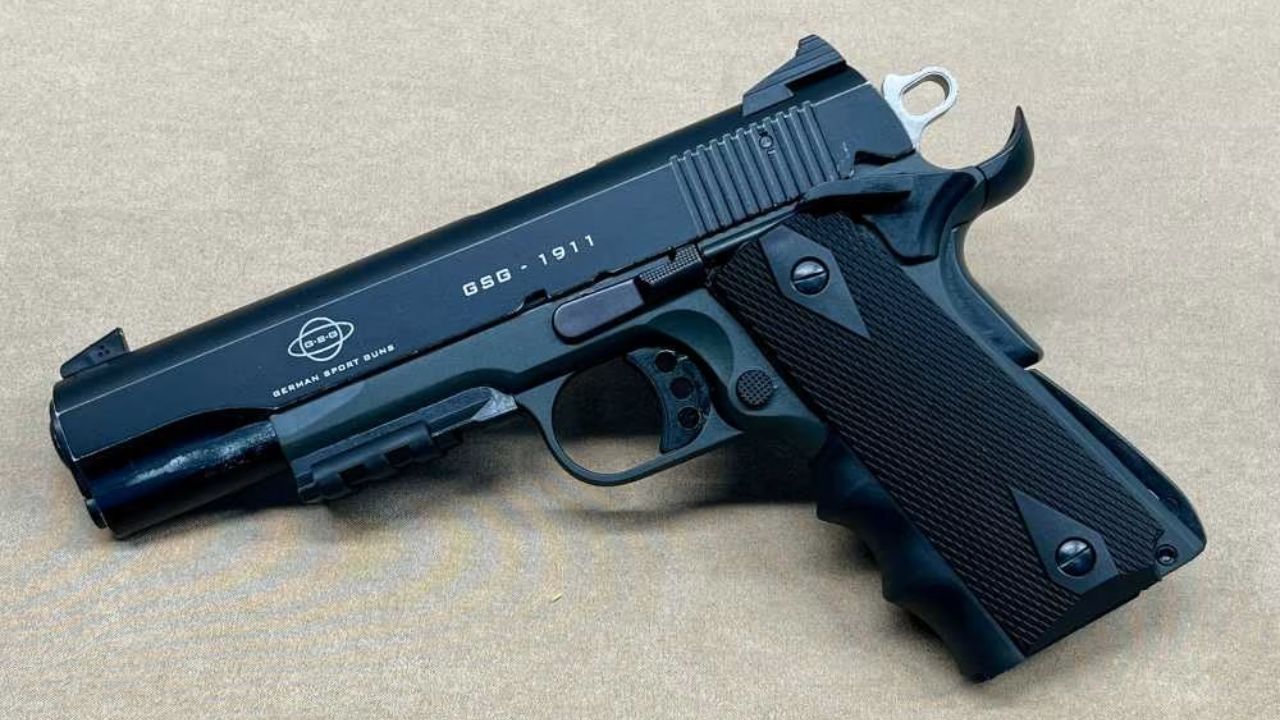
A 1911 that shoots .22 should be a no-brainer range toy. The GSG scratches that itch, but it can also turn into a maintenance-heavy pistol if you run it a lot without cleaning.
Soft zincy parts and a dirty rimfire diet are not best friends. Past a few hundred rounds, you start seeing failures that feel like the gun is just getting worn down faster than it should. It’s still a fun gun—until it isn’t.
16. ATI Omni Hybrid (polymer-receiver AR)

I get the appeal: an AR that’s cheaper than a decent scope. But polymer receivers have a way of showing you why aluminum became the standard once you start shooting more than a box here and there.
Heat, stress, and hard use add up. Around a few hundred rounds, pins start walking, tolerances feel sloppy, and reliability gets unpredictable, especially if you’re using it like a real rifle and not a safe queen. Saving money up front can cost you more later.
17. DPMS Oracle (rough-but-common AR)

These were everywhere for a long time. Basic AR, basic furniture, and a price that got a lot of folks into the platform. Some run forever. Some start short-stroking once they’re dirty and you’re feeding them cheap ammo.
Gas system consistency and overall QC can be the difference between a rifle you trust and one you’re constantly poking at on the bench. The Oracle is often where guys learn that “mil-spec” gets used as a vibe, not a guarantee.
18. Ruger-57

The 5.7 craze is real, and the Ruger-57 is a good-looking pistol with a fun cartridge. The catch is the round count tends to climb fast because recoil is mild and everyone wants to mag-dump at steel.
When you do that, you start to see what the platform thinks about heat, fouling, and magazine sensitivity. A handful of owners have run into reliability issues that don’t show up in the first couple range trips. It’s not a gun you buy if you want boring, proven logistics and cheap practice.
19. Turkish budget semi-auto shotguns (generic imports)

Everybody’s seen them: tactical-looking 12-gauges with a price tag that seems impossible. They feel fine at the counter. Then you take them out, run heavy loads, run light loads, and the gun starts telling you what it really is.
Gas ports, springs, and overall parts quality can be a mess from one example to the next. Around 500 rounds, some of them are already beating themselves up or failing to cycle anything but the exact load they like. When a shotgun becomes load-dependent, it’s basically a single-purpose tool whether you admit it or not.
20. Browning BAR (gas gun neglect problems)
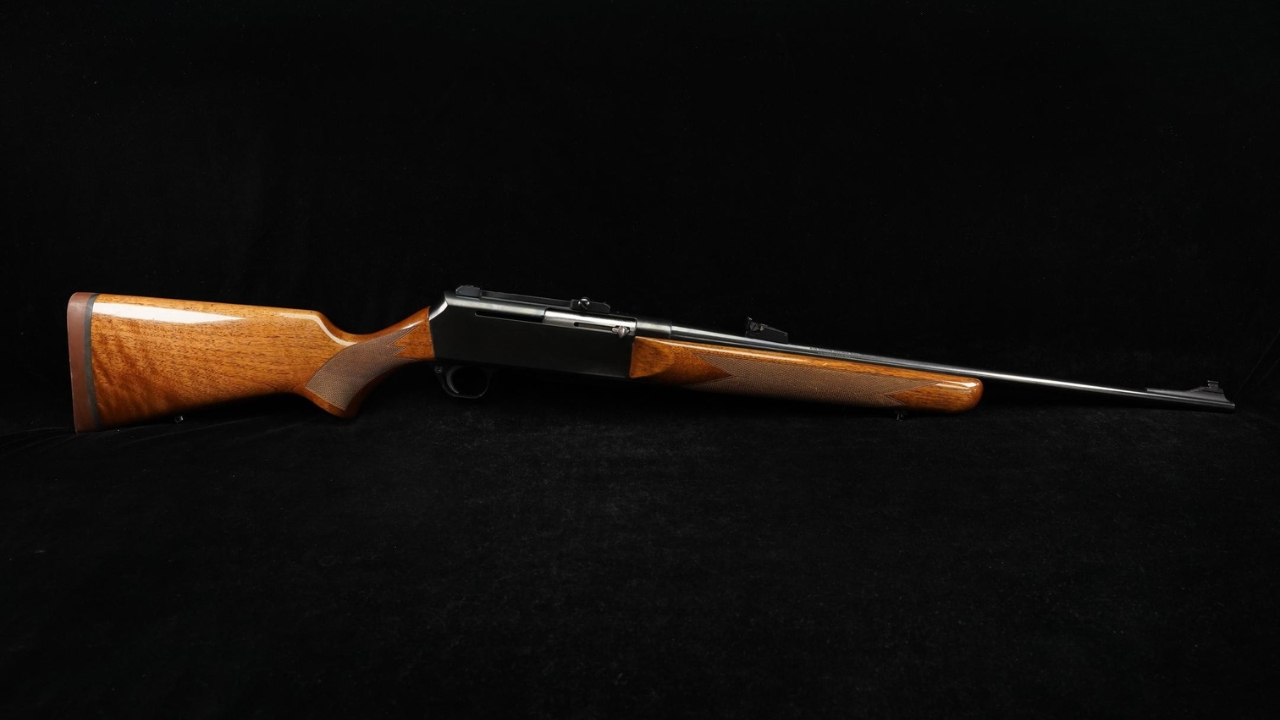
The BAR is not a cheap rifle, and when it’s right, it’s a slick hunting semi-auto that carries well and shoots better than it has any business shooting. The problem is a lot of guys treat it like a bolt gun: shoot it, wipe it down, and put it away for a year.
Gas guns punish neglect. Around the point where you’ve fired a few seasons’ worth of ammo without a real teardown, carbon and old oil can gum up the works. Then it starts short-cycling at the range and you’re shocked because it “always worked.” Ask me how I know.
Here’s the part I actually care about: if you own one of these and it’s running, don’t panic and sell it tomorrow. Start by ruling out magazines, ammo, and maintenance, because those three things cause more fake “gun problems” than most people want to admit. But if a semi-auto is still giving you the same headaches after you’ve done the basics, stop forcing it. Life’s too short to keep hauling a paperweight to the range.
Like The Avid Outdoorsman’s content? Subscribe to our newsletter so you never miss an article.
Here’s more from us:


