Photo credit: KyleRISII/Youtube
Every gun counter has the same two conversations going on at once. One is about what’s in the case today. The other is about what the same gun cost “back when.” If you’ve been buying ammo and rifles long enough, you’ve watched a handful of everyday workhorses turn into “maybe later” purchases, and you’ve watched a few once-common classics jump into collector territory.
This isn’t a list of unicorn prototypes or museum pieces. These are guns regular owners actually carried in a truck, hunted with in the rain, shot at gravel pit ranges, and trusted at 2 a.m. And now, a lot of folks would love to see those old price tags again.
1. Ruger 10/22 Carbine
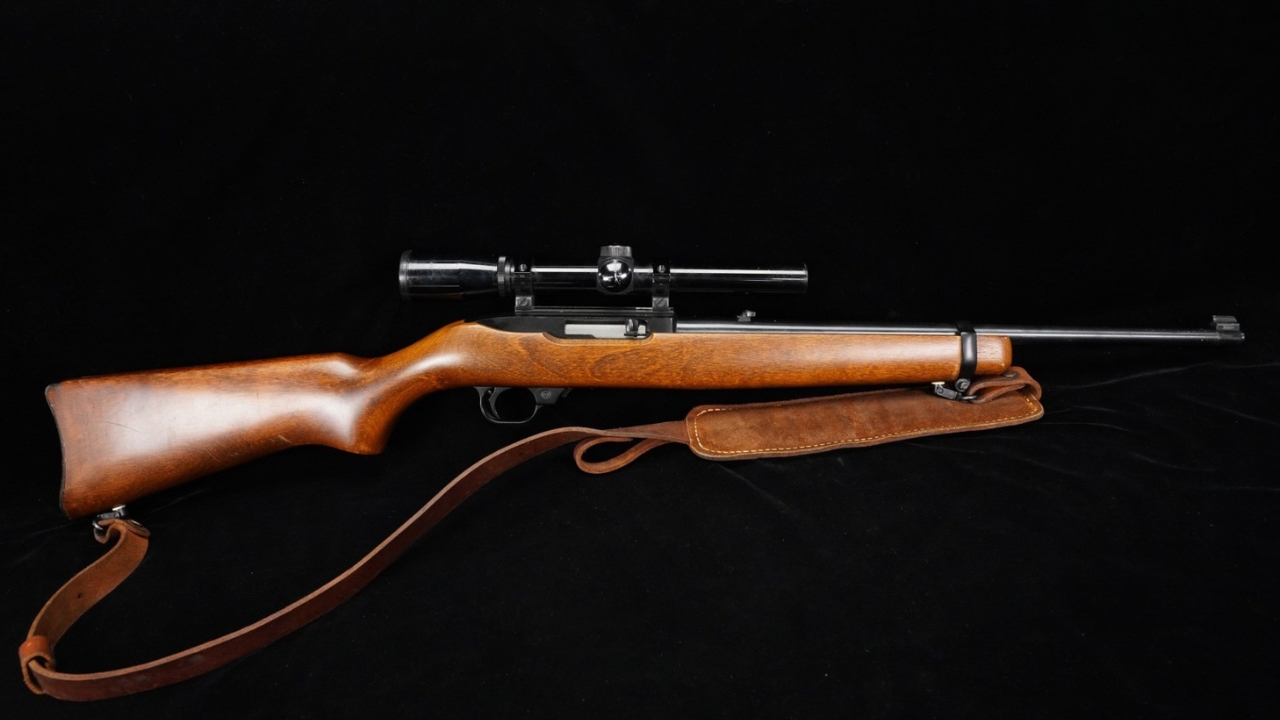
There was a time when the basic 10/22 was the “grab one while you’re here” rifle. It wasn’t fancy, and that was the beauty. It rode behind the seat, taught kids sight picture, and made short work of cans and squirrels without anybody worrying about scratching it.
These days, the 10/22 world is full of upgraded models and aftermarket everything, and the prices followed that energy. The rifle is still a winner, but the old bargain-basement days are gone. What stings is how useful it stays, even when you own nicer .22s.
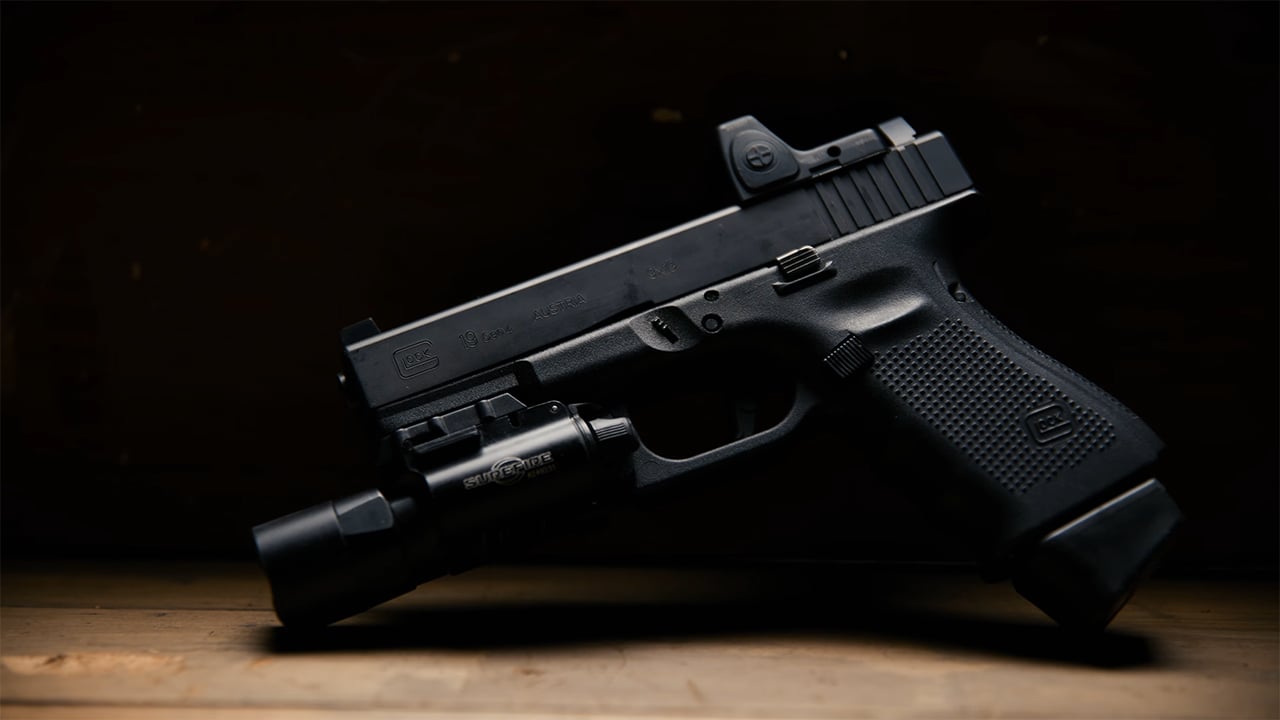
2. Glock 19 (Gen 3/Gen 4 era)
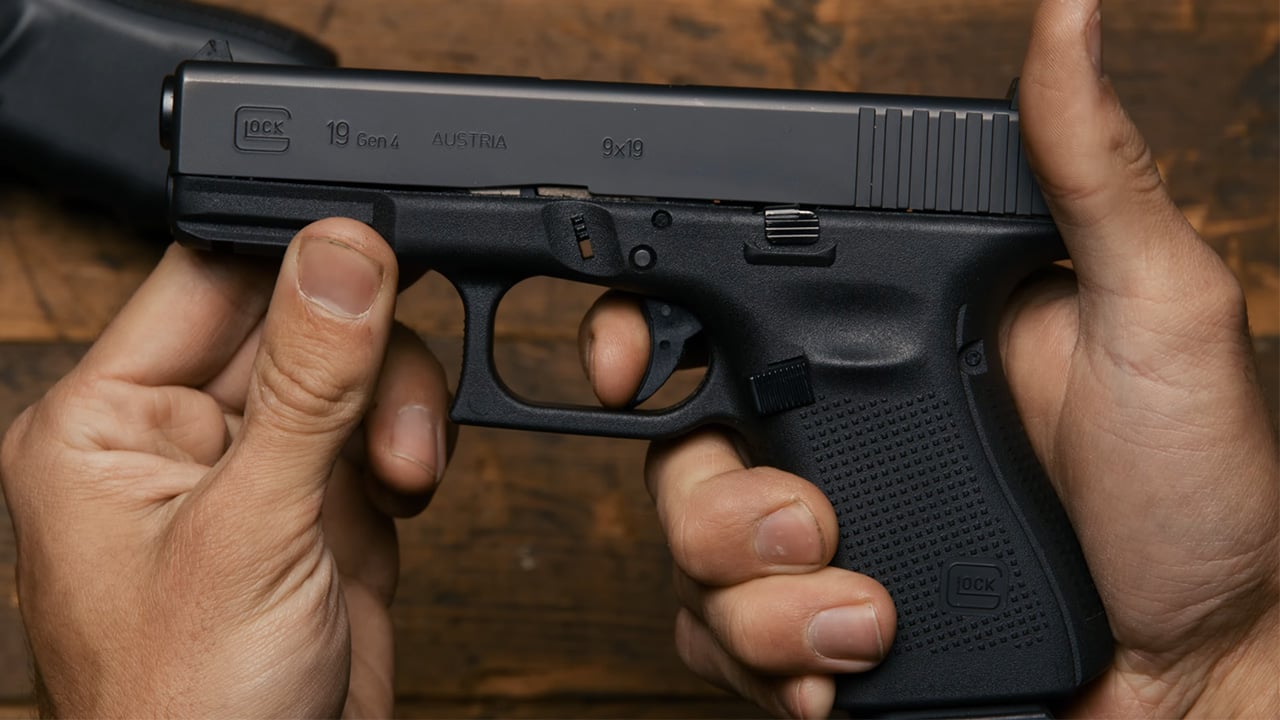
If you were around for the stretch when police trade-ins were everywhere, you remember walking into a shop and seeing stacks of used Glock 19s that looked ugly but ran like sewing machines. Holster wear, night sights half-dead, and still boringly reliable.
The platform didn’t change much, but demand did. Magazines aren’t hard to find, parts are everywhere, and it’s still one of the most practical handguns made. Paying today’s prices doesn’t feel “bad,” it just doesn’t feel like the deal it used to be.
3. Smith & Wesson Model 10 (police trade-in)
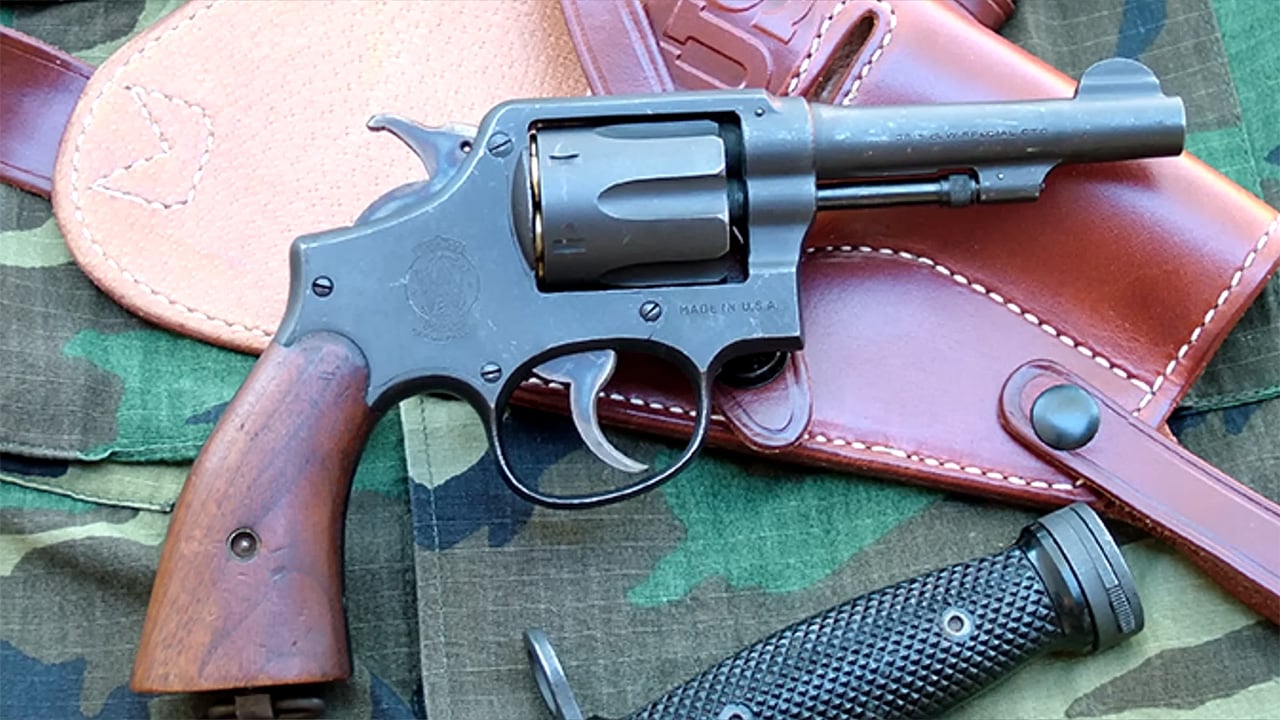
The old service revolver is a perfect example of “they used to be everywhere.” A Model 10 with honest wear, fixed sights, and a smooth double-action trigger was once about as common as a pocketknife at a yard sale.
Now they’re getting picked over, cleaned up, and priced like heirlooms. They’re not perfect carry guns for everyone, but they shoot straight and they just make sense. If you’ve ever sold one because you “weren’t into revolvers,” you probably remember that mistake.
4. Remington 870 Wingmaster
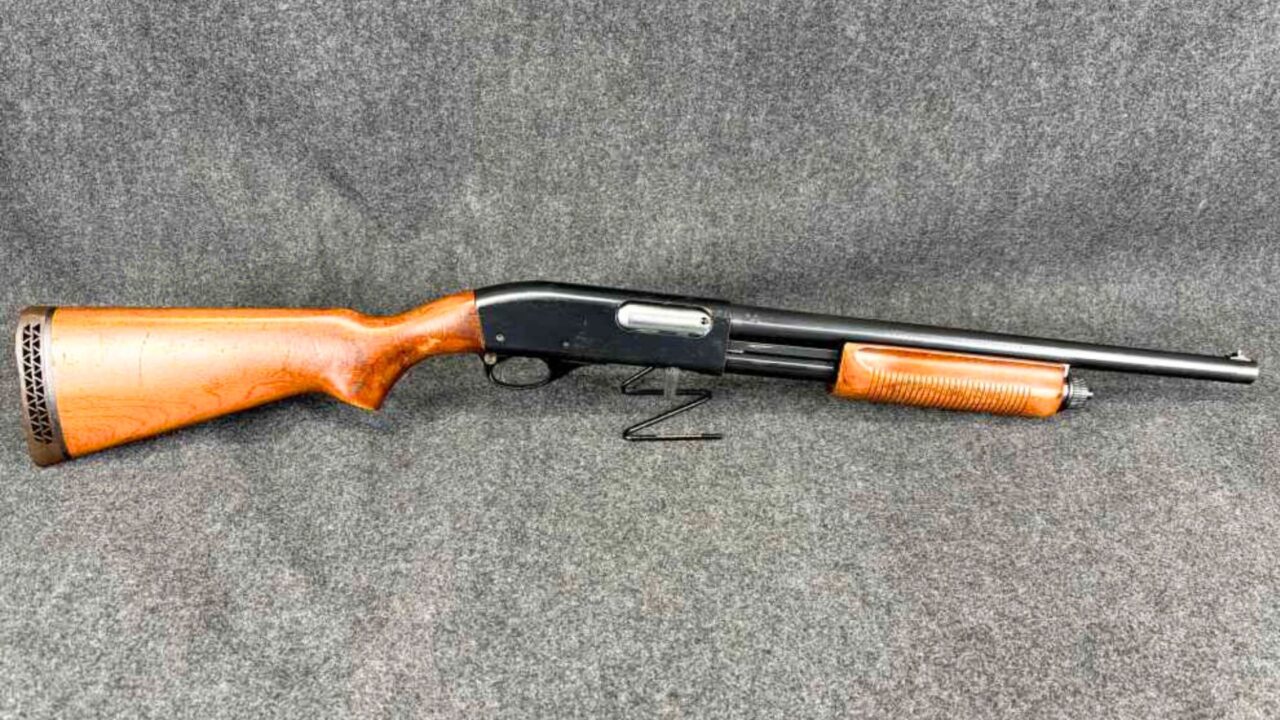
The Wingmaster is the pump gun that made other pump guns nervous. The action has that slick feel, like it’s running on bearings. It’s a simple tool that still manages to feel classy, even when it’s covered in marsh mud.
People still buy 870s, but older Wingmasters in good shape don’t sit long, and they don’t wear cheap tags anymore. The new-gun market has plenty of options, sure. But that old walnut-and-blue steel combo hits different when you shoulder it.
5. Mossberg 500 (basic field model)

The Mossberg 500 used to be the “one shotgun” answer for a lot of families. Birds, deer with a slug barrel, camp defense—done. It’s not as smooth as a Wingmaster, but it’s rugged and forgiving, which is what a working shotgun should be.
The current price bump hurts because the 500 was always the practical choice for a tight budget. It’s still a smart buy, but not the kind of impulse purchase it once was. If you own one that runs, you probably don’t need to “upgrade” at all.
6. Ruger Mini-14 (Ranch Rifle)
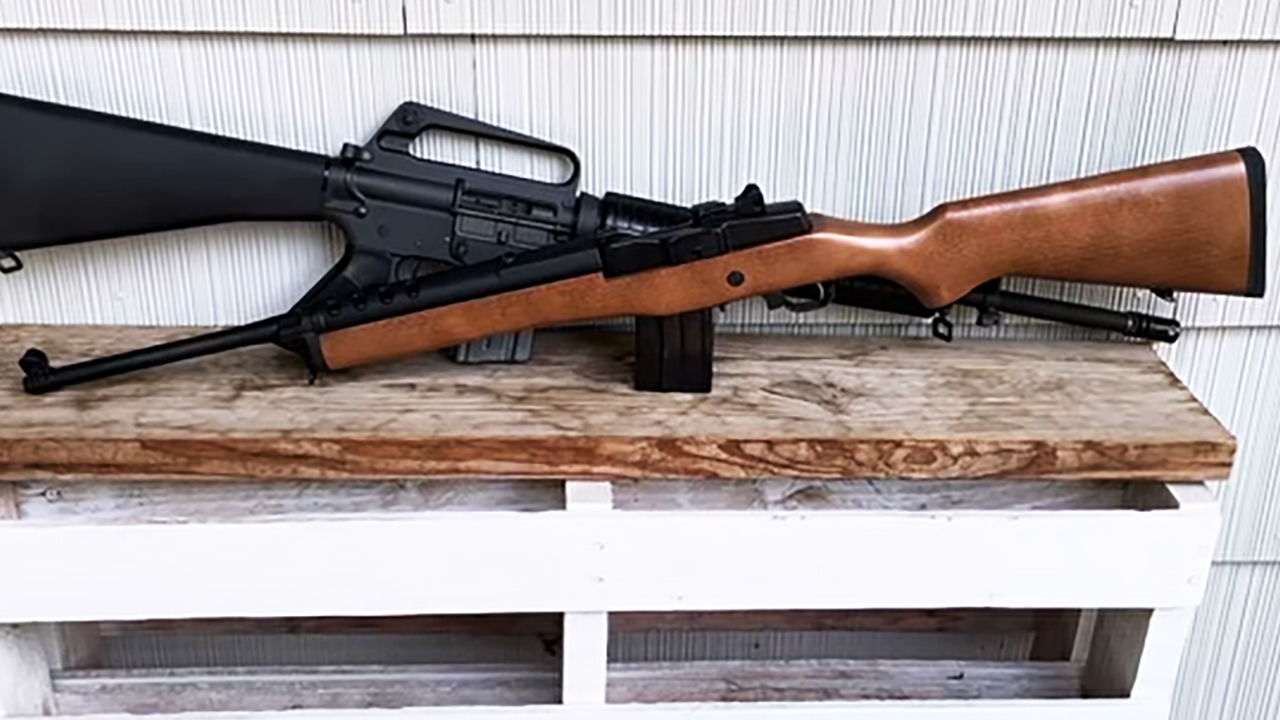
The Mini-14 has its own kind of appeal. It carries light, points fast, and feels like a real “ranch” gun instead of a bench gun. It’s the rifle you grab to check a fence line, not the one you baby on a bipod.
Prices climbed, and so did magazine costs in many places, which is where the Mini can sting. It’s not the cheapest way to launch .223 anymore. But a good Mini is handy, reliable, and doesn’t scare the neighbors the way some rifles do.
7. Marlin 336 (pre-Remington)

If you grew up around deer camps, you grew up around a 336 somewhere. They weren’t treated like “investments.” They were leaned in corners, taken in the rain, and still put meat in the freezer year after year.
Now everyone wants the older ones with the nicer fit and finish. The problem is, plenty of those rifles already live in family closets and aren’t coming out cheap. A slick 336 in .30-30 feels like something you should’ve bought two of when you had the chance.
8. Winchester Model 94 (.30-30)

The Model 94 is an American icon, but it used to be an affordable icon. For a long time, you could find one at a gun show that had been carried hard and still locked up tight. It wasn’t a “safe queen,” it was a deer rifle.
Today, even the ones with worn bluing get attention, and the nicer pre-64 guns get priced like they’re made of gold. It’s also a reminder that “common” doesn’t stay common forever. There are fewer clean ones every season.
9. Ruger GP100
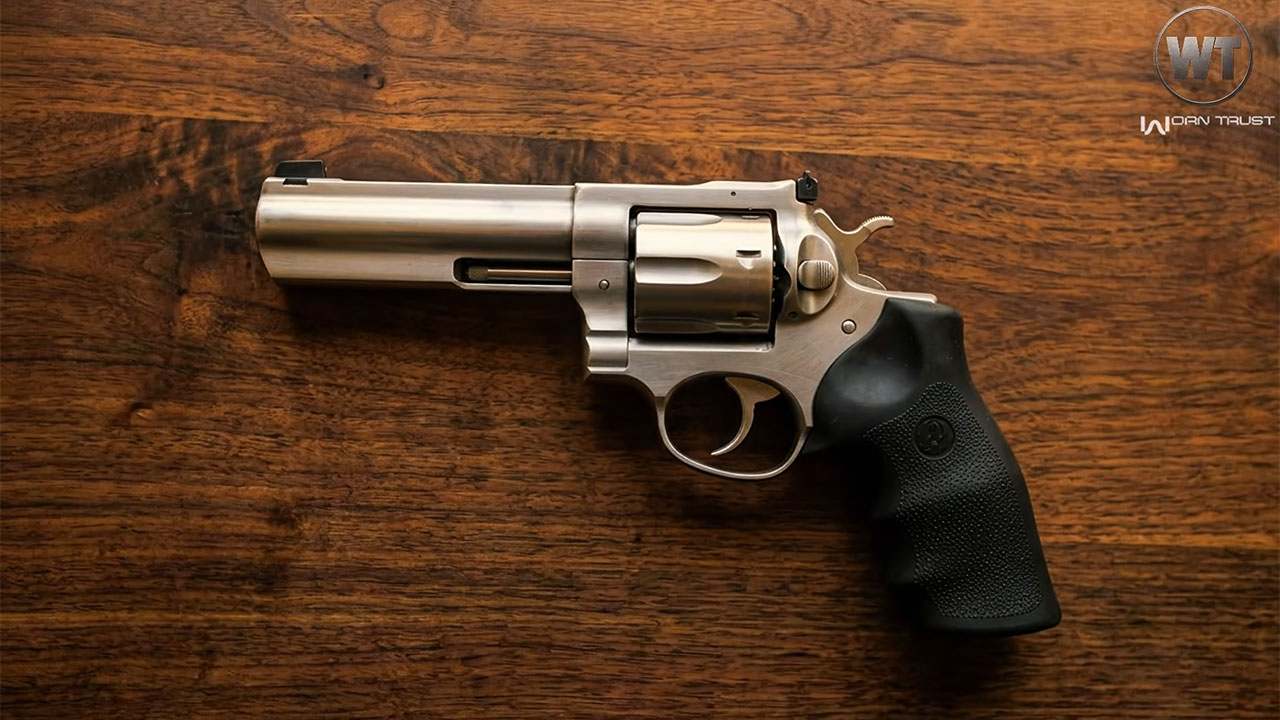
The GP100 is not a delicate revolver. It’s a brick in the best way, and it soaks up .357 like it’s doing you a favor. For a woods gun, it’s hard to argue with a stainless GP100 and a good belt.
New prices have crept up to the point that some buyers start looking sideways at used guns they’d have ignored before. And the used ones aren’t dirt cheap anymore either. Still, the GP100 is one I rarely hear folks complain about after the purchase.
10. Smith & Wesson Model 686

There’s a reason you see 686s that have been shot a lot and still feel tight. They’re built for real use, not just for looking good in a presentation case. The trigger, especially on older examples, can be excellent without any drama.
The price jump is rough because this was a “buy once, cry never” revolver even back when it was cheaper. A 4-inch 686 is about as versatile as a wheelgun gets. When you find a clean one now, you don’t haggle too long.
11. Ruger Blackhawk (single-action)

Single-actions aren’t everybody’s daily carry, but a Blackhawk is pure enjoyment that also happens to be practical in the woods. It’s a revolver you can load for plinking or load for serious work, and it still feels like it’ll outlast you.
They used to sit on shelves because everyone “needed” a polymer pistol. Now more folks want a good single-action for hunting, trail carry, and just slowing down at the range. The old prices feel like a different lifetime.
12. Colt Python (older production)

The Python is the obvious one, and yes, it’s partly a collector thing. But it’s also a shooter thing. A good Python has that smooth, refined feel that makes you understand why people talk about them the way they do.
Even with modern production back on the market, older examples have a gravity to them, and the market reflects it. This is one where “I should’ve bought one when I saw it” turns into “I should’ve bought two.” That one hurts.
13. Browning A-5 (Belgian-made)
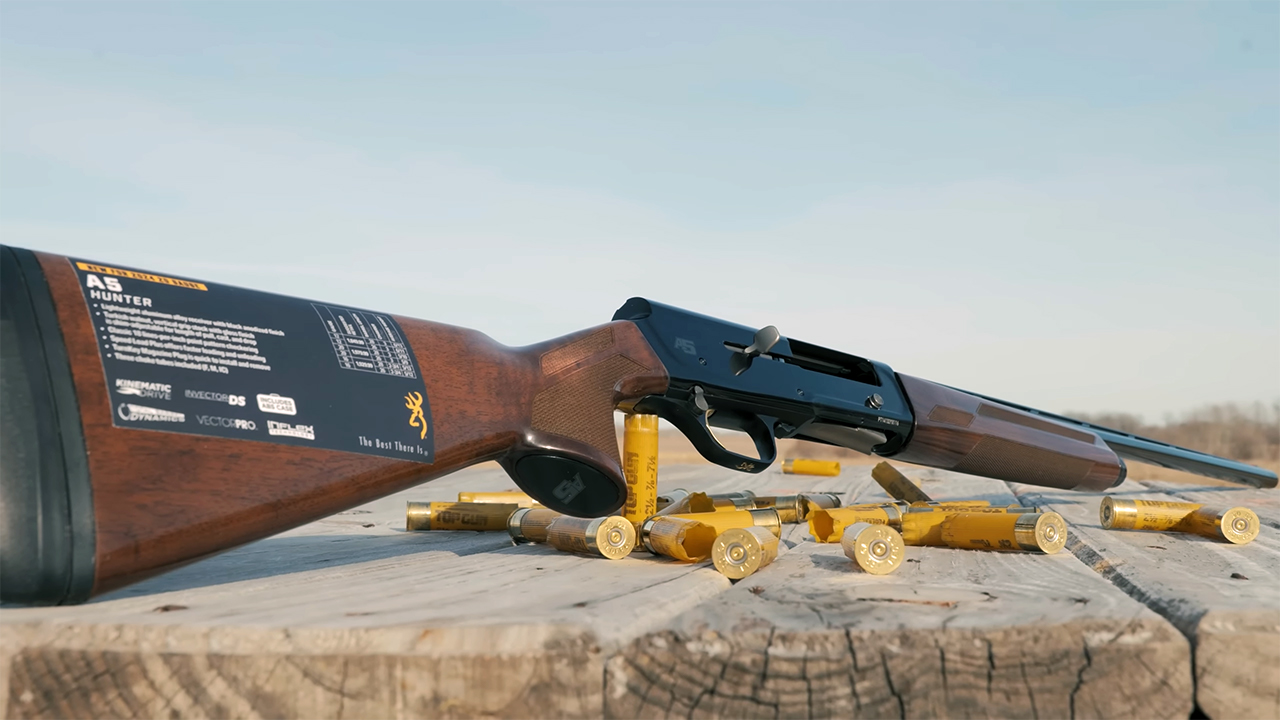
The old humpback Browning isn’t light, and it isn’t modern, and that’s fine. It’s a shotgun with character, and it has put a mountain of birds on tailgates. When they run right, they run with a steady, familiar rhythm.
They’ve also moved into the “classic” lane hard. The nice Belgian guns don’t get cheaper, and the ones that are beat up can still be pricey because folks know what they are. If you inherited one, take care of it and don’t get in a hurry to sell.
14. Beretta 92FS

The 92FS used to be the kind of pistol you could snag used for a very reasonable number, especially if it came from a trade-in pile. It’s big, sure, but it shoots soft and points naturally for a lot of hands. Reliability is rarely the issue.
What changed is everything around it—collecting interest, movie nostalgia, and the general price rise across the board. Magazines are still easy enough, and parts aren’t a headache. The sting is remembering when a clean 92 felt like a budget-friendly “nice gun.”
15. CZ 75B

The CZ 75 lived in that sweet spot where you got serious steel-and-wood feel without paying “premium” money. It fit a lot of shooters well, shot accurately, and had that solid, old-school weight that makes range days pleasant.
Now, the CZ name is popular, and popular costs money. The 75 is still worth owning if you like DA/SA guns. But the old days when you could buy one and still have plenty left for ammo and mags feel long gone.
16. SIG Sauer P226 (West German/older production)

A good older P226 has a feel to it—tight without being stiff, smooth without being sloppy. It’s a duty pistol that somehow still feels refined. You can run it hard and it doesn’t act offended about it.
Prices have climbed, and the older marked guns carry a premium that keeps climbing. If you bought one back when they were “just another used SIG,” you did well. If you didn’t, you might be staring at the tag now wondering when that happened.
17. Remington 700 (older ADL/BDL)

The Remington 700 is wrapped up in a lot of opinions, but there’s no denying how many of them are out there putting bullets where they’re supposed to go. The older ADL and BDL hunting rifles weren’t flashy, but they shot, and they carried well.
What people miss is the era when a basic 700 was the obvious starting point for a deer rifle or a budget precision build. Even if you never “build” anything, a clean older 700 in a sensible caliber is still a useful tool. The pricing now makes you think twice before you buy a spare.
18. Savage 110 (older walnut/blue models)

The older Savage 110s aren’t pretty to everyone. The lines can be a little clunky, and they won’t win a beauty contest. But they have a reputation for shooting better than they have any right to, especially for what they used to cost.
There was a time you could grab one, mount a basic scope, and call it good for deer season without taking out a loan. Those rifles are getting appreciated now, and appreciation shows up on the price tag. Ugly or not, they work.
19. AKM-pattern rifles (pre-panic imports)
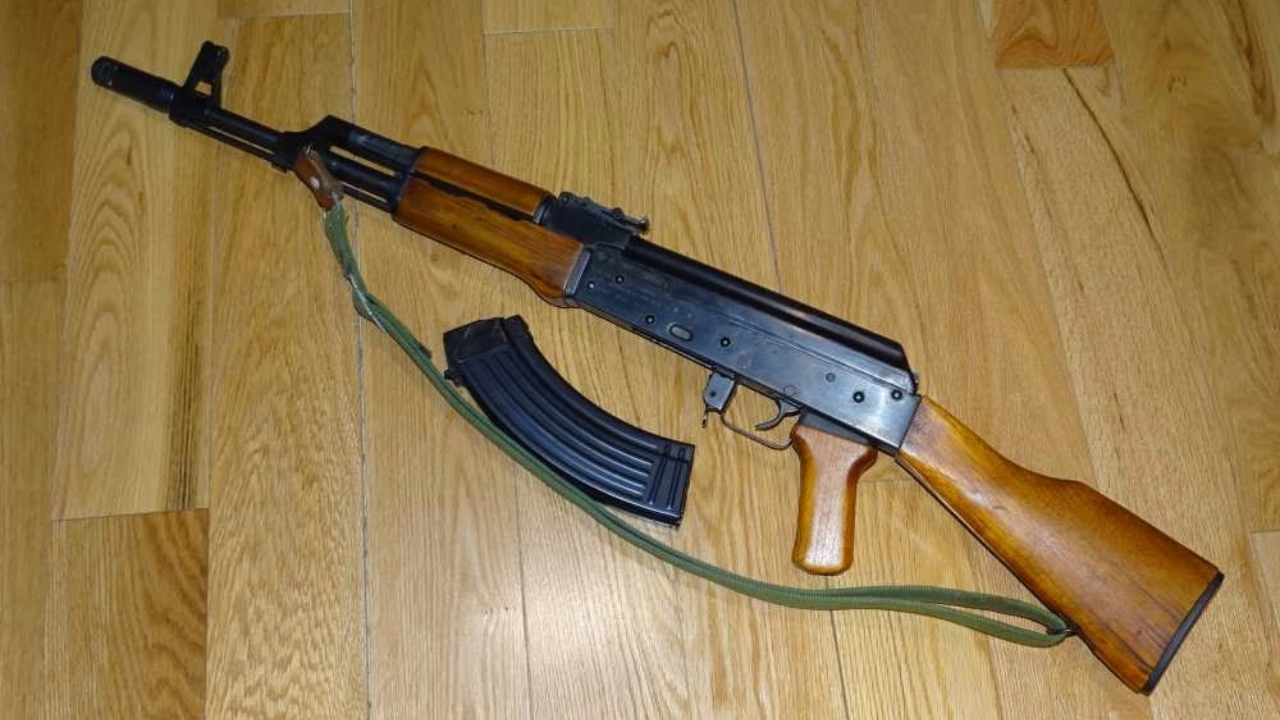
Anybody who watched the import market over the years has seen AK prices bounce around like a bobber in the wind. What used to be an affordable, durable rifle turned into something you plan and save for, especially if you want a good one instead of a questionable one.
The real pain point is magazines and ammo stack-ups. When rifles were cheap, folks bought extras and crates without overthinking it. Now, building a basic AK setup costs more than many people expect. If you already have a reliable one, hang onto it and feed it decent ammo.
20. SKS (Norinco and other common imports)
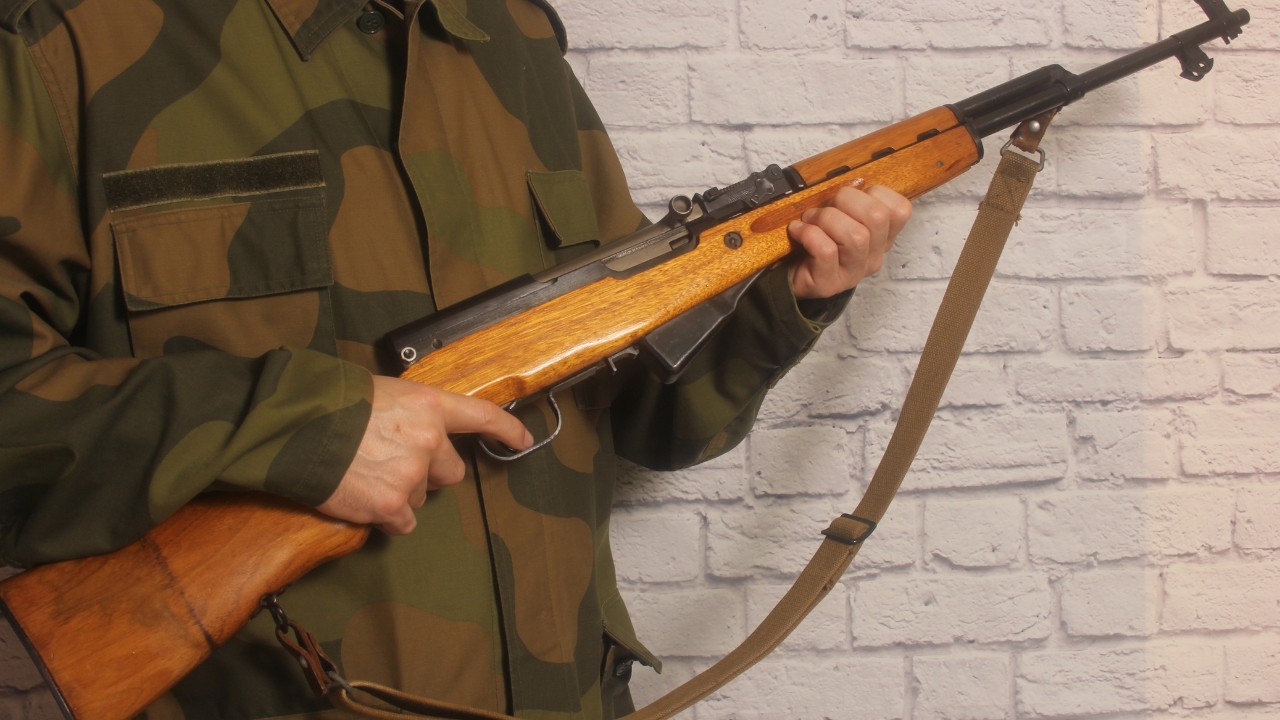
The SKS might be the poster child for “I should’ve bought a few.” It was the classic first rifle for plenty of owners: simple, rugged, decent sights, and reliable with a wide range of ammo. It’s not a precision gun, but it’s honest.
Once upon a time, SKSs were the kind of thing you’d see in a rack and think, “Maybe next time.” Next time came with a higher sticker, and then higher again. The funniest part is the SKS didn’t change. The market did.
Prices going up is nothing new, but it still stings because a lot of these are the exact guns that made regular folks into shooters and hunters. If you’ve got one you rely on, keep it maintained, keep a couple spare mags or parts where it makes sense, and don’t get talked into selling just because something “new” showed up. New guns are fun. Old standbys are how seasons get filled and problems get solved.
Like The Avid Outdoorsman’s content? Subscribe to our newsletter so you never miss an article.
Here’s more from us: