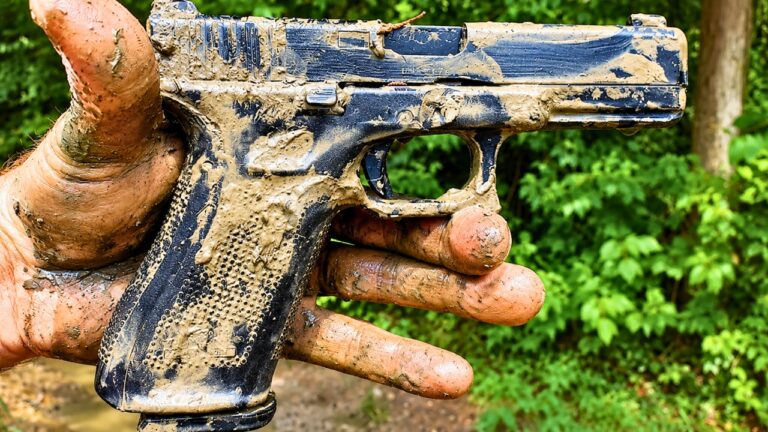
Photo credit: Svitlana Hulko/Shutterstock.com
When you’re scared and rushing, you don’t rise to the occasion—you drop to your habits. Your grip gets sloppy, your trigger work gets ugly, and your sight picture turns into a blur. That’s exactly when “controllable” stops being a comfort word and starts being the whole game. A carry caliber that you can run fast, keep on target, and recover from between shots buys you more than confidence. It buys you hits.
None of this is a promise that caliber doesn’t matter. It does. But what matters more is whether you can put accurate rounds where they need to go when your heart is trying to climb out of your throat. These are the carry calibers that tend to stay manageable for most shooters, especially in realistic, compact pistols.
9mm Luger

9mm is the standard for a reason: it gives you a controllable recoil pulse, fast follow-up shots, and plenty of proven defensive loads. When you’re rushing, you’re going to yank the trigger and over-grip the gun. A 9mm usually forgives more of that than bigger calibers, especially in common carry sizes.
You also get higher capacity in most platforms, which matters when accuracy falls off under stress. That doesn’t mean you spray and pray. It means you have room to solve a problem without your gun punishing you for every mistake. If you can only carry one caliber and you care about speed plus control, 9mm is the safest bet.
.380 ACP

.380 gets dismissed because it’s smaller, but controllability is the point here. In the right pistol, .380 can be very easy to keep flat and fast, especially for shooters who struggle with snappy recoil or hand strength. Under stress, that can keep you from flinching and short-stroking your trigger work.
The catch is that many .380 carry guns are tiny and light, and that can make them feel sharper than you’d expect. Put .380 in a slightly larger gun and it often becomes a calm, easy shooter that stays on track when you’re moving too fast. If your priority is staying composed and making hits quickly, .380 deserves a fair look.
.38 Special

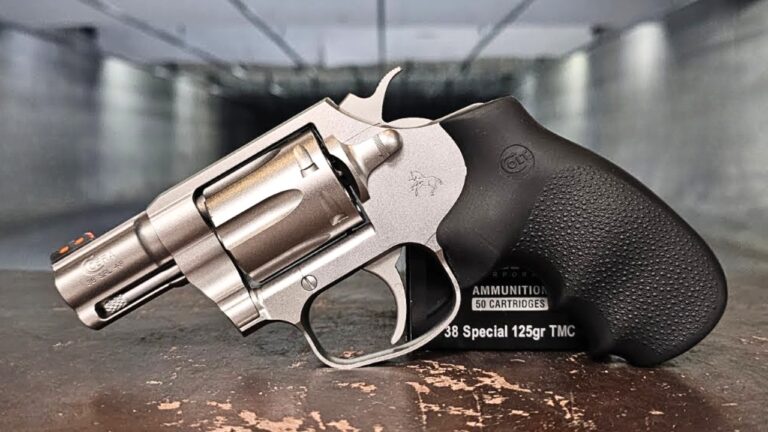
A .38 Special snub has a learning curve, but the recoil itself is usually manageable with standard-pressure loads, and the gun doesn’t depend on cycling like an auto does. When you’re scared and your grip gets inconsistent, a revolver can keep running as long as you can press the trigger cleanly.
Control comes down to the load and the gun weight. A heavier snub or a small-frame revolver that actually fits your hand can be surprisingly shootable at realistic distances. You give up capacity and speed on reloads, but you gain a recoil impulse that many shooters find less chaotic than micro 9mms. If you train with it, .38 Special can stay steady when you’re not.
.32 H&R Magnum
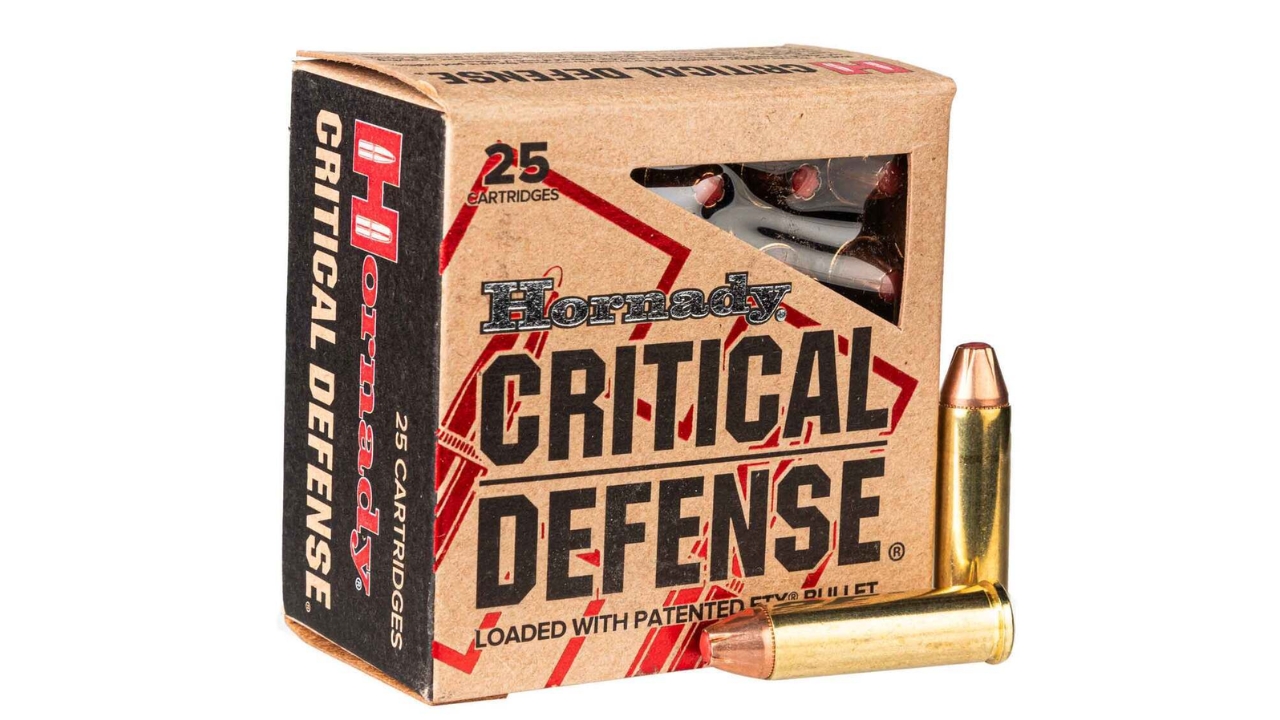
.32 H&R Magnum is one of the most underrated “shoot it fast and straight” carry options, especially in small revolvers. Recoil is often mild compared to .357, and it’s usually easier to keep the front sight from bouncing out of your vision when you’re rushing the shot.
In real life, that matters. A calmer gun lets you see what you’re doing, and seeing is half the battle when stress is stacking up. You also sometimes get an extra round in the cylinder compared to .38 in the same frame size, which is a practical bonus. It’s not the most common choice, but for controllability in a compact revolver, it’s hard to ignore.
.32 ACP

.32 ACP isn’t a powerhouse, but it can be very controllable in small autos, and that’s exactly why some experienced carriers still respect it. The recoil impulse is usually light, and that can help you avoid the panic flinch that shows up when you’re trying to go fast.
The other advantage is that many .32 pistols are easy to rack and easy to run, which matters when your hands are cold, sweaty, or clumsy. You still need a reliable pistol and quality ammunition, and you need to be honest about realistic performance. But if your main goal is staying on the gun and getting quick, accurate hits, .32 ACP can keep you calmer than you’d expect.
.327 Federal Magnum
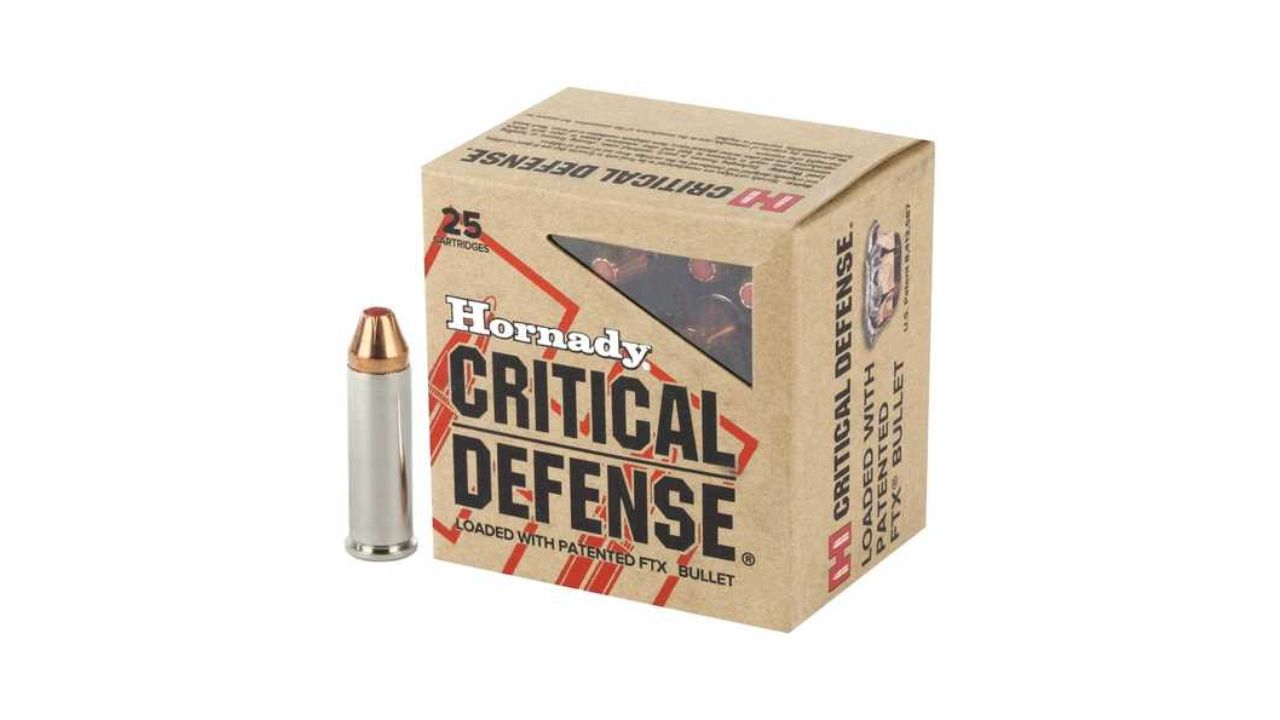
.327 Federal Magnum gives you real performance in a small revolver, but the controllability depends on the load and the gun. Full-power .327 can be spicy in lightweight snubs. Where it shines is flexibility—run milder .32 loads for control, or step up when you want more snap.
That flexibility matters when you’re trying to build a carry setup you can actually practice with. If you can’t stand shooting your carry gun, you won’t train, and then nothing is controllable when you’re scared. In a slightly heavier revolver with grips that fit your hand, .327 can be a fast, accurate option. You can tune it to your recoil tolerance instead of being stuck with one personality.
.22 WMR

.22 WMR sits in a weird place, but controllability is its strong suit. In a revolver, you get light recoil and quick recovery, and that can help you keep shots on target when your brain is sprinting. For some shooters, being able to run the gun without fear of recoil is what keeps them from falling apart.
The downside is that rimfire ammo is less consistent than centerfire, and that’s not something to gloss over. Still, if you’re talking strictly about staying controllable under stress, .22 WMR can feel almost unfairly easy to shoot fast. It’s not a default recommendation for everyone, but for recoil-sensitive carriers who will actually practice, it can be more practical than people want to admit.
.22 LR

.22 LR is the king of controllability, and nothing else on this list is close. If you’re scared and rushing, a caliber that doesn’t punish you can keep you from yanking shots low and left or freezing up after the first round. You can keep the sights steady, press the trigger, and stay in the fight mentally.
The drawback is the same as any rimfire: ammo consistency and ignition reliability aren’t on the same level as centerfire. That’s real. But controllability is also real, and for some people—especially those who won’t carry or practice with anything else—.22 LR is the only setup they can run confidently. The best caliber is the one you can put on target fast and repeatedly.
9mm +P
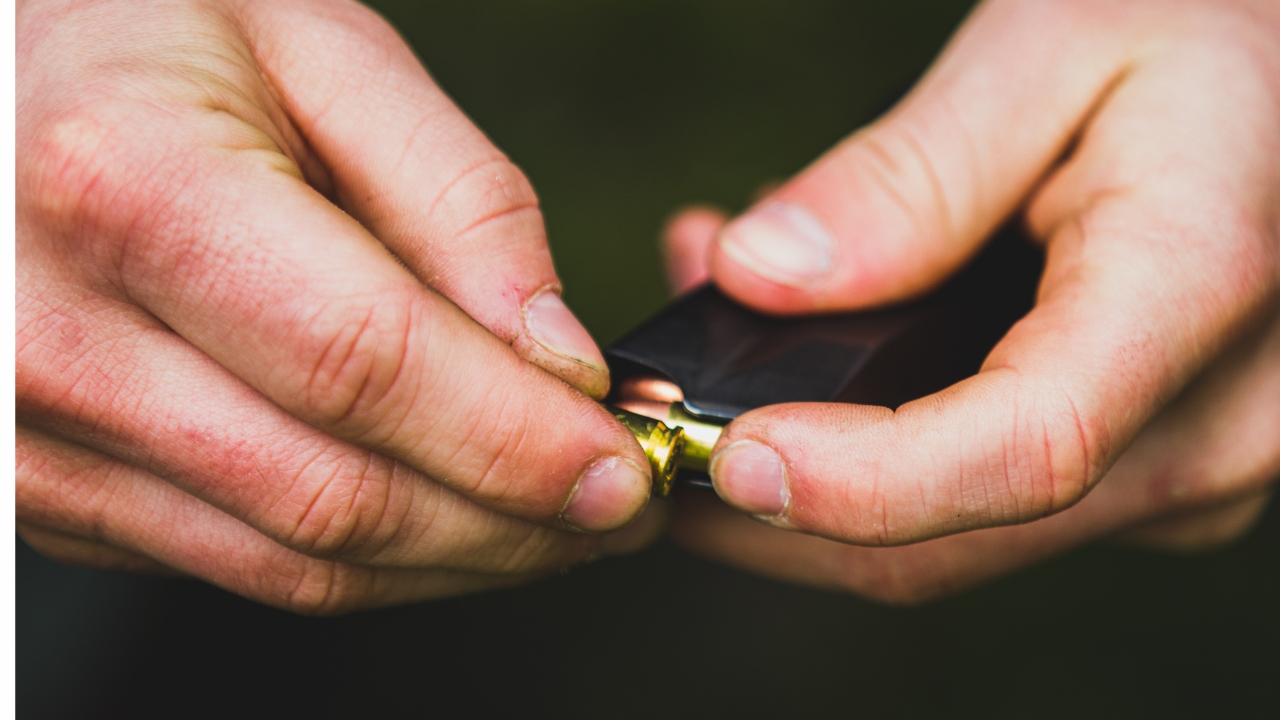
9mm +P can still be controllable, but it starts to reward good technique more than sloppy speed. In a compact carry gun, the extra recoil and muzzle rise can show up fast when you’re rushing. The reason it’s here is that many shooters handle +P just fine in slightly larger carry pistols and like the performance window it offers.
The key is honesty. If +P makes you flinch or slows your follow-ups, it’s not helping you under stress. But if you’ve trained with it and you can keep pairs tight at speed, it’s still a very manageable setup compared to larger calibers. Control isn’t about what the box says. It’s about what your hands and eyes can repeat when things go bad.
.30 Super Carry

.30 Super Carry was built around a simple idea: keep recoil reasonable while improving capacity in some platforms. That’s a controllability win if the pistol fits you and you can get good practice ammo. The recoil impulse is often comparable to 9mm, sometimes feeling a touch flatter depending on the gun.
Where it can get annoying is availability. If you can’t train with it regularly, it doesn’t matter how controllable it feels on paper. But as a carry concept, it has merit: manageable recoil, potentially more rounds, and a shooting experience that doesn’t beat you up. If you’re the kind of shooter who actually stocks ammo and trains, it can be a practical, modern option that stays controllable when you’re moving fast.
.40 S&W
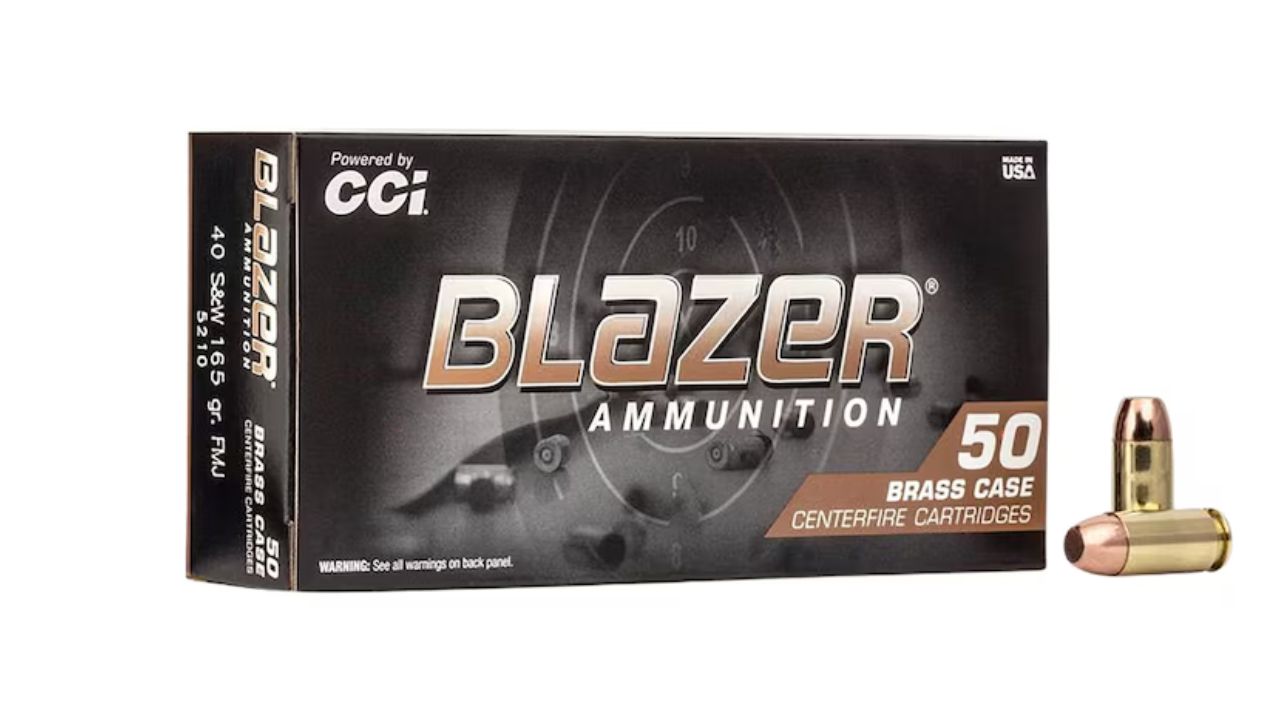
.40 can be controllable, but it’s less forgiving when you’re scared and rushing, especially in compact pistols. The recoil is often sharper than 9mm, and that snappy impulse can pull your sights off target just enough to turn fast shooting into messy shooting.
That said, some shooters run .40 extremely well, particularly in slightly heavier guns, and they like the way it tracks with their grip style. If you already have a .40 you shoot confidently and you can keep controlled pairs tight at speed, it can work. The problem is that many people don’t shoot it better than 9mm, and under stress you won’t suddenly become the exception. Control is earned, not wished for.
.45 ACP

.45 ACP is a push more than a snap in many guns, and some shooters find that easier to manage than .40. In a full-size pistol, it can be surprisingly controllable when you’re rushing because the recoil impulse is slower and the gun weight helps you stay on track.
In smaller carry guns, though, .45 can get unruly fast, and that’s where people start throwing shots when adrenaline hits. If you carry .45, you need to be honest about your platform size and your practice habits. For some, it’s steady and predictable. For others, it turns speed into a flinch. If the gun doesn’t stay flat for you in drills, it won’t stay flat when you’re scared.
.357 Magnum

.357 Magnum is not what most people would call controllable in a true carry-size revolver. The blast and recoil can be brutal, and when you’re rushing, it encourages bad habits fast—flinch, anticipation, and slow recovery. That’s just the truth in lightweight snubs.
But .357 also has an easy workaround: you can carry a .357 revolver and load it with .38 Special for control. If you insist on shooting magnums, do it in a heavier revolver where the recoil doesn’t beat you into submission. Under stress, you need a caliber you can run repeatedly without your body trying to protect itself. For most shooters in most carry guns, full-house .357 isn’t that.
10mm Auto
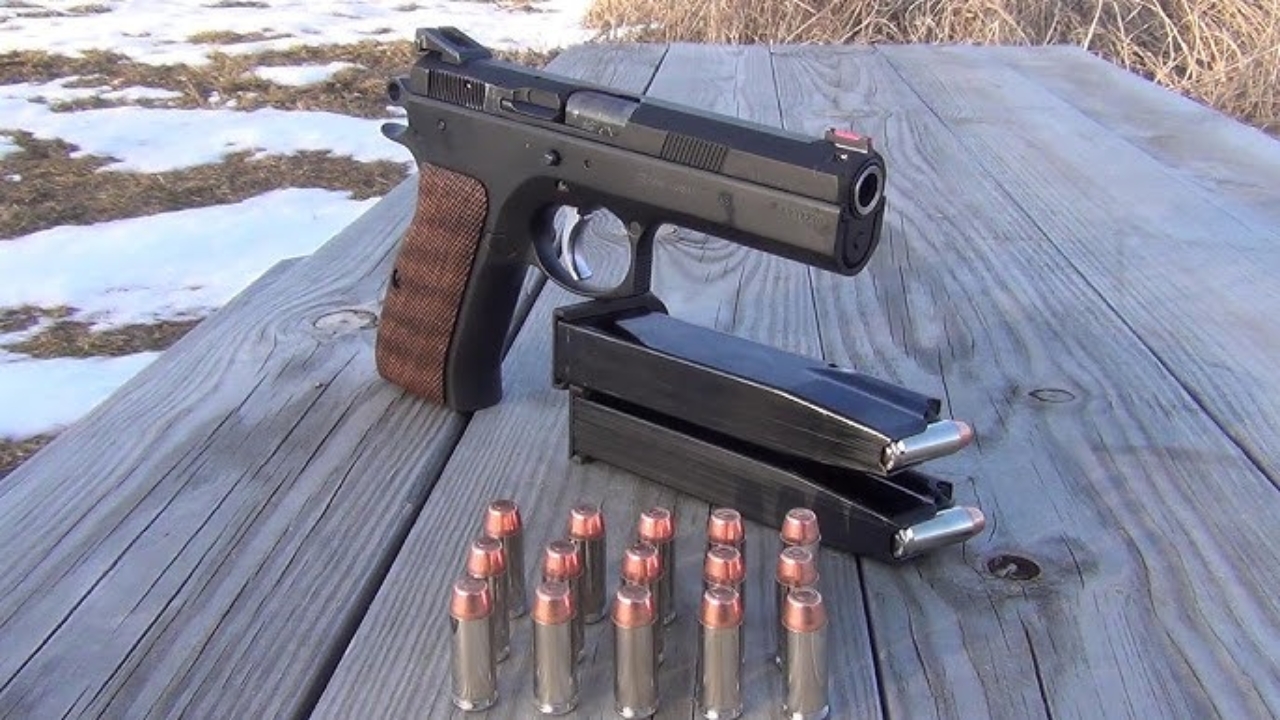
10mm doesn’t belong on a “stay controllable when you’re scared” list for most people, at least not in typical carry guns. It’s powerful, it’s fast, and it tends to punish rushed technique. When adrenaline hits, a hard-kicking pistol can turn your trigger press into a slap and your follow-up shot into a guess.
There are exceptions. In larger pistols with moderate loads, some shooters keep it under control and like the versatility. But if we’re being honest about what helps you make hits when you’re panicked, 10mm is usually the wrong direction. You’re better off with a caliber that lets you see your sights lift and return without fighting the gun. Control is what keeps you accurate when your brain is sprinting.
9mm in heavier carry guns

This isn’t a different cartridge, but it matters enough to say out loud: 9mm becomes even more controllable when you move up from micro pistols to slightly heavier carry guns. The same ammo that feels snappy in a featherweight can feel calm and predictable in a compact that has a little more slide mass and grip to hang onto.
When you’re scared and rushing, your hands do not become more coordinated. A gun that gives you more to grip, more weight to damp recoil, and a longer sight radius can keep your shots together. That’s why so many experienced carriers “downsize” only so far. If you want controllability under stress, choose a caliber you can run fast, then choose a gun that helps you run it even faster.
Like The Avid Outdoorsman’s content? Be sure to follow us.
Here’s more from us: