Photo credit: Target Suite/YouTube
A deer rifle does not stop making sense because newer rifles come with detachable box magazines, molded stocks, or a lot more talk about long-range performance. In the woods and on ordinary hunting ground, the basic job is still the same. Carry easily, come up naturally, shoot where you expect, and put a good bullet through a deer cleanly when the moment finally shows up. A lot of older rifles were built around exactly that kind of hunting, and it still shows.
That is why some old deer rifles never really fall out of favor with hunters who know what matters. They may carry iron sights, bluing worn thin at the muzzle, or stocks with a few honest dings from years in camp. None of that hurts them. If anything, it usually proves they have already done the work. These are the rifles that still feel right in the deer woods because they were built for the hunt, not for the catalog.
Winchester Model 94

The Winchester Model 94 still knows its job because it may be the purest example of a practical deer rifle ever made for woods hunting. In .30-30 Winchester, it carries flat, comes to the shoulder quickly, and feels completely natural in brush, timber, and broken country where shots happen fast and without much warning. A lot of rifles can kill deer. The Model 94 feels like it was built around the way deer actually get hunted.
It also stays relevant because there is very little wasted motion in using it. The rifle is trim, easy to carry all day, and simple to trust once you know it. In the kind of cover where ranges stay honest and handling matters more than theory, the old Winchester still feels like it understands exactly what you need.
Marlin 336

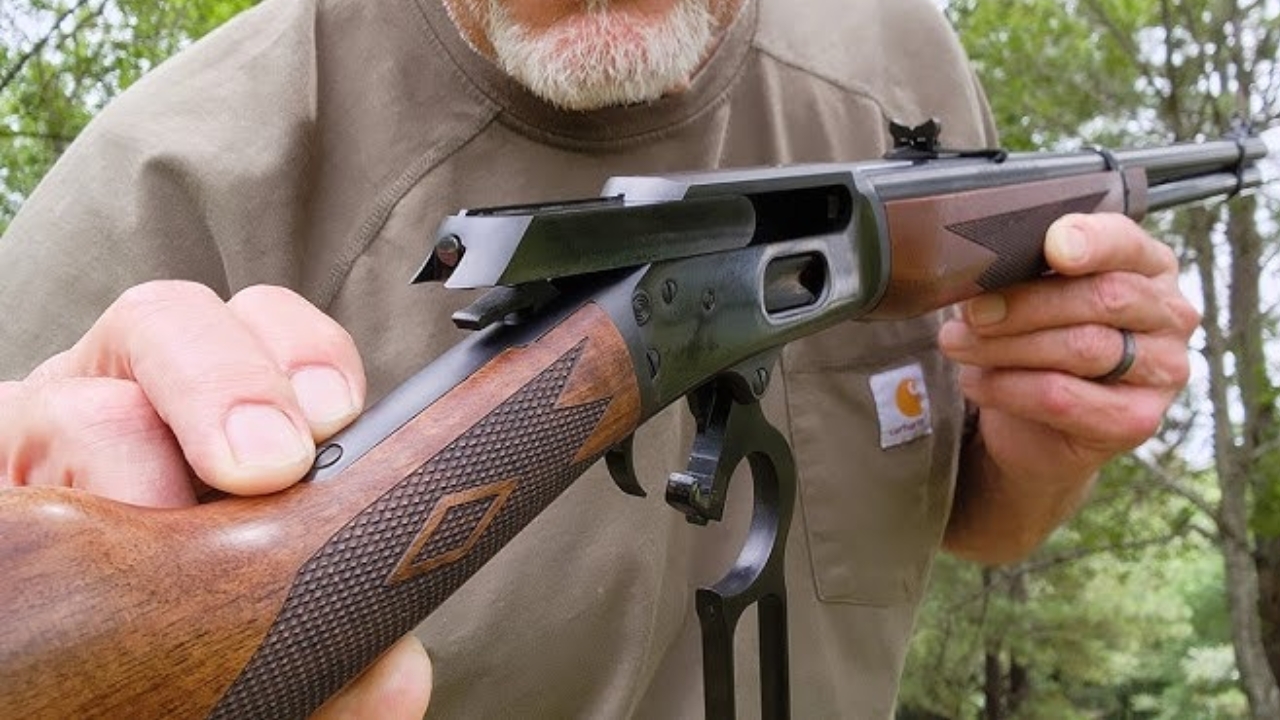
The Marlin 336 still knows its job because it remains one of the most comfortable, confidence-building deer rifles for thick country. It has enough weight to settle nicely, enough compactness to move through cover easily, and in .30-30 or .35 Remington it keeps delivering the kind of practical field performance that has always made sense in real hunting. It does not need drama to do good work.
What makes the 336 endure is the way it fits into a hunter’s hands and habits. It points naturally, cycles quickly, and feels right in the places where deer season is more about snap judgment than long setup. There are newer rifles that do more things. There are not many that do this particular job much better.
Savage 99

The Savage 99 still knows its job because it blends quick handling with rifle cartridges that gave hunters more reach and flexibility than many classic lever guns. In .300 Savage or .308 Winchester, it remains one of the most intelligent old deer-rifle designs ever put together. It feels quick in the woods without giving up the kind of performance a lot of hunters still want on field edges and longer lanes.
It also has the kind of balance that makes an old rifle seem almost alive in the hands. That matters in deer hunting. A rifle that moves naturally and mounts without delay often ends up meaning more than one with better paper specs but worse field manners. The Savage 99 still feels like it belongs where deer move through timber and openings at first light.
Remington Model 760

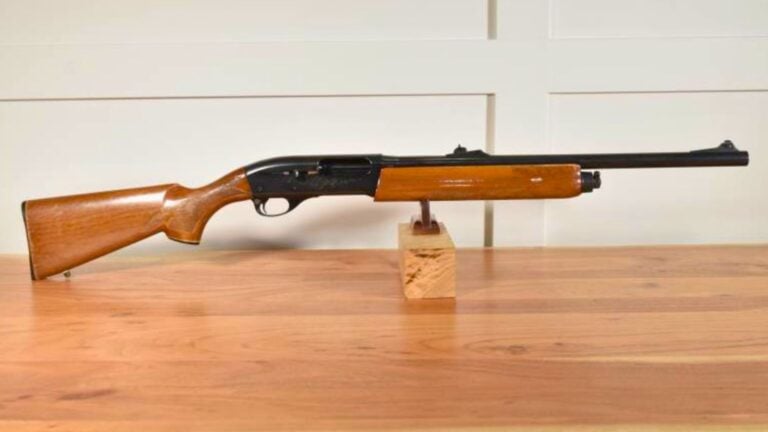
The Remington Model 760 still knows its job because a good pump deer rifle is one of the most practical tools ever made for big timber and mixed cover. It handles quickly, cycles fast, and feels especially natural to hunters who also grew up on pump shotguns. In .30-06 or .270 Winchester, it gives you real hunting cartridge performance in a rifle that still behaves beautifully when shots come quickly.
That is exactly why people kept them around so long. The Model 760 does not feel fussy or overbuilt. It feels like something made to hunt hard, ride in a truck, and get called on without warning. In the deer woods, that sort of straightforward usefulness never really goes out of style.
Remington Model 8
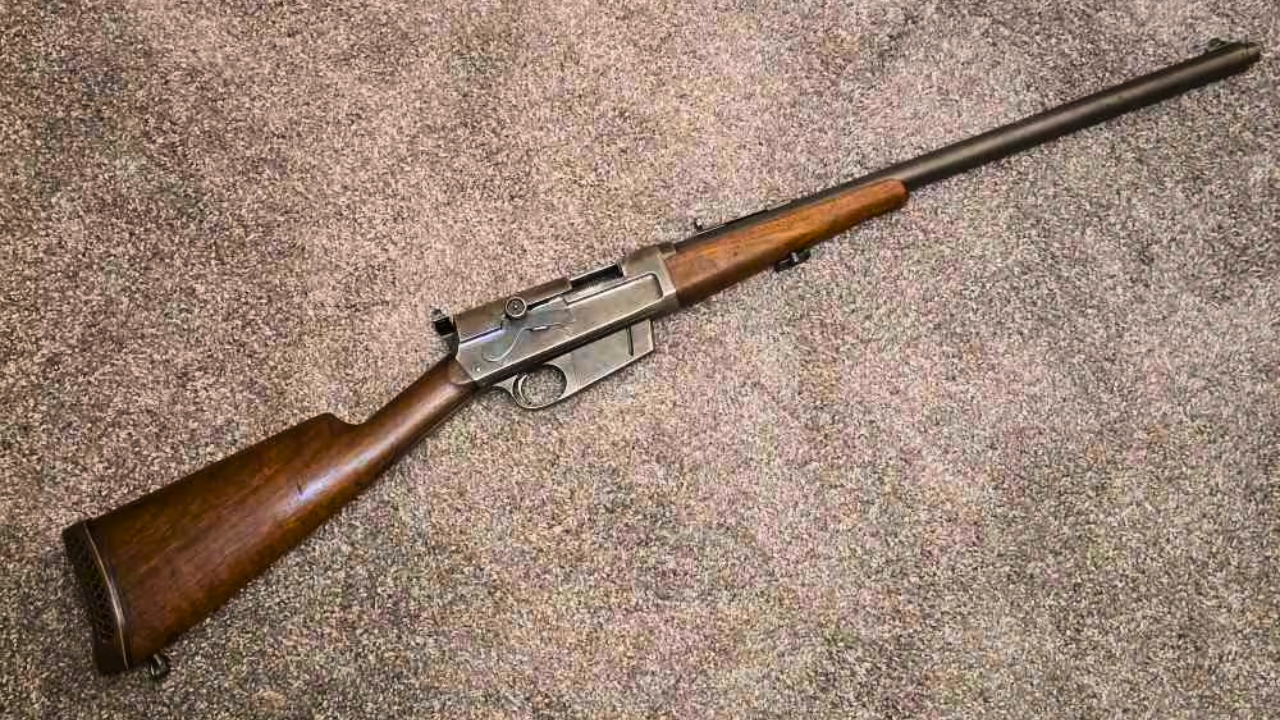
The Remington Model 8 still knows its job because even though it looks old, it was built with a very practical hunting purpose in mind. It gave deer hunters a compact autoloading rifle long before that was a common thing, and in cartridges like .300 Savage or .35 Remington it still makes a surprising amount of sense for close-to-moderate range work. The rifle carries with a kind of trim seriousness that does not feel obsolete in cover.
It also deserves credit because it was not only ahead of its time. It was useful. A lot of old rifles are interesting. The Model 8 is interesting and still very understandable once you carry one through deer country. It feels like a rifle that already knew how real hunters moved through the woods.
Winchester Model 88
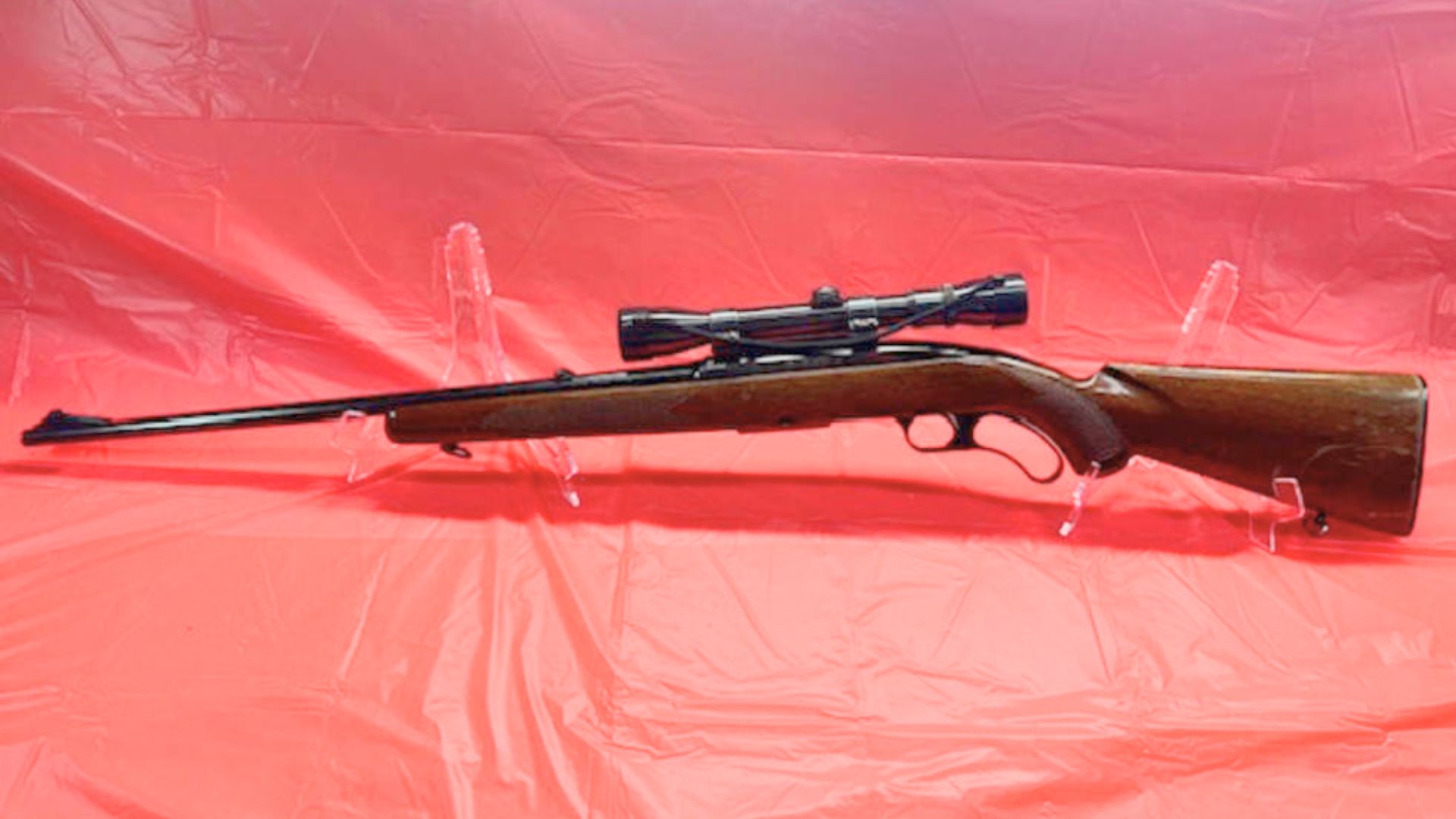
The Winchester Model 88 still knows its job because it offered deer hunters something unusually smart: a lever-action rifle with modern cartridges and very clean handling. In .308 Winchester, it remains a superb choice for hunters who want quick operation without giving up practical ballistic performance. It feels slick in the hands and very well suited to the kind of mixed-country deer hunting many people actually do.
What keeps it relevant is how little compromise it seems to carry. It does not feel clunky, and it does not feel like a compromise between styles. It feels like a true deer rifle. In the woods, on ridges, and along field edges, the old Model 88 still carries itself like it understands the hunt.
Remington Model 600

The Remington Model 600 still knows its job because it was built around compact handling before that became a sales pitch. It is short, lively, and wonderfully easy to carry in the kind of country where deer rifles spend more time moving than resting on bags. In .308 Winchester or .350 Remington Magnum, it offers a lot of practical authority in a package that feels made for tight cover and rough walking.
The Model 600 also has something many modern rifles lost: personality tied directly to usefulness. It feels different, but in the field that difference often becomes an advantage. A rifle that comes up this quickly and carries this easily still has a lot to teach newer designs about what a woods rifle ought to be.
Ruger 44 Carbine

The Ruger 44 Carbine still knows its job because a light, handy semi-auto in .44 Magnum remains a very sensible deer rifle inside normal woods distances. It is quick to shoulder, easy to carry, and perfectly suited to hunters who spend their season in thick cover where shots are close and opportunities do not last long. It was never trying to be a bean-field rifle, and that honesty still works in its favor.
It also feels like a rifle made for real use instead of endless discussion. The Ruger 44 Carbine makes sense fast once you spend time in brushy terrain and short shooting lanes. It is one of those old rifles that still feels more practical than many people expect until they remember how much deer hunting still happens inside 100 yards.
Winchester Model 100

The Winchester Model 100 still knows its job because it gave hunters a trim, practical semi-auto deer rifle that felt like a sporting arm rather than a range experiment. In .308 Winchester, it still offers plenty of practical performance, and the overall rifle feels compact and natural enough to work beautifully in broken cover and ordinary hunting country. It never needed to be flashy to be useful.
That is a big reason it still deserves respect. The rifle carries well, points naturally, and handles the kinds of shots a lot of deer hunters actually get. In a time when some rifles feel like they were designed around every role except deer hunting, the old Model 100 still feels very focused on the work.
Browning BLR

The Browning BLR still knows its job because it remains one of the smartest lever-action deer rifles ever offered to hunters who wanted more cartridge flexibility. In .308 Winchester or .358 Winchester, it handles like a practical woods rifle while giving you a little more reach and authority than many traditional lever guns. That makes it a very serious deer rifle in the right country.
It also stays relevant because it never lost the quickness that makes lever guns so attractive in the first place. The BLR carries well, mounts easily, and feels right in the hands when you are moving through timber or watching a crossing in broken terrain. It is not ancient, but it is absolutely old-school in the ways that matter.
Savage 340

The Savage 340 still knows its job because it was built as an honest working deer rifle and never pretended to be anything else. In .30-30 Winchester, it gave hunters a simple bolt-action rifle that could fill freezers without draining the wallet. It may not be glamorous, but a lot of deer have hit the ground because rifles like this did exactly what they were supposed to do.
That matters more than polish. The 340 feels like a rifle from an era when deer hunting was less about gear talk and more about putting a dependable gun in your hands and heading into the woods. It still deserves credit for that. Plain rifles that work are often the ones that know their job best.
Winchester Model 70 Featherweight

The Winchester Model 70 Featherweight still knows its job because it remains one of the best examples of a bolt-action deer rifle that carries like it was actually meant to be hunted with. In .270 Winchester or .308 Winchester, it offers excellent practical performance, but the real story is how naturally it balances and shoulders in the field. It feels alive in the hands instead of heavy and dead.
That is why it still belongs in the deer camp conversation. A Featherweight is not only a nice rifle. It is a rifle that understands movement, terrain, and the way deer hunting really unfolds. In the woods or on ridges, it still feels like a rifle that was built by people who hunted.
Marlin 1894 in .44 Magnum

The Marlin 1894 in .44 Magnum still knows its job because a short, quick lever gun in a pistol cartridge can be almost perfect in thick deer country. It is compact, handy, and easy to carry all day, and inside normal woods ranges it hits with more than enough authority to handle deer cleanly. That kind of rifle never needed a lot of explanation.
It remains useful because it still matches a kind of hunting that is very common. Short shots, rough cover, quick mounting, and uncomplicated performance are all part of the story. In places where you are more likely to shoot through a lane than across a field, the 1894 still feels completely at home.
Ithaca Deerslayer

The Ithaca Deerslayer still knows its job because it was built around slug-country hunting in the most direct way possible. In places where straight-wall restrictions or shotgun seasons shaped deer hunting, the Deerslayer gave hunters a tool that felt focused, dependable, and effective. It handles better than many people expect, and it still makes perfect sense where shots are moderate and fast handling matters.
Its enduring value comes from how honestly specialized it is. This is not a rifle pretending to be everything. It is a deer gun that knew exactly the kind of country and regulations it was meant for. A firearm that understands its lane this well never feels obsolete to the people who still hunt in that lane.
Remington Model Seven
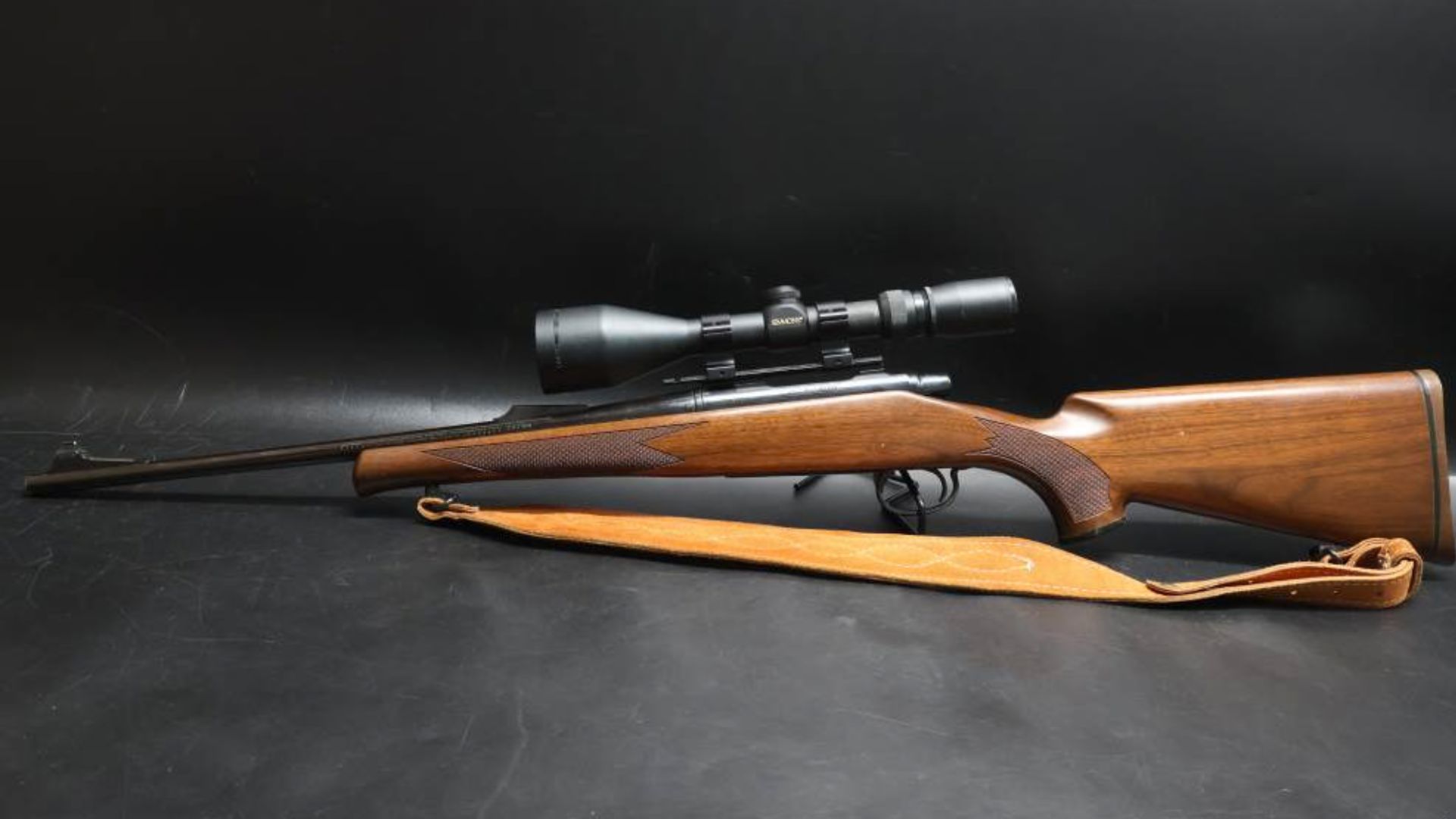
The Remington Model Seven still knows its job because it may be one of the best compact bolt-action deer rifles ever made for ordinary woods and mixed terrain. In .308 Winchester or 7mm-08, it gives hunters an easy-carrying, quick-pointing rifle that still offers enough cartridge for almost any normal deer season. It is short without feeling toy-like and practical without feeling stripped down.
That is what keeps it relevant. The Model Seven was built for hunters who wanted a rifle that moved well in real country, not one that only looked impressive in a catalog. In timber, on ridges, and anywhere the terrain keeps changing under your boots, it still feels like a rifle that knows exactly why it is there.
Like The Avid Outdoorsman’s content? Subscribe to our newsletter so you never miss an article.
Here’s more from us: