Photo credit: 704 TACTICAL/YouTube
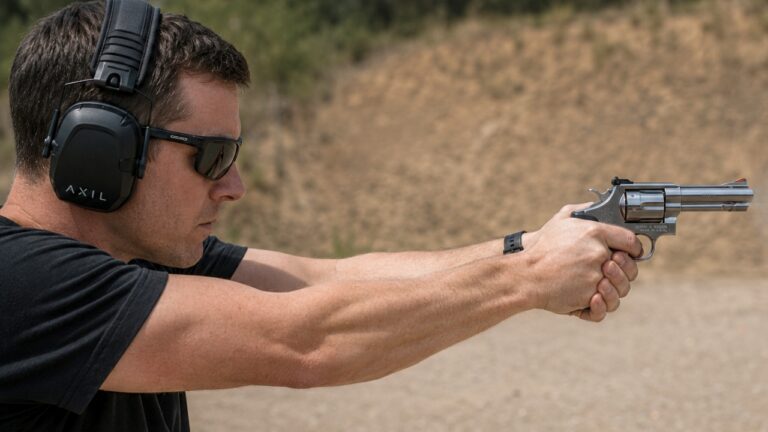
Some guns look and feel like they were made to run flawlessly. The slide glides, the action feels smooth, and everything clicks into place when you handle it at home. But take that same gun to the range, feed it a mix of ammo, and suddenly it’s hanging up, running dry, or chewing your hand during long strings of fire. Smooth turns to stubborn real fast.
That’s the difference between “bench smooth” and “range ready.” Tolerances that feel silky in the living room can tighten up when things heat, foul, or flex. Slide mass, spring tension, and ammo sensitivity all show up when rounds start flying. Some of these guns feel great until the timer starts or you’ve run a few hundred rounds. Then the truth comes out.
Kimber Custom II

The Kimber Custom II feels flawless when you rack it slow at home. The slide-to-frame fit is tight, the trigger breaks clean, and it feels like a precision tool. But that same tightness can turn against you once fouling builds up. A few boxes of ammo in, and you start to feel drag where there used to be glide.
The gun runs well with good mags and clean ammo, but it’s not always forgiving. Dust, grit, or weak brass can expose how sensitive it really is. You don’t always notice it in the safe, but on a long day at the range, the Custom II reminds you that “tight” and “reliable” aren’t always the same thing.
Springfield Armory Range Officer
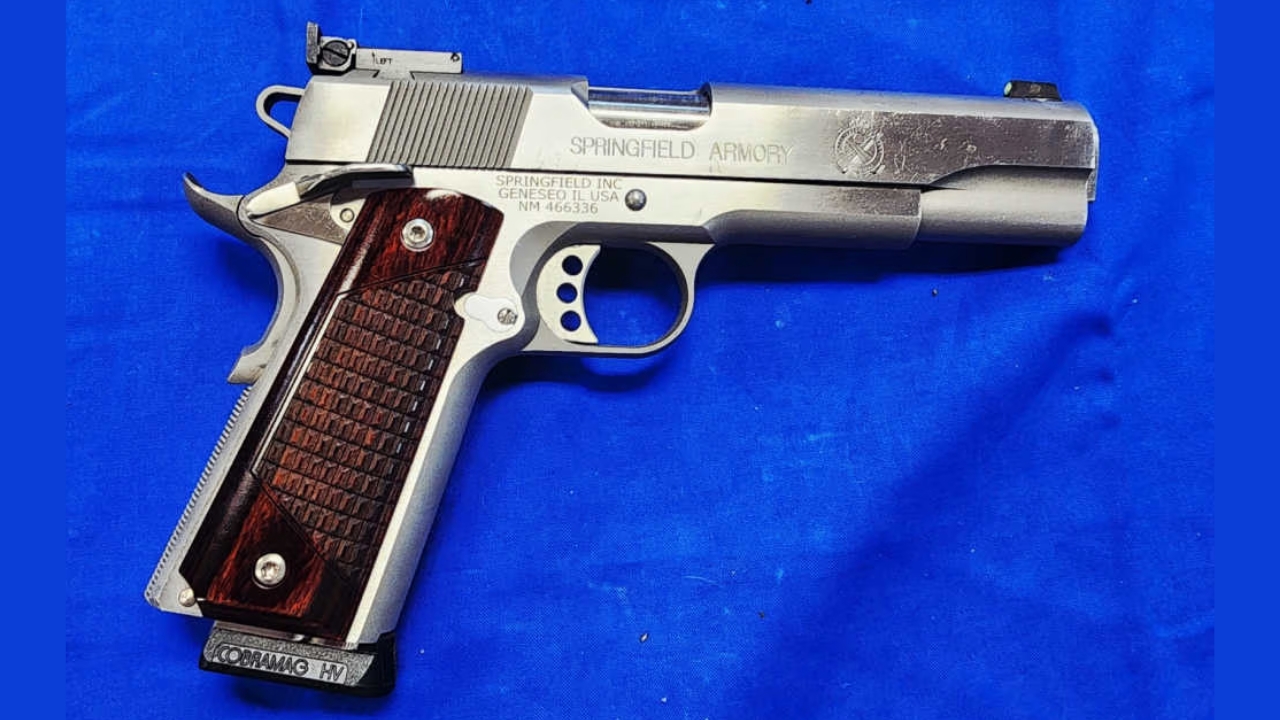
On the bench, the Range Officer feels refined and balanced. The trigger is crisp, and the slide feels like it’s gliding on glass. You dry-fire it, rack it a few times, and it feels like a winner. Then you start shooting it fast, and you learn how much the tight fit demands consistent maintenance.
It’s not that it’s unreliable—it’s just that the margin for error shrinks fast. A little grime or dry lube turns that slick slide into a draggy one. It’s a gun that rewards you for cleaning, but punishes you when you don’t. It feels smooth at home because it’s clean. The range adds dirt, heat, and carbon, and the Range Officer doesn’t hide that well.
SIG Sauer P210

The SIG P210 is a work of machining art, and dry-handling one can make you think it’ll run like a dream forever. The slide feels hydraulic, and the lockup is rock-solid. On the range, though, that precision fit can be too exacting for real-world conditions. Get it hot or dirty, and you start feeling resistance you didn’t expect.
It’s not unreliable so much as picky about cleanliness and lubrication. You can’t neglect it and expect the same flawless cycle you felt at the bench. The P210 is built tight, and it shows both the beauty and the drawback of that design. In your hand, it’s smooth. In the dirt, it’s less forgiving.
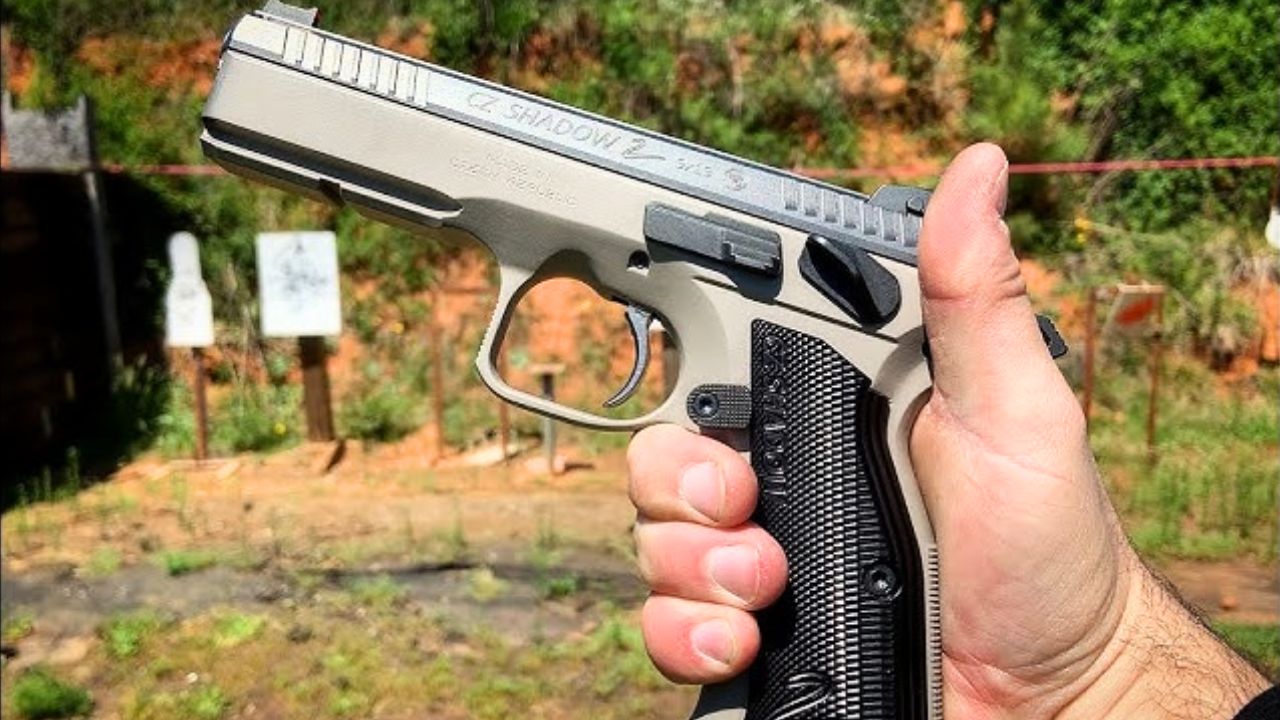
CZ Shadow 2

The Shadow 2 is heavy, refined, and smooth as silk when you handle it at home. Every control clicks with precision, and the slide moves like it’s on rails. Then you start shooting it fast, and that weight and tight slide fit start feeling like work. Once it gets warm, fouling and buildup can start showing up as drag.
It’s a fantastic gun in competition, but it’s not immune to grit and grime. When you shoot a few hundred rounds without cleaning, the slide starts to lose that “butter” feel. It’s one of those pistols that spoils you when you’re admiring it at the bench—but demands upkeep once brass starts flying.
Walther PPK/S
At home, the PPK/S feels like it was carved from a block of steel. The slide runs smooth, and the controls feel refined. Then you take it to the range, and you remember what blowback recoil feels like in a small package. It’s sharp, snappy, and gets less “smooth” the longer you shoot.
It can be reliable with good ammo, but limp wrists or inconsistent grip show up quick. The slide and spring setup make it feel stiff and abrupt under real firing. The gun that felt smooth while racking becomes a handful once the range session starts. It’s a classic, but not an easy one to love after a long box of .380.
Desert Eagle .44 Magnum
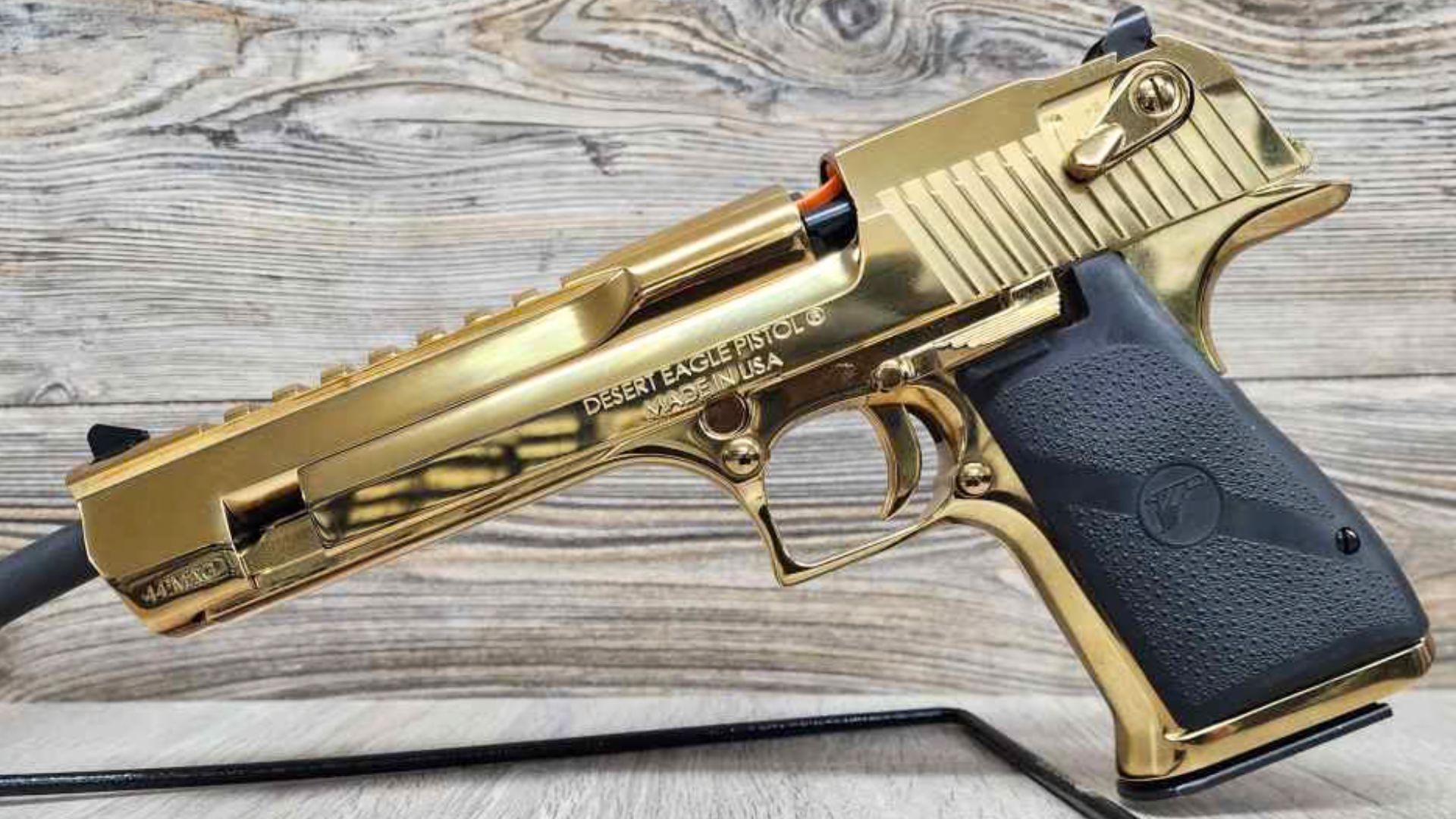
Few guns feel as impressive at home as a Desert Eagle. The slide glides, the lockup feels bank-vault solid, and the whole pistol seems like it should crush anything you feed it. Then you shoot it and realize how much that gas system and weight depend on perfect ammo and grip.
Dirty powder, weak loads, or inconsistent recoil impulse can make it feel clunky fast. When everything lines up, it’s fine—but that smooth cycling you felt at home can disappear after a few magazines of cheap range ammo. The Desert Eagle demands ideal conditions, and most of us don’t live at that level every range trip.
Colt Python (New Production)

Dry-fire a new Python at home and it feels flawless. The trigger is clean, the cylinder locks up tight, and every motion feels perfectly tuned. Take it to the range and start shooting DA strings, and you can feel how that tightness translates to resistance once things warm up.
The new Pythons are accurate and well made, but they don’t hide their mechanical nature under heat and fouling. Grime in the action can make double-action pulls feel heavier and less smooth. It’s a revolver that rewards care but punishes neglect. It’s still excellent, but the “buttery” action you feel on the couch changes after a hundred rounds.
Kimber Micro 9

The Micro 9 feels slick at home—compact, smooth slide, easy handling. On the range, you start to notice the compromises that come with its size. The slide can feel harsh under recoil, and the short grip makes controlling it less graceful than it seemed when you were dry-handling.
It’s reliable enough with good ammo, but a little finicky with some hollow points. The gun cycles quickly, and that snappy behavior can make reloads and manipulation feel more rushed. It’s one of those pistols that feels great to handle but a bit less charming once it’s actually firing in your hands.
Browning Hi-Power

The Hi-Power feels like silk when you rack it slowly and admire the old-world fit. The trigger feels clean after tuning, and everything moves with purpose. Then you take it to the range and start running drills, and you feel where the design starts showing its age. The hammer bite, the grip shape, and the magazine disconnect all remind you it’s not built for speed.
It still runs fine, but the “smooth and elegant” impression changes when you’re actually working the gun hard. Heat and friction show up in ways you don’t see in dry fire. It’s a beautiful shooter, but it’s more gentleman’s gun than workhorse once brass starts piling up.
SIG Sauer P938
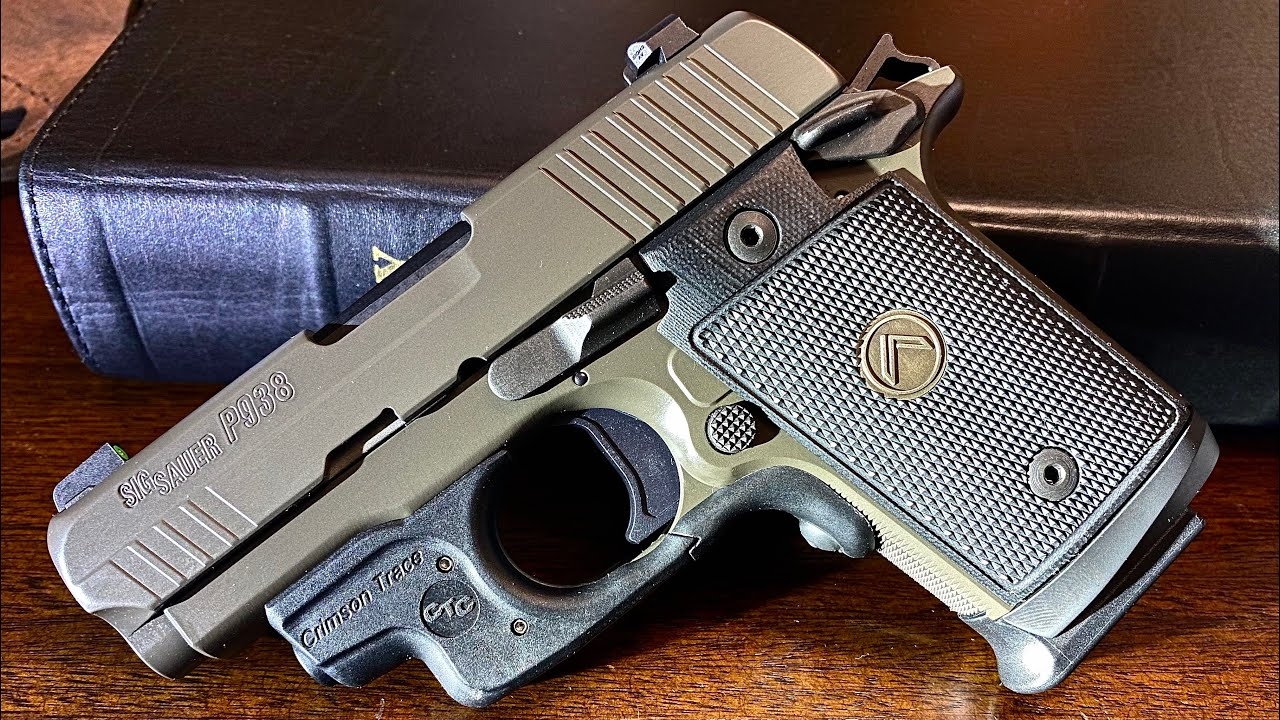
The P938 feels tight and well made when you handle it at home. The slide-to-frame fit is snug, and the trigger feels crisp. On the range, that tightness can turn into stiffness fast. The recoil spring setup and small size make it less forgiving to rack, and it can feel snappy under recoil.
It’s a capable gun, but not the smooth operator it seems in the safe. The smaller frame and 9mm pressure make it feel lively, even a bit abrupt. The P938 is one of those pistols that looks refined, but reminds you that small guns rarely stay smooth for long under live fire.
Springfield Armory EMP

The EMP feels perfect in your hand. The action cycles cleanly, and the slide moves like it’s fitted by hand. Then you take it to the range and see how quickly a little fouling changes that feel. It’s tuned tight, and that precision demands maintenance.
It’s a great carry pistol, but not a gun that tolerates much dirt. After a few boxes of ammo, you start to feel that smoothness disappear. It’s not failing—it’s just showing how close the tolerances really are. You can’t complain about accuracy or fit, but you learn fast that “smooth” has limits when powder and heat get involved.
Dan Wesson Vigil

Dan Wesson pistols are known for their fit and finish, and the Vigil feels exceptional when clean. The slide cycles perfectly, and the break-in feels nonexistent. But once you’ve shot a few hundred rounds, it starts showing a bit more personality. Tight tolerances meet carbon fouling, and things don’t glide quite like they did.
It’s still reliable, but it loses that effortless feel. You start to feel resistance where there used to be none. It’s a pistol that loves being clean and oiled. The Vigil can handle range use, but it demands attention. Smoothness isn’t free—it’s maintenance-dependent.
Beretta 84FS Cheetah

The Cheetah feels like a scaled-down 92 at home—well balanced, refined, and smooth as you rack the slide. Once you’re at the range, that blowback recoil and small grip start making it feel more lively than graceful. The cycling is snappy, and the grip can feel tight after longer sessions.
It feeds reliably, but that “smooth as glass” feeling turns into “busy” under fire. The recoil spring and timing work fine, but they don’t hide the sharpness of the blowback system. It’s a fun shooter, but it feels less luxurious the longer you stay on the line.
HK P7 PSP

Handle an HK P7 at home, and it feels like mechanical perfection. The squeeze-cocker mechanism, short stroke, and clean slide movement all feel refined. But the more you shoot it, the hotter it gets—literally. After a few magazines, that slim frame starts radiating heat, and the trigger guard can get uncomfortably warm.
It still runs flawlessly, but the experience changes. The same tight, smooth feel that impressed you in dry fire becomes something you’re managing in live fire. The P7 proves that smooth machining and real-world comfort don’t always go together. It’s brilliant, but it reminds you that “feels perfect” and “runs comfortably” can be two different things.
Smith & Wesson Model 29

The Model 29 feels perfect in slow motion. The cylinder locks tight, the trigger feels like velvet, and everything lines up with purpose. Then you load up full .44 Magnum loads, and smooth turns to stout in a hurry. It’s not unreliable—it’s just demanding.
At the range, the recoil, blast, and muzzle rise remind you that the big .44 isn’t a casual shooter. The gun itself stays tight and functional, but your grip and follow-through are working overtime. It feels elegant in your hand, but by the third cylinder, you realize how rough “smooth” can feel when real power gets involved.
Like The Avid Outdoorsman’s content? Subscribe to our newsletter so you never miss an article.
Here’s more from us: