Photo credit: FieldsportsChannel.tv – 2.0/Wiki Commons
Some cartridges enter the hunting world with big promises—tighter groups, flatter arcs, more reach, better consistency. And every now and then, a round gathers buzz simply because the numbers look great on a chart. But once rifles start hitting the bench and hunters actually see what the cartridge can do, reality settles in. Certain rounds never live up to their accuracy claims. They’re not useless, but they often fall short when cold barrels, real-world weather, or basic load variations come into play. These are the cartridges hunters talk about when discussing expectations that never matched results.
.223 WSSM

The .223 WSSM arrived with claims of blistering speed and superior downrange results. But once hunters began shooting it, accuracy issues were hard to ignore. The cartridge’s extreme pressures made it less predictable from rifle to rifle, and factory loads didn’t always deliver the consistency expected from something marketed as a precision round.
Barrel wear also played a role. Those accelerated throat erosion rates made it tough to maintain accuracy over time. While the .223 WSSM can group well under ideal conditions, it rarely produced the stable accuracy shooters hoped for across varied temperatures and field setups.
.17 WSM
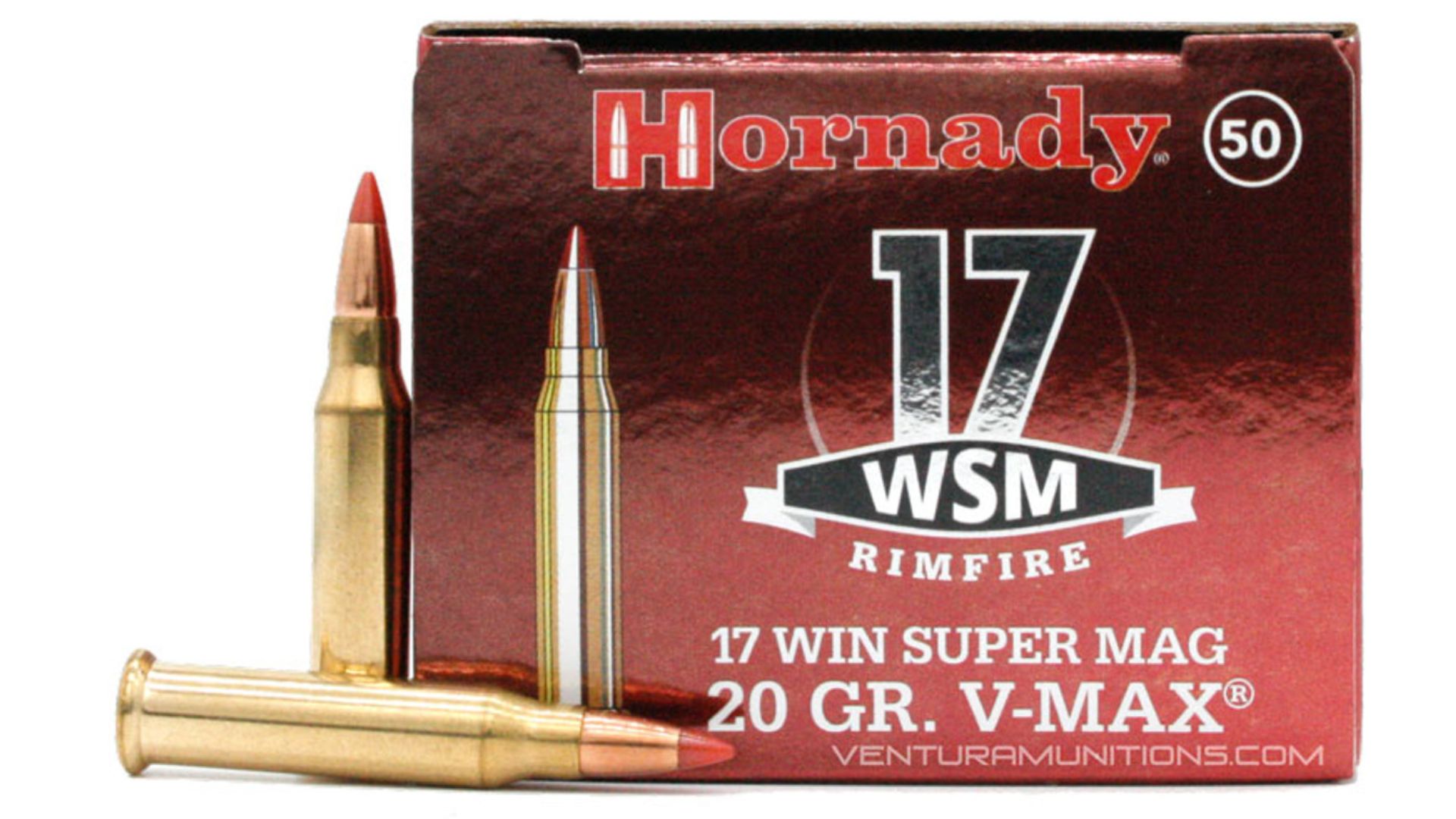
The .17 WSM built excitement as a rimfire that could stretch accuracy to new distances. But many hunters quickly learned that speed alone doesn’t guarantee tight groups. Wind drift was a serious problem, and the cartridge’s lightweight bullets made accuracy unpredictable outside calm days.
Even rifles chambered for it varied widely in how well they shot. For a round that promised small groups at surprising ranges, that inconsistency frustrated many users. The concept was appealing, but the real-world precision never matched the marketing, leaving a lot of hunters disappointed after only a few trips to the field.
.25 WSSM

The .25 WSSM was pitched as a highly accurate short magnum, but its track record never matched the hype. Hunters noticed inconsistent results with factory loads, and rifles chambered for it didn’t always extract the cartridge’s full potential. That variation became a common complaint among shooters expecting predictable group sizes.
As throat erosion and high operating pressures became known issues, long-term accuracy suffered even more. Instead of the “efficient precision” that was promised, many shooters ended up with rifles that only grouped well under a narrow set of conditions. That reality made the cartridge short-lived in the accuracy conversation.
.30 Remington AR
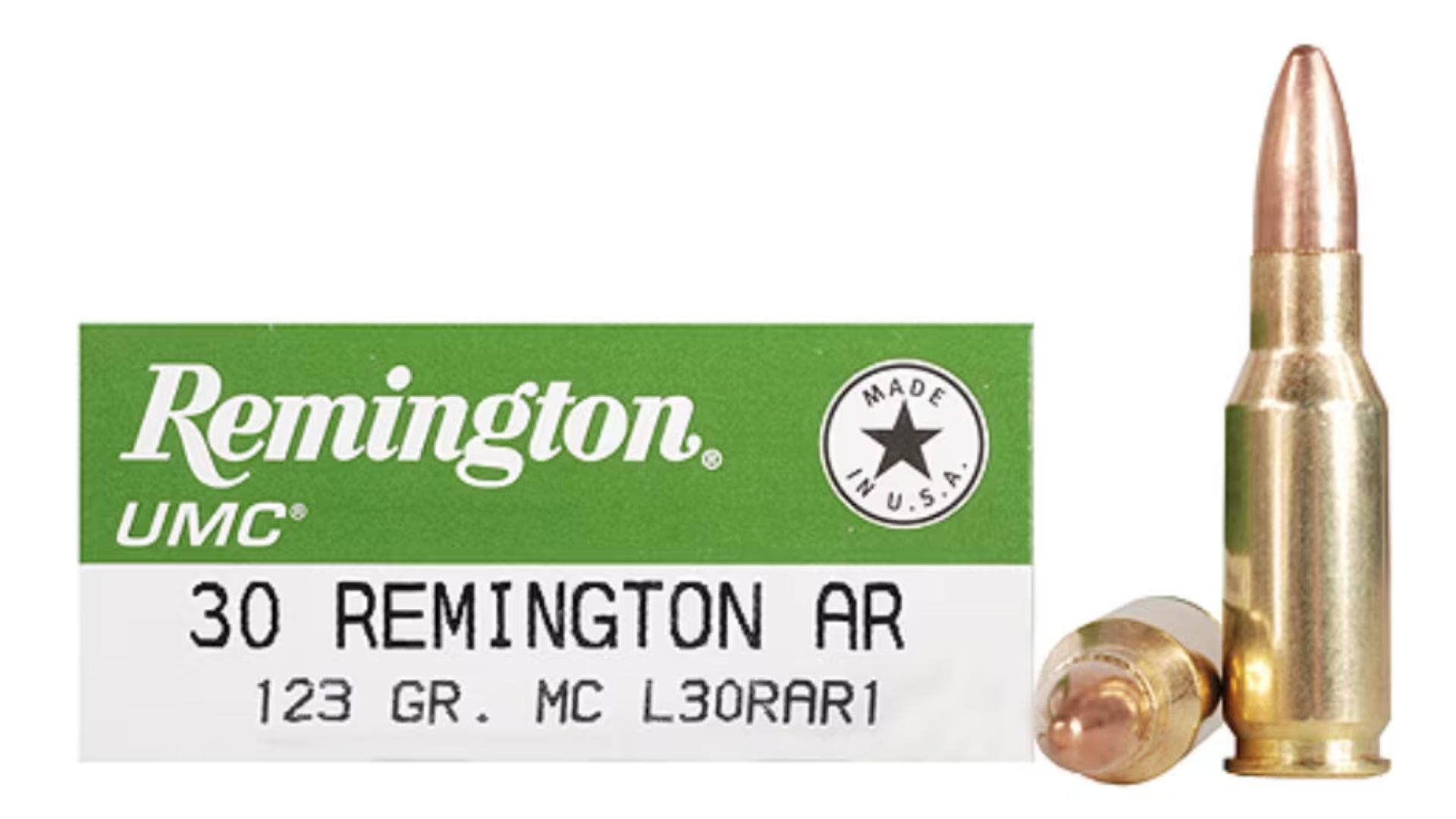
The .30 Rem AR was supposed to give hunters a precise, powerful option in the AR-15 platform. While the idea was solid, accuracy results were often inconsistent. Part of the challenge came from limited rifle and load development. Without broad manufacturer support, shooters were stuck with narrow options that didn’t always produce the groups they wanted.
Hunters expecting near-.308 performance with AR ergonomics often found themselves fighting flyers and load sensitivity. The cartridge could shoot reasonably well, but hitting the accuracy potential advertised for it rarely proved easy, especially with factory ammunition.
.264 Winchester Magnum

The .264 Win Mag has always had loyal fans, but accuracy consistency across rifles has never been its strong point. High velocities lead to faster throat wear, and once erosion starts, groups open noticeably. Reloaders can sometimes coax excellent performance, but factory loads haven’t always delivered the precision hunters hoped for.
Many shooters expected long-range tightness that simply didn’t appear without extensive tuning. As newer 6.5mm cartridges entered the market with better barrel life and more predictable accuracy, the .264 Win Mag’s shortcomings became even more obvious to the average hunter.
.257 Weatherby Magnum

The .257 Weatherby Magnum is undeniably fast, but speed doesn’t guarantee accuracy. Many hunters discovered that the cartridge is extremely picky about barrel harmonics and shot placement on paper. Even slight variations in ammunition can change group sizes dramatically.
While some rifles shoot it exceptionally well, many don’t. And because most hunters rely on factory loads, that sensitivity becomes a recurring problem. Instead of the tight, long-range performance marketed for decades, plenty of users ended up with rifles that grouped inconsistently until they found the one load that worked.
.300 RUM

The .300 Remington Ultra Magnum generates impressive power, but accuracy can be hit or miss. Recoil is part of the issue—flinching ruins groups quickly—but even from solid bench setups, the cartridge’s extreme velocity makes it difficult to keep shots tight. Throat erosion also comes fast, widening groups in far fewer rounds than most magnums.
Hunters who bought the .300 RUM expecting long-range precision often discovered they needed significant practice and load work. It can shoot well, but the accuracy claims never matched what most users experienced in real field conditions.
.325 WSM

The .325 WSM was advertised as a hard-hitting, accurate option in a short action. Early excitement faded once hunters saw how much variance existed between rifles. Group sizes often shifted from acceptable to disappointing with minor changes in ammunition, temperature, or barrel cleanliness.
The combination of heavy recoil and load sensitivity made accurate shooting challenging. While some rifles handled the cartridge well, many didn’t, leading hunters to conclude that the cartridge simply didn’t deliver the stable precision its early marketing promised.
.350 Remington Magnum
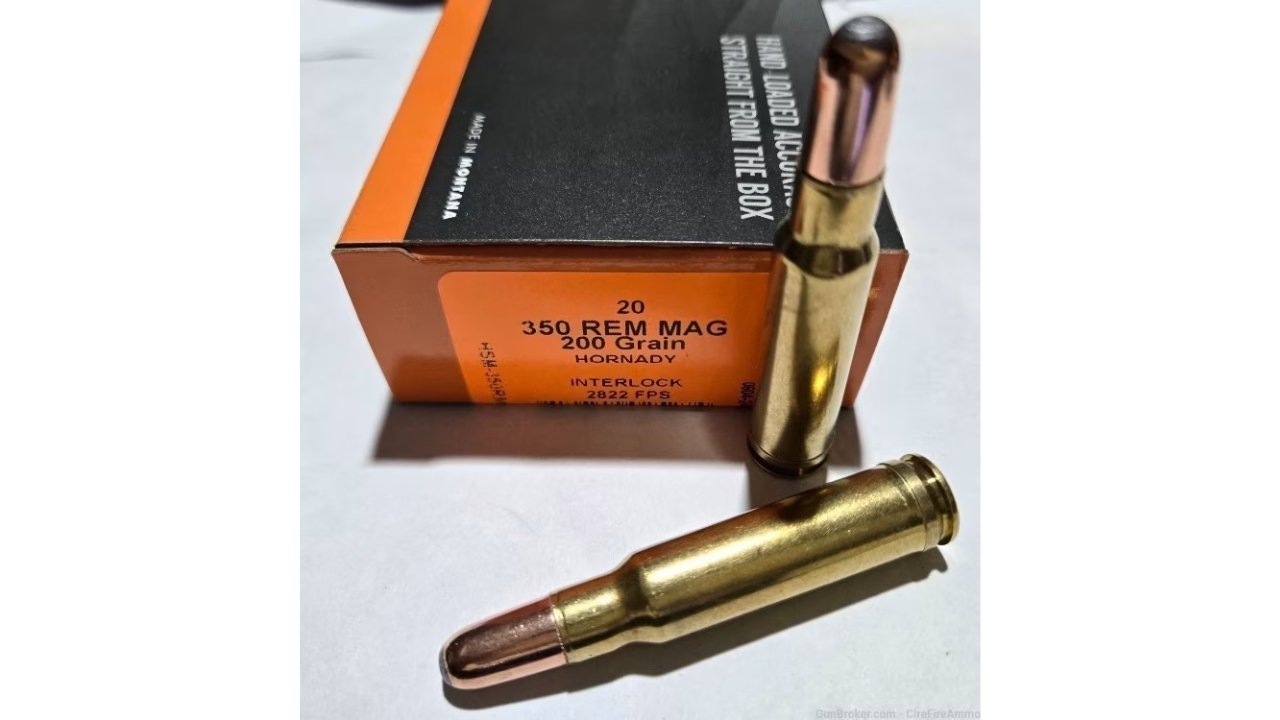
The .350 Rem Mag has loyal supporters, but accuracy has long been a sticking point for many hunters. Short barrels—common on rifles chambered for it—don’t always stabilize heavier bullets consistently. That mismatch leads to group changes that can frustrate shooters trying to get dependable paper results.
Load development can help, but factory ammo has historically been limited, making tuning difficult. Many hunters were left with rifles that shot “acceptable” groups but never reached the level of precision expected for a big-game round.
.225 Winchester

The .225 Winchester struggled to gain traction, in large part because of middling accuracy. Shooters found that rifles didn’t consistently produce tight varmint-level groups, which put it at a disadvantage immediately. That inconsistency was magnified as better .22-caliber cartridges became available.
With limited bullet options and inconsistent factory loads, the cartridge never reached the accuracy ceiling its early marketing suggested. Many hunters tried it once and moved on to more predictable performers.
.17 Remington
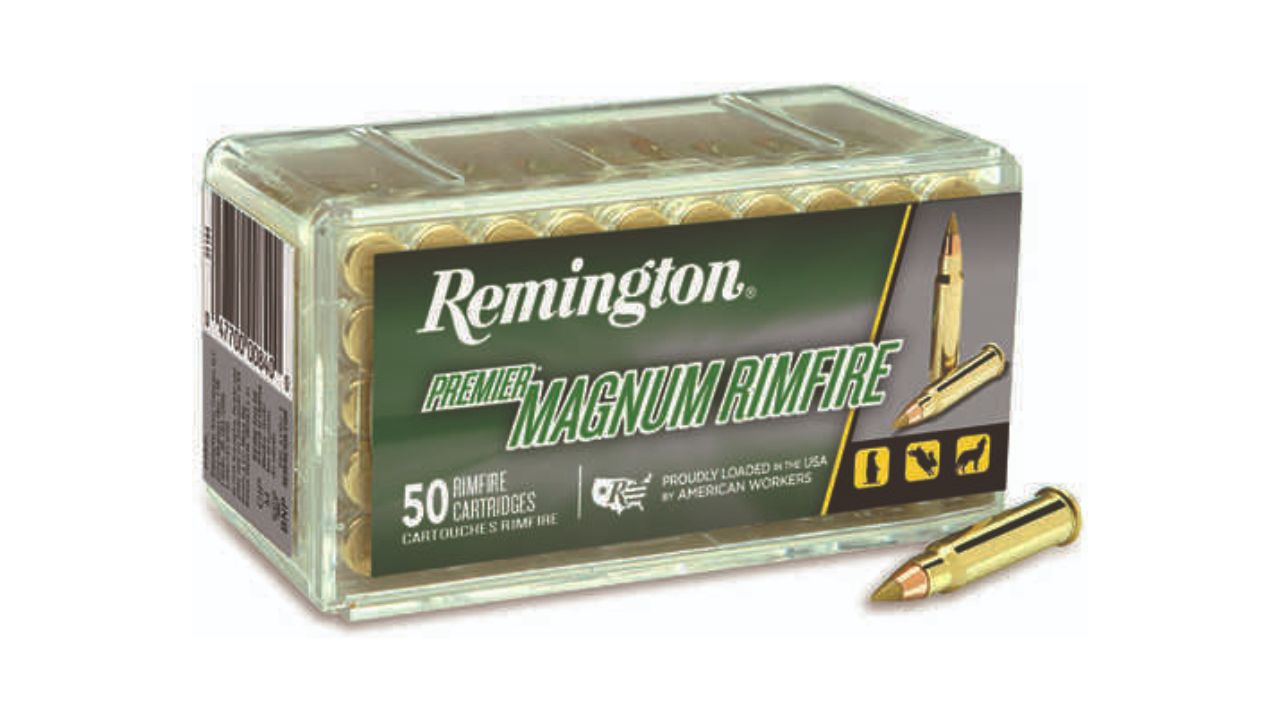
The .17 Remington promised high-precision varmint performance, but its tiny bullets are extremely sensitive to wind, temperature, and fouling. Once real conditions enter the equation, group sizes often expand quickly. Shooters who expected laser-like accuracy at long distances were frequently disappointed.
Even well-made rifles struggled to maintain consistency without meticulous barrel cleaning. That level of maintenance pushed many hunters back toward slightly larger calibers that delivered better real-world accuracy with less effort.
.375 Ruger
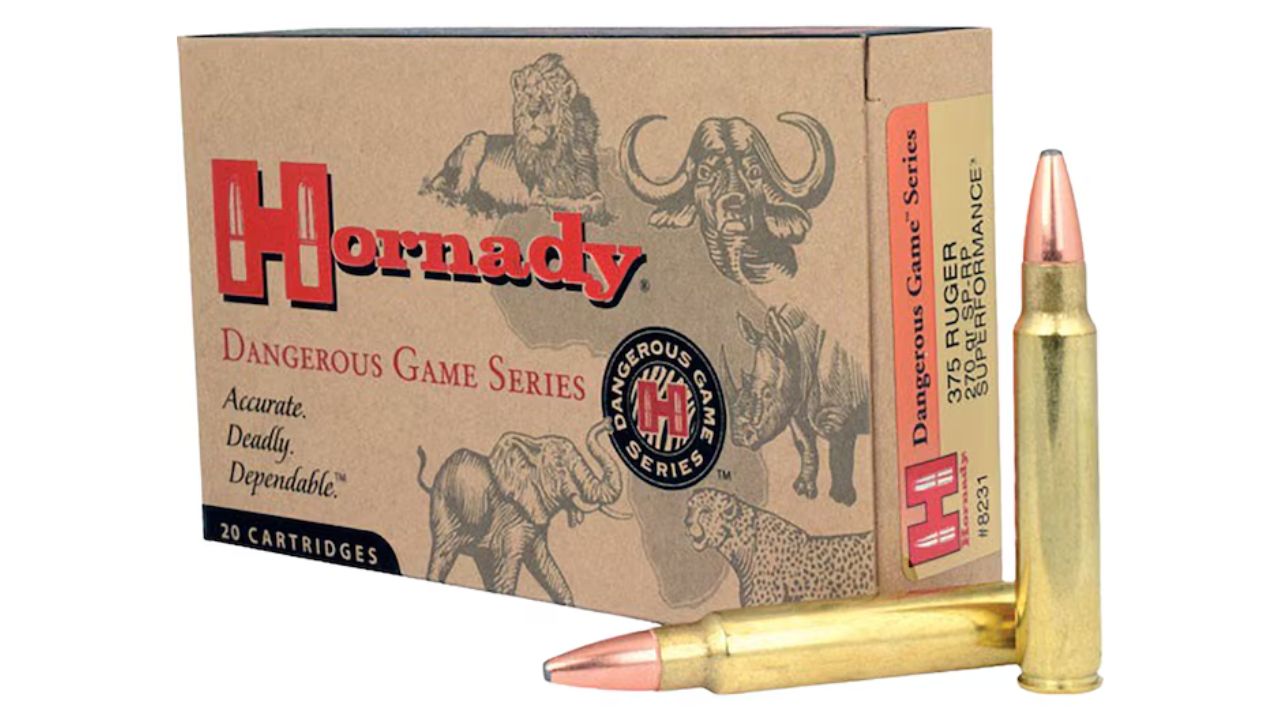
The .375 Ruger was marketed as a modern, accurate alternative to the .375 H&H. While it performs well enough, many shooters found accuracy inconsistent across rifles. Heavy recoil, sharp muzzle rise, and sensitivity to barrel weight all contribute to group variation.
For a dangerous-game cartridge, “good enough” accuracy is acceptable, but that wasn’t what its early advertising pushed. Hunters expecting tight, repeatable groups at distance often discovered reality was far less impressive than the pitch.
.307 Winchester
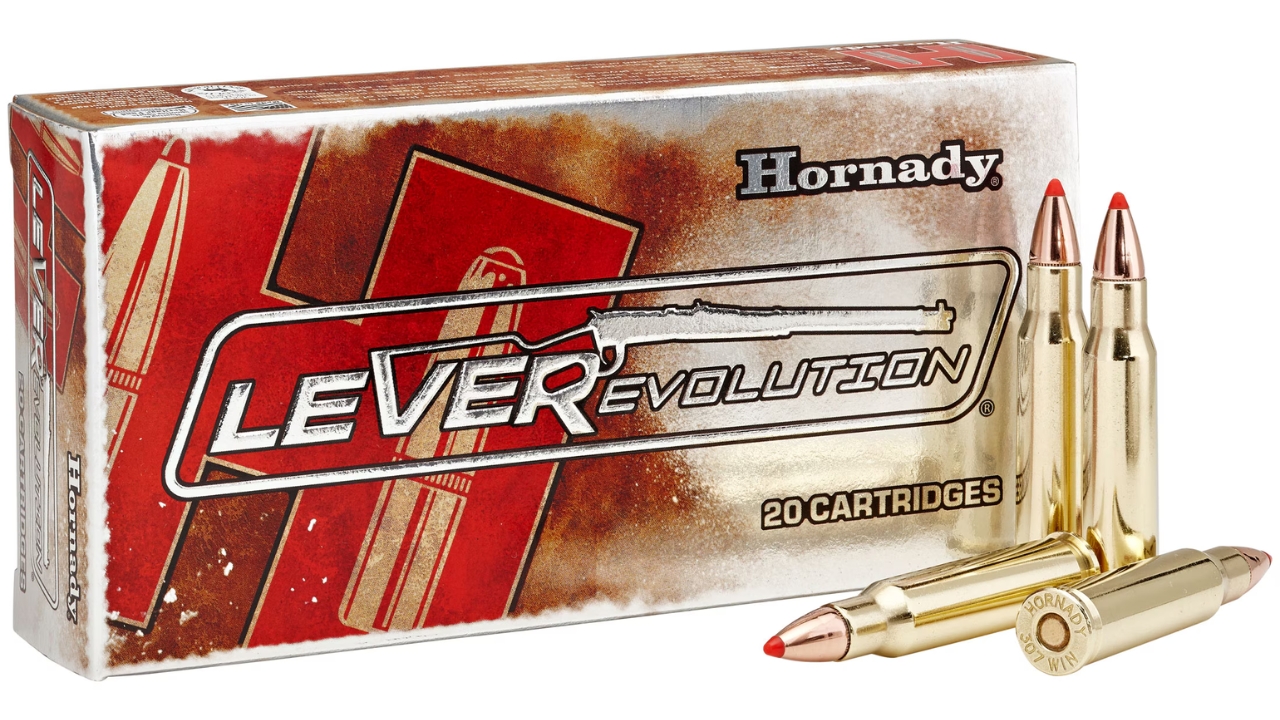
The .307 Winchester tried to give lever-gun shooters more reach, but accuracy was always limited by platform constraints. Even with strong actions, most rifles never produced the precision many hunters hoped for. Bullets designed around .308 velocities didn’t always play well at .307 speeds.
As a result, consistency was difficult to achieve. Shooters expecting bolt-gun accuracy from a lever-action cartridge rarely found what they were looking for, and many moved on after a single season.
.33 Winchester
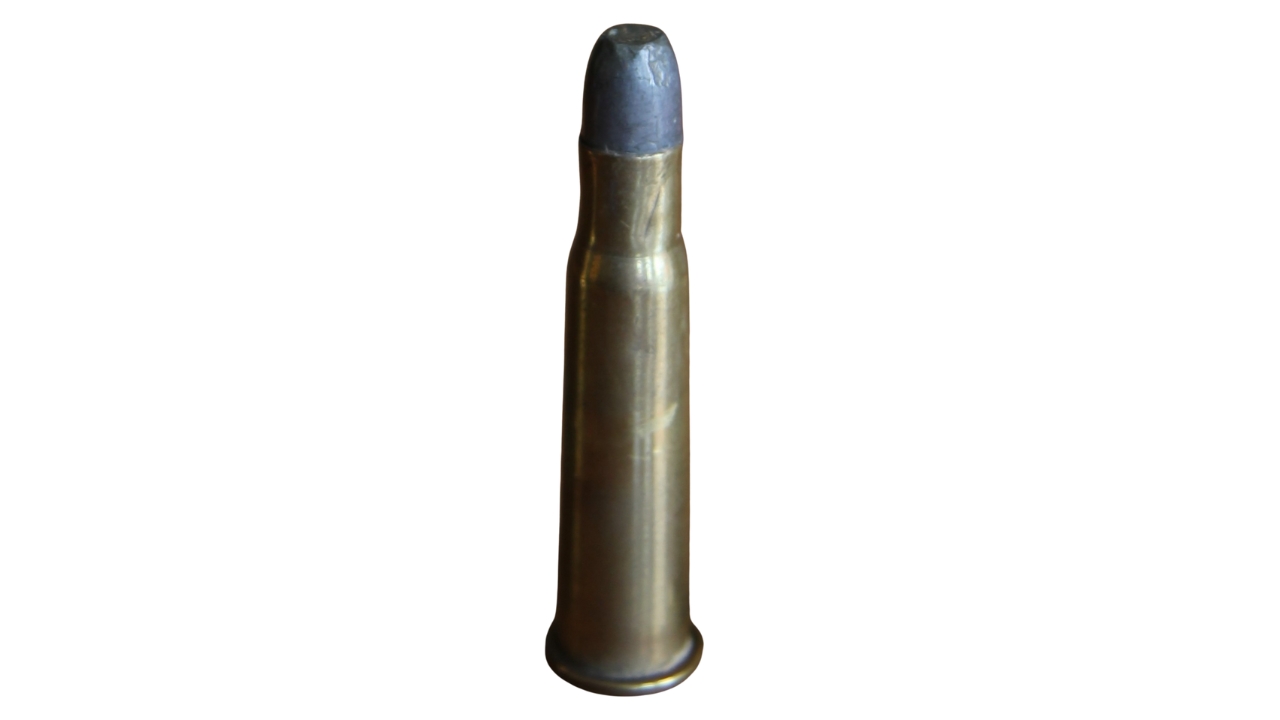
The .33 Winchester dates back over a century, and its accuracy reputation has always been lukewarm. Vintage rifles, oddball bore dimensions, and limited bullet options all contribute to unpredictable performance. Hunters expecting tight groups from a historical cartridge usually find themselves fighting the inherent limitations of old platforms.
The round performs adequately at close distances, but the accuracy claims you’ll see in old advertising never hold up on a modern bench. Most shooters who try it out of curiosity don’t return to it after seeing how variable its performance can be.
Like The Avid Outdoorsman’s content? Subscribe to our newsletter so you never miss an article.
Here’s more from us: