Photo credit: The Late Boy Scout/YouTube
Some rifles aren’t built to last. They’ll group okay at the range when they’re new and tight, but after one season in the field, you’re left wondering what’s still holding them together. Loose stocks, wandering zero, screws walking out, and actions that feel like they’ve got more miles than they should. It’s not always about how they shoot on paper—it’s how they hold up to a pack, a truck, and a couple wet weekends chasing game.
If you’ve ever opened the case on opening day only to find your optic tilted and your sling stud missing, you know the kind of rifle I’m talking about. It doesn’t matter how slick the spec sheet looks or how many online reviews say it’s “great for the money.” What matters is whether it’s still running like it did back in September. Some of these rifles won’t.
Here are a few that rattle apart before the second season even starts.
Remington 770
If you’ve owned a 770, you’ve probably already replaced it. These rifles were budget-focused from the start, but the shortcuts in materials and build quality show fast. The bolt binds, the stock feels hollow, and by the end of a hard season, you’re likely to find it looser than when you started.
The plastic trigger guard flexes, the bolt handle gets sloppy, and if you’re running a scope, keep a screwdriver in your pack. There’s a reason you see them in pawn shops more often than at the range. They weren’t made to take a beating, and they don’t.
Mossberg ATR 100

Mossberg had the right idea trying to offer an affordable bolt-action, but the ATR 100 didn’t earn much trust among serious hunters. The action roughs up over time, and the bedding fit is hit or miss. It’s not uncommon for them to lose zero after a ride in the truck.
Throw in a molded plastic stock that twists under tension and you’ve got a rifle that wears fast in real use. The scope mounts are known to back out, and unless you’re checking every screw regularly, this one starts to feel like a project, not a tool.
Savage Axis (Original Gen)
The newer Axis II rifles are a step up, but the original Axis had some real durability issues. The synthetic stock on early models flexed badly under bipod pressure, and recoil lugs were practically non-existent. After a season in the field, accuracy starts to slip.
You can feel the bolt slop increase with use, and the trigger—well, it wasn’t helping anyone group better. Savage is known for accuracy, but with the first Axis rifles, they cut a few too many corners. You get what you pay for, and in this case, you get a rifle that feels tired quick.
Winchester XPR

This one hurts, because the XPR has potential. It shoulders well and shoots straight at first. But the long-term wear shows up quicker than you’d like. The bolt gets gritty, the magazine fit loosens, and the trigger starts to feel spongy after some abuse.
You’ll notice the fore-end shift under pressure—something no hunting rifle should do. Add in a few wet hunts and you might find corrosion in places you didn’t expect. The XPR has some nice features, but it doesn’t seem to take field use as well as it should.
Ruger American Ranch (Early Models)
The Ruger American Ranch series has a loyal following, but those early production models had their share of teething issues. The factory scope bases loosened easily, and the bolt on some calibers felt like it belonged in a different gun altogether.
With time, those cheap plastic mags would start to misfeed, especially in .300 BLK and 7.62×39. The bedding system was a smart idea on paper, but inconsistent torque made for shifting groups. Later versions improved a lot, but the early ones didn’t always survive a full season without needing some TLC.
Thompson/Center Compass
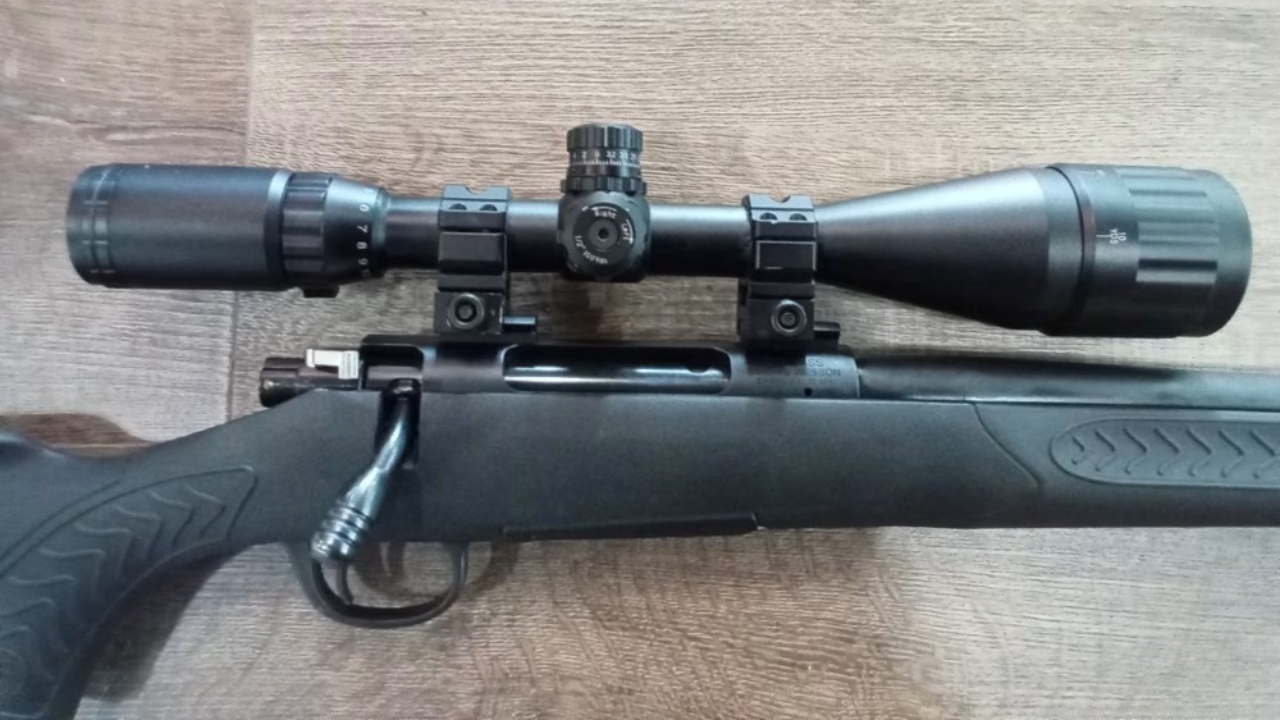
This rifle came in at a great price point, but that low cost came with compromises. The Compass was accurate out of the box, but its long-term reliability fell short. The action wears in a weird way—less smooth and more wobbly—and the cheap stock doesn’t inspire confidence.
It’s not rare to see these rifles shoot worse over time, especially if you aren’t babying them. After one hard season, many Compass rifles sound and feel like they’ve been through three. Good for paper. Not so great for long walks and rough use.
Marlin X7 (Post-Remington)
The original Marlin X7 rifles had a lot going for them, but once Remington took the reins, things changed. Fit and finish declined, and consistency took a nosedive. Some rifles came from the factory needing cleanup. Others never quite held together right at all.
A few field days later, you’d start hearing rattle in the fore-end and feeling flex where there shouldn’t be any. Recoil started pulling hardware loose, and bedding pressure was inconsistent. These rifles didn’t stand up to heavy use like they should have.
Smith & Wesson M&P 10 Sport
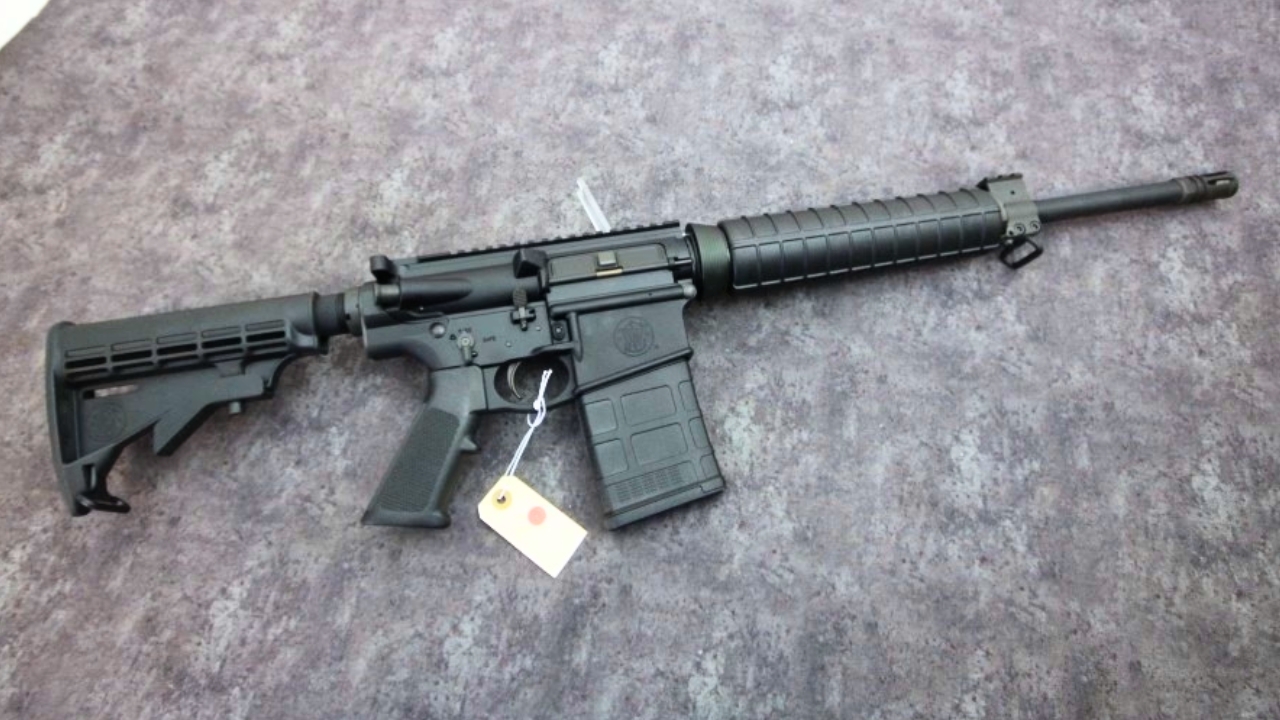
As an AR-10 pattern rifle, the M&P 10 Sport was meant to offer a budget entry into .308 territory. But after extended range time and field carry, they start to wear in all the wrong places. The gas block can work loose, buffer systems degrade, and feeding reliability drops.
The polymer furniture shows wear fast, especially the handguard. You’ll start noticing more play in the upper-lower fit after heavy use, and accuracy doesn’t always hold up. It might look tacticool out of the box, but by spring, it’s creaking like a porch swing.
PSA PA-10 Gen 2
Palmetto State Armory’s PA-10 rifles pack a lot of features in for the money, but they don’t always hold together through a season of real-world use. The tolerances are looser than some competitors, and the result is a rifle that starts shaking and clanking under stress.
Expect the gas system to require tweaking, and don’t be surprised if the trigger goes gritty fast. If you shoot a few hundred rounds in a short window, you’ll notice that fit and finish degrade faster than you’d like. It’s functional, but field abuse shows fast.
Remington 783

Remington wanted to improve on the 770 with the 783, but it still feels like it was built for the rack at big-box stores, not the woods. The action starts off decent but loosens quickly. The bolt throw gets sloppy, and that plastic stock starts to sound like a milk jug.
You’ll feel the recoil energy get absorbed into all the wrong places. Screws back out, groups spread, and before long, it’s hard to trust the rifle without checking every part before a hunt. It might be better than the 770—but that’s not saying much.
Like The Avid Outdoorsman’s content? Subscribe to our newsletter so you never miss an article.
Here’s more from us:
*This article was developed with AI-powered tools and has been carefully reviewed by our editors.