Photo credit: WHO_TEE_WHO/YouTube
When you talk to hunters who’ve been around long enough, you start hearing the same stories about calibers that seemed promising on paper but never earned their way into a second season. These are the rounds someone buys once—usually because a salesman talked them into it, or a magazine made it sound like the missing link—and then they quietly disappear into the back of a cabinet. They’re not collectible, not especially practical, and not something anyone goes back to after seeing what they actually do in the field.
.17 WSM

The .17 WSM had a big wave of excitement when it first came out. You probably remember hearing about its velocity and how it was supposed to stretch rimfire performance farther than anything else. But once hunters actually used it, the limitations showed up quickly. Wind drift is severe, ammo availability is inconsistent, and rifles chambered for it never reached mainstream acceptance.
After a season or two, most folks realized it didn’t offer enough real-world benefit over tried-and-true rimfires. The novelty fades quickly when you see how sensitive it is outside perfect conditions.
.25 WSSM

The .25 WSSM was introduced with plenty of attention, but hunters didn’t stick with it long. The biggest problem is that it never delivered the efficiency advantage people expected. Barrel life issues were reported early, and the round’s performance wasn’t meaningfully better than long-standing .25-caliber options that were already easier to find.
When ammo availability dwindled, the caliber’s fate was sealed. Outside of a few dedicated reloaders, most hunters realized it didn’t justify the hassle, and the rifles chambered for it rarely stayed in the lineup beyond the first season.
.30 Remington AR
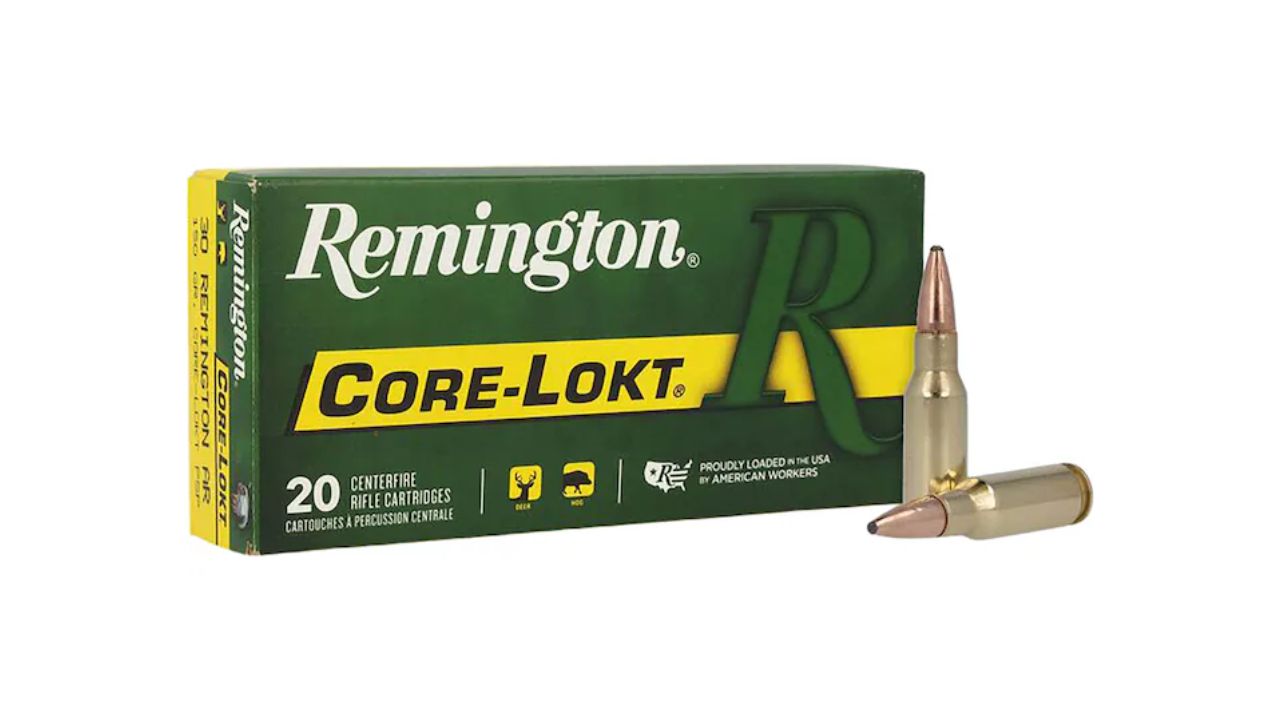
The .30 Remington AR tried to offer .308-like performance in an AR-15 platform, but it never caught on. Hunters found that ammo options were extremely limited, and rifles chambered for it weren’t widely supported. Performance was respectable, but not so impressive that anyone felt compelled to put up with the inconvenience.
Most people who bought one ended up selling it once they realized how niche the platform was. When a caliber is hard to feed and doesn’t outperform more available rounds, it becomes a one-and-done purchase for most hunters.
.300 RUM

The .300 Remington Ultra Magnum has serious power, but most hunters never stick with it. Recoil is a real issue, and the blast makes long practice sessions unpleasant. While it delivers impressive numbers, the practical gains over more manageable magnums rarely justify the punishment.
On top of that, ammo cost and rifle weight discourage regular shooting. A lot of hunters buy a .300 RUM thinking they’re getting the ultimate long-range hammer, then trade it off once they realize how much work it takes to shoot well under field pressure.
.338 Federal

The .338 Federal isn’t a bad round, but its niche is narrow enough that many hunters try it once and move on. It offers moderate recoil and decent energy, but real-world performance doesn’t stand apart from more common calibers. Finding ammunition is often a challenge, especially outside larger stores.
Hunters who expected a dramatic step up from .308 performance were usually disappointed. Once they realized how small the differences were—and how much harder it was to find ammo—most went back to something more standardized and widely supported.
.450 Marlin

The .450 Marlin sounded promising when it launched, especially for those wanting big-bore performance without pushing .45-70 handloads. But hunters quickly discovered its availability problems. Very few rifles were chambered for it, and factory ammunition became scarce after the early excitement passed.
Most hunters who bought one eventually moved back to .45-70 simply because it’s easier to find and more versatile. The .450 Marlin isn’t bad; it’s just a round that never justified its own footprint once the initial appeal wore off.
.264 Winchester Magnum
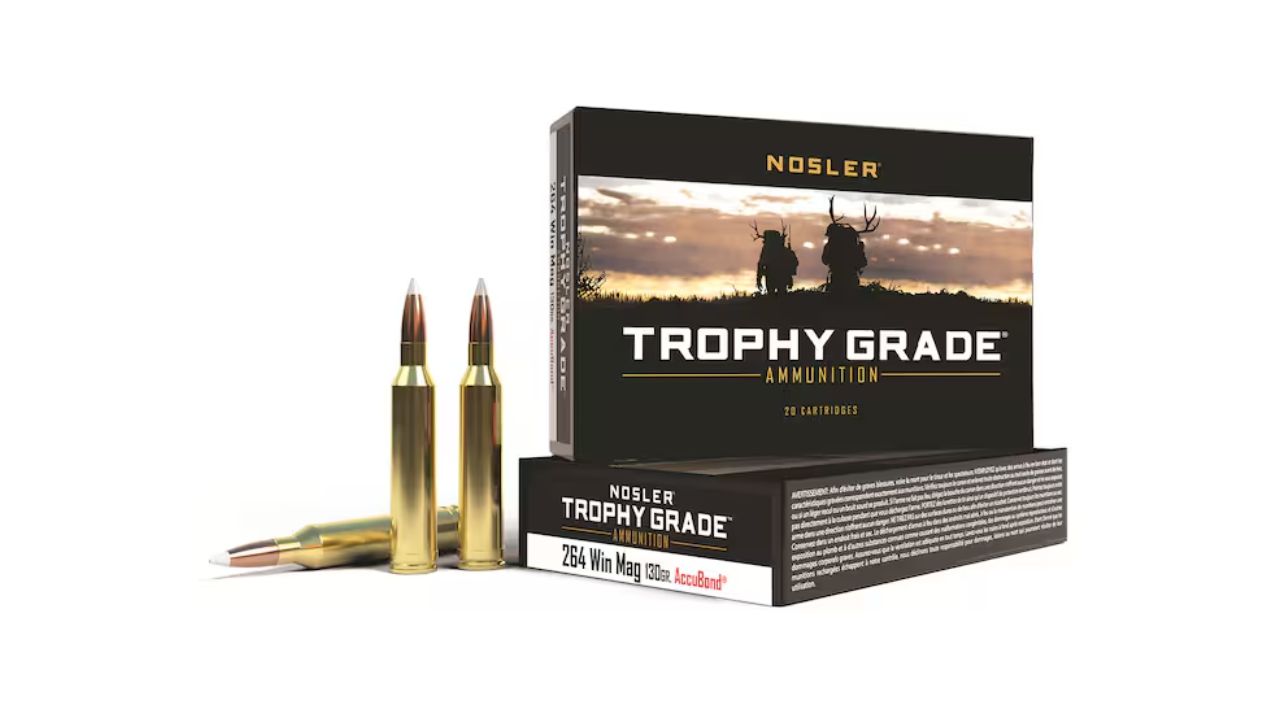
The .264 Win Mag had a strong early following, but the reality for many hunters was disappointing. Barrel life concerns and inconsistent factory loads made it hard to keep long-term. And once the 6.5mm surge began, the .264 Win Mag found itself overshadowed by rounds that were easier to load, easier to shoot, and easier to find.
While it has real capability, hunters often found that modern 6.5 cartridges offered similar performance with fewer drawbacks. That led many owners to try it once and then leave it behind.
.35 Whelen

The .35 Whelen has diehard fans, but many hunters who try it once never revisit it. Ammunition choices remain limited, and most game animals in North America don’t require its level of power. Recoil is more than some shooters want to manage for general hunting.
Hunters who bought one expecting dramatic on-game performance often learned that shot placement still matters, and using a heavier caliber doesn’t automatically solve anything. When they factor in ammo cost and limited rifle options, most never return for round two.
.280 Remington

The .280 Remington performs well on game, but it spends most of its life overshadowed by the .270 and .30-06. Many hunters who try it discover that the advantages it brings—while real—aren’t enough to justify shooting something uncommon. Finding consistent ammo can be a challenge depending on the region.
As a result, a lot of .280 rifles get sold after a season or two, not because the caliber is ineffective, but because it’s simply easier to rely on something with wider support and more frequent availability at local shops.
.223 WSSM

The .223 WSSM promised blistering speed, but hunters quickly discovered the downsides. Barrel wear was significant, ammo availability was limited, and rifles chambered for it didn’t always run smoothly. Those issues piled up quickly, and many owners ended up frustrated.
For predator hunting and similar roles, proven .22-caliber cartridges offer plenty of performance without the headaches. That’s why so many hunters tried the .223 WSSM once and never felt the urge to revisit it.
.376 Steyr
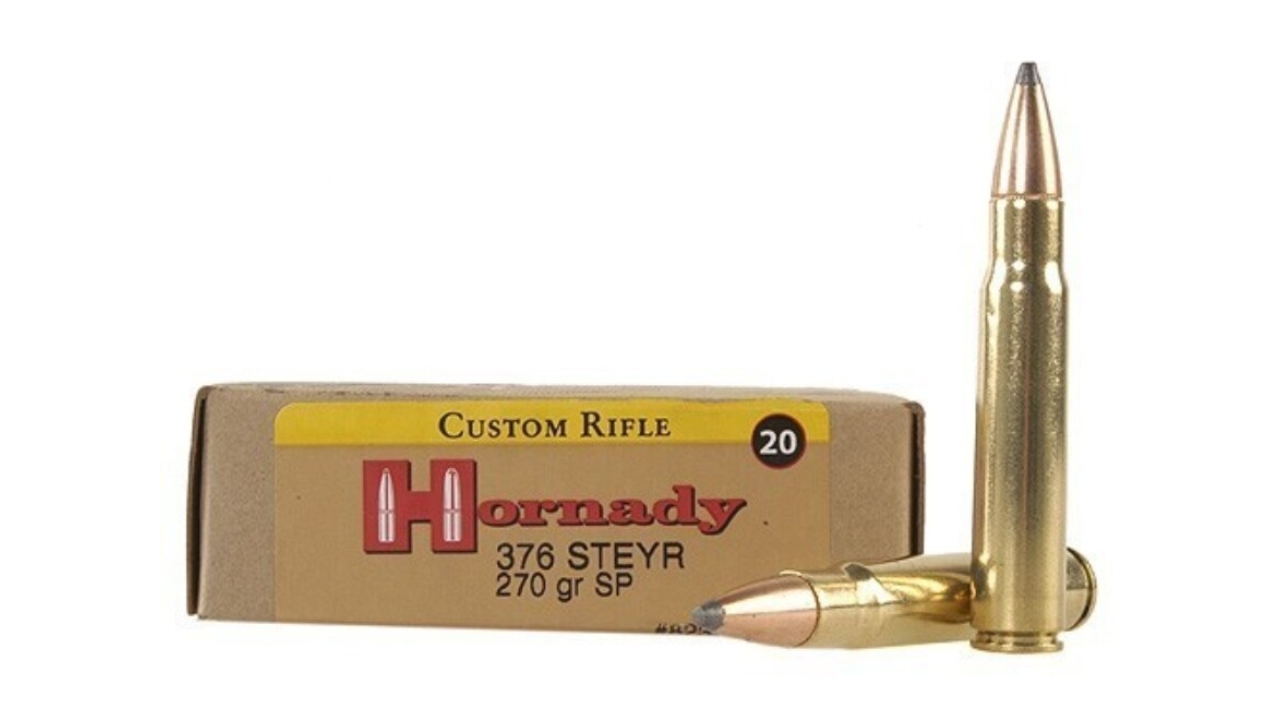
The .376 Steyr was designed for large, tough game, but the number of hunters who actually need that type of power is incredibly small. Most people who bought one discovered recoil levels they weren’t expecting and ammunition prices that made practice sessions painful.
Unless you’re hunting truly dangerous animals, the caliber is unnecessary for most North American trips. That’s why many rifles chambered in .376 Steyr end up sitting unused after the initial novelty wears off.
.7mm Remington Ultra Magnum
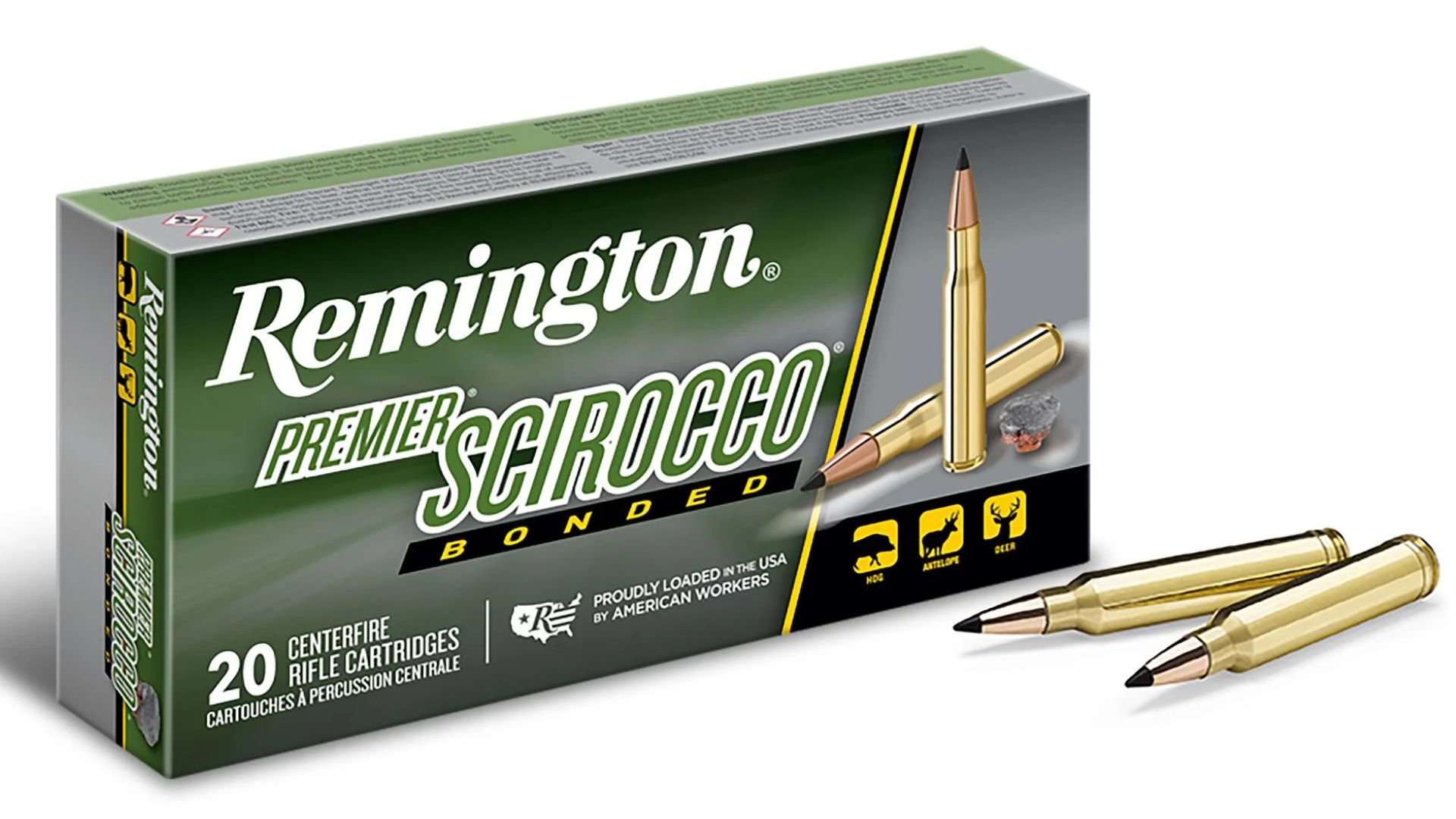
The 7mm RUM brings serious range and velocity, but it’s a caliber most hunters don’t stick with. Recoil is sharp, throat erosion is significant, and ammunition availability has been inconsistent for years. While it can perform, the long-term costs outweigh the benefits for many shooters.
Hunters expecting manageable performance from a high-speed cartridge often learned quickly that the 7mm RUM demands more commitment than they wanted to give. Most eventually move to something easier to feed and maintain.
.350 Remington Magnum
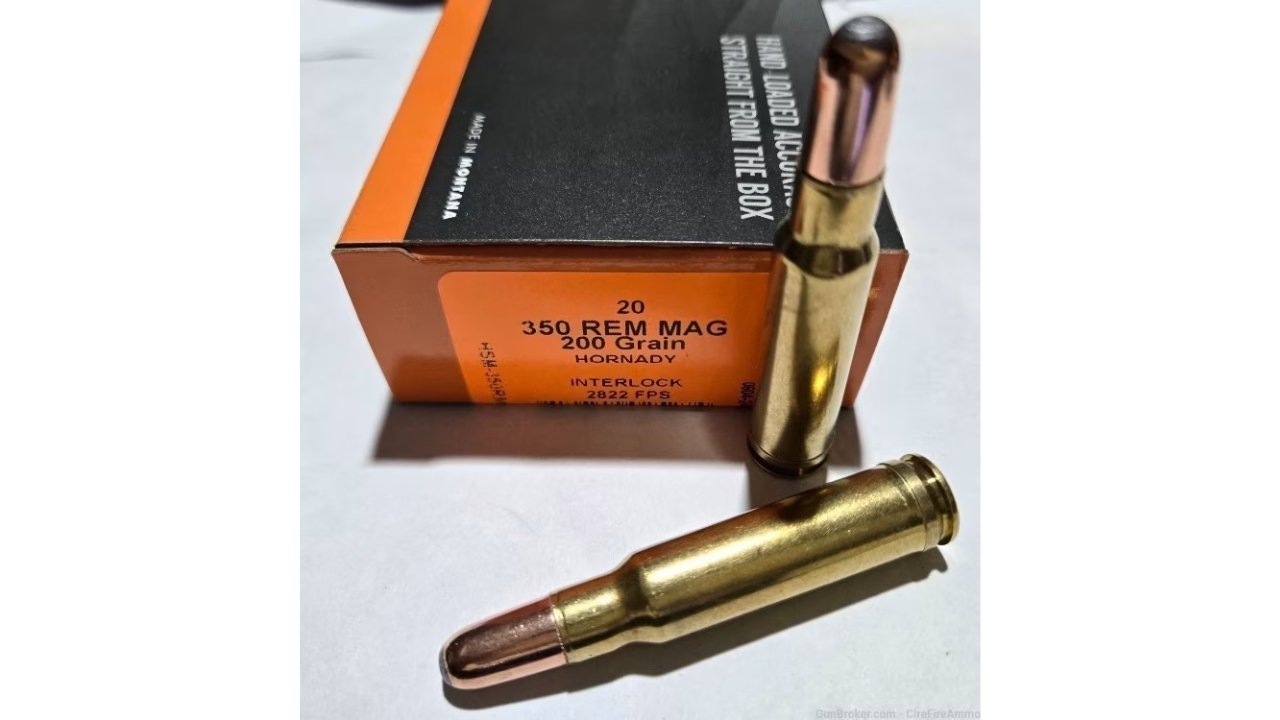
The .350 Rem Mag had an interesting concept—magnum performance in a short action—but it never reached widespread use. Recoil is substantial for its size, and ammunition availability has been unreliable. Hunters attracted to the idea often discover the reality doesn’t match the convenience they expected.
After a season of hunting with it, most shooters decide they’d rather use something with more predictable availability and a friendlier recoil profile. It’s a round many try once out of curiosity but rarely keep.
.225 Winchester

The .225 Winchester entered a crowded space and never gained ground. Hunters who tried it discovered quickly that ammo choices were too limited to justify sticking with it. Even though it performs fine, it never delivered anything meaningfully better than its competitors.
Most rifles chambered for it became safe queens or were traded off once owners realized how difficult it was to source ammunition consistently. It’s one of those calibers that fades fast after the first season.
Like The Avid Outdoorsman’s content? Be sure to follow us.
Here’s more from us: