Photo credit: Daniel Defense
Some rifles carry premium price tags but don’t deliver premium performance. Maybe they look great, maybe the brand has a loyal following, or maybe they’re riding on nostalgia—but when you get one in your hands and start running it in the real world, the shortcomings pile up quick. Accuracy that doesn’t match the price, finicky parts, poor reliability, or features that are more flash than function. These are the rifles that seem like a big deal in the case or catalog but end up disappointing folks who know what a good rifle is supposed to feel like.
Browning X-Bolt Pro
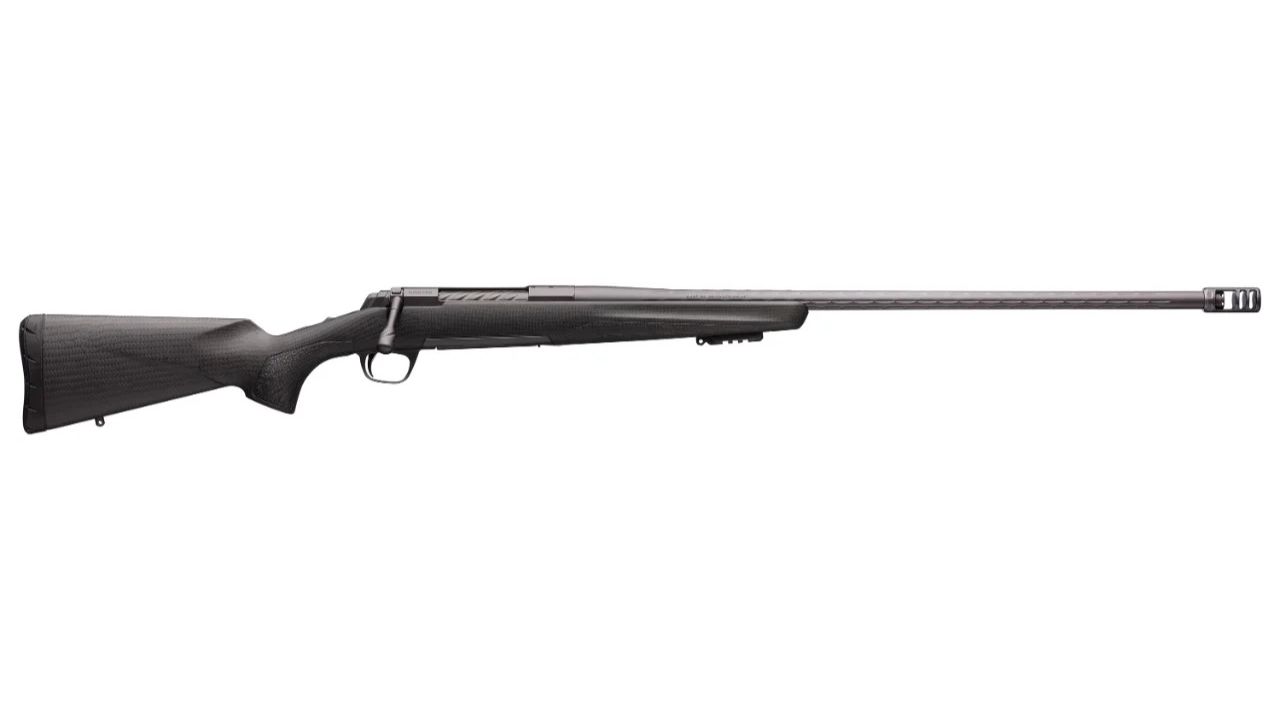
The X-Bolt Pro looks slick with its carbon-fiber stock and Cerakote finish, but once you get past the surface, it starts to feel overpriced. The trigger is fine, the action is smooth enough, but you’re paying a lot for cosmetics and brand.
Plenty of folks report accuracy that’s good but not outstanding, especially when compared to rifles half the cost. It doesn’t do anything poorly, but when you’re shelling out close to two grand, you expect something special. And for many, the X-Bolt Pro doesn’t give them that. You’re better off grabbing a standard X-Bolt or spending less on a rifle that delivers the same or better performance without the dress clothes.
Christensen Arms Mesa FFT
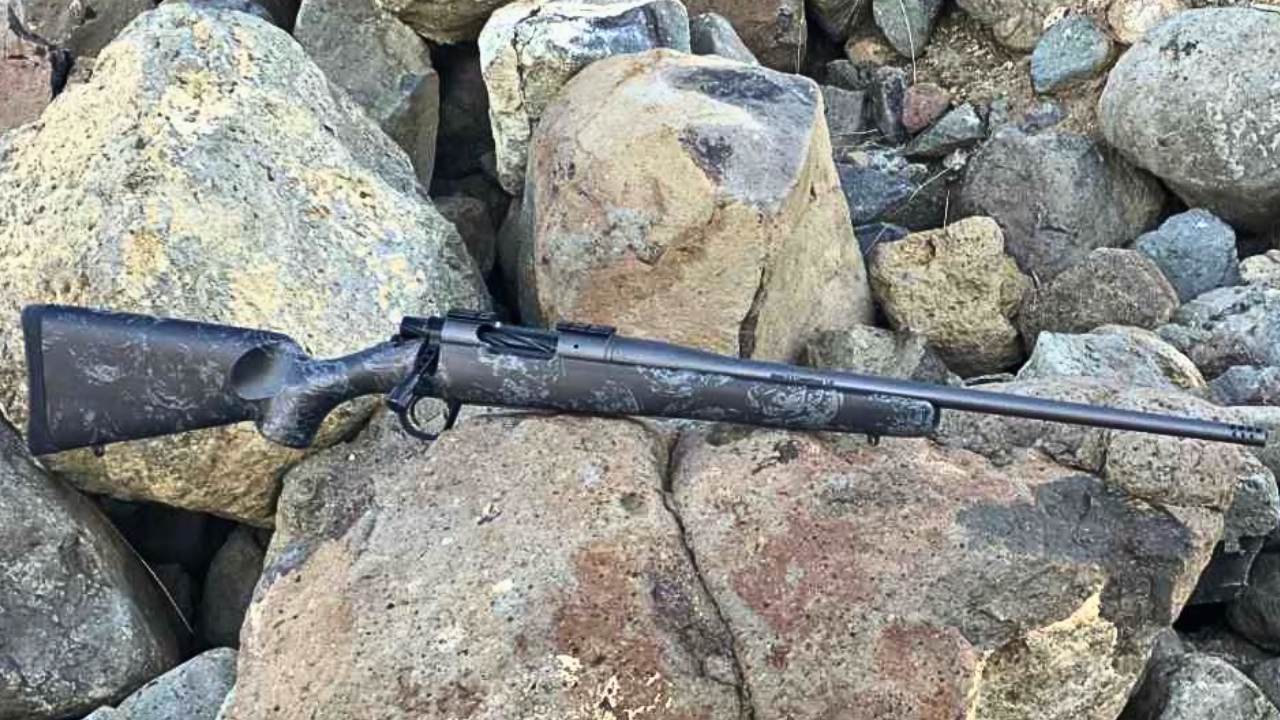
Christensen Arms built its name on lightweight carbon rifles, but the Mesa FFT doesn’t always live up to the reputation. You get the carbon stock and fluting, sure, but the action can be rough, and feeding issues pop up more than they should at this price.
Accuracy can be hit or miss. Some folks get sub-MOA, others fight with it out of the box. It’s not a bad rifle, but for the money, you’d expect better QC and consistency. A Tikka or Bergara often shoots tighter groups with fewer surprises and for less money. The Mesa FFT feels like it was priced for the logo, not the performance.
Remington Model 700 Sendero SF II
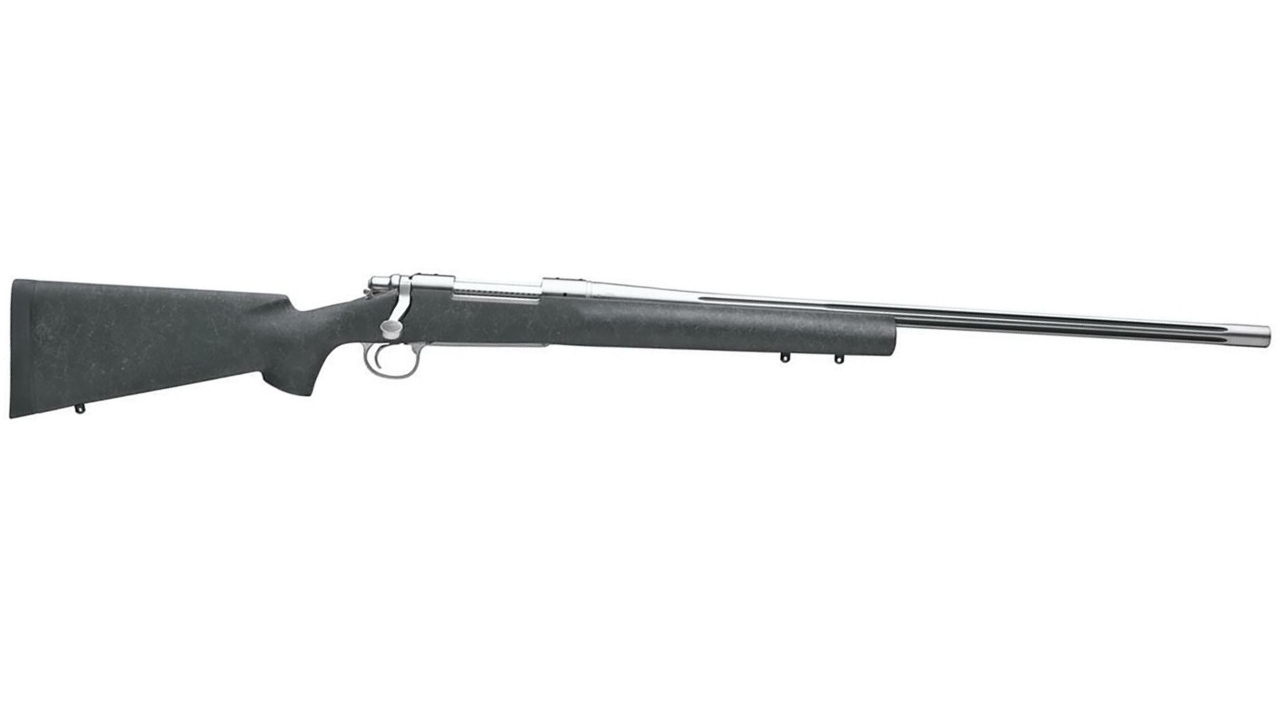
The Sendero SF II has a legacy, but the modern versions don’t always live up to it. It’s heavy, which is fine for bench work, but awkward in the field. And for a rifle priced where it is, you’d expect top-shelf accuracy and fit.
Instead, you sometimes get uneven bedding, rough triggers, and inconsistent group sizes. You can tune it up, but then you’re spending even more on top of a rifle that already ran you a lot. The old Senderos had a following for a reason. The newer ones feel like they’re coasting on that name while offering less value per dollar.
FN SCAR 17S

The SCAR 17S has a strong following, especially among folks who want military gear. But the price tag is steep, and the platform comes with quirks. The reciprocating charging handle is awkward, mags are expensive, and the stock isn’t exactly known for comfort.
Yes, it runs. Yes, it’s rugged. But accuracy is average for the price, and most shooters will never push it hard enough to justify the cost. If you want a reliable .308 semi-auto, there are cheaper options that offer equal or better performance without the tacticool tax.
Springfield M1A Loaded
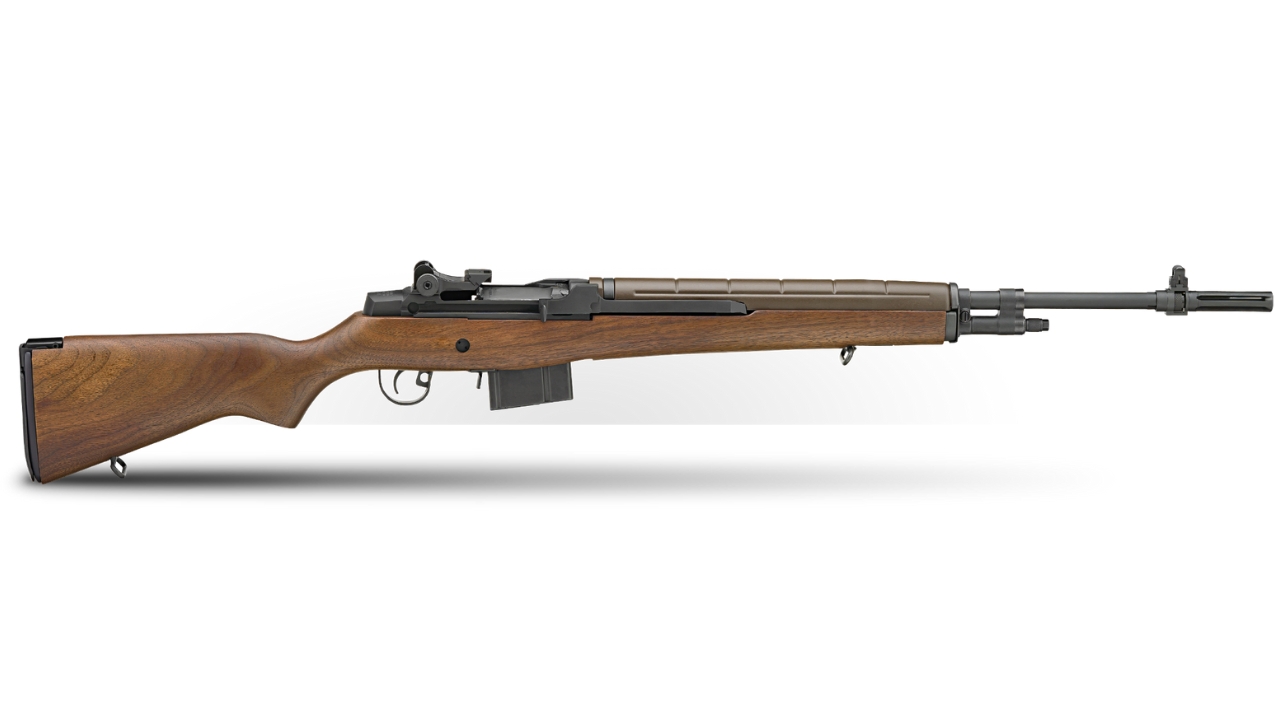
The M1A looks cool and has some history behind it, but it’s a pricey rifle with performance that doesn’t always match. The action isn’t as smooth as it should be, the weight is high, and accuracy varies widely depending on ammo and build quality.
The Loaded version adds cost without solving the rifle’s core issues. It’s still a heavy .308 that’s tricky to scope and not as precise as modern bolt guns at half the price. It’s a range toy or nostalgia piece—not something that earns its asking price with consistent results.
Barrett MRAD

The MRAD is modular, tactical, and built like a tank. But for most shooters, it’s far more rifle than they need—and costs more than many custom bolt guns. The barrel swap system is neat, but unless you’re actively using it, it’s wasted potential.
Accuracy is solid, but you can get better performance from rifles that cost less than half as much. Unless you’re shooting ELR or operating in a military context, the MRAD feels like overkill—both in size and in price. It’s cool, but it’s not a value.
Savage 110 Precision

Savage builds some great budget rifles, but the 110 Precision pushes into premium territory without really earning it. The chassis is solid, the trigger is good, but accuracy can be inconsistent, and the action still feels like the lower-end models.
You’re paying more for the look than a true performance jump. In some cases, the standard 110 Tactical shoots better than the Precision variant. That makes this rifle hard to justify unless you just want the appearance of a competition gun.
Daniel Defense Delta 5 Pro
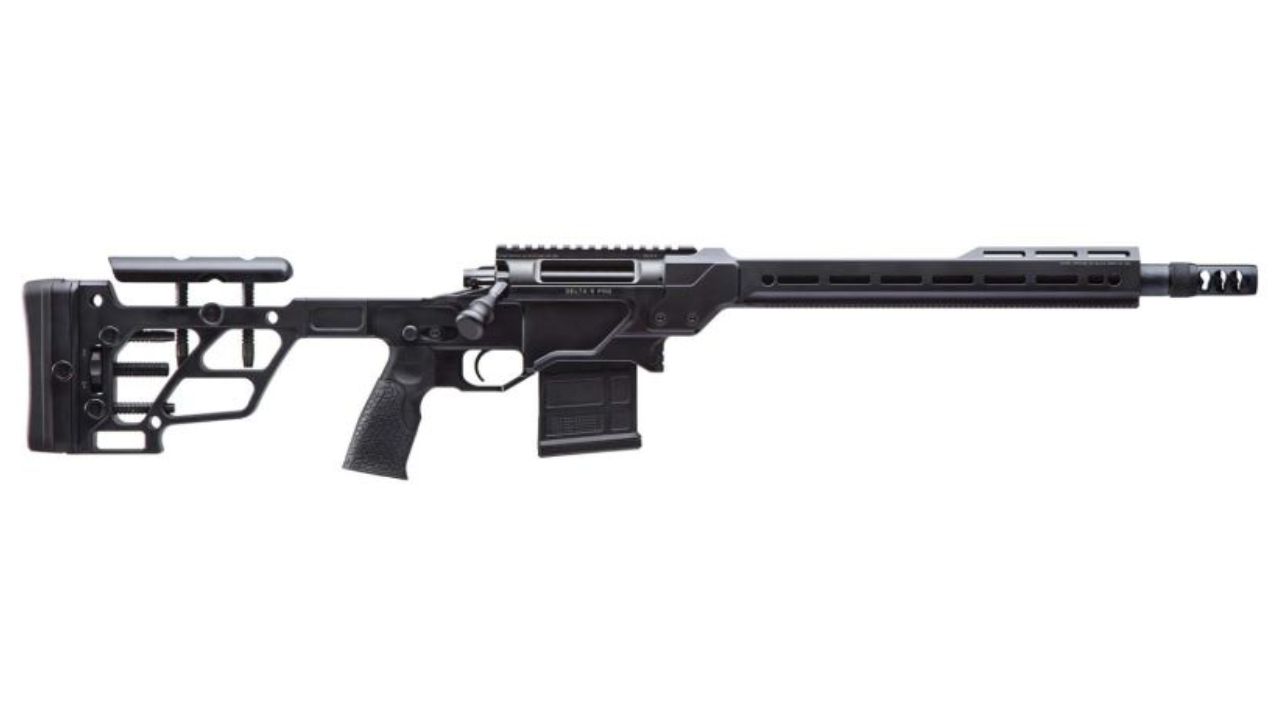
Daniel Defense makes great ARs, but the Delta 5 Pro has had a rocky reception. It’s accurate, sure, but the bolt throw is long, the chassis is heavy, and it’s not as refined as other bolt guns in the same price range.
For what it costs, most shooters expect a more polished experience. Instead, you get something that performs decently but doesn’t feel premium. If you want a heavy bolt gun for precision shooting, there are smoother, better-balanced options that cost less and shoot just as well.
Sig Cross

The Sig Cross was marketed as a do-it-all lightweight precision rifle. But early quality control issues and inconsistent accuracy hurt its reputation. Some rifles shoot lights-out, others struggle to hold tight groups.
For the money, you’re rolling the dice. And even when it works, the ergonomics and folding stock don’t wow everyone. It looks cool, it carries light, but the performance doesn’t always back it up. There are plenty of bolt guns that cost less and shoot better out of the box.
Ruger Precision Rifle Magnum

The RPR Magnum looks like a lot of rifle for the money, but once you add up the price of the base gun and the extras it needs to shine, you’re close to custom-rifle territory. And the performance doesn’t always match the price.
Heavy, long, and not always consistent in the accuracy department, it can feel like a letdown if you’re expecting match-grade performance out of the box. Ruger’s standard RPR in .308 or 6.5 Creedmoor is a better value. The magnum version feels like more flash than follow-through.
Tikka T3x Arctic

Tikka builds great rifles, and the Arctic looks sharp with its laminated stock and orange accents. But when you break it down, it’s a T3x with a fancier stock and a much steeper price tag.
You’re paying a premium for aesthetics and military association, not performance. Most T3x rifles shoot the same or better for hundreds less. Unless you really want the look, there’s little reason to spend this much when a standard T3x Hunter or CTR gets you the same action and better value.
H&K SL8
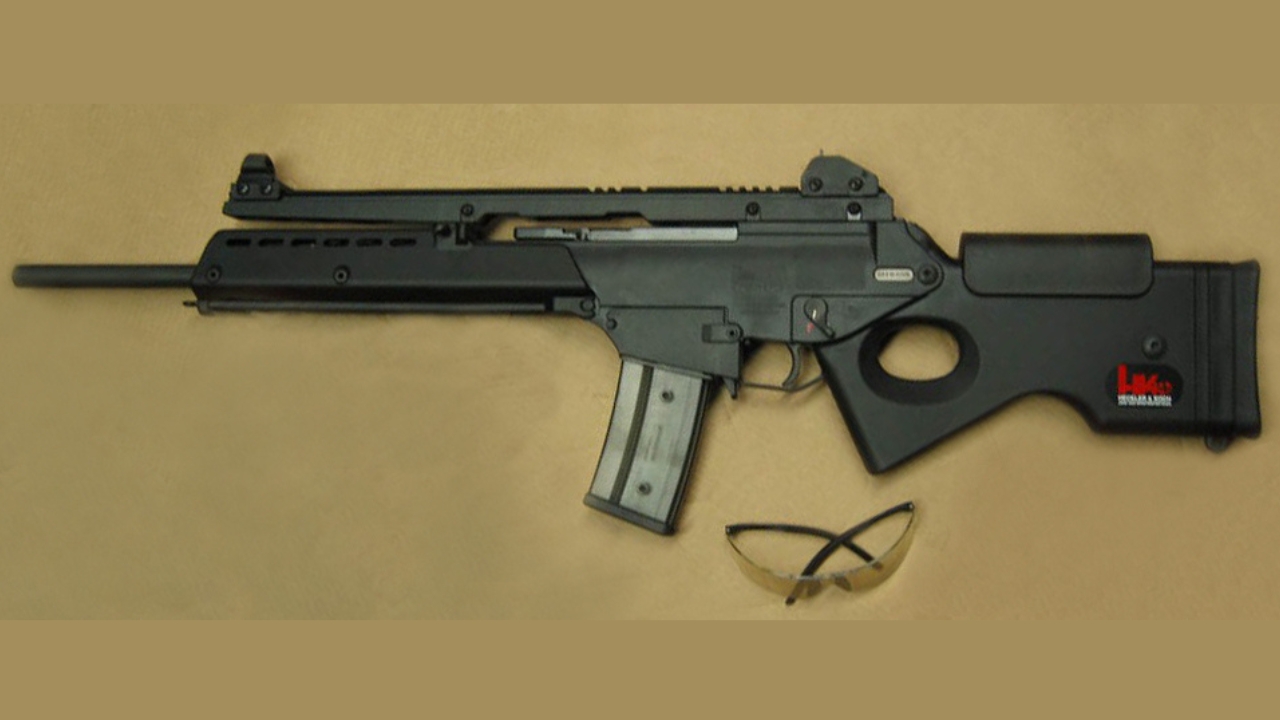
The SL8 is the civilian version of the G36, and it carries a hefty price tag for a rifle that’s limited in function and looks awkward. The thumbhole stock isn’t popular, and magazine options are restrictive.
Accuracy is fine, but ergonomics and aftermarket support are lacking. You’re mostly paying for the H&K name and some collector appeal. For practical use or consistent performance, you can do a lot better with less money.
Nosler M48 Long Range
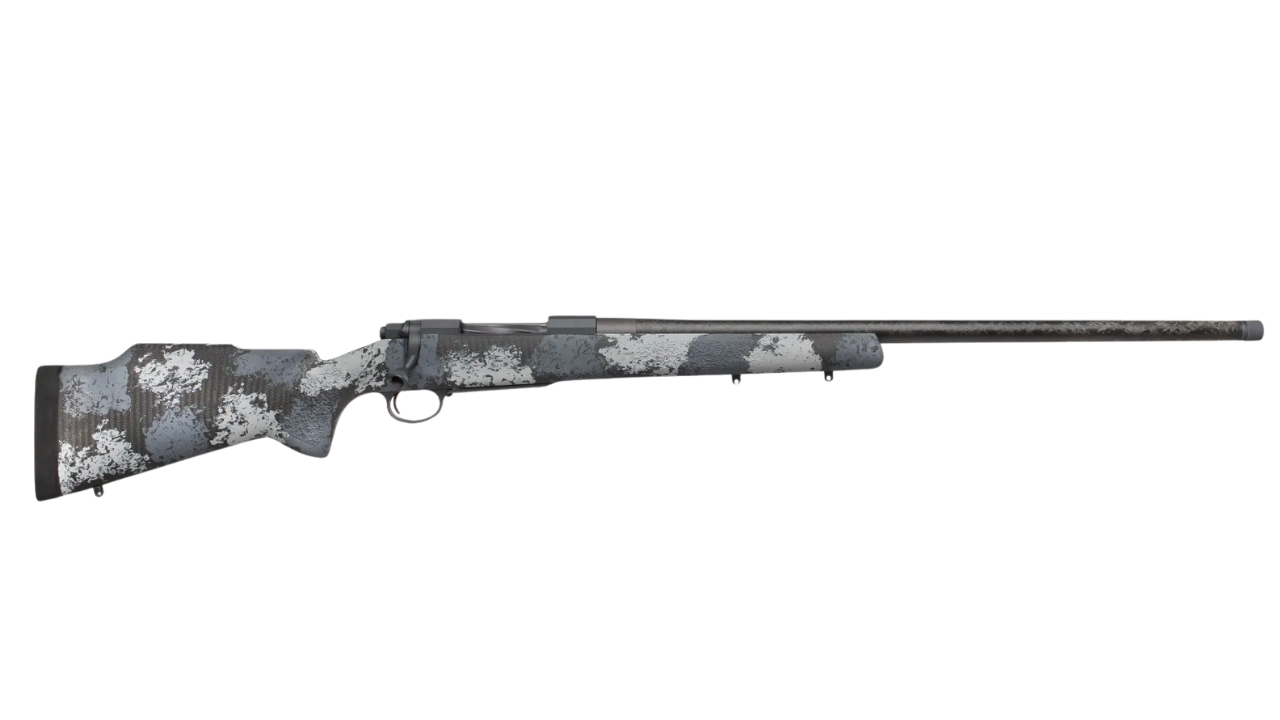
Nosler makes quality components, but their M48 rifles are pricey and don’t always outperform rifles that cost half as much. The stock and finish are nice, but the action feels dated, and feeding issues pop up more than you’d expect at this level.
Accuracy is decent but not mind-blowing. And at this price, decent isn’t enough. You can get more consistency, better fit, and equal or better groups from Bergara, Tikka, or even some Savage models. The M48 feels like a custom rifle that never fully delivered.
Winchester Model 70 Extreme Weather SS

The Model 70 name still carries weight, but the Extreme Weather SS version pushes the price without offering a massive step up in performance. The stock is good, the action is classic, but some rifles show uneven fit or less-than-ideal accuracy.
You’re paying a lot for nostalgia and branding. And while it’s not a bad rifle, it often competes with more modern platforms that shoot better, weigh less, or cost significantly less. For the price, you’d expect perfection—and the Model 70 doesn’t always deliver.
Steyr Scout
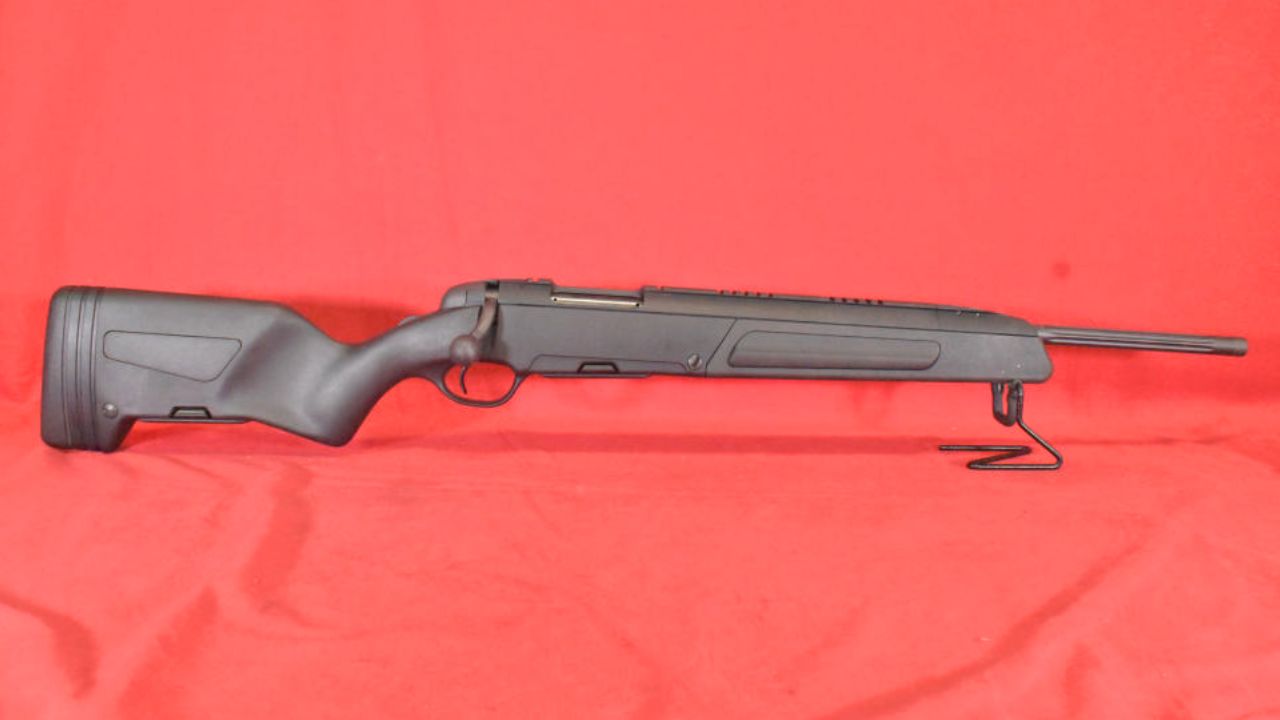
The Steyr Scout is unique, lightweight, and well-made. But it’s also very expensive for what it does. The forward optic mount limits your scope options, and the overall ergonomics aren’t for everyone.
Some shooters love it. Most try it, scratch their heads, and go back to more traditional rifles. For the money, you can get a precision bolt gun and a quality optic. The Steyr Scout is niche—and pricey niche at that.
Kimber Hunter Pro

Kimber rifles have slick actions, but the Hunter Pro comes with a price tag that’s hard to swallow considering what you get. The stock is lightweight but feels plasticky. Accuracy is average unless you handload or tune the rifle.
You can make it work, but for the money, other rifles offer better consistency, better triggers, and more durable stocks. The Kimber brand brings expectations—and this one doesn’t always live up to them.
Benelli Lupo
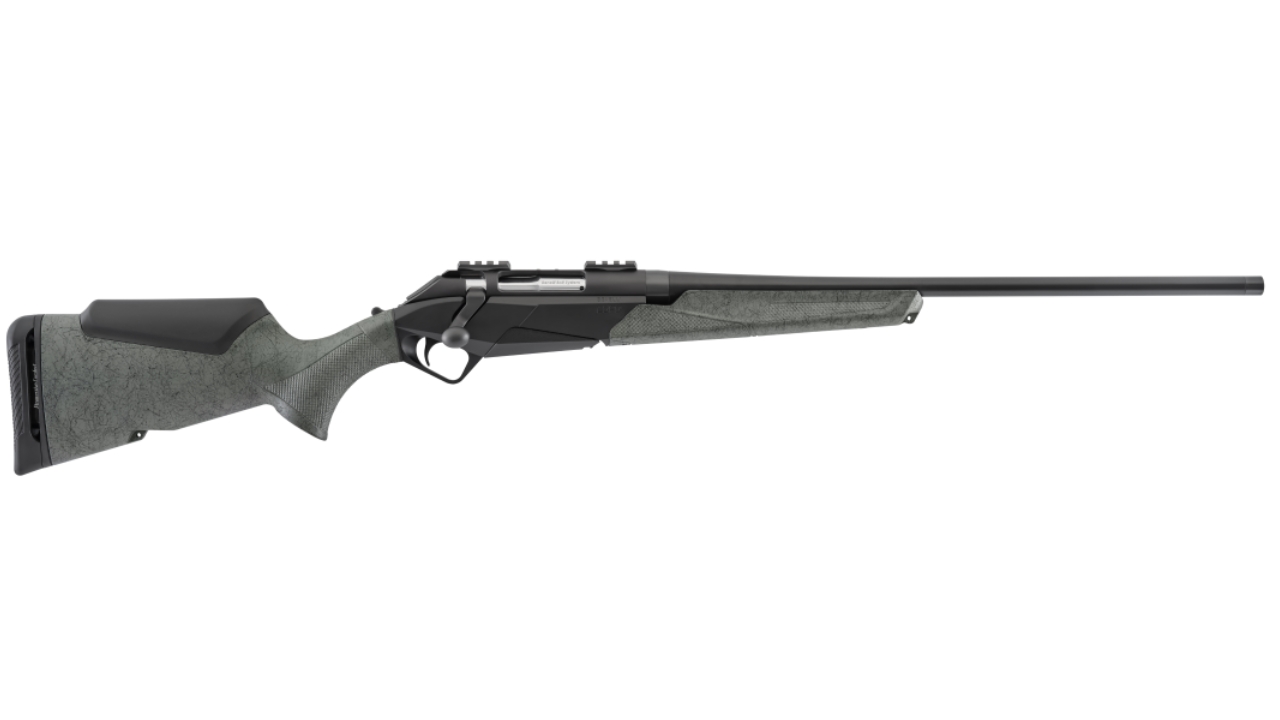
Benelli makes shotguns, and with the Lupo, they tried their hand at bolt-action rifles. It’s unique, but the price doesn’t reflect the performance. The action is fine, but the trigger and accuracy aren’t standout.
Some shooters love the adjustability. Others find the rifle fussy and not worth the premium. When you spend this much, you expect more than looks and a few fit tweaks. The Lupo feels like it’s still finding its place—and it’s asking a lot while doing it.
CZ 600 Alpha

CZ’s 600 series had a lot of hype, but the Alpha model came with mixed reviews. Feeding problems, mag compatibility issues, and concerns about barrel interchangeability raised eyebrows. The price, though, didn’t reflect those issues.
It’s not a bad rifle—but it doesn’t feel like a finished one either. You’re paying for a new platform that still seems to be working out the kinks. At this stage, you’re better off with something proven, not experimental at a premium price.
*This article was developed with AI-powered tools and has been carefully reviewed by our editors.