

Photo credit: Dean Bouton/Shutterstock.com
There’s a fine line between performance and punishment. Some cartridges were built for speed, and they deliver it—at the cost of your barrel’s lifespan. They burn hot, fast, and hard, sending bullets screaming downrange while quietly eating rifling with every shot. You might love their ballistics on paper, but if you shoot much at all, you’ll start to see the damage in short order. These are the overachievers that hunters brag about once and regret later. They hit game hard, sure, but they also chew steel like it’s soft lead.
.220 Swift

The .220 Swift is legendary for velocity and infamous for barrel erosion. It was the first commercial cartridge to break 4,000 feet per second, and that speed comes at a steep cost. The Swift’s overbore design and small powder chamber mean extreme heat and pressure in a very short stretch of barrel.
Shoot a few prairie dog sessions and you’ll start seeing the damage. Throat erosion comes quick, and accuracy falls apart fast if you don’t give it long cooling breaks. It’s a thrilling cartridge to shoot, but if you’re the type who burns through boxes at a time, you’ll be rebarreling long before you tag anything.
.264 Winchester Magnum

The .264 Win. Mag. promised flat trajectories and long-range performance decades before the 6.5 craze, but it came with a hidden cost: short barrel life. The big powder charge pushing small bullets creates tremendous throat wear. Back in its heyday, shooters joked that it was “the barrel burner’s magnum.”
If you keep your shots slow and your barrel cool, it’ll perform beautifully. But most hunters don’t shoot it sparingly enough. After a few hundred rounds, accuracy starts to fade. The cartridge was way ahead of its time, but modern shooters quickly learn that chasing speed means living with erosion.
.257 Weatherby Magnum

Roy Weatherby loved speed, and the .257 Weatherby Magnum was one of his favorites. It’s a fast, flat-shooting deer and antelope round that can deliver incredible energy at long range—but it’s hard on barrels. The .257 runs hot, and all that powder in a small bore means intense throat wear.
It’ll print tiny groups early in its life, then slowly lose consistency. Many owners notice groups opening up after only a few hundred rounds of serious shooting. For a hunting rifle that sees a few shots a season, it’s manageable. But if you shoot often, expect to start budgeting for a new barrel before long.
.243 Winchester
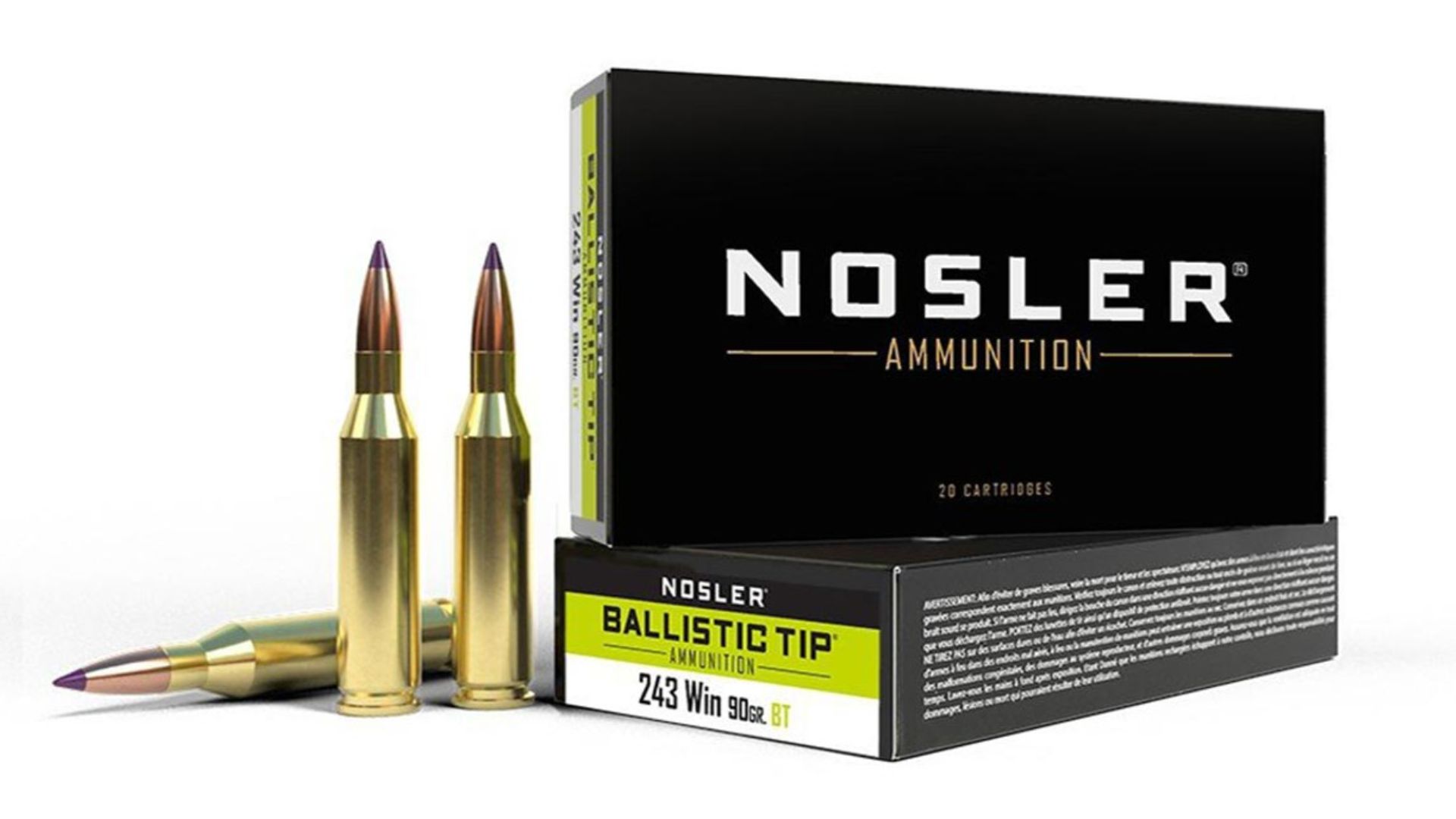
The .243 Winchester has taken more deer and coyotes than most calibers combined, but anyone who shoots it heavily knows it’s no saint on barrel life. Its small bore and high velocity combine to erode the throat faster than many mid-sized cartridges. It’s especially noticeable with lighter varmint bullets and hot loads.
Accuracy starts to fall off long before you’d expect it to. Most hunters never notice because they don’t shoot enough to reach that point, but competitive or high-volume shooters see it fast. It’s a classic round, but if you’re a reloader who loves to stretch distances, keep an eye on your rifling—it’ll wear sooner than you think.
6.5-284 Norma
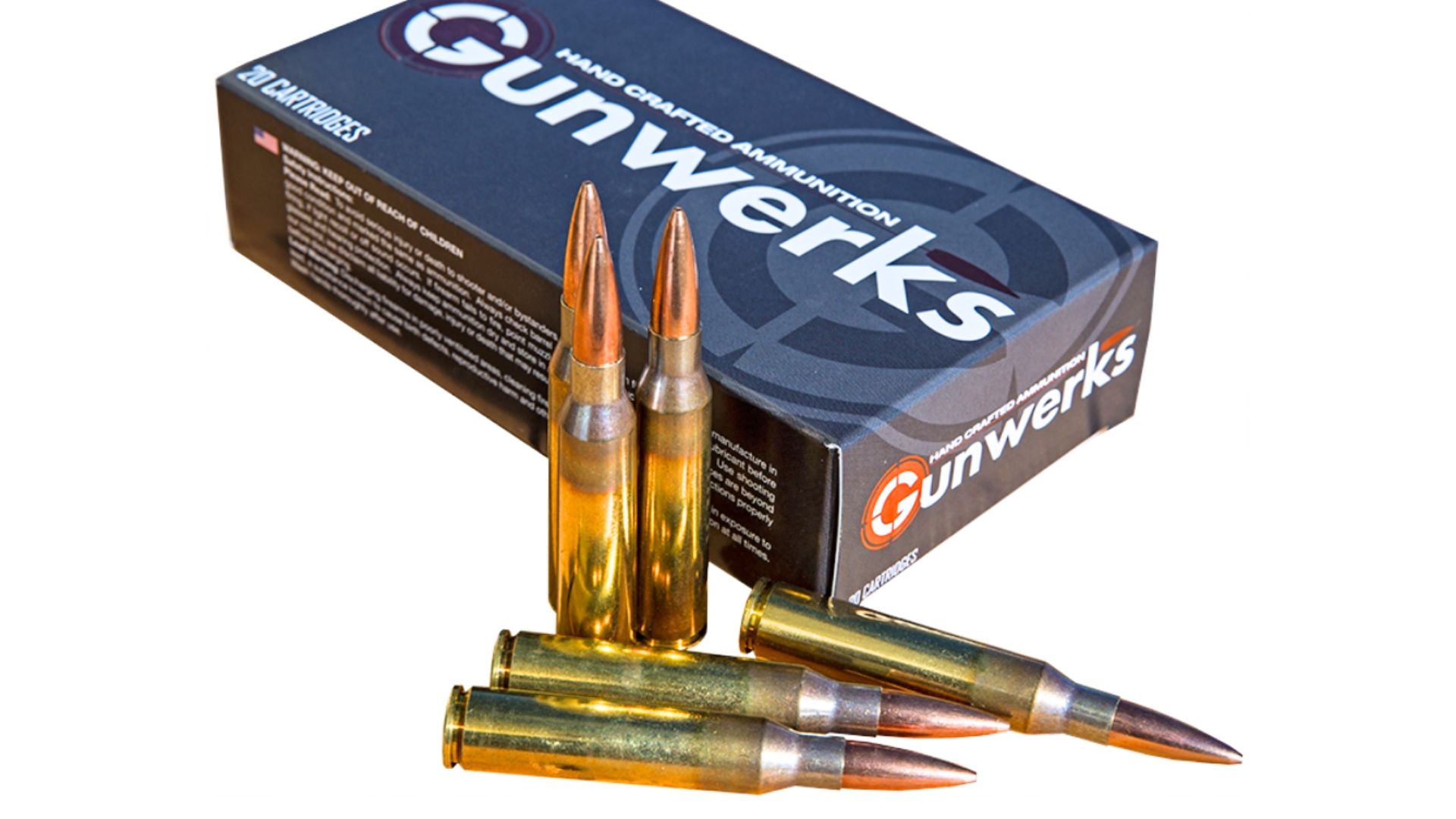
The 6.5-284 Norma is one of those dream cartridges on paper—flat, fast, and precise. But it’s also notorious for eating barrels like candy. The overbore design burns a lot of powder in a narrow throat, and that friction shows up quick.
Target shooters have long loved its accuracy potential, but most report significant erosion before they hit a thousand rounds. Hunters get away with more since they shoot less, but if you plan to practice often, you’ll see the accuracy drift sooner than expected. It’s a fantastic performer, but one that demands you shoot it sparingly if you want it to last.
7mm Remington Ultra Magnum
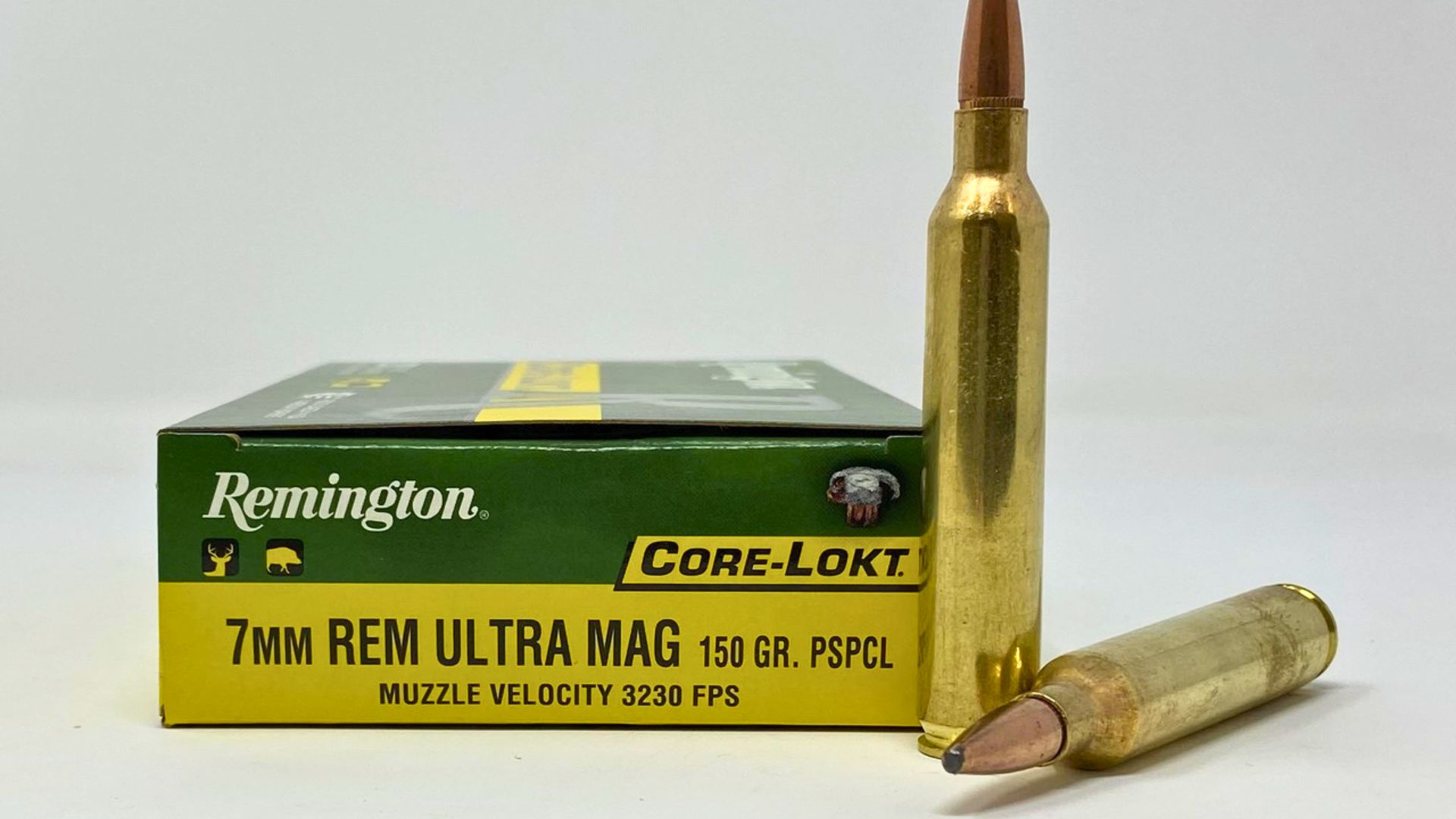
The 7mm RUM is all about horsepower. It launches bullets at blistering speeds, hits hard at long range, and carries energy forever. The tradeoff? That huge case capacity and narrow bore eat barrels like wildfire. The throat takes the worst of it, eroding quickly with heavy loads and rapid strings.
You’ll get incredible performance early on—then one day, your tight groups vanish. The RUM is a rifleman’s thrill ride but one that burns its tires every time it leaves the line. If you keep it cool and clean, you can stretch its life, but even then, it’s never going to be a long-haul round.
.30-378 Weatherby Magnum
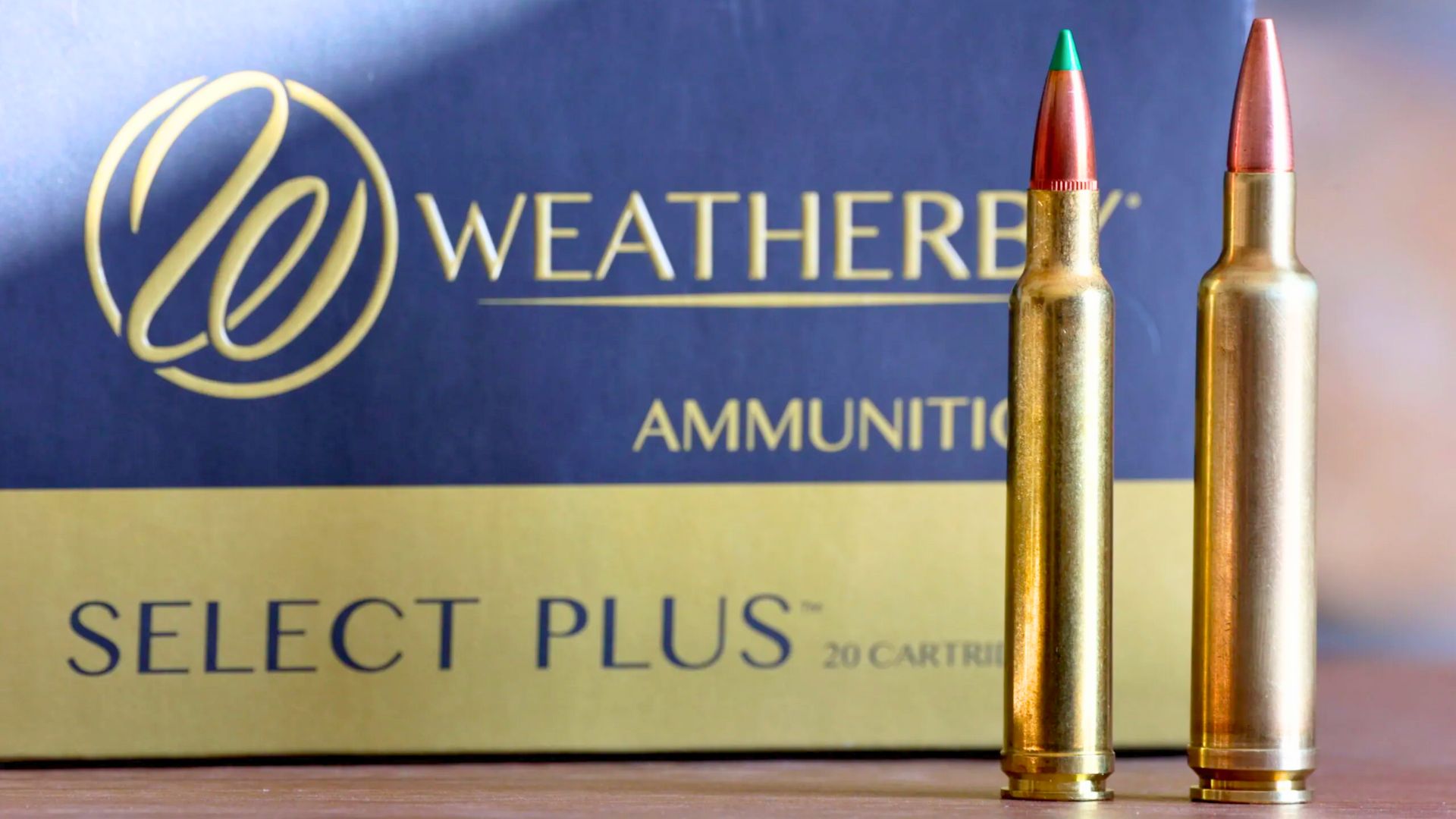
The .30-378 Weatherby Magnum might be one of the fastest .30-caliber cartridges ever made—and one of the hardest on barrels. It pushes heavy bullets faster than most cartridges can push light ones, producing extreme heat and pressure. The result is throat erosion you can practically see.
Shooters love its downrange authority, but most notice accuracy starting to fade before 1,000 rounds. It’s a powerhouse designed for hunters who shoot sparingly, not range rats running boxes of ammo every weekend. You’ll hit hard, yes, but the cost is steel and barrel life.
6mm Creedmoor

The 6mm Creedmoor has become a darling among precision shooters for its low recoil and high ballistic efficiency, but it’s not kind to barrels. Pushing those light bullets fast comes with a price, especially when shooters run it hard during long-range sessions.
Many competitive shooters report throat erosion showing up before 2,000 rounds—less if they run hot loads. It’s not that the design is bad; it’s just that precision cartridges running small bores and big charges always wear fast. If you want that kind of speed, accept that barrels are consumables.
.204 Ruger

The .204 Ruger is fun, fast, and accurate—but it’s another barrel burner when shot in volume. It sends tiny bullets at ridiculous speeds, creating serious throat heat in a hurry. Varmint shooters who spend all day popping prairie dogs see accuracy fade shockingly fast.
The small bore and large powder charge don’t leave much margin for error. Cool it often and it’ll stay consistent, but get lazy and you’ll feel the difference in the next group. The .204 Ruger is all about velocity, and velocity always comes with a cost.
.26 Nosler
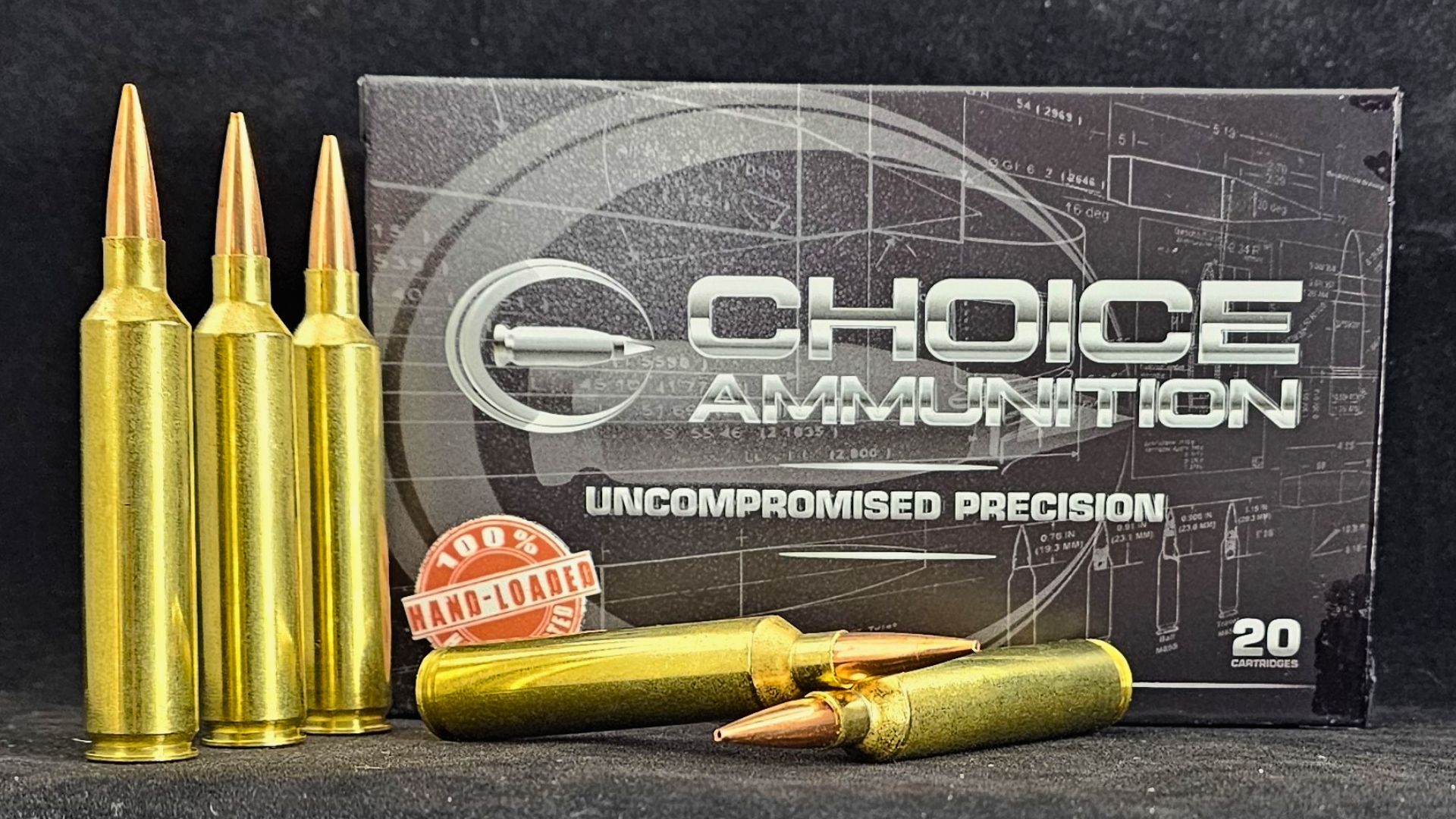
The .26 Nosler was designed to be the flattest, fastest 6.5mm cartridge ever made—and it lives up to that claim. But it’s so overbore that you can practically measure barrel life with a stopwatch. The enormous powder charge and tight bore mean scorching heat in every shot.
Nosler designed it as a hunting cartridge, not a plinking round. That’s the key to keeping it accurate—shoot it sparingly, let it cool, and it’ll reward you. Treat it like a range toy, and you’ll wear out a thousand-dollar barrel before the season’s even over.
.300 Winchester Magnum

The .300 Win. Mag. is one of America’s favorite big-game cartridges, and while it’s not as bad as some Weatherbys or Noslers, it’s still tough on barrels when pushed hard. The big powder load, tight neck, and high pressure work together to erode the throat faster than many realize.
Most hunters never notice because they don’t shoot often enough to hit that limit, but long-range shooters see it clearly. After a few thousand rounds, the groups start to open up. It’s an excellent cartridge that does nearly everything well—but like all magnums, it eats where it runs hottest.
Like The Avid Outdoorsman’s content? Be sure to follow us.
Here’s more from us:
The worst deer rifles money can buy
Sidearms That Belong in the Safe — Not Your Belt
*This article was developed with AI-powered tools and has been carefully reviewed by our editors.


