Photo credit: Mud Lake Ranch/YouTube
Some pistols look solid on the counter but start loosening up the moment you run them hard. Threads back out, pins shift, and tiny components that should stay put somehow walk themselves free. When a pistol can’t hold its own screws or stay tuned through a basic range session, you stop trusting it.
Hunters, concealed carriers, and everyday shooters all learn quickly that a gun requiring constant tightening isn’t something you want to depend on. Once a pistol shows a pattern of drifting parts, you’re better off moving on before it bites you at the worst time.
Taurus PT111 G2

The PT111 G2 earned a reputation for being affordable, but many shooters learned that affordability came with maintenance headaches. Screws backing out on the rear sight and pins working loose after moderate firing weren’t uncommon complaints. You can tighten everything before heading out, but after a few magazines, the gun starts showing the same issues again.
The real frustration comes when accuracy shifts because components won’t stay anchored. A defensive pistol shouldn’t require constant attention to stay functional. The G2 can run, but only if you’re willing to baby it more than a carry gun should ever require.
Kimber Micro 380

The Kimber Micro 380 has good ergonomics, but the platform struggles to stay tuned once you run it regularly. Grip screws loosen faster than expected, and some owners report extractor tension shifting enough to cause failures. Even with thread locker, these parts tend to walk.
For a tiny carry gun, that’s a problem you notice immediately. Once screws start drifting, reliability follows. A gun this size shouldn’t require constant tools and rechecking, especially when you’re using it as a daily carry option. The Micro 380 rewards meticulous care, but most shooters expect something steadier right out of the gate.
CZ 2075 RAMI

The RAMI is a popular concept—a compact alloy pistol with CZ’s respected design—but maintaining its reliability often means chasing small parts that refuse to stay secure. Recoil screws, slide stop pins, and sight screws have all been known to loosen with repeated firing.
Its compact frame amplifies recoil forces, and that extra vibration tends to loosen components faster than expected. When everything is tight, the RAMI shoots well. But if you don’t regularly inspect and re-torque things, you start seeing malfunctions. For many shooters, that’s a level of upkeep they’re not willing to accept in a defensive pistol.
Walther PPS Classic (First Gen)

The original PPS is slim and easy to carry, but early models had a habit of shedding small parts under use. The magazine release paddles and rear sight screws were known for drifting loose over time. The gun stays shootable, but accuracy and control suffer as pieces shift.
Even after tightening, repeated firing can cause the same issues to reappear. Walther fixed many of these problems with the M2 version, but the first-generation PPS remains a pistol that needs consistent attention. For something meant to disappear on your belt, constant retuning isn’t what you want to deal with.
SIG Sauer P238

The P238 is smooth, reliable when tuned, and easy to shoot well. But it also needs more attention than most people expect. Grip screws tend to loosen quickly, and some versions have small internal springs that lose tension sooner than they should.
If you stay on top of maintenance, the pistol performs well. But if you run it hard without checking for drift, you’ll start seeing feeding issues and inconsistent slide behavior. It’s a design that rewards careful owners but frustrates anyone wanting a “grab and go” gun that stays tight on its own.
Bersa Thunder 380
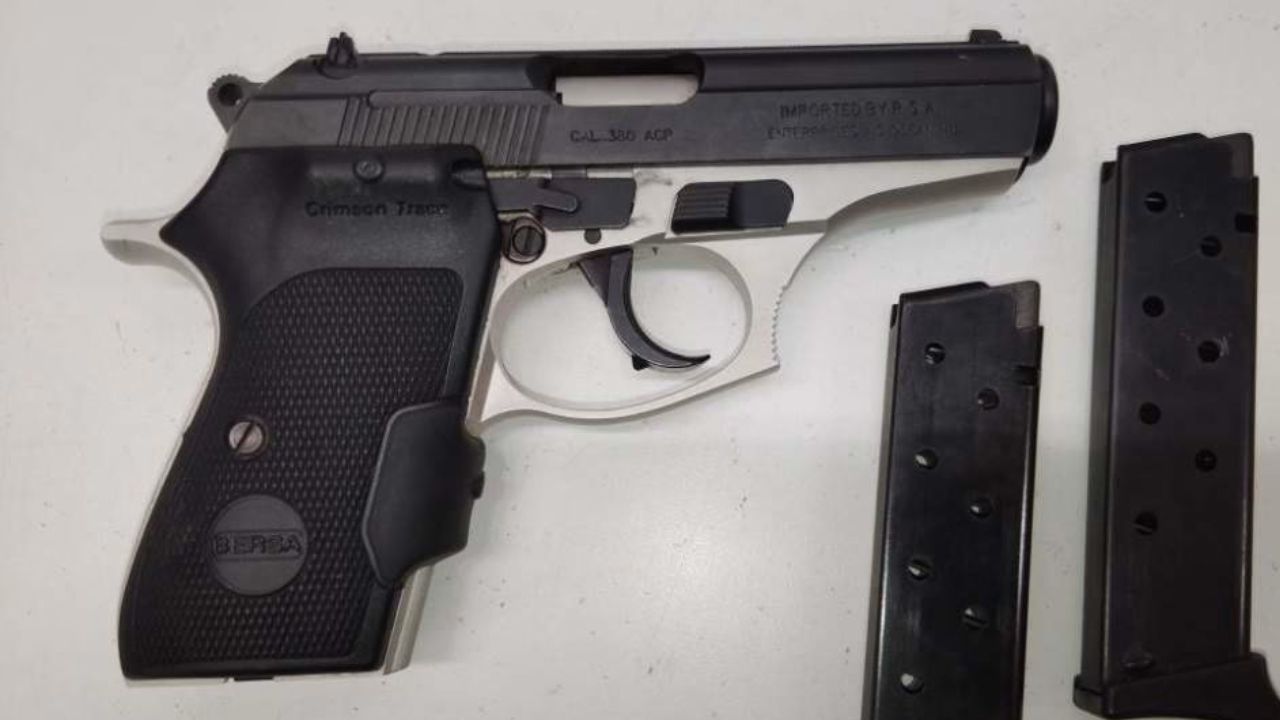
The Bersa Thunder 380 is a friendly carry option, but heavy use exposes its quirks. Screws on the slide and frame can start backing out, and the safety lever occasionally loses tension. When parts shift on a small blowback pistol, reliability drops fast.
Shooters who keep one in their rotation often find themselves retightening screws every few sessions. It’s annoying because the gun handles well and shoots better than many expect. But for those who need a pistol that stays tuned without extra work, the Thunder’s drifting components become a real drawback.
Rock Island Armory 1911 Compact

Rock Island’s compact 1911s offer strong value, but their short-slide configuration tends to loosen screws and pins faster than full-size models. Recoil forces are harsher, and the smaller footprint leaves fewer margins for tolerances to drift.
Grip bushings and sight screws frequently need rechecking. Some shooters even report the recoil spring plug shifting after extended firing. The gun works well when everything is freshly tightened, but keeping it that way takes vigilance. A compact 1911 already runs on a tight mechanical balance; add wandering components, and reliability starts slipping.
SCCY CPX-1

The SCCY CPX-1 sells on price and simplicity, but maintaining consistency can be a chore. Slide screws, rear sights, and even the safety lever have a tendency to loosen themselves under steady shooting. This leads to accuracy changes and occasional failures to feed.
Even tightening everything with thread locker isn’t a long-term fix for many shooters. Its lightweight frame amplifies vibration, and you feel it in how often the gun needs attention. As a range toy, it can be fine. As a defensive gun, constant tightening gets old fast.
Colt Mustang Pocketlite

The Mustang Pocketlite is a classic micro .380, but its compact size means parts shift more readily under recoil. Grip screws are notorious for backing out, and slide stop engagement can become inconsistent if not monitored.
The pistol carries beautifully, but many owners find themselves checking screws every time they clean it. Its accuracy and smooth cycling depend on everything staying locked down, and that’s not always something the gun does on its own. For a lightweight carry option, the upkeep surprises shooters expecting something lower maintenance.
Kimber Pro Carry II

The Pro Carry II blends 1911 ergonomics with a lightweight aluminum frame, but that frame also means screws and pins tend to migrate under recoil. The slide stop and grip screws especially need frequent tightening.
Once things start to drift, feeding reliability and consistency at the range begin to suffer. The pistol shoots well when tuned, but it doesn’t stay tuned for long stretches. Owners often grow tired of needing tools after every range trip, especially when other carry guns run longer without adjustment.
Taurus PT92AF
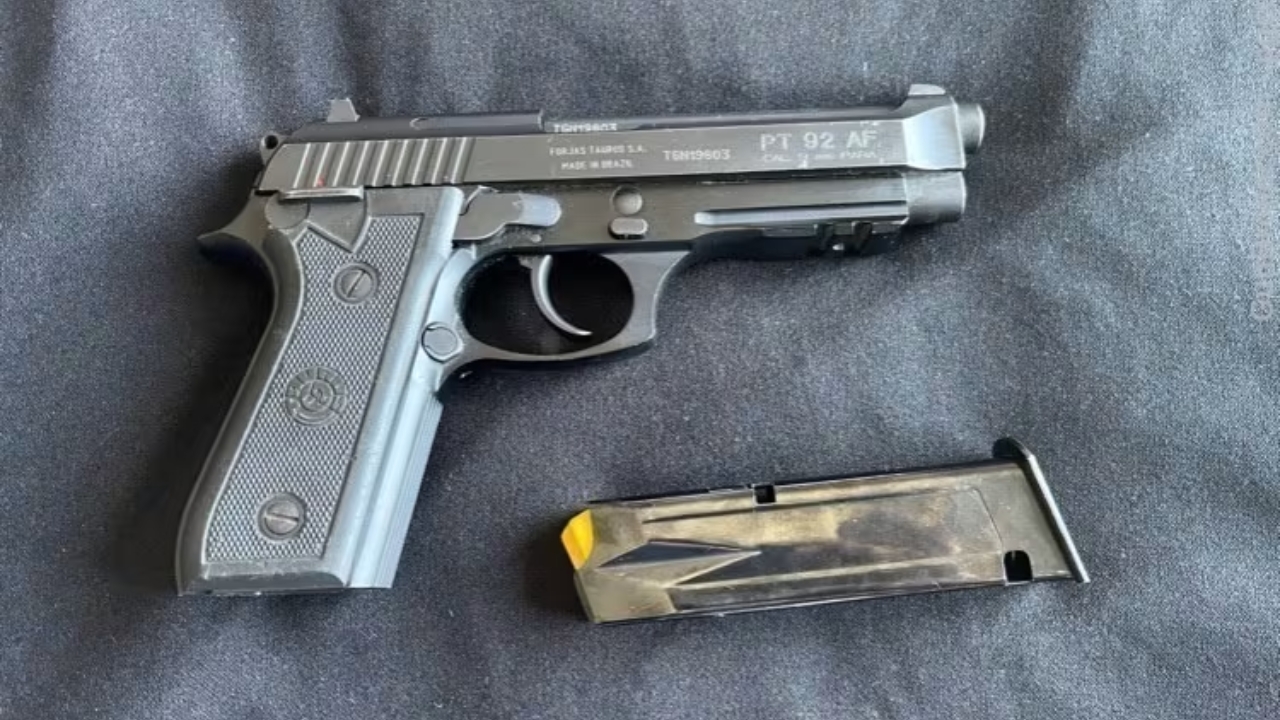
The PT92AF is built on a proven platform, but Taurus’s execution hasn’t always delivered long-term stability. Sights, grip screws, and optional accessory rail components are known to work loose during extended shooting.
While the gun can be accurate and smooth, its inconsistency in staying locked down becomes frustrating. When a full-size pistol demands regular retightening to avoid malfunctions, shooters quickly lose confidence. It’s a gun you can enjoy, but only if you’re willing to treat it like a piece of equipment that always needs another pass with a screwdriver.
FN Model 1903
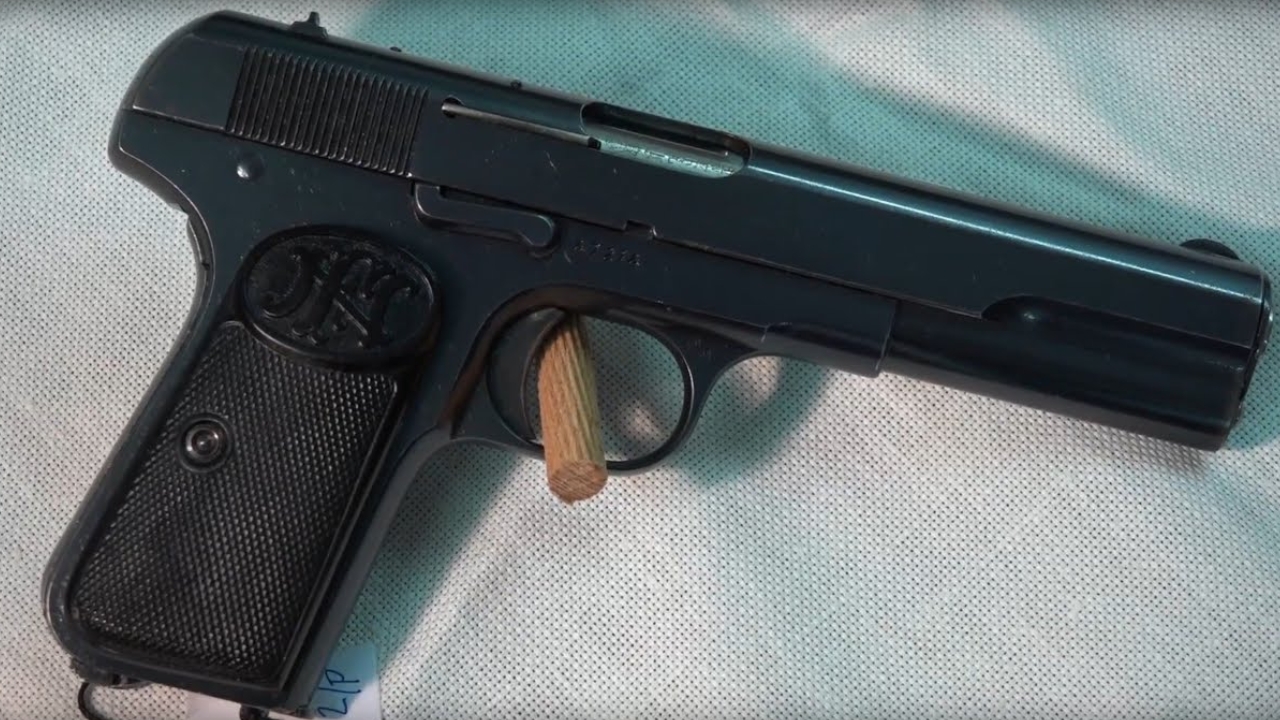
This historic Browning design has plenty of charm, but older examples struggle to stay tuned. Springs weaken easily, screws shake loose, and the pistol requires more frequent inspections than modern shooters expect.
Its long-barrel design softens recoil, but age introduces reliability variables that make it tough to trust. Unless meticulously maintained, components drift and timing shifts. As much as collectors love the model, carrying one means accepting that nothing stays tight without constant attention.
Kahr CW9

The CW9 is slim and comfortable to carry, but some shooters find the small frame doesn’t keep screws or slide components as secure as they’d like. Hard range use causes fastener drift and occasional extractor tension issues.
If you stay ahead of the maintenance curve, the pistol feels great in the hand and shoots smoothly. But if you expect a low-maintenance tool, the CW9’s tendency to loosen up wears thin quickly. It’s a pistol that performs well—so long as you’re willing to babysit it more than expected.
Zastava EZ9
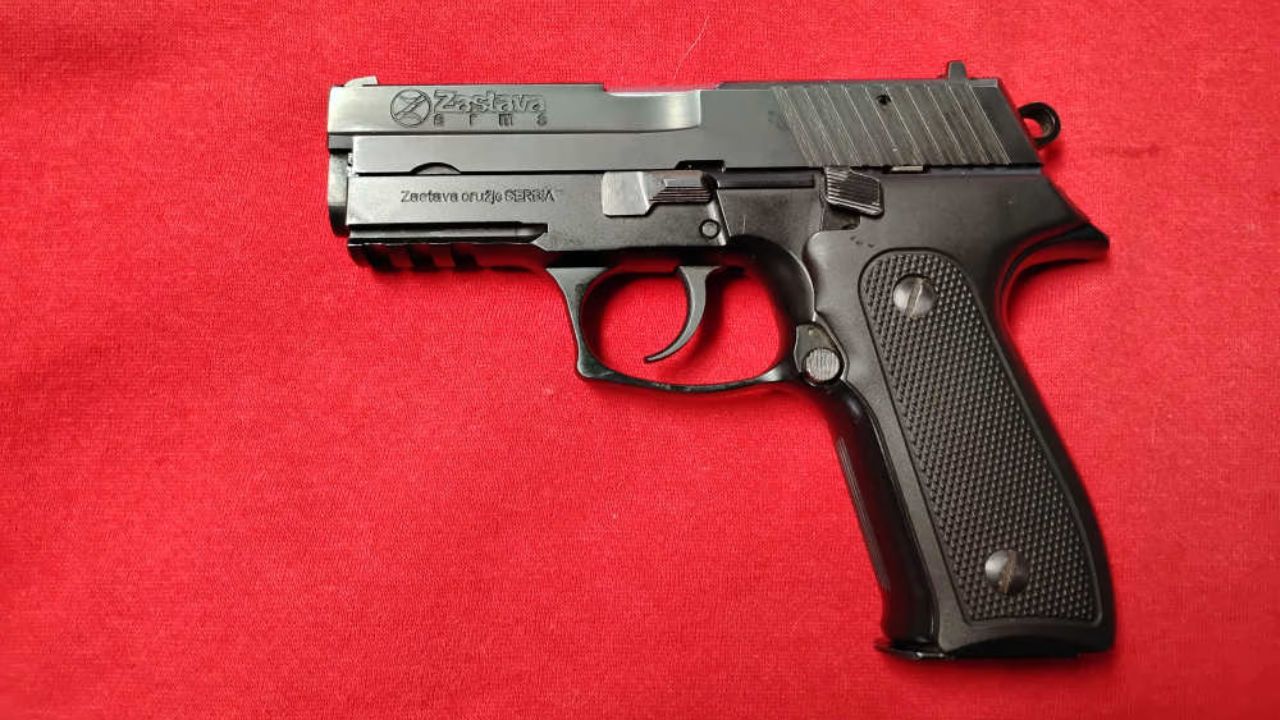
The EZ9 has solid roots, but some examples exhibit recurring loosening of sight screws and frame pins. When those parts shift, accuracy and timing suffer, and the gun becomes noticeably less predictable.
Shooters who run theirs regularly often learn to inspect it after every session. The platform can be durable, but only if you’re attentive. For a defensive pistol, needing to re-tighten components so often isn’t a trait most people appreciate, especially when other metal-framed guns in its class stay dialed in without extra work.
ATI FXH-45

The FXH-45 mixes polymer and steel in a way that helps reduce weight, but the hybrid design also leads to screws and fittings loosening faster than expected. The combination of materials vibrates under recoil, and components don’t always stay seated.
Accuracy shifts quickly when things move, and owners often discover this only after troubleshooting failures. You can keep the FXH-45 running well, but it takes more monitoring than most shooters want to give a .45 ACP pistol.
Like The Avid Outdoorsman’s content? Be sure to follow us.
Here’s more from us: