
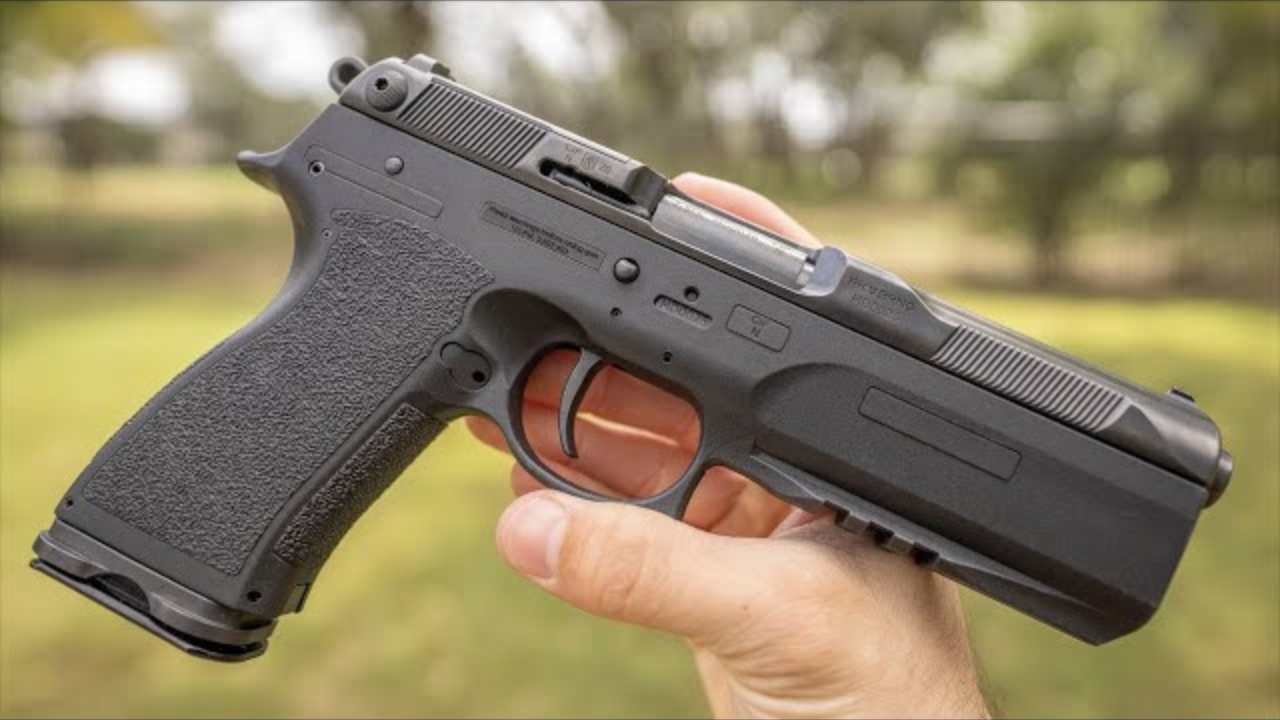
Photo credit: Texas Plinking/YouTube
Some pistols sell themselves before you even touch the trigger. They have the right name, the right finish, the right price tag, or the kind of look that makes people feel like they bought something a little above the ordinary. At the counter, that can feel like money well spent. Then you actually run them hard. Draws get sloppy, heat builds, mags start telling the truth, recoil shows up differently than expected, and all that style gets tested by round count and pace.
That is where some “flex” pistols stop feeling so impressive. This does not always mean they are bad guns. Sometimes it just means they are fussier, more specialized, heavier, or less forgiving than the image suggests. Either way, these are the pistols that feel like a flex until you actually put real work through them.
Laugo Arms Alien

The Laugo Alien looks like something from five years in the future, and that alone does a lot of the selling. It is low-slung, unusual, expensive, and instantly makes people feel like they bought into a higher class of handgun thinking. On a slow range lane, it absolutely delivers that wow factor. People notice it, ask about it, and assume it must shoot like magic because it looks so far removed from everything else.
Then you start running it hard and the conversation gets more grounded. The gun is still impressive, but it also starts feeling like a very expensive specialist piece rather than some universal answer. Heat, maintenance expectations, and the reality of supporting an uncommon platform can take some shine off. It still turns heads, but after real use, it often feels less like a cheat code and more like a demanding luxury item.
Staccato XC

The Staccato XC has the kind of name that already makes a buyer feel like they moved into serious territory. It is expensive, smooth, flat-shooting, and carries enough status that people often talk about owning one like they joined a better club. On the first few magazines, that image mostly holds up. It feels refined, fast, and clearly more glamorous than the average duty-style pistol.
Once you start pushing it hard, though, the realities get more obvious. A compensated metal-frame 2011 is still a lot of machine to keep fed, cleaned, and maintained if you actually mean business with it. The gun can be excellent, but the ownership experience becomes less about flex and more about whether you want to live with the cost, tuning mindset, and expectations that come with it. That distinction matters a lot once the novelty wears off.
Springfield Prodigy 5-inch
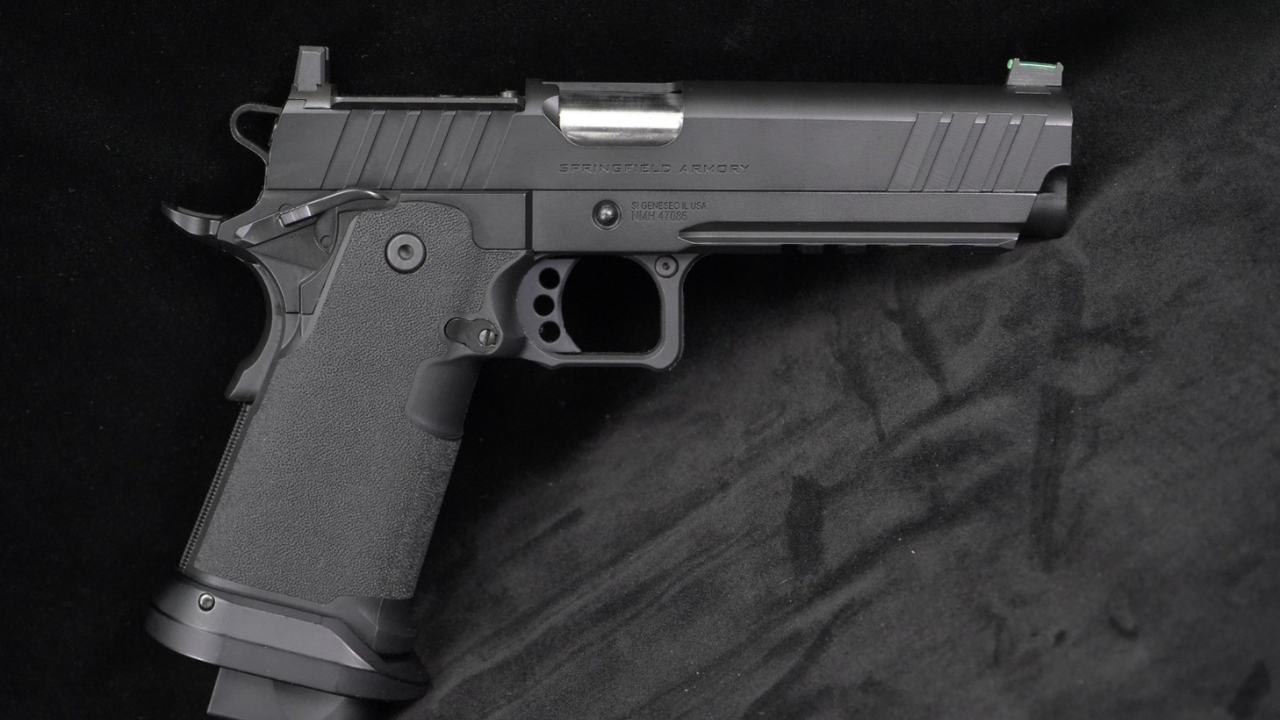
The Springfield Prodigy 5-inch landed with huge appeal because it looked like a more reachable way into the double-stack 1911 world. That is a powerful draw. Buyers saw the styling, the capacity, the optics-ready setup, and the general 2011 vibe and felt like they were getting a lot of flex without going full custom-shop price. It looked like the shortcut to a higher tier.
Then people started running them hard and the tone got more mixed. Some examples do well, but this is also the kind of pistol where the difference between looking premium and behaving premium can get exposed quickly under real use. Once round count climbs, people start talking less about the image and more about whether the gun is truly settled in, trustworthy, and worth the effort. That is a very different kind of conversation.
Walther Q5 Match Steel Frame
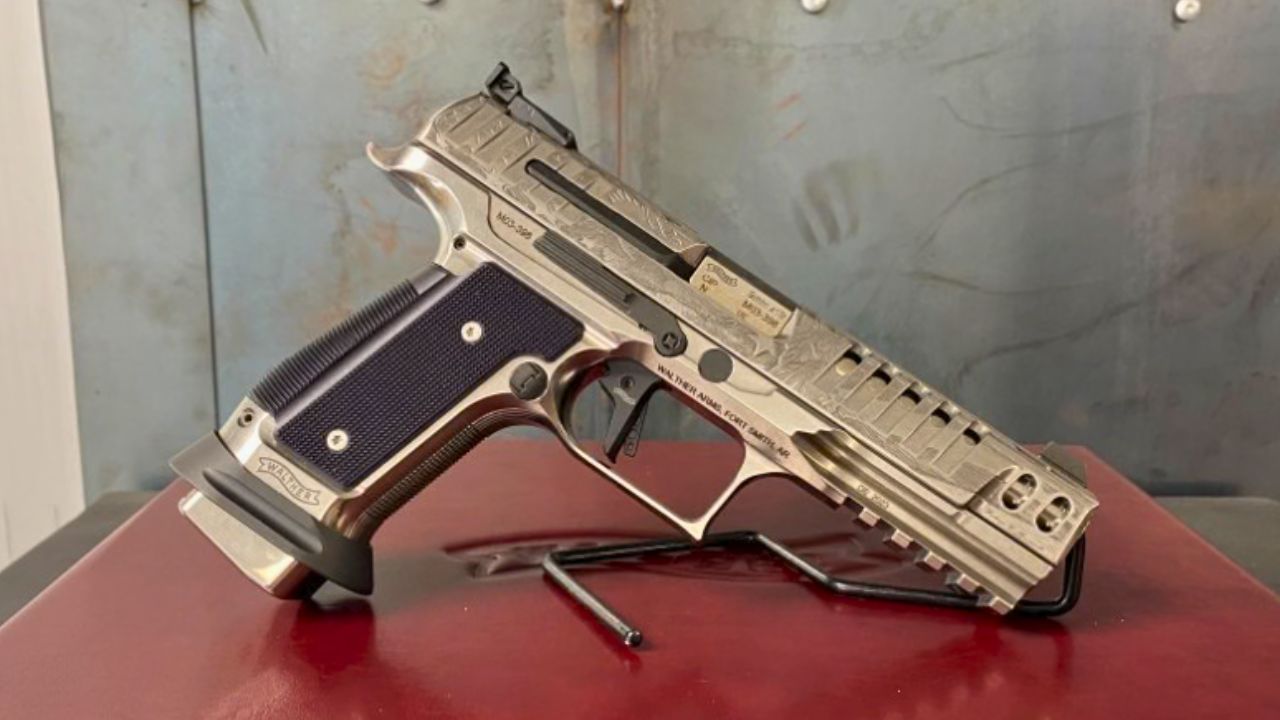
The Walther Q5 Match Steel Frame absolutely looks the part. It has that competition-ready, upscale vibe that makes buyers feel like they skipped the beginner stage and went straight to something serious. The steel frame, the trigger, and the general polish all sell the idea that this is not just another striker-fired pistol. It feels like a statement piece for someone who wants performance with a little swagger attached.
Run it hard, though, and some of that swagger gets replaced by practical questions. It is heavy, it is more specialized than some owners admit at first, and it starts making more sense as a range or match gun than an all-around pistol. None of that makes it bad. It just means the flex factor can wear off once you realize you bought something that shines brightest in narrower circumstances than the price and image first suggested.
SIG Sauer P210 Target

The SIG Sauer P210 Target has all the signs of a pistol people buy partly to say they own one. It has the reputation, the fit, the history, and the kind of refined feel that makes buyers think they moved beyond ordinary service pistols. In hand, it absolutely feels special. That is not fake. It is one of those guns that can make a shooter feel like they finally bought something with real class.
Then you run it hard and remember that elegance is not always the same thing as modern practicality. The P210 Target can still shoot beautifully, but it starts to feel more like a precision instrument than a pistol you want to hammer through messy drills and high-speed work. It is still admirable. It just stops feeling like the smartest flex once you realize how much of its magic lives in slower, cleaner shooting.
CZ Shadow 2 Orange
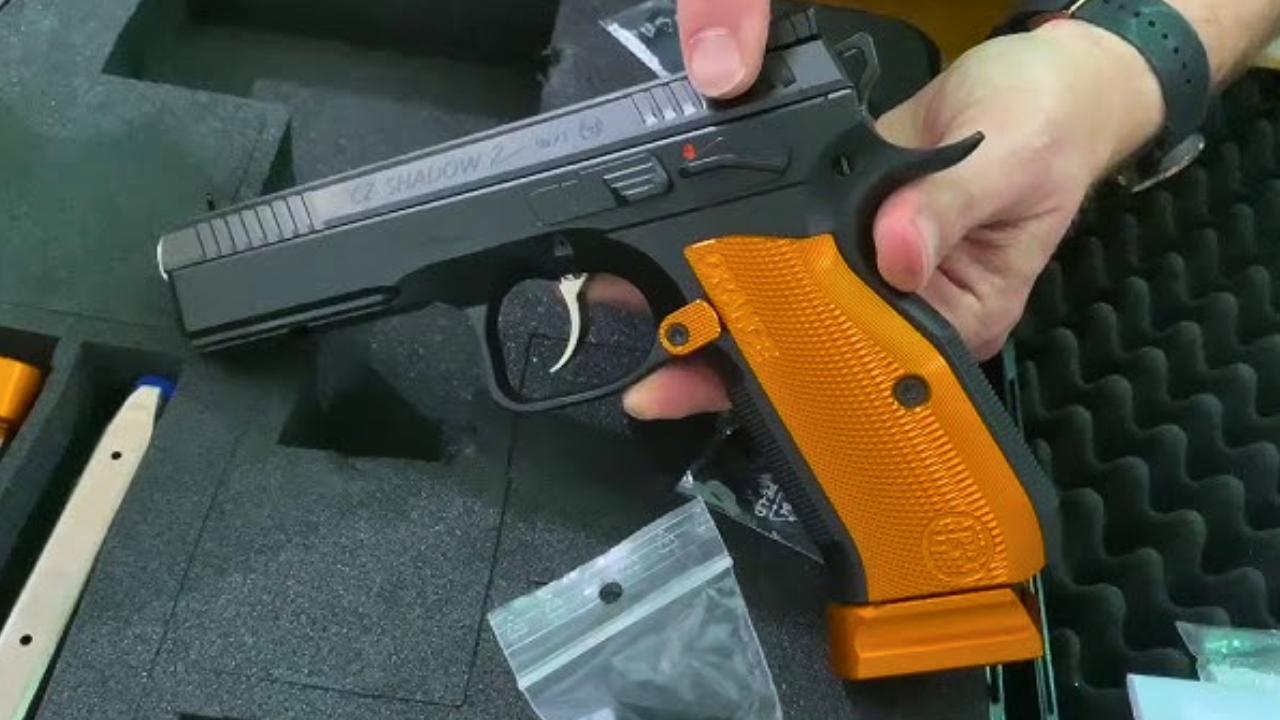
The CZ Shadow 2 Orange has the kind of name and look that makes it feel instantly elevated. Even people who do not know much about pistols can tell it is not some plain carry gun. Buyers love that. It signals taste, seriousness, and a move toward higher-end shooting right from the case. It also shoots well enough out of the gate to make that confidence feel justified.
Then you start running it hard outside the kind of conditions it was built to flatter. The weight, the role-specific setup, and the fact that it is not really trying to be an everything pistol become impossible to ignore. It is still a strong performer, but a lot of owners gradually realize they bought a highly polished specialist. That still has value, but it is different from the broader usefulness the flex sometimes suggests.
Kimber Rapide Black Ice
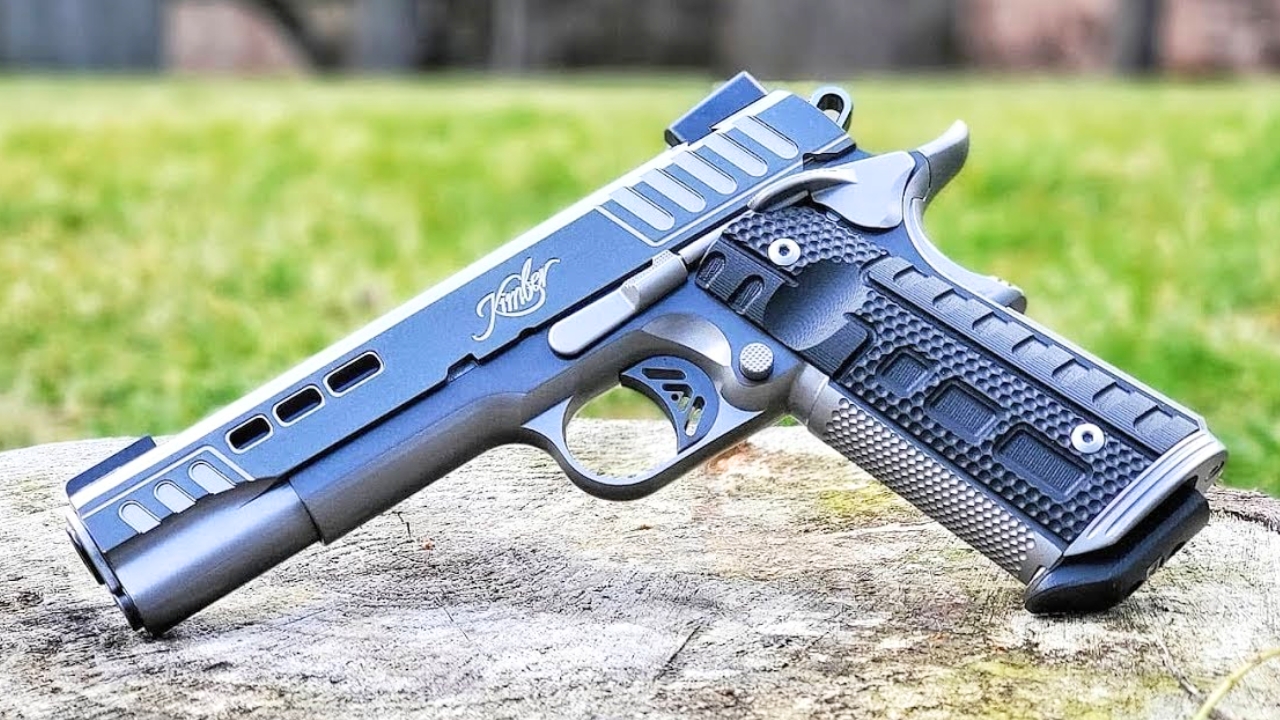
The Kimber Rapide Black Ice sells hard on looks. There is no getting around that. It is the kind of pistol people buy because it looks expensive, sharp, and more aggressive than a standard 1911. The styling tells buyers they are getting something elite, and the Kimber name still carries enough weight that many people are halfway sold before they even think through how the gun will hold up under real pace.
That is where hard use can become an uncomfortable truth teller. The pistol may impress in the display case and feel great in short, flattering sessions, but running a flashy 1911 hard is where buyers start sorting image from ownership reality. Once heat, fouling, magazine behavior, and sustained performance enter the conversation, the cool factor starts doing a lot less work. That can be a rough adjustment for people who bought it mostly with their eyes.
Desert Eagle Mark XIX

The Desert Eagle Mark XIX might be the most obvious flex pistol on earth. You do not buy one because you want a low-drama working handgun. You buy one because it looks ridiculous in the best possible way, feels massive, and carries instant recognition. For a lot of owners, that is exactly the point. It is a firearm built around presence, and it has been winning that battle for years.
Then you actually run it hard and the fantasy gets expensive, tiring, and kind of awkward. The size, the weight, the ammo cost, and the simple fact that it is not especially enjoyable for sustained serious use make the whole experience feel more novelty-driven than many buyers admit upfront. It is still a head-turner, but the second you stop posing and start shooting a lot, the flex starts looking more like a project.
FK BRNO PSD
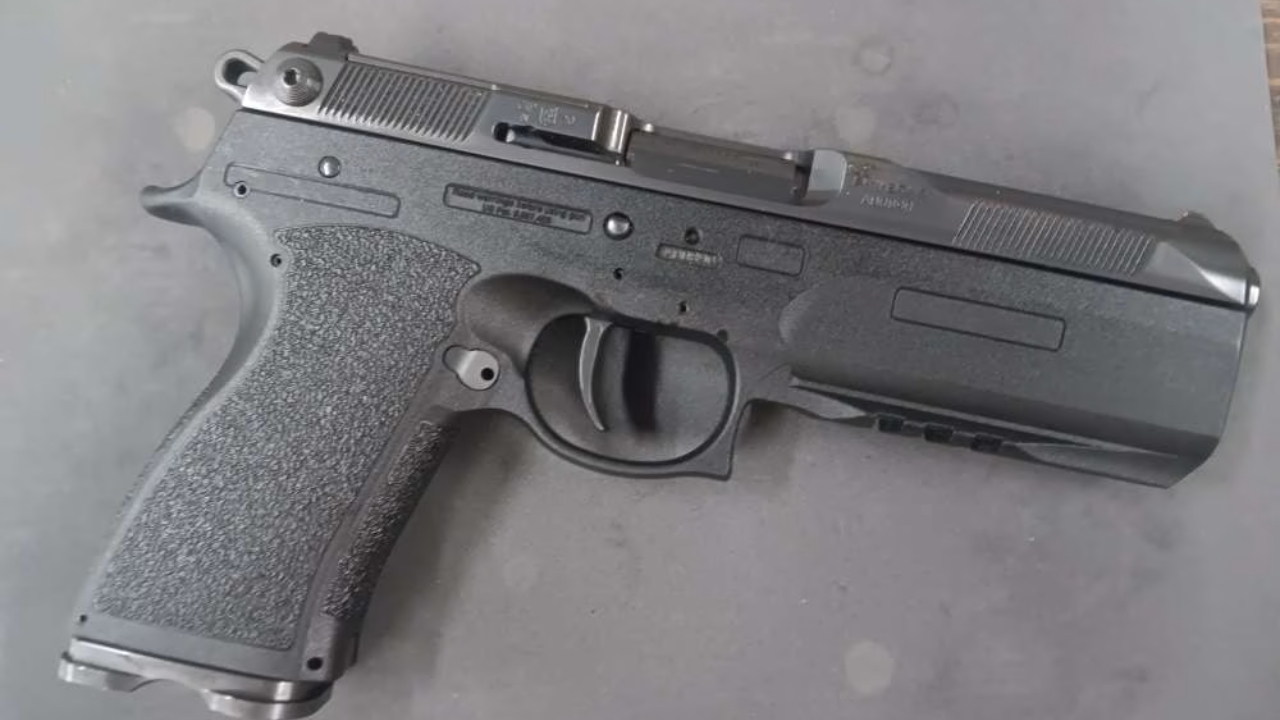
The FK BRNO PSD sounds like the sort of pistol people buy after deciding ordinary handguns are beneath them. It is exotic, expensive, built around a cartridge most shooters do not already stock, and wrapped in enough mystique to make it feel like a truly rare purchase. That alone gives it huge flex value. Owning one says you deliberately went far off the beaten path.
Then you try to live with it as an actual hard-use handgun and the whole thing starts to feel more complicated. Support, ammo, practicality, and the sheer reality of running an uncommon platform hard all start intruding on the fantasy. It is still interesting, and maybe that is enough for some buyers. But once you stop admiring the idea and start measuring the experience, the flex often outruns the usefulness by a pretty wide margin.
Coonan Classic .357
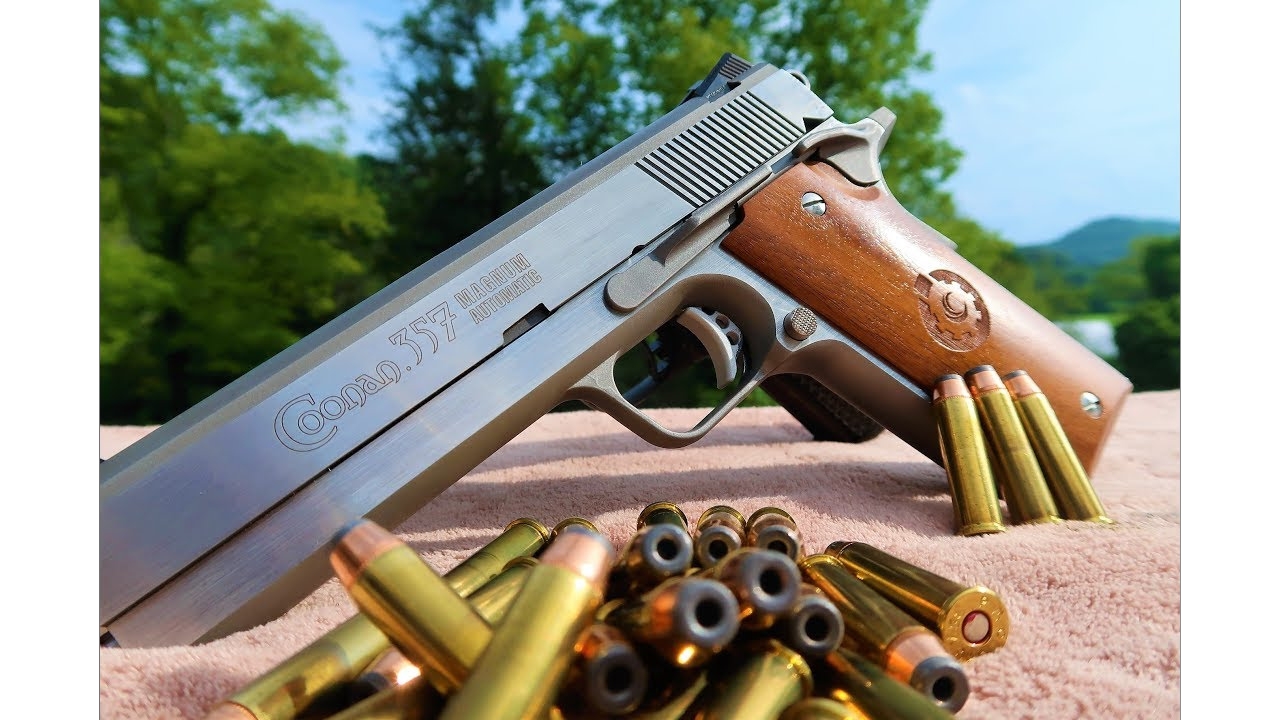
The Coonan Classic .357 pulls people in because it sounds like a brilliant mix of cool factors. It is a 1911-style pistol running .357 Magnum, which is exactly the sort of idea that feels too fun and too bold to ignore. Owners tend to talk about it with pride because it is unusual without being obscure, and it has a kind of wild mechanical charisma that a lot of ordinary pistols just do not have.
Then you shoot it hard and remember that being memorable does not automatically mean being easy to live with. The platform has demands, the shooting experience can feel more dramatic than practical, and the whole thing starts feeling like a pistol you own because it is interesting rather than because it is especially good at real hard use. That is still a valid reason to own a gun. It just is not the same as being the smart flex people hoped for.
Dan Wesson DWX Full-Size
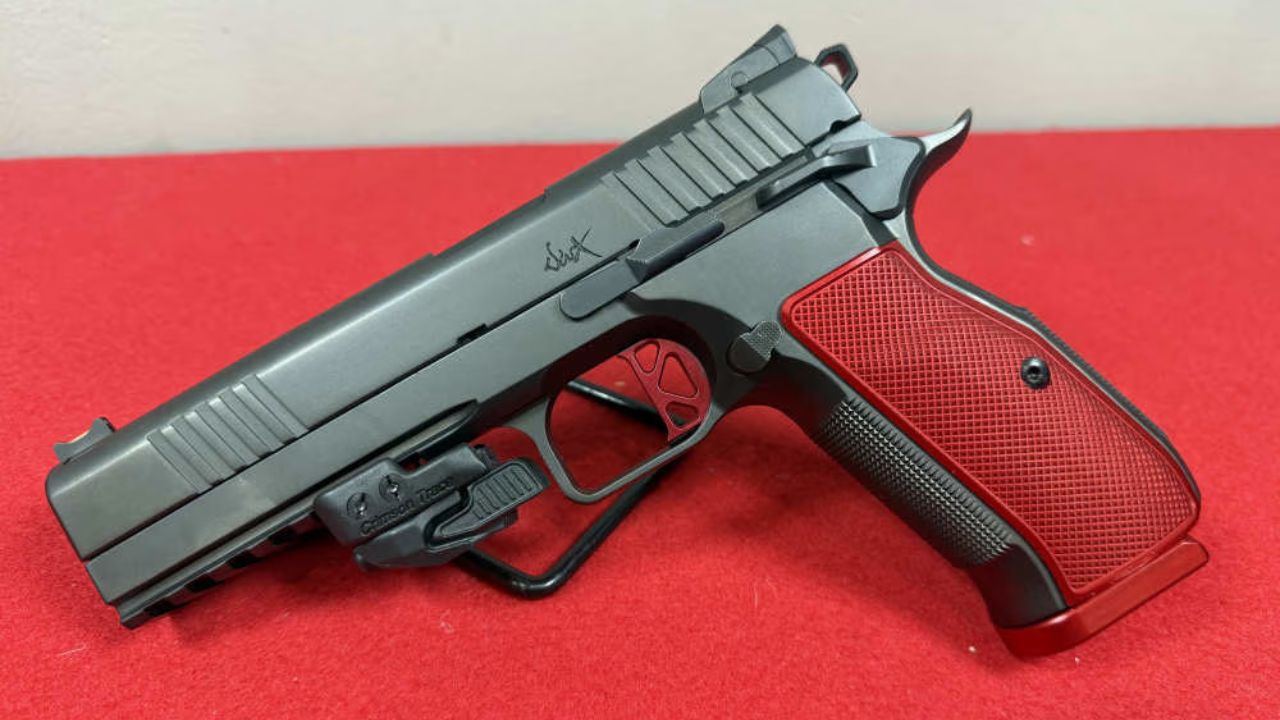
The Dan Wesson DWX Full-Size has strong flex appeal because it blends two worlds people already respect. It brings together 1911 influence and CZ-style ergonomics in a way that sounds like an enthusiast’s answer to everything ordinary pistols lack. That makes buyers feel like they found the smart, elevated choice that people with less taste simply would not understand.
Once you run it hard, though, the romance starts giving way to the usual questions. Is the support simple? Are you really getting the practical advantage you imagined? Is this a go-to workhorse or a very satisfying niche pistol for people who like unusual blends? The DWX can absolutely shoot, but hard use has a way of forcing buyers to decide whether they bought a genuinely better answer or a really cool hybrid they mostly enjoy talking about.
Nighthawk Custom TRS Commander
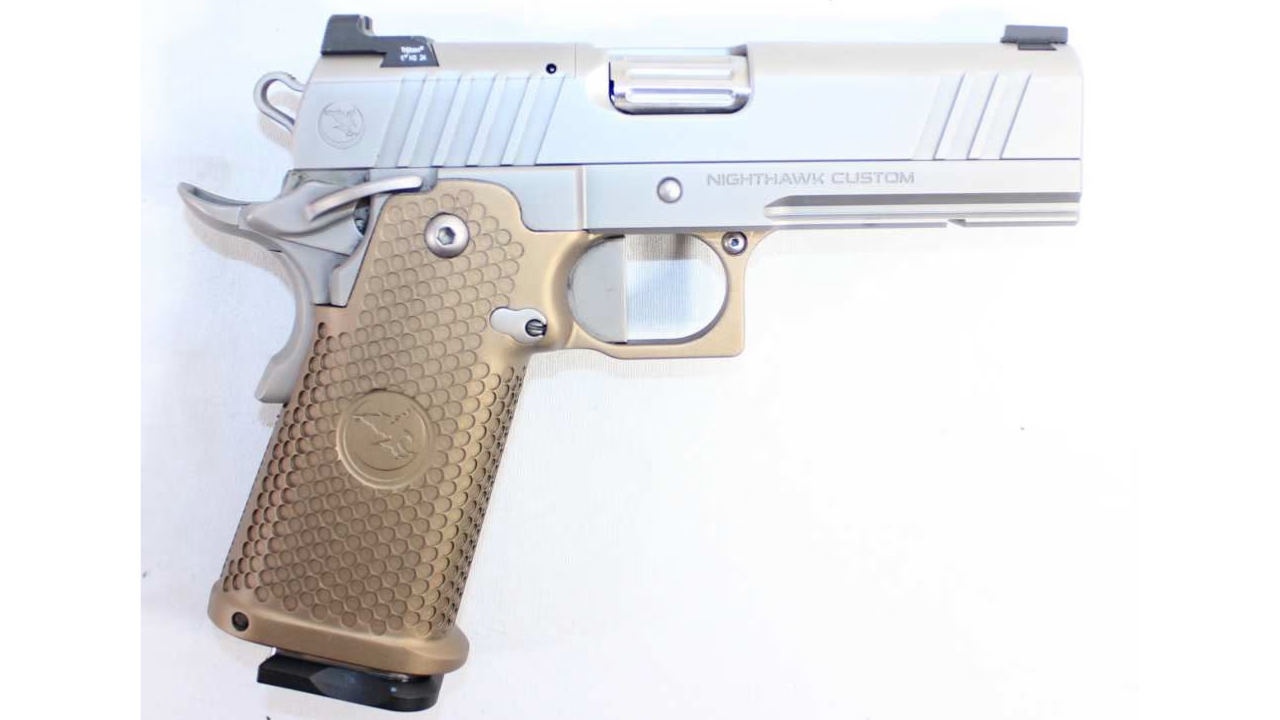
The Nighthawk Custom TRS Commander screams premium from the second the case opens. It has that hand-fit, high-dollar 1911 confidence that makes buyers feel like they reached the top shelf and stayed there. There is a lot to admire in a pistol like this, and people who own one usually know exactly what they are trying to say with it. It is not subtle, even when the styling is.
Then you start running it like it is just another carry gun and the cost-benefit question starts creeping in. That does not mean the pistol is poor. It means the pressure shifts. Once it is hot, dirty, and running through serious drills, a very expensive custom 1911 starts competing with less glamorous pistols that are easier to replace, easier to treat roughly, and easier to keep emotionally detached from. That changes the ownership mood fast.
BUL Armory SAS II Tac 4.25
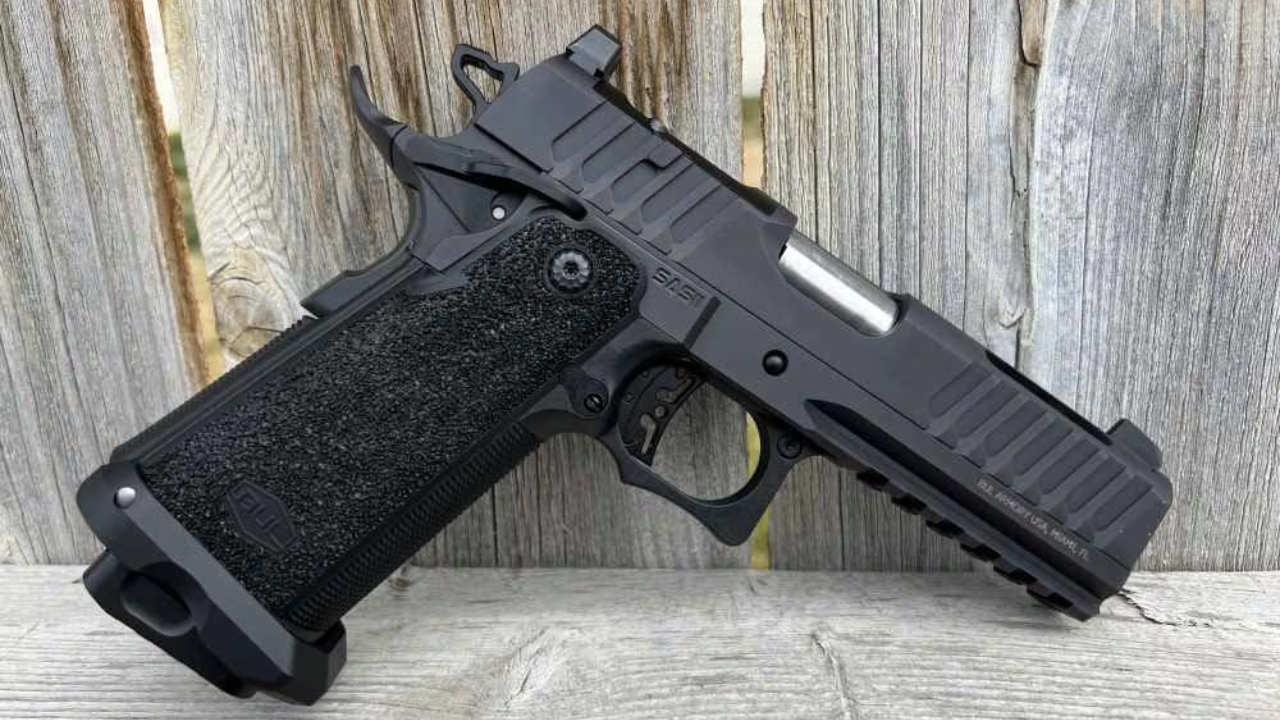
The BUL Armory SAS II Tac 4.25 has that under-the-radar flex appeal that gun people especially love. It feels like the sort of pistol you buy when you want to signal that you know more than the average buyer. It is sharp-looking, high-capacity, and tied into the whole premium 2011-style world without wearing the most obvious label in the category. That makes it feel clever and elevated at the same time.
Hard use tends to strip that cleverness down to practical terms. Once you are doing real work with it, you start caring less about how informed the purchase looked and more about how simple the gun is to keep running well, how forgiving it is under volume, and whether the juice truly matches the squeeze. It may still be a strong gun, but it stops feeling like a secret flex and starts feeling like a platform that demands honest commitment.
AutoMag .44 AMP
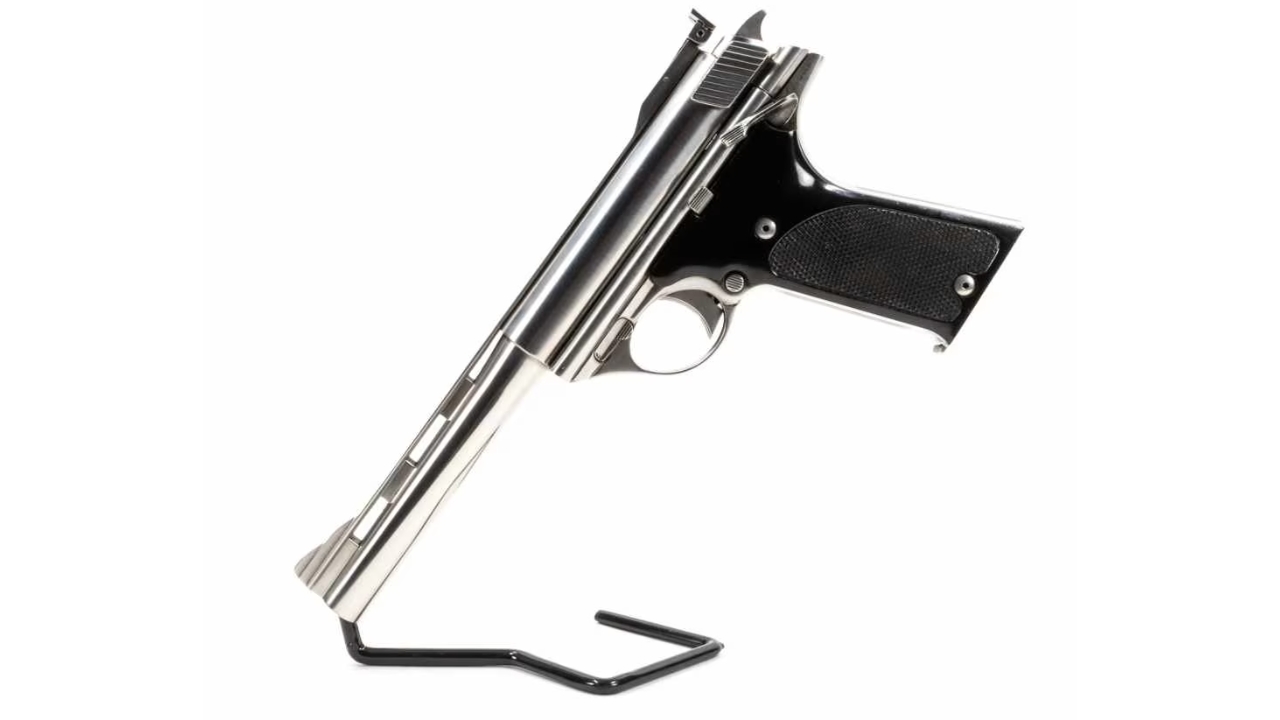
The AutoMag .44 AMP has legendary flex energy. It is rare, dramatic, powerful, and attached to the kind of gun-culture mystique that makes owners feel like they bought a piece of living mythology. Plenty of people do not even need it to make sense. They just need it to exist in their safe so they can say they own one. On that level, it absolutely delivers.
Run it hard, though, and you very quickly stop treating it like some magic object and start dealing with it as a very real machine with very real demands. Ammo, maintenance, wear, and the simple challenge of running an exotic old powerhouse all start taking over the conversation. It remains cool, but the difference between owning one and truly using one gets very clear once the round count goes up.
Wilson Combat EDC X9L
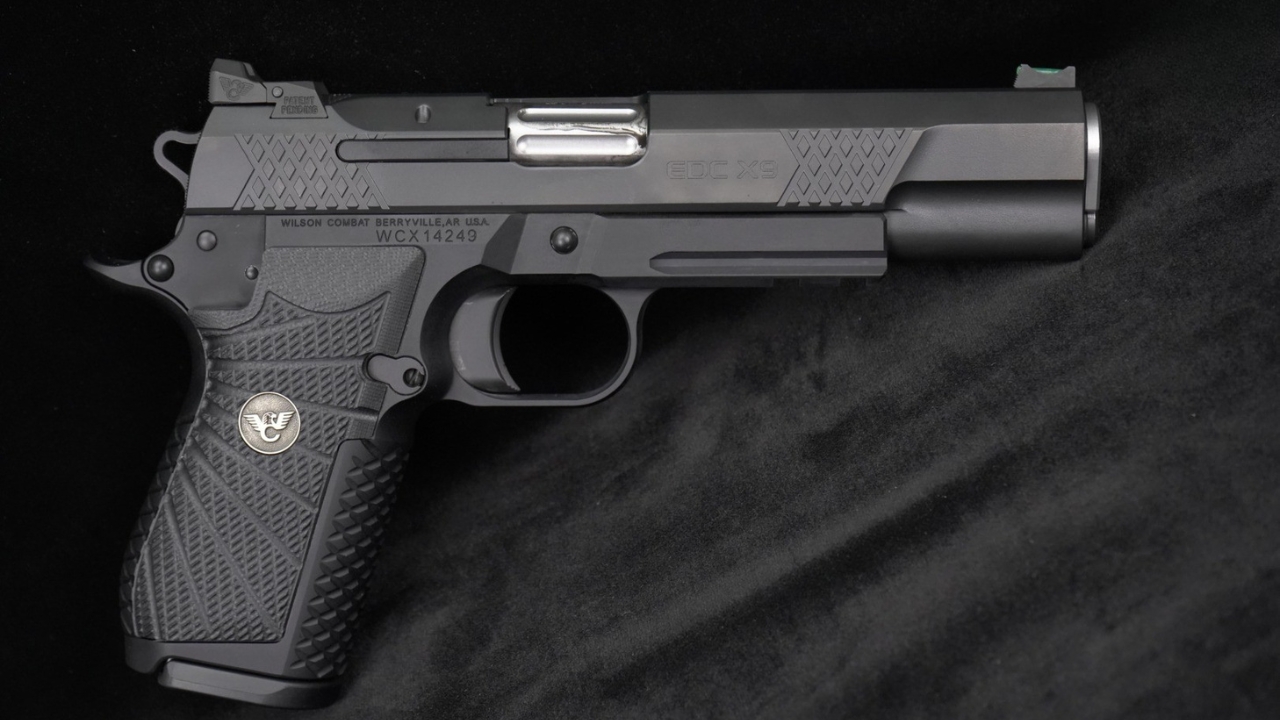
The Wilson Combat EDC X9L has the kind of polished, premium appeal that makes buyers feel like they found the grown-up answer to the usual high-end pistol debate. It is sleek, expensive, and tied to a name that already tells people quality should be assumed. That badge matters. A Wilson pistol does not enter the room like a bargain buy. It enters like a statement.
Then you actually run it hard and the glow has to coexist with more practical questions. Is it really doing enough more for you than simpler pistols that cost far less? Are you shooting it with the same freedom you would a plainer gun, or are you babying it because of the money and identity wrapped up in it? It can still be excellent, but hard use has a way of exposing how much of the flex lives in the name and the finish rather than the gap in real-world performance.
Like The Avid Outdoorsman’s content? Subscribe to our newsletter so you never miss an article.
Here’s more from us:


