Photo credit: Lubo Ivanko/Shutterstock.com
You buy premium cartridges, carefully pick a load, and expect clean groups. Then you run those same rounds through certain guns and watch them scatter like cheap bulk ammo did it. It’s maddening because the problem is the gun, not your handloads. Worn chambers, poor crowns, loose lockup, rough barrels, and sloppy headspace do what bad powder can’t: they hide accuracy. The rifles and pistols below are specific models that, through design quirks or age and wear, have a strong history of turning match-grade ammo into disappointment. Shoot the same rounds in a different, well-built gun and you’ll see the difference right away.
Hi-Point C9

The Hi-Point C9 is famous for being inexpensive and nearly indestructible, but it’s not a precision instrument. The design centers on economy and durability, not tight tolerances. The cast slide and long, crude barrel fit mean the cartridge often doesn’t see a perfectly consistent bore alignment from shot to shot. You’ll feed premium 9mm through a Hi-Point and too often see groups that don’t reflect the ammo’s quality.
Beyond tolerances, the sights and ergonomics don’t encourage fine shooting, and the mass of the slide changes how recoil affects follow-ups. The C9 will get you home and keep running when other pistols choke, but if your goal is to let good ammo sing, this isn’t the platform to show it off.
Mosin-Nagant M91/30

The Mosin-Nagant M91/30 is a rugged, historic rifle that took two world wars, but many surplus examples aren’t poster children for precision. Years of service, field repairs, and often rough factory or repro crowns mean that a match-grade commercial 7.62x54R load can group poorly. Chambers and throats on tired rifles are sometimes pitted or overworked, which steals accuracy no matter how good the cartridge.
Collectors prize Mosins for history and toughness, yet shooters who expect modern ammunition to perform will usually verify those same loads in a modern bolt action and see a startling difference. The M91/30 will do the job, but it will also make premium ammo look less impressive than it really is.
SKS Type 56

The SKS Type 56 and many of its clones are dependable and plentiful, but they often wear crowns, have rough bores, or suffer headspace and feed ramp quirks that blunt the edge of good ammo. A quality 7.62×39 load that prints small groups in a purpose-built rifle will often scatter in an SKS clone that carries years of use or rough finishing.
Some clones were produced with less attention to chamber and muzzle work, and the result is obvious on paper. The SKS is a fine brush or camp rifle, but if you want your best loads to show their full potential, you’ll likely reach for a modern, well-bedded bolt gun instead.
Ruger Mini-14 (early models)

Early Ruger Mini-14 rifles are legendary for reliability but not for match-grade accuracy. Those lightweight barrels and looser tolerances mean even high-end .223 loads rarely stack like they do from precision platforms. Heat and barrel harmonics cause groups to open quickly, and a slightly worn crown or loose front sight only makes things worse.
You can spend hours swapping loads and adjusting technique, only to realize the rifle’s baseline won’t allow the ammunition to shine. The Mini-14’s strengths are serviceability and hard use, not proving how good your handloads can be at 100 yards.
Remington 770
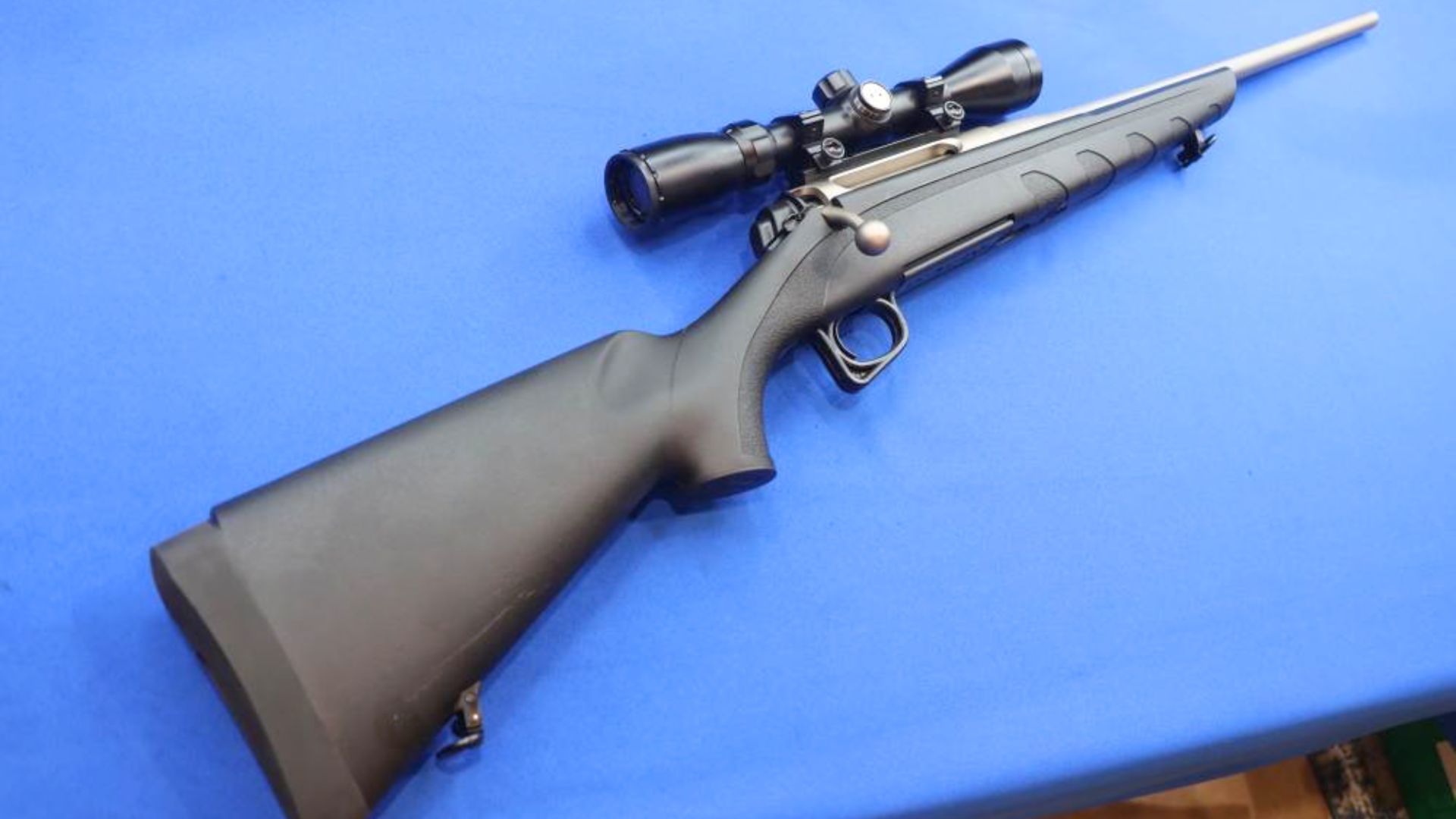
The Remington 770 sold as a ready-to-hunt package, but its rough factory barrels and inconsistent chamber work often robbed premium ammo of performance. Buyers who fed match-grade rounds into a 770 frequently found groups that looked like bulk loads rather than carefully assembled cartridges. The action bedding and scope mounting on many examples also contributed to inconsistent groups.
It’s not that the ammo is poor—running the same rounds through a different rifle usually uncovers the truth. The 770 fills a price point, but it will often make quality ammunition seem less capable than it actually is.
Winchester Model 100

The Winchester Model 100 semi-auto is a smooth shooter, but older examples with worn gas systems, crowns, or chambers have a habit of flattening the potential of premium rounds. The semi-auto cycle and any looseness in the barrel-to-receiver junction can produce variable muzzle release, which shows up as flyers even from high-grade factory ammo.
As these rifles age, the combination of gas wear and muzzle damage becomes more likely. A box of top-shelf cartridges that groups well in a bolt action will sometimes look scattered in a tired Model 100, revealing that the gun, not the load, is at fault.
Charter Arms Pitbull
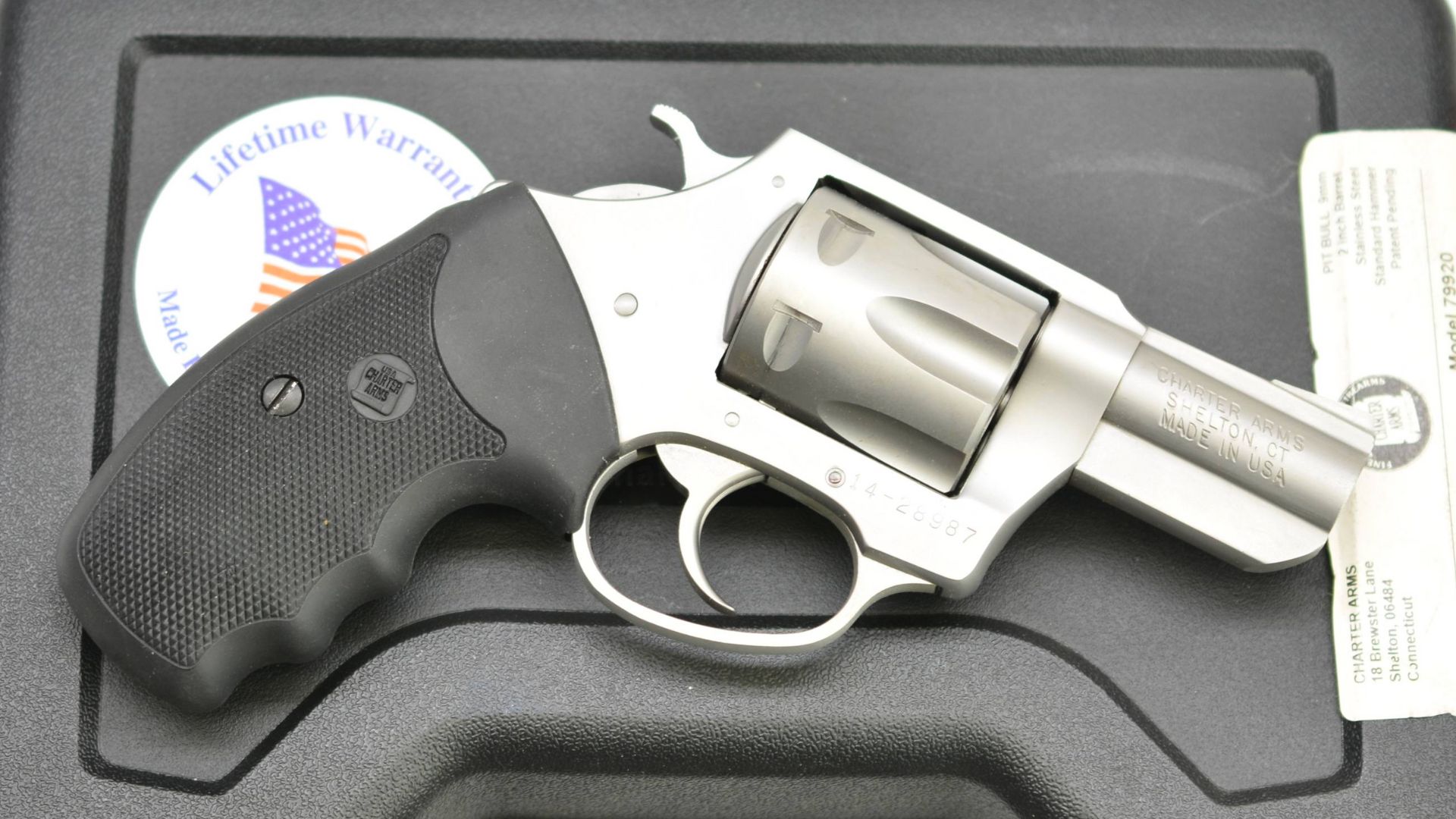
The Charter Arms Pitbull is an innovative revolver concept that chambers rimless cartridges without clips, but it hinges on precise timing and cylinder alignment. When timing wears or cylinders develop slight misalignment, a perfect 9mm or .40 S&W load can look ragged on paper because the bullet’s first contact with the forcing cone and throat is altered.
A handload that shoots well in a modern pistol can show flyers through a Pitbull with marginal timing or worn parts. The design works, but it requires careful maintenance; when tolerances slip, good ammo takes the fall in the accuracy department.
Browning Hi-Power (worn examples)

A well-made Browning Hi-Power can shoot respectably, but older, heavily worn examples with loose locking shoulders or battered feed ramp geometry will hide the capabilities of premium 9mm rounds. Inconsistent lockup lets the barrel and slide align differently each cycle, and a tired feed path nudges bullets as they enter the throat.
Shoot the same box of match ammo through a modern pistol and you’ll often see dramatically better groups. The Hi-Power’s design is excellent, but a worn specimen will make even the best cartridges look ordinary on the target.
Mosin Nagant Sporterized Model (sporter conversions)
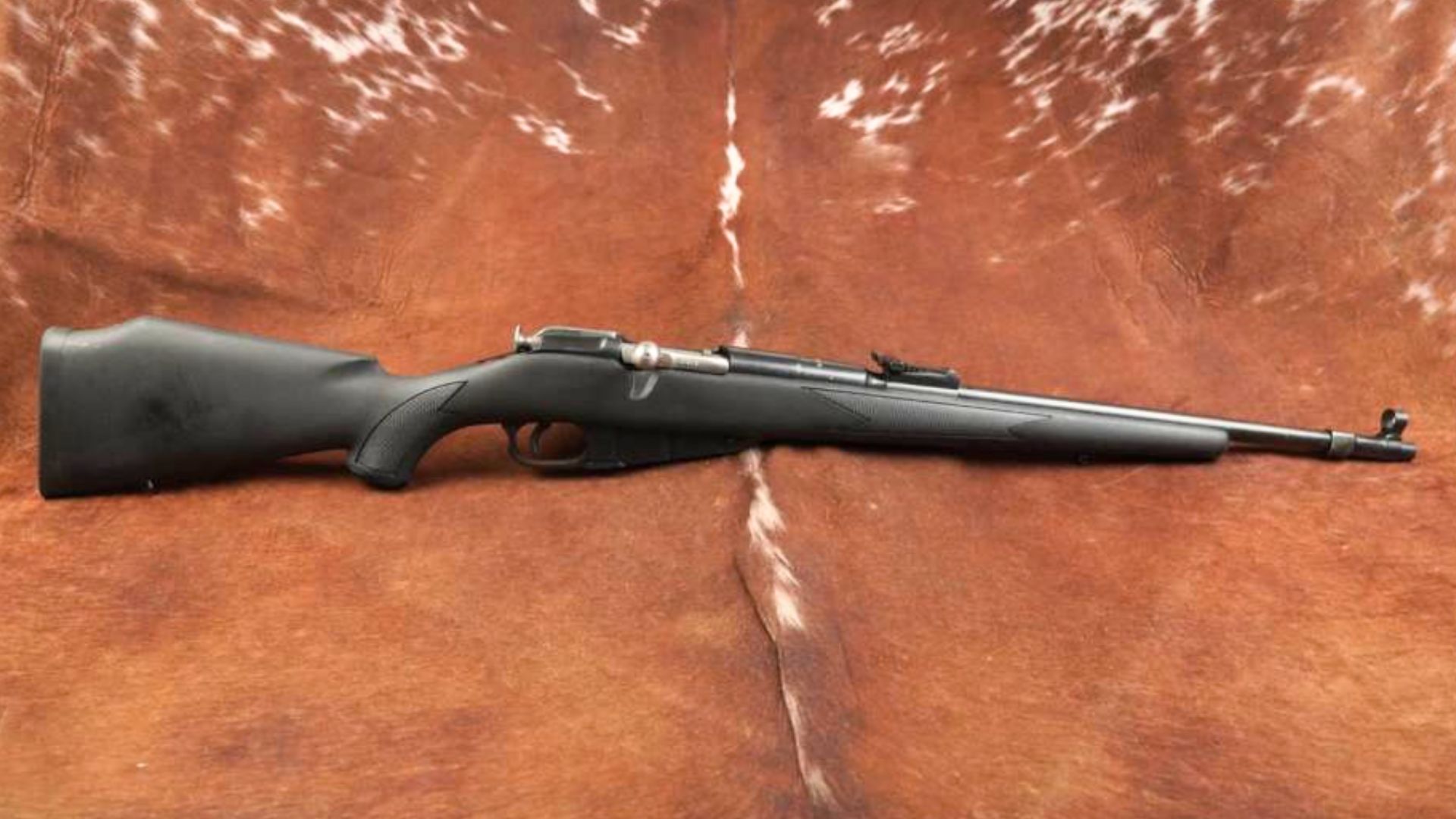
Sporterized Mosin Nagants vary wildly in workmanship, and poor conversions often create throat, chamber, and barrel seating issues that blunt the accuracy of good ammunition. A handload that performs marvelously in a quality bolt rifle will scatter through a poorly converted sporter because the barrel isn’t properly aligned or the chamber was re-cut badly.
These rifles can be handsome wall pieces, but on the range they frequently expose the limits of the conversion work. Good ammo won’t save a rifle that presents the bullet inconsistently, and the results are obvious in the target’s holes.
Like The Avid Outdoorsman’s content? Be sure to follow us.
Here’s more from us:
The worst deer rifles money can buy
Sidearms That Belong in the Safe — Not Your Belt
*This article was developed with AI-powered tools and has been carefully reviewed by our editors.