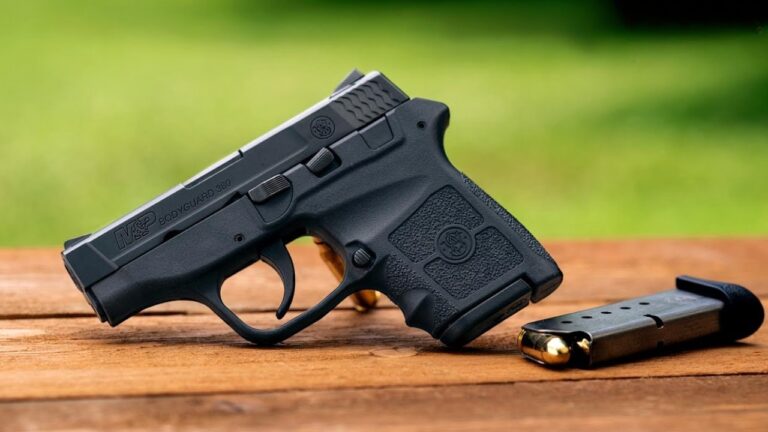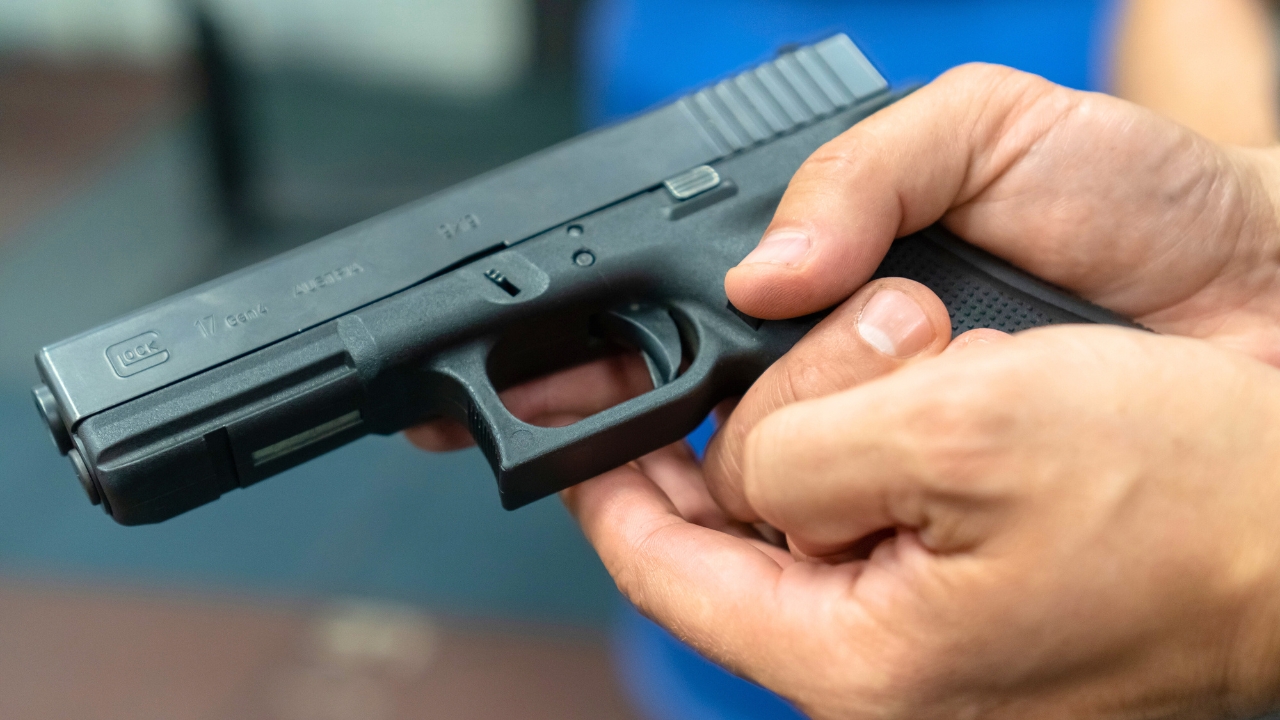
Photo credit: Luiza Kamalova/Shutterstock.com
Connecticut lawmakers have approved a new gun bill aimed at what the state calls “convertible pistols,” and the fight around it is already heating up. The bill has been described by supporters as a way to crack down on pistols that can be illegally converted into fully automatic firearms with small conversion devices commonly called Glock switches.
For gun owners, the bigger concern is obvious. This does not only target the illegal switch itself. It targets certain semiautomatic pistols based on the way they are designed. That is why so many people are calling it a Glock-style pistol ban, even though the language is broader than one brand.
What the Connecticut Bill Actually Targets
The bill is focused on semiautomatic pistols that lawmakers say can be readily converted to automatic fire. The key design feature being discussed is a cruciform trigger bar, which is common in Glock-style striker-fired pistols. Under the bill language, those pistols could fall under the state’s new “convertible pistol” definition if they can be converted with ordinary tools or a conversion device.
That matters because Glock-style pistols are not some rare corner of the handgun market. They are among the most common defensive, duty, and range handguns in the country. For many Connecticut buyers, this could affect the kind of pistols they can buy new once the law takes effect.
This Is About Sales, Not Confiscation
From what has been reported so far, this is not being framed as a door-to-door confiscation law. The bill is aimed at banning future sales, manufacturing, and importation of covered pistols in Connecticut. That is still a big deal, especially for dealers and buyers, but it is different from saying every current owner must immediately surrender a handgun.
That distinction is important because panic spreads fast with gun laws. Current owners still need to watch the final signed law and any state guidance closely, but the main impact appears to be on future availability. If a model falls under the ban, dealers may no longer be able to sell it in Connecticut after the effective date.
Why Supporters Say the Law Is Needed
Supporters argue that illegal conversion devices have changed the risk picture. A Glock switch can turn a semiautomatic pistol into a weapon capable of automatic fire, and law enforcement agencies have been seeing more of these devices in criminal cases. Connecticut lawmakers say the bill is meant to cut off the host guns that are easiest to convert.
That argument is why the bill has been sold as a public safety measure. Instead of only punishing possession of the illegal switch, the state is trying to restrict the sale of pistols that can accept one. Whether that works in practice is where the debate gets ugly fast.
Why Gun Owners Are Furious
Gun owners are frustrated because the bill punishes the pistol design instead of only the illegal conversion device. A standard Glock-style pistol is a semiautomatic handgun. It does not become a machine gun unless someone illegally modifies it. That is the core objection from many critics.
The other complaint is that this could sweep up popular, commonly owned pistols used by people who follow the law. A person carrying a stock Glock 19, Glock 17, Glock 43X, or similar striker-fired pistol is not carrying a machine gun. Critics see the bill as another example of targeting lawful owners for crimes committed by people already breaking the law.
The Timing Matters
The proposed effective date being reported is October 1, 2026. That gives manufacturers, dealers, and gun owners a window to figure out what the law actually means once it is signed and interpreted. It also gives opponents time to prepare legal challenges, which are almost guaranteed.
That date also creates the kind of buying rush gun shops know well. When a popular model might disappear from shelves, buyers tend to move fast. Dealers in Connecticut have already reported increased interest as people try to buy affected pistols before the law takes effect.
This Could Go Beyond Glock
The headline says Glock-style because Glock is the name most people recognize, and the illegal conversion device is commonly called a Glock switch. But the bill language is not written as a simple “Glock only” ban. It focuses on design features and convertibility.
That means other striker-fired pistols could become part of the same conversation depending on their internal design. Gun owners should not assume this only affects pistols with “Glock” stamped on the slide. The exact reach will depend on how the state defines and enforces the law.
Legal Challenges Are Likely
A law like this is almost certain to be challenged. The biggest argument will probably center on whether the state can ban the sale of commonly owned semiautomatic pistols because they can be illegally modified. Gun rights groups are already fighting similar laws elsewhere, and Connecticut may end up in the same legal lane.
The Supreme Court’s “common use” language will likely come up, especially because Glock-style handguns are widely owned for lawful purposes. Supporters will argue the state is targeting convertibility and public safety. Opponents will argue the law restricts ordinary pistols that are legal in their stock form.
What Connecticut Gun Owners Should Watch Next
The next step is Gov. Ned Lamont’s desk. He has supported the proposal, so gun owners should expect the bill to become law unless something unusual happens. Once that happens, the real questions become enforcement, affected models, dealer guidance, and whether any court pauses the law before October.
For now, Connecticut gun owners should avoid guessing based on social media posts alone. Read the final law, talk to reputable local dealers, and watch for guidance from state agencies and firearm rights groups. This is one of those bills where the exact wording matters, and small details can decide whether a specific pistol is affected.