Photo credit: Malachi Jacobs/Shutterstock.com
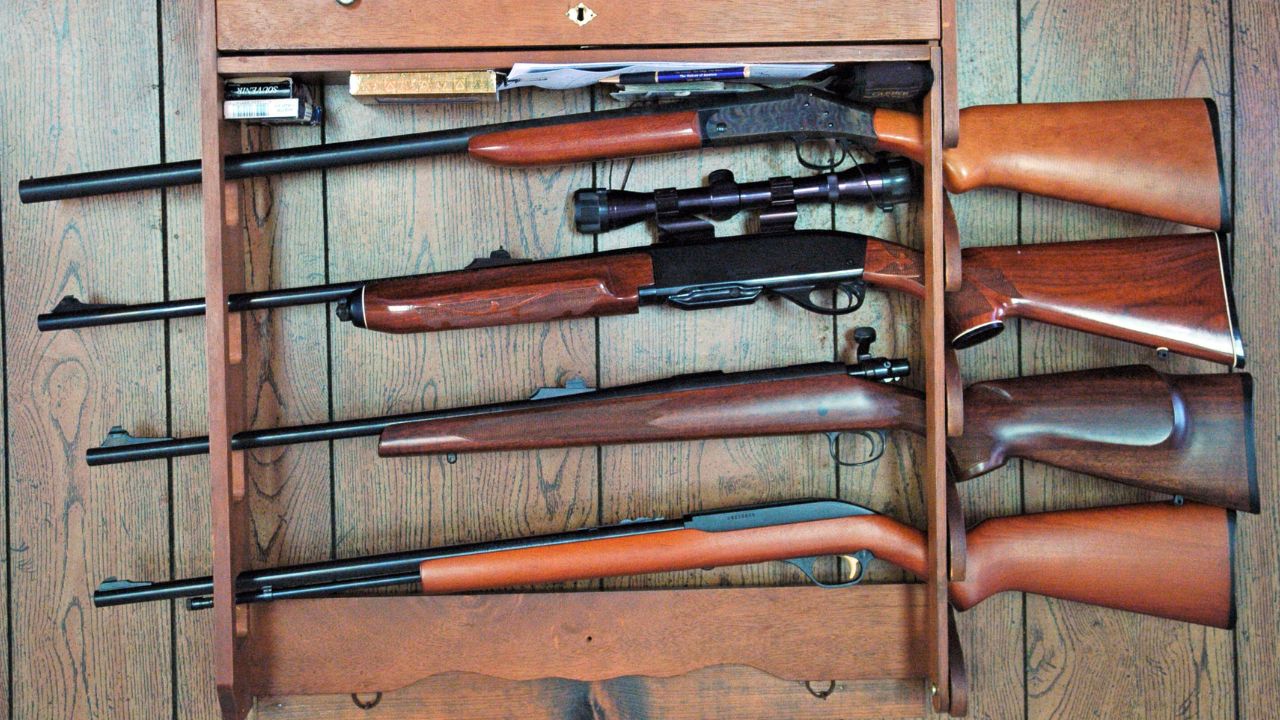
The Browning BAR and the Benelli R1 are two of the biggest names in semi-auto hunting rifles, and both have proven themselves in the field. They’re designed for hunters who want fast follow-up shots without sacrificing accuracy. While they share the same purpose, their differences in handling, reliability, and maintenance are worth looking at closely. If you’ve been eyeing one for your hunting setup, here’s how they stack up head-to-head in real-world use.
Accuracy at Typical Hunting Ranges

The Browning BAR has a long-standing reputation for holding tight groups out to 300 yards and beyond, especially with quality factory ammo. The Benelli R1 is accurate too, but its groups can open up slightly faster at extended ranges. For most big game hunting inside 200 yards, you’re not going to see much difference. But if you stretch things out in open country, the BAR tends to give you more consistent hits with less fuss over ammo choice.
Handling and Balance

The BAR is heavier overall, which soaks up recoil but can feel front-heavy on long hikes. The R1, with its lighter build and synthetic stock options, feels quicker to shoulder and carry. That makes the R1 more comfortable for spot-and-stalk hunting, while the BAR’s steadier feel on target works well for stand hunting or when shooting from a rest. Which one feels better really depends on how you hunt most of the time.
Reliability in Field Conditions

The BAR has proven itself in wet, cold, and dusty conditions for decades. The R1’s ARGO gas system is reliable too, but it’s more sensitive to buildup if you’re not on top of cleaning. In light rain or occasional mud, both will run fine, but the BAR seems to shrug off neglect a little better. If you’re often in remote spots without time for frequent maintenance, the BAR has the edge.
Trigger Quality
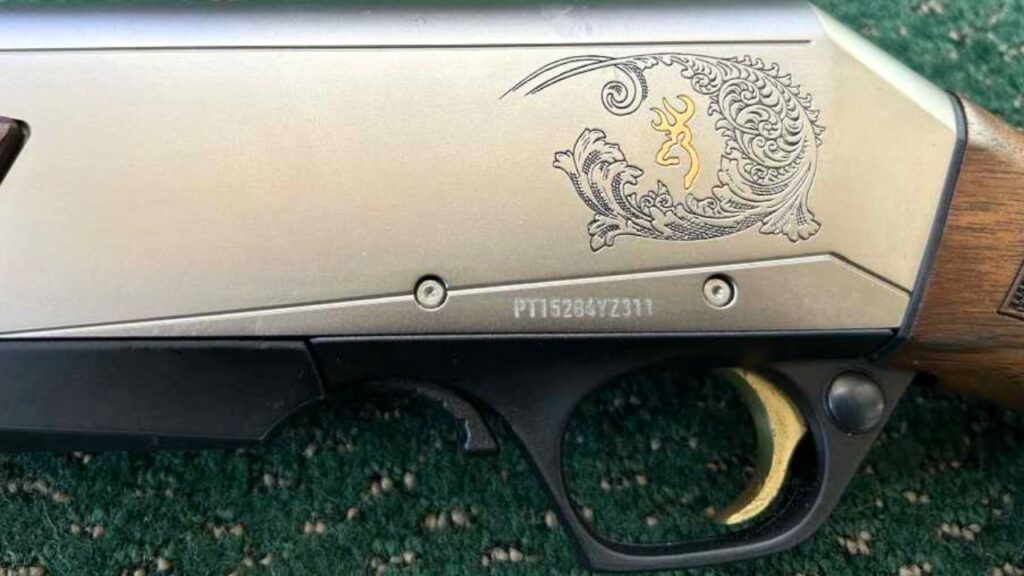
The BAR’s factory trigger is heavier than most would like, averaging around six pounds, but it breaks cleanly. The R1’s trigger is usually a little lighter, though some have a bit more creep. Neither rifle has what you’d call a competition-grade trigger, but both are perfectly workable for hunting. If you prefer a lighter pull without aftermarket work, the R1 may feel more comfortable right out of the box.
Stock and Ergonomics

Browning offers the BAR in both walnut and synthetic stocks, catering to hunters who want a traditional look or a more weather-resistant setup. The R1 leans heavily on modern synthetic stocks with textured grips and adjustable features. The BAR’s traditional design feels right at home in a deer blind, while the R1’s ergonomics favor quick target acquisition and comfort in dynamic shooting positions.
Recoil Management
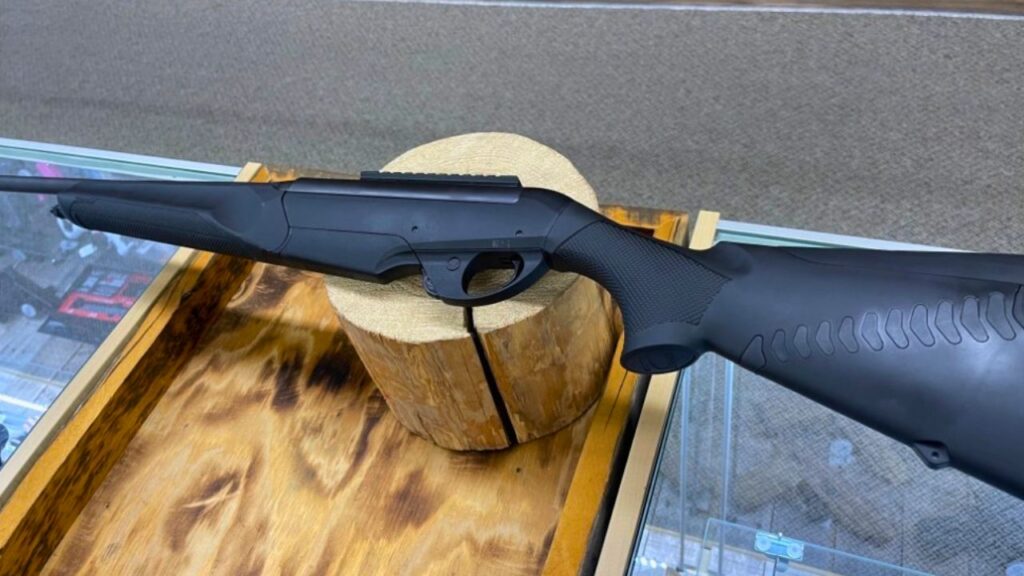
The BAR’s heavier weight and gas system make it one of the softer-shooting semi-auto hunting rifles, even in heavier calibers like .300 Win Mag. The R1, while lighter, still manages recoil well thanks to its gas system, but you’ll feel more of the punch compared to the BAR. If you’re sensitive to recoil or plan to shoot larger calibers often, the BAR will likely feel more forgiving over long hunts.
Magazine Capacity and Loading
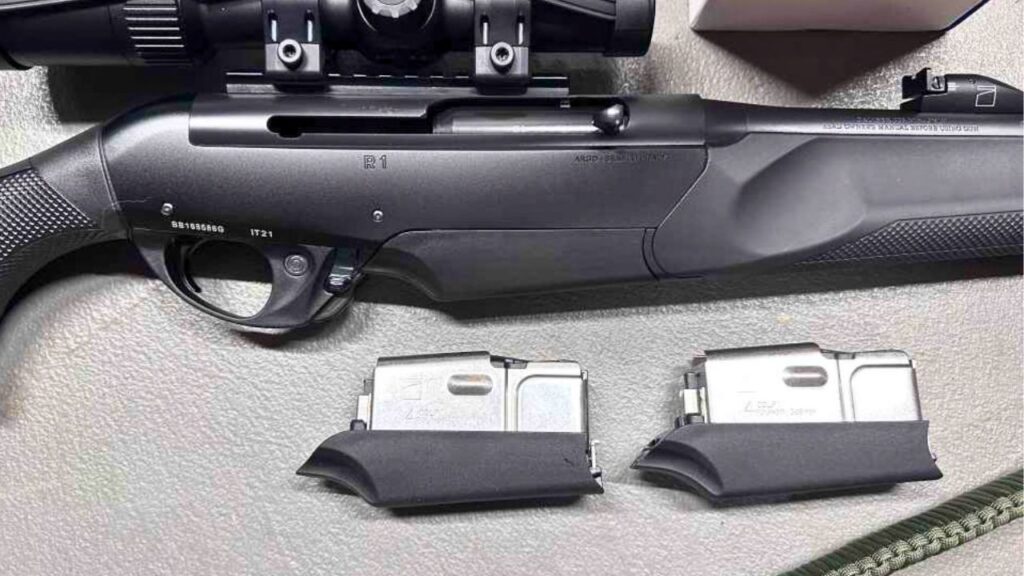
Both rifles use detachable box magazines, but the BAR’s design is more traditional, with the magazine integrated into a hinged floorplate. The R1 uses a simpler detachable mag that’s quicker to swap. If you need to reload fast, the R1’s setup is faster, though the BAR’s system is more secure against accidental drops. Capacity is similar between the two, typically holding three to four rounds depending on caliber.
Maintenance and Cleaning

The R1’s ARGO system is relatively easy to clean, but it requires you to stay on top of carbon buildup to keep it running smoothly. The BAR is more complex to disassemble fully, but it tends to go longer between necessary cleanings. If you don’t mind breaking your rifle down more often, the R1’s design makes it straightforward. If you’d rather clean less frequently, the BAR can handle more rounds before fouling becomes an issue.
Caliber Options

The BAR has a wider range of caliber offerings, from mild .243 Win up to .338 Win Mag, making it more versatile for different game. The R1 covers most popular big-game calibers like .30-06, .300 Win Mag, and .308 Win, but lacks some of the BAR’s lighter or specialty chamberings. If you want one rifle for everything from antelope to elk, the BAR’s broader selection might sway you.
Price and Value

The R1 often comes in at a lower price point than the BAR, especially in synthetic stock versions. The BAR commands a premium, partly for its build quality and long track record. If budget is your main concern, the R1 gives you solid performance for less money. If you’re looking at long-term investment and resale value, the BAR holds its worth better over time.
*This article was developed with AI-powered tools and has been carefully reviewed by our editors.