Photo credit: timotheos/Shutterstock.com
A rifle can look fine at the counter and still start losing you once it gets into the field. The real test is not one clean group from a bench on a calm afternoon. It is feeding a round quietly with cold hands, holding zero after a truck ride, carrying without fighting you, and putting the first shot where it belongs from a bad rest.
Some rifles do better in theory than they do in real hunting conditions. They may shoot okay from bags, but the stock feels flimsy, the magazine gets annoying, the bolt feels rough, or the whole setup never inspires much confidence once the season actually starts.
Kimber Hunter

The Kimber Hunter sounds like a smart way to get into a lightweight Kimber without paying for the higher-end models. On paper, that is appealing. A light rifle that carries easily and still wears the Kimber name will get hunters interested fast.
The field can expose the tradeoff. Lightweight rifles are harder to shoot well from awkward positions, and the Hunter’s stock does not always feel as premium as buyers expect. Some shoot well, but others leave owners chasing loads and confidence. A rifle that carries nicely still has to settle down when the shot matters.
Remington Model Seven

The Remington Model Seven is handy, compact, and easy to like when you pick it up. That short, light feel makes it seem perfect for thick woods, deer stands, and hunters who do not want to drag around a full-size rifle.
Once real use starts, some hunters find out that small rifles are not always easier rifles. Certain chamberings can feel sharp, the short barrel changes balance, and the rifle may not hold as steady from field positions as expected. It is not a bad rifle, but it can disappoint buyers who thought light and handy automatically meant easy.
Ruger American Predator

The Ruger American Predator has earned a loyal following because many of them shoot very well for the money. That bench accuracy can make buyers expect the whole rifle to feel better than its price suggests.
In the field, though, the cheaper parts become more noticeable. The stock can feel flexible, the magazine system can be version-dependent, and the rifle may not balance as naturally as better-finished hunting rifles. It can absolutely work, but it is one of those rifles that may impress on paper while still feeling cheap in rough use.
Savage Axis XP

The Savage Axis XP is tempting because it gets hunters into a rifle and scope package without spending much. For a new hunter, that can look like the cleanest path to opening morning.
The first season often shows where the money was saved. The basic stock, economy feel, and weak package optics can all become frustrating once the rifle leaves the bench. The Axis can shoot, but the XP package often feels temporary. If you start replacing the scope, rings, and other parts right away, the original savings stop looking so strong.
Winchester XPR
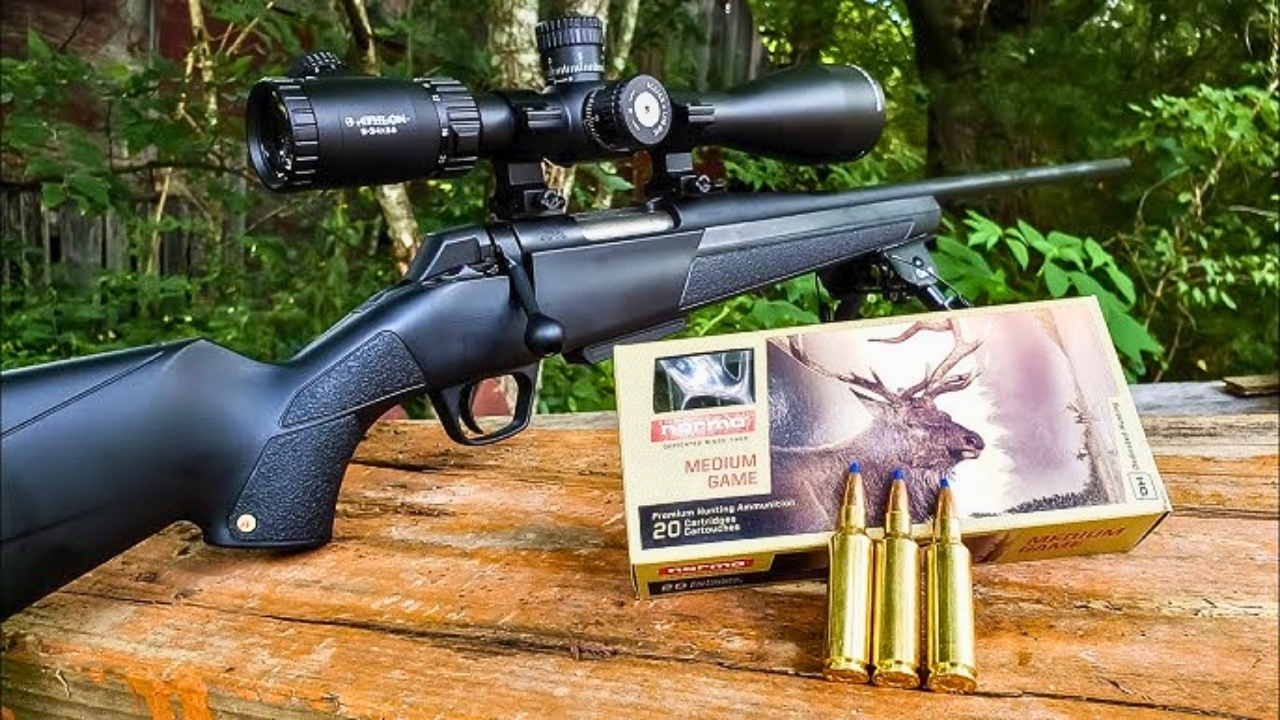
The Winchester XPR is a functional rifle, but it can disappoint hunters expecting Model 70 character from the Winchester name. It is accurate enough in many cases, but the overall feel is more modern budget rifle than classic hunting tool.
That gap matters in the field. The rifle can do its job and still leave you cold. The stock, bolt feel, and overall personality may not make you excited to reach for it season after season. If you judge it as a practical rifle, it can make sense. If you expected old Winchester soul, it may not deliver.
Browning AB3

The Browning AB3 carries the Browning name, and that creates expectations before the rifle ever fires. Buyers often expect refinement, smooth handling, and a rifle that feels a little nicer than the average budget bolt gun.
The AB3 can hunt, but it often feels like the budget side of Browning rather than the full experience. The stock, bolt, and magazine system may not give hunters the same confidence they get from an X-Bolt or older A-Bolt. Once real field use starts, the name alone does not make the rifle feel special.
Mossberg Patriot

The Mossberg Patriot looks better than many budget rifles because it has more traditional styling and plenty of chambering options. At the counter, it can seem like a lot of rifle for the money.
Field use can be more mixed. Some Patriots shoot fine, while others leave hunters unimpressed with the stock feel, magazine fit, bolt smoothness, or general consistency. It is not a rifle I would trust blindly out of the box. If it proves itself, fine. But without that proof, it can feel like a rifle that looks better than it handles.
Thompson/Center Compass

The Thompson/Center Compass gained attention because it promised affordable accuracy. That is enough to get hunters interested, especially when they just want a rifle that can group well and fill a tag.
But hunting rifles are more than group size. The Compass can feel awkward once you carry it, load it, and run it from field positions. The stock, magazine, and bolt operation do not always inspire long-term confidence. A rifle that shoots from bags but feels clumsy in the woods can start disappointing fast.
CVA Cascade
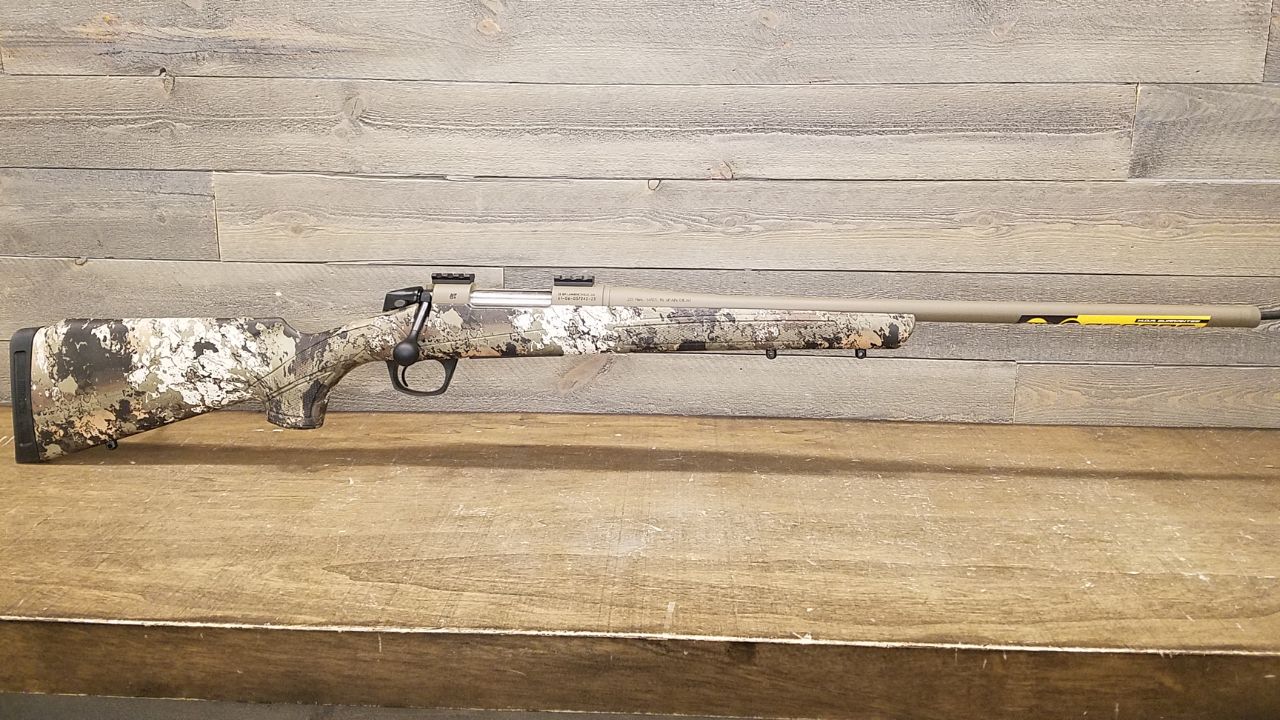
The CVA Cascade has built a decent following, and some hunters have had good results with it. The price, features, and accuracy potential make it attractive in a crowded entry-level market.
Still, it can disappoint buyers who expect it to feel more established than it is. The rifle may shoot well, but the long-term confidence, brand familiarity, and field feel do not land the same for everyone. If you are used to Tikkas, Howas, Savages, or old Remingtons, the Cascade may feel more like a promising option than a rifle you instantly trust.
Sauer 100

The Sauer 100 carries a respected European name, and that alone can make hunters expect something premium. The problem is that the rifle sits in a more practical, price-conscious lane than some buyers realize.
In the field, that mismatch can disappoint. It can shoot well, but the polymer parts, magazine feel, and overall personality may not feel as refined as the name suggests. If it were judged without the Sauer badge, expectations might be different. But when the name raises the bar, ordinary field feel can seem like a letdown.
Mauser M18

The Mauser M18 has the same problem as the Sauer 100 in a different wrapper. The Mauser name carries serious history, so hunters may picture old-world strength, controlled-feed romance, and heirloom character.
What they get is a modern budget-minded hunting rifle. That does not make it bad, but it can feel less special than expected once the season starts. If it shoots well, it can do the job. But the stock, magazine, and overall feel may leave some hunters wondering if they paid for a famous name more than a memorable rifle.
Benelli Lupo

The Benelli Lupo got attention because Benelli is such a strong shotgun name. A modern bolt rifle from that company sounded interesting, and the styling made it stand out quickly from more traditional rifles.
Real field use can split opinions. Some hunters like the modular feel and modern design, while others find it odd, bulky, or harder to warm up to than a conventional rifle. If the fit does not click, the Lupo can feel like a rifle trying too hard to be different. In the field, different only matters if it helps.
Christensen Arms Mesa
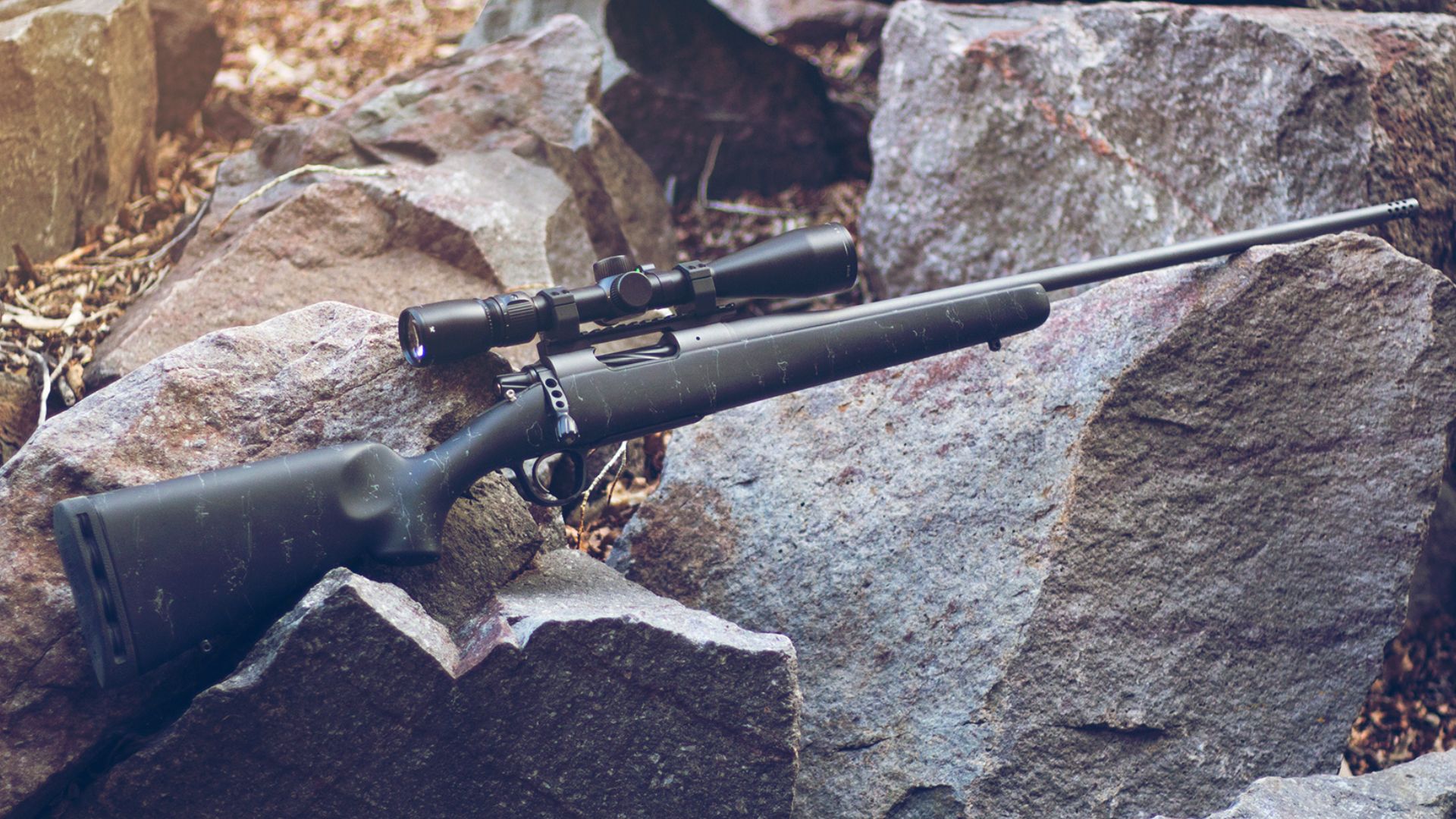
The Christensen Arms Mesa comes with higher expectations than a basic deer rifle. The brand has a premium image, and buyers expect accuracy, clean handling, and confidence right away. At this price level, “pretty good” does not feel good enough.
That is why disappointment can hit harder. If a Mesa shoots well and fits you, it can be a fine rifle. But if it makes you chase loads, question consistency, or feel like it does not clearly outperform cheaper rifles, the price starts bothering you. Premium rifles have less room to be merely acceptable.
Browning BLR Lightweight

The Browning BLR Lightweight sounds like a great answer for hunters who want lever-action handling with modern cartridge options. That idea has real appeal, especially for hunters who like faster follow-up shots but want more reach than a .30-30.
In use, not everyone loves the tradeoffs. The trigger can feel different, the magazine setup is not as simple as a traditional lever gun, and the rifle may not balance the way some hunters expect. The BLR can be useful, but it disappoints people who wanted old-school lever charm and got something more mechanical.
Remington 7400
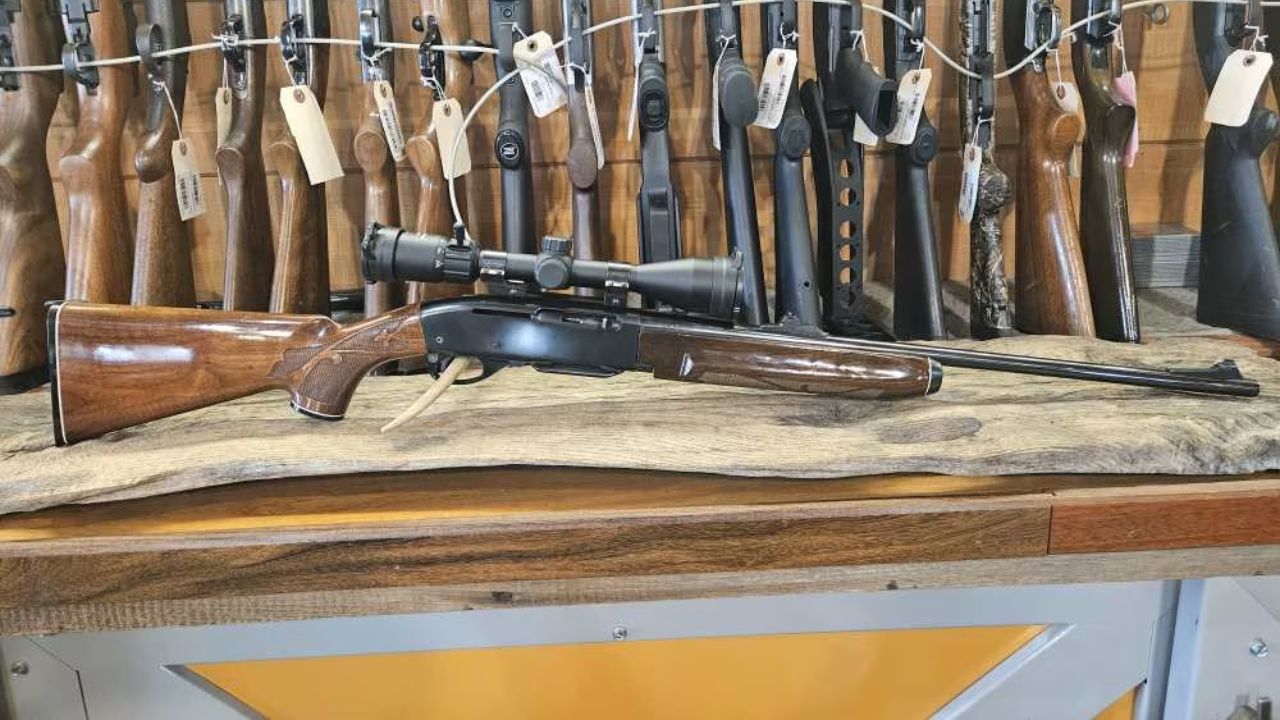
The Remington 7400 has killed plenty of deer, but used examples can become frustrating once real hunting conditions show up. A rifle that seems fine at the range may act differently when it is cold, dirty, or loaded with the ammo you actually plan to hunt with.
The issue is often condition. Worn magazines, dirty chambers, weak springs, and old maintenance habits can all show up at the worst time. A clean, proven 7400 can still work, but buying one casually and trusting it immediately is risky. Semi-auto deer rifles need proof before they deserve confidence.
Like The Avid Outdoorsman’s content? Be sure to follow us.
Here’s more from us: