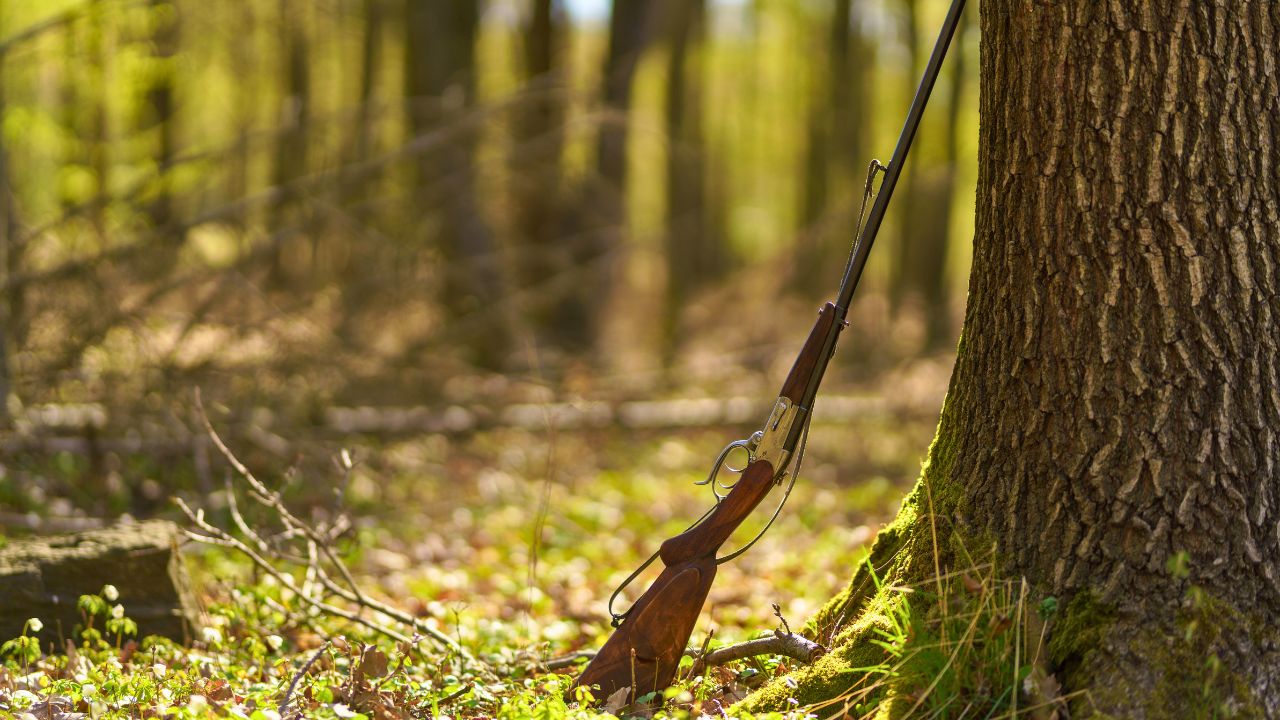
Photo credit: Halfpoint/ShutterStock.com
If you’ve ever shouldered one of your grandfather’s rifles, you already know they don’t give up much to modern designs. In fact, a lot of those old guns will still group tighter and carry straighter than rifles built with all the latest buzzwords. Back then, rifles were designed with real hunting and field use in mind. They weren’t overloaded with features or accessories—they were built to be accurate, balanced, and reliable year after year.
Many of these rifles were carried for decades through rain, snow, and brush, and yet they still shoot better than most people can wring out of them today. The secret isn’t magic—it’s a combination of craftsmanship, proven cartridges, and designs that simply worked. Modern rifles may come with factory bedding, threaded muzzles, and adjustable stocks, but your grandfather’s rifle is still more than capable of stacking shots exactly where they need to go. Here are the classics that continue to outshoot expectations.
Winchester Model 70 (Pre-64)
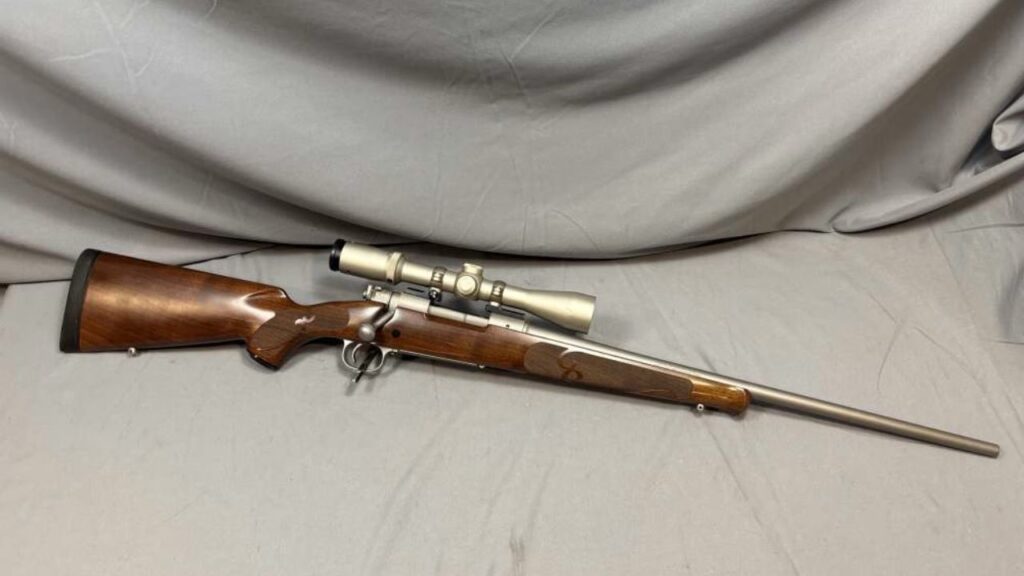
The Winchester Model 70, especially the pre-1964 versions, is often called the “rifleman’s rifle” for good reason. Your grandfather probably trusted it because it combined smooth operation with rock-solid accuracy. Chambered in everything from .270 Winchester to .30-06, the Model 70 was built to deliver reliable performance across a wide range of hunts.
Hunters still praise the pre-64 versions for their controlled-round feed, crisp triggers, and tight machining. These rifles were made in an era when attention to detail was a priority, and the results show when you shoot one. Many still produce sub-MOA accuracy with quality ammo, even after decades in the field. Compared to many modern production rifles, the pre-64 Model 70 feels smoother and shoots straighter. That’s why hunters and collectors hold onto them, and why even today they’re considered among the finest bolt-actions ever built.
Remington Model 700 (Early Production)

When the Remington 700 hit the market in the 1960s, it quickly became a favorite among hunters and competitive shooters. Your grandfather may have carried one because it offered a reliable action, affordable price, and excellent accuracy. The early production rifles had tight tolerances and barrels that were known for consistent performance.
Even today, an older Model 700 can outshoot many rifles straight from the factory. The action is smooth, the trigger (before later recalls) was crisp, and the overall design lent itself to accuracy upgrades. Many precision rifles used by the military and law enforcement were built on Model 700 actions, which says a lot about their potential. If you take an older 700 to the range, chances are it will still group better than you do. It’s no surprise that the platform remains one of the most popular bolt-actions in history, with accuracy that stands the test of time.
Mauser 98

The Mauser 98 was the foundation for countless bolt-action rifles, and many of the guns your grandfather carried were direct descendants of it. Known for its strength and reliability, the 98 action has been copied around the world. Military surplus Mausers were brought home and sporterized by hunters who wanted affordable rifles that still shot straight.
Even in original military trim, many 98s are capable of excellent accuracy. The controlled-round feed and strong extractor made it dependable in the field, and with sporter barrels, it became a rifle hunters could count on for generations. Many custom rifles were built on Mauser 98 actions simply because they were considered the gold standard. If you pick up one of these old rifles today, chances are it will still put rounds exactly where you want them, proving that this design hasn’t been outdone by modern manufacturing.
Springfield 1903

The Springfield 1903 was America’s answer to the Mauser, and it earned its place both in the military and in the hunting fields. Many grandfathers carried sporterized 1903 rifles, which were affordable and incredibly accurate. Chambered in .30-06, they offered power and range that suited nearly every North American hunt.
The rifle’s reputation for accuracy was so strong that it was used as a sniper rifle in both World Wars. In civilian hands, those same qualities made it a favorite for elk, deer, and even moose. Even the iron sights on the ’03 are some of the best ever put on a service rifle, allowing precise shooting without optics. When scoped and bedded, these rifles often deliver sub-MOA accuracy. Decades later, many hunters still rely on them, and it’s hard not to admit that they’ll outshoot most of us when given good ammunition and a steady rest.
Marlin Model 336 (Early Production)

The Marlin 336 became one of the most carried deer rifles in America, and your grandfather may have had one slung across his shoulder each fall. Chambered in .30-30 or .35 Remington, it offered plenty of power for woods hunting and carried lighter than many bolt-actions. What surprises people is how accurate the early production rifles still are today.
The balance of the 336 makes it easy to shoot offhand, and the micro-groove barrels introduced in later years added to its reputation for accuracy. While some modern lever-actions feel bulky, the older 336 rifles remain trim and responsive. Hunters who’ve held onto theirs know they can still put rounds exactly where needed within deer-hunting ranges. Even after decades of use, these rifles often shoot as well or better than modern copies, proving that Marlin’s early craftsmanship continues to stand the test of time in the deer woods.
Winchester Model 54

Before the famous Model 70, Winchester built the Model 54, and many grandfathers carried them into the field. Chambered in calibers like .30-06 and .270, the Model 54 offered accuracy and dependability at a time when bolt-action hunting rifles were still gaining ground.
The Model 54 didn’t have all the refinements of the later Model 70, but it still shot incredibly well. Hunters found that it grouped tightly with hunting loads and carried comfortably for long days in the field. Some were even converted from military actions, giving them an added layer of ruggedness. While overshadowed by the Model 70, the rifles that remain are proof of Winchester’s early commitment to accuracy. Pick up a Model 54 today, and you’ll find that it still shoots straighter than many rifles rolling off factory lines right now.
Lee-Enfield Sporters

The Lee-Enfield served as a military rifle for decades, but many were cut down and sporterized after service. Grandfathers who bought them as surplus ended up with affordable rifles chambered in .303 British, and they found that these rifles could shoot well beyond expectations.
The Enfield action is smooth and fast, making it one of the quickest bolt-actions to operate. Hunters who carried them into the woods often appreciated how quickly they could cycle shots, especially for follow-ups on game. Accuracy was more than good enough for deer, elk, and moose, with many rifles grouping surprisingly tight for a surplus platform. Even today, plenty of Lee-Enfield sporters still take game across North America. They might not look like modern hunting rifles, but they’ll often outshoot the person behind the trigger. The Enfield is a reminder that surplus rifles carried by grandfathers often hold more accuracy than they’re given credit for.
Savage Model 99

The Savage 99 was a lever-action ahead of its time, and many grandfathers relied on it as their primary hunting rifle. Chambered in calibers like .300 Savage and .250-3000, it was capable of accuracy on par with bolt-actions of the era. The rotary magazine allowed pointed bullets, giving it a ballistic edge over traditional lever-actions.
Hunters appreciated the balance of the 99, and many found it to be one of the most accurate lever-actions they ever shot. Even today, shooters are often surprised at how tightly an old 99 will group with the right ammunition. The slim design and excellent handling only add to its reputation. While modern lever-actions have come and gone, the Savage 99 continues to prove that it was built right from the start. If you’ve got one passed down from your grandfather, it likely still outshoots you every time you take it out to the range.
Remington Model 721

The Remington Model 721 doesn’t always get the attention it deserves, but it was one of the rifles that paved the way for the Model 700. Introduced in the late 1940s, it was chambered in powerful cartridges like .270 and .30-06. Grandfathers who bought them new often held onto them for life, and with good reason.
The Model 721 had a simple, strong action and barrels that were known for accuracy. Even though it was marketed as a more affordable rifle, many shooters discovered it grouped exceptionally well. The straightforward design also made it reliable in the field. Today, you’ll still see 721 rifles being used, and they’re often shooting tighter groups than expected. These rifles prove that accuracy wasn’t something modern manufacturers invented—it was being delivered by rifles your grandfather trusted seventy years ago, and they still hold their own at the range today.
Winchester Model 1895

The Winchester 1895 was one of the first lever-actions built to handle modern smokeless cartridges, and many grandfathers carried them chambered in rounds like .30-40 Krag and .30-06. The box magazine design made it unique among lever-actions and allowed the use of pointed bullets, which improved its performance at range.
Hunters found that the 1895 was more than just a novelty. It shot accurately and carried well, even with heavier cartridges. Theodore Roosevelt famously carried one on his African safari, which helped cement its reputation. Many of the rifles that survived are still in the hands of hunters and collectors, and they’re capable of accuracy that rivals more modern rifles. The 1895 might look old-fashioned compared to today’s designs, but when it comes to real-world performance, it often proves that your grandfather’s rifle could outshoot most of what’s in production now.
Husqvarna Bolt-Actions

Husqvarna built rifles on both Mauser and proprietary actions, and many grandfathers picked them up because they were affordable and well made. Chambered in popular cartridges like .30-06, 8mm Mauser, and 6.5×55 Swedish, these rifles delivered excellent accuracy without the higher cost of American brands.
Hunters who carried Husqvarna rifles quickly learned they could trust them in the field. The actions were smooth, the barrels were accurate, and the rifles balanced well for long hunts. Even today, older Husqvarnas are known for producing excellent groups, often outshooting newer factory rifles. The 6.5×55 versions in particular have a reputation for accuracy and mild recoil, making them favorites among European hunters for generations. Your grandfather’s Husqvarna wasn’t flashy, but it performed year after year, proving that sometimes the rifles outside the spotlight are the ones that truly deliver.
*This article was developed with AI-powered tools and has been carefully reviewed by our editors.