Photo credit: PublicDomainPictures/Pixabay.com
The Avid Outdoorsman is reader-supported. If you buy through links in this article, we may earn a small commission at no extra cost to you.
Deer season is on. Bow seasons are well underway, gun openers land across the country over the next few weeks, and the rut is close enough that the next good sit could be the one. This deer hunting gear checklist covers what most whitetail hunters need for 2026, from base layers to tag pens, so you are not digging through a tote in the dark for the release you swear you put away last January.
Print it, screenshot it, or work through it a section at a time. Skip what does not fit how you hunt. We have flagged a few cheap, easy-to-forget buys worth picking up this week. Want the shorter version? See 10 essential pieces of gear for a successful deer hunt.
Before You Pack: Licenses, Tags and Paperwork
Start here, because no gear matters if you are not legal.
- Hunting license for the current season
- Deer tags or permits for the right zone, weapon and season
- Hunter education card if your state requires you to carry it
- Landowner permission in writing for private ground
- Saved or printed state regulations, including tagging, check-in and blaze orange rules
- Pen or zip-ties for paper tags, and the state app for electronic tagging and harvest reporting
Rules change. Re-read your state’s current regulations every year, especially season dates, bag limits and legal weapons.
Clothing and Layers
Dressing right keeps you in the stand for the last hour of light, which is often when deer move. Think in layers you can add or peel off, and plan for late-October and November cold snaps.
Base Layers
- Moisture-wicking base layer top and bottom (merino wool or synthetic, never cotton)
- Wool or synthetic hunting socks, plus a spare pair
Mid and Outer Layers
- Insulating mid layer (fleece or puffy)
- Quiet outer jacket and pants for your style of hunting and the weather
- Rain gear that does not swish, and bibs for late-season sits
Head, Hands and Feet
- Blaze orange hat and vest where required during gun seasons
- Warm hat or beanie, neck gaiter, and a face mask or face paint for bowhunting
- Thin liner gloves for shooting and an insulated pair for sitting
- Waterproof boots, broken in, plus rubber boots for scent control or insulated boots for cold sits
- Hand and toe warmers
HotHands air-activated warmers are the classic cheap insurance. Buy a box, not a pair, and keep some in the truck.
Check the current price of the HotHands Hand Warmers Value Pack at Cabela’s
Tip: Walk in with your heavy layers in your pack, then put them on once you are settled. Sweating on the way in makes you cold later and adds to your scent.
Weapon, Ammo and Shooting Gear
Rifle, Shotgun or Muzzleloader
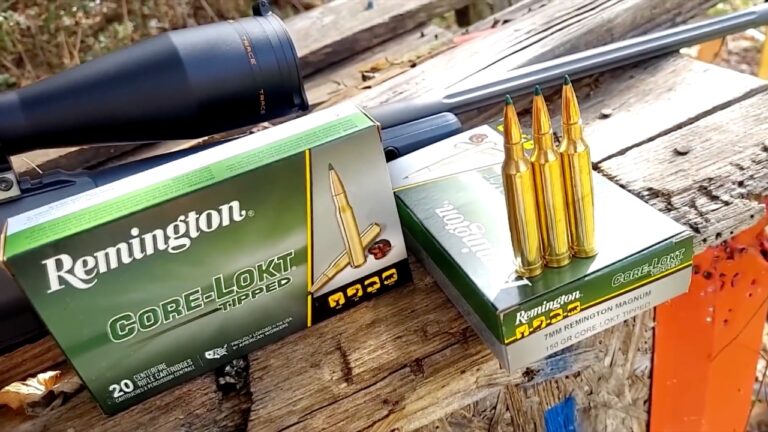
- Firearm sighted in with the exact load you will hunt with
- Ammunition, enough for a zero check plus hunting (keep extra in the truck)
- Sling, and shooting sticks or a bipod
- Scope covers and a lens cloth
- Muzzleloader supplies: powder, primers, bullets, speed loaders, cleaning jags
- Gun case, used the way your state’s transport laws require
Hunting a straight-wall or restricted-rifle state? Several of those rules changed for 2026 — see our 350 Legend ammo guide.
Bow or Crossbow
- Bow or crossbow tuned and sighted in
- Arrows or bolts with broadheads tested for flight
- Release aid (and a backup)
- Bow hanger or crossbow rope cocker
- Broadhead wrench, spare blades and an Allen wrench set for field fixes
Firearm Safety Reminders
Treat every firearm as loaded, keep the muzzle in a safe direction and never climb into or out of a stand with a loaded gun. Use a haul rope, and unload before you raise or lower it.
Optics
- Binoculars (8x or 10x is ideal for most whitetail country)
- Rangefinder, especially for bowhunters
- Harness or bino strap so glass stays quiet and handy, plus a lens pen or cloth
Calls, Scent and Attractants
This is the time of year calling earns its keep. Check your state rules first: some restrict natural urine-based lures because of chronic wasting disease (CWD) concerns, and some restrict baiting.
- Grunt call
- Doe bleat can call
- Rattling antlers or rattle bag for pre-rut and rut
- Buck or doe lure, where legal
- Scent-free body wash, detergent and field spray
- Wind checker (powder bottle or milkweed)
- Scent-free storage tote or bag for your hunting clothes
Primos has replaced the original Buck Roar with the Buck Roar 2 at $24.99, so look for the “2” if you are shopping off an old recommendation.
Check the current price of the Primos Buck Roar 2 Deer Call at Bass Pro Shops
For lure, Tink’s #69 Doe-In-Rut is the name most hunters know. Tink’s also sells synthetic #69, legal in more places than natural urine, so check your regulations first.
Check the current price of the Tink’s #69 Doe-In-Rut Buck Lure at Bass Pro Shops
Treestand, Blind and Safety Gear
Falls from treestands are a leading cause of serious hunting injuries, so this section is not optional if you hunt off the ground.
- Full-body safety harness, inspected for wear and within its expiration date
- Lifeline or safety rope so you are connected from the ground up
- Tree strap, suspension relief strap and a haul rope for your weapon and pack
- Stand, straps and climbing sticks checked for rust and loose bolts
- Stand seat cushion, or a quiet blind chair
- Hand pruners and folding saw for shooting lanes, where allowed
- Ground blind stakes and brush-in material
- Heater for blinds, only a model rated for that use, and never run a fuel-burning heater in a closed blind without airflow because of carbon monoxide risk
The Hunter Safety System Ultra-Lite Flex is the harness most of our readers end up in, and the one item on this list nobody should skip.
Check the current price of the Hunter Safety System Ultra-Lite Flex Harness at Bass Pro Shops
Safety tip: Tell someone exactly where you are hunting and when you will be back, and keep your phone on you, not in a pack on the ground.
Field Dressing and Recovery Kit
When a deer goes down, you want everything in one place.
- Sharp hunting knife
- Replaceable-blade knife or spare blades for skinning
- Knife sharpener (compact rod or pocket sharpener)
- Shoulder-length field dressing gloves
- Paper towels or shop rags and a few zip-top bags for heart and liver
- Game bags and a bone saw if you quarter in the field
- Deer drag or a sled
- Blood tracking light or bright flashlight, and flagging tape to mark the last blood
- Tag and pen, attached as your state requires
- Cooler and ice if it is warm or you have a long drive
For the knife, a Morakniv Companion covers field dressing and camp chores for about $20.
Check the current price of the Morakniv Companion at Bass Pro Shops
Add a replaceable-blade folder like the Havalon Piranta-Edge if you cape and want a scalpel edge every time.
Check the current price of the Havalon Piranta-Edge at Cabela’s
For more options, see our guide to the best hunting knives under $50.
Food safety tip: Get the deer cooled quickly. If it is warm, skin and quarter it or get it to a processor or cooler as soon as you can.
Daypack Essentials
These are the small things that save a hunt. Keep them in your pack all season.
- Headlamp with a red light mode, plus spare batteries
- Backup flashlight
- Quiet hunting pack with a hydration pocket
- Water and snacks
- First aid kit with blood-stopping supplies, plus fire starter and an emergency blanket
- Map, GPS or phone app with offline maps of your property
- Portable phone charger
- Multi-tool, toilet paper in a zip-top bag and a small trash bag
- Reflective trail tacks to find your stand in the dark
A headlamp note: the Black Diamond Spot 400 has been run out, and Black Diamond now lists it only as a past-season item. The current model is the rechargeable Spot 400-R. Whatever you pick, make sure it has a red mode, and check the batteries now rather than at 5 a.m.
Truck and Camp Checklist
- Tote with spare clothes and dry boots
- Tarp or truck bed liner for hauling deer, and ratchet straps
- Jumper cables and a tow strap
- Extra ammo, arrows and batteries
- Cash for the processor
Catch-Up To-Do List
If the season got ahead of you, do these before your next sit:
- Confirm your zero or bow tune with your hunting setup.
- Inspect stands, straps and harness, and replace anything worn.
- Wash hunting clothes in scent-free detergent and store them sealed.
- Check trail cameras, batteries and cards.
- Line up a processor now, because they fill up fast once gun season opens.
Frequently Asked Questions
What should I bring deer hunting for the first time?
At minimum: your license and tags, a sighted-in weapon, blaze orange if required, warm layers, a knife, a headlamp, a safety harness if you use a stand, and a phone. Add field dressing gloves, water and snacks, then build out the rest of this checklist as you learn how you like to hunt.
What do you need in a field dressing kit?
A sharp knife, a way to sharpen it, long field dressing gloves, paper towels, a few plastic bags, and a drag or sled. A bone saw and game bags help if you plan to quarter the deer. Keep it in one bag so it is ready when a deer is down.
Do I need a safety harness in a treestand?
Yes. A full-body harness connected to the tree from the moment you leave the ground is the best way to prevent serious injury from a fall. Hunting organizations and state agencies strongly recommend one every time, including with ladder stands.
How much blaze orange do I need?
It depends on your state and season. Many states require a set amount of blaze orange, often a hat and a vest or jacket, during firearms seasons. Check your state’s regulations, because requirements vary.
Final Thoughts: Work This Deer Hunting Gear Checklist Tonight
The best time to use a deer hunting gear checklist is before your next hunt, not after you have already missed one. Work through it a section at a time, replace anything worn out, grab the small stuff like hand warmers and fresh headlamp batteries, and double check your license and tags. When the alarm goes off, all you should have to do is get dressed and go.