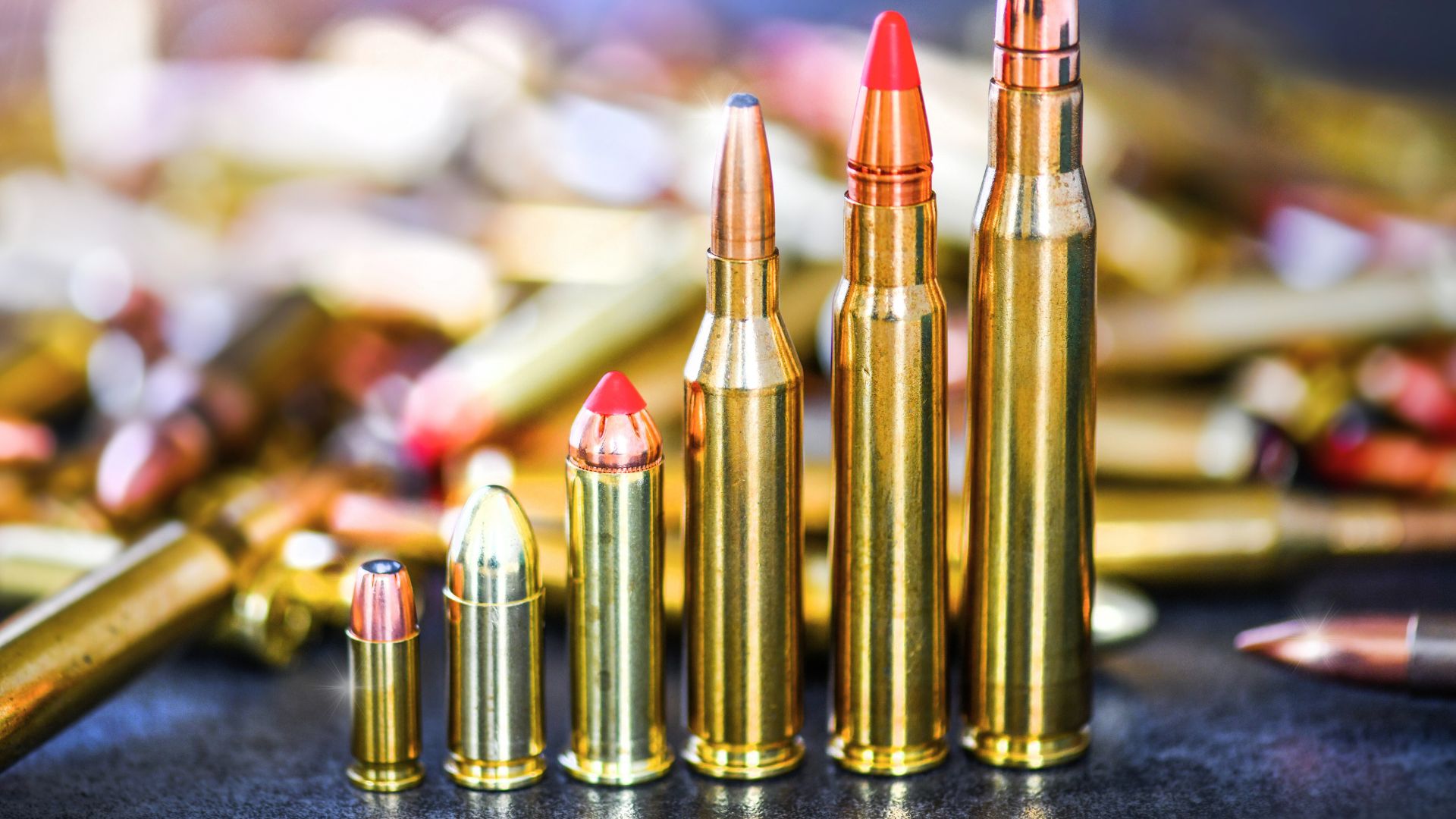
Photo credit: Krasula/Shutterstock.com
Every few years, the shooting world gets a “next big thing” in rifle calibers—something that promises to outperform everything that came before it. The ads talk about flatter trajectories, lower recoil, and better energy retention. Shooters rush to buy rifles chambered for it, shelves fill with expensive new ammo, and for a brief moment, everyone’s convinced it’s the future. Then, after a few seasons, the buzz fades. Ammo gets hard to find, reloading dies slow down, and the same people who hyped it move on to the next miracle cartridge. Here are the rifle rounds that burned bright but fizzled fast, leaving shooters with rifles they can’t find ammo for.
.30 Remington AR
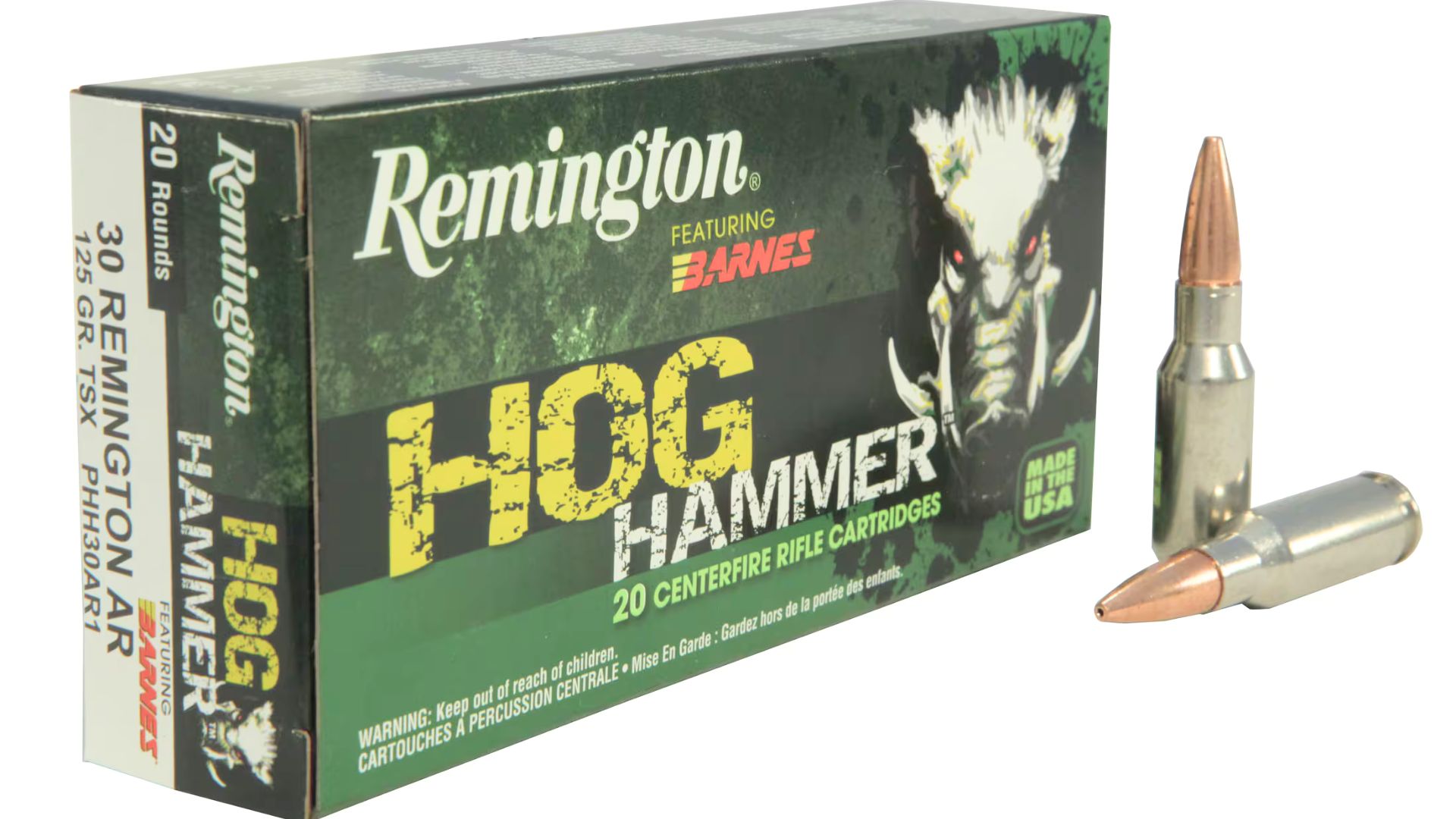
When the .30 Remington AR debuted, it was supposed to give AR-15 owners .308-like performance without needing an AR-10 platform. On paper, it made perfect sense. In practice, it never caught on. The round required a proprietary bolt and magazines, making it far less compatible than advertised.
While it performed well enough for medium game, its niche appeal and limited factory ammo killed it fast. By the time shooters started warming up to the idea, Remington’s attention had already shifted elsewhere. The .30 Rem AR ended up being more of a curiosity than a contender, another cartridge that promised a bridge between worlds and fell into the gap instead.
.17 Winchester Super Magnum
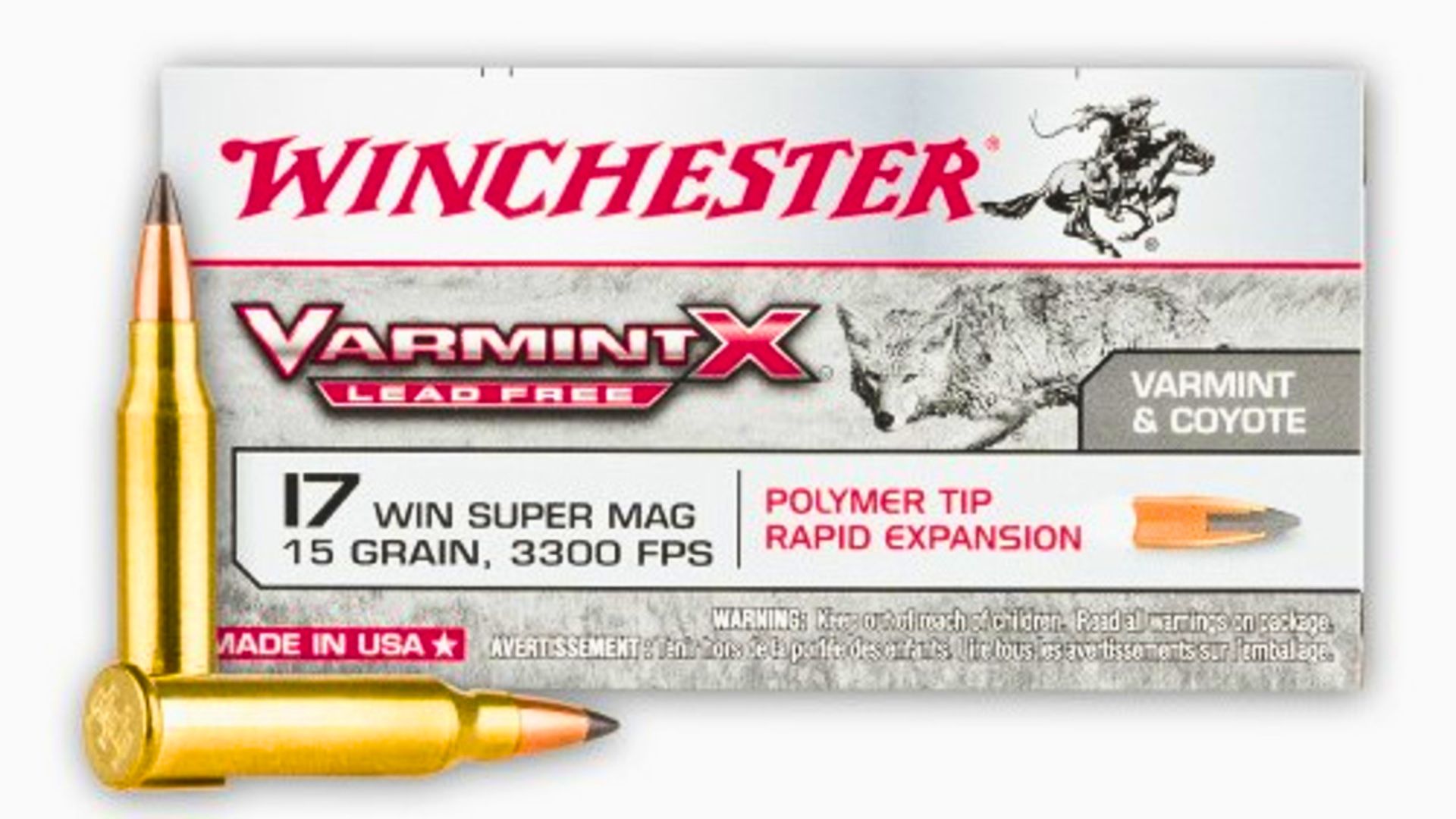
The .17 WSM entered the rimfire market with a bang—literally. It offered blistering speed and flat trajectories that outclassed the .17 HMR. But the extra performance came with quirks. It burned barrels faster, had limited rifle options, and cost more to shoot than most rimfires.
The hype couldn’t outweigh the headaches. Shooters liked the numbers but not the results in the field. Accuracy varied, and few manufacturers committed to making rifles for it. Within a few short years, it went from headline material to a niche round for diehards and varmint experimenters. It was a cartridge that proved performance on paper doesn’t guarantee staying power.
6.8 Remington SPC

The 6.8 SPC was designed with good intentions—better terminal ballistics from the AR-15 platform. It worked well in theory and in controlled tests, but it never managed to replace 5.56 NATO or gain wide support. By the time it hit the market, the industry was already moving toward the 6.5 Grendel and other emerging options.
The round offered decent energy but lacked range and compatibility with standard AR parts. Ammunition prices stayed high, and the performance gap over 5.56 wasn’t enough to justify switching. Today, it’s hanging on in small circles, but the big wave of adoption it was supposed to bring never arrived.
.300 RUM (Remington Ultra Magnum)

The .300 RUM came roaring in with big promises—flat-shooting, hard-hitting, and built for long-range hunters. It delivered power, but at the cost of punishing recoil and barrel life. The round was expensive to shoot and never quite matched its marketing when it came to practical field use.
It’s still loved by a few dedicated magnum shooters, but the average hunter quickly realized a .300 Win Mag did nearly the same job without the downsides. The RUM burned bright in catalogs and gun shows but fizzled once shooters saw what it did to their shoulder and wallet.
.22 Nosler
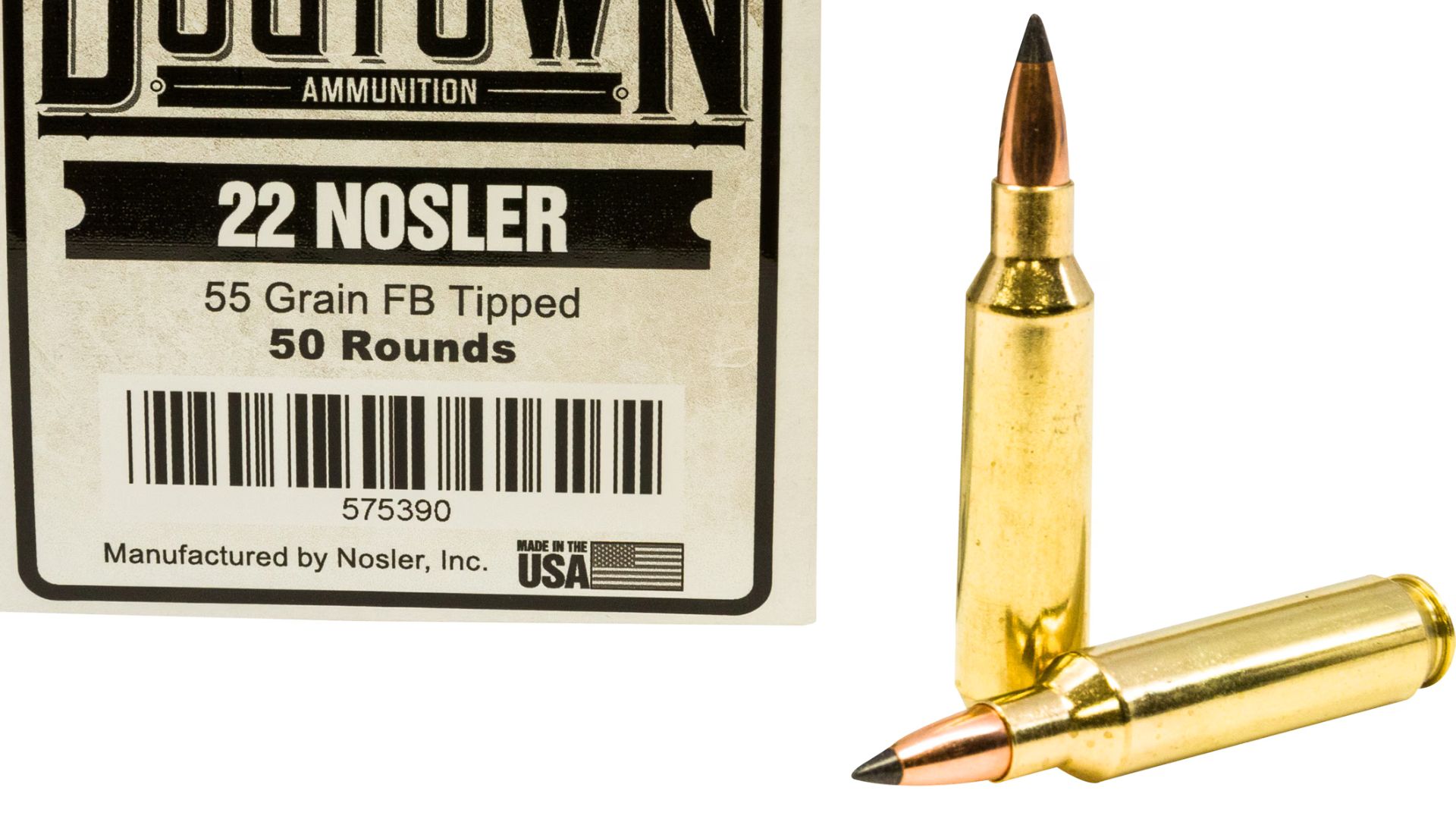
The .22 Nosler was introduced as a hot new AR-15 cartridge that offered better velocity than 5.56 and fit standard magazines. It worked, but it also required a special bolt, and that limited appeal from the start. The performance gains were marginal enough that few shooters saw a reason to switch.
It was marketed as a game-changer for varmint and predator hunters, yet those same shooters already had tried-and-true options. Without broad manufacturer backing or consistent ammo availability, the .22 Nosler’s brief run ended with little fanfare. It proved that hype alone can’t keep a cartridge alive in an already crowded caliber family.
.375 Ruger
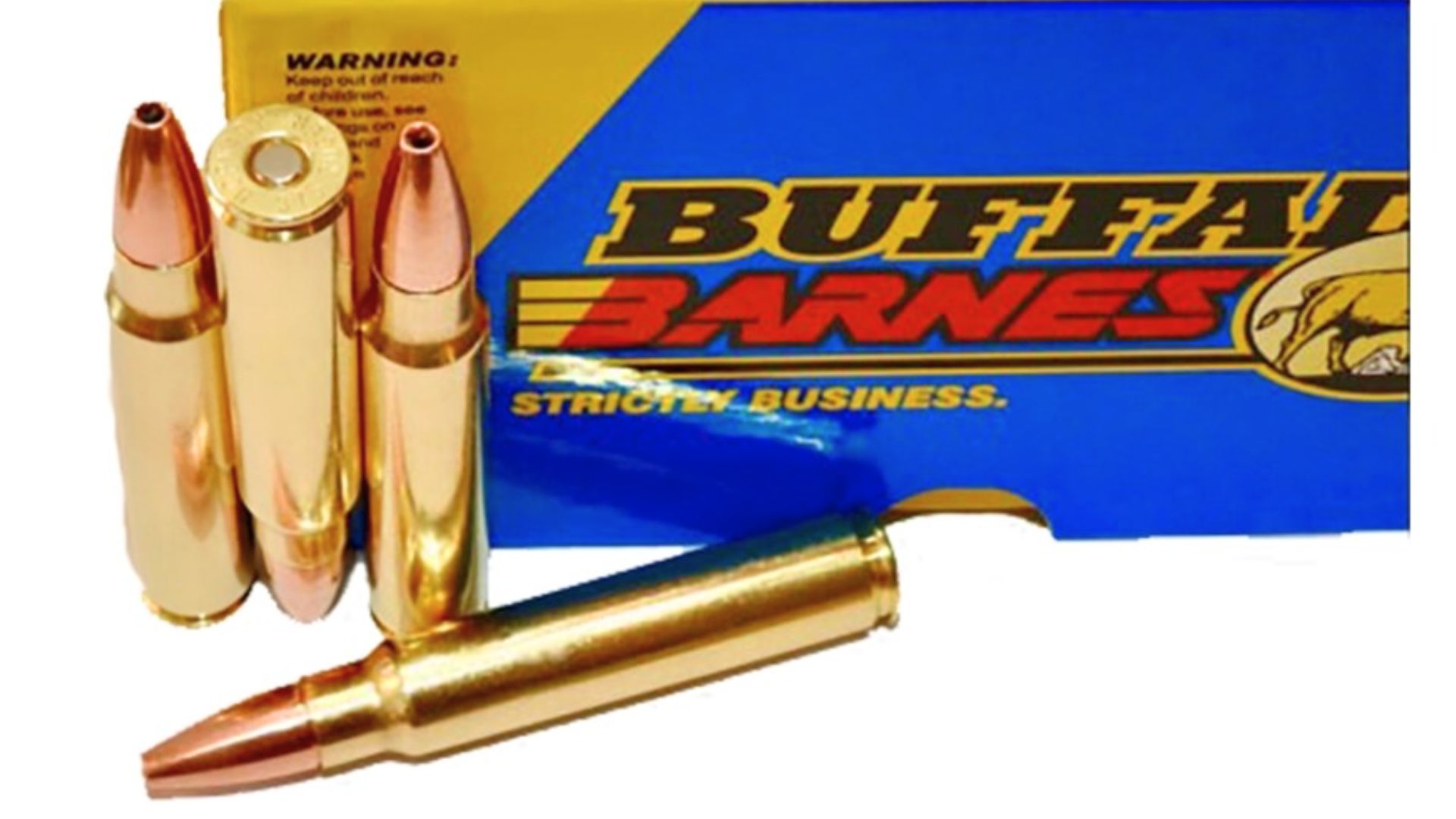
When the .375 Ruger appeared, it aimed to modernize dangerous-game rifles with standard-length actions and strong ballistics. It worked well and earned respect for power and practicality. The problem? Few hunters truly needed it. The market for African-capable rifles was already small, and most who did go on those hunts stuck with the .375 H&H.
The Ruger’s strong performance couldn’t make up for limited use cases. It’s still out there, but mostly in the hands of collectors or die-hard Ruger fans. For everyone else, the cartridge faded once the excitement wore off.
5mm Remington Rimfire Magnum

The 5mm RRM was introduced in the late 1960s and was ahead of its time—too far ahead. It offered more power than .22 WMR but required proprietary rifles and ammo. When Remington stopped supporting it, the round all but vanished.
Decades later, a brief revival sparked interest again, but it didn’t last. The rimfire market had moved on, and few were willing to bet on another short-lived round. The 5mm RRM remains a classic example of a great idea killed by poor support.
.260 Remington

The .260 Remington had everything going for it—flat trajectory, mild recoil, and excellent long-range performance. But poor marketing and timing let the 6.5 Creedmoor steal the spotlight. The Creedmoor wasn’t dramatically better, but it had better promotion, more ammo options, and faster adoption by rifle manufacturers.
As a result, the .260 faded into the background, kept alive mostly by reloaders. It’s a capable round, but in the marketplace, capability isn’t everything. The .260 Rem showed that without solid backing and broad availability, even a great cartridge can vanish fast.
.224 Valkyrie

The .224 Valkyrie was marketed as the AR-15’s answer to the 6.5 Creedmoor—long-range precision in a lightweight platform. Early reviews praised its potential, but reality didn’t match the hype. Accuracy issues plagued early rifles, and inconsistent factory loads hurt its credibility.
Shooters discovered it was finicky with barrel twist rates and sensitive to bullet weight. The round still has a niche following, but the big wave never came. Once the initial buzz faded, most shooters went back to 6.5 Grendel or .223 match loads that simply worked.
8mm Remington Magnum
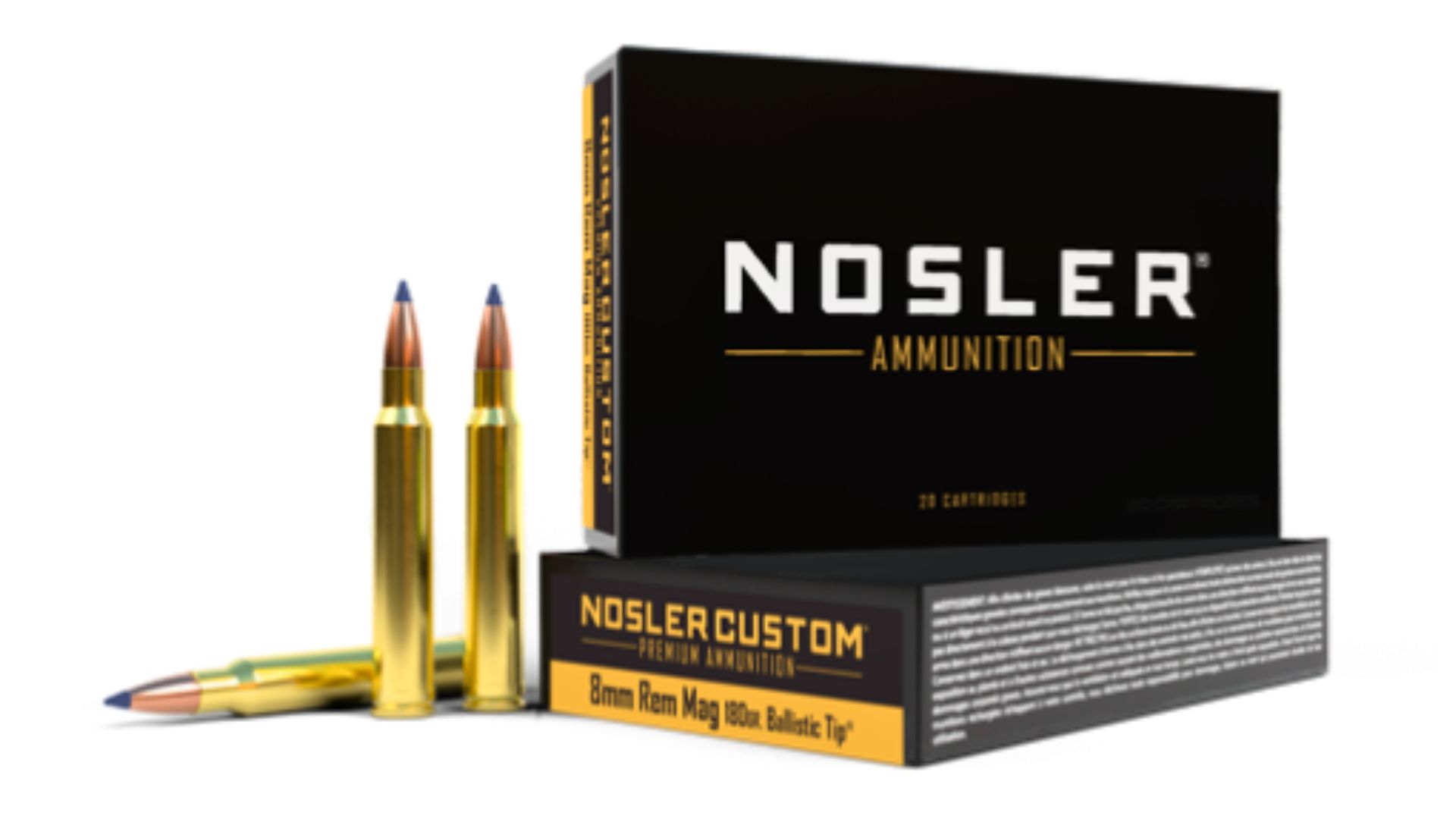
The 8mm Rem Mag hit the market with fanfare in 1978, designed to outperform .300 Win Mag and rival the .338s. It did, but nobody cared. It was too powerful for deer, overkill for most elk, and lacked bullet variety in the U.S. market.
Its recoil was fierce, and its purpose unclear. It’s capable, no doubt—but capability alone doesn’t sell rifles. The 8mm Rem Mag died quietly, another victim of American shooters’ reluctance to embrace anything that didn’t start with “.30” or “.33.”
.17 Hornet
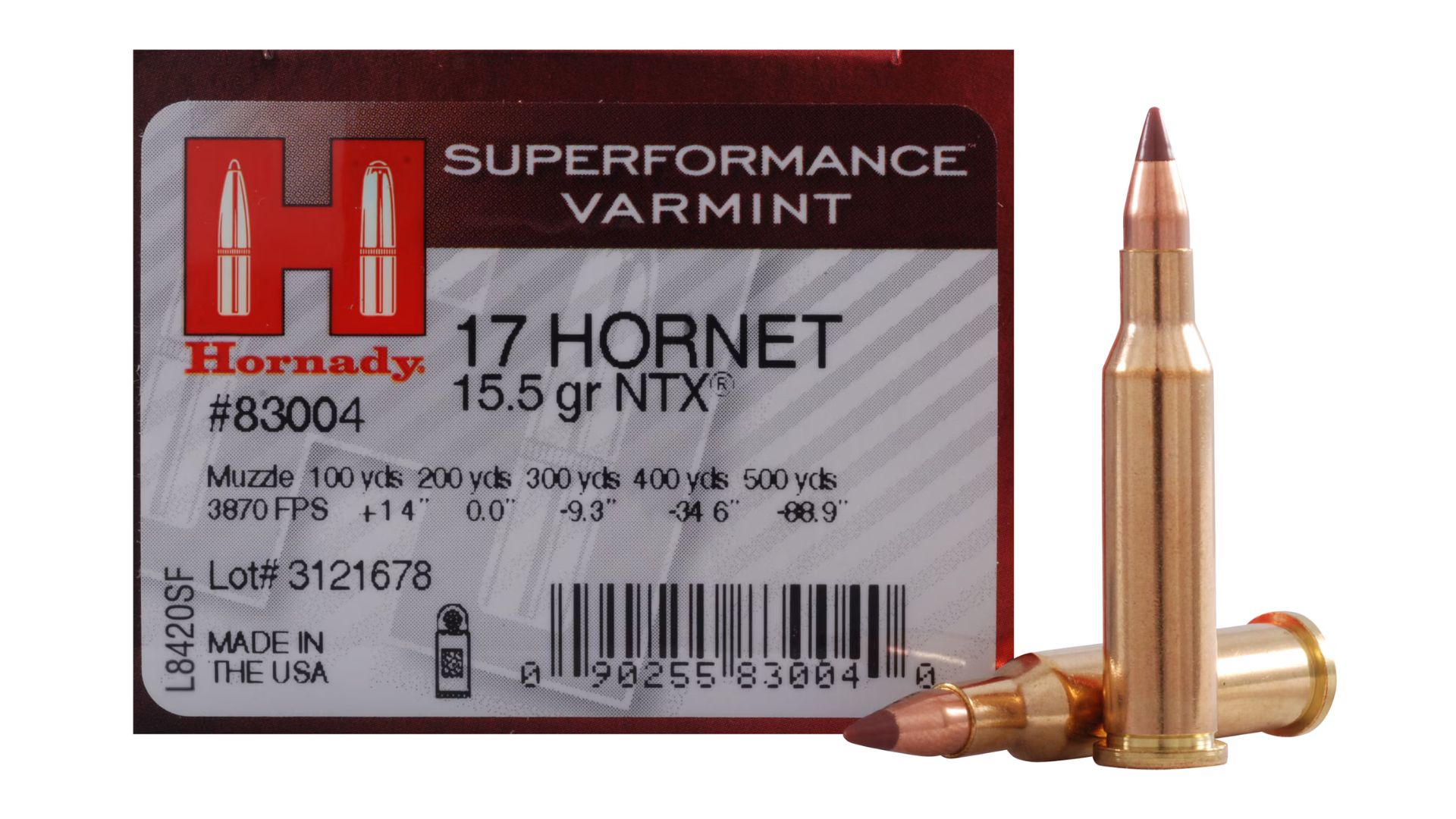
The .17 Hornet offered blistering speed with minimal recoil, ideal for varmint hunters who wanted something between rimfire and centerfire. But it came too late to make a dent in the .17 HMR’s dominance or .204 Ruger’s momentum.
Its performance was good, but ammo cost and limited rifle availability hurt it from the start. Those who tried it loved the accuracy, but too few ever gave it a chance. It remains one of those rounds that deserved more time in the spotlight—but the spotlight had already moved on.
Like The Avid Outdoorsman’s content? Be sure to follow us.
Here’s more from us:
The worst deer rifles money can buy
Sidearms That Belong in the Safe — Not Your Belt
*This article was developed with AI-powered tools and has been carefully reviewed by our editors.