Photo credit: Volodymyr TVERDOKHLIB/ShutterStock.com
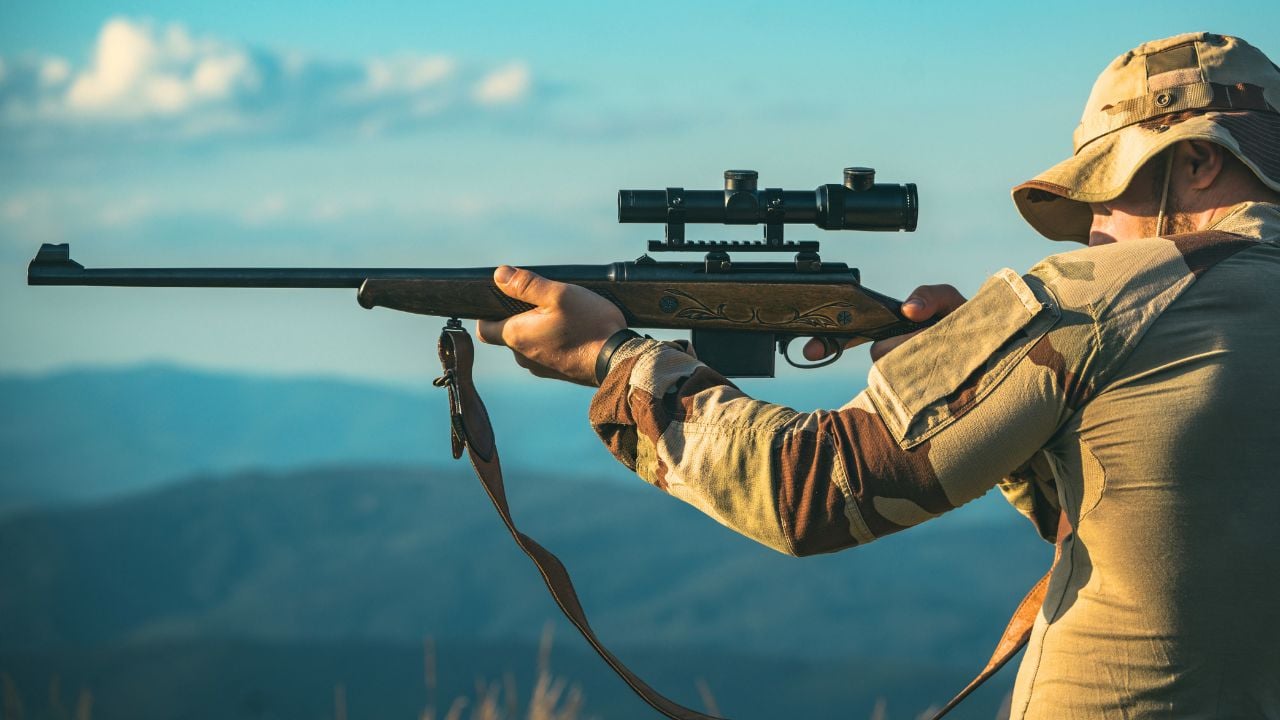
Every hunter has had that rifle that seemed to hate glass. No matter how carefully you mounted the optic, by the end of a season it was rattling loose or wandering off zero. It’s not always the scope’s fault—some rifles generate recoil patterns or vibrations that punish mounts and screws more than others. Add in heavy calibers, poor stock design, or inconsistent bedding, and you’ve got a recipe for frustration. If you’ve spent more time re-tightening rings than hunting, you’ll recognize these rifles.
Ruger No. 1 in .45-70
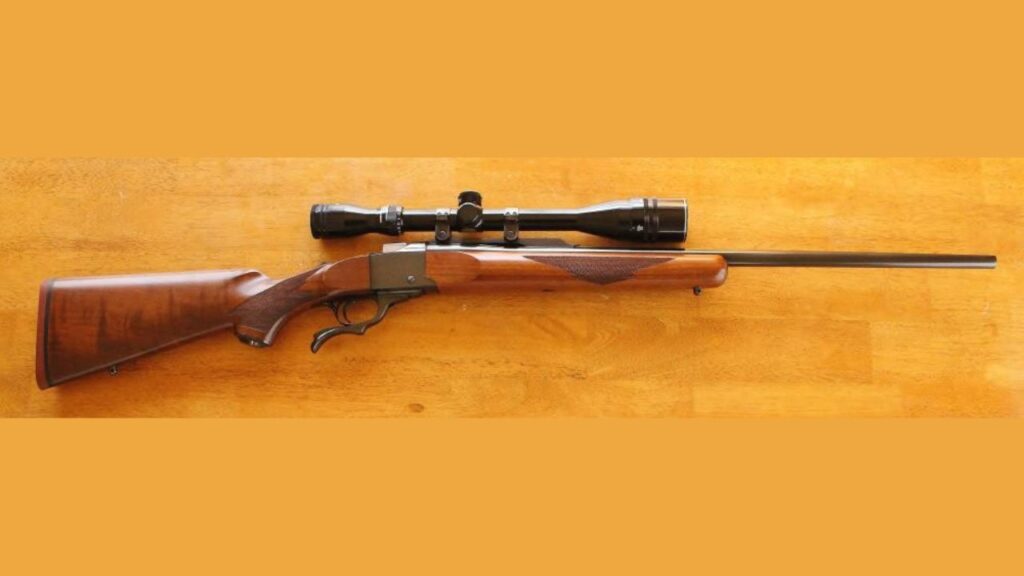
The Ruger No. 1 in .45-70 is a single-shot powerhouse, but it’s notorious for shaking scopes loose. The rifle is compact, which means more felt recoil comes back to the shooter and the optic. Combine that with heavy bullets and the sharp recoil impulse of the falling-block action, and scopes tend to slip no matter how well they’re mounted.
Hunters often report that even quality optics with solid rings will shift over a season of shooting. It’s a rifle built for power, but it demands careful scope mounting, thread locker, and sometimes heavier bases to keep everything secure. If you don’t give the mounting system extra attention, expect to be re-tightening every season.
Marlin 1895 GBL
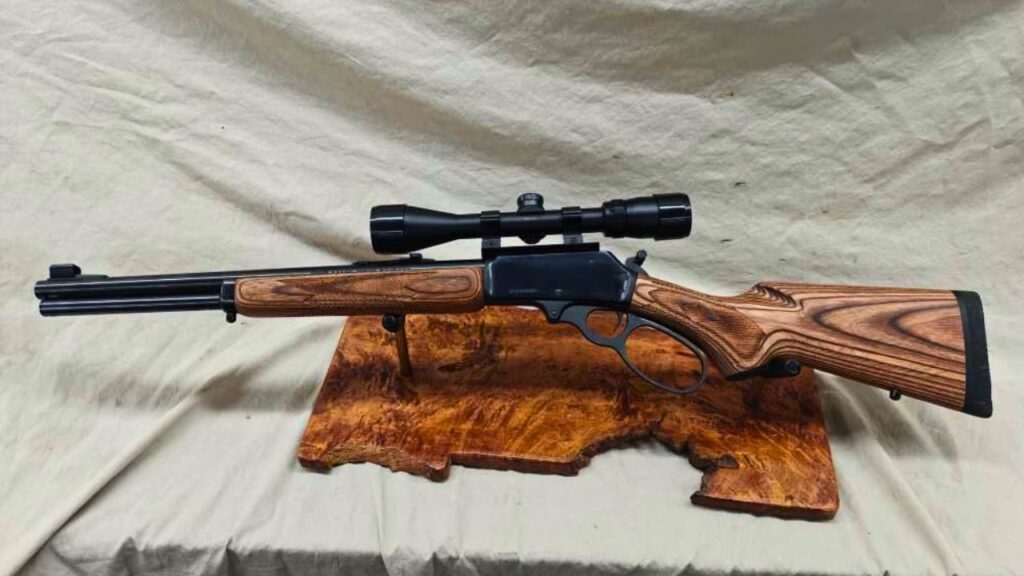
The Marlin 1895 GBL, chambered in .45-70, is a favorite for bear country but rough on optics. Its short barrel and lightweight design amplify recoil, and the lever-action layout means the stock doesn’t absorb as much of the shock as a heavier bolt gun might. The combination makes scopes walk forward in the rings or loosen screws over time.
Plenty of hunters have learned the hard way that even premium optics can lose zero quickly on this rifle. It’s one of those cases where iron sights often prove more reliable. If you insist on glass, you need heavy-duty mounts and constant checks. Otherwise, your optic will never stay secure through a season.
Mosin-Nagant M44
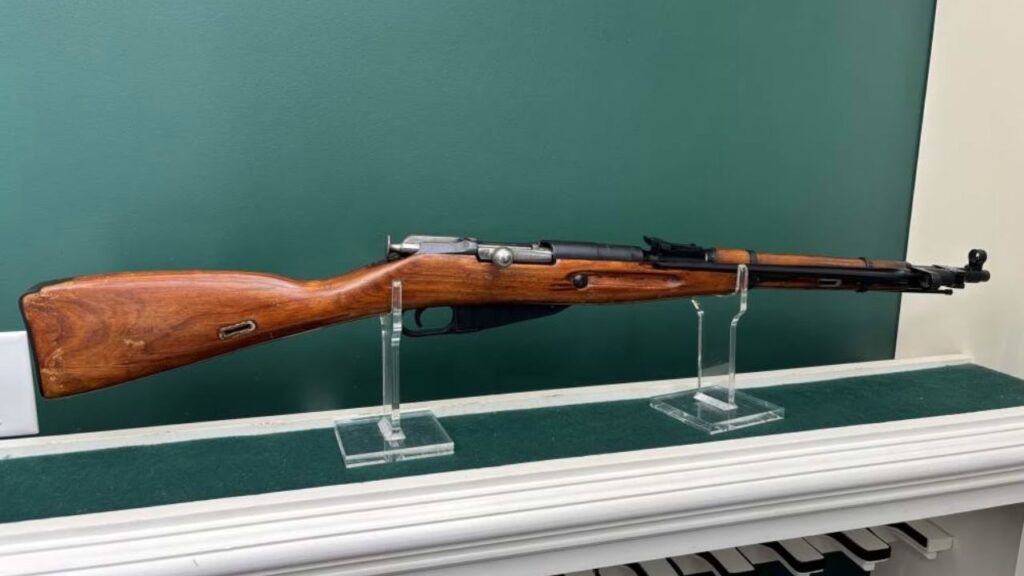
The Mosin-Nagant M44 carbine is compact, powerful, and punishes optics with its recoil impulse. Hunters who’ve tried to sporterize one often discover that the rifle simply doesn’t play well with scopes. Its short length and muzzle blast create vibrations that loosen mounts after only a handful of shots.
Even when you use proper scope bases, the combination of surplus ammo and the M44’s recoil can cause screws to back out. It’s a rifle better left with irons if you want consistency. The M44 can certainly take game, but when it comes to glass, you’ll spend more time re-tightening than shooting.
Remington 7600 in .30-06
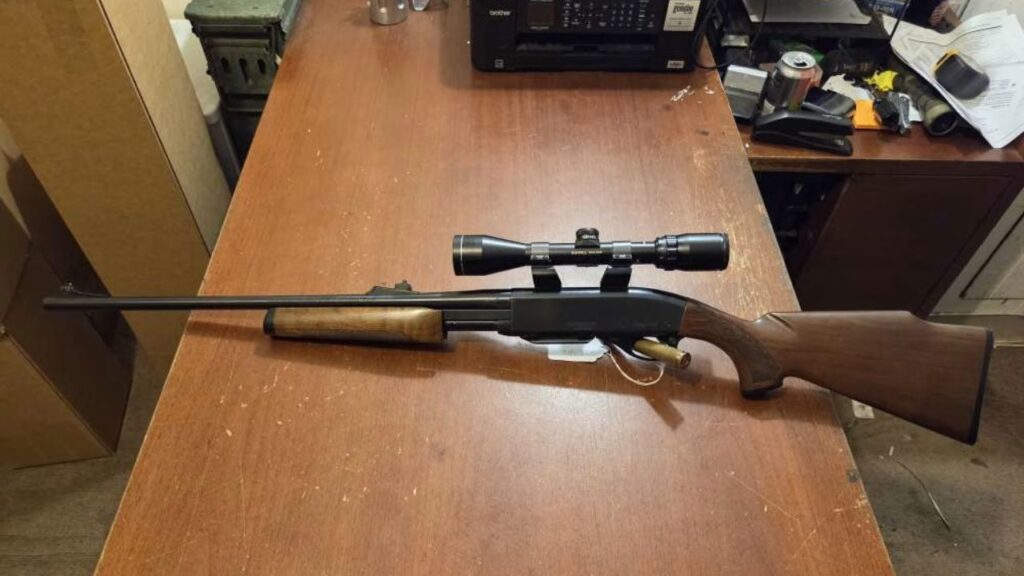
The Remington 7600 pump-action rifle has loyal fans, but its design is rough on optics. The action’s recoil impulse is different from bolt guns, with a sharper rearward push that translates directly to the scope. When chambered in .30-06, that extra jolt often sends mounts and rings creeping over time.
Many owners complain of scopes losing zero season after season, no matter how well they’re mounted. It’s not that the rifle is unreliable, but the way recoil is delivered makes optics take a beating. If you plan to glass a 7600, you’ll need thread locker and frequent checks to keep it steady.
Winchester 94 in .450 Marlin
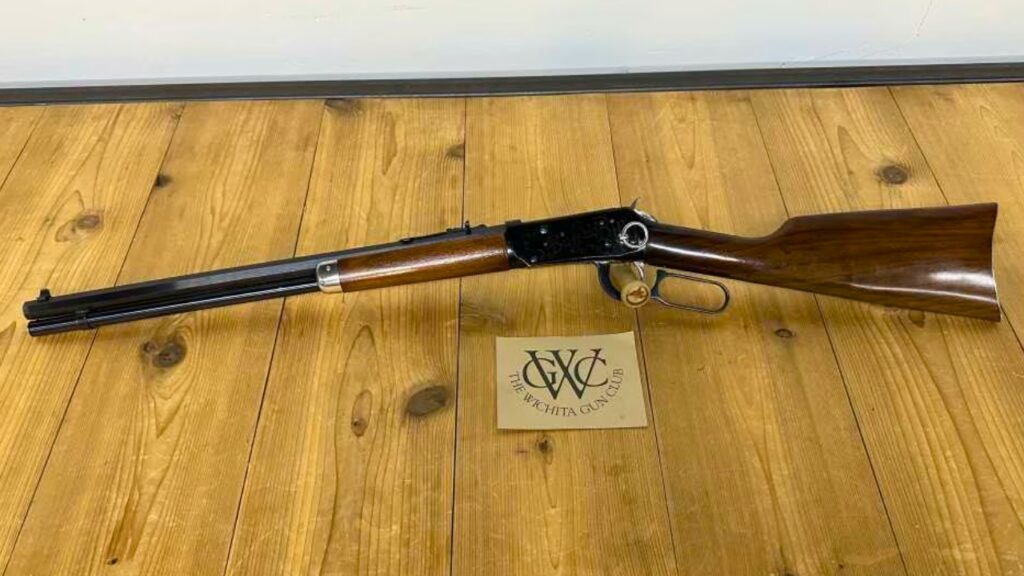
The Winchester 94, especially chambered in .450 Marlin, is another rifle infamous for punishing scopes. The lever-action design wasn’t originally built for heavy recoiling calibers, and the addition of .450 power makes it brutal on optics. The sharp kick pushes mounts loose, and rings often shift after repeated shots.
Plenty of hunters stick with iron sights on this rifle because glass just doesn’t stay put. Those who try often end up frustrated, finding their zero wandering after only a few range trips. The 94 in .450 Marlin will deliver power in the woods, but it’s no friend to scopes.
Ruger Gunsite Scout
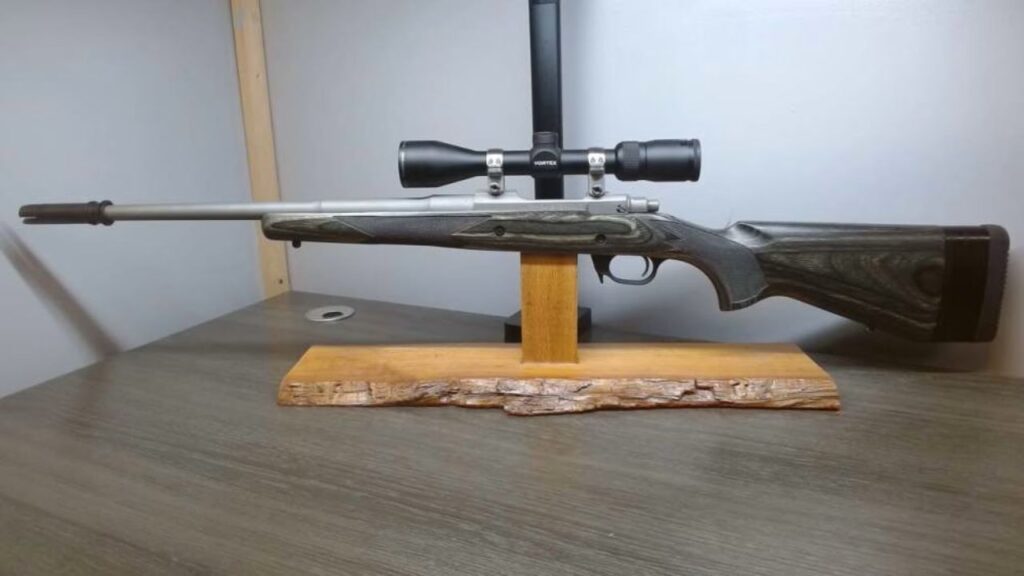
The Ruger Gunsite Scout is a versatile rifle, but when chambered in .308 and paired with forward-mounted optics, it can be rough on scopes. The recoil impulse combined with the scout rail setup often causes rings to creep or screws to loosen. Over a season of shooting, hunters report chasing zero constantly.
Forward-mounted scopes are already under more stress due to placement, and the Gunsite’s design doesn’t help. If you plan to scope this rifle, you’ll want to invest in extra-sturdy mounts. Otherwise, you’ll find yourself re-tightening or replacing gear more often than shooting confidently in the field.
Weatherby Mark V in .300 Weatherby Magnum
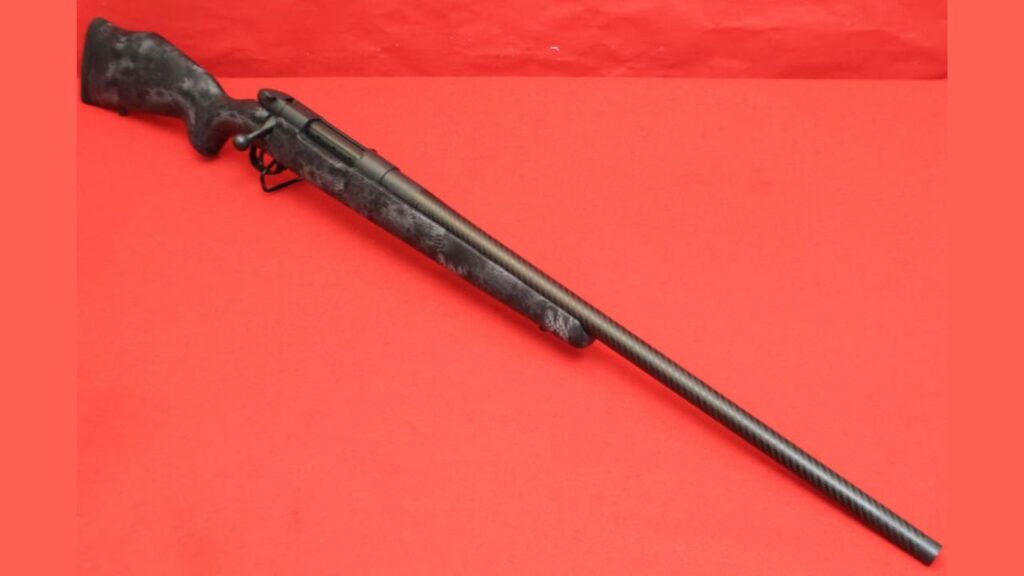
The Weatherby Mark V is a classic magnum rifle, but its recoil in .300 Weatherby is notorious for battering scopes. The rifle is designed for power, not comfort, and that means optics take the brunt of the punishment. Even premium scopes have been known to creep or shift under its recoil.
Hunters who use this rifle often check their mounts after every outing, knowing that screws can loosen easily. It’s a rifle that delivers downrange energy, but it also teaches you the importance of solid bases and proper mounting. Without them, your zero won’t last a season.
Browning BLR in .358 Winchester
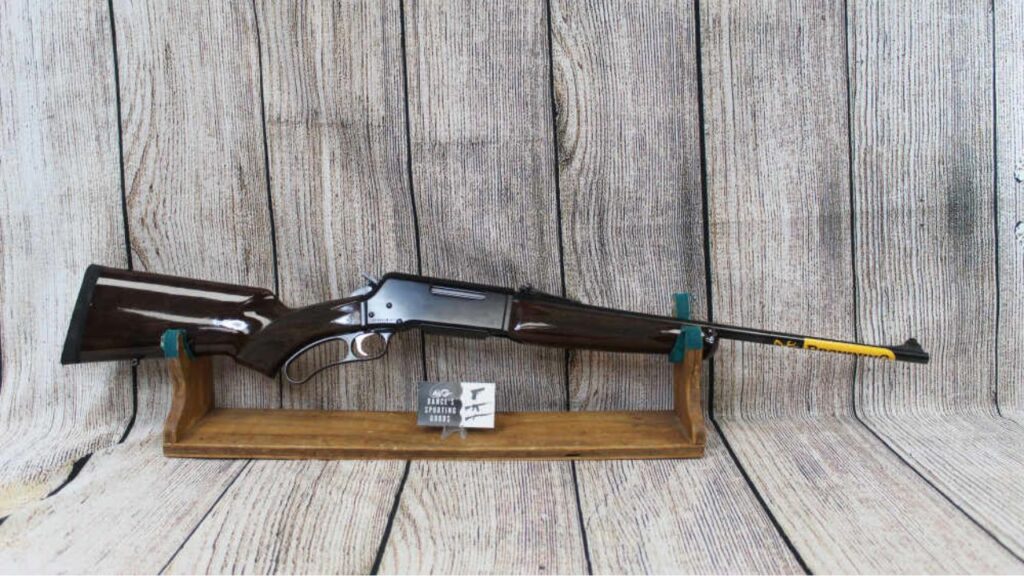
The Browning BLR in .358 Winchester is a lever-action rifle with plenty of punch, but it doesn’t treat optics kindly. The combination of lever-action recoil and the cartridge’s sharp push means scopes often work loose. Hunters frequently report chasing zero with this setup year after year.
The rifle handles well in the field, but its relationship with optics is shaky at best. If you run a BLR in .358, you’ll want to check screws and mounts constantly. Otherwise, you’ll be in for frustration as your groups spread and your scope walks.
Tikka T3 Lite in .300 Win Mag

The Tikka T3 Lite is a lightweight rifle chambered in a heavy recoiling caliber, and that’s a recipe for shaking optics. Its lack of mass amplifies recoil, and scopes take the punishment directly. Many hunters find that their zero won’t last a full season without re-tightening mounts.
While the rifle is accurate and well-built, its weight works against it when paired with magnums. If you want to glass a T3 Lite in .300 Win Mag, invest in quality mounts and check them often. Otherwise, you’ll find your scope wandering after only a few outings.
Savage 99 in .300 Savage
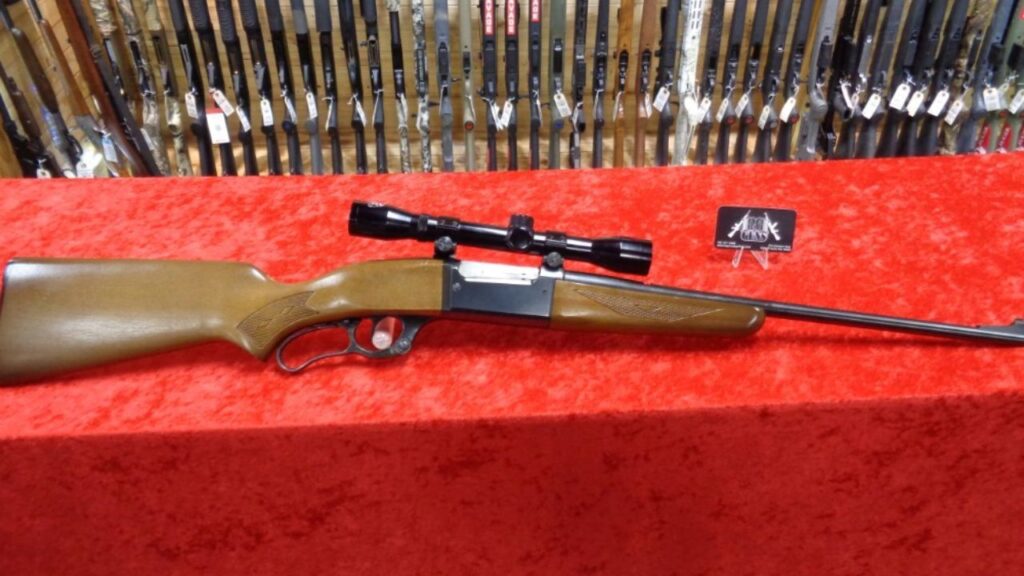
The Savage 99 is a respected rifle, but when chambered in .300 Savage, it can be surprisingly hard on optics. The lever-action design and recoil impulse tend to shake mounts loose over time. Hunters who scope these rifles often find themselves re-tightening every season.
It’s not that the rifle is poorly designed—it’s simply that the combination of caliber and action style doesn’t play well with optics. Iron sights remain the more reliable choice for many owners. If you scope a 99, be prepared for maintenance.
Marlin 336 in .35 Remington

The Marlin 336 is a trusted lever gun, but in .35 Remington, it delivers a recoil impulse that frequently works scopes loose. Hunters have long reported issues with rings creeping and screws backing out over a season of use. Even with thread locker, it’s common to see shifts in zero.
Plenty of owners stick to irons on this classic, knowing that glass is often more trouble than it’s worth. If you do mount a scope, expect to re-tighten frequently. The 336 in .35 Remington is reliable in the field, but it’s not easy on optics.
Remington 700 Mountain Rifle in .280 Rem
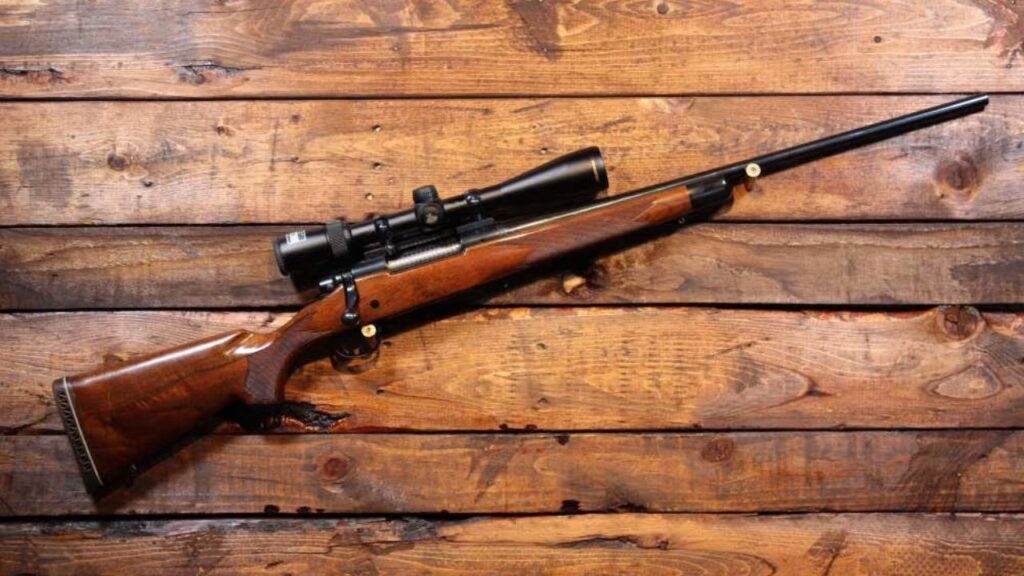
The Remington 700 Mountain Rifle in .280 Rem is lightweight and accurate, but its recoil profile makes it punishing on scopes. The lack of mass means more energy is transferred to the optic, and mounts often loosen over the course of a season.
Hunters appreciate the rifle’s handling, but many complain about chasing zero due to scope issues. With the Mountain Rifle, you need extra-sturdy bases and regular checks to keep your setup consistent. Otherwise, your groups will wander as the scope shifts under recoil.
*This article was developed with AI-powered tools and has been carefully reviewed by our editors.