
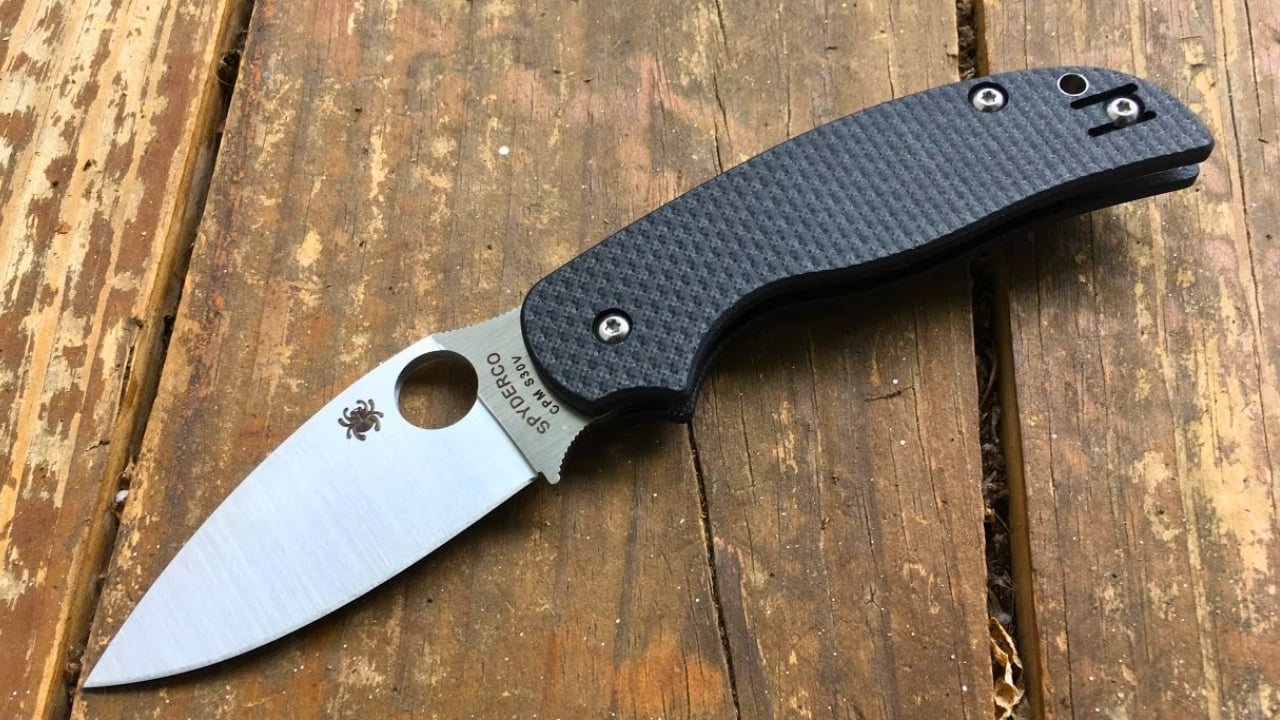
Photo credit: Nick Shabazz/YouTube
Knife companies change their catalogs constantly. A model that seems like it has been around forever can vanish after one slow sales year, while a particular steel, handle material, or blade configuration may disappear even though the basic knife survives. Once that happens, buyers who ignored it at normal retail prices sometimes wind up hunting the secondary market and paying considerably more.
That does not mean you should panic-buy every discontinued pocket knife. The ones worth watching are designs that offer something difficult to replace: unusual construction, great blade geometry, a favorite lock, premium materials, or simply a combination that manufacturers are unlikely to reproduce at the same price. If one of these 20 knives has already been sitting on your wish list, waiting indefinitely may not be the smartest strategy.
Spyderco Gayle Bradley 2
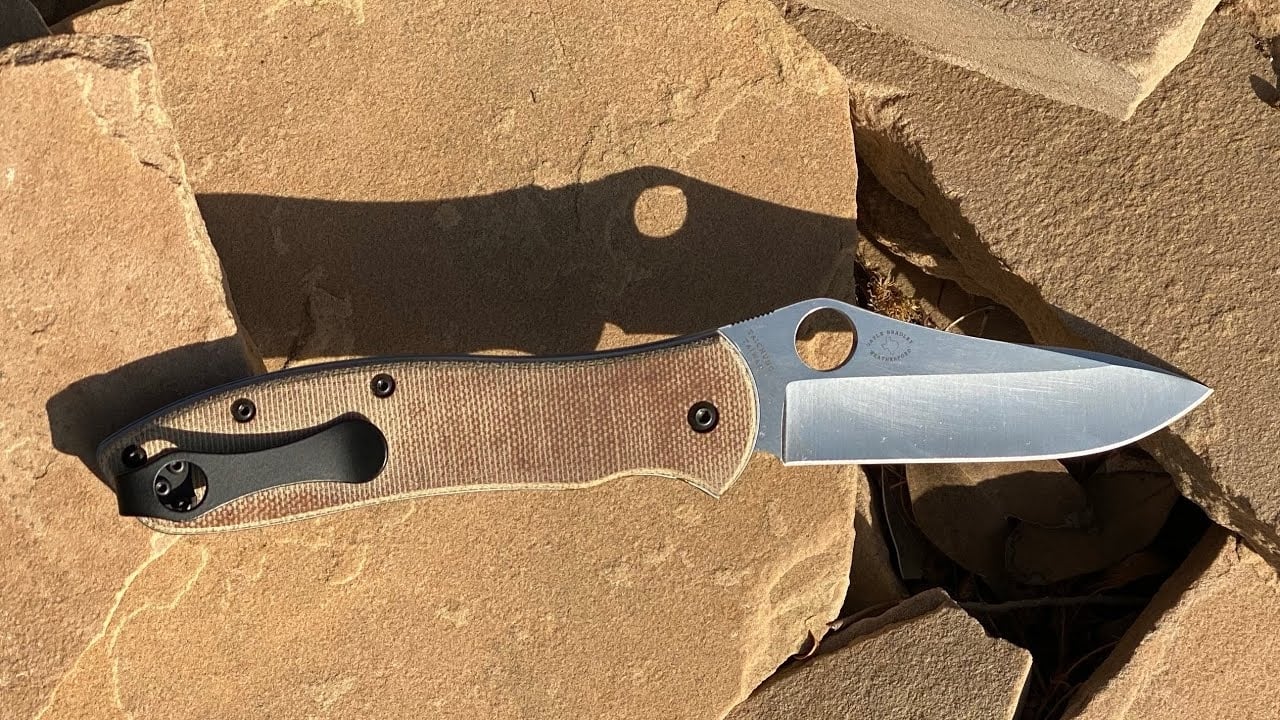
The Gayle Bradley 2 occupies a strange spot in Spyderco’s lineup. It is heavier and more industrial than the company’s mainstream EDC folders, with a liner lock, substantial construction, and a blade designed much more around cutting performance than flashy features. That specialized personality is exactly what makes it difficult to replace.
The knife has developed a loyal following because it feels like a serious working folder without becoming absurdly oversized. Its blade geometry is excellent, the handle is stable under pressure, and the whole knife has a purposeful feel that is increasingly uncommon as manufacturers chase lighter designs. If this exact combination appeals to you, buying one while examples remain easy to locate makes more sense than assuming Spyderco will always keep something similar around.
Benchmade Crooked River
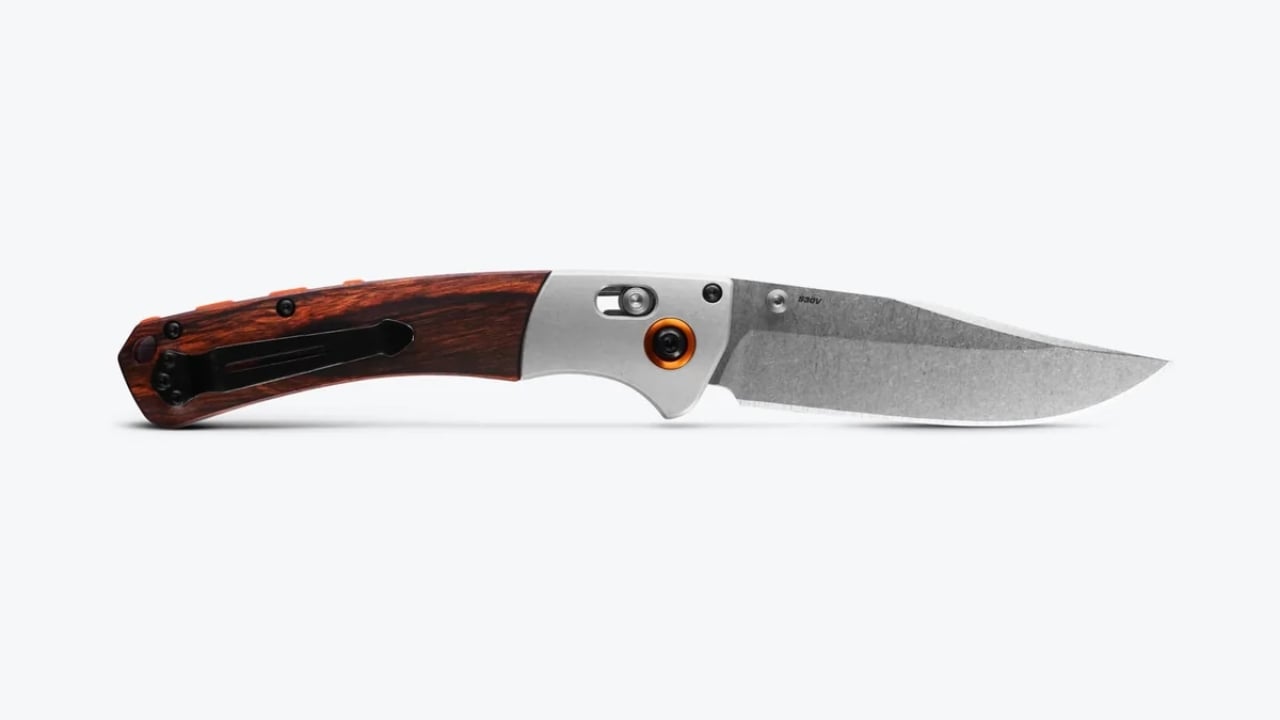
The Crooked River occupies a category Benchmade does not have many reasons to flood with alternatives. It is a large modern folder dressed like a traditional hunting knife, combining a clip-point blade, full-size handle, and AXIS-style operation with wood accents and classic proportions.
That combination is what makes it worth grabbing while you can. There are plenty of modern tactical folders and plenty of traditional hunting knives, but far fewer knives that successfully combine both ideas. The Crooked River also has enough size to handle serious outdoor work without abandoning one-handed operation. If Benchmade ever moves away from the design, finding a true replacement could be much harder than simply choosing another current model.
Spyderco Kapara
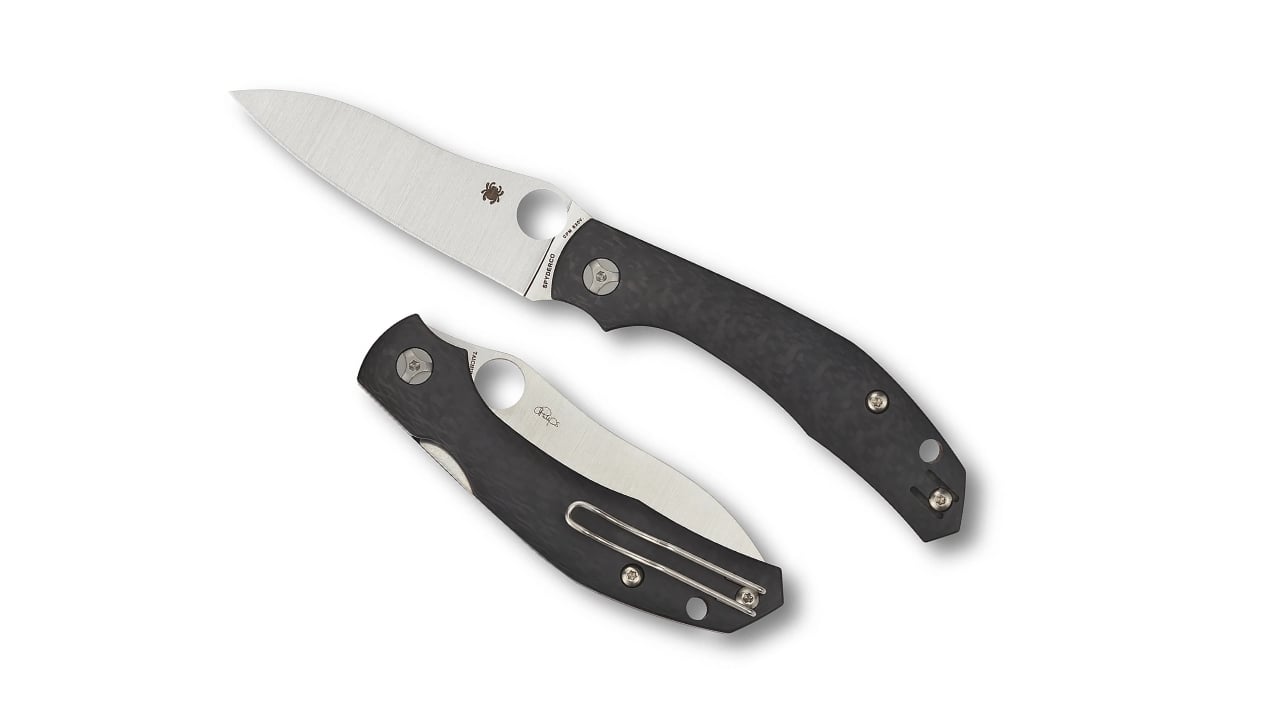
The Kapara is easy to overlook because it is not as rugged-looking as the Paramilitary or Shaman families. Its slender profile, long cutting edge, and refined handle make it feel more like a gentleman’s knife until you actually use it.
That is where the design starts making sense. The blade shape is excellent for food preparation, cardboard, rope, and ordinary EDC work, while the Compression Lock gives it much more capability than its clean appearance suggests. It is unusual enough that I would not assume another Spyderco will perfectly replace it if the exact configuration becomes difficult to find. The Kapara is one of those knives people tend to appreciate more after they disappear from store shelves than while they are readily available.
Kershaw Launch 1
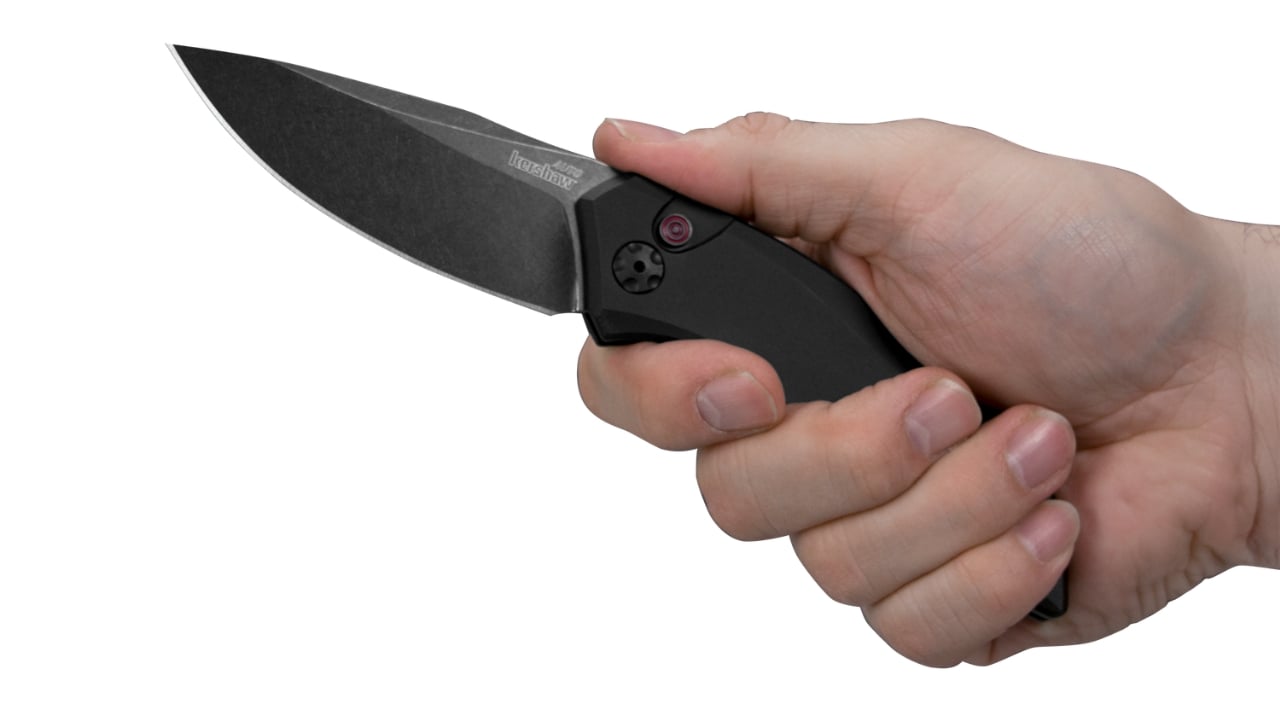
The Launch 1 represents the earlier, more straightforward side of Kershaw’s American-made automatic lineup. It has a large aluminum handle, useful blade shape, and none of the unnecessary complexity that sometimes creeps into newer automatic designs.
What makes it appealing is how direct everything feels. Press the button, the blade opens hard, and you have a full-size cutting tool with a simple handle and plenty of blade. Kershaw continually refreshes the Launch family, which means older configurations can get pushed aside as new models take their place. If the original Launch 1 is the version you prefer, waiting for something “better” may simply mean waiting until the version you wanted becomes harder to find.
Benchmade Mini Crooked River
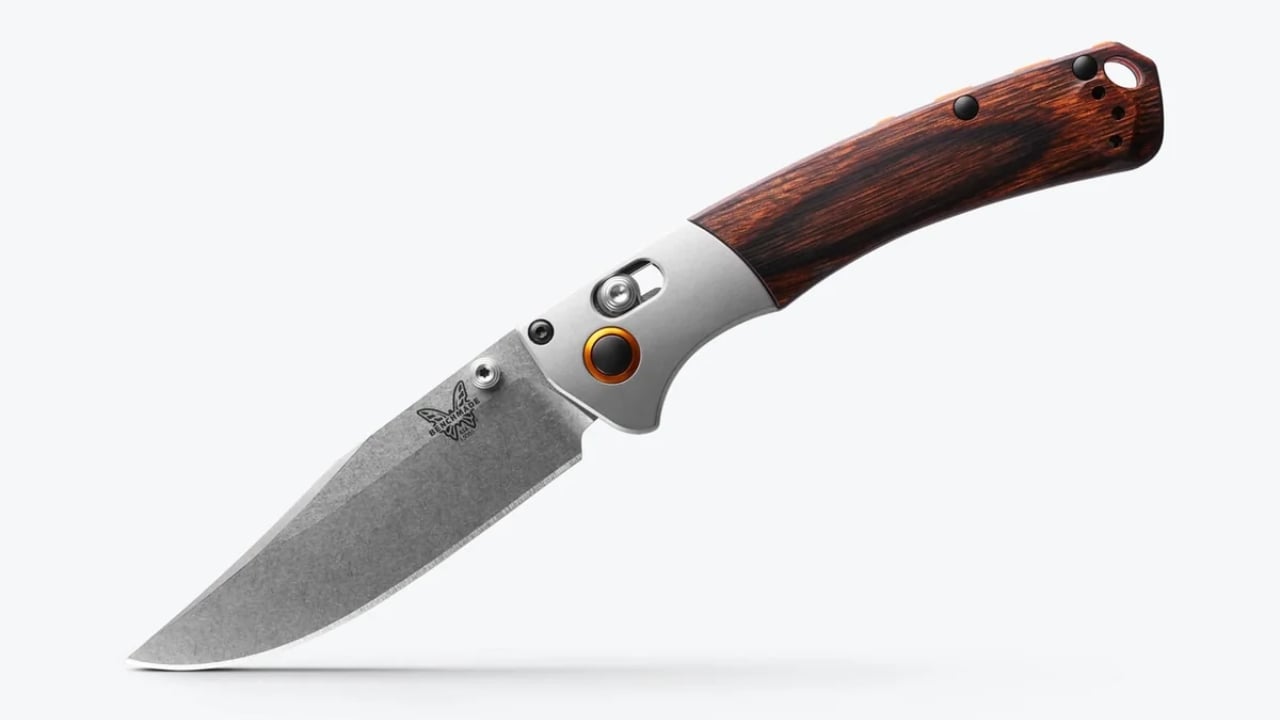
The Mini Crooked River may actually be the more broadly useful version of the design. It keeps the traditional hunting influence and premium appearance of the larger knife while shrinking everything into a size that works much better for everyday pocket carry.
That balance is difficult to duplicate. Many traditional-looking folders require two-handed opening or use basic slipjoint construction, while modern locking knives often abandon classic styling completely. The Mini Crooked River sits neatly between both worlds. If that is exactly what you want, it is worth paying attention to availability rather than assuming Benchmade will always maintain this particular niche.
Spyderco Ikuchi
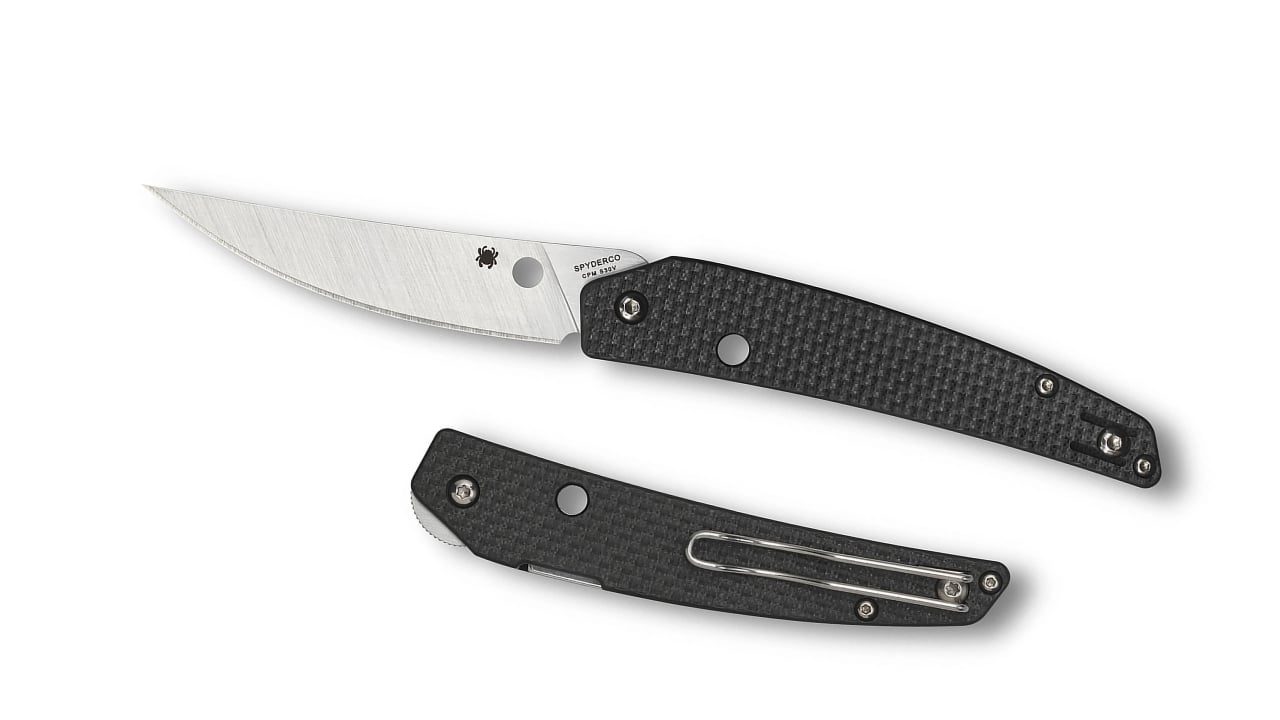
The Ikuchi is one of the stranger knives in Spyderco’s catalog, and that is exactly why it would be difficult to replace. It uses a narrow profile, unusual opening wheel, Compression Lock, and long slender blade in a package that looks more like a custom design than a conventional production Spyderco.
It also carries exceptionally well. Closed, the knife is narrow and unobtrusive, yet the blade gives you plenty of usable edge when opened. Designs this specific tend to survive only as long as enough buyers appreciate what makes them different. If you already like the Ikuchi’s unusual combination of slimness and mechanical creativity, it is probably not a knife I would assume will have an obvious successor forever.
Cold Steel 4-Max Scout
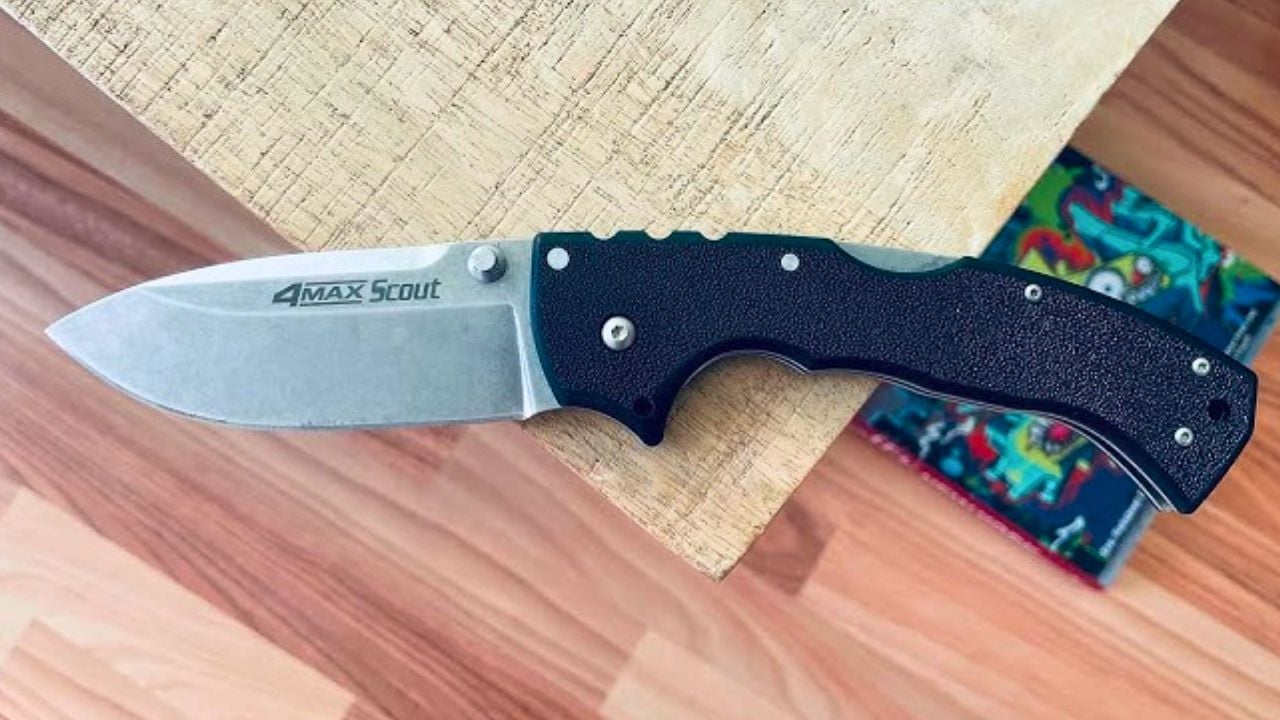
The 4-Max Scout delivers an enormous amount of folding knife without moving into premium pricing. You get a huge handle, thick blade, and Cold Steel’s extremely stout Tri-Ad locking system in a knife designed around hard use rather than pocket elegance.
Knives this unapologetically oversized are becoming more niche as the EDC market increasingly rewards lighter and thinner folders. That is exactly why the Scout is worth buying if you like the concept. There will always be large knives, but inexpensive folders engineered this aggressively are not something I would take for granted. It is the kind of model people miss only after the remaining examples suddenly cost much more.
Spyderco Stretch 2 K390
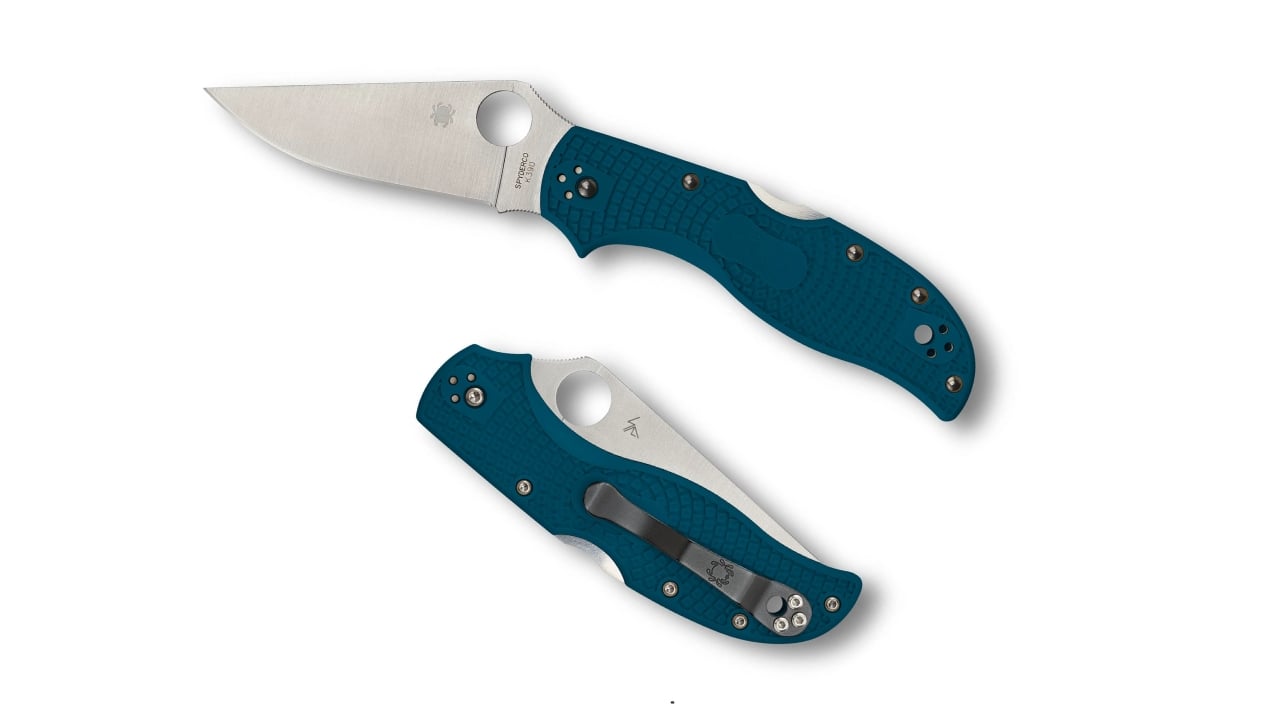
The K390 version of the Stretch 2 combines a proven lightweight hunting and utility design with a steel that appeals heavily to enthusiasts who care about edge performance. It is not the sort of knife aimed at casual buyers walking into a sporting-goods store, and that specialization is precisely what makes the configuration interesting.
K390 can take and hold an excellent working edge, while the Stretch gives you a comfortable handle and practical blade shape rather than turning the knife into a steel showcase. Specialized steel combinations are exactly the sort of thing manufacturers can rotate in and out over time. If you specifically want a Stretch in K390, buying the combination matters more than assuming another steel version later will feel identical.
Benchmade Proper
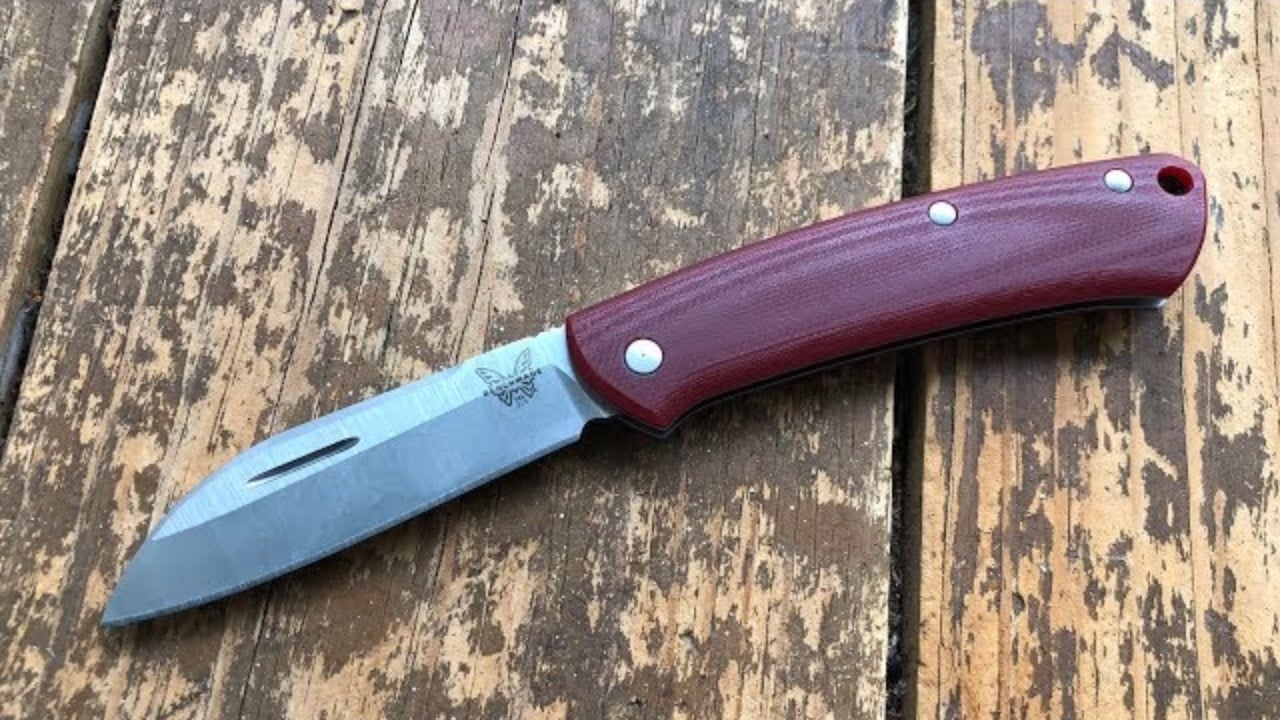
The Proper is interesting because it represents Benchmade moving away from the tactical and modern-locking formats that define most of its lineup. It is a traditional slipjoint with modern materials and Benchmade fit and finish, which gives it a very different personality from a Bugout or Griptilian.
That makes it difficult to substitute. If you want a lightweight modern Benchmade, there are plenty of choices. If you want Benchmade’s interpretation of a traditional pocketknife, the field gets much smaller. The Proper also works in places where a large locking folder feels excessive. Models that sit this far outside a company’s core identity are exactly the ones I would hesitate to assume will always have a direct replacement.
Spyderco Endura 4 K390
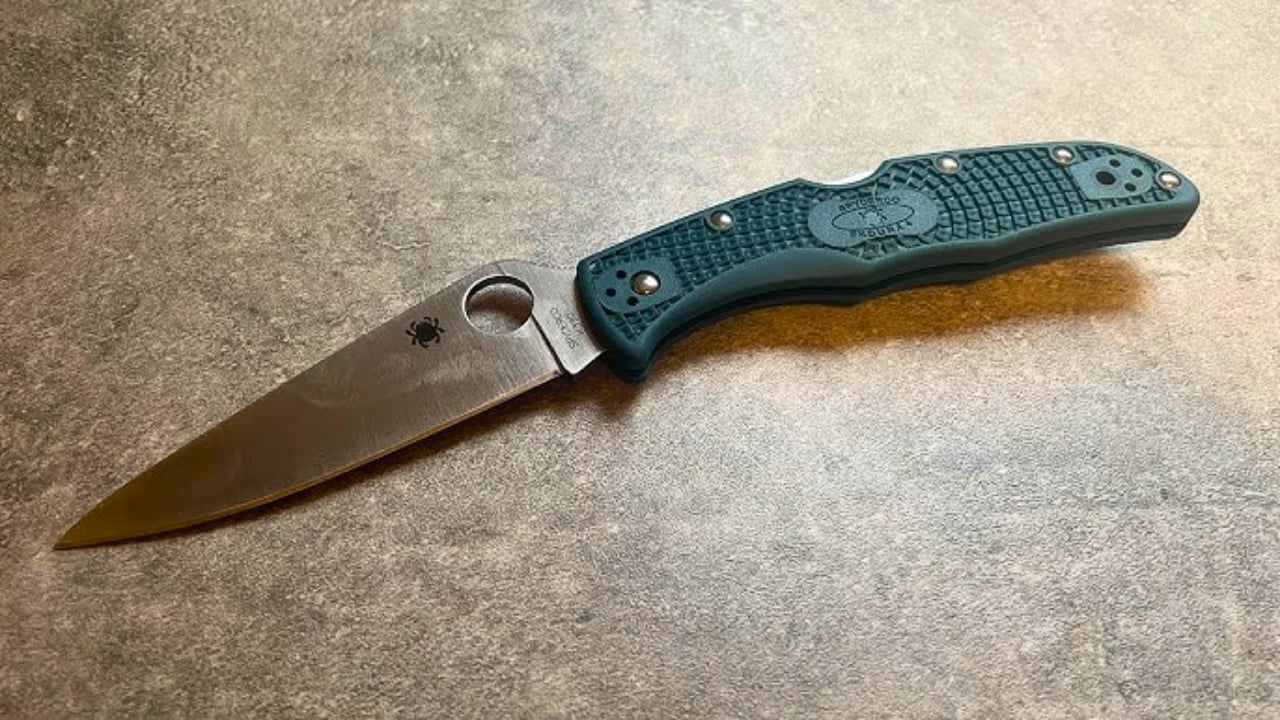
The Endura has been around forever by knife-industry standards, but particular steel combinations are another matter. The K390 version takes one of Spyderco’s best-established lightweight folders and gives it edge performance far beyond the ordinary versions many people grew up carrying.
That combination is what you are buying. The Endura itself will probably remain recognizable for a long time, but enthusiast-oriented steel configurations can come and go. If you like a large, lightweight working knife and are willing to care for a non-stainless high-performance steel, this version offers something distinctly different from an ordinary production Endura.
Cold Steel AD-10
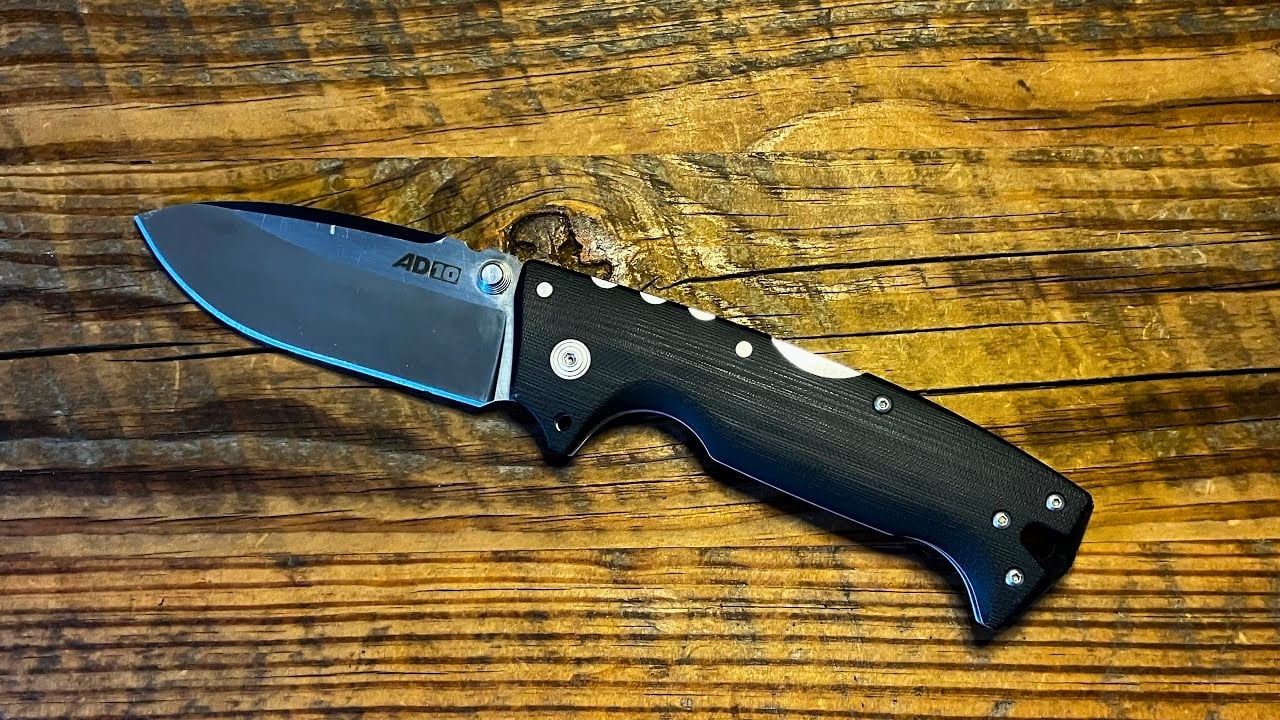
The AD-10 is one of the better examples of Cold Steel making a genuinely overbuilt folder without letting the size become ridiculous. The broad handle, thick blade, and Tri-Ad lock make it feel extremely secure, but the design is still practical enough to carry regularly.
The knife market is crowded with lighter crossbar locks and slim EDC folders now, making a model like the AD-10 increasingly distinctive. It gives you the feel of a custom hard-use folder at a much more approachable price. If you specifically want that old-school Cold Steel emphasis on lock strength and hand-filling ergonomics, the AD-10 is worth buying rather than assuming the category will always look the same.
Spyderco Sage 5
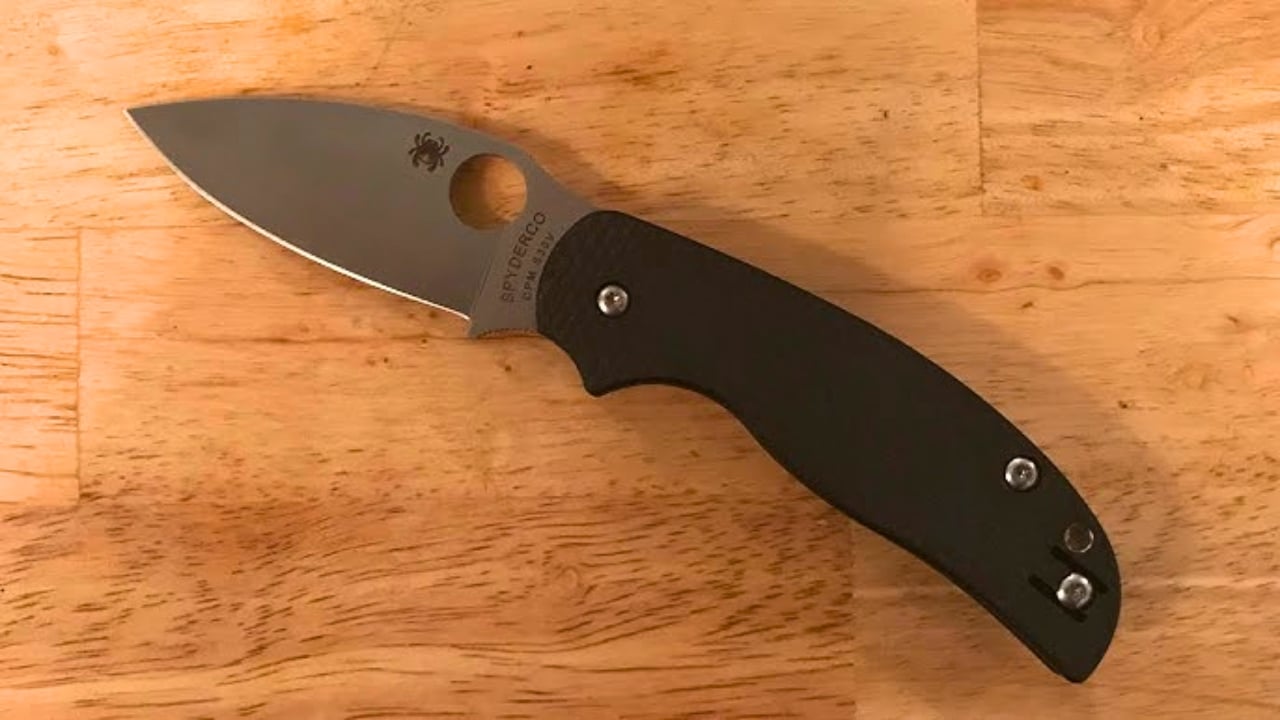
The Sage 5 sits in an awkward position because Spyderco already makes several medium-size Compression Lock knives. That overlap may make it easy for buyers to ignore, but the Sage has proportions that some users actually prefer over the company’s more famous models.
It is compact without becoming tiny, offers excellent blade geometry, and remains extremely easy to control. The design is less aggressive than a Paramilitary and easier to carry than many full-size working folders. That middle-ground character may be exactly why it is worth owning. Knives that quietly do everything well can disappear while buyers are busy chasing more dramatic releases.
Benchmade Freek
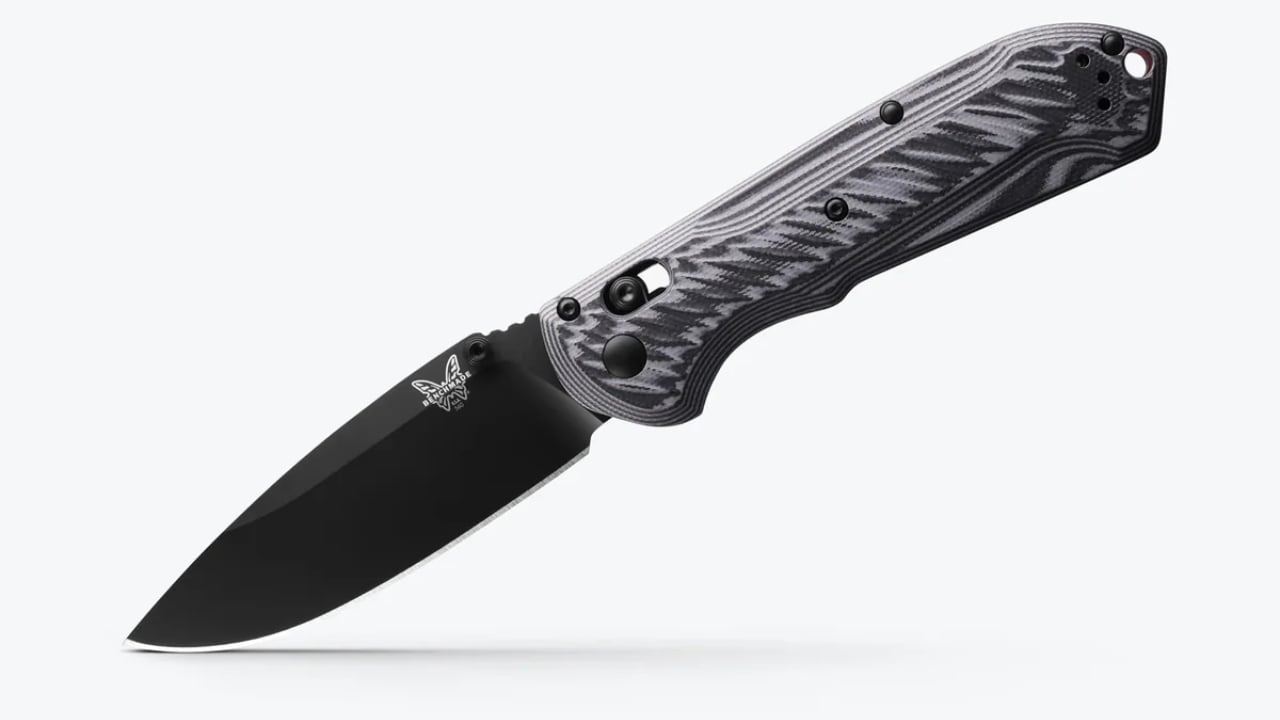
The Freek is one of Benchmade’s best options for someone who wants a larger working folder without stepping all the way into the Adamas category. It gives you a large handle, strong lock, substantial blade, and enough grip to use the knife comfortably with gloves.
It also occupies a size class that is less fashionable than lightweight EDC knives. The knife is not tiny, ultralight, or especially dressy. It is simply built to be used. That makes it exactly the sort of straightforward design that enthusiasts sometimes appreciate only after a company refreshes its catalog and replaces it with something lighter or more complicated.
Kershaw Bareknuckle

The Bareknuckle stood out because it offered American production, aluminum handles, manual opening, and Kershaw’s sub-frame-lock design in a knife that did not cost like a premium boutique folder.
It is also a perfect example of a model that becomes harder to replace once production attention shifts toward newer designs. There are plenty of Kershaws, but relatively few give you this exact mix of slim aluminum construction, manual action, and substantial blade length. The Bareknuckle is the sort of knife that can look ordinary until it disappears, at which point buyers realize how few direct substitutes actually exist.
Spyderco Police 4 Lightweight K390
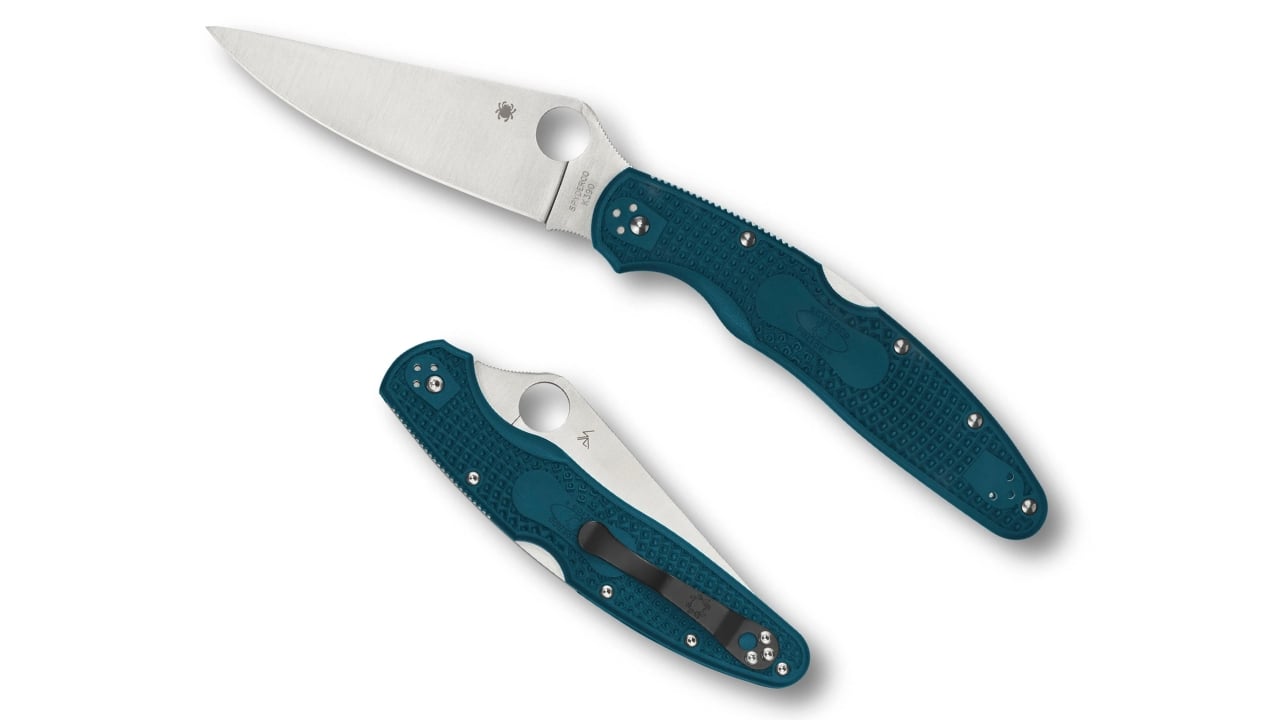
The Police 4 Lightweight is unapologetically long. That is exactly what gives it value. It delivers a tremendous cutting edge while remaining much lighter than its dimensions would suggest, and the K390 configuration turns it into an exceptionally capable working knife.
Large folders like this are increasingly specialized. Most EDC buyers want shorter blades, while many people who need something larger simply move to a fixed blade. The Police 4 sits in the middle and does it exceptionally well. Add the enthusiast-oriented steel and you have a configuration worth buying specifically because there is no guarantee another knife will replace its exact combination of reach, weight, and edge performance.
Benchmade 928 Proxy
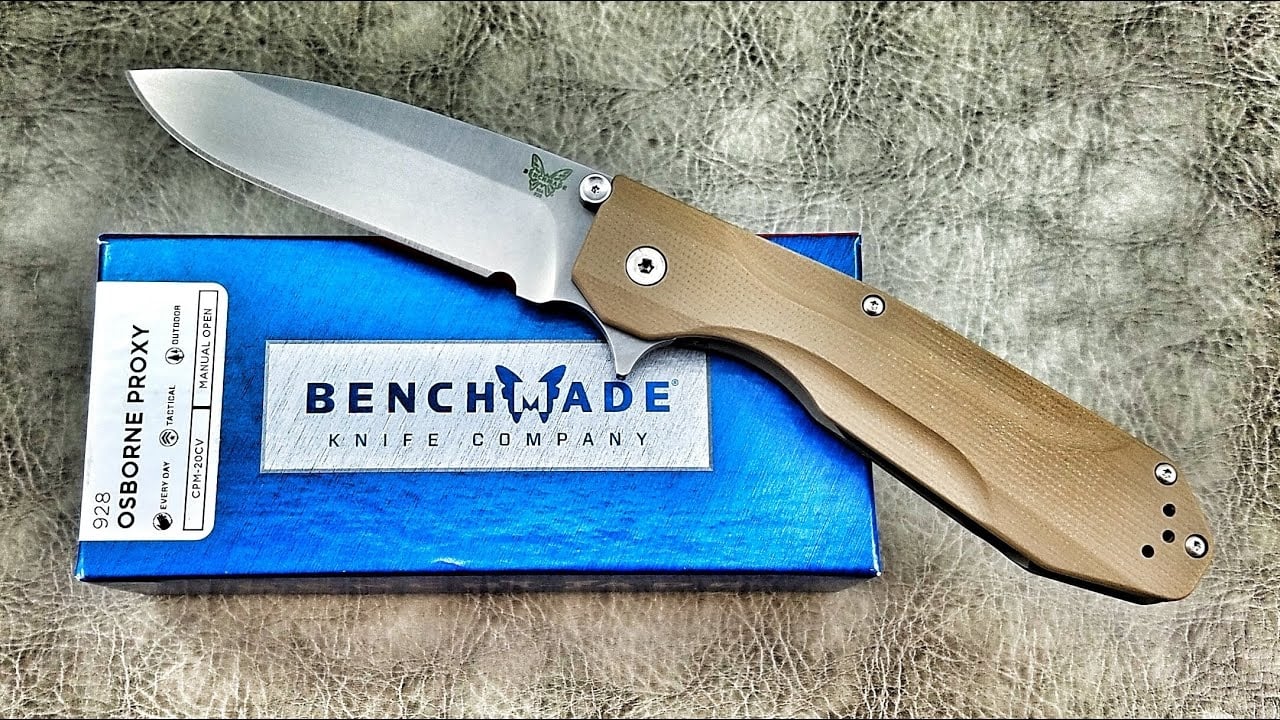
The Proxy came from a different period in Benchmade’s lineup, when the company experimented more with large titanium frame-lock designs outside its traditional AXIS-lock formula. That alone gives the knife a personality that newer Benchmades rarely duplicate.
It is substantial, mechanically straightforward, and built around a format that has become less central to the brand. That can make older examples especially appealing to collectors who want something distinct from today’s lineup. If you find a clean Proxy at a reasonable price, it is worth remembering that the easiest time to buy unusual discontinued designs is usually before everyone collectively decides they miss them.
Cold Steel Ultimate Hunter
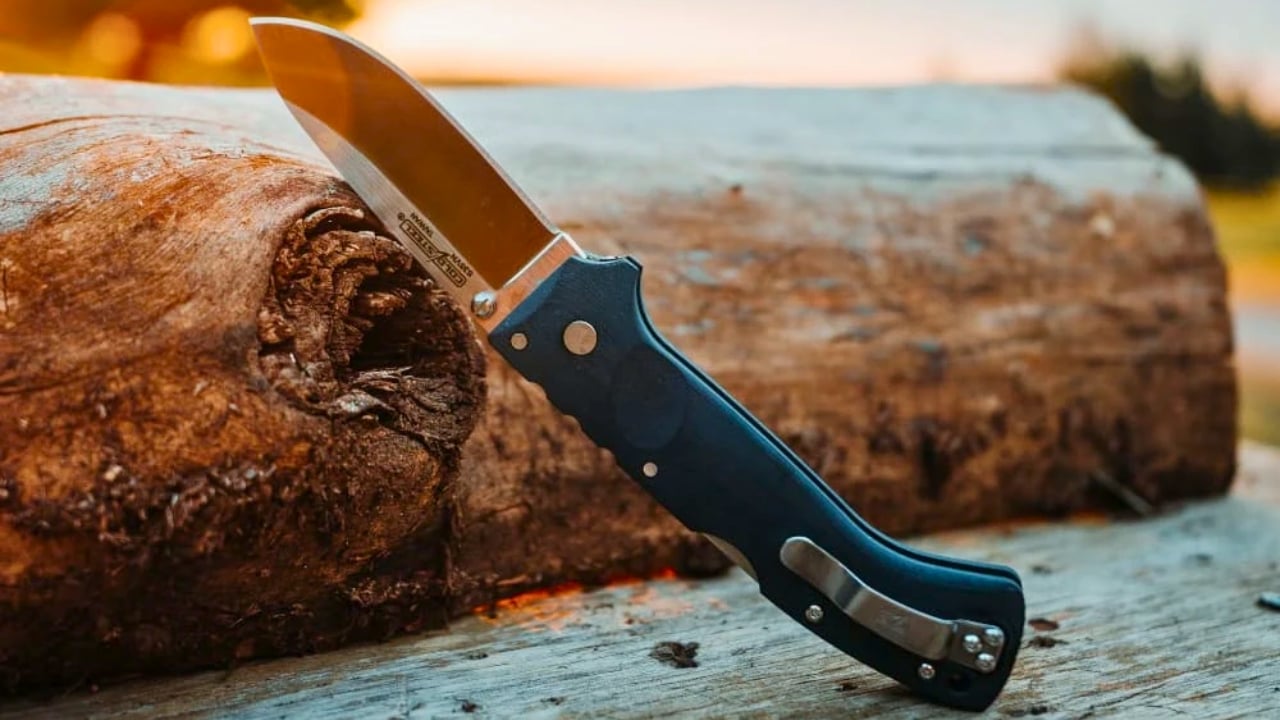
The Ultimate Hunter may not look as extreme as some Cold Steel knives, but that is part of what makes it so good. It combines the Tri-Ad lock with a broad, practical blade and an ergonomic handle designed for real cutting rather than dramatic appearance.
It is also one of those knives that can be overlooked because it lacks novelty. There is no unusual mechanism or wild blade shape drawing attention to it. It simply works extremely well. If Cold Steel continues evolving toward newer materials and designs, straightforward models like this are the ones I would rather own first than discover later that the closest replacement does not feel nearly as good.
Spyderco Mantra 2
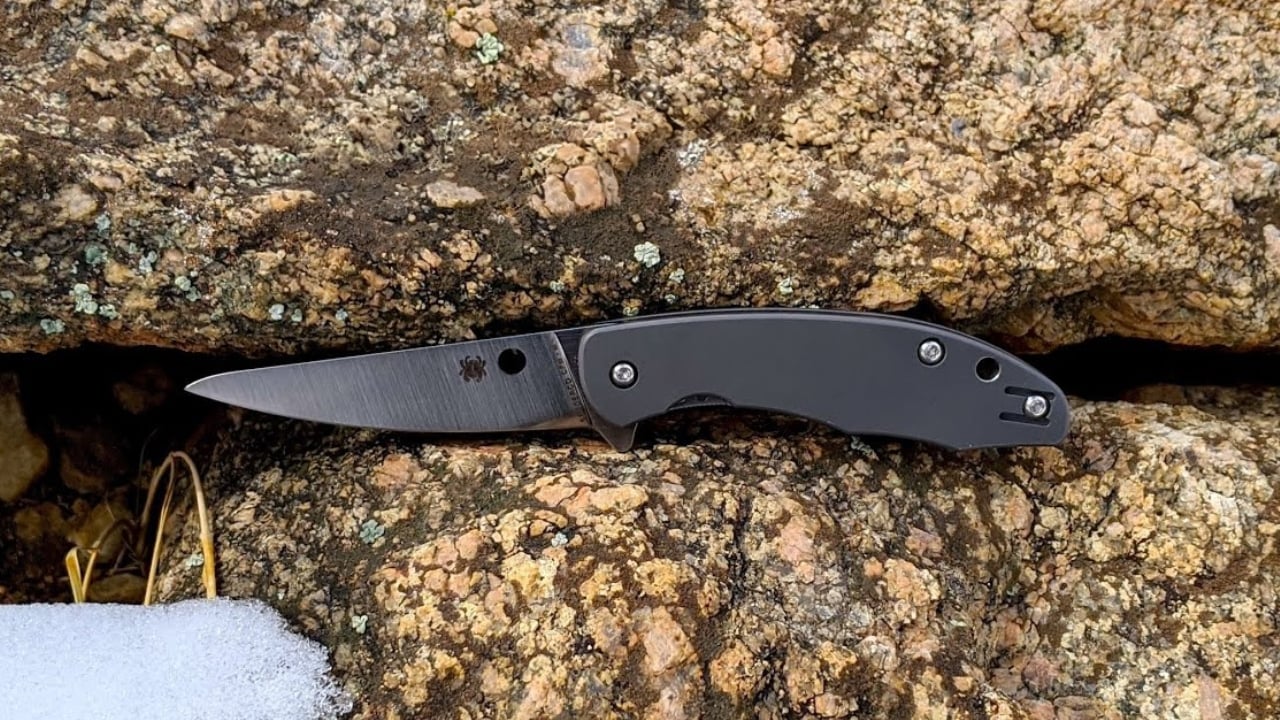
The Mantra 2 is particularly interesting because it does not look much like the Spydercos most buyers recognize. Its titanium frame-lock construction, flipper opening, and narrow blade make it feel closer to a premium custom-inspired folder than the brand’s traditional thumb-hole designs.
That uniqueness is why it is worth tracking down. Spyderco constantly experiments, but experimentation also means certain ideas do not remain in the catalog forever. The Mantra 2 represents a specific period when the company was pushing harder into titanium flippers. If that combination appeals to you, there is little reason to expect an identical replacement will conveniently appear later.
Zero Tolerance 0801
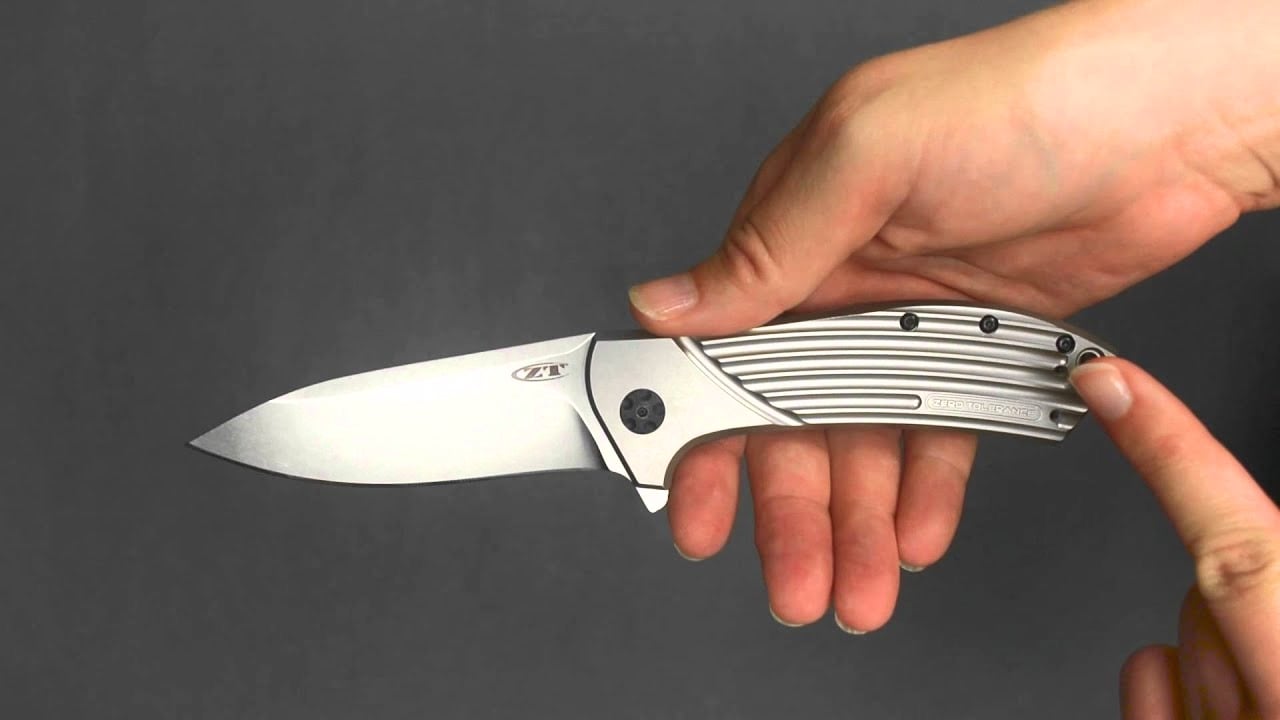
The ZT 0801 represents the kind of Zero Tolerance knife that helped define the brand’s premium era: titanium construction, substantial blade, strong frame lock, and smooth flipper action in a package that feels almost excessively solid.
ZT’s lineup has changed significantly over the years, and older titanium designs can become especially desirable once they stop being routine dealer inventory. The 0801 is worth owning because it captures that heavy-duty premium-folder formula particularly well. It is not the lightest thing you can carry, but that dense, mechanical feel is precisely what makes older ZT designs so satisfying.
Spyderco Pattadese
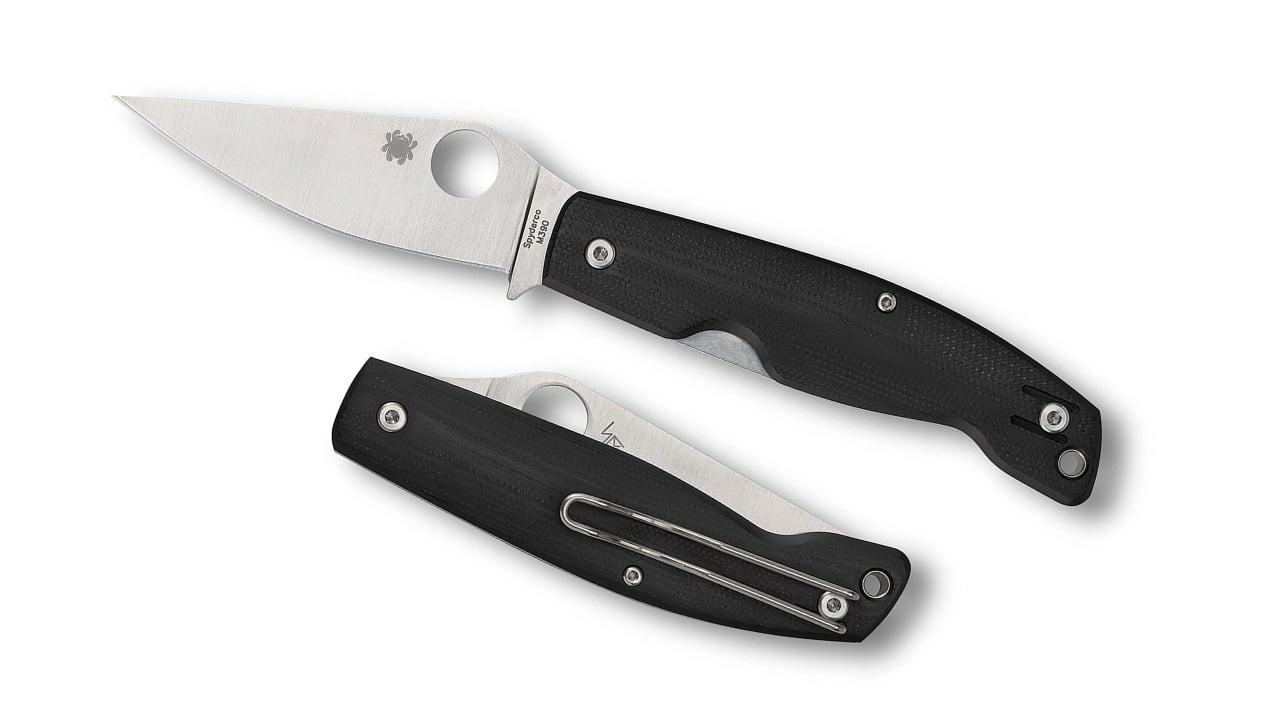
The Pattadese combines traditional Italian inspiration with Spyderco’s modern folding-knife construction. It is slender, elegant, and much less tactical-looking than the knives that usually dominate enthusiast discussions.
That makes it a niche within a niche. Designs based around regional knife traditions tend not to have endless replacement cycles, and once a specific interpretation disappears, the next version may be completely different. The Pattadese works as an everyday cutting tool while offering something genuinely unusual. If you appreciate the design, it makes more sense to buy the knife that exists than hope another manufacturer eventually produces something close.
Like The Avid Outdoorsman’s content? Subscribe to our newsletter so you never miss an article.
Here’s more from us:


