Photo credit: JW's BulletsNBlades/YouTube
Some guns are easy to let go because they do not seem rare in the moment. Maybe they were sitting in used racks for years, maybe nobody was chasing that caliber yet, or maybe they looked too plain beside whatever new release had everyone talking. Selling one felt harmless at the time.
Then the years passed. Parts dried up, prices climbed, clean examples got scarce, and people realized the replacement did not feel the same. These are the firearms people should have kept — not because every one is perfect, but because getting that same mix of feel, usefulness, and character back is harder than it used to be.
Browning B-92
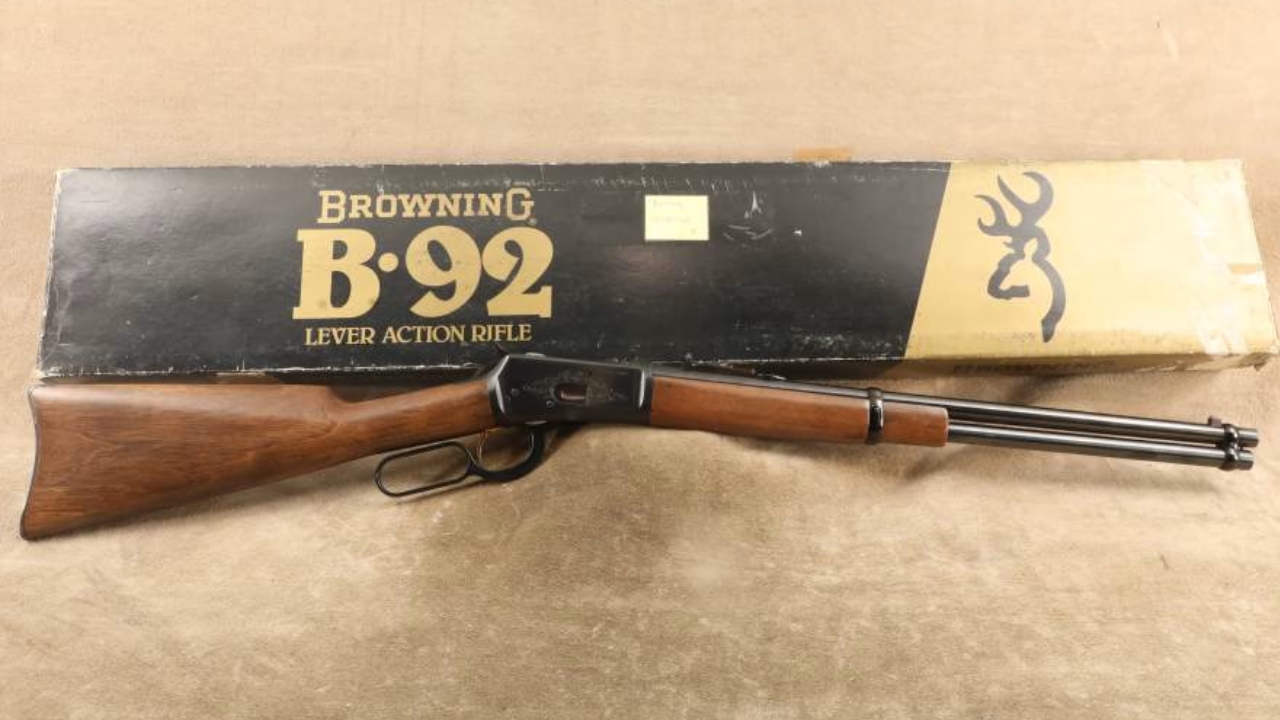
The Browning B-92 is one of those lever guns people did not always appreciate enough when they were easier to find. It gave shooters a beautifully made, compact lever-action chambered in useful pistol rounds like .357 Magnum and .44 Magnum.
Owners who sold them often learned that not every pistol-caliber lever gun feels this slick. The B-92 has Japanese Miroku quality, great handling, and the kind of fit that makes newer budget levers feel rough. It is handy, handsome, and genuinely useful. That is exactly the kind of rifle people wish they had left alone.
Smith & Wesson Model 39

The Smith & Wesson Model 39 seemed dated once high-capacity pistols and polymer frames took over. A single-stack double-action 9mm did not look like the future anymore, so plenty of shooters moved them along without much regret at the time.
Now the Model 39 feels more interesting. It is slim, classy, easy to carry, and tied to an important era of American service-pistol development. The alloy frame keeps it light, and a good one shoots better than many expect. It is not the most modern carry choice, but it has a feel newer pistols rarely copy.
Winchester Model 100

The Winchester Model 100 was a sleek semi-auto hunting rifle that many owners treated like just another deer gun. It had nice lines, useful chamberings, and a familiar feel for hunters who wanted faster follow-up shots without going to a military-style rifle.
Selling one looked reasonable when bolt actions seemed simpler and newer semi-autos took attention. But clean Model 100s are not always easy to replace now, especially in good condition. They have a mid-century hunting-rifle charm that stands apart. If yours ran well and shot well, it was probably worth keeping.
Colt Trooper Mark III
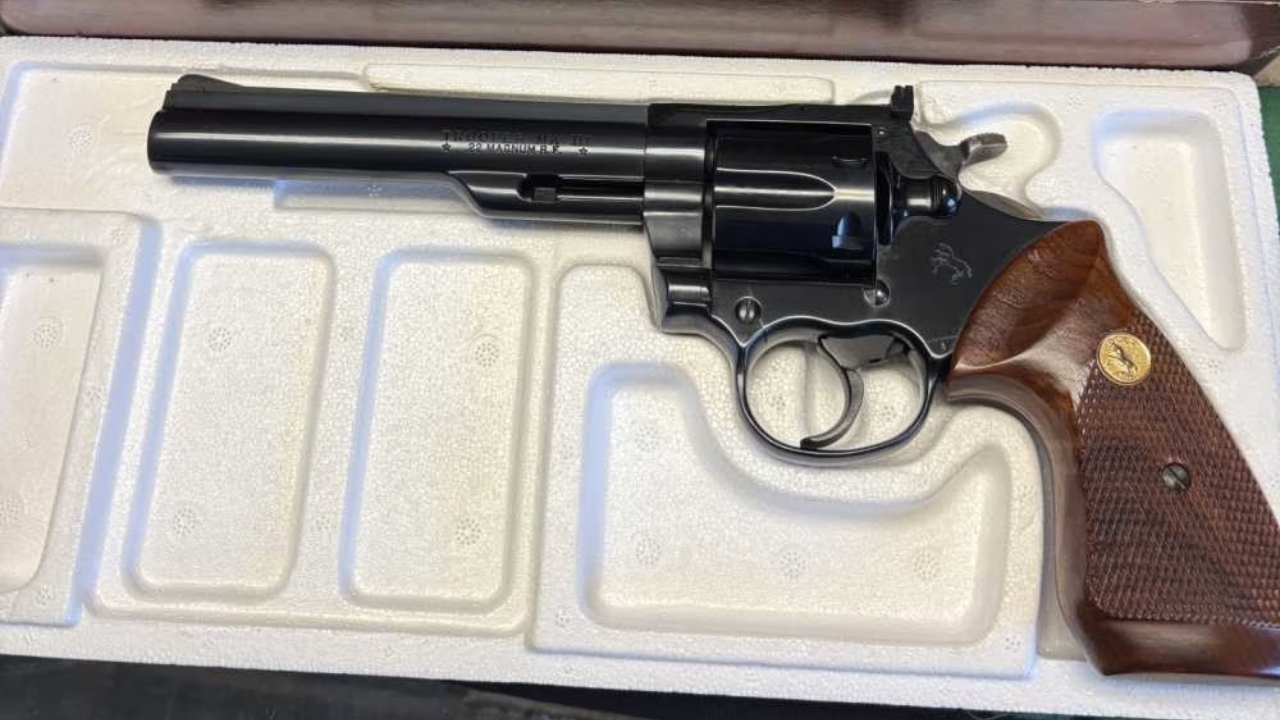
The Colt Trooper Mark III spent years living in the Python’s shadow. That made it easier for people to undervalue it. It was a strong, good-looking .357 revolver, but it did not have the same mystique or sky-high status as Colt’s most famous snake gun.
That is exactly why owners should have kept them. As old Colt revolvers climbed, the Trooper Mark III started looking smarter every year. It is more affordable than a Python, but still has Colt character, good strength, and real range appeal. Selling one cheap now feels like a mistake.
Remington Model 600

The Remington Model 600 looked odd enough that some hunters never fully warmed up to it. The short barrel, vent rib, and compact shape made it seem strange beside more traditional bolt rifles. That weirdness probably pushed some owners to sell.
Now the Model 600 has real pull because nothing else feels quite like it. It is short, quick, and full of personality. In chamberings like .308, .243, 6mm Remington, or .350 Remington Magnum, it has collector and hunting interest. A rifle that once looked awkward now looks like one Remington should have kept making.
Beretta Model 70
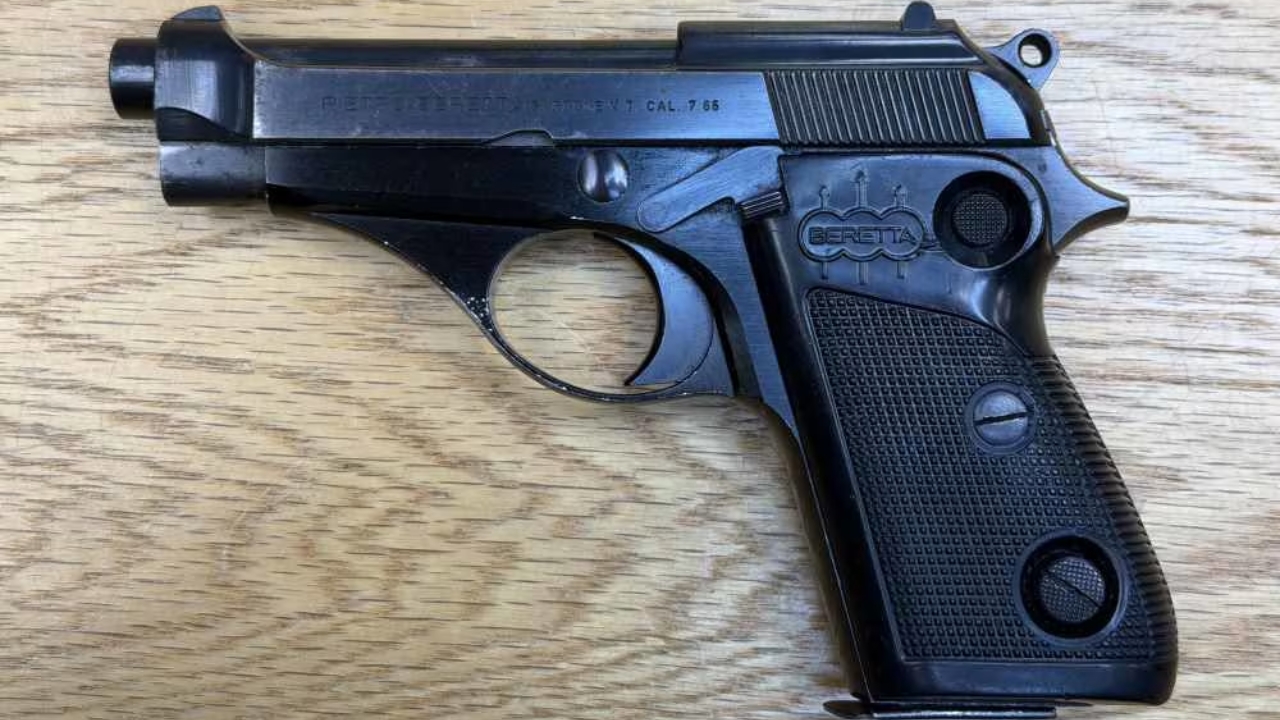
The Beretta Model 70 pistol is easy to overlook until you handle one. It is a compact old-school semi-auto with clean lines, simple controls, and a level of charm that modern pocket pistols usually do not have.
People sold them because they seemed underpowered or outdated beside newer defensive pistols. That may be true from a pure carry standpoint, but it misses the appeal. A nice Model 70 is a classy little shooter with real Beretta character. It fills a spot between practical pocket gun and collectible range piece, and clean ones are not getting easier to find.
Ithaca Model 37

The Ithaca Model 37 is a shotgun a lot of people should have kept because it offered something different from the usual pump-gun crowd. The bottom-eject design made it friendly for left-handed shooters, and the action had a slick, lightweight feel that carried beautifully in the field.
Owners sometimes sold them because pumps seemed easy to replace. Then they realized a Model 37 does not feel like every other pump. It is trim, quick, and full of hunting history. A clean one in 12, 16, or 20 gauge is the kind of shotgun that belongs in the cabinet for good.
Ruger Police Service-Six
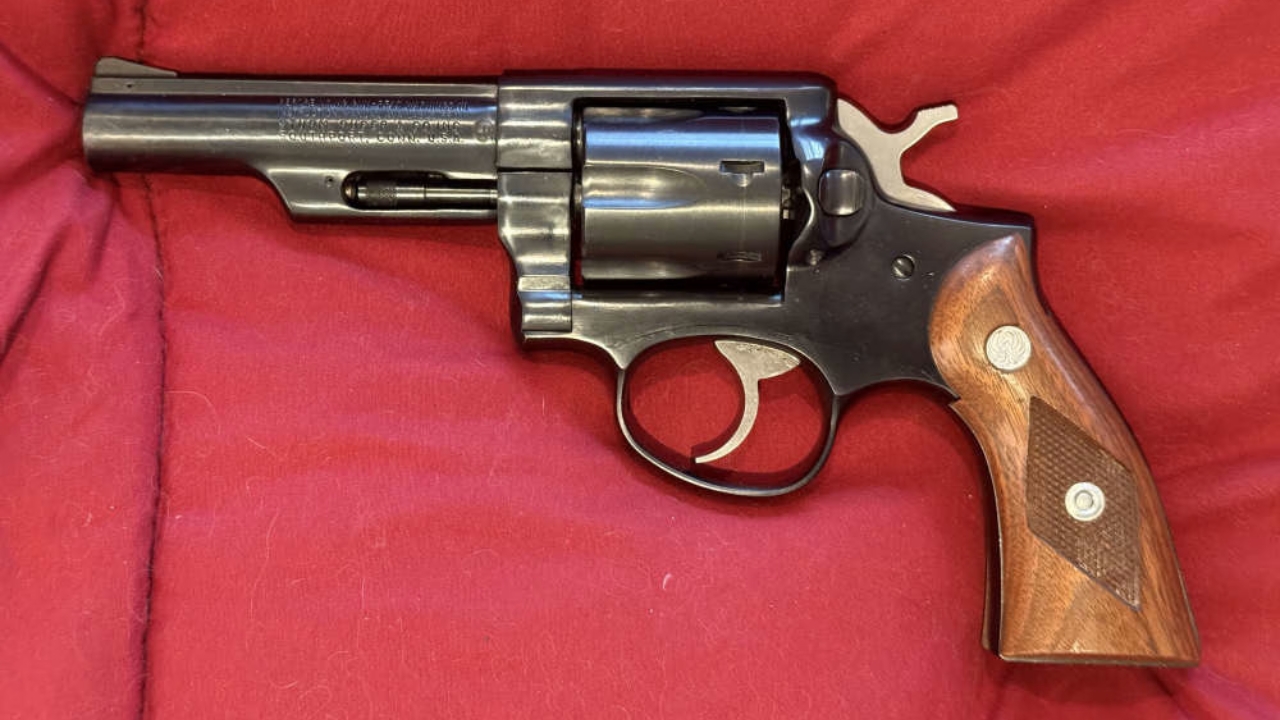
The Ruger Police Service-Six never got as much attention as flashier revolvers, which made it easy to move along. It was a working .357 built for duty use, not a polished display piece. That plainness hid how good it really was.
People should have kept them because the Service-Six gives you rugged Ruger strength in a handier package than many later revolvers. It carries well, shoots well, and does not feel fragile. Clean examples are getting more appreciated, especially by shooters who want a practical revolver instead of a collector-only piece.
Sako Finnbear
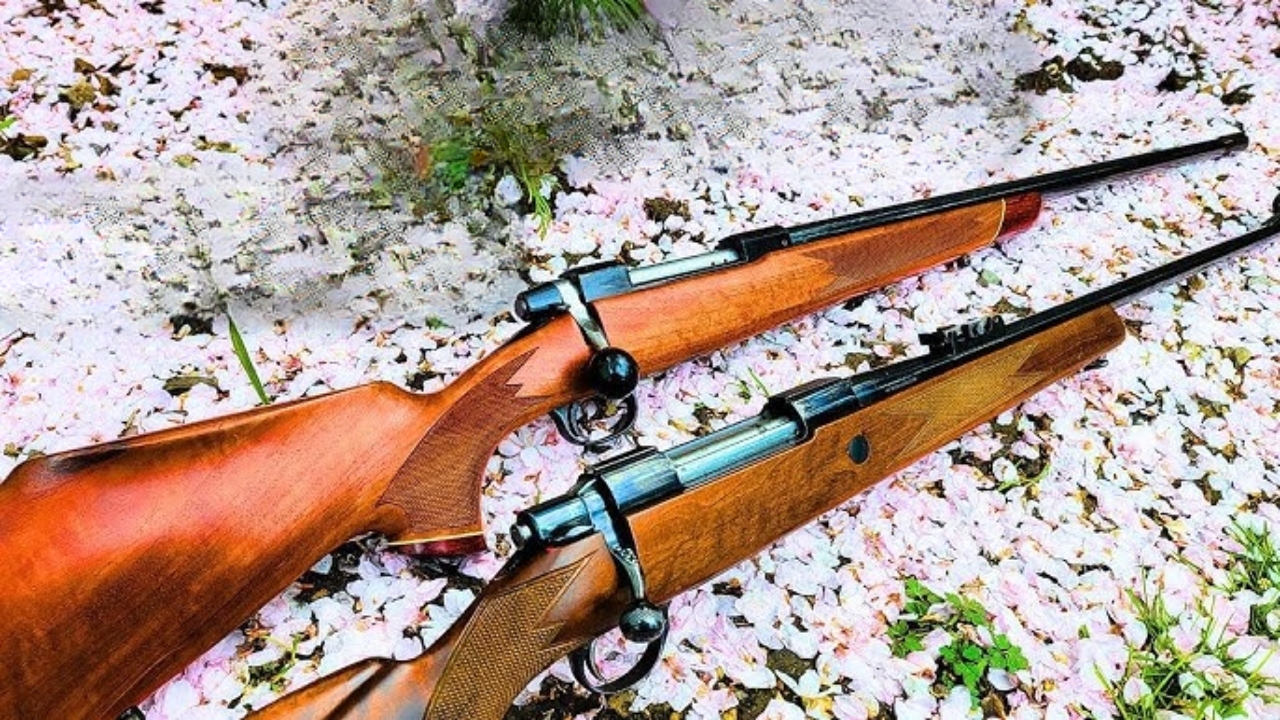
The Sako Finnbear is the kind of rifle some hunters sold before they fully understood what they had. It was a premium bolt gun, sure, but there was a time when older Sakos were not chased the way they are now.
A good Finnbear has smooth action feel, excellent build quality, and classic hunting-rifle balance. In chamberings like .270, .30-06, 7mm Remington Magnum, or .300 Win. Mag., it still feels like a rifle built to last. Modern rifles may be lighter, but few have the same old-world polish. Selling one usually looks worse with time.
Walther P99

The Walther P99 was different enough that some owners did not stick with it. The paddle magazine release, unusual striker-fired trigger system, and styling set it apart from more familiar polymer pistols. When simpler striker guns took over, selling one seemed easy.
Now the P99 has a stronger following because shooters appreciate how thoughtful it was. The grip shape, trigger options, and overall quality gave it personality without making it unreliable or silly. It was ahead of its time in some ways. If you had a good one, it was probably worth keeping.
Browning B-78
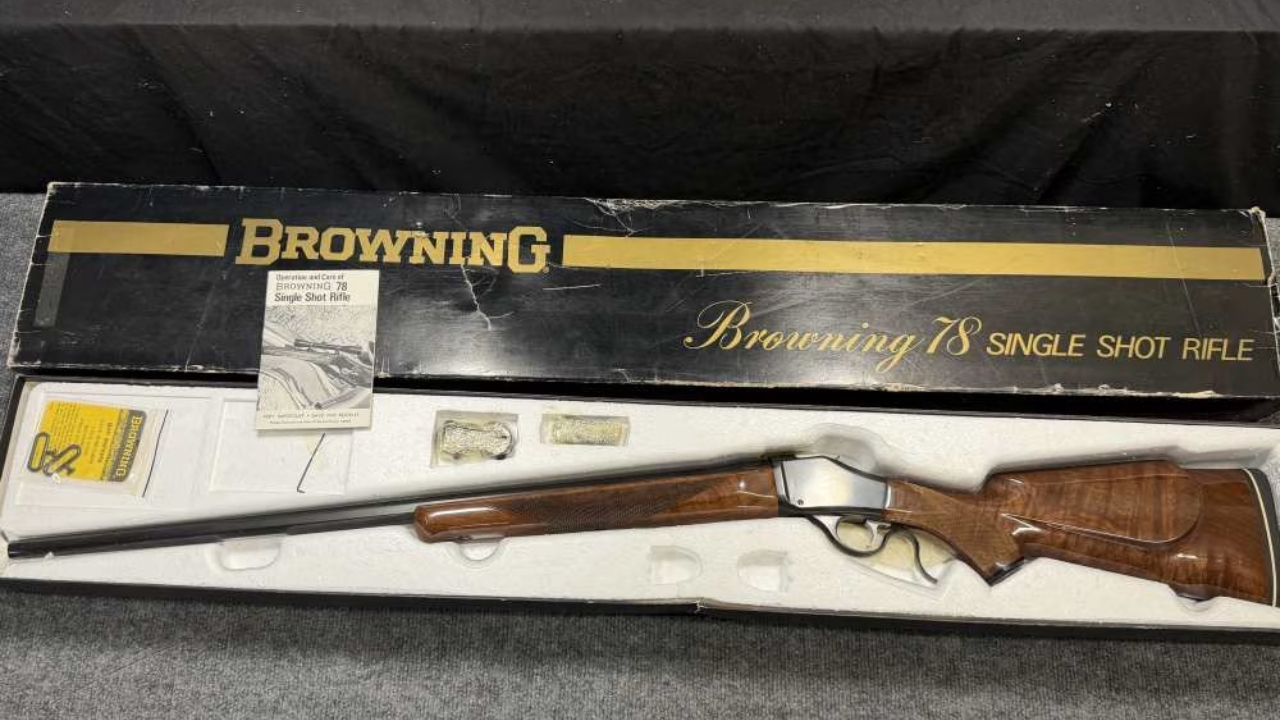
The Browning B-78 is a rifle people often regret selling because it offered class without being ordinary. It was a single-shot falling-block rifle with sharp lines, strong construction, and a very different feel from common bolt guns.
Some owners sold them because a single-shot did not seem practical. That misses the point. The B-78 was never about speed. It was about precision, style, and making the first shot count. In the right chambering, it is the kind of rifle that feels more special every year. Replacing one is not as simple as buying another hunting rifle.
Star BM
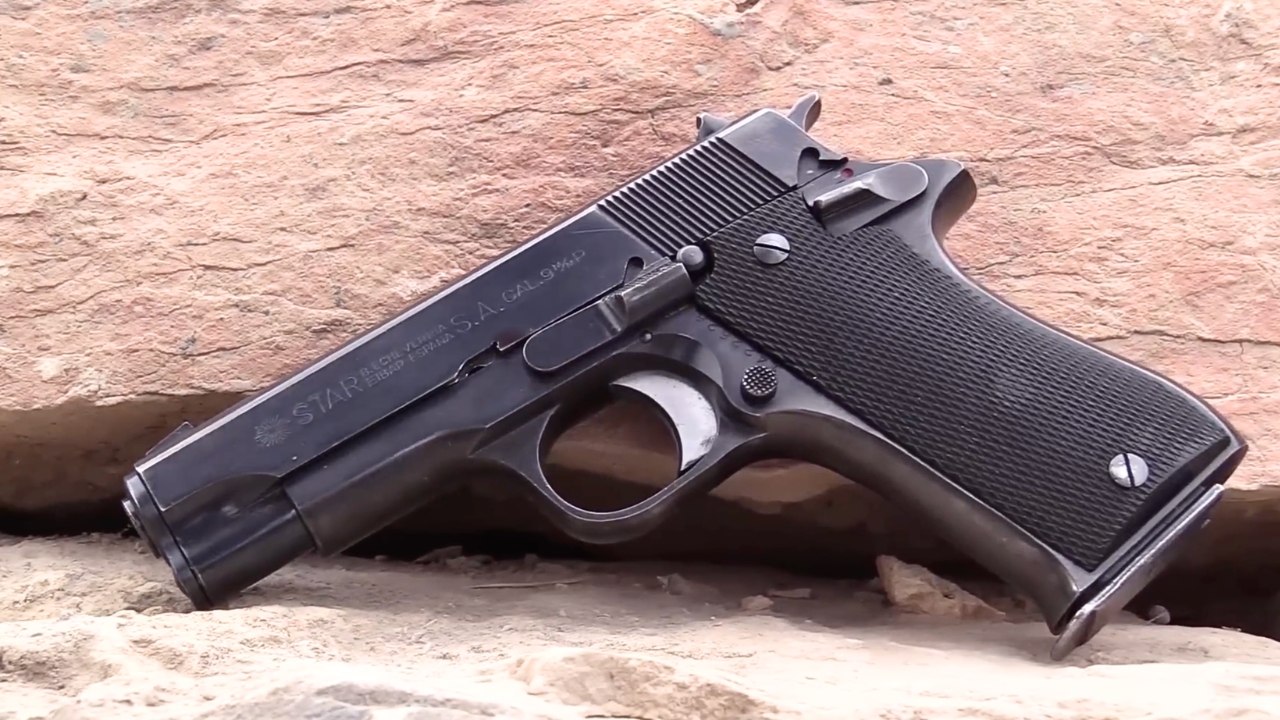
The Star BM used to be a cheap surplus pistol that many shooters treated casually. It looked like a compact 1911-style 9mm, and for a while, prices made it easy to buy, shoot, and sell without thinking too much.
That window closed. The Star BM is not perfect, and parts support is not like a modern pistol, but it has a steel-frame feel and range charm that people miss after selling. It is slim, pleasant to shoot, and more interesting than its old price suggested. Sometimes surplus guns become regrets once the crates stop coming.
Remington Model 14
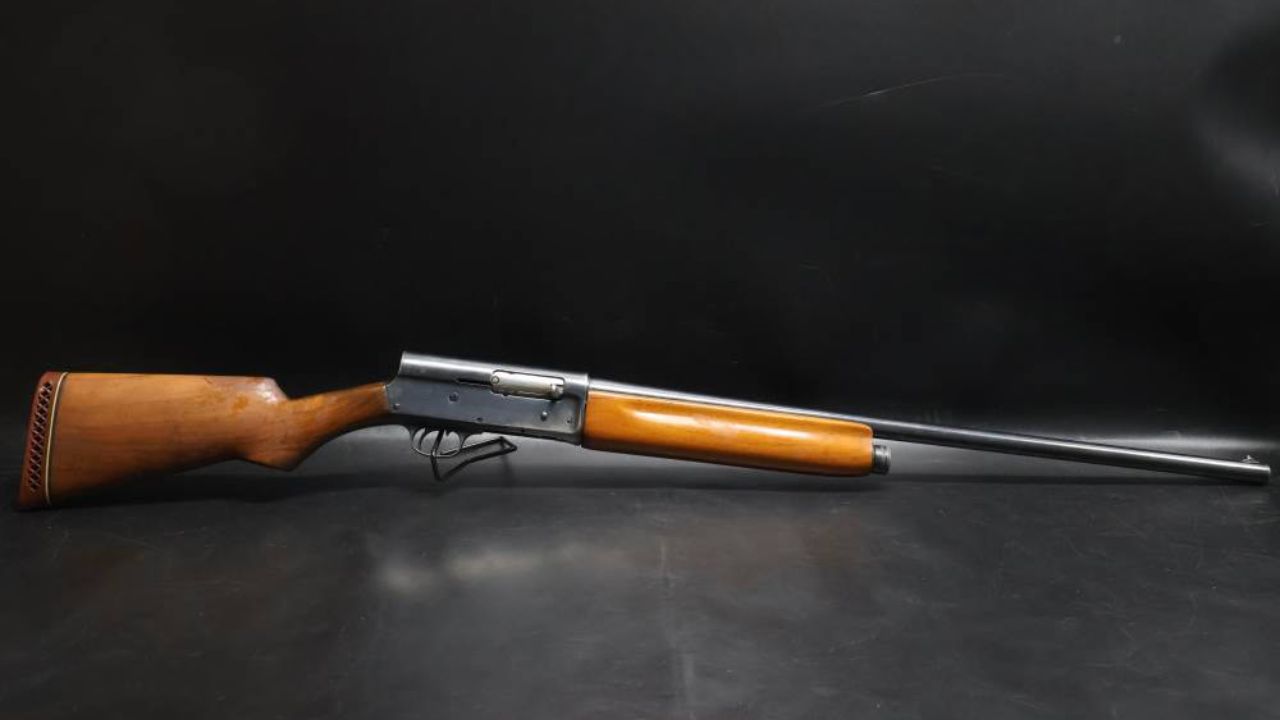
The Remington Model 14 is one of those old pump rifles people should not have dismissed as outdated. It had a spiral magazine tube, slick handling, and a distinctive look that separated it from more common deer rifles.
A lot of owners moved them along because ammunition choices and modern rifles seemed easier. But the Model 14 has real character, especially in classic Remington chamberings. It is not a rifle for everyone, but a clean, functional one is a piece of hunting history. Selling it usually means giving up something you will not casually replace.
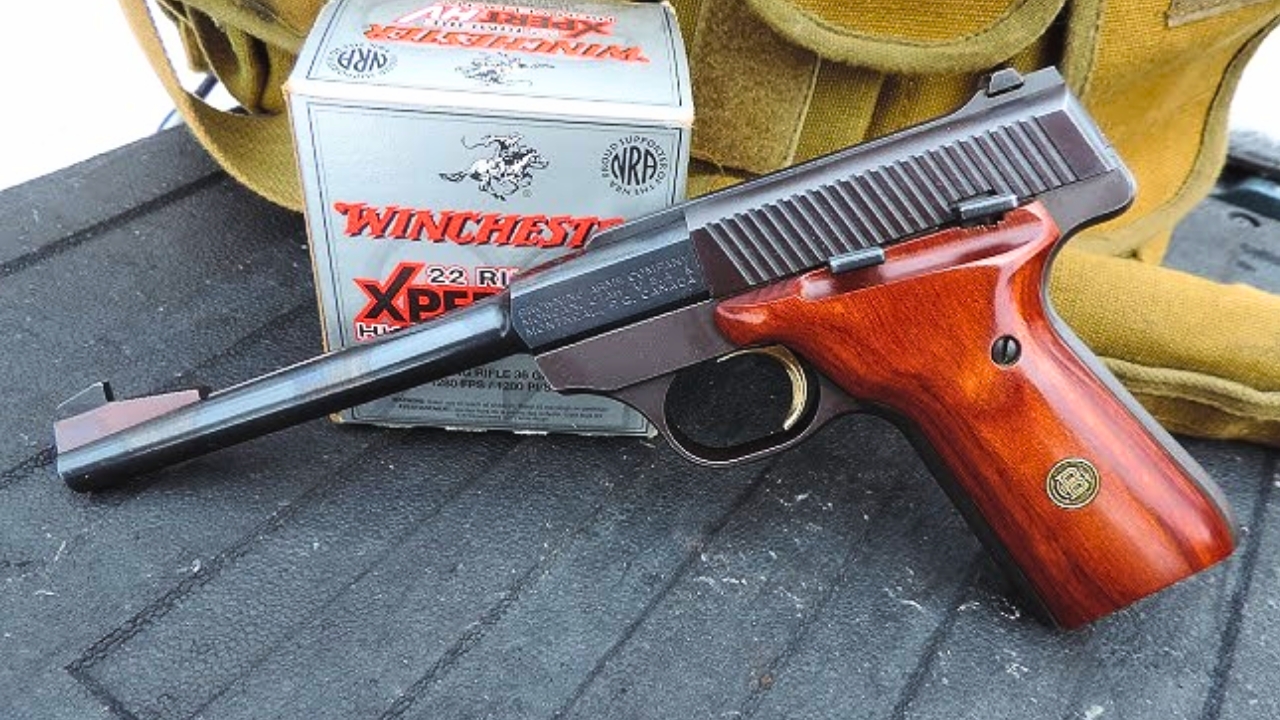
Browning Challenger
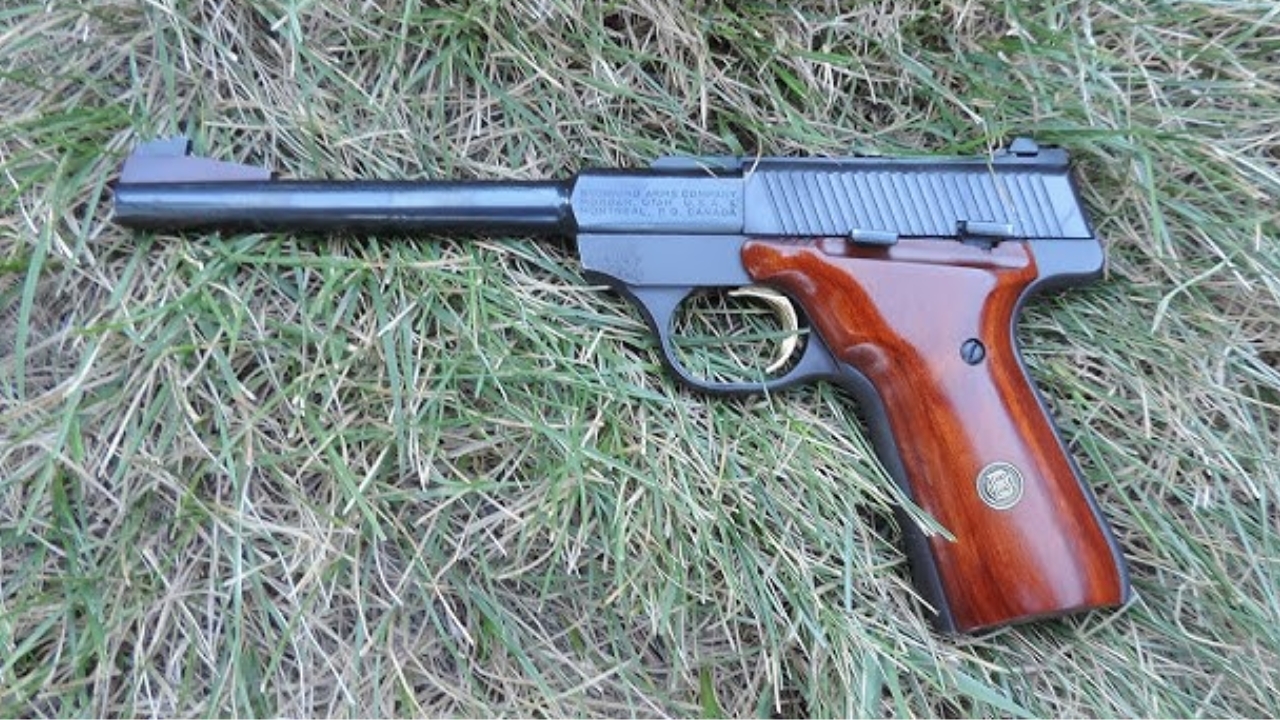
The Browning Challenger is a rimfire pistol people often wish they had kept because it feels far nicer than a lot of modern .22 handguns. It is trim, accurate, and has that older Browning polish that makes simple range time feel more refined.
Plenty of owners sold them when .22 pistols seemed easy to replace. Then they bought newer rimfires and realized the Challenger had a feel that was not common anymore. A good .22 pistol gets used constantly, and the Challenger is one of those guns that makes you want to keep shooting.
Winchester Model 43
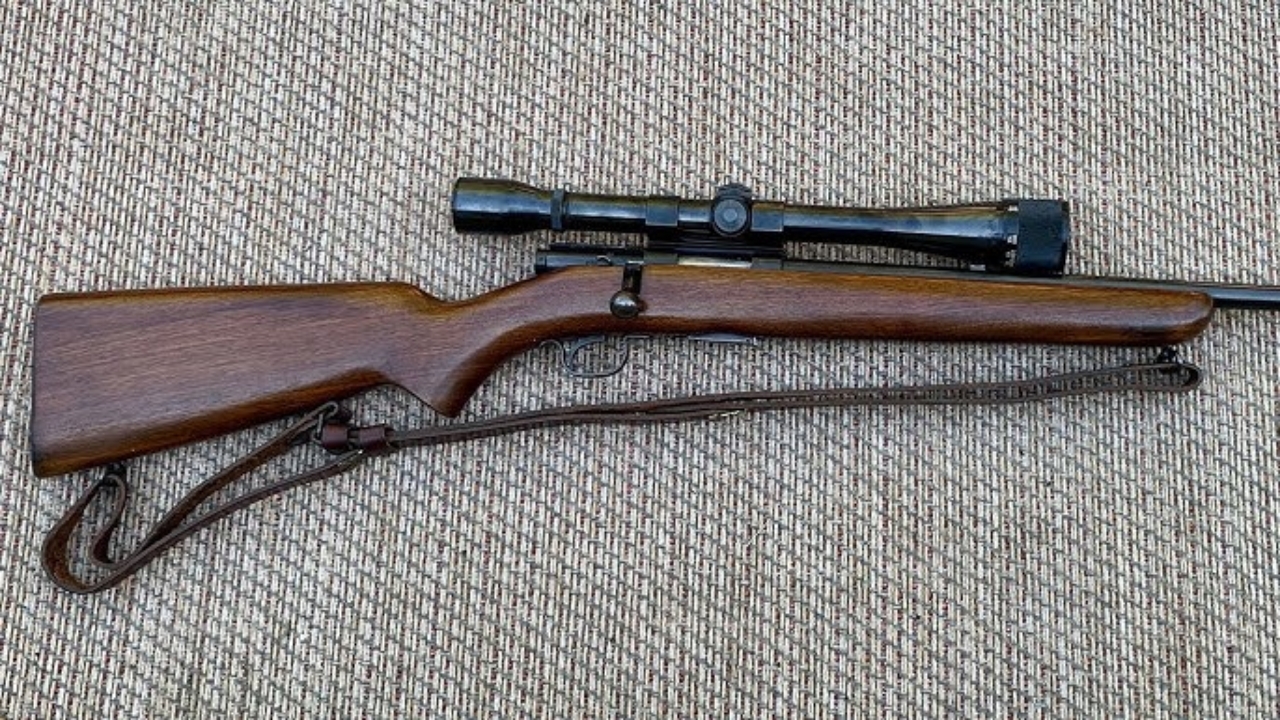
The Winchester Model 43 was a light little bolt-action that did not always get treated like anything special. Chambered in rounds like .22 Hornet, .218 Bee, and .25-20, it filled a small-game and varmint role that modern rifle racks do not always cover well.
Owners who sold them often learned how charming and specific they were. The Model 43 is not a do-everything rifle, but it has a neat, old varmint-rifle personality that is hard to replace. When clean examples show up now, they get attention from people who understand that small rifles can carry big regret.
Like The Avid Outdoorsman’s content? Be sure to follow us.
Here’s more from us: