
Photo credit: OreGear/YouTube
A gun can feel rock-solid at the counter—tight slide-to-frame fit, clean clicks, a finish that looks like it belongs on something pricier. Then you hit a real range day: multiple mags back-to-back, the gun getting hot, your hands getting a little sweaty, and the ammo not always being the exact load the factory loves. That’s when the weak links show up. Springs settle, parts start wearing where they shouldn’t, screws walk, magazines reveal their personality, and “tight” turns into “draggy.”
This isn’t about dunking on anybody’s purchase. It’s about recognizing a pattern: some models have a history of looking and feeling better than they run once you put honest rounds through them. If you’ve been around guns long enough, you’ve seen at least a few of these play out.
Taurus G3C

A Taurus G3C can feel like a steal in the hand. The grip texture is decent, the slide feels snug, and the gun has that “ready to work” vibe when you rack it a few times at the shop. The first real range day is where some examples start showing inconsistency—especially when the gun heats up and you’re running mixed ammo.
What tends to pop up are magazine-related hiccups, erratic ejection, or occasional feed issues that don’t show during a quick function check. When the gun is running, it can run fine. When it isn’t, the problems often trace back to mags, extractor tension, or tolerances stacking in a way you can’t see until you’re 150 rounds deep.
SCCY CPX-2

The SCCY CPX-2 often feels sturdier than its price suggests. It has a chunky slide, a straightforward layout, and it sits in the hand like a compact that’s meant to take abuse. On a calm first impression, that can look like confidence. On a real range day, the long, heavy trigger and small controls can start working against you fast.
Some shooters report that reliability can be ammo-picky, and light grip changes can turn into short-strokes or failures to return fully into battery. The gun can also feel “fine” for the first couple magazines, then get less cooperative once it’s warm and dirty. When you’re trying to shoot tight groups at pace, that’s when the cracks tend to show.
Remington R51

A first-generation Remington R51 has a solid, almost overbuilt feel—good lines, decent weight, and an action that seems clever on paper. It’s the type of pistol that can impress you before a single round goes off. Then the range session begins, and the reputation this model earned starts making sense in a hurry.
The early R51 run became known for stoppages and inconsistent function, which is why it drew so much criticism and corrective attention. On the line, that can look like failures to feed, sluggish cycling, or a pistol that feels like it’s fighting itself. It isn’t the kind of “break-in” annoyance you shrug off. It’s the kind of behavior that makes you pack up early and rethink the purchase.
SIG Sauer P365 (early production)

An early-production SIG Sauer P365 can feel like the future in your hand—compact, well-shaped, and surprisingly solid for the size. Dry handling doesn’t reveal much, because the problems people talked about weren’t about ergonomics. They were about what happened after real strings of fire and real round counts.
The earliest P365s developed a track record of reported issues such as striker-related failures and wear patterns that raised eyebrows. When you run a micro-compact hard, everything is happening fast: the slide velocity is high, spring rates are critical, and small parts have less margin. If your specific gun is one of the updated, later examples, it may be excellent. If it’s an early one, the first range day can be where old-history gremlins reappear.
Kimber Custom II

A Kimber Custom II can feel like a bank vault when it’s cold. The slide-to-frame fit is often snug, the lockup feels tight, and the gun has that “serious 1911” heft that makes you want to believe it’s match-ready out of the box. Then you start shooting it the way people actually shoot pistols—fast strings, reloads, and a variety of ammo—and the tightness can cut both ways.
Some examples can be finicky until extractor tension, magazines, and ammo selection are dialed. That might show up as nose-dives, failures to return to battery, or erratic ejection. A well-set-up 1911 can be a dream, but a tightly fit production gun can feel solid in the hand and still demand more tuning than you expected once you’re burning through boxes at the range.
Springfield Armory XD-S (pre-recall examples)

A Springfield Armory XD-S has a sturdy feel for a slim carry gun. The grip is secure, the slide has good purchase, and it points naturally. If you handled one quickly, you’d walk away thinking it’s built like a little tank. The problem is that some early XD-S pistols were part of a well-known recall, and “feels solid” doesn’t protect you from design or production hiccups.
Even outside recall concerns, small single-stacks can be less forgiving when you run them hard. Heat, limp grip tendencies, and ammo variability can bring out failures to feed or return to battery. If you’re looking at an XD-S for carry, the first range day is where you confirm it’s a later, sorted example—and that it runs when you shoot it fast, not only when you shoot it slow.
Ruger LCP II

A Ruger LCP II feels tight and surprisingly well-finished for a pocket pistol. The slide cycles smoothly, the frame feels rigid, and it gives off the impression of a refined little tool. Then you start running it like a real defensive handgun—fast strings, quick follow-up shots—and the tiny platform reminds you it lives on the edge of physics.
The LCP II can be sensitive to grip and ammo, and that’s not a moral failing—it’s the reality of ultra-light, short-slide pistols. On the first long range day, you may see occasional failures that disappear when you slow down or change how you hold it. The gun can still be trustworthy, but it often demands more attention to technique and ammunition choice than larger pistols that feel less “fancy” at the counter.
Kel-Tec PMR-30

The Kel-Tec PMR-30 feels like a fun, substantial range toy—lightweight but not flimsy, with a big magazine and controls that make you think it’ll run forever. In the hand, it feels ready for high-volume shooting. On the line, the PMR-30’s relationship with magazines and ammo can turn that excitement into troubleshooting.
This model has long carried a reputation for being particular about rimfire ammunition and about how its magazines are loaded. When you start running real strings, you may see failures to feed, odd ejection, or stoppages that feel random until you notice the pattern. A PMR-30 can be a blast when it’s tuned and fed what it likes. The first serious range day is where you find out whether yours is a smooth runner or a constant tinkering project.
Remington 597

A Remington 597 often feels like a sturdy little .22—nice heft, solid receiver, and an action that gives off “grown-up rifle” vibes compared to featherweight plinkers. That feel can sell you fast. The first real range day is where the 597’s reputation for magazine sensitivity tends to show its face.
Many issues people run into trace back to feeding: rounds hanging up, bolt movement not being as smooth as it should be, or the rifle getting picky once it’s dirty. Rimfires already live in a world where ammo variability is normal, and the 597 can amplify that. When everything lines up, it shoots well. When it doesn’t, you spend more time tapping mags, clearing jams, and wishing the rifle acted as solid as it felt in your hands.
Mossberg 930 SPX

A Mossberg 930 SPX can feel like a serious fighting shotgun. It has weight where you want it, the controls feel purposeful, and the whole package looks ready for hard use. On the first range day, especially with a lot of shells, semi-auto shotguns start revealing how well their gas system and springs handle heat, fouling, and mixed loads.
The 930 platform can run well, but it has a reputation for needing proper maintenance and being more sensitive when it gets dirty than some owners expect. That can show up as sluggish cycling or failures with lighter loads once the gun is hot and gritty. A shotgun that feels built for battle can still demand a disciplined cleaning routine and smart load selection if you expect it to run smoothly for a full day.
Panzer Arms AR12

The Panzer Arms AR12 feels substantial—big receiver, chunky controls, and that “mag-fed shotgun” presence that makes it seem unstoppable. Handling it cold, it’s easy to assume it’ll run like an AK with 12-gauge authority. The first real range day is where many box-mag shotguns reveal the fine print: they can be picky about loads, gas settings, and magazines.
Owners often report that reliability can vary depending on ammo power and break-in, and some examples run better with heavier loads than with bulk target shells. Heat and fouling can stack quickly in a semi-auto shotgun, and if tolerances are rough, you feel it fast. When it’s running, it’s a riot. When it isn’t, you’re clearing malfunctions and wondering why a gun that feels so tough acts so temperamental.
Diamondback DB15

A Diamondback DB15 can feel tight and well put together at first touch. The receivers fit cleanly, the gun balances nicely, and the controls feel normal enough that you’d expect a standard AR experience. The first longer range day is where budget ARs sometimes expose the stuff you can’t see: gas system details, carrier key staking, extractor setup, and whether the gun stays consistent once it’s hot.
When problems show up, they often look like short-stroking, weak ejection, or intermittent failures to feed that come and go depending on ammo and lubrication. Some rifles run great. Some don’t. The issue is consistency across examples. A rifle can feel like a solid piece of aluminum on day one and still leave you chasing reliability tweaks after the first serious session.
ATI Omni Hybrid Maxx

An ATI Omni Hybrid Maxx can feel surprisingly rigid for an AR that uses polymer components. In the hand, it doesn’t flex like you expect, and it can feel “tight” in a way that reassures new buyers. That confidence can fade once you start putting heat and recoil cycles into it, especially if you’re running faster strings or higher round counts.
Polymer receivers and hybrid builds can introduce wear points that don’t exist on a traditional forged setup. People commonly watch for issues around pins, buffer tube areas, and general long-term durability. On the first range day, you might notice odd fit changes as things warm up, or small parts starting to feel less consistent. It may still run, but it often doesn’t feel as “settled” after a few hundred rounds as a standard aluminum receiver rifle.
Bear Creek Arsenal AR-15 in 7.62×39

A Bear Creek Arsenal AR-15 in 7.62×39 can feel like the perfect budget hammer—heavier caliber, familiar AR ergonomics, and a build that seems sturdy in the hands. The first real range day is where that cartridge-and-platform combo can get tricky. The AR was built around 5.56 geometry, and 7.62×39 brings different feeding angles and different bolt stresses.
When issues show up, they often involve magazine compatibility, feeding consistency, or ignition reliability depending on firing pin setup and ammo primers. Some examples run well with the right mags and tuning. Others turn your first session into a jam-clearing class. The rifle can still feel solid and look great while you’re dealing with stoppages that make it hard to trust without careful parts selection and thorough testing.
Remington-era Marlin 1895 Guide Gun
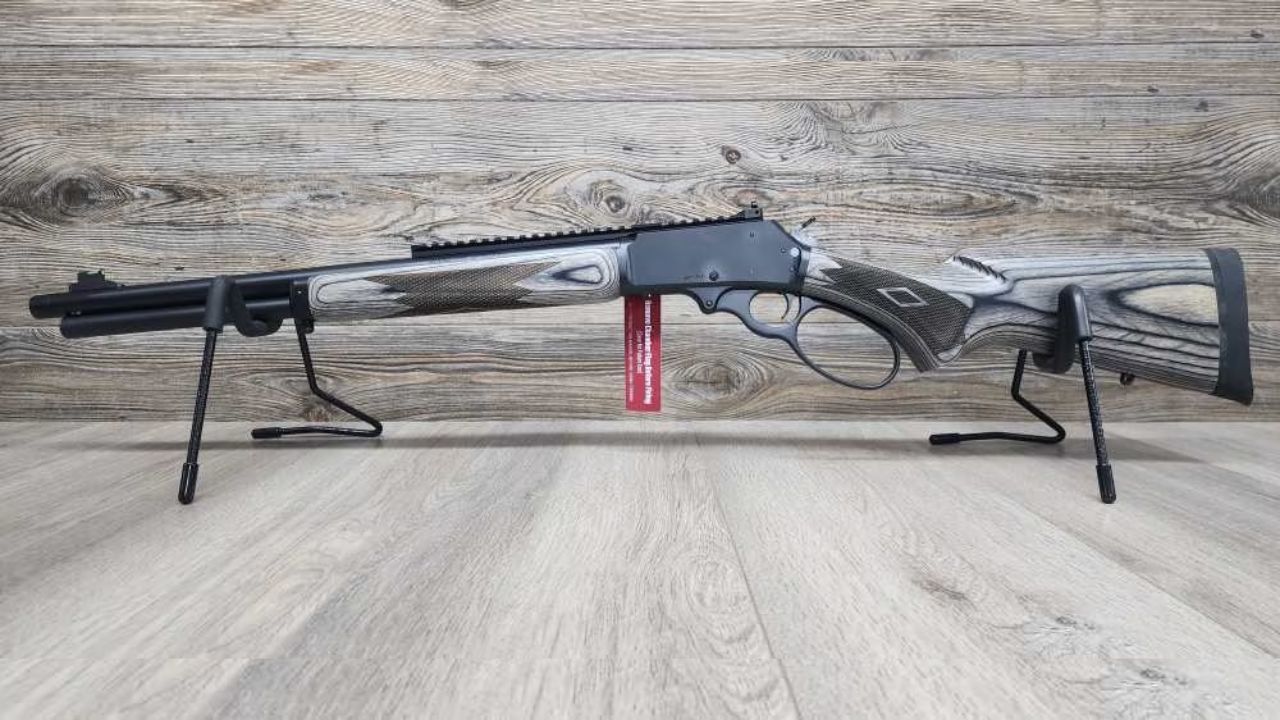
A Remington-era Marlin 1895 Guide Gun can feel like a real-deal hunting rifle—thick steel, big lever, and that satisfying clunk that makes you think it’s built for elk woods and bad weather. In the hands, it screams durability. The first range day is where some “Remlin” examples earned their reputation: rough actions, feeding quirks, and small fit issues that don’t show until you’re cycling it hard.
You might see stiff loading, hang-ups when feeding certain bullet profiles, or an action that starts feeling gritty once powder residue builds. None of that means every rifle is bad, and many can be smoothed out. The point is that the rifle can feel like a tank and still require attention before it runs the way a lever gun should when you’re shooting and cycling at a steady pace.
Winchester XPR (recall-affected rifles)

A Winchester XPR often feels like a straightforward, sturdy bolt gun—nice balance, solid stock fit, and a bolt that feels smooth in a quick store check. It’s the kind of rifle that gives you confidence fast. The reality is that some XPR rifles were part of a documented safety-related recall, and the first serious range day is where you start paying closer attention to how everything behaves under recoil and repetition.
Even aside from recall concerns, budget bolt guns can show rough extraction, inconsistent feeding, or shifting feel as screws settle and the rifle heats. The XPR can be a strong value when it’s sorted, but it’s a good example of a rifle that can feel like a dependable hunting tool in your hands while still demanding that you verify its specifics and run it hard before you trust it.
Thompson/Center Compass

A Thompson/Center Compass often feels better than you expect for the price. It has a solid receiver, a practical stock, and a bolt that can feel decent when you run it a few times dry. On the first range day, where you’re cycling rounds quickly, shooting groups, and letting the barrel warm up, some Compass rifles start showing their budget edges.
Common complaints include a gritty bolt feel under speed, feeding that isn’t always slick, and triggers that vary more than you’d like. You may also notice that consistency changes as the rifle heats, especially if the stock contact points or screws aren’t perfectly settled. None of this makes it unusable. It means the rifle can feel like a dependable deer gun at first touch and still require careful setup and thorough range time before it becomes truly confidence-inspiring.
Century Arms VSKA

A Century Arms VSKA can feel like a thick, heavy AK that’s ready for anything. The weight and stamped-steel vibe give you that “built for hard use” impression right away. The first real range day is where AK-pattern rifles, especially budget builds, prove whether the internal parts, heat treatment, and assembly quality are up to repeated firing—not only a few magazines.
The VSKA has drawn plenty of debate in the AK world, and concerns often center on long-term durability rather than how it feels in your hands. On the line, early warning signs can look like inconsistent cycling, odd wear patterns, or parts that feel like they’re settling in ways you don’t love. A rifle can feel like a tank and still earn distrust if its internals raise questions after real shooting instead of countertop handling.
Like The Avid Outdoorsman’s content? Be sure to follow us.
Here’s more from us: