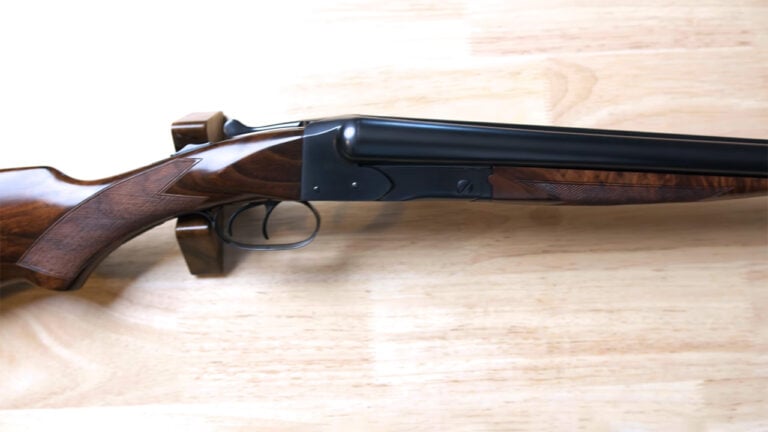
Photo credit: Ruger® Firearms
A handgun can seem right at the counter and still lose its place fast. Sometimes the problem is recoil. Sometimes it is the trigger, grip shape, reliability confidence, holster support, or the simple fact that a better option shows up after a few range trips. The gun may work, but working is not always enough to keep someone attached.
The handguns buyers move on from fast usually have one thing in common: the first impression is stronger than the long-term ownership. Once the newness fades, the tradeoffs start feeling louder than the reasons they bought it.
Springfield Armory Hellcat
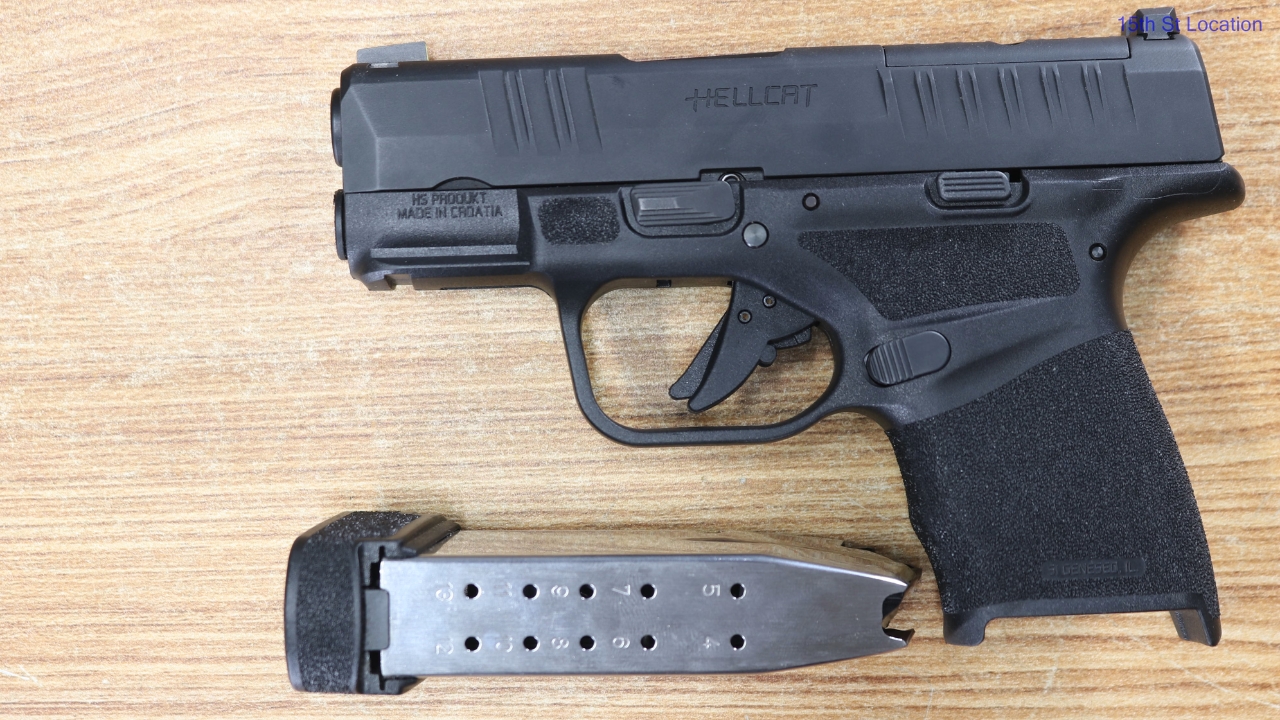
The Springfield Hellcat sells itself well because it gives you strong capacity in a very small package. For buyers focused on concealment and round count, that sounds like an easy win.
Then range time changes the conversation. The Hellcat can feel snappy, cramped, and less forgiving than slightly larger pistols. Some shooters carry it happily, but others move on to the Hellcat Pro, Shield Plus, P365 XL, or Glock 43X because they want more control. A carry gun that feels great in the holster but rough on the range can get replaced fast.
SIG Sauer P365 SAS

The SIG P365 SAS looked like a smart deep-carry answer when it arrived. Smooth edges, a snag-free profile, and the successful P365 base made it easy to understand why buyers were curious.
The problem is the sighting system. Many shooters find the SAS harder to aim quickly than a regular P365 with normal sights or an optic-ready slide. That matters because defensive pistols need to feel natural under speed. A lot of buyers eventually move on from the SAS not because the idea was silly, but because the standard P365 family gives them more confidence.
Kimber Micro 9

The Kimber Micro 9 has strong counter appeal. It is small, attractive, and carries enough 1911-style flavor to feel more interesting than a basic polymer carry pistol. That first impression can sell the gun quickly.
Ownership can be less romantic. Small single-action carry pistols need to be tested hard with magazines and defensive ammo, and they are not always as forgiving as plainer designs. Recoil feels sharp for the size, capacity is limited, and some buyers lose confidence. Many end up moving to a Shield Plus, P365 XL, or compact striker-fired 9mm.
Taurus GX4

The Taurus GX4 attracts buyers because it offers micro-compact size and decent capacity at a price that undercuts many bigger-name rivals. For someone trying to stay on budget, that is a strong pitch.
The reason some buyers move on fast is confidence. Taurus has improved, but the old reputation still sits in the back of some shooters’ minds. If the gun feels rough, the trigger does not click with them, or they start comparing support to Glock, SIG, and Smith & Wesson, the savings matter less. A carry gun has to calm doubts, not create them.
Ruger MAX-9
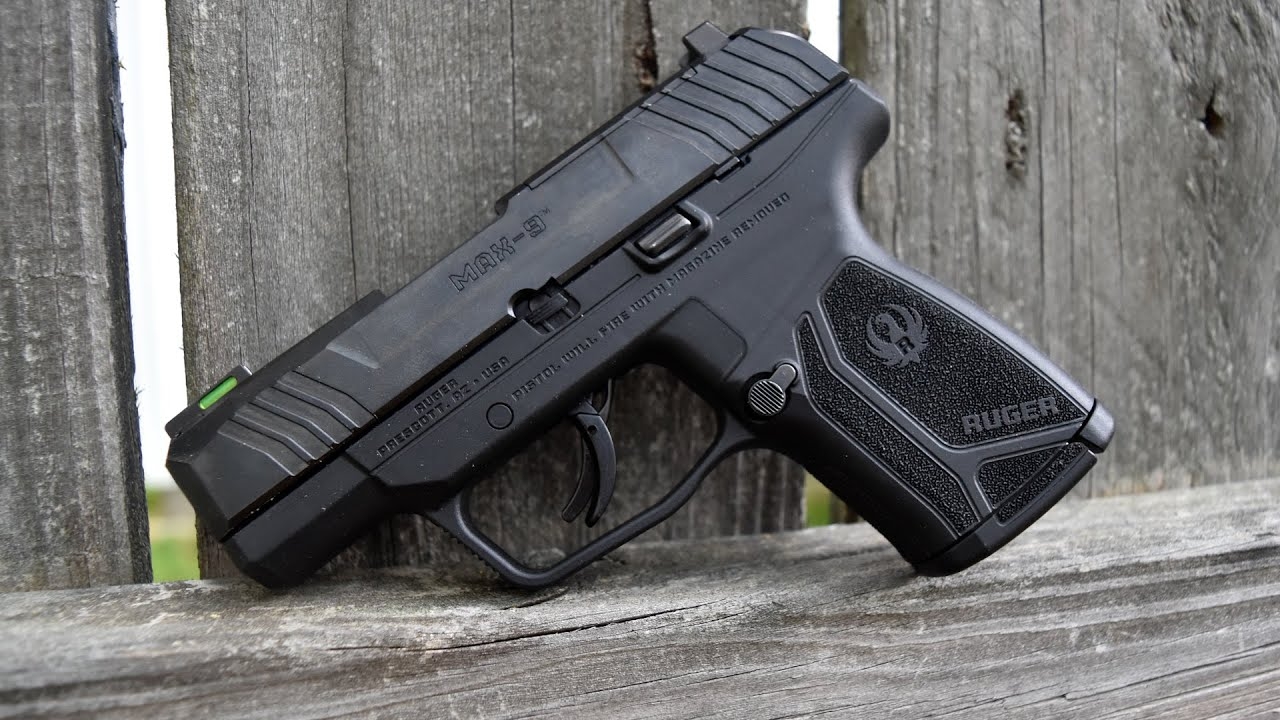
The Ruger MAX-9 seemed like the practical Ruger answer to the micro-compact race. It had good capacity, a carry-friendly size, and an optics-ready option at a reasonable price. On paper, it made sense.
In the hand, some buyers find it less convincing. The trigger, recoil feel, finish, and overall refinement can feel behind stronger competitors. Ruger usually wins people over with practical value, but the carry market is harsh. When buyers shoot a Shield Plus, P365 XL, or Hellcat Pro side by side, the MAX-9 can start feeling like the one they bought mainly for price.
Smith & Wesson CSX

The Smith & Wesson CSX had the ingredients to be a sleeper hit. A small metal-framed carry pistol with good capacity and manual-safety appeal sounded like something different in a polymer-heavy market.
Then shooters started focusing on the trigger feel and reset complaints. For a small pistol, everything about the trigger and grip has to feel right because there is less margin for error. The CSX was not a bad concept, but it did not win people over as strongly as expected. Some buyers move on because it feels like a good idea that needed one more round of refinement.
Beretta APX A1 Carry

The Beretta APX A1 Carry has the Beretta name, and that alone gives buyers hope. A slim carry pistol from a serious old company sounds like it should be an easy option for everyday carry.
The trouble is that the little APX often feels forgettable in a crowded lane. The trigger, grip feel, and shootability do not always match what buyers can get from more established carry pistols. If someone compares it to a Shield Plus, P365, Glock 43X, or Walther PPS M2, the Beretta may not give them enough reason to stay loyal.
Springfield Armory XD-S

The Springfield XD-S had its moment, especially when slim single-stack carry pistols were the hot answer. The .45 ACP version also pulled in buyers who wanted big-bore power in a gun they could actually conceal.
The market moved on quickly. Higher-capacity micro-compacts now carry almost as easily while shooting softer and giving buyers more rounds. The XD-S can still work, but it feels dated beside newer designs. Buyers who once thought thin was everything often move on after realizing shootability and capacity matter just as much.
KelTec PF-9
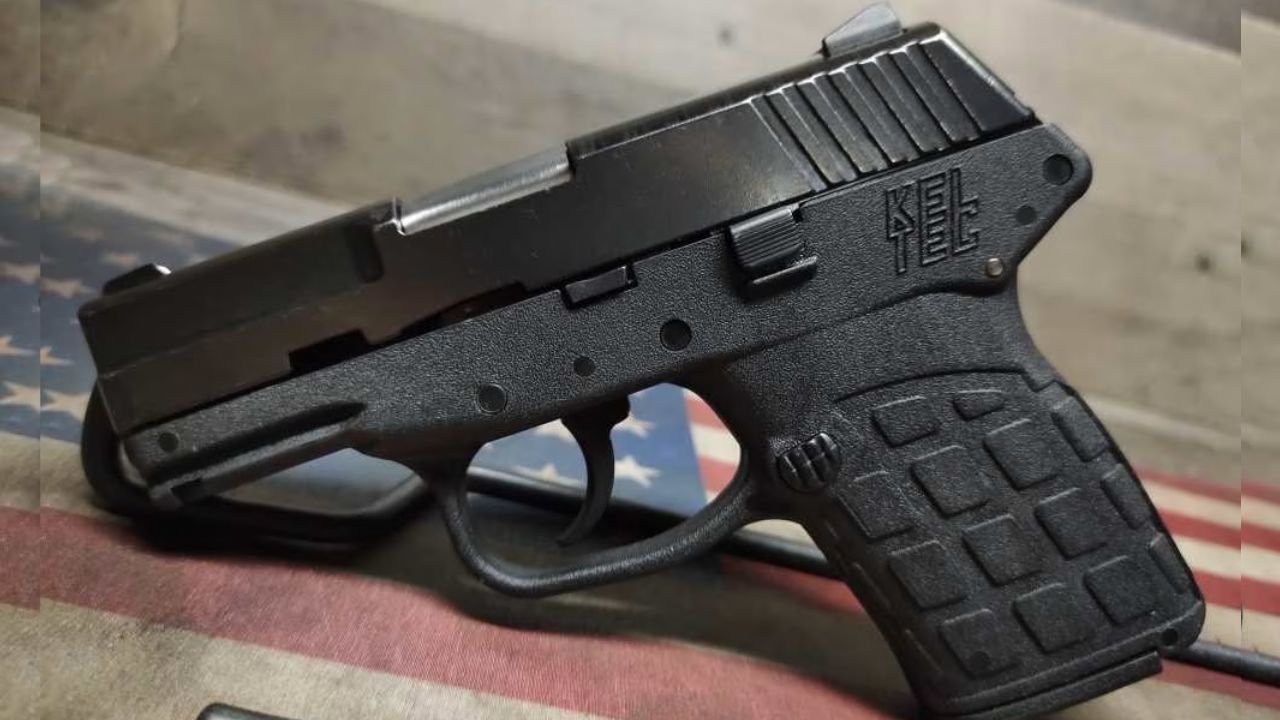
The KelTec PF-9 made sense when thin, affordable 9mm carry pistols were less common. It was light, cheap, and easy to hide, which gave it a real role for budget-conscious buyers.
The first range trip often explains why people move on. The PF-9 is sharp, rough-feeling, and not especially forgiving. It can be carried easily, but easy carry does not mean easy shooting. Once buyers get behind a Shield, Glock 43, P365, or newer micro-compact, the PF-9 starts feeling like a gun from a harsher earlier stage of the carry market.
Smith & Wesson Bodyguard 380

The Bodyguard 380 looks like an easy deep-concealment answer. It is small, light, and simple to carry in places where bigger pistols feel like too much. That is why buyers still get tempted by it.
Then they shoot it. The long trigger, tiny sights, and pocket-pistol handling make accuracy harder than many expect. Some people learn to run it well, but others move on to the Ruger LCP Max, SIG P238, Shield EZ, or a small 9mm. A pocket gun has to be more than small. It has to be shootable enough to trust.
Kimber Solo

The Kimber Solo looked like a refined little carry pistol when small 9mms were still developing fast. It had attractive lines, a premium feel, and the kind of name that made buyers expect more than a basic pocket gun.
The issue was trust. The Solo developed a reputation for being picky, especially with ammunition, and that is hard to live with in a defensive pistol. Once buyers start wondering whether the gun is going to run with their carry load, the relationship usually does not last. Many moved on to simpler, less glamorous pistols that felt more dependable.
Walther CCP
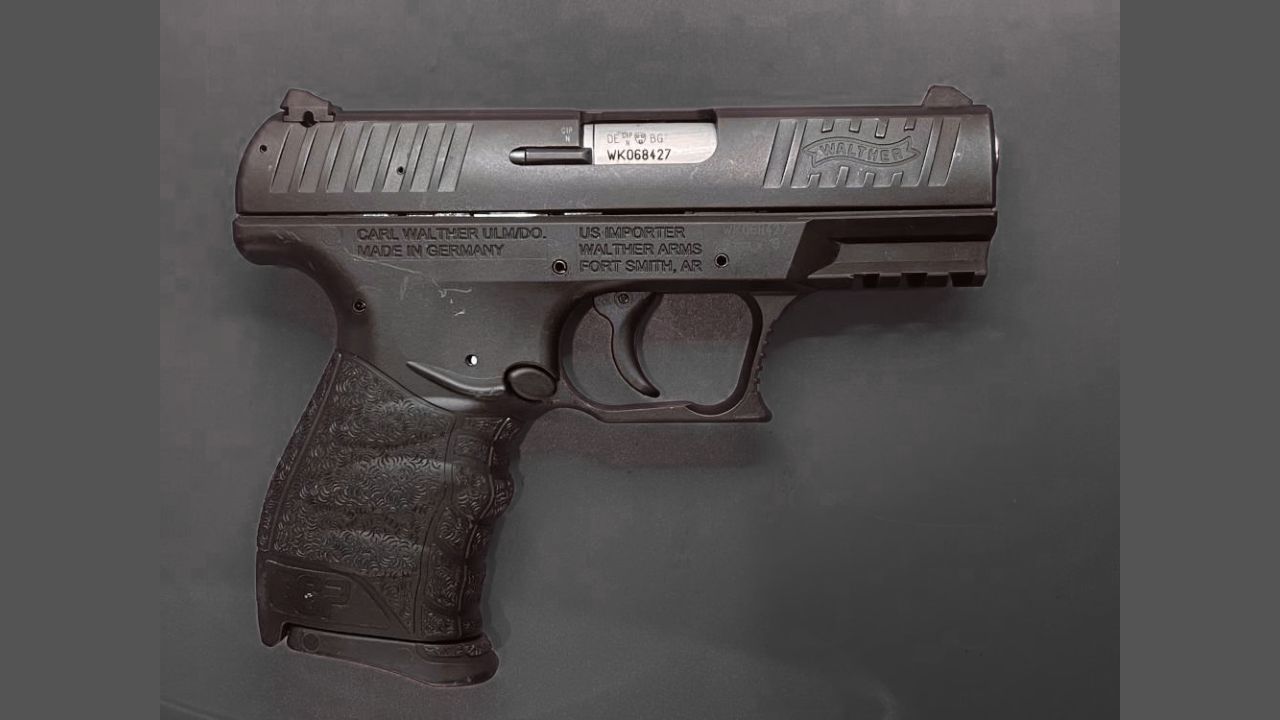
The Walther CCP had a useful idea behind it. Softer recoil and an easier-to-rack slide made sense for shooters who struggled with snappy compact pistols or stiff recoil springs.
The problem is that the whole ownership experience did not always feel as easy as the pitch. Early complaints about takedown, heat, and general fussiness turned off some buyers. A carry pistol needs to feel simple from loading to cleaning to shooting. Many owners eventually moved toward the Shield EZ, PPS M2, Glock 19, or other options that felt more straightforward.
FN Reflex
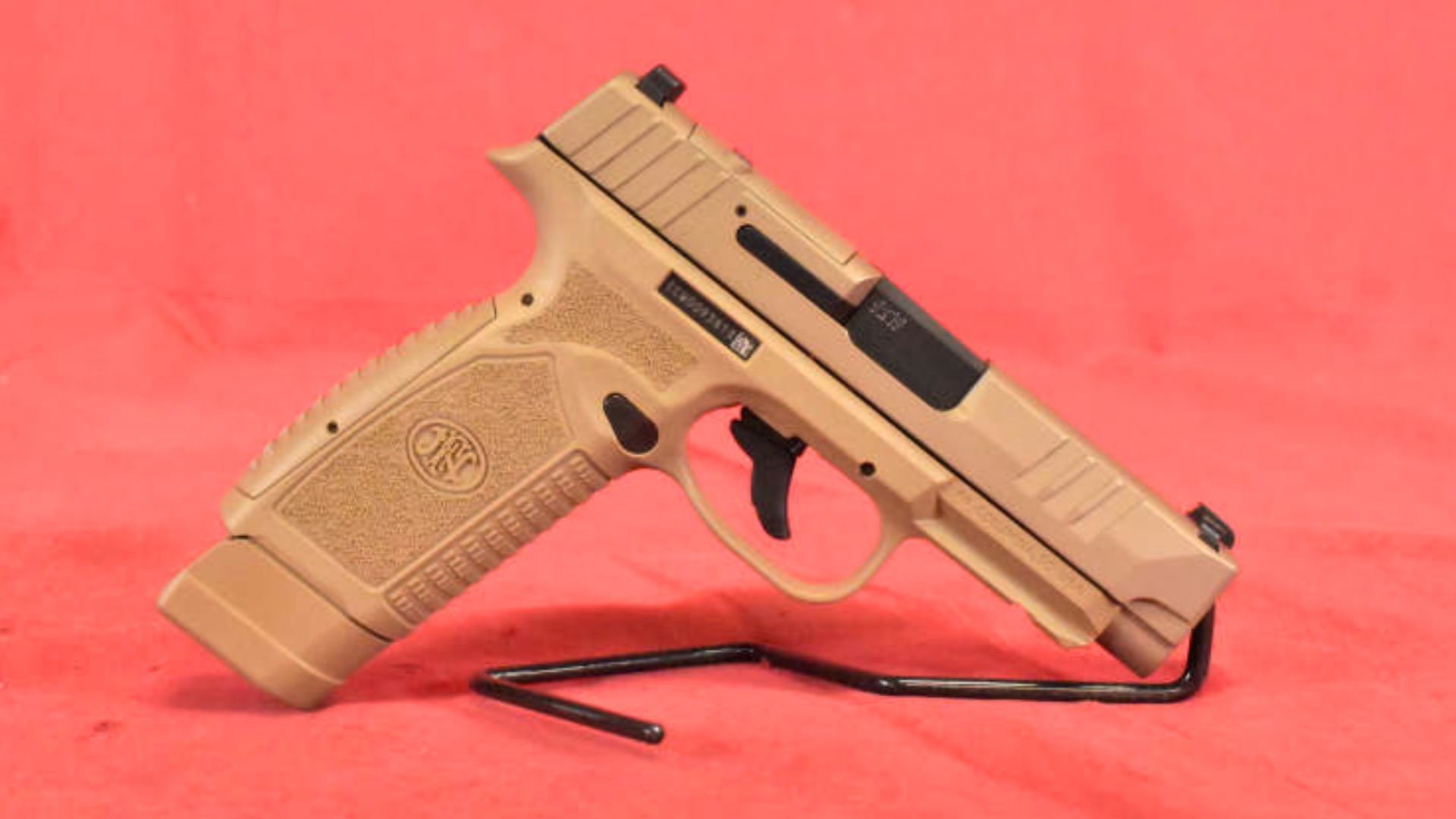
The FN Reflex sounded interesting because it brought a hammer-fired setup into the modern micro-compact category. FN also has enough brand weight that buyers expected a serious little carry gun.
Some shooters like it, but others move on because it does not clearly beat the top choices. The recoil feel, trigger personality, aftermarket support, and holster ecosystem all matter. In a market packed with P365 variants, Shield Plus models, Hellcats, and Glock slimlines, being different is not enough. Buyers move on when different does not feel better.
Canik METE MC9

The Canik METE MC9 had high expectations because Canik had already earned a strong reputation for good triggers and value. A small carry version sounded like the obvious next step.
The problem is that carry pistols get judged harder than range pistols. Early mixed reliability reports made some buyers cautious, and once doubt enters the picture, people often move on fast. Some MC9s run well and have happy owners, but the micro-compact market is too competitive for shaky confidence. Buyers who worry usually end up with a more proven option.
Desert Eagle .50 AE

The Desert Eagle .50 AE is the handgun people move on from for a different reason. It is not a carry-gun disappointment. It is a reality-check gun. The idea is exciting, the look is legendary, and the first range trip can be a lot of fun.
Then ownership sets in. The gun is huge, heavy, expensive to feed, and not especially useful outside range spectacle. Once the novelty wears off, many buyers realize they would rather have a high-quality revolver, 1911, duty pistol, or practical range gun. It is fun to want. It is harder to justify keeping.
Like The Avid Outdoorsman’s content? Be sure to follow us.
Here’s more from us: