Photo credit: Wild Hunting World/YouTube
A hard-kicking deer rifle sounds tough in theory. In real life, it’s often the fastest way to turn a decent shooter into a flinching mess. Big recoil makes you blink, yank the trigger, rush the shot, and start “checking” your hits instead of staying in the gun. That’s how you end up with deer that run farther than they should, sparse blood trails, and a long night of second-guessing.
Whitetails don’t require punishing recoil. What they require is a bullet in the right place, delivered by a rifle you can shoot cleanly when your heart rate spikes. The rifles below aren’t automatically bad rifles. They’re rifles that, when bought in common hard-kicking chamberings and set up in the typical lightweight hunting configuration, often cause more problems than they solve for deer hunters.
Kimber Mountain Ascent
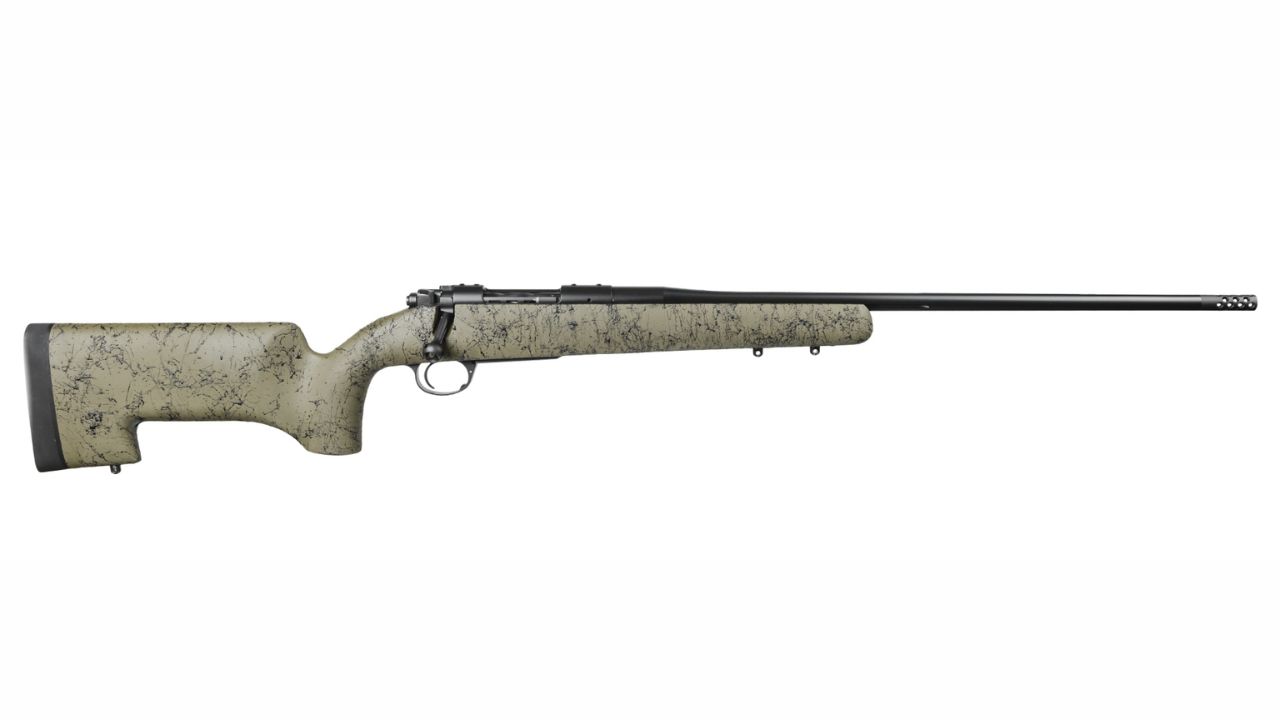
The Mountain Ascent is built to disappear on your shoulder, and that’s the problem when you pick it in a big magnum. Ultra-light rifles feel great on the hike, then they turn every shot into a shove that’s hard to ignore. You start bracing for it. Your groups open up. Your confidence gets shaky, and that shows up fast once you’re shooting from field positions.
Deer results suffer when you won’t practice with the rifle you carry. A lot of hunters buy a light rifle, shoot a box to “confirm,” and call it done. Then they wonder why they pull shots when adrenaline hits. If you run a Mountain Ascent, keep it in a deer-sensible cartridge, add a real recoil pad, and spend time shooting prone, sitting, and kneeling. The rifle can work, but recoil has to stay manageable.
Kimber 8400 Montana

The 8400 Montana has a loyal following, and it carries like a dream. Put it in something like .300 Win. Mag. or .300 WSM, and you’ve got a deer rifle that can turn range days into punishment. The rifle is light, the stock is trim, and recoil feels sharp. That sharp recoil is what trains bad habits, especially when you’re shooting off a bench.
On deer, bad habits look like high hits, back hits, and rushed shots. The cartridge isn’t the issue. The shooter-rifle combination is. If you can’t stay relaxed behind the gun and call your shots, you’ll never get consistent results. A Montana set up with a moderate cartridge, a good pad, and a steady scope mount is a different animal. In a heavy kicker, it often becomes a rifle you carry a lot and shoot poorly.
Christensen Arms Ridgeline

The Ridgeline is popular because it feels premium and light in the hands, and many of them shoot very well. The trouble starts when you buy that light carbon-barrel setup in a cartridge that hammers you. Lightweight plus magnum recoil equals a rifle that’s hard to shoot cleanly on demand. You can get one that prints nice groups early, then you start anticipating recoil and the wheels come off.
That’s where “doesn’t deliver results” shows up. The deer doesn’t care what your rifle cost. It cares where the bullet lands. If the Ridgeline is set up with a brake or a suppressor and you commit to practicing with it, you can keep it honest. Without recoil management, a lot of hunters end up with a rifle that looks like a long-range rig but gets used like a once-a-season tool.
Fierce Fury
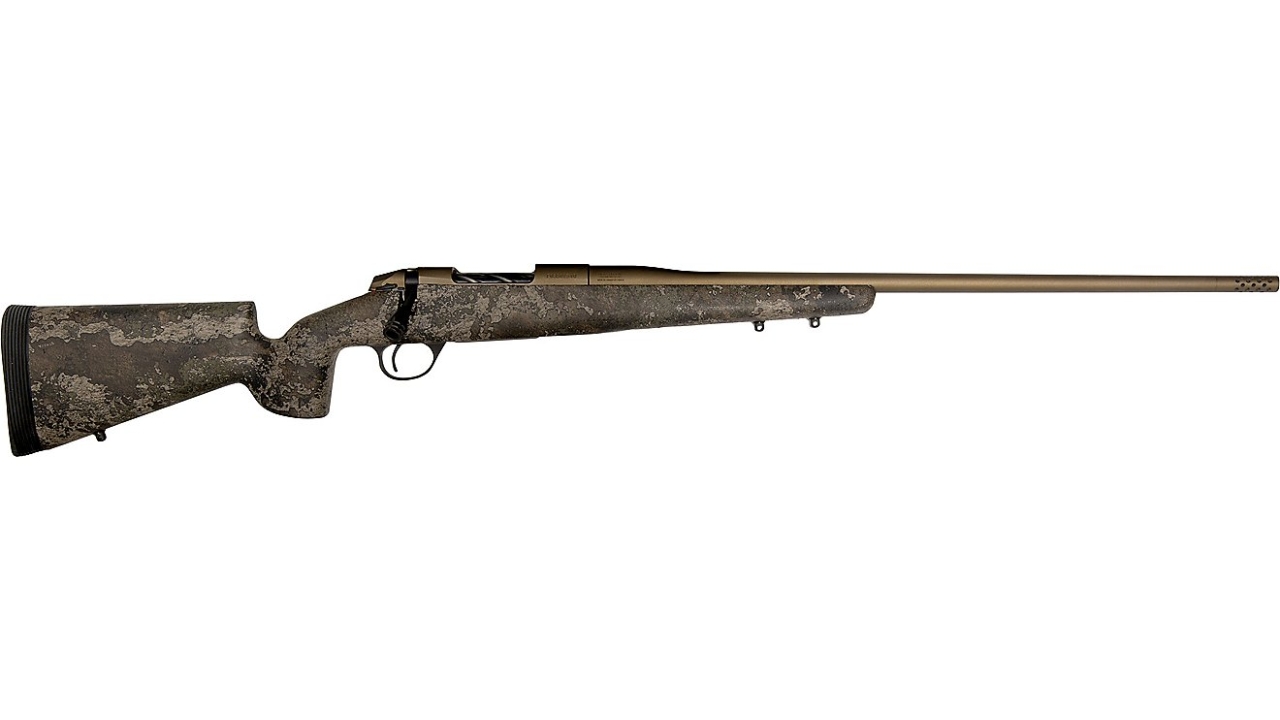
The Fierce Fury is marketed and built like a serious hunting rifle, and plenty of them are accurate. The issue is how often hunters pair that accuracy promise with a hard-kicking cartridge in a light package. You end up with recoil that’s quick and snappy, and that’s the kind that makes you lose your sight picture and rush follow-ups. It feels “fast” in the worst way.
On deer, losing the sight picture costs you information. You don’t see the impact, you don’t see the reaction, and you don’t track the shot in real time. That leads to poor decisions right after the trigger breaks. If you’re going to run a Fury in a heavy cartridge, you need recoil control built into the setup and a practice routine that includes awkward positions. Otherwise, it’s easy to own a rifle that should be deadly, but rarely gets shot well when it counts.
Browning X-Bolt Hell’s Canyon Speed
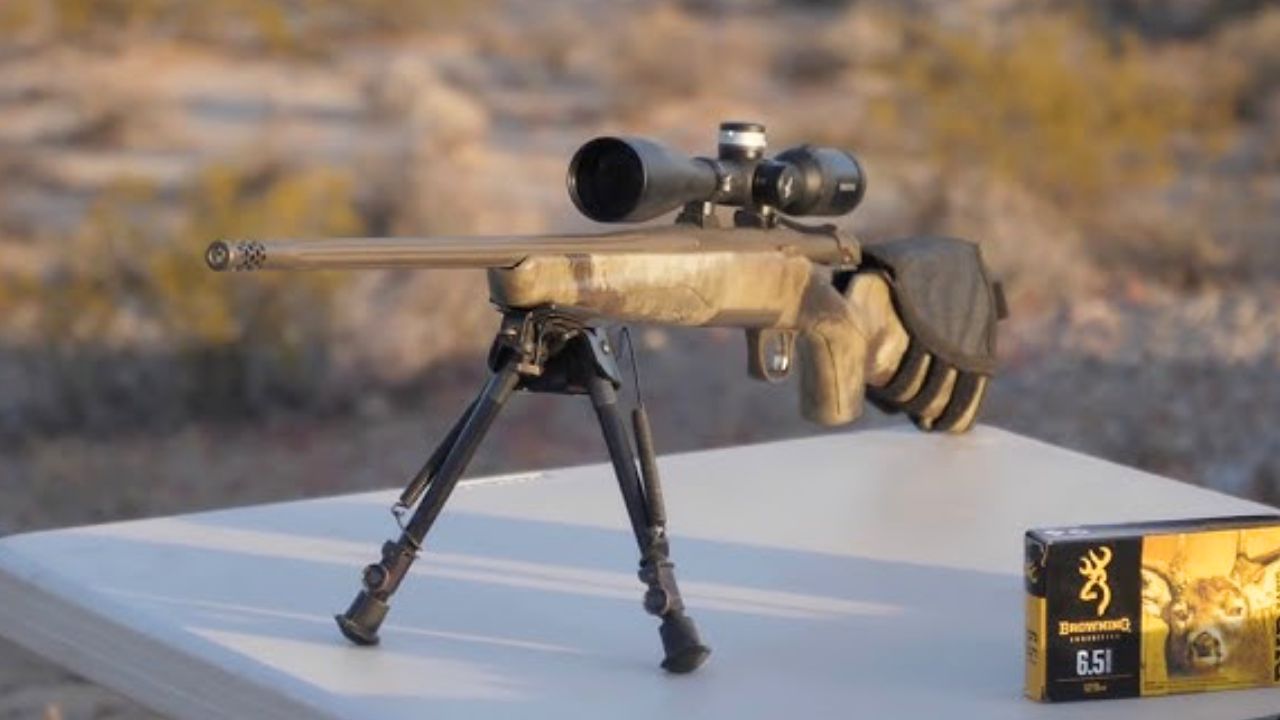
The Hell’s Canyon Speed is a classic example of a rifle that sells the dream of “light, fast, and ready.” In hard-kicking chamberings, the lightweight build and hunting-style stock can beat you up, especially from the bench. You start tightening your shoulders and slapping the trigger. The rifle hasn’t failed you, but it’s training you to shoot poorly.
That poor shooting shows up as scattered groups and weak field confidence. When you don’t trust the rifle, you hesitate on good shot windows and take bad ones. The cure is boring: pick a cartridge you can control, set your length of pull correctly, and run drills that force you to break clean shots under a little pressure. A well-set-up X-Bolt can be excellent. In a shoulder-thumper configuration, it often delivers bruises instead of results.
Browning AB3

The AB3 is a budget-friendly rifle that gets bought in powerful cartridges because the sticker price makes it feel “worth it.” The problem is that budget rifles in big kickers often come with light stocks, basic recoil pads, and setups that aren’t tuned to the shooter. Recoil feels harsher than it needs to, and the shooter ends up doing most of the suffering.
When suffering shows up, practice disappears. You get a rifle that’s carried on opening day, fired once or twice, and then blamed for everything. Deer don’t get anchored by recoil. They get anchored by good hits. If you’re running an AB3, build it around controllability: a practical deer cartridge, a better pad, and a scope that stays put. Then spend time shooting from sticks, packs, and kneeling. That’s how you turn a budget rifle into a real tool.
Weatherby Vanguard

The Vanguard has a reputation for strength and solid accuracy, and it can be a great hunting rifle. The issue is how many Vanguards get bought in cartridges that punish shooters more than they help them on deer. A hard-kicking Vanguard with a basic factory pad can feel like a lot of rifle, especially for hunters who only shoot a few times per year.
Recoil drives flinching, and flinching drives bad hits. Bad hits create long tracks and poor blood trails, even with “big” cartridges. A Vanguard in a manageable deer round is a different experience, because you can shoot it often enough to be confident. If you insist on a hard kicker, you need a setup that tames recoil and a zero check that includes real hunting positions. Otherwise you end up with a rifle that looks capable, but the shooter never gets fully behind it.
Winchester XPR

The Winchester XPR is another rifle that gets picked up in powerful chamberings because it’s affordable and available. In those chamberings, the recoil often feels sharper than hunters expect, especially with a lightweight hunting scope and a thin factory pad. The rifle can shoot, but the shooter’s comfort becomes the limiting factor long before mechanical accuracy does.
That comfort gap shows up fast in field results. When you’re dreading the shot, you’ll rush it. When you rush it, you’ll pull it. Then you’re tracking a deer that should’ve been down within sight. The XPR can be a solid deer rifle when you keep recoil reasonable and spend time confirming your hold. If you build it into a shoulder-thumper, you’ll often practice less and blame the rifle more. The deer pays the price either way.
Remington 783

The Remington 783 tends to surprise people with decent accuracy for the money. The trouble comes when it’s set up as a “cheap magnum” deer rifle. Hard recoil in a budget stock can feel abrupt, and abrupt recoil is what makes you tense up and lose your trigger press. You can shoot a few groups and convince yourself it’s fine, then the flinch creeps in over the next boxes of ammo.
In the woods, that flinch turns into inconsistent shot placement. Deer don’t care that the cartridge is powerful. They care where it hits. If you want a 783 to deliver, keep it in a cartridge you’ll actually practice with, and make sure the rifle fits you. Proper length of pull and a good recoil pad matter more than internet bragging rights. A controllable rifle that gets shot often beats a bruiser that lives in the safe.
Thompson/Center Compass II

The Compass II is built to be an entry-level hunting rifle, and it does that job best when recoil stays reasonable. In hard-kicking chamberings, the rifle’s lighter feel and basic furniture can make recoil seem bigger than it is on paper. That’s where people start chasing fixes instead of building skill, swapping parts and ammo while avoiding the one thing that matters most: time behind the trigger.
Deer results fall apart when you don’t trust your rifle. Hard recoil makes you distrust it. You stop practicing from sticks, you stop shooting at realistic pace, and you start treating the shot like a surprise. If you want the Compass II to deliver, keep the cartridge deer-appropriate and put your money into ammo and practice instead of horsepower. A clean hit with a manageable rifle gives you better blood trails and shorter tracks than a “bigger” rifle you shoot badly.
Mossberg Patriot

The Patriot is another budget rifle that often ends up wearing a magnum chambering because it seems like a deal. Then range day shows you the hidden cost. Light rifles with stiff recoil pads can feel punishing, and punishing rifles get shot less. That’s how you end up with a deer rifle that’s technically capable but practically useless for the person behind it.
A deer rifle’s job is repeatable shot placement. If you’re flinching, your bullet placement becomes a coin toss. The Patriot can do good work when it’s kept in a cartridge you can control, and when the rifle is set up to fit your body. If you’re determined to run a heavy-kicking version, you need recoil management built in and a practice routine that includes standing, kneeling, and shooting off sticks. Without that, you’ll spend more time talking about recoil than stacking clean hits.
Springfield Armory 2020 Waypoint
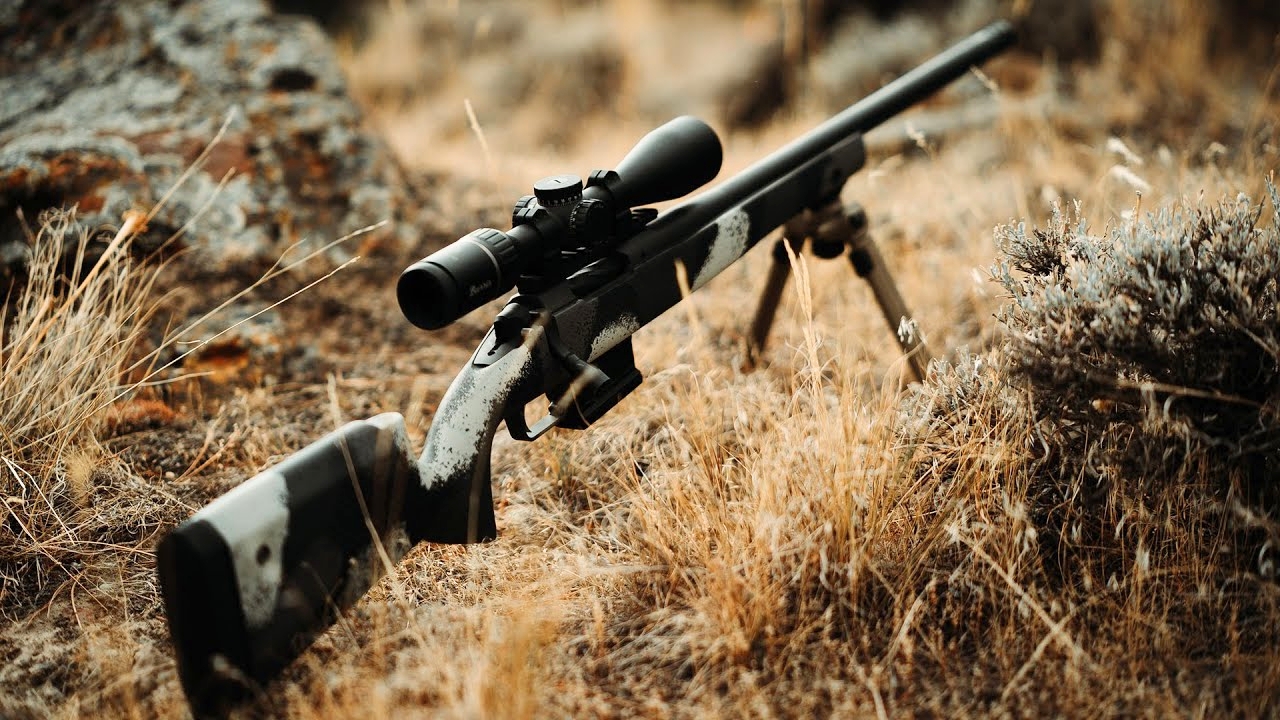
The 2020 Waypoint is built like a modern premium hunting rifle, and it can be very accurate. In heavy-recoiling chamberings, though, it still obeys the same physics as everything else. Light rifles recoil harder. Hard recoil makes you flinch. Flinching makes you miss, or worse, hit poorly. That’s how a “nice rifle” ends up producing frustrating deer recoveries.
The Waypoint’s strength is precision, and precision only matters if you can access it under stress. If recoil is stealing that from you, you’re paying for performance you can’t use. Set it up to control recoil, and spend time shooting from field supports, not only from a bench. For deer, you don’t need a cartridge that turns every range trip into a chore. You need a rifle you’ll practice with until clean hits feel normal. That’s when a Waypoint delivers.
Savage Axis II

The Axis II is a common “first deer rifle,” and it often gets bought in cartridges that are more than a new shooter needs. The rifle is light, the stock is basic, and recoil can feel sharp when you pair it with a hard-kicking cartridge. That’s a rough way to learn fundamentals, because recoil punishes every mistake and teaches you to brace instead of press.
If you’ve ever watched someone develop a flinch in one afternoon, it’s usually behind a light rifle that kicks hard. Then their deer hunting becomes a story of missed opportunities and long tracks. The Axis II can be a dependable deer rifle when it’s chambered sensibly and the shooter practices regularly. If it’s configured as a budget bruiser, it often turns into a rifle that gets fired once or twice per season. Low reps plus high recoil equals low results.
CVA Cascade

The CVA Cascade has earned a spot in camps because it can shoot well for the money. Where people get into trouble is turning it into an overpowered deer rig. In hard-kicking chamberings, the Cascade’s lighter hunting build can make recoil feel abrupt, and that abrupt recoil is what makes you rush the shot and lose your form. Accuracy doesn’t help if you can’t stay relaxed enough to use it.
Deer results come down to confidence. Confidence comes from practice. Practice disappears when recoil is miserable. If your Cascade is kicking you around, you’ll start avoiding range time and relying on hope. A better path is choosing a cartridge you can shoot cleanly, then running realistic drills from sticks and seated positions. The Cascade can deliver excellent performance when it’s matched to the shooter. In a shoulder-thumper setup, it tends to deliver soreness and excuses.
Bergara B-14 Ridge

The B-14 Ridge is known for smooth actions and strong accuracy, and many hunters love them. The problem starts when you chase magnum performance in a rifle you plan to shoot like a deer rifle. Magnum recoil can still rattle you, even with a well-built rifle, and once you’re flinching, that accuracy advantage doesn’t matter much. You can own a rifle that shoots tiny groups in theory and still shoot it poorly in practice.
The Ridge is at its best when you can shoot it often and well. That means recoil has to be manageable enough to build skill, not fear. If you’ve got one in a hard-kicking chambering, recoil management needs to be part of the build, and you need honest practice that includes awkward field angles. Deer don’t reward cartridge power the way people think. They reward calm, clean hits.
Mauser M18
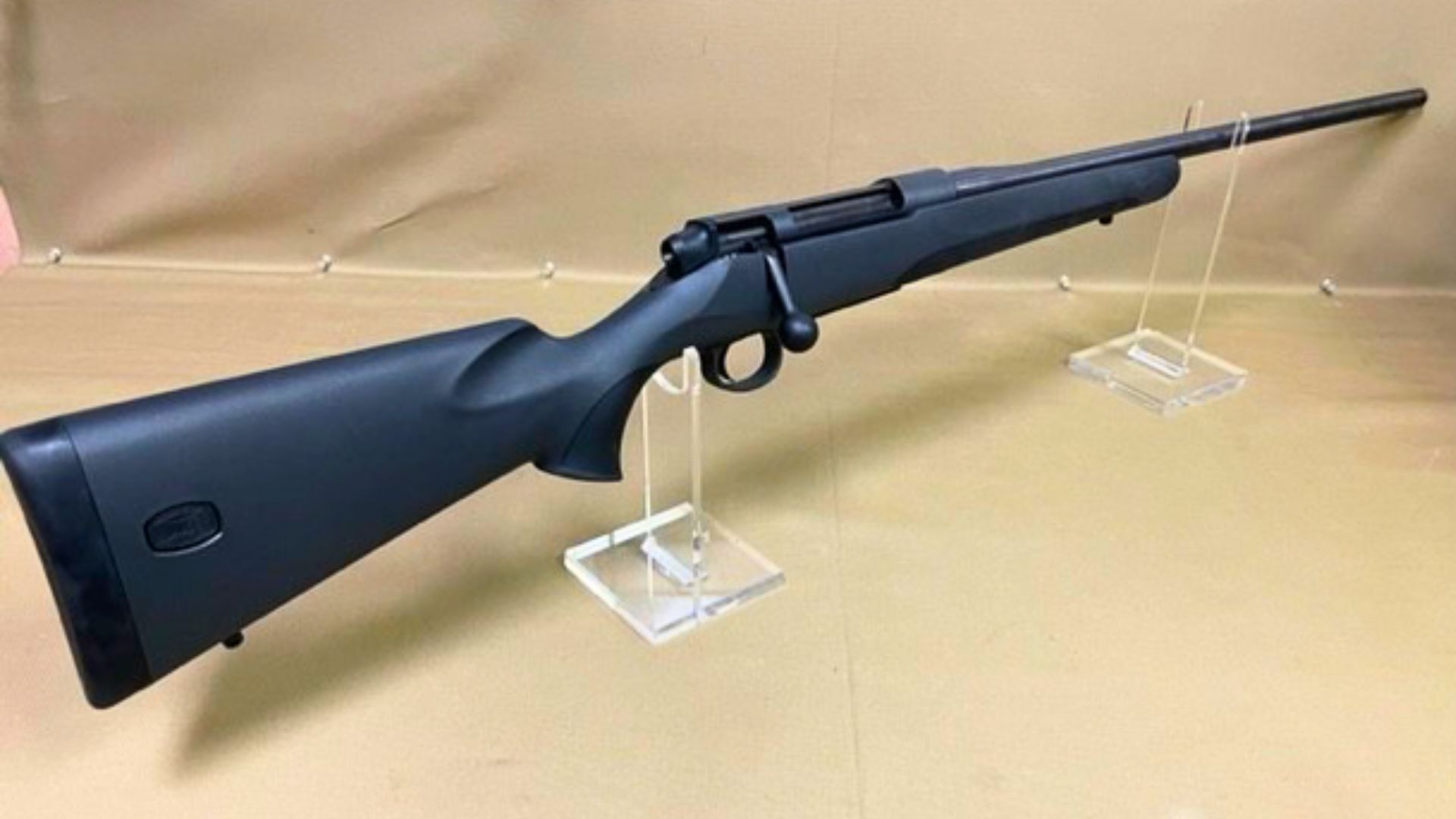
The Mauser M18 is a tough, practical hunting rifle, and it’s easy to see why people buy it. It’s also a rifle that gets picked in larger cartridges because it feels “serious.” In those cartridges, recoil can become the main story, especially if the rifle isn’t set up for your body and you’re shooting from a bench. Hard recoil makes you tighten up, and tight shooting is inconsistent shooting.
Inconsistent shooting creates poor blood trails and long recoveries. A hard-kicking rifle can still kill deer quickly, but only when the shooter stays disciplined. Many hunters never get there because they stop practicing once recoil gets unpleasant. The M18 can be an excellent deer rifle when it’s matched with a cartridge that encourages repetition. If you buy it to impress your buddies with recoil, you’ll often end up troubleshooting your own shooting instead of filling tags.
Like The Avid Outdoorsman’s content? Subscribe to our newsletter so you never miss an article.
Here’s more from us: