Photo credit: Aventura Out/YouTube
A lot of firearms get dismissed for the same reason they later become hard to replace. They never had the flashiest reputation in the first place. They were the guns people described as practical, plain, dependable, or good enough. That kind of language usually means buyers respected them without feeling any urgency to own them. They figured those models would keep showing up forever, sitting on racks and in used cases until the day they finally decided to buy one.
Then reality changes the tone. Production ends, imports dry up, older stock gets absorbed into private collections, and the once-ordinary gun stops being something you casually pass over. That is when “boring” turns into “I should’ve bought one when I had the chance.” These are the firearms people stop insulting the moment they realize finding another clean one is no longer simple.
Smith & Wesson 4566
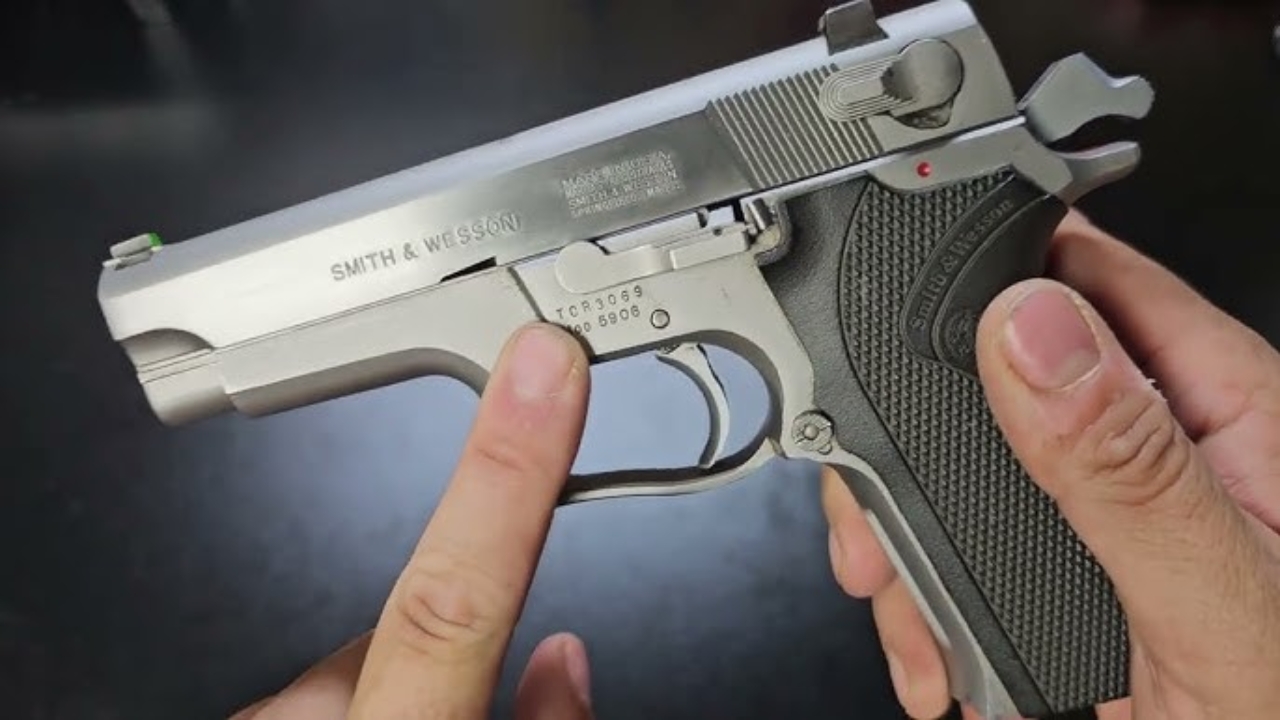
The Smith & Wesson 4566 never had the kind of reputation that made buyers rush toward it. It was a big, stainless, duty-style .45 that looked more serious than exciting. A lot of people saw it as a practical old service pistol and moved on to something lighter, newer, or easier to talk themselves into. That made it easy to leave behind, especially when third-generation Smith autos still felt common enough to ignore.
Then those pistols started thinning out, and the 4566 began looking different. Buyers who once called it heavy and plain started noticing how solid it felt, how well it shot, and how little of that kind of build quality was still being made. Once you try finding another one in honest shape, all that old “boring” talk dries up fast. Suddenly it is not dull at all. It is just hard to replace.
Ruger Police Service-Six
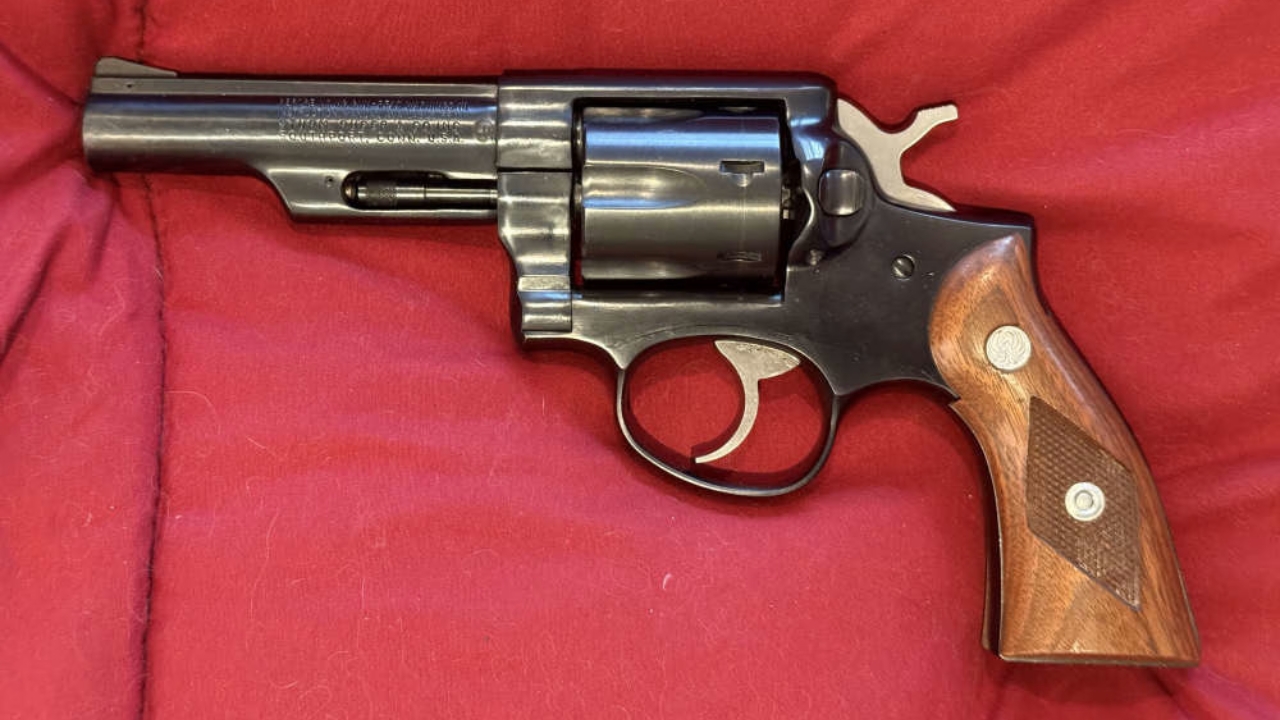
The Police Service-Six used to be the kind of revolver people respected without getting very excited about. It was sturdy, useful, and built for work, which also made it easy to overlook. Buyers chasing prettier Smiths, collectible Colts, or flashy magnums often treated the Service-Six like the plain cop gun that would always be around if they ever wanted one later. That lazy thinking cost a lot of people.
Once the supply started shrinking, the mood changed. These revolvers stopped looking like background guns and started looking like smart, durable wheelguns from a chapter that is not coming back. People who once brushed them off as ordinary suddenly learned how fast ordinary disappears when it is no longer being made. Finding another clean Service-Six has a way of curing a person of calling one boring.
Browning BDA .45

The Browning BDA .45 is one of those pistols a lot of buyers used to treat like a side note. It had quality behind it and real appeal, but it never built the same everyday urgency as more famous service pistols from its era. That meant plenty of shooters admired it briefly, shrugged, and figured they could always circle back later if they ever wanted one. Later gets a lot more expensive in the gun world.
When you actually go looking for another BDA .45, the old attitude starts sounding pretty foolish. The guns are not stacked everywhere, the cleaner examples are not just drifting around forever, and the people who own them usually know what they have. A pistol that once looked like a quiet alternative starts feeling a whole lot more interesting once you realize replacing it is not as casual as you assumed.
Marlin Model 39A
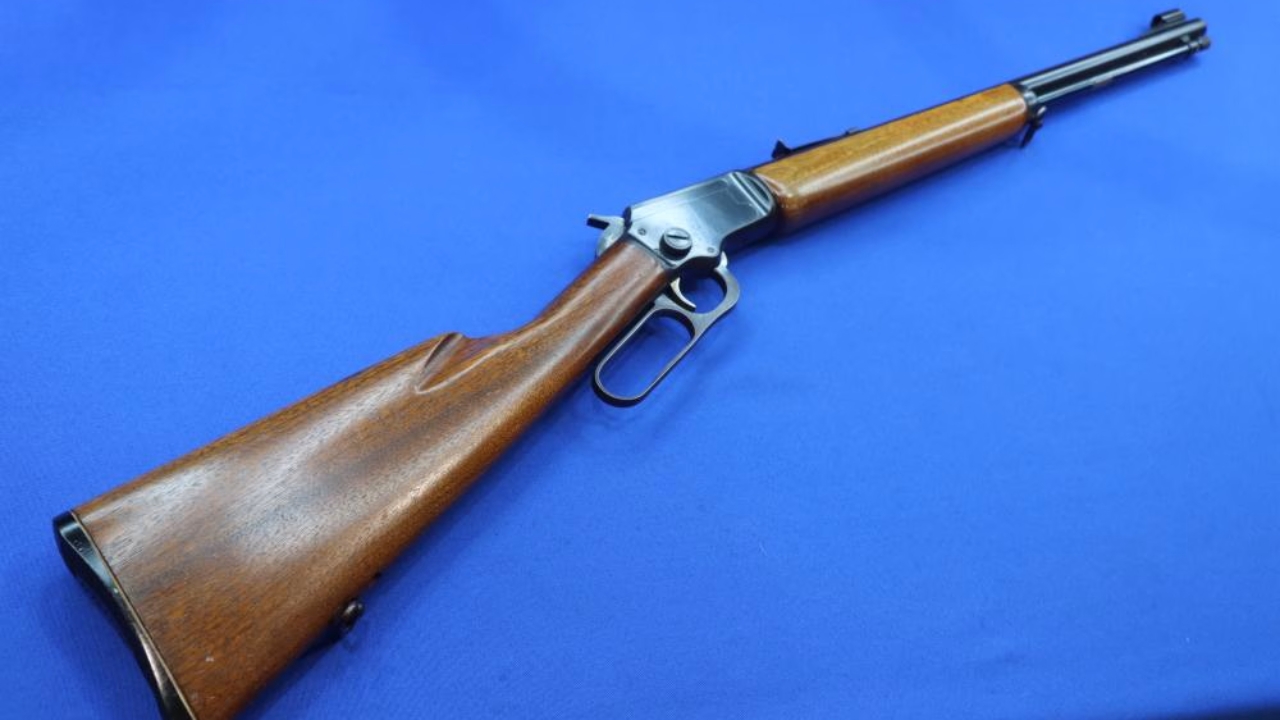
For years, the Marlin 39A was one of those rifles people liked without treating as urgent. It was a classic lever-action .22, which meant it often got filed away under “nice to have someday” instead of “buy now while you can.” A lot of buyers treated it like old American rimfire furniture. It seemed too established, too familiar, and too normal to ever become a real challenge to find.
That confidence wears off the minute you start hunting for a really good one. The clean rifles do not stay loose for long, and the ones that do show up tend to remind you that deep-rooted quality is not the same thing as endless availability. Once buyers see what it actually takes to replace a nice 39A, the word boring leaves the conversation in a hurry. Suddenly that old lever .22 looks plenty smart.
SIG Sauer P6
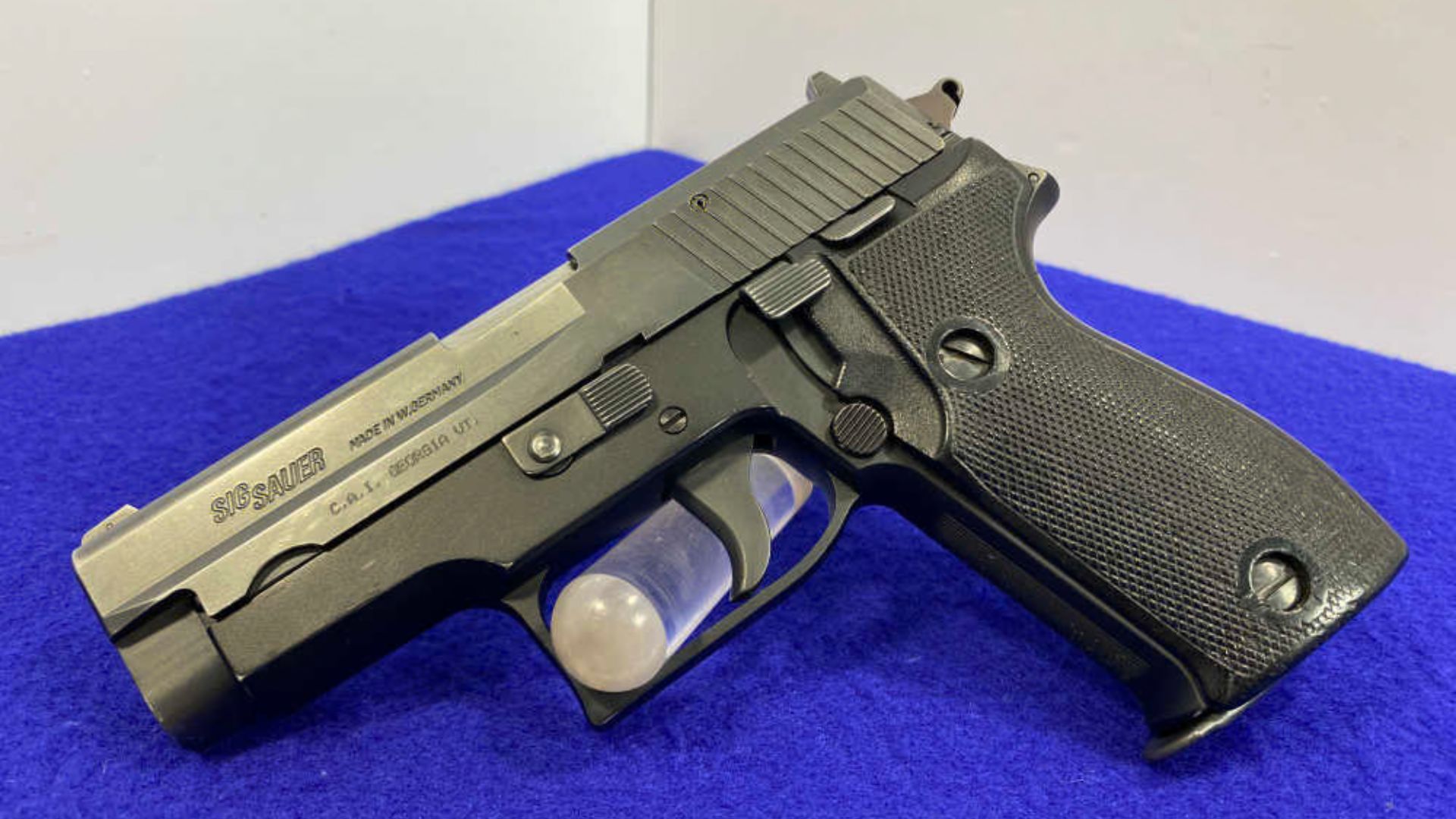
The SIG P6 spent a long time wearing the label of practical surplus carry gun. People liked them, but many buyers still treated them like the less glamorous path into classic SIG ownership. They were often seen as the pistol you grabbed only if you did not want to spend more on a shinier model. That reputation kept them from feeling special, which is exactly why so many people assumed they would stay easy to find.
Then the easy supply stopped feeling easy. Once the better examples dried up and people remembered how much they liked slim metal SIGs, the P6 quit looking like just another surplus option. Buyers who once thought they were plain suddenly started speaking about them with a lot more urgency. Try replacing one after passing it off as boring, and you quickly remember that reliable, old-school pistols do not stay casual forever.
Winchester Model 88
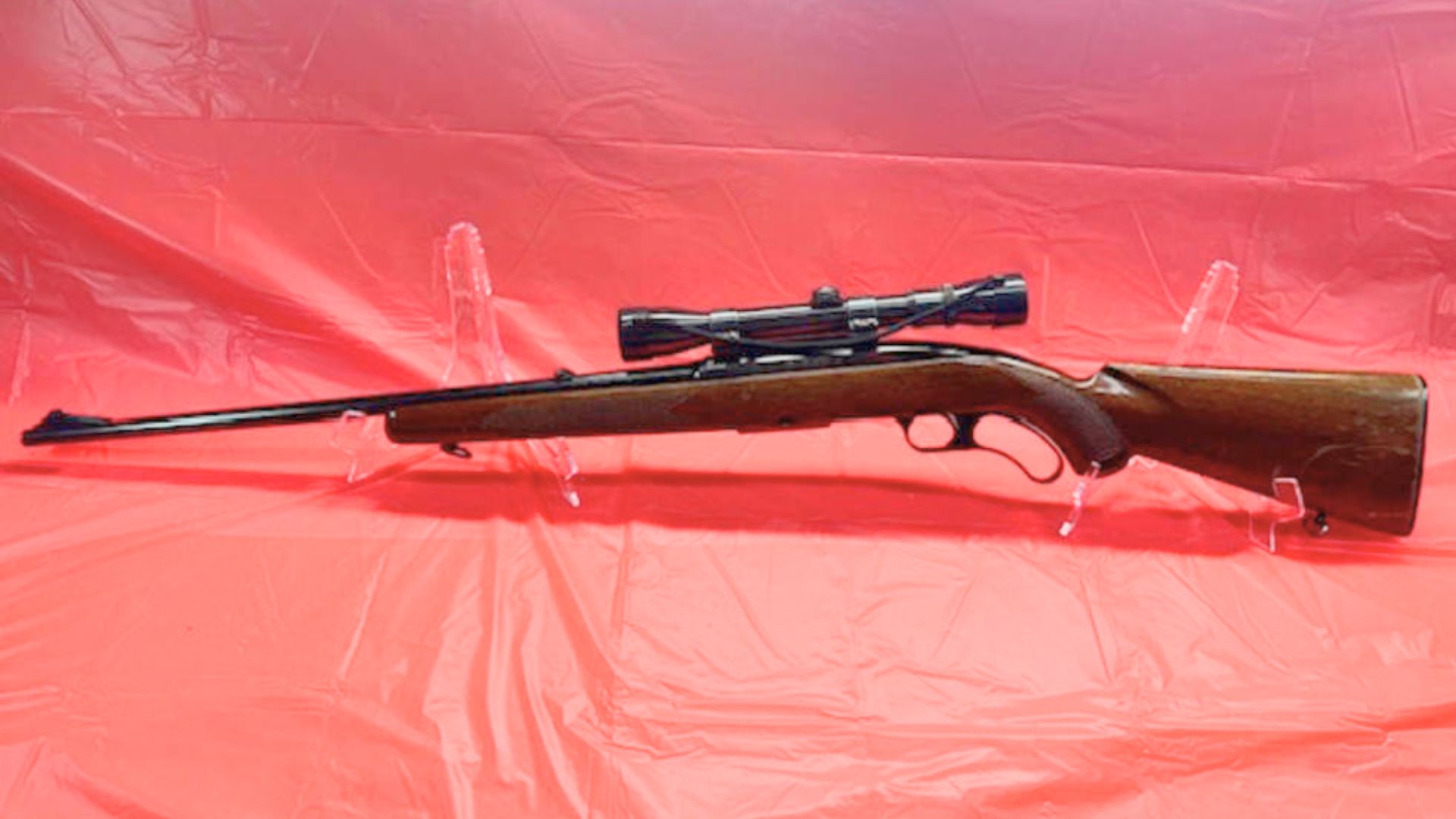
The Winchester Model 88 never got ignored because it was bad. It got ignored because it felt like the sort of rifle buyers could appreciate later. It had real usefulness, a strong deer-rifle legacy, and a solid Winchester name, but it often sat just outside the most romantic firearm conversations. That made it easy for buyers to admire one at a gun show, nod politely, and keep walking.
Then they go back later and realize later has changed. Model 88s have a way of looking a lot less ordinary once you start searching for another clean one with the features you want. What once felt like a plain older hunting rifle starts looking like a sharp lever-bolt hybrid from a finished era of gunmaking. It is amazing how quickly people stop calling something boring once it refuses to stay easy to replace.
CZ 82

The CZ 82 was easy to dismiss when they were flowing into the market and buyers treated them like inexpensive curiosities. It was a compact surplus pistol with oddball caliber baggage in some people’s minds, so plenty of shooters saw it as interesting but not important. That is the exact zone where people make bad long-term decisions. They assume interesting and affordable means permanent.
Once supply tightens, the whole personality of the gun changes in buyers’ eyes. Suddenly they remember the good ergonomics, the solid feel, and the fact that it shot a lot better than its humble reputation suggested. When the easy pile of replacements disappears, the pistol stops being the “cheap little CZ” and turns into something owners hang onto. Finding another nice one tends to make the old boring label sound pretty silly.
Remington 760

The Remington 760 is one of those rifles that hunters in pump-rifle country understand better than the broader market ever did. For everybody else, it often looked like a plain regional deer gun with a loyal following but not much glamour. That made it easy to treat as a gun that would always be around somewhere in the next rack or the next show, waiting patiently for anyone who finally got interested.
That illusion does not survive an actual search very well. Once buyers start looking for a clean 760 in a desirable chambering, the tone changes fast. The rifle’s usefulness starts mattering more, and its familiarity stops feeling like a guarantee. What once seemed like a boring old hunting tool becomes a reminder that boring guns vanish too, especially when generations of hunters quietly keep them instead of letting them back into the market.
Beretta 85 Cheetah
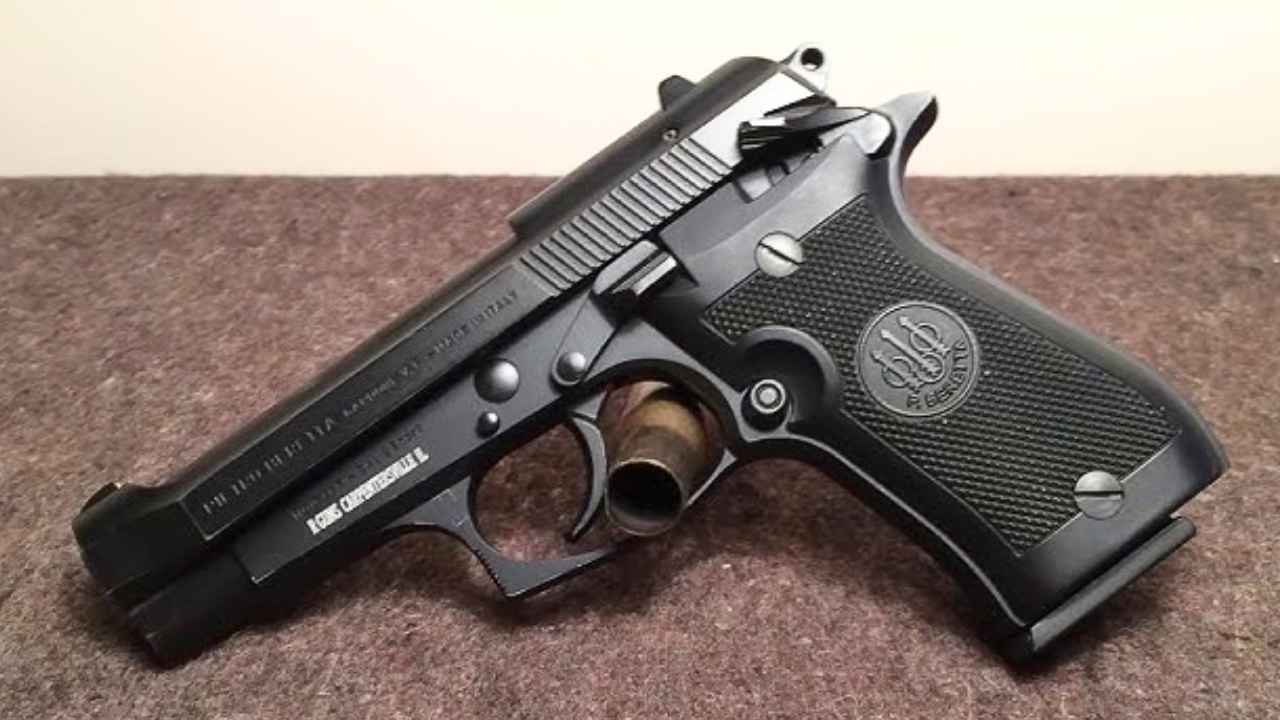
The Beretta 85 Cheetah spent years living in the shadow of pistols that felt louder, more modern, or more urgent. A lot of buyers liked it, but many still treated it like a pleasant extra rather than a serious priority. It was stylish and nicely made, yet easy to postpone because there always seemed to be some newer carry gun demanding more attention. That is how people talk themselves out of smart buys.
Then they try finding another one in good shape. Suddenly the old Beretta charm looks a lot more valuable than it did when polymer pistols were dominating every conversation. The 85 stops feeling like the mild, classy side option and starts feeling like a pistol from a fading era of compact metal guns that actually had personality. Once that hits, nobody keeps calling it boring with a straight face.
Ruger 77/44

The Ruger 77/44 never built much hype outside the people who really understood what it was for. To a lot of buyers, it looked like a niche bolt gun that could always wait. It was handy, useful, and well suited to certain hunting jobs, but not flashy enough to push itself to the front of anyone’s wish list. That made it easy to pass over again and again.
Then the supply gets thin and buyers start appreciating compact, purpose-built rifles a lot more than they did when the racks were fuller. A clean 77/44 has a way of making people rethink what they once called plain. It is not just another boring Ruger once you realize you are not bumping into them whenever you want. Scarcity has a funny way of making good sense look a whole lot more attractive.
Colt Detective Special
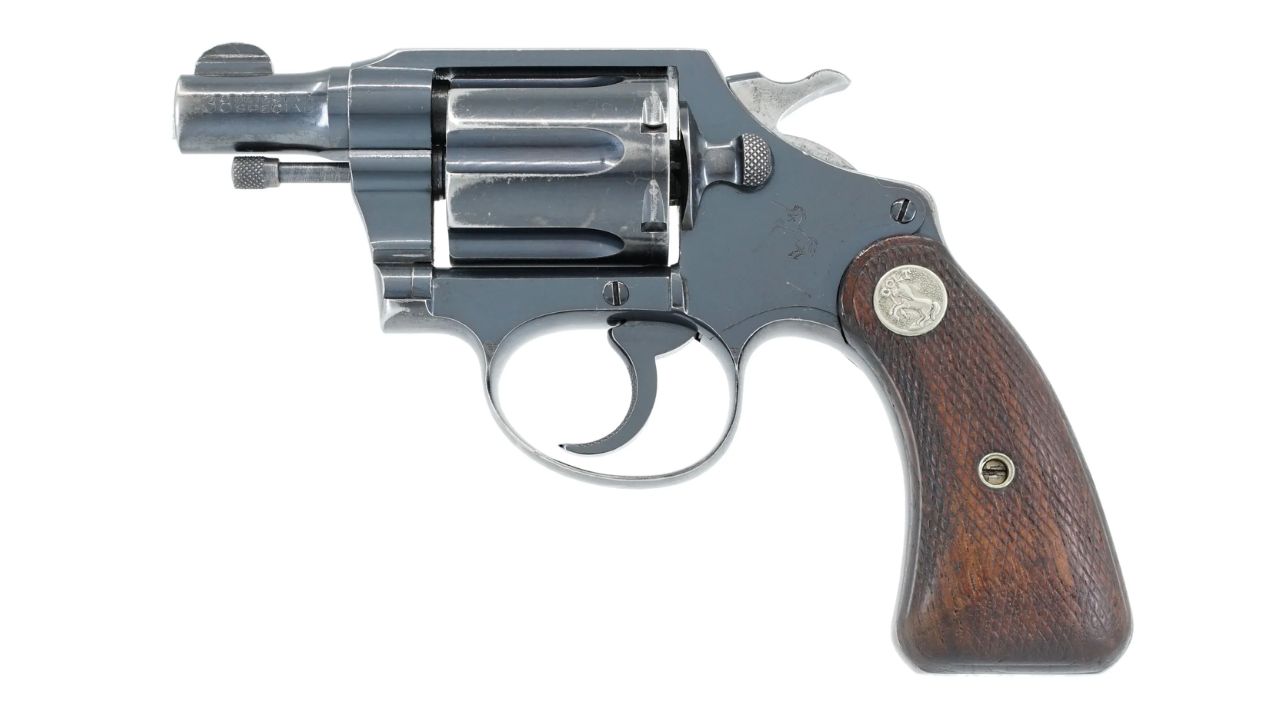
There was a time when the Colt Detective Special could be shrugged off by buyers who thought snub revolvers would always be easy to come by. It had history, no question, but many people still treated it like an old-school carry wheelgun from a category that was never going anywhere. That kind of thinking made it seem safer to delay than it really was, especially when people assumed more exciting revolvers deserved priority.
Try finding another sharp Detective Special today and the attitude changes immediately. People remember the balance, the Colt name, and the fact that classic snubs with genuine appeal do not just pile up forever in nice condition. Once buyers realize they passed on one of the more desirable small-frame revolvers ever made because it looked too familiar, the word boring starts sounding like a confession instead of a critique.
Browning BAR Mark II Safari

The Browning BAR Mark II Safari was easy to underrate because it was too stable for its own good. It had been around, it worked, and it never felt like the kind of hunting rifle buyers needed to rush into owning. That made it one of those guns people respected while still assuming it would always be waiting for them later. Familiarity can make buyers careless in a hurry.
Then later gets less friendly. Cleaner rifles settle into long-term ownership, fewer nice examples come back out, and buyers realize that a polished old Browning hunting rifle does not stay casually available just because it once felt common. The BAR Mark II Safari stops looking like the boring, dependable option the moment you cannot casually replace one. That is when practical old rifles suddenly start getting the appreciation they deserved the whole time.
Smith & Wesson 915
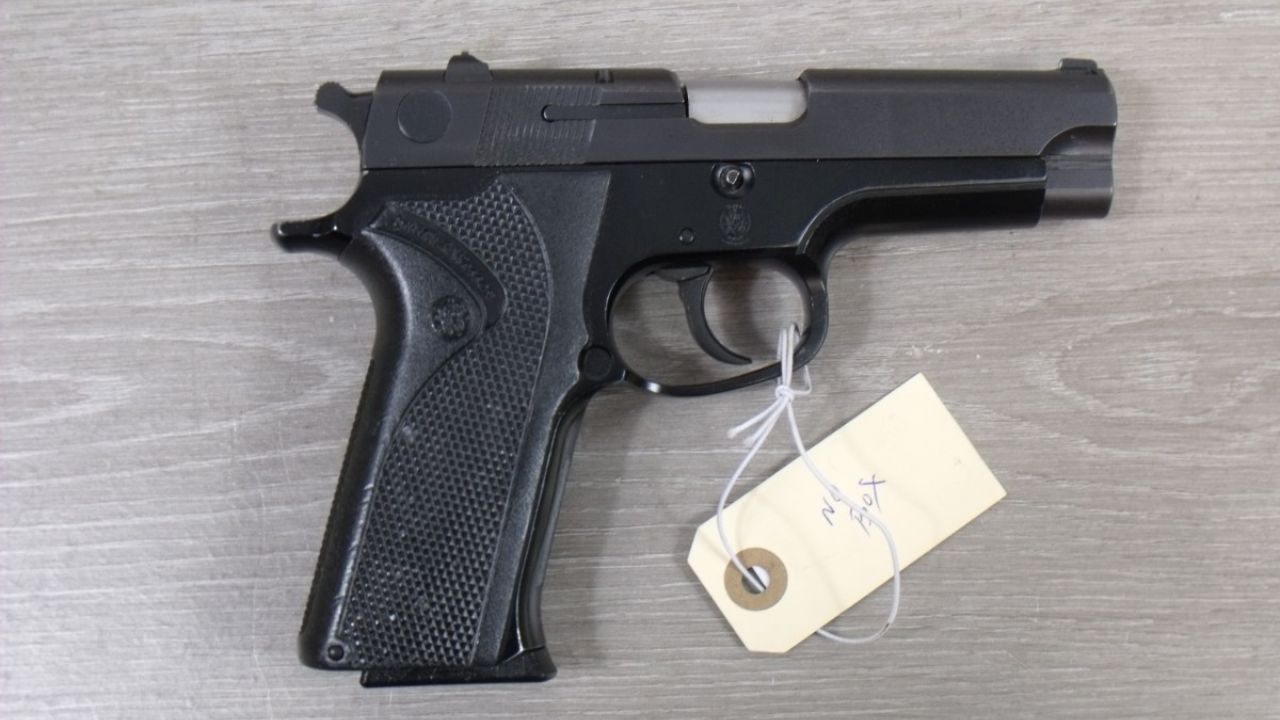
The Smith & Wesson 915 was never the star of the used-gun case. It looked like what it was: a practical 9mm from a hardworking era, without much glamor built into the pitch. That made it easy for buyers to dismiss as a lesser Smith auto and keep moving toward the supposedly more desirable names. It was a classic “maybe later” pistol, and maybe later is where regret usually starts.
When people actually go looking for another one, the whole picture gets clearer. The 915 may not be the sexiest old service pistol, but it is part of a build quality and design era that is not coming back. Once the easy examples thin out, buyers start seeing substance where they once saw plainness. It turns out a solid, dependable Smith stops looking boring fast when the used market quits treating it like a throwaway.
Norinco 1911A1

The Norinco 1911A1 used to be the kind of pistol people talked down while quietly admitting it had potential. A lot of buyers saw it as a rough import 1911 that would always be available for people who wanted a base gun and did not mind a little extra work. That reputation made it feel common and not especially urgent, which is exactly why so many people failed to grab one when they were easy.
Then import realities and years of hindsight changed the conversation. Shooters who actually knew what those pistols were made of started treating them with a lot more respect, and the supply stopped feeling loose. Once you try replacing one, especially a clean original example, the old dismissive tone falls apart. A gun people once treated like cheap backup material suddenly looks smart the minute the market stops handing them out.
Savage 110 package rifles from the older era

Older Savage 110 package rifles were mocked for years by people who thought they looked too plain, too budget-minded, or too ordinary to deserve serious attention. They were the sort of rifles buyers assumed would always be stacked somewhere for modest money, especially in standard hunting calibers. That made them easy to overlook while people chased prettier stocks, bigger names, or rifles with more bragging power.
Then buyers started realizing those old plain Savages often shot extremely well, held up honestly, and disappeared into working hunting camps faster than expected. Once the cleaner rifles dried up, the tone around them got a lot more respectful. Try finding a tidy older 110 package rifle that has not been beat to death, and all the old jokes about boring start losing their punch. Function has a way of getting expensive once people finally admit it matters.
Heckler & Koch P7 PSP

The P7 PSP was never truly anonymous, but there was still a long stretch where people treated it like an interesting oddball they could always come back for later. It was different, yes, and admired by people who knew what it was, but that same unusual character also made some buyers push it down the list. They figured there would always be another one around when they were finally ready to buy something a little less ordinary.
That confidence does not survive the current market very well. Once you try replacing a clean P7 PSP, especially one that has not been messed with, the gun stops feeling like a quirky side purchase and starts feeling like a serious miss. The squeeze-cocker people once hesitated over because it seemed too niche suddenly looks brilliant once supply tightens. Funny how fast “boring” disappears when “another one” is no longer easy.
Like The Avid Outdoorsman’s content? Subscribe to our newsletter so you never miss an article.
Here’s more from us: