Photo credit: Vitaly V. Kuzmin – CC BY-SA 4.0/Wiki Commons
Some cartridges earn a reputation for being “load sensitive,” but a few go a step further and simply never settle down. You try different bullets, different powders, different seating depths, and the target still looks like you patterned a shotgun.
These rounds may have loyal fans, but on the bench they reveal the limits of poor case design, inconsistent pressure curves, or rifles that never seem to pair well with them. When a cartridge refuses to group regardless of the load, it quickly becomes something you shoot out of obligation, not excitement.
.22 Hornet

The .22 Hornet is charming in its own way, but it’s also one of the most finicky centerfire cartridges ever produced. Its thin brass, small case capacity, and sensitivity to minor seating changes make load development a chore. Even careful handloaders often struggle to keep groups consistent from one session to the next.
Some rifles shoot the Hornet well, but most deliver accuracy that shifts wildly with temperature and powder choice. You can pour hours into tuning it and still walk away frustrated. It’s a cartridge you carry for nostalgia—not because it stacks holes at 100 yards.
.244 Remington

The .244 Remington never shook its reputation for spotty accuracy. Early barrels used a slow twist that struggled with heavier bullets, and even in later rifles, results were mixed. Shooters trying different loads often found that groups stayed stubbornly wide, no matter how carefully they tuned powder charges.
When everything aligns perfectly, the cartridge can perform. But most rifles chambered for it simply don’t show reliable precision across bullet weights. The inconsistency pushed hunters toward alternatives, and the .244 slowly faded. It’s a round that sounds good on paper yet rarely behaves the way a modern shooter expects.
.32 Winchester Special
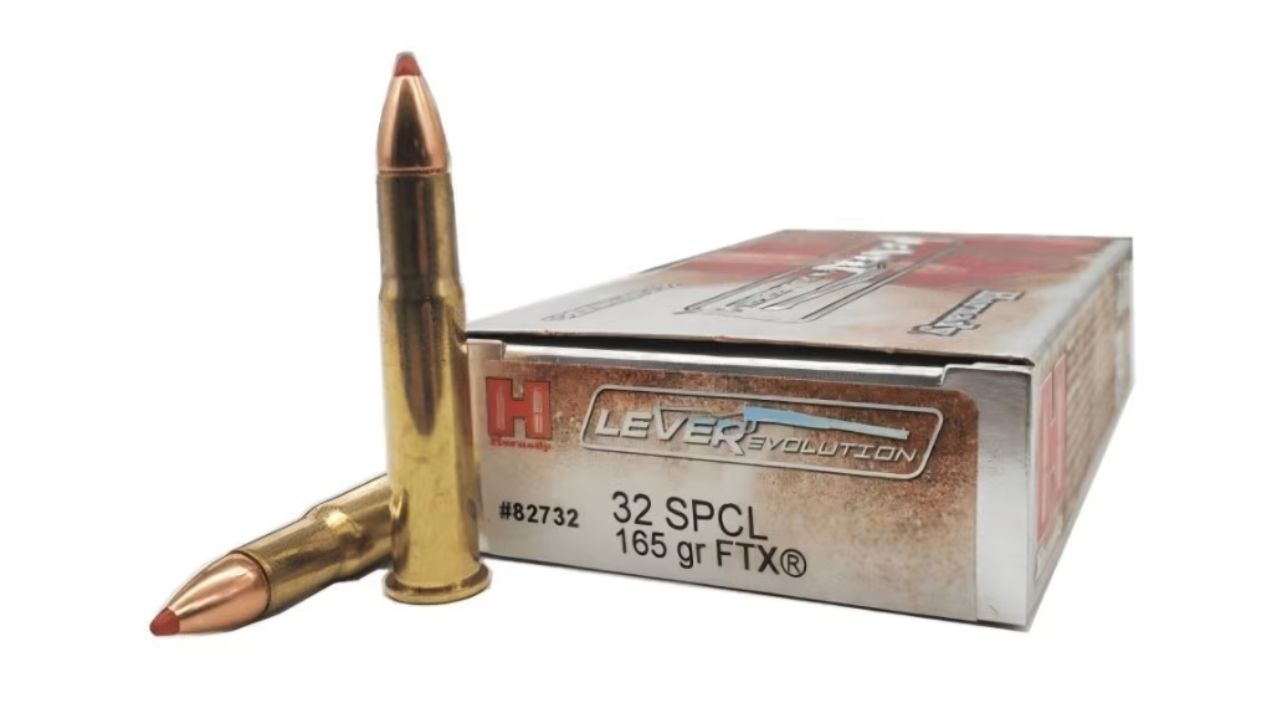
The .32 Winchester Special was designed to appeal to handloaders, but accuracy has always been hit-or-miss. The slower rifling twist paired poorly with some bullet styles, and factory loads rarely grouped well. Switch powders or bullet weights, and groups often drift unpredictably.
Plenty of lever guns chambered in this cartridge were never built with precision in mind, which only adds to the challenge. You can find the occasional rifle that shoots it reasonably well, but most stubbornly resist tight groups. If you enjoy tinkering, it’s interesting. If you want predictable accuracy, it’s a headache.
.375 Winchester

The .375 Winchester promised big performance from a compact lever platform, but accuracy wasn’t part of the bargain. Thick brass, inconsistent factory loads, and rifles with varying chamber dimensions all contributed to groups that wandered. Even careful handloaders struggled to coax precision out of it.
Its recoil also made load testing difficult. Heavy bullets and stout pressures magnified shooter error, turning every group into a battle. While the cartridge hits hard at short range, expecting cloverleaf patterns is unrealistic. Most shooters eventually realized it was meant for power—not tight paper groups.
.225 Winchester

The .225 Winchester fell between the .220 Swift and .22-250, but never matched either in precision. Its rebated rim and brisk velocities created pressure inconsistencies that showed up on the target. Change powder brands or bullet styles, and groups often fell apart.
Some shooters tried to revive the round with updated handloads, but improvement was minimal. Rifles chambered for it varied widely in performance, and few could deliver predictable accuracy across multiple loads. It’s a cartridge that wanted to shine but never found the consistency needed to earn a following.
.30 Remington

The .30 Remington was intended as a rimless alternative to the .30-30, but its accuracy record was uneven. Case taper and inconsistent neck tension caused bullet alignment issues, and even well-built rifles didn’t always shoot it well. Try multiple powders and bullets, and the results still fluctuated.
For hunters using iron sights, this wasn’t a dealbreaker. But on a bench, the round rarely delivered. Its performance ceiling remained low, and as time went on, shooters shifted to cartridges with more predictable behavior. Today it’s mostly a curiosity for collectors rather than accuracy-minded shooters.
.284 Winchester
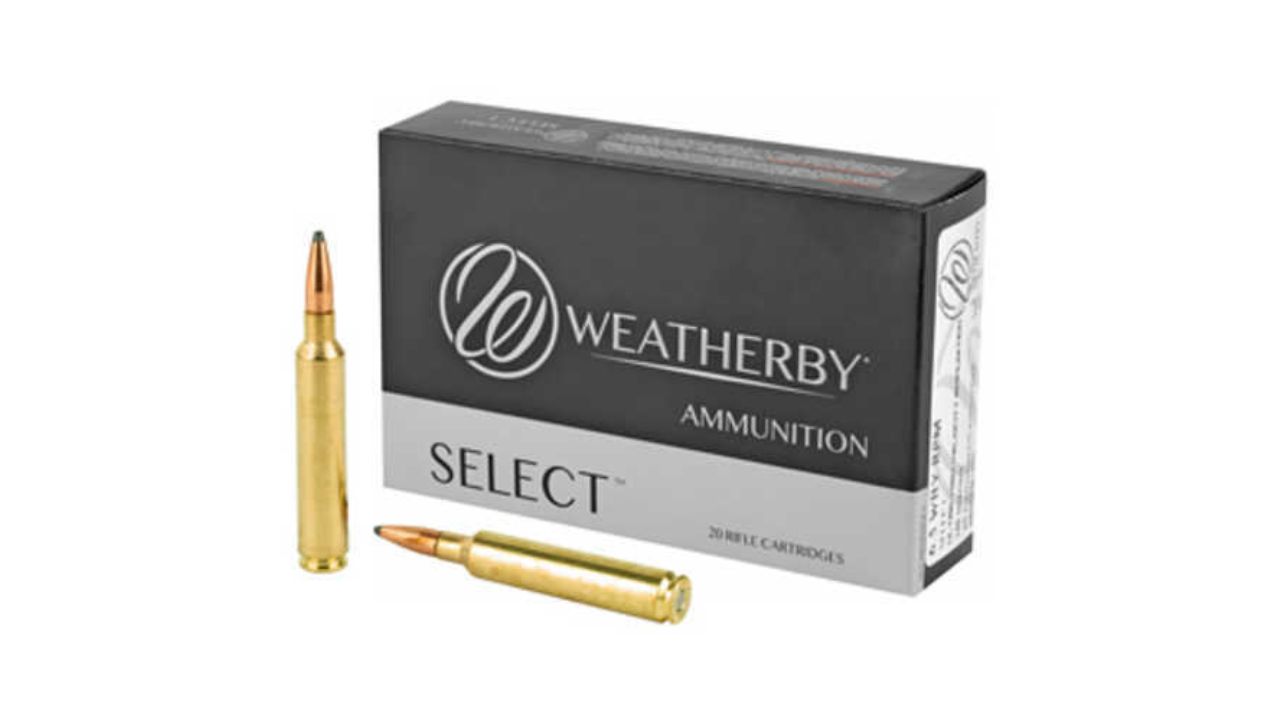
The .284 Winchester has a strong cult following, but its standard factory rifles often struggled to produce tight groups. The rebated rim design created feeding and alignment quirks, and varying throat dimensions didn’t help consistency. Handloaders might find a sweet spot, but it usually took considerable effort.
The cartridge shines when built into custom rifles, but factory platforms never offered the consistency needed to unlock its full potential. For everyday shooters, that meant unpredictable groups and endless tweaking. It’s a round that can be great—just not for most people using it out of the box.
.50 Beowulf
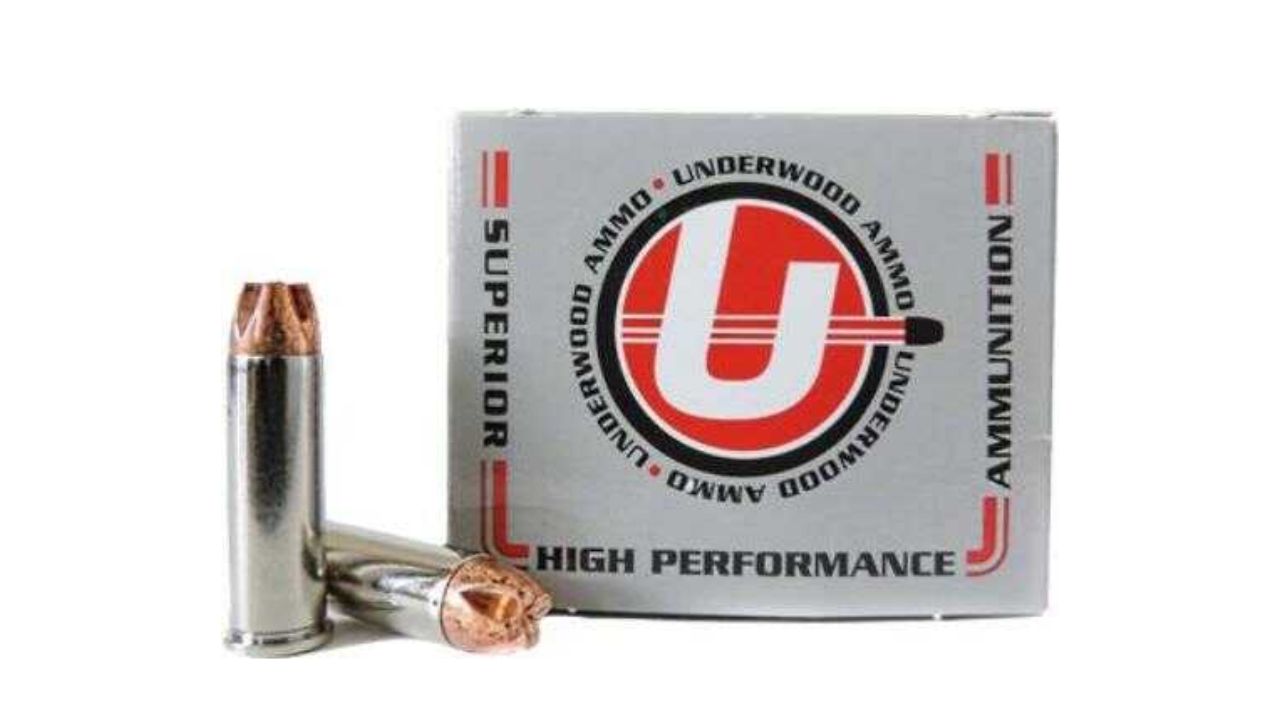
The .50 Beowulf delivers power, but accuracy is rarely its strong suit. Its straight-wall case, low ballistic efficiency, and hefty recoil make group testing challenging. Even minor changes in bullet weight or powder charge can swing groups dramatically, and factory rifles vary in how well they stabilize different loads.
At close range it hits with authority, but expecting precision is unrealistic. Many shooters discover quickly that the cartridge’s design favors impact over accuracy. You can tune loads endlessly, but the Beowulf will always behave more like a hammer than a scalpel.
.300 Savage

The .300 Savage is respected historically, but achieving tight groups often proves difficult. Its steep shoulder and relatively short neck create challenges with bullet seating depth, and some rifles simply don’t respond well to tuning. Factory loads rarely deliver exceptional accuracy either.
While it performs well enough for deer at moderate ranges, successive handloads often show inconsistent patterns on paper. Many shooters enjoy it for nostalgia or for running vintage rifles, but if tight groups matter, the .300 Savage generally requires more patience than it’s worth.
.17 Remington

The .17 Remington is famous for being fast—and infamous for being difficult to tune. Tiny bores foul quickly, and pressure spikes show up fast when experimenting with powder charges. Even small inconsistencies in cleaning routines affect accuracy.
Shooters chasing tight groups often spend more time maintaining the barrel than shooting. When the cartridge is perfectly tuned and the rifle is spotless, it can print impressive groups. But keeping it in that sweet spot is nearly impossible for most hunters. It’s a round that demands more attention than the payoff justifies.
.6.5 Remington Magnum
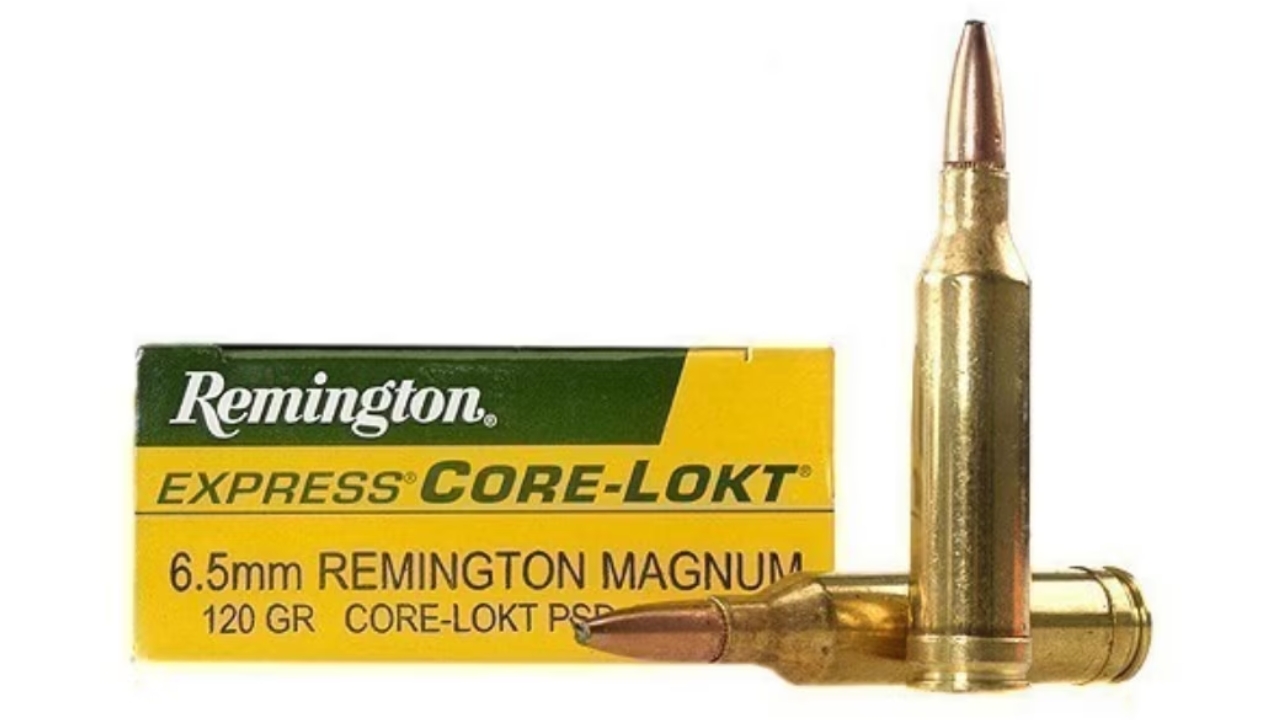
The 6.5 Rem Mag had potential, but factory rifles with short barrels sabotaged its performance. Powder charges designed for longer tubes never burned efficiently, producing erratic velocities. Those inconsistencies showed up immediately on paper as unpredictable group sizes.
Handloaders tried different combinations, but the cartridge rarely settled into a rhythm. Even with modern powders, many rifles simply don’t shoot it well. The idea behind the cartridge had merit—but execution kept accuracy out of reach for most shooters.
.30 Carbine
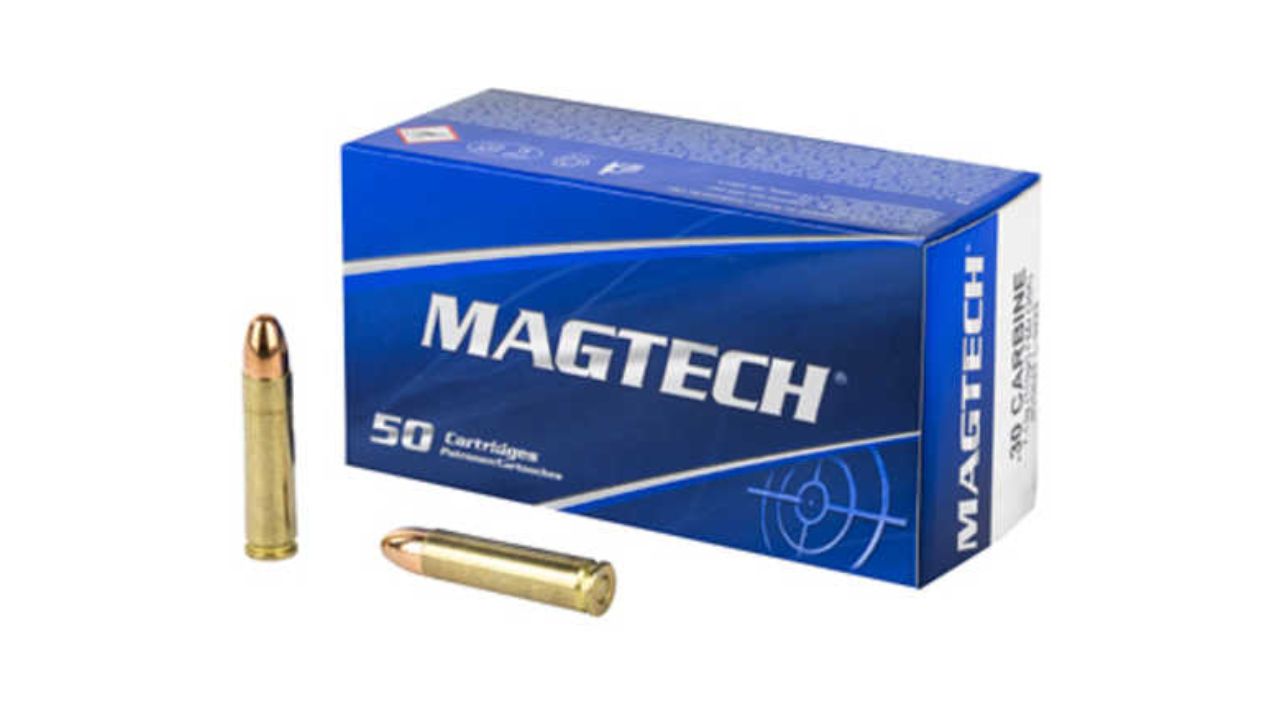
The .30 Carbine has plenty of historical value, but tight groups are not its strength. Light bullets, modest velocities, and inconsistent surplus ammunition all contribute to scattershot patterns. Even with modern loads, accuracy varies widely between rifles.
Some M1 Carbines shoot reasonably well, but many produce groups that spread unpredictably. The cartridge was never designed for precision, and it shows. Trying to force tight clusters out of it usually ends in frustration.
.350 Legend

The .350 Legend is popular for straight-wall–states deer hunting, but precision varies wildly between loads. Bullet diameter inconsistencies and limited hunting bullet options have led many shooters to report poor grouping. Even careful handloads often produce only marginal improvement.
Some rifles shoot the Legend exceptionally well, but many don’t. Variations in chamber dimensions across manufacturers add another layer of unpredictability. If you’re expecting tight clusters out of the box, this cartridge can disappoint.
.30-40 Krag

The .30-40 Krag has heritage, but its accuracy potential is limited by soft brass, loose military chambers, and bullet seating quirks. Groups often open significantly as velocity changes, and rifles vary widely in condition.
Load developers can find a combination that works, but the cartridge rarely delivers consistent accuracy across bullet weights or powders. For vintage rifle fans, that’s acceptable. For anyone expecting modern precision, it’s a tough sell.
Like The Avid Outdoorsman’s content? Subscribe to our newsletter so you never miss an article.
Here’s more from us: