Photo credit: BATJAC J.W/YouTube
Some rifles did not look all that urgent when they were younger on the market. They felt a little too plain, a little too available, or just a little too tied to the tastes of another era. Buyers respected them, sure, but not always enough to move fast. That is usually how these stories begin. A rifle sits in front of people for years without much panic around it, then time does what time always does. Supply gets thinner, the good ones get harder to touch, and the rifle starts making a whole lot more sense than it did when it was easy to buy.
That is what happened with these rifles. They did not all start out as hype guns. Many were simply solid, useful, well-made, or distinctive in ways buyers learned to value more later on. Now they sit in that frustrating category of rifles that aged into exactly the kind of gun people wish they had bought when they were still easy to shrug off.
Browning A-Bolt Medallion

The Browning A-Bolt Medallion used to feel like the kind of rifle you bought once you were done making practical decisions. It was handsome, polished, and just dressy enough that a lot of buyers treated it like a future indulgence instead of something worth grabbing right then. That made it easy to admire and easy to delay.
Now it looks a whole lot smarter than it once did. The smooth action, nice wood, and overall finish remind buyers of a time when a hunting rifle could still feel a little proud without turning into a boutique piece. A lot of people who once saw the Medallion as extra now see it as exactly the sort of rifle they wish they had brought home while it still felt optional.
Ruger M77 tang safety

The old tang safety Ruger M77 sat in the background for years as a sturdy, respected hunting rifle that rarely seemed urgent. It had its fans, but a lot of buyers treated it like one of those guns they could always come back to later. There was always another used M77 somewhere, or at least that is how it seemed for a long time.
These days the tang safety guns have a different pull. Buyers appreciate the lines, the feel, and the connection to an earlier Ruger period that now looks better in hindsight than it did in the moment. What once felt like a common used hunting rifle has aged into the kind of honest, good-looking bolt gun a lot of people wish they had not kept passing by.
CZ 527 American
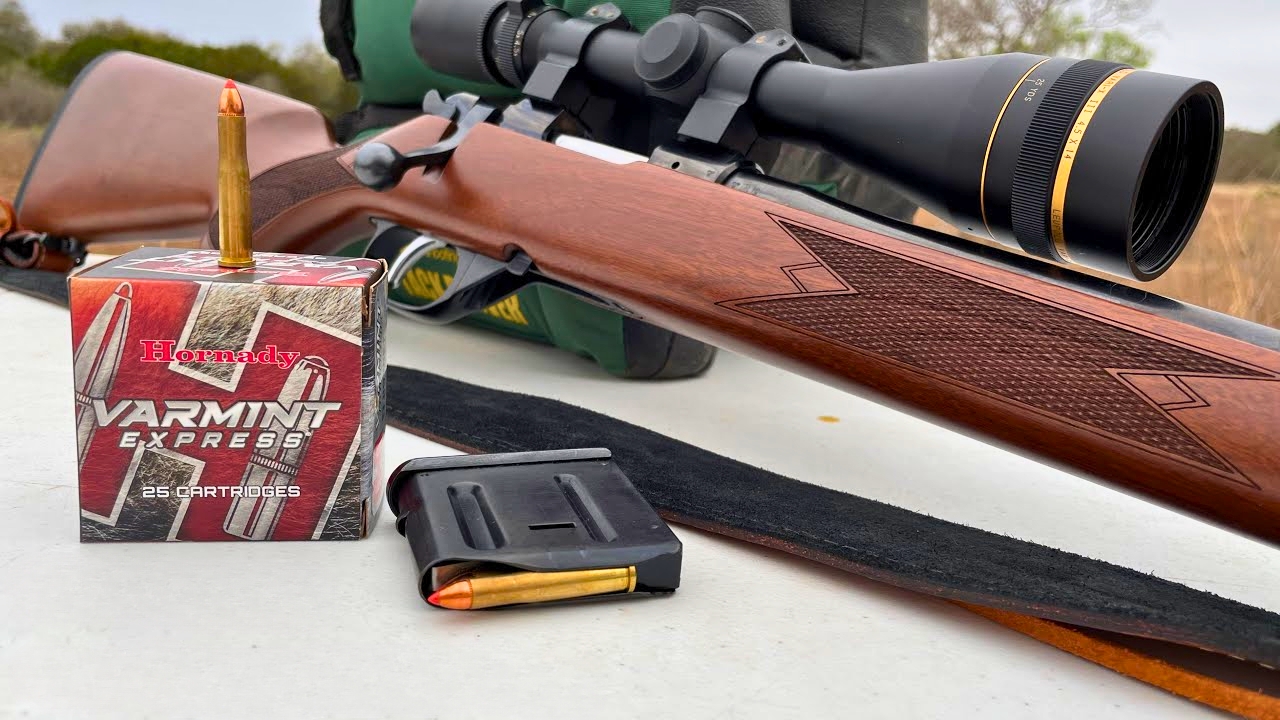
The CZ 527 American was easy to overlook because it lived in a lane many buyers did not fully appreciate until later. It was trim, controlled-feed, classy without being flashy, and often chambered in cartridges that appealed more to people who paid attention than to the average rack shopper. That meant plenty of buyers liked it without ever making it a priority.
Now it hits a lot differently. The size, the handling, and the old-school feel all make more sense in a market crowded with rifles that seem bigger, duller, or less charming than they need to be. The 527 American aged into a near-perfect example of a rifle buyers used to think was merely nice and now realize was exactly their kind of gun all along.
Remington Model Seven CDL

The Remington Model Seven CDL spent a lot of years being treated like the slightly overlooked little brother in the Remington hunting family. Buyers liked the idea of a short, light, walnut-stocked rifle, but many still pushed it behind full-size rifles or more immediately practical buys. It had appeal, but not always urgency.
That changed as more hunters started wanting rifles that carried easier and felt more natural in real field use. The Model Seven CDL suddenly looked less like a specialty variation and more like the sort of balanced, useful hunting rifle the market does not offer often enough anymore. A lot of people now wish they had recognized earlier just how right that rifle actually was.
Winchester Model 70 Featherweight Classic

The Winchester Model 70 Featherweight Classic never exactly lacked admirers, but it did spend years being the kind of rifle people assumed they could get serious about later. It seemed permanent. There would always be another Featherweight around, another chance, another decent deal waiting somewhere down the road.
Time made that assumption look shaky. The controlled-round-feed action, the trim profile, and the overall feel of the rifle now land with buyers who are tired of bulkier, duller options pretending to be progress. The Featherweight Classic aged into the kind of rifle that feels more correct the longer the market drifts away from what made it appealing in the first place.
Savage 99F
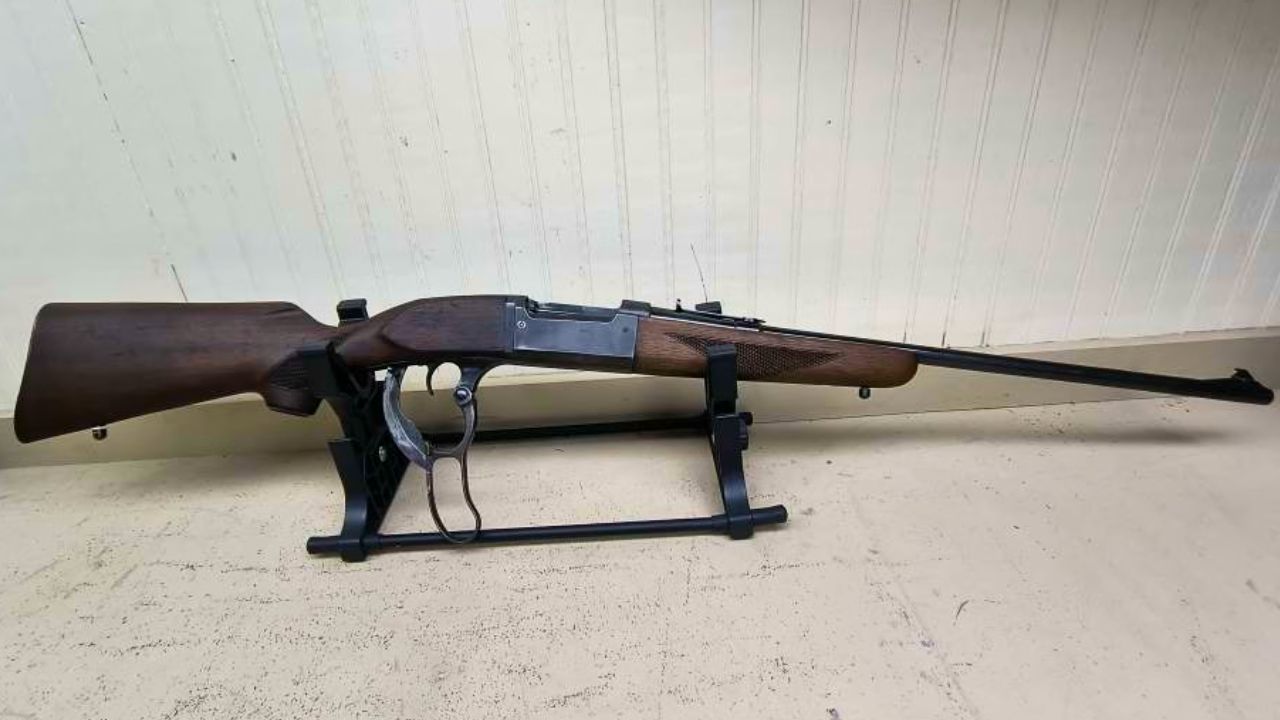
The Savage 99F had that dangerous combination of real quality and low urgency. People respected the Savage 99 platform, but many buyers still treated the lighter field versions like rifles they would get around to owning once they had checked off a few more obvious wants. That worked for a while, until it did not.
Now the 99F feels exactly like the kind of lever rifle a lot of people claim they want: light enough to carry, handsome without being overdone, and different from the usual herd in a way that still feels practical. It aged beautifully because it never needed gimmicks. Buyers just needed time to catch up to what the rifle had been offering all along.
Tikka T3 Hunter

The Tikka T3 Hunter was often respected more than it was chased. Buyers knew Tikkas shot well and ran smooth, but the walnut-stock Hunter versions still got treated like the sort of rifles you bought after you were done fooling around with everything else. They felt a little too polished to be urgent and a little too available to demand action.
That looks different now. The Hunter brings together accuracy, smooth operation, and a traditional presentation in a way that more buyers seem to appreciate with each passing year. It aged into the kind of rifle that bridges old tastes and modern performance without feeling fake about either one. That is exactly why so many people now wish they had bought one before the market started seeing it the same way.
Kimber 84M Montana

The Kimber 84M Montana spent years sitting in that strange place where some buyers loved it and others treated it like a niche mountain rifle that could wait. It was light, serious, and very purpose-built, which actually made it easier for a lot of people to delay. They told themselves they were not quite the sort of hunter who needed one yet.
Later on, a lot of those same buyers realized the rifle made more sense than plenty of heavier, clumsier alternatives they had owned in the meantime. The 84M Montana aged into a rifle people now understand as a very clean answer to a very real need. It did not need to get louder. Buyers just needed to get older and more honest about what they actually value in the field.
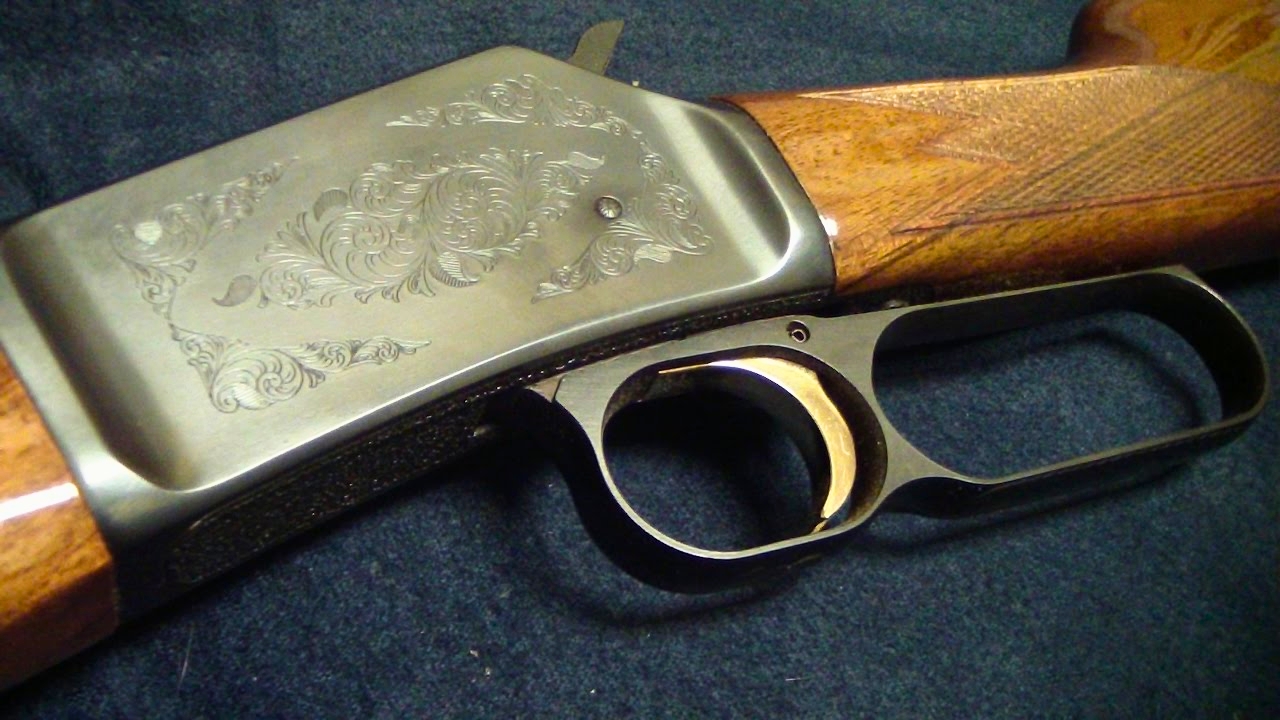
Browning BL-22 Grade II

The Browning BL-22 Grade II was one of those rimfires people liked instantly without always taking seriously enough. It was slick, attractive, and full of quality, but because it was a .22 lever gun, it often got pushed behind centerfires and other purchases that seemed more pressing. That is how buyers talked themselves into waiting.
Now the rifle looks a lot smarter. The fit, the handling, and the overall finish stand out more in hindsight than they did when the rifle was just another nice rimfire on the wall. It aged into the sort of .22 people wish they had bought when they still thought a great rimfire was something they could always circle back to later.
Ruger No. 1A Light Sporter

The Ruger No. 1A Light Sporter always had admirers, but it also had a way of getting filed mentally under “someday rifle.” Buyers loved the idea of a trim single-shot with real style and real class, but they often put off the purchase because it felt more taste-driven than necessary. Practical buys came first. The No. 1A could wait.
That delay got more painful as time passed. The rifle aged into exactly the kind of elegant, field-worthy gun that now feels rarer in spirit than it ever did in production numbers. Buyers who once saw it as a luxury now see it as a very smart kind of ownership, the sort that gives you something memorable instead of merely another functional rifle.
Sako 85 Finnlight

The Sako 85 Finnlight was never a cheap rifle, which made it easier for buyers to hold off. They admired the quality, respected the brand, and liked the idea of a lightweight rifle that still felt serious, but they often treated it as a future reward rather than a current need. That put it in dangerous territory.
Now a lot of buyers look back and realize the Finnlight was exactly the kind of rifle they were always trying to end up with anyway. It offered real quality, useful weight savings, and a level of refinement that does not get easier to find as the market fills with compromise guns. The rifle aged into the answer before plenty of buyers realized what question they were actually asking.
Winchester 100

The Winchester 100 used to sit in a funny place. It was interesting, respected enough, and clearly part of a different era of American hunting rifles, but it did not always feel like the rifle people rushed toward. Buyers admired them, then moved on to whatever felt more current, more tactical, or more obviously collectible at the time.
Now the Winchester 100 looks like one of those rifles people should have appreciated harder when they had the chance. It has character, a distinct feel, and the kind of old-school semi-auto hunting appeal that has only grown more attractive as the rest of the market has flattened out. It aged into a much stronger want than many buyers ever expected.
CZ 452 Lux
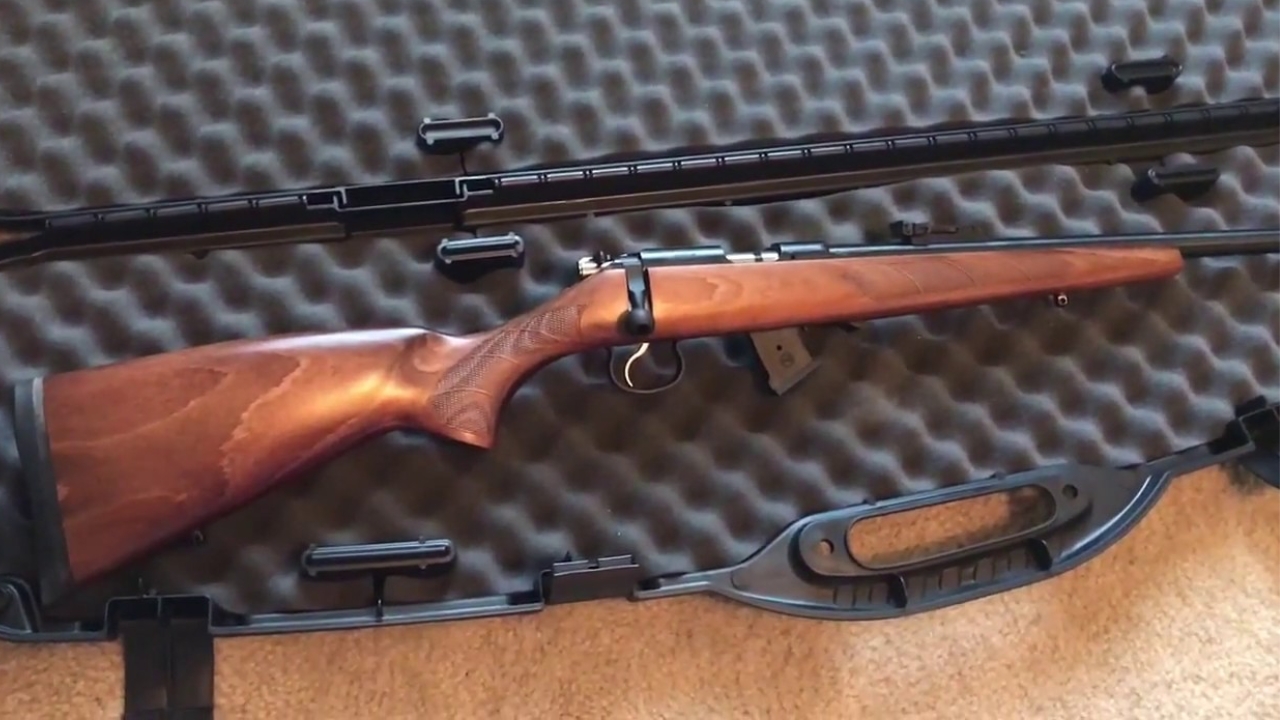
The CZ 452 Lux was easy to underplay because it was “just” a bolt-action .22 to many buyers at the time. A nice one, sure, but still a rimfire that could wait until more serious purchases were handled. That attitude made it easy to admire the stock, the sights, and the handling without ever actually buying one.
That no longer looks smart. The 452 Lux aged into the kind of rifle people now chase because it offers exactly what so many new rifles fail to deliver: personality, quality, and a sense that somebody cared how the thing felt in your hands. Buyers who once treated it like a maybe-later rimfire now often realize it was exactly their kind of rifle from the start.
Weatherby Mark V Ultra Lightweight

The Weatherby Mark V Ultra Lightweight used to feel like the sort of rifle a buyer graduated into once he had figured out exactly what kind of hunter he was. Until then, it was easy to treat it as something slightly too specialized or slightly too expensive for the moment. That gave a lot of people an excuse to wait.
What time showed is that the rifle was not too specialized at all. It was simply a very refined version of what many hunters eventually want: less weight, real quality, and a rifle that still feels like something worth owning. The Ultra Lightweight aged into a far more sensible purchase than it once looked, and plenty of buyers now wish they had learned that lesson with their wallet sooner.
Remington 572 BDL Fieldmaster

The Remington 572 BDL Fieldmaster had the sort of steady, low-drama presence that makes buyers take a rifle for granted. It was not loud, trendy, or attached to some huge rush of demand. It was simply a well-liked pump .22 that seemed like it would always be around in nice condition if you ever decided you wanted one.
That is exactly why so many people now wish they had bought one. The 572 BDL aged into a rifle buyers appreciate more the older they get. It feels better, looks better, and makes more sense than a lot of the flashier rimfire purchases people made instead. Sometimes the guns that age best are the ones people once mistook for background noise.
Anschutz 1710 D HB Classic

The Anschutz 1710 D HB Classic was never likely to be an impulse buy for most people. It lived in that realm of serious rimfires buyers admired from a respectful distance while telling themselves they would get to that level eventually. That made it easy to delay, especially when cheaper rifles kept filling the immediate need.
Then buyers started realizing that “eventually” often meant spending more for the same realization later. The 1710 D HB Classic aged into the sort of rifle people now recognize as exactly their kind of gun if accuracy, feel, and old-fashioned quality actually matter to them. It did not change. The buyers finally did.
Like The Avid Outdoorsman’s content? Subscribe to our newsletter so you never miss an article.
Here’s more from us: