
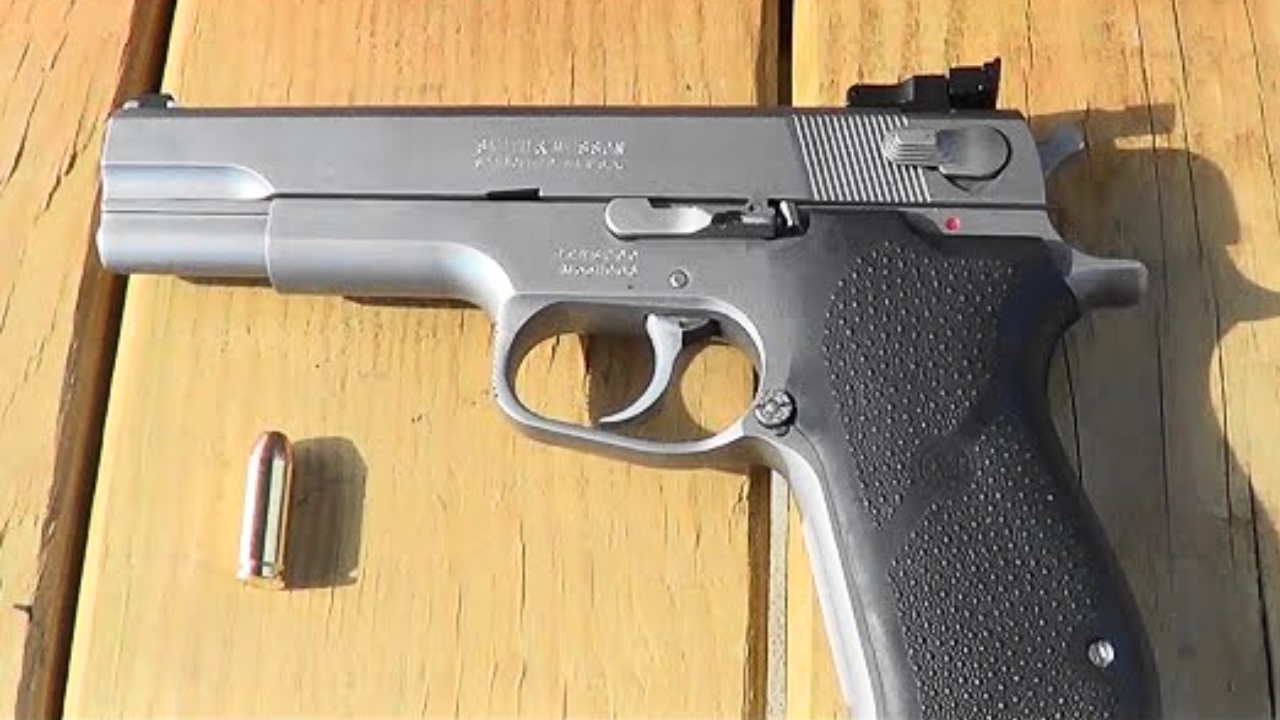
Photo credit: 1957Shep/YouTube
Some guns impress you right away. Others take a little longer. They sit in the safe, get carried through a few seasons, ride in the truck, spend time on the range, and slowly turn into the gun you trust more than the one you were initially more excited about. That is usually how the best keepers reveal themselves. They do not always arrive with the loudest reputation. They just keep doing their job long enough that selling them starts feeling like a mistake.
That is what separates a passing favorite from a firearm worth hanging onto. A good keeper keeps making sense after the trends move on. It still shoots right, still handles right, and still feels hard to replace. These are the firearms that proved they were worth keeping.
Browning BLR
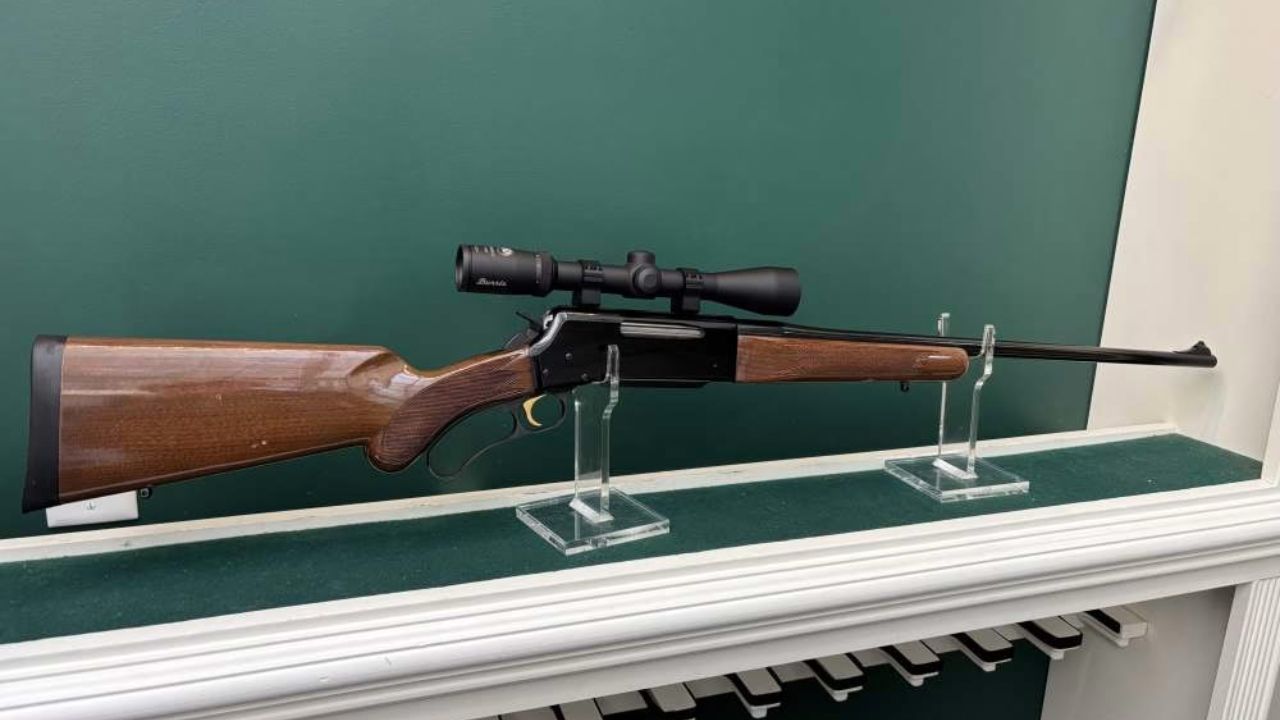
The BLR proved it was worth keeping because it never felt trapped between old and new. It gave hunters lever-gun handling with the ability to use modern cartridges, and that made it far more useful than some buyers realized at first. A lot of rifles look good in one lane only. The BLR managed to stay practical across several.
Over time, owners figured out how much that mattered. The rifle carried well, handled quickly, and still felt capable enough for serious hunting work. Once somebody spent a few seasons with one, it usually stopped feeling like an interesting alternative and started feeling like the rifle they were glad they did not part with.
Smith & Wesson 4516
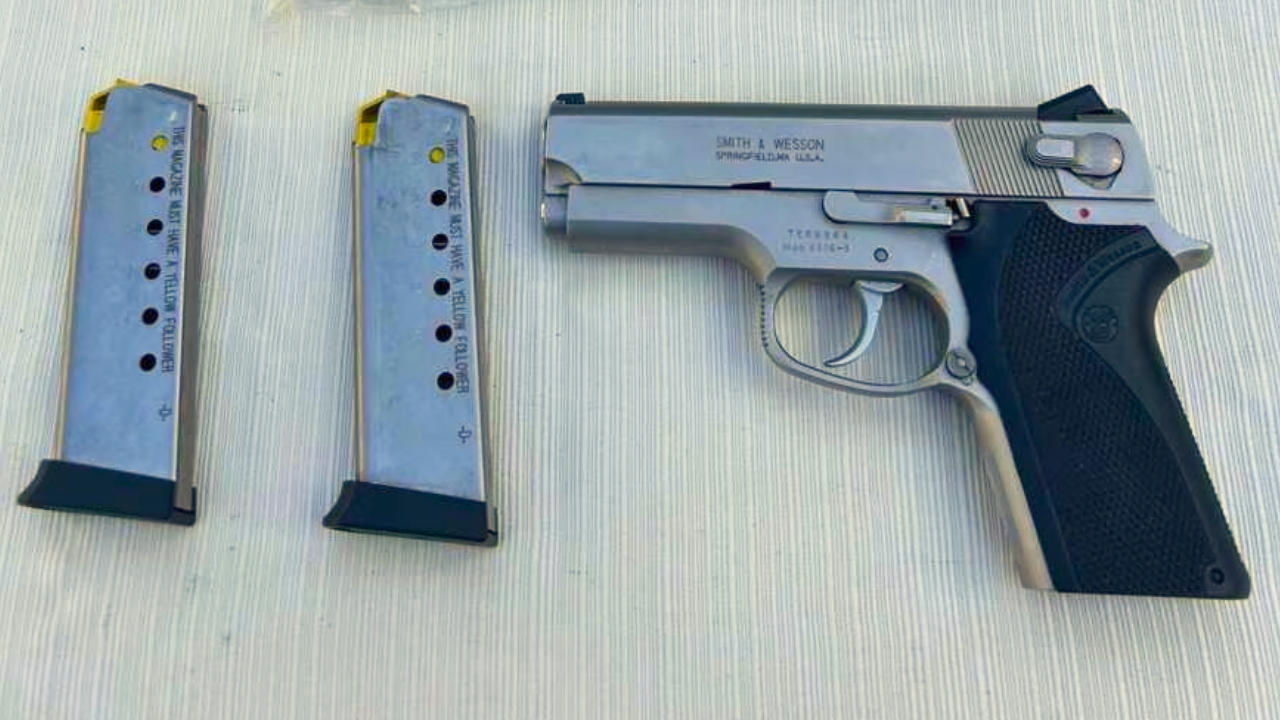
The 4516 proved it was worth keeping because it stayed dependable in a role where a lot of handguns come and go quickly. It was compact, solid, and built with the kind of old-school seriousness that made it feel more substantial than many later carry pistols. At first, some buyers probably saw a heavy little .45 and wondered if it was worth the trouble.
Then the pistol kept showing why it was. It carried flatter than its reputation suggested, stayed trustworthy, and delivered the kind of calm, durable feel people often miss once they have cycled through enough lighter but less memorable handguns. Guns like this tend to become permanent once owners realize how hard they are to replace with something equally satisfying.
Marlin 1894C

The 1894C proved it was worth keeping because handy pistol-caliber carbines rarely stop being useful once you actually own a good one. It was light, quick, and easy to enjoy in ways that a lot of rifles are not. People often bought them because they seemed fun. Many ended up keeping them because they were much more than that.
The rifle could handle range work, farm duty, trail use, and plain recreational shooting without much drama. Over time, owners started noticing how often they reached for it compared with newer, louder, more complicated rifles. That is usually the sign. A firearm proves it is worth keeping when it keeps getting chosen without needing a big reason every time.
SIG Sauer P220 Carry
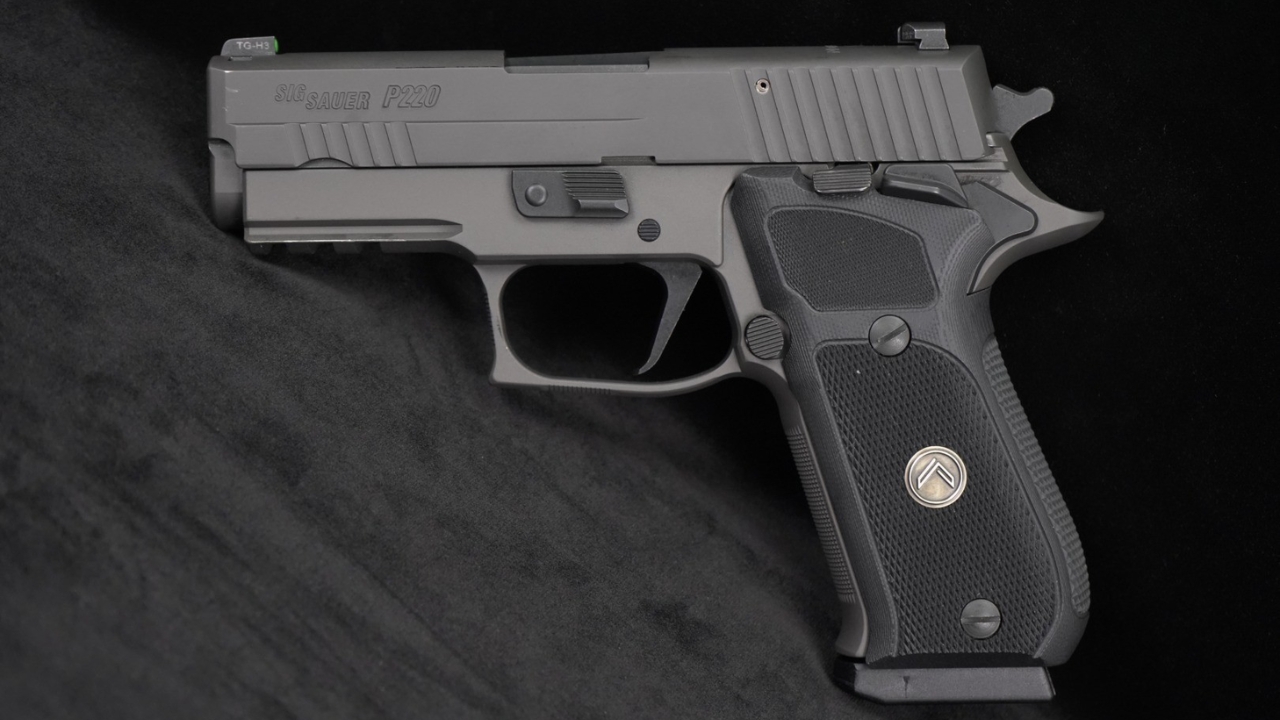
The P220 Carry proved it was worth keeping because it offered a very mature answer to a very common problem. It gave owners a .45 that was still serious enough to trust but handier than a full-size pistol. That sounds simple now, but plenty of guns try to do that and never quite pull it off in a way that feels settled.
The P220 Carry did. It shot well, carried with purpose, and had the kind of confidence in the hand that makes a shooter hang onto it longer than expected. Once somebody had spent enough time with one, it stopped feeling like just another version of a larger pistol. It started feeling like the size and format they should have been paying attention to all along.
Winchester Model 100
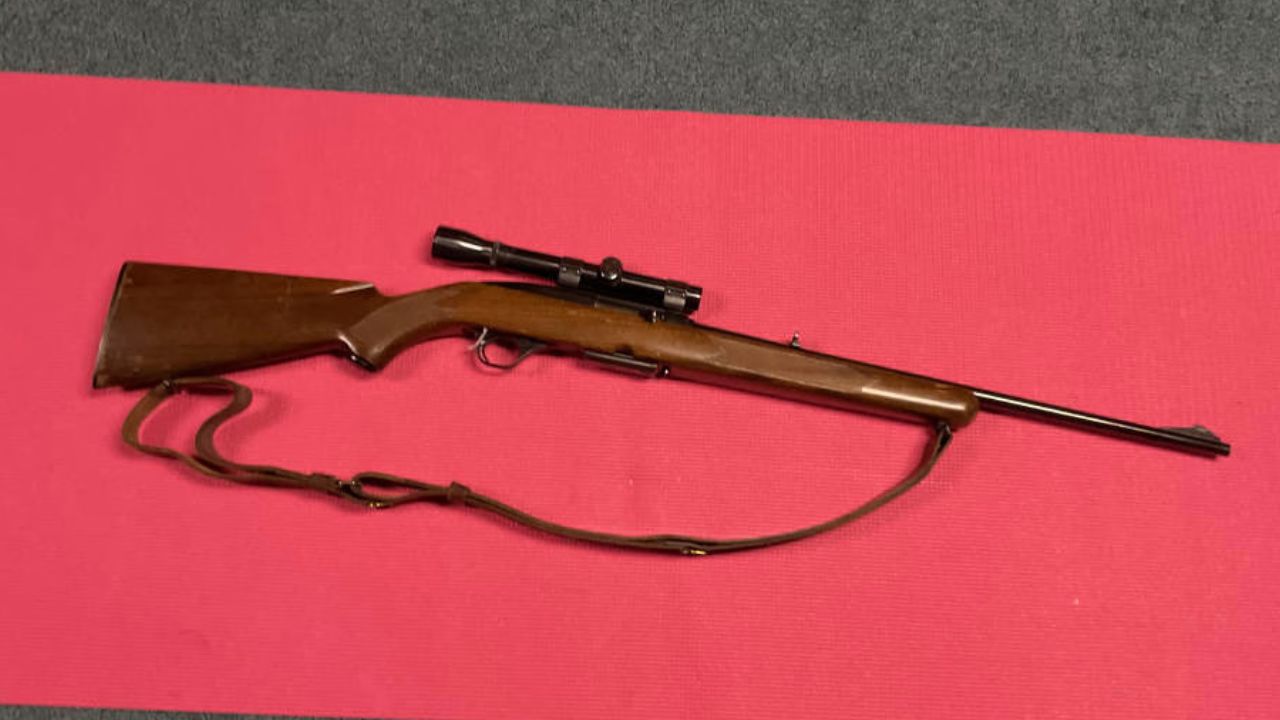
The Model 100 proved it was worth keeping because it kept being more useful than people remembered. It never got the same warm collector love as some other Winchesters, and that helped some owners underestimate just how practical it really was. But a trim semi-auto deer rifle that handles well has a way of becoming more valuable once you stop overthinking things.
That is what happened with a lot of these. The rifle rode through real hunting seasons, kept making offhand shots feel natural, and stayed easy to live with in the field. The more time owners spent with one, the less likely they were to let it go. It proved its value by continuing to fit real hunting better than a lot of rifles that looked more exciting on paper.
Colt Police Positive Special
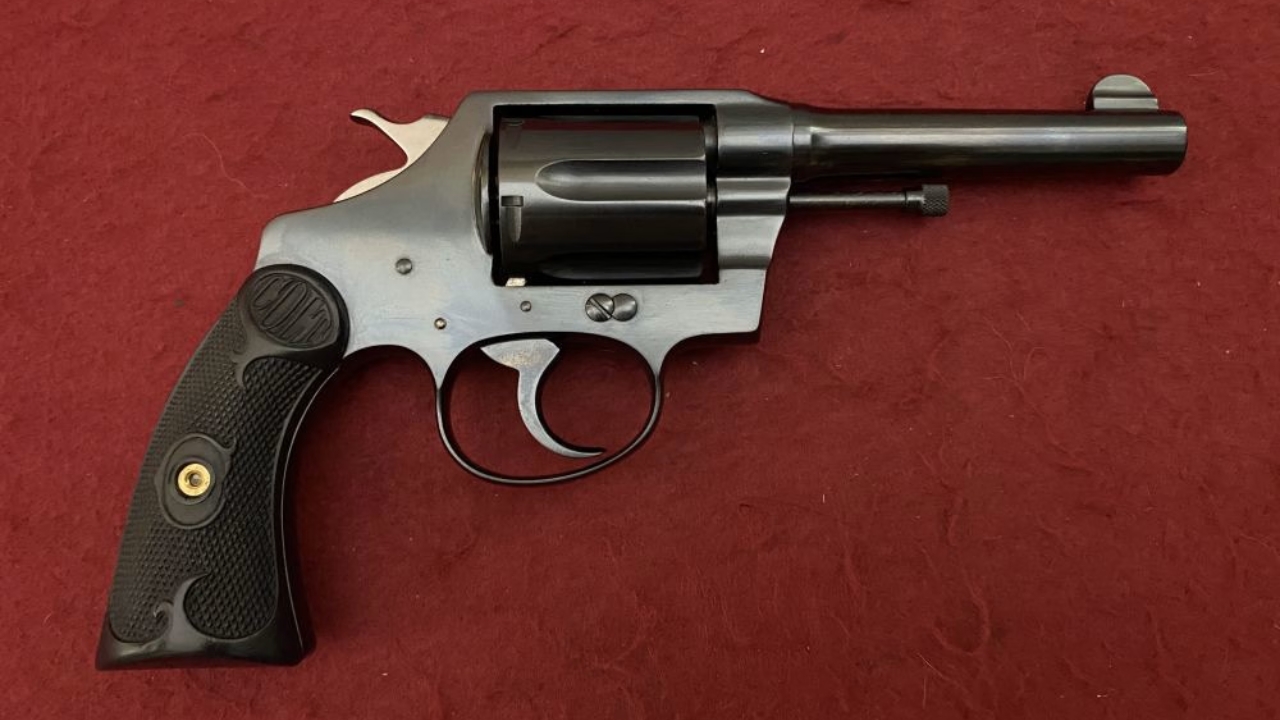
The Police Positive Special proved it was worth keeping because it never needed to shout to stay relevant. It was balanced, practical, and tied to the kind of revolver craftsmanship people often appreciate more the longer they own one. At first, it can seem like just another old Colt service revolver from a category many buyers think they already understand.
Then enough range time changes that opinion. The handling starts making more sense, the trigger starts feeling more rewarding, and the revolver turns into something more than a historical curiosity. It becomes a handgun with real ownership value. That is the kind of gun people hang onto because selling it later usually sounds smarter before it happens than it does afterward.
Ruger 77/44

The 77/44 proved it was worth keeping because it filled a very specific role unusually well. It was compact, simple, and chambered in a round that gave it practical short-range authority without making the rifle cumbersome. That sort of setup does not always get immediate appreciation, especially from buyers who are too busy comparing specs instead of imagining actual use.
Owners who kept theirs figured it out. The rifle handled beautifully in thick cover, worked well around stands and blinds, and carried a kind of common-sense usefulness that became more appealing with time. Firearms like this do not always look exciting on day one. They prove themselves after enough seasons of being exactly the right rifle when conditions get real.
Beretta 81BB

The 81BB proved it was worth keeping because it kept winning people over after the first impression. A compact metal pistol in that chambering was easy for some buyers to treat like a stylish side interest rather than something they would genuinely value long term. Then the range time started adding up, and the opinion changed.
The pistol handled softly, felt excellent in the hand, and had the sort of quality that becomes more obvious once a shooter has owned enough handguns to spot the difference. It turned out to be one of those pistols people enjoyed more the more they used it. That is usually what makes a gun worth keeping. It keeps getting better instead of more forgettable.
Remington Model Seven

The Model Seven proved it was worth keeping because hunters eventually realized how often a compact rifle is the right rifle. It was easy to underestimate if you thought in terms of full-size rifles only, but the first few seasons in thick woods or rough terrain usually changed that. A handy rifle with enough power and good manners has a way of becoming indispensable.
That is what happened here. The Model Seven carried easily, came to the shoulder quickly, and handled real hunting work without a lot of fuss. Plenty of rifles make a stronger first impression. Not all of them feel this easy to live with once the miles add up. A lot of owners learned that lesson and decided theirs was smarter to keep than to replace.
Smith & Wesson 1006
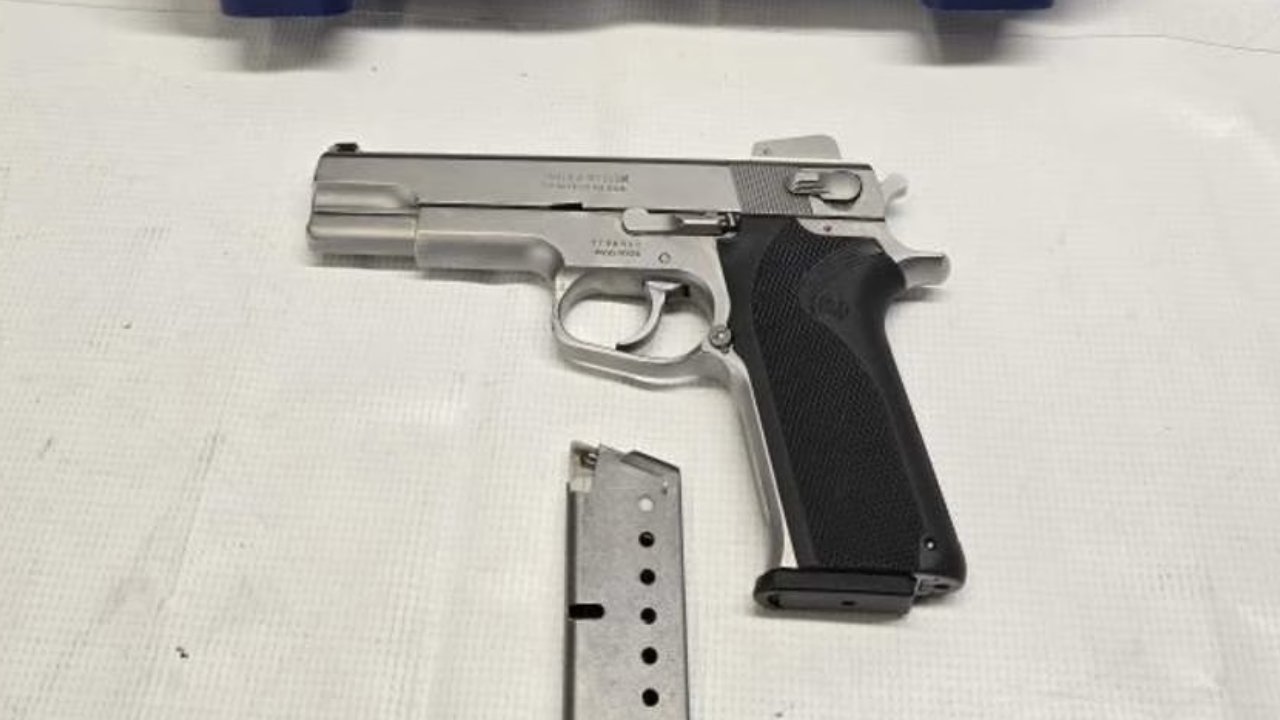
The 1006 proved it was worth keeping because it never stopped feeling serious. Even when it looked oversized or overly heavy next to more fashionable pistols, it still had that very solid, duty-grade confidence that tends to age beautifully. Buyers may not always have understood it immediately, but owners who actually shot and carried them usually came around in a hurry.
The pistol handled hard use well, had real authority, and came from an era when handguns were built to feel like long-term equipment instead of short-term enthusiasm. Once the market got noisier, the 1006 looked smarter. It proved it was worth keeping because it kept reminding people what a real all-steel working pistol felt like.
Browning B-78
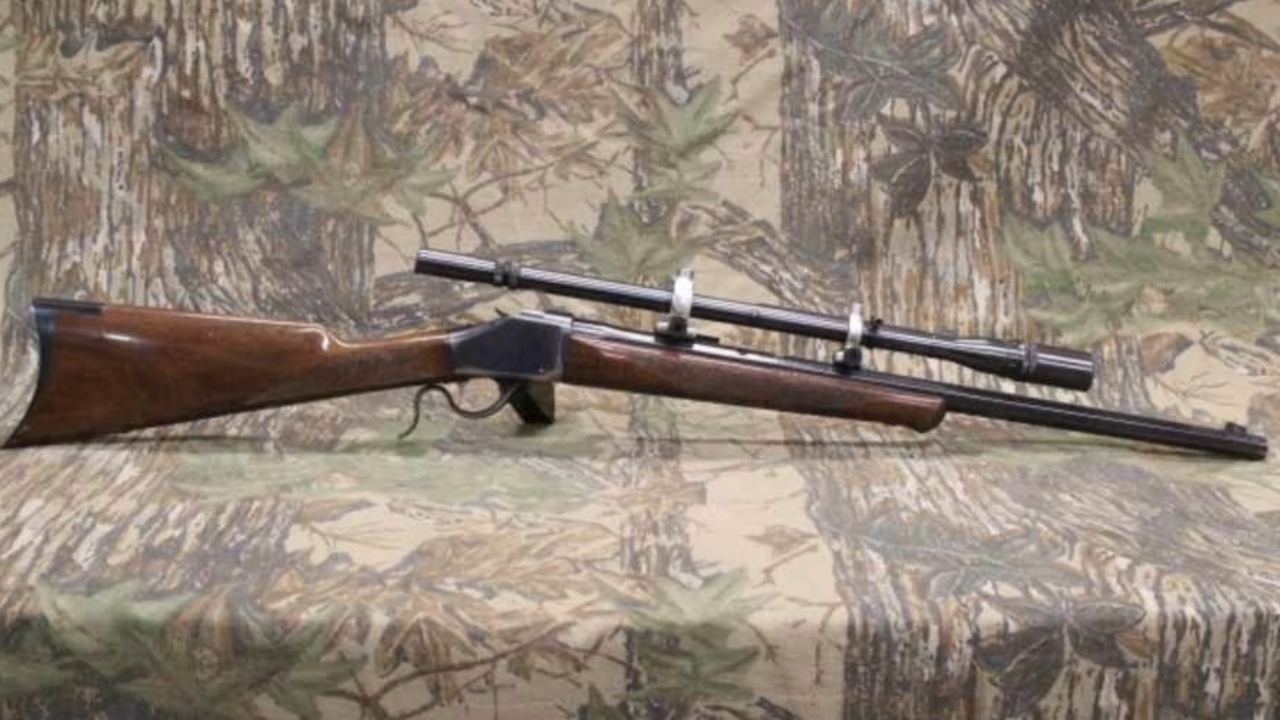
The B-78 proved it was worth keeping because quality single-shots have a way of getting under a shooter’s skin. At first, some buyers probably thought of it as a handsome specialty rifle, more admired than necessary. Then they spent enough time with one and realized how satisfying a simple, accurate, well-made single-shot could be when it is actually used with purpose.
It became a keeper because it made ownership feel more deliberate. It slowed people down in a good way, carried real quality in the action and stock, and never felt disposable. Rifles like this often become favorites not because they are the most practical on paper, but because they deliver an experience owners do not find elsewhere once they let them go.
HK P2000

The P2000 proved it was worth keeping because it kept making sense after louder pistols lost their shine. It never dominated the conversation, which may be why some buyers underestimated it at first. It looked like a practical, low-drama HK in a market that often rewards more obvious personalities.
But practical and low drama are exactly why so many owners held onto them. The pistol carried well, shot well, and had the kind of durability and mature design that only gets more attractive after enough time around guns that felt more exciting than trustworthy. The P2000 proved it belonged in the safe because it kept proving it belonged on the belt.
Savage 99F
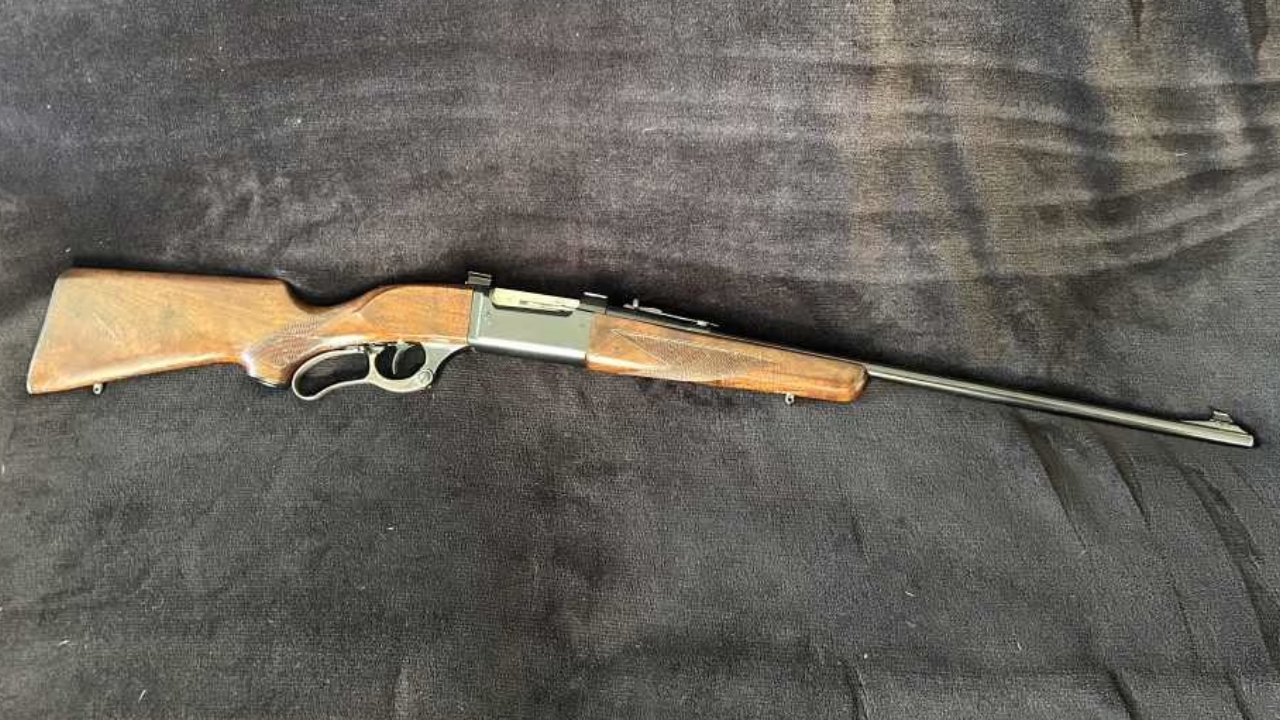
The 99F proved it was worth keeping because it never stopped being useful once hunters understood what they had. It had the kind of balance and field friendliness that does not always show up in a quick gun-shop impression. Plenty of rifles look good standing still. The 99F made more sense once it was carried, shot, and hunted with.
That is usually how keepers reveal themselves. The rifle kept showing up in real hunting situations and feeling right. It was quick, distinctive, and still practical enough to avoid becoming just a nostalgia piece. A lot of owners likely realized that selling one would not just mean losing an old rifle. It would mean losing a rifle that still had real hunting value.
Colt Pocket Nine
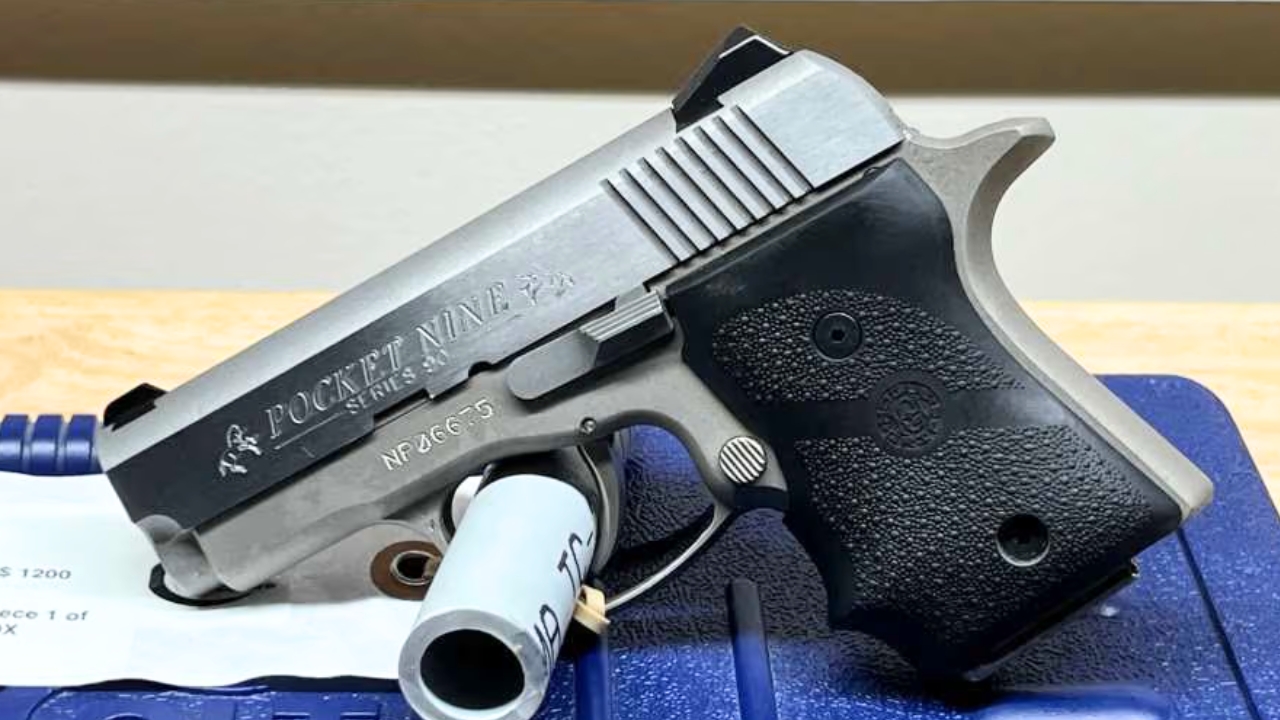
The Pocket Nine proved it was worth keeping because the market eventually caught up to what owners already knew. It was compact, useful, and just uncommon enough to become more interesting with time. At first, it may have seemed like an odd little Colt from an offbeat chapter, not the sort of pistol people would regret letting go.
That changed once the years passed. The gun’s short production run, carry-friendly size, and Colt identity all started mattering more. Owners who hung onto theirs ended up looking smart. The Pocket Nine proved it was worth keeping because it turned from a quiet curiosity into exactly the kind of pistol people later wished they had not overlooked.
Ruger Old Army
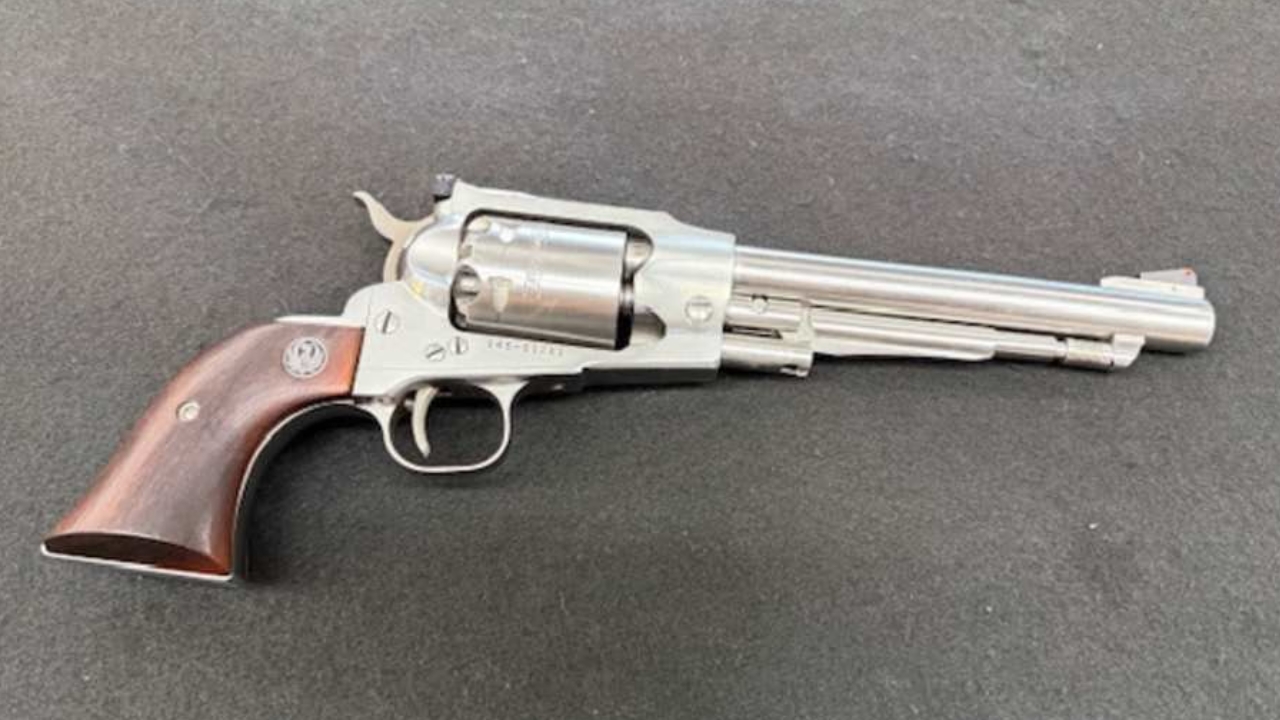
The Old Army proved it was worth keeping because it was never just another black-powder revolver. Even when it sat in a niche category, owners who actually used them understood how strong, practical, and thoughtfully built they were. That made them easy to love once someone had enough time with one to get past the category label.
Over time, that usefulness only became more obvious. It was durable, distinct, and unlike most of what came before or after it in the percussion world. Plenty of owners probably bought one thinking it would be an interesting specialty revolver. Many kept it because they realized it was one of the smartest, toughest guns Ruger ever made in that lane.
Like The Avid Outdoorsman’s content? Be sure to follow us.
Here’s more from us:


