Photo credit: camptoloma/stock.com
People talk about revolvers like reliability is automatic, like the gun somehow earns it just by having a cylinder instead of a magazine. That is not really how it works. A good revolver can absolutely be a strong backcountry sidearm, but dependability still comes from condition, maintenance, inspection, and how well the gun fits the job. Ruger’s revolver manuals specifically say periodic inspection matters, and that the gun should be cleaned and checked after each range session or after exposure to sand, dust, moisture, humidity, or other adverse conditions. That is about as backcountry as it gets. A revolver riding on your hip in rain, grit, sweat, brush, or dust is not magically immune to problems just because it is a wheelgun.
A dependable revolver is one you have actually kept up
This is the boring truth behind a lot of “my revolver never lets me down” talk. Ruger says proper maintenance increases longevity and helps with early detection of worn or broken parts, and its manual tells owners to inspect for anything damaged, loose, bent, cracked, chipped, peened, or excessively worn before use. That is a pretty direct reminder that revolver dependability starts long before the gun is ever needed in the woods. If somebody carries one for years, rarely cleans it, never checks timing or lockup, ignores rust or grime, and assumes the design will cover for laziness, that confidence can run out at a bad time.
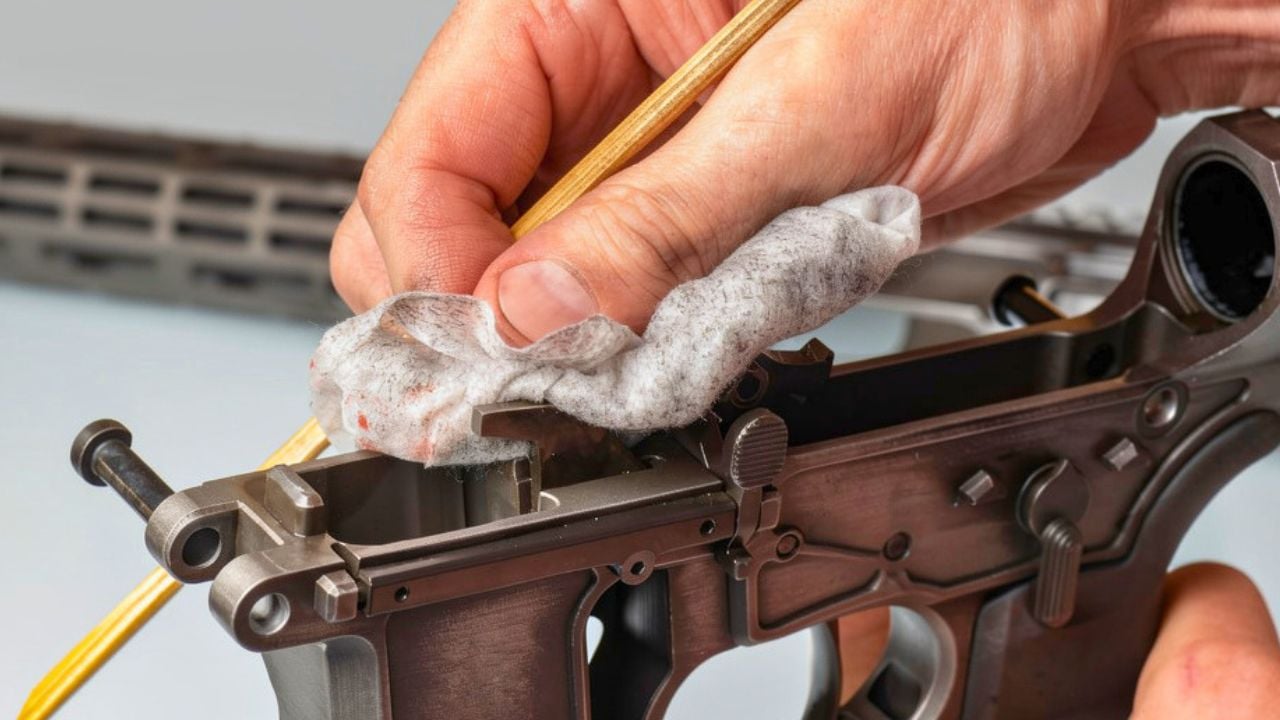
What makes a revolver dependable is not mythology. It is knowing the gun is still mechanically sound. It is making sure the cylinder rotates correctly, locks correctly, and that the trigger returns positively after cleaning and reassembly, which Ruger specifically lists as function checks owners should perform. A revolver can be simple, but simple is not the same thing as self-maintaining.
The gun has to stay clean enough to keep the cylinder working right
This is one place where revolvers get more credit than they deserve. Yes, they avoid some of the feeding issues semi-autos can have, but they can also get tied up by dirt, fouling, corrosion, or debris in ways people forget about until the gun starts binding. Ruger’s manuals repeatedly stress cleaning after exposure to sand, dust, moisture, and humidity. That matters in the backcountry because those are exactly the conditions people drag a belt gun through. If the cylinder gets sluggish, the ejector area gets fouled, or grit starts affecting movement, “revolver reliability” becomes a lot less automatic than people like to claim.
That is why a dependable backcountry revolver is not just powerful. It is clean enough to run, lubricated correctly, and checked often enough that small issues do not become big ones. The basic stuff matters more than the campfire legend around the platform.
Wear matters more than people admit
A revolver does not have to be visibly falling apart to stop being a good backcountry choice. Ruger tells owners to stop using the gun and contact customer service or a trained gunsmith if they observe excessive wear. That is important because a lot of backcountry sidearms live hard lives. They get bounced around in trucks, sweat through long days, knocked against gear, and shot enough to loosen up over time. Dependability comes from catching that wear before it turns into a real mechanical problem.
This is also where honest inspection matters more than brand loyalty. A revolver that once had a good reputation can still become a bad field companion if the timing is off, the lockup feels loose, parts are worn, or the trigger and cylinder movement no longer feel right. Dependability is earned over time, not preserved by nostalgia.
A dependable revolver fits the conditions, not just the argument
Backcountry revolvers are often discussed like the biggest, heaviest one is automatically the smartest. Sometimes it is. Sometimes it is the gun that gets left in camp, carried reluctantly, or shot poorly because recoil and weight wear the owner down. Dependability in the field is partly mechanical, but it is also practical. The revolver has to be one you will actually carry, keep protected from the elements, and practice with enough that its manual of arms stays second nature. That last part matters because Ruger’s manuals repeatedly stress understanding the firearm’s particular characteristics and safe use, rather than treating any revolver as foolproof.
So the dependable backcountry revolver is not necessarily the one with the most intimidating chambering or the loudest fan club. It is the one that remains mechanically sound, clean, inspected, and familiar in the hands of the person carrying it. That sounds less exciting than the usual backcountry caliber talk, but it is a lot closer to the truth.
What really makes one dependable
If you strip it down, a dependable revolver in the backcountry has a short list of traits: it is in good mechanical condition, it has been cleaned after rough exposure, it passes basic function checks, it is not showing ignored wear, and it is carried by someone who knows exactly how it behaves. Revolvers can absolutely be excellent field guns, but the dependability people respect does not come from the word “revolver” stamped on the box. It comes from upkeep and honest use. Ruger’s own manuals basically say the same thing in plain language: inspect it, maintain it, and do not assume it will take care of itself.
Like The Avid Outdoorsman’s content? Be sure to follow us.
Here’s more from us: