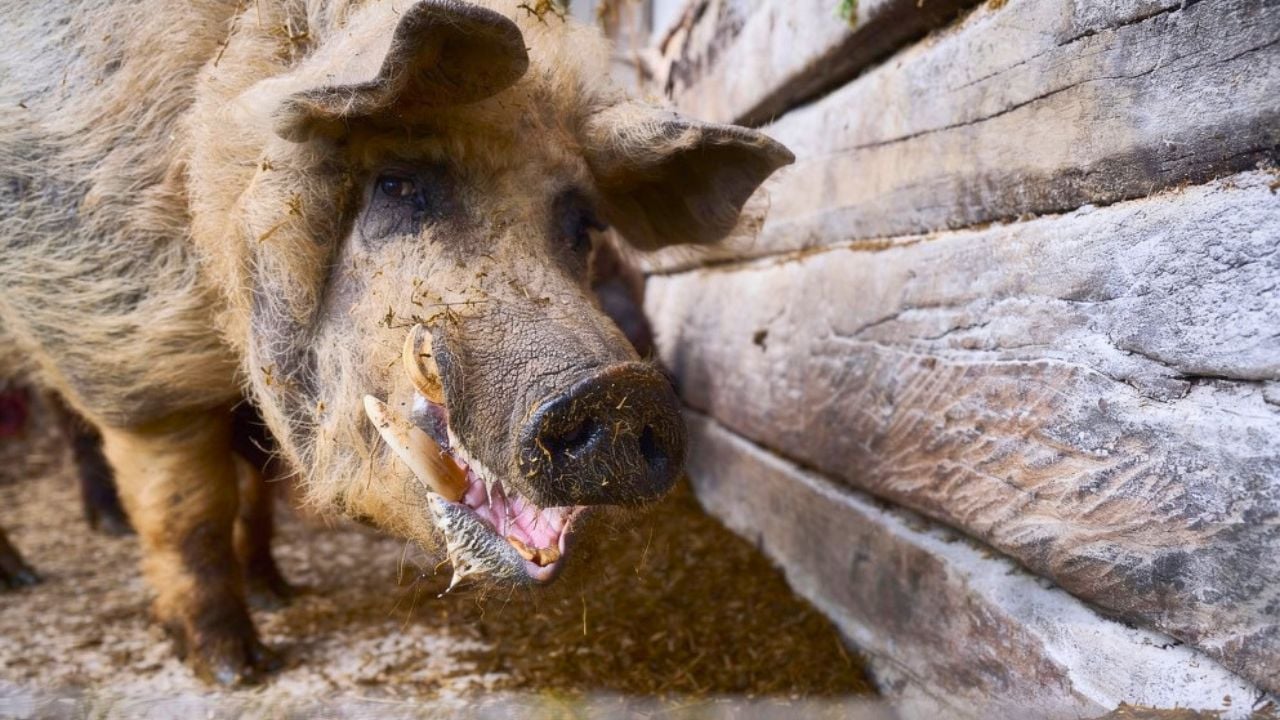
Photo credit: kovsca/istock.com
A feral hog problem usually does not explode out of nowhere. Most of the time, the land starts telling on it first. USDA says feral swine cause extensive damage to agriculture, natural resources, property, and even water quality, and Texas agencies have long warned that once pigs get comfortable using an area, the damage tends to stack fast instead of staying small. That is why the early signs matter. If you only start paying attention once a pasture is torn up or a trap camera catches a whole sounder, you are already behind the problem.
The bigger issue is that hog pressure builds in layers. First you notice a little rooting, then a muddy rub on a post, then tracks around water, then more nighttime movement, then suddenly the place looks like it got worked over by machinery. Mississippi State’s wild pig guide notes that pigs are highly adaptable, reproduce quickly, and can damage crops, pastures, timber, and native habitat while also preying on wildlife and newborn livestock. That combination is exactly why a “small hog issue” is usually not something to treat casually.
Fresh rooting starts showing up in more than one spot
This is usually the first obvious clue. Texas A&M AgriLife describes rooting as one of the most recognizable signs of hog activity and notes that pigs use their snouts to dig for roots, tubers, grubs, and other food, often tearing up pastures, lawns, food plots, and fields in the process. A little rooting in one area can mean a group passed through. Fresh rooting in several places at once usually means the property is becoming part of a pattern.
That is the part people miss. It is not just the damage itself. It is the spread. If pigs start working multiple parts of the property instead of one edge or one low spot, that suggests they are comfortable moving through more of the place and finding enough food to make it worth repeating. Once that starts, the odds of heavier damage usually go up fast because hogs tend to revisit areas that keep paying off.
Water sources start showing tracks, wallows, and churned mud
Hogs need water and often spend hot weather around it. Mississippi State’s guide says wild pigs are closely tied to wet areas and commonly use wallows to cool off and control parasites. Texas A&M AgriLife also points to wallows and muddy areas around ponds, creeks, tanks, and drainages as common signs of active hog use. So if your pond edge, creek bank, or wet-weather low spot starts showing repeated tracks, churned mud, or shallow body-shaped depressions, that is not random disturbance. It usually means hogs are using that water source enough to settle into a routine.
That matters because dependable water makes a property more attractive long-term, especially in warmer weather or dry stretches. If pigs are already feeding on the place and they also have easy water, the setup gets harder to break. A property with food, shade, cover, and water is a property hogs can start leaning on instead of just passing through once in a while.
You start seeing rubs, hair, or muddy marks on posts and trees
Another sign the problem is maturing is when the hog activity stops being subtle and starts leaving repeated body sign. Mississippi State notes that wild pigs often rub on trees, posts, and other structures after wallowing, leaving mud and sometimes hair behind. That matters because rubbing usually points to repeated use of an area, not just a quick one-night feed.
If you are seeing low muddy streaks on fence posts, trees near water, or corners of structures, that is worth paying attention to. It suggests the pigs are comfortable enough not only to feed there but to loaf there too. That is usually a bad sign for what comes next, because hogs that feel safe bedding, cooling off, and rubbing in an area are often not on the edge of leaving it.
Nighttime camera traffic starts shifting from one pig to multiple pigs
Trail cameras can tell you the difference between a stray boar and a property that is starting to host a real hog problem. USDA and university extension guidance both point to cameras as useful tools for identifying travel routes and group size. One hog on camera once is not ideal, but it is not the same as repeated images of several pigs, especially mixed-size animals or sows with young. That usually means you are dealing with a sounder, and once reproduction is part of the picture, the problem can snowball in a hurry.
This is where the “about to get worse” part gets real. The Texas Invasive Species Institute notes that feral hogs can reproduce quickly, with females capable of producing multiple litters under favorable conditions. So if your camera starts showing groups instead of loners, especially females with juveniles, that is not a sign to wait and see. That is usually the point where landowners look back later and realize the place was about to become much more expensive to manage.
Fence lines, feed areas, and soft ground start looking worked over
Hogs are not gentle on property infrastructure. Mississippi State says they can damage fences, pastures, crops, and feed areas, and they are known for exploiting weak points where the ground is soft or disturbed. If you start seeing tracks and rooting along fence lines, around hay or feed storage, near mineral sites, or where livestock congregate, that is a sign the pigs are finding easy calories and easy travel.
That is usually when a manageable nuisance starts turning into a recurring cost. Once hogs learn where feed, soft ground, or easy access points are, they tend to come back. They are opportunistic, smart enough to repeat success, and destructive enough that those repeat visits add up fast.
You notice signs near birthing areas or young livestock
This one deserves extra attention because it can move from inconvenience to loss fast. Mississippi State’s guide says wild pigs may prey on newborn lambs, goats, and calves and are especially drawn to fetal tissue and afterbirth around birthing areas. So if hog sign starts showing up near lambing pens, calving grounds, or areas where young animals are raised, that is a serious warning sign, not background wildlife activity.
A lot of landowners think of hogs mainly as rooters and field wreckers, which they absolutely are. But once they start showing interest in the same areas where vulnerable young animals are present, the risk picture changes. That is one of the clearest signs the problem is moving beyond nuisance damage and into something that can cost you fast.
The damage is happening more often, not just getting noticed more
The last warning sign is pattern. If rooting, tracks, wallows, rubs, and camera hits are showing up more often week to week, that usually means the problem is genuinely building. USDA describes feral swine as highly destructive and difficult to control once established, and state and extension agencies consistently warn that waiting tends to make management harder, not easier.
That is the big takeaway. A hog problem is about to get worse when the signs stop looking isolated and start looking connected. More rooting, more water use, more group activity, more repeated travel routes, more damage near feed or stock, more nights on camera. Once those pieces start lining up, the land is not whispering anymore. It is telling you pretty clearly that the pigs are settling in.
Like The Avid Outdoorsman’s content? Subscribe to our newsletter so you never miss an article.
Here’s more from us: