Photo credit: Kurt24/YouTube
Some guns earn their age honestly. They may be heavy, slow, awkward, or outdated, but they still make sense because they do something well enough to justify keeping them around. Others survive mostly because people like the story attached to them. Nostalgia can make a rough trigger feel better than it is, and it can make bad ergonomics seem like “character” when they’re really just old problems we learned how to fix.
That doesn’t mean every older firearm is junk. Plenty of old designs still work hard. But some guns feel like they belong more in a display case than in a range bag, hunting camp, or carry rotation. Once you get past the name, the history, or the collector appeal, you start seeing why the world moved on.
Colt 1903 Pocket Hammerless

The Colt 1903 Pocket Hammerless has all the old-school charm you could ask for. It is slim, clean, and easy to appreciate if you like early 20th-century pistols. You can see why people carried them when options were limited and pocket pistols were still figuring themselves out.
But compared to modern carry guns, it asks you to give up too much. The sights are tiny, the caliber is mild, parts are not something you want to rely on casually, and the grip safety adds another thing that has to work right. It is a neat piece of history, but as a serious carry pistol today, it makes more sense behind glass than on your belt.
Luger P08

The Luger P08 is one of those pistols people recognize even if they are not gun people. The toggle action, grip angle, and old military look give it a personality most modern pistols will never have. As a collector gun, it is easy to understand the appeal.
As a shooter, though, it can be a fussy old machine. The action is sensitive to ammo, magazines matter a lot, and the design is not forgiving the way a modern service pistol is. You do not buy a Luger because it is the smartest 9mm to run hard. You buy one because you want a piece of history, and that is where it probably belongs.
Nambu Type 14

The Nambu Type 14 has a strange kind of appeal because it looks so different from most military pistols. It is light, odd, and tied to a major period of history, which gives collectors plenty of reasons to care about it. You can respect it as an artifact without pretending it was a great fighting pistol.
The trigger, safety layout, cartridge performance, and overall handling leave a lot to be desired. It feels like a gun designed around compromises that nobody today would choose on purpose. If you are collecting World War II sidearms, it has a place. If you are judging it as a practical pistol, it is a reminder that not every military design was good just because it was issued.
Webley Mk VI
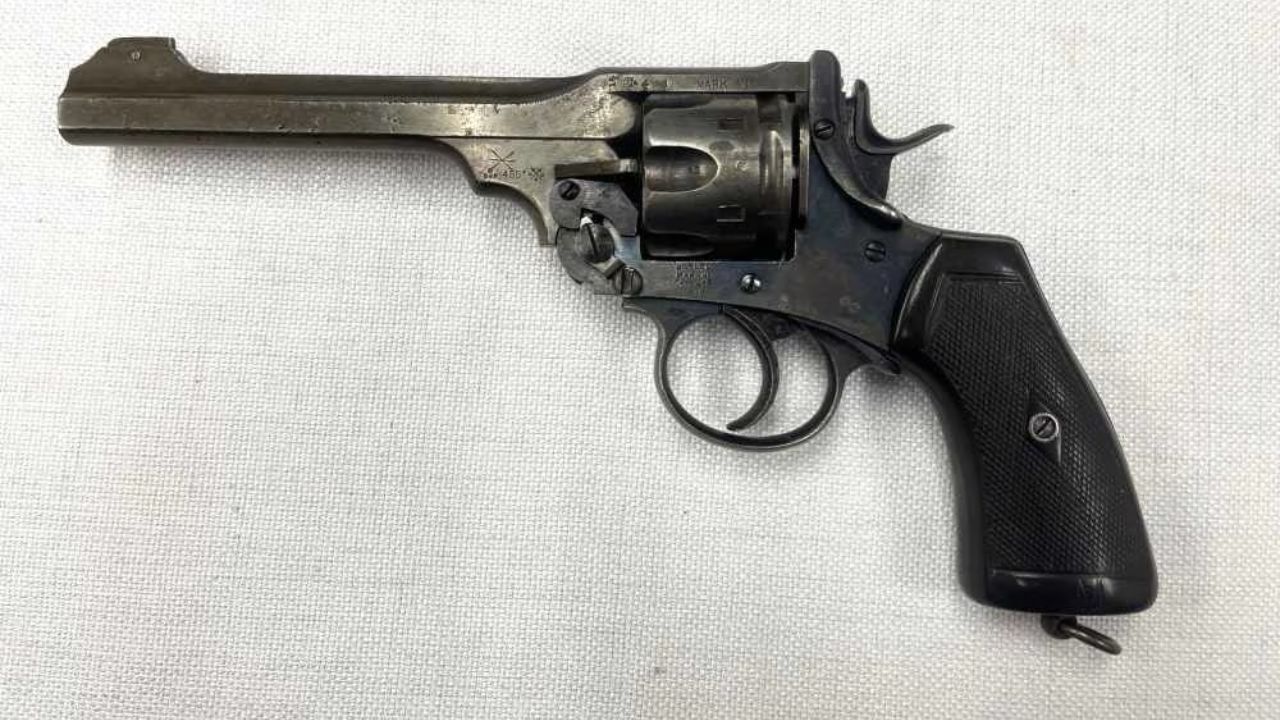
The Webley Mk VI has a lot going for it if you love big, old revolvers. It feels serious in the hand, the top-break action is satisfying, and the whole thing has that worn military character people like. It is hard to pick one up and not feel like you are holding something important.
The problem is that the practical side does not hold up well anymore. It is large, slow by modern standards, and chambered around ammunition that is not exactly sitting on every shelf. The top-break system is cool, but it is not stronger or more useful than a solid-frame revolver today. As a collector revolver, it makes sense. As a working gun, it stayed behind for a reason.
Remington Model 8
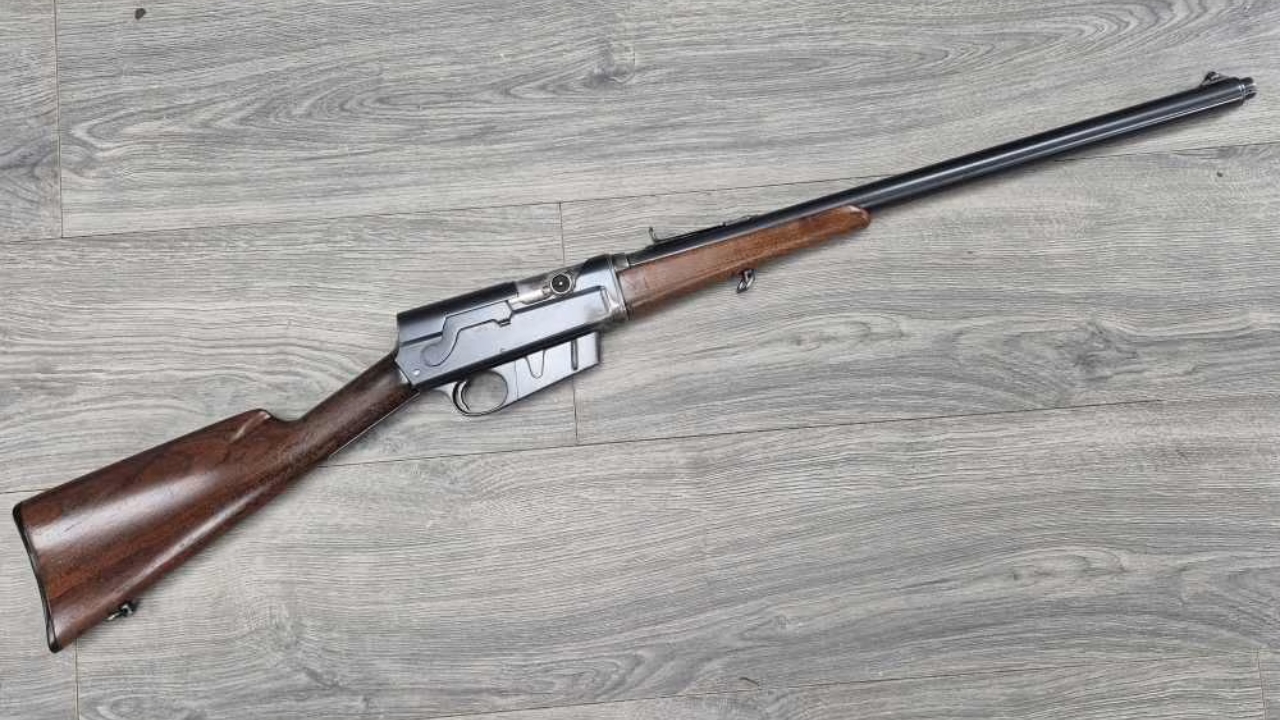
The Remington Model 8 deserves credit for being one of the early semi-auto sporting rifles that actually mattered. It was ahead of a lot of hunting rifles in its day, and it gave hunters a fast follow-up shot before that was common in deer camps. There is real history there.
But it is also heavy, mechanically busy, and not especially pleasant compared to what came later. The long-recoil action has its own feel, and if you are used to modern semi-auto rifles or simple bolt guns, the Model 8 can feel like it is doing a lot of work just to get you back on target. It is interesting, but not something most hunters would choose now unless nostalgia is driving.
Winchester Model 1911 SL
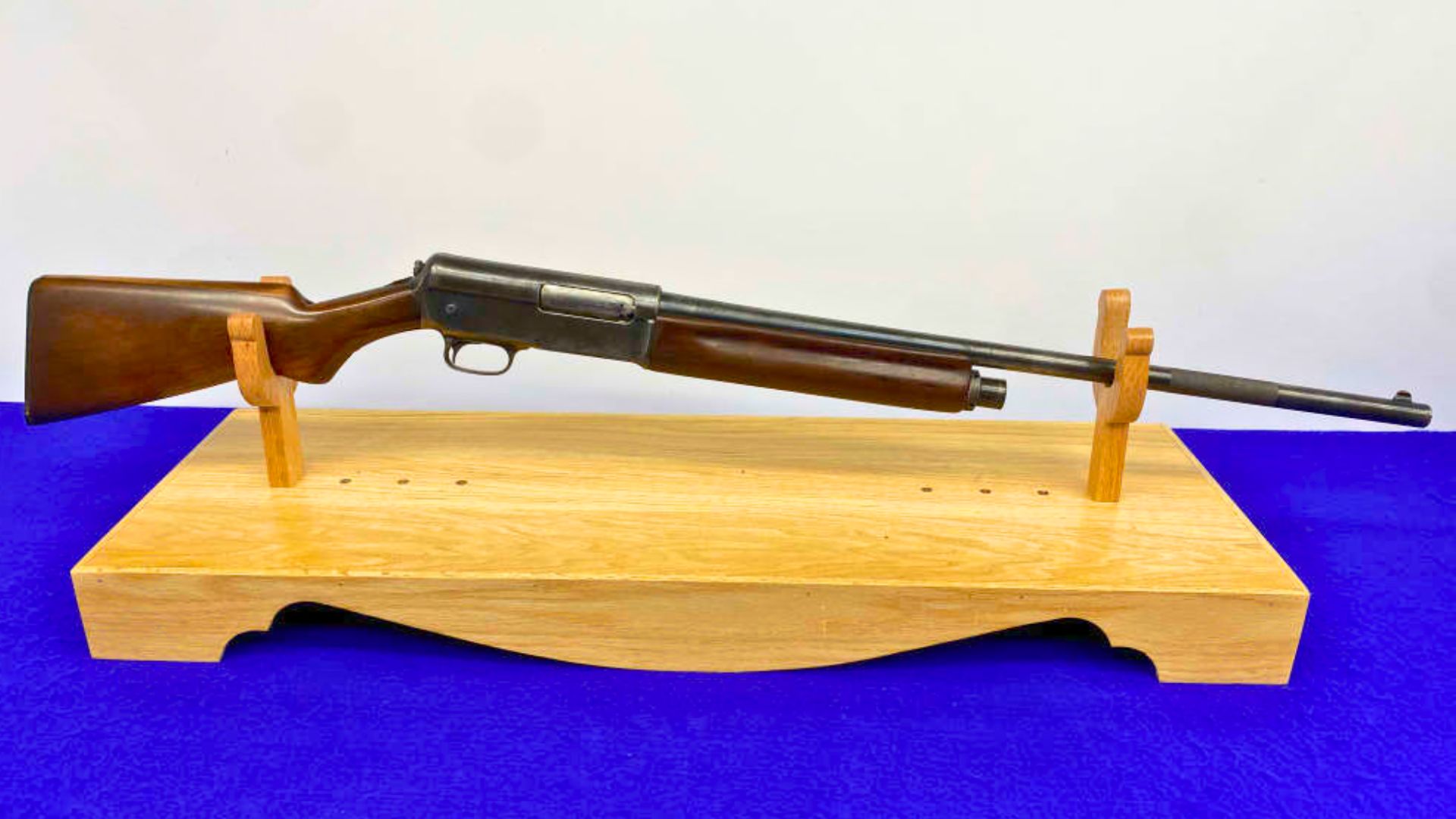
The Winchester Model 1911 SL is one of those shotguns that proves not every old design deserves a comeback. It was made during a time when semi-auto shotgun design was still developing, and Winchester was trying to compete without using Browning’s Auto-5 patents. That led to some choices that aged badly.
The biggest issue is how awkward and risky the design can be when you handle it wrong. Instead of a convenient charging handle, the barrel itself had to be manipulated, which is not exactly confidence-inspiring. Even if you set aside the old horror stories, the gun feels like a workaround rather than a clean solution. Some firearms are collectible because they worked. This one is collectible partly because it shows what not to do.
Chauchat

The Chauchat has become almost shorthand for a bad military firearm, and while some of that reputation gets repeated too casually, the criticism did not come from nowhere. It was built for a brutal war, under ugly conditions, and it gave soldiers automatic fire when armies were still learning what that meant.
That does not make it good. The open-sided magazine, rough manufacturing, awkward handling, and reliability problems made it a hard gun to love. You can explain the conditions that created it, but you still would not want to be the guy depending on one when things got bad. It belongs in a museum as a lesson in wartime desperation, not as something anyone should wish back into use.
Colt 1851 Navy
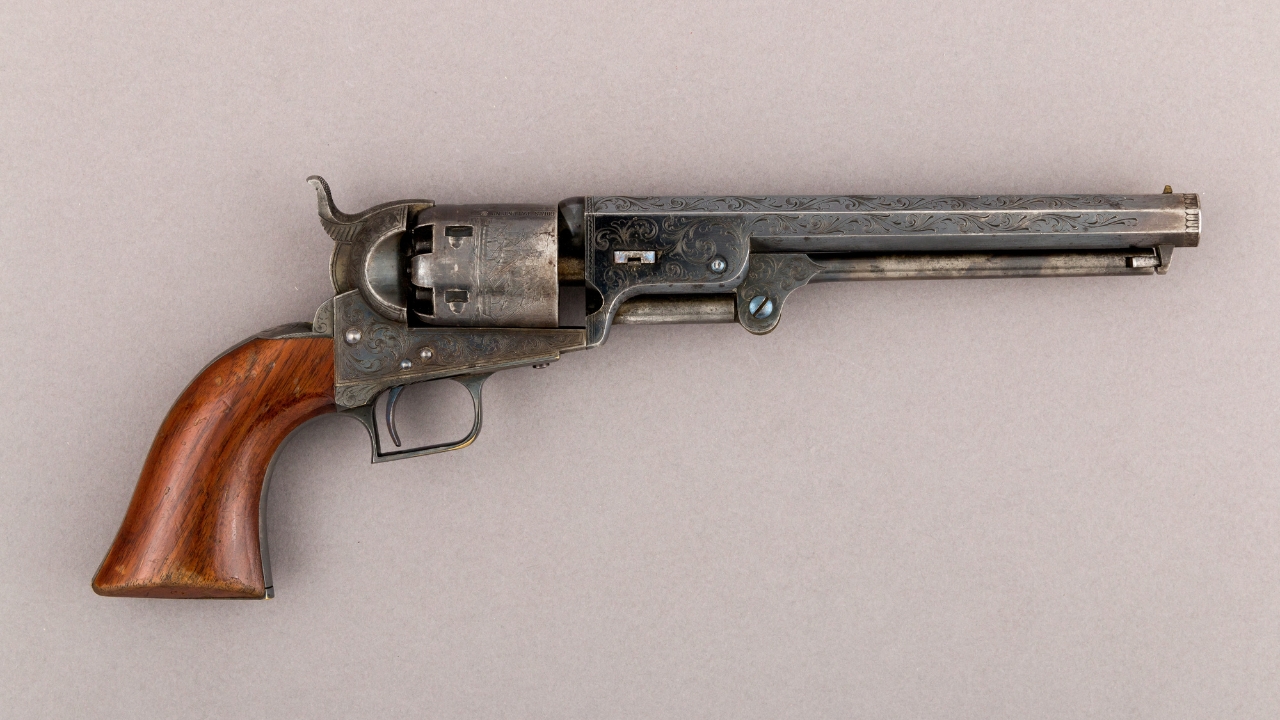
The Colt 1851 Navy is one of the best-looking revolvers ever made, and it has a place in American firearms history that nobody can take away. It points well, balances nicely, and feels more refined than a lot of people expect when they first handle one. For black powder fans, it still has charm.
But as a practical sidearm, it is pure past-tense. Cap-and-ball loading is slow, weather matters, spare cylinders are not the same as modern reloads, and cleanup is part of the deal. None of that is a knock if you enjoy the process. It just means the design belongs to another world. Once metallic cartridges took over, the old Navy revolver’s working days were numbered.
Liberator FP-45

The Liberator FP-45 is fascinating because of what it was meant to be, not because it was a good pistol. It was cheap, crude, and designed around a grim idea: get one shot into the hands of someone who had no other option. That story makes it historically interesting.
As a firearm, though, it is about as bare-bones as it gets. The sights are nearly meaningless, the trigger is rough, the grip is awkward, and reloading is painfully slow. It was not built for comfort, confidence, or long-term use. It was built for desperation. That makes it worth remembering, but it also makes it a perfect example of a gun that should have stayed exactly where history left it.
Velo-Dog Revolver
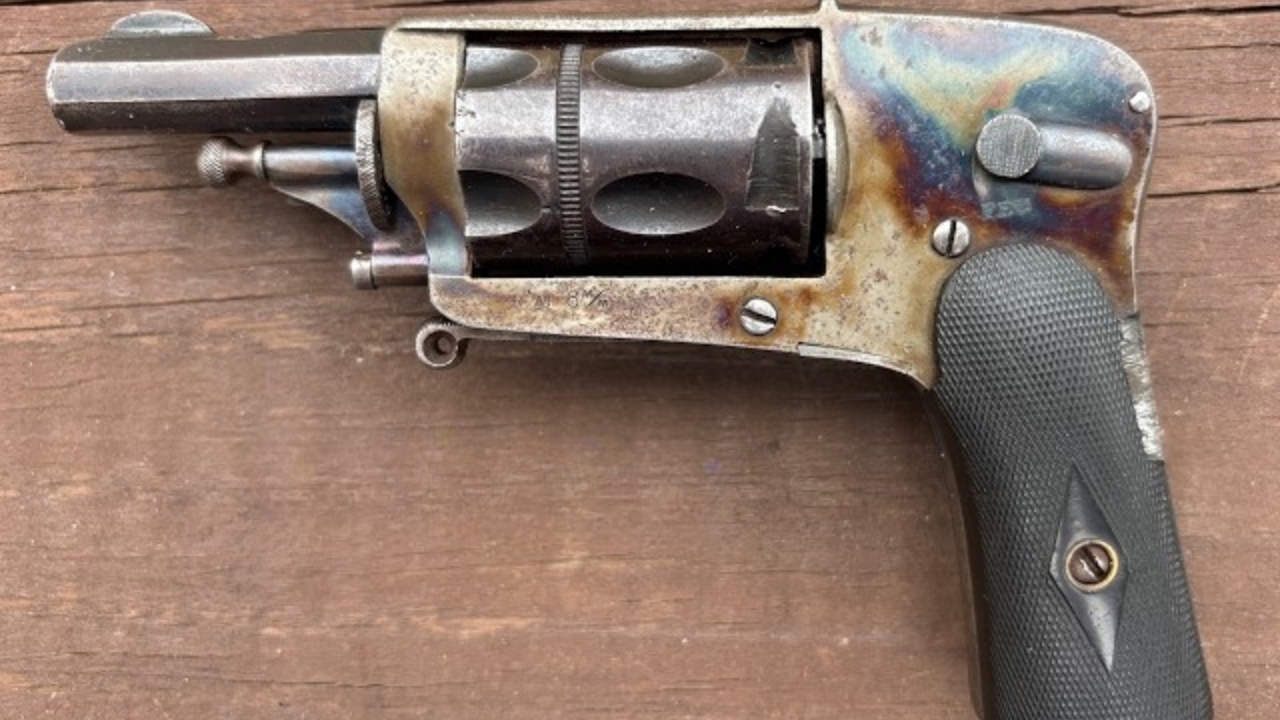
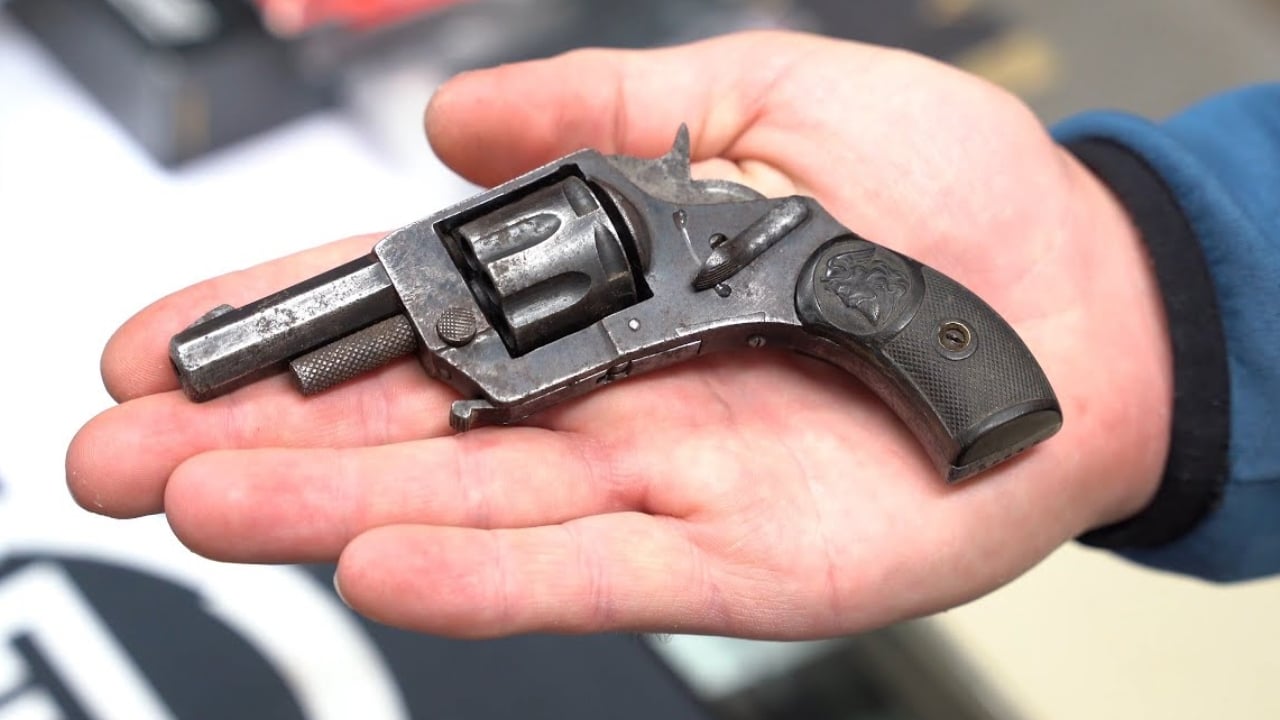
The Velo-Dog revolver came from a specific time and place, when cyclists wanted protection from aggressive dogs and small pocket guns were common. The idea sounds strange now, but it made more sense in the late 1800s and early 1900s than it does today. It is a snapshot of a different world.
The problem is that the gun itself does not offer much by modern standards. Tiny cartridges, tiny sights, questionable triggers, and old metallurgy make these more curiosities than useful defensive tools. You can appreciate the oddball history without pretending they are still practical. Today, a Velo-Dog is something you talk about at a gun show, not something you trust for serious use.
Zip .22

The Zip .22 is not old in the antique sense, but it already feels like something that should have been left behind the second the idea reached the prototype stage. It tried to rethink the rimfire pistol in a way that looked different, and different can get attention. That does not mean it works well.
The layout was awkward, the handling was poor, and the controls never felt natural. A gun can be unconventional and still make sense, but the Zip .22 felt like it made simple tasks harder for no real gain. It is remembered mostly because shooters could not believe it made it to market. That is not the kind of legacy most firearms want.
Gyrojet Pistol

The Gyrojet pistol is one of the coolest bad ideas in firearms history. A pistol that fires tiny rockets sounds like something out of science fiction, and you can see why people still talk about it. On paper, it feels like the kind of thing that should have changed everything.
In the real world, it had problems that mattered. Accuracy was inconsistent, ammunition was expensive and unusual, and performance was not what people hoped for. The whole system depended on a concept that was more interesting than useful. It is the kind of gun you want to study, handle, and talk about, but not one you would choose when normal cartridges already solved the problem better.
Dardick 1500
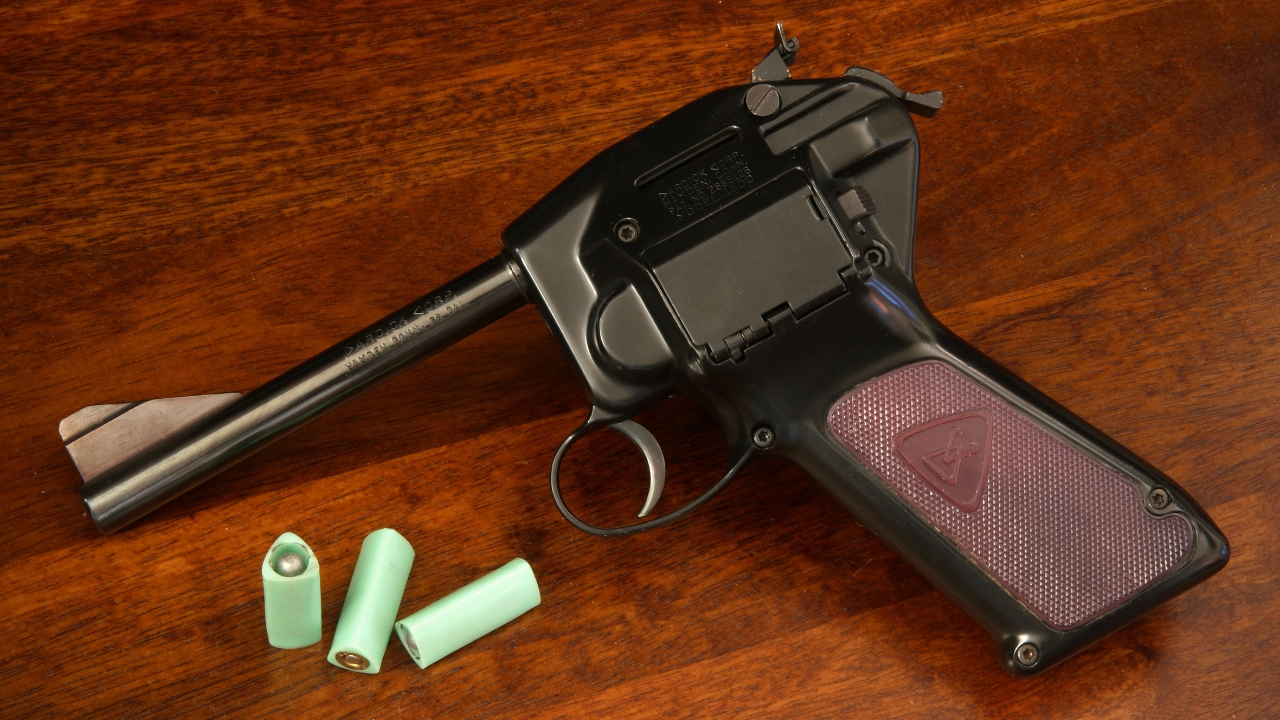
The Dardick 1500 was built around a wild idea: triangular “trounds” that fed through a revolving system unlike anything most shooters had seen. You have to give it credit for being creative. It was not another copy of the same old revolver or semi-auto layout.
But creativity alone does not make a gun worth keeping alive. The Dardick was bulky, odd, complicated, and tied to ammunition nobody else was using. That is a hard sell when conventional pistols and revolvers already worked. It is one of those designs that makes you respect the inventor’s imagination while also understanding why the market shrugged. Some ideas are better as footnotes than everyday firearms.
Remington R51
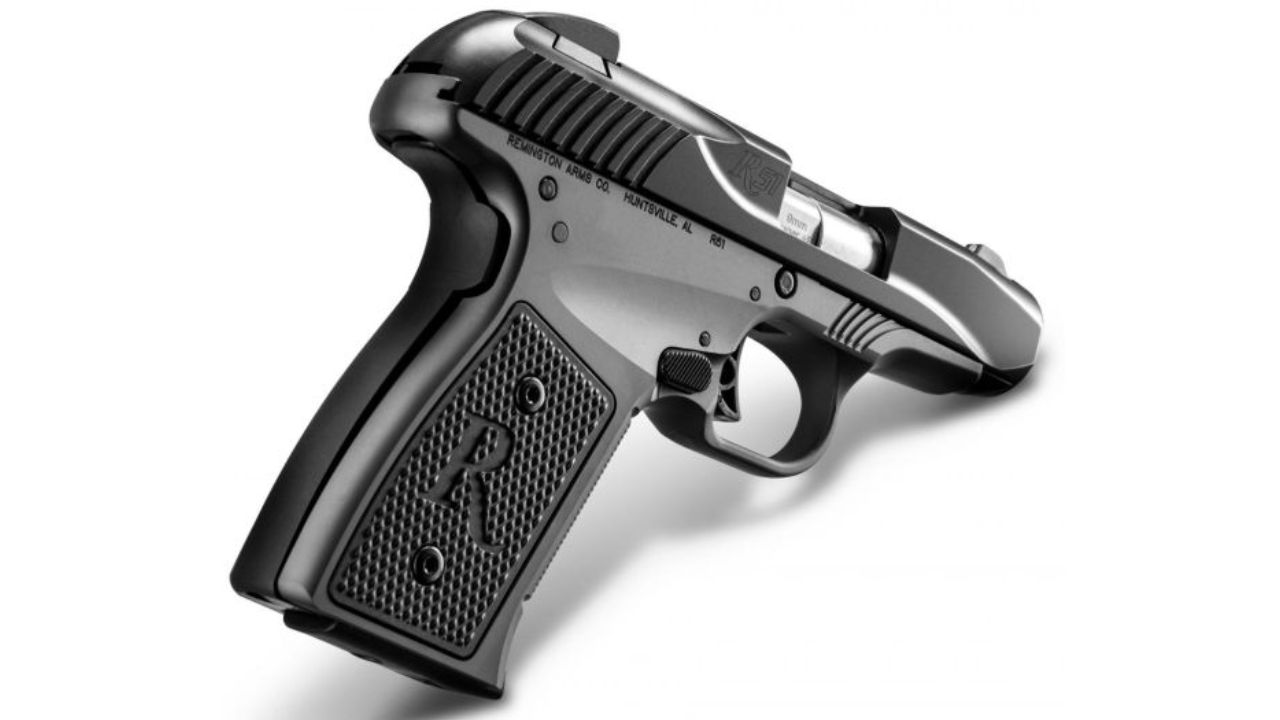
The Remington R51 tried to bring an old Pedersen-style action into the modern concealed-carry world, and that alone made people curious. The pistol looked sleek, felt slim, and had a different mechanical approach than the usual locked-breech compact 9mm. It had plenty of attention before reality caught up.
The execution hurt it badly. Early reliability problems, rough handling complaints, and a damaged reputation made it hard for shooters to trust. Even after fixes, the market had already moved on to simpler, proven compact 9mms that did the job without drama. The idea may have had historical roots, but the R51 proved that reviving an old concept does not mean it will survive modern expectations.
Cobray Terminator
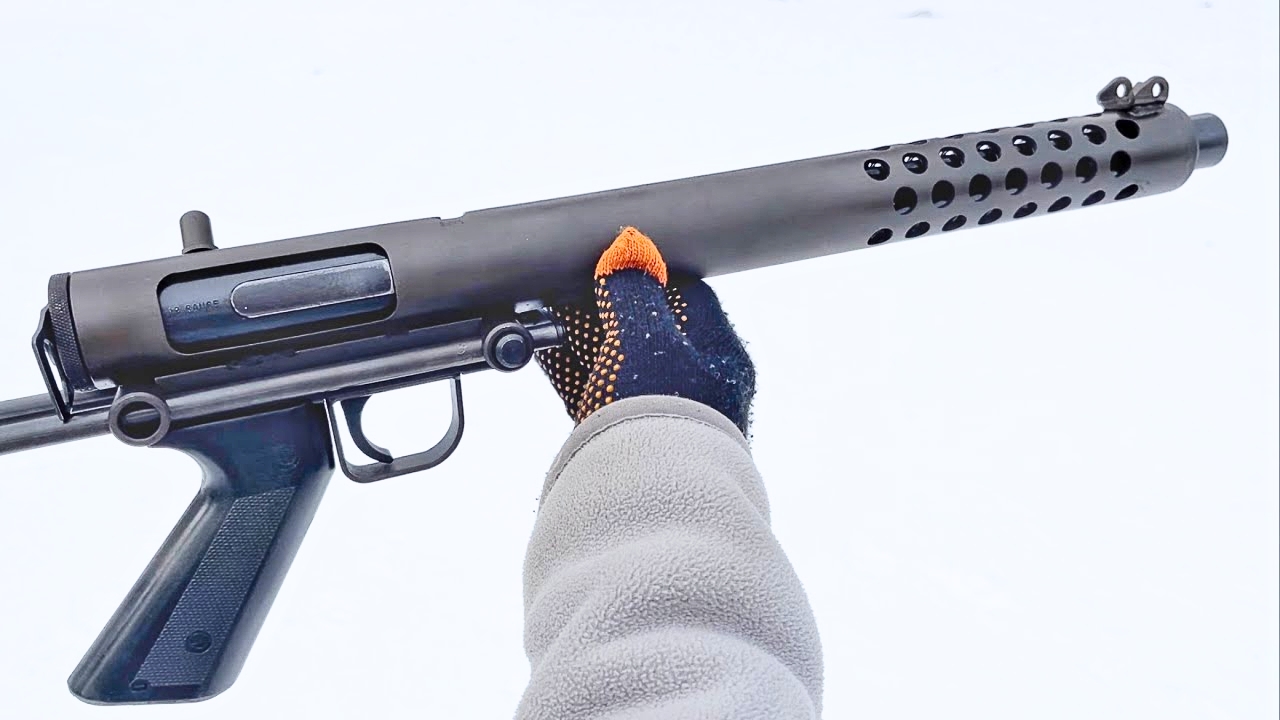
The Cobray Terminator looks like something built to win a dare rather than solve a real shotgun problem. It is a single-shot 12-gauge with a strange spring-driven design that makes you wonder who exactly it was for. It has the kind of weirdness that catches collectors’ eyes immediately.
That weirdness does not turn into usefulness. It is awkward, crude, heavy for what it offers, and not nearly as practical as a basic break-action single-shot shotgun. Sometimes simple is good. This is not that kind of simple. It feels like a firearm that exists because someone wanted to do something different, not because shooters needed it. History has plenty of room for oddballs, but this one can stay there.
LeMat Revolver

The LeMat revolver is one of the most interesting handguns of the Civil War era. A revolver with a shotgun barrel under the main barrel sounds like something every old gun fan wants to examine at least once. It has presence, history, and a design that still makes people stop and look.
But it was also heavy, complicated, slow to load, and tied to a very specific period of black powder warfare. The extra shotgun barrel sounds useful until you remember the whole package is large and dated by every modern standard. As a collector piece, the LeMat is incredible. As a practical weapon, it is a reminder that clever does not always mean better.
Like The Avid Outdoorsman’s content? Subscribe to our newsletter so you never miss an article.
Here’s more from us: