Photo credit: WHO_TEE_WHO/YouTube
Plenty of pistols run fine on the range when nothing’s at stake. But when you’re cold, wet, shaking, or moving fast? That’s when the truth comes out. Some guns don’t like being dirty. Some get finicky with hollow points. And some plain weren’t built for real-life carry. If you’ve ever had a malfunction during a draw-and-shoot drill or watched someone struggle to clear a jam at the worst possible moment, you already know how quickly confidence evaporates. This isn’t about brand loyalty or snobbery—it’s about which pistols have let folks down when it mattered most. If you’re trusting your life to a sidearm, it better not be one of these.
Kimber Micro 9
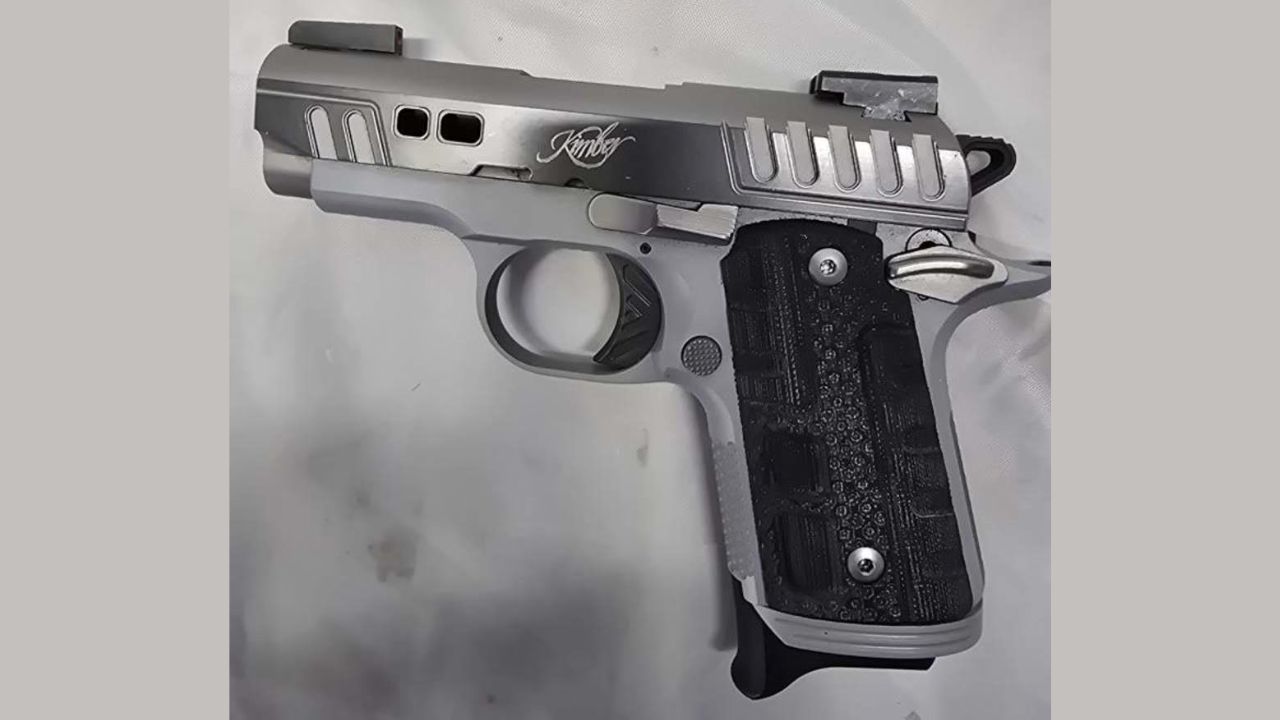
The Kimber Micro 9 feels great in the hand and has curb appeal, but the reliability story isn’t always so rosy. Folks have reported light primer strikes, failures to return to battery, and feeding issues—especially when running hollow points or mixed ammo. When everything’s clean and lubed, it behaves. But things change fast once it’s spent a week in a waistband holster.
You might be able to tune a Micro 9 into decent reliability with careful ammo choice and regular maintenance. But if you’re looking for something you can grab and fire in a hurry without second-guessing it, this one has let too many people down to ignore.
Sig Sauer P238

The Sig P238 is a gorgeous little .380 that feels like a shrunken 1911. On paper, it’s ideal for deep concealment. But in real-world carry, it can be finicky. Limp-wristing, dry conditions, or even certain defensive rounds can send it into malfunction territory. And since it’s single-action with a thumb safety, it’s not the most forgiving platform under stress.
Some people have flawless experiences with the P238, but enough shooters have reported stovepipes and feeding failures to raise an eyebrow. In calm, flat-range conditions, it’s a sweetheart. But when things get messy, it’s not always up for the fight.
Taurus G2C

Taurus has made strides in the budget pistol world, and the G2C is a popular pick for that reason. It’s affordable, compact, and easy to find. But when you’re betting your life on a gun, price shouldn’t be the top consideration. The G2C has a reputation for inconsistent quality control, questionable magazine reliability, and the occasional dead trigger.
Some shooters report thousands of rounds with no issues. Others see jams right out of the box. The trigger reset system can be weird under pressure, too. For a truck gun or range beater, maybe. For something you’re going to carry every day? I wouldn’t.
KelTec P3AT

The P3AT helped kick off the pocket .380 wave, and it deserves some credit for that. But it’s also a pistol that earned a reputation for being more of a last-ditch option than a reliable companion. It’s hard to shoot well, hard to grip under stress, and known for ejection issues, weak extractors, and random failures.
You might get one that runs fine—or one that turns into a jam-o-matic after a few boxes. Maintenance helps, but when you’re dealing with such a tiny, lightweight gun, small problems get big fast. Plenty of folks have retired theirs after a scare or two.
Remington R51

The Remington R51 is a weird one. It came out with high hopes, got pulled for major issues, then re-released with fixes. And yet, even the improved models have struggled with trust. Failure to feed, failure to extract, and weird slide binding have all been reported. It’s sleek, but it’s not something you want to rely on when seconds matter.
The R51’s delayed-blowback action is clever, but it hasn’t proven itself under pressure. Some people claim theirs runs great—but enough others have dumped them after repeated jams to make this one a hard pass for carry use.
SCCY CPX-2
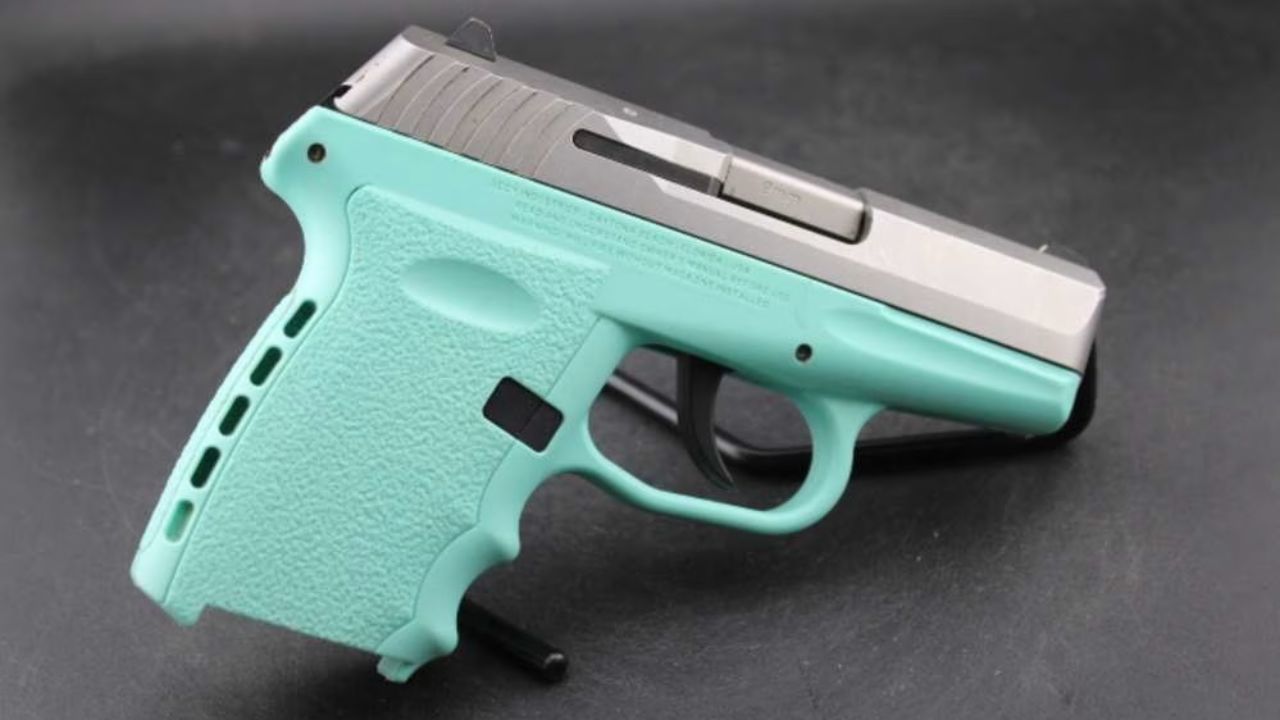
SCCY pistols are tempting for new shooters due to the low price and lifetime warranty. But there’s a reason you don’t see many of these in the holsters of folks who carry every day. The long, heavy trigger isn’t ideal when adrenaline’s high, and malfunctions aren’t rare with certain ammo types or magazines.
Even if you get one that cycles clean, the control layout and slide bite make it uncomfortable to train with. That means fewer reps, less confidence, and more chances to fumble when you can’t afford to. A carry gun shouldn’t be “good for the price.” It should be good—period.
Ruger SR9c
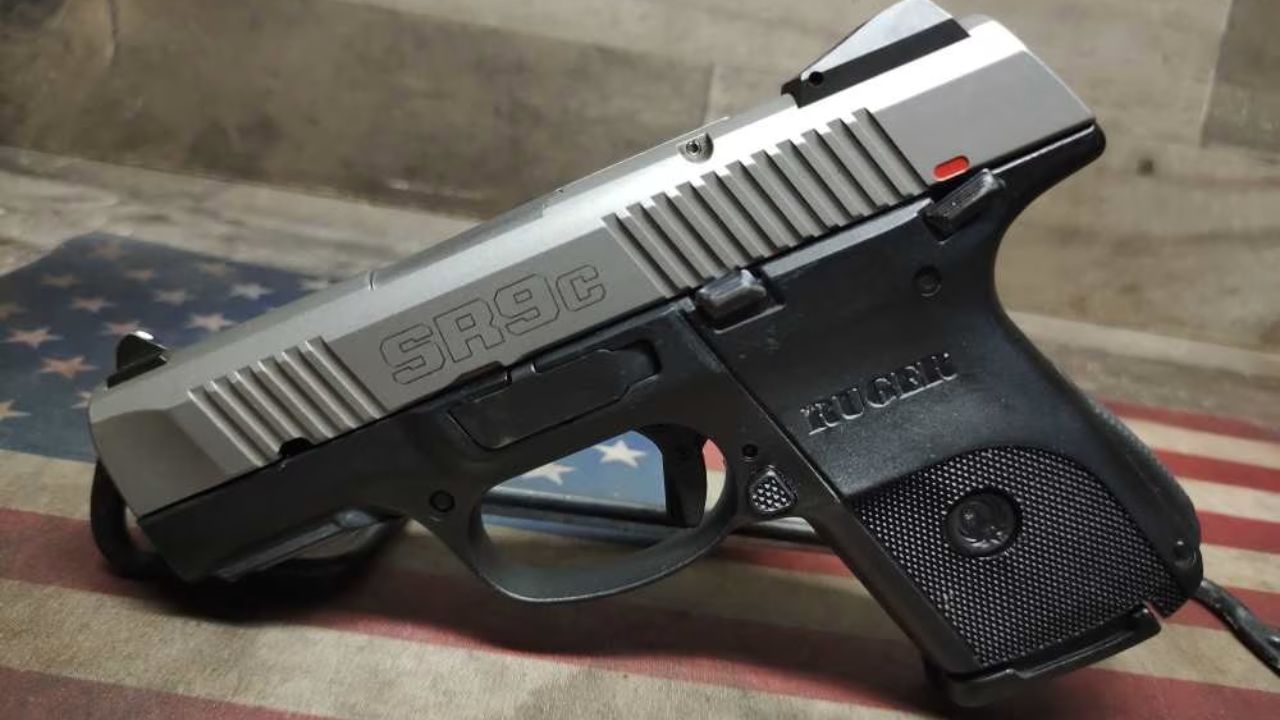
Ruger makes plenty of solid pistols, but the SR9c has had its share of growing pains. Some folks experience consistent stovepipes. Others find that the striker doesn’t reset reliably. It also has a magazine disconnect safety, which can leave you with a dead trigger at the worst possible time if the mag isn’t seated perfectly.
The SR9c’s size and feel are good. It points well and shoots soft. But a carry gun has one job: go bang when you pull the trigger. If you’ve got to second-guess your ammo, grip, or magazine seatment, you’re carrying the wrong tool.
Walther CCP

The CCP’s gas-delayed blowback system was supposed to tame recoil and improve shootability—and it kind of does. But it also introduced a host of quirks. Early models had problems with takedown, reliability, and feeding. Even the newer M2 versions still run into trouble with certain ammo types or less-than-perfect grip.
What makes the CCP frustrating is how close it comes to being great. But it’s also harder to clean, less intuitive under stress, and not nearly as proven as some of Walther’s other models. If you’re reaching for something in the middle of the night, you don’t want to be thinking about gas systems.
Remington RM380
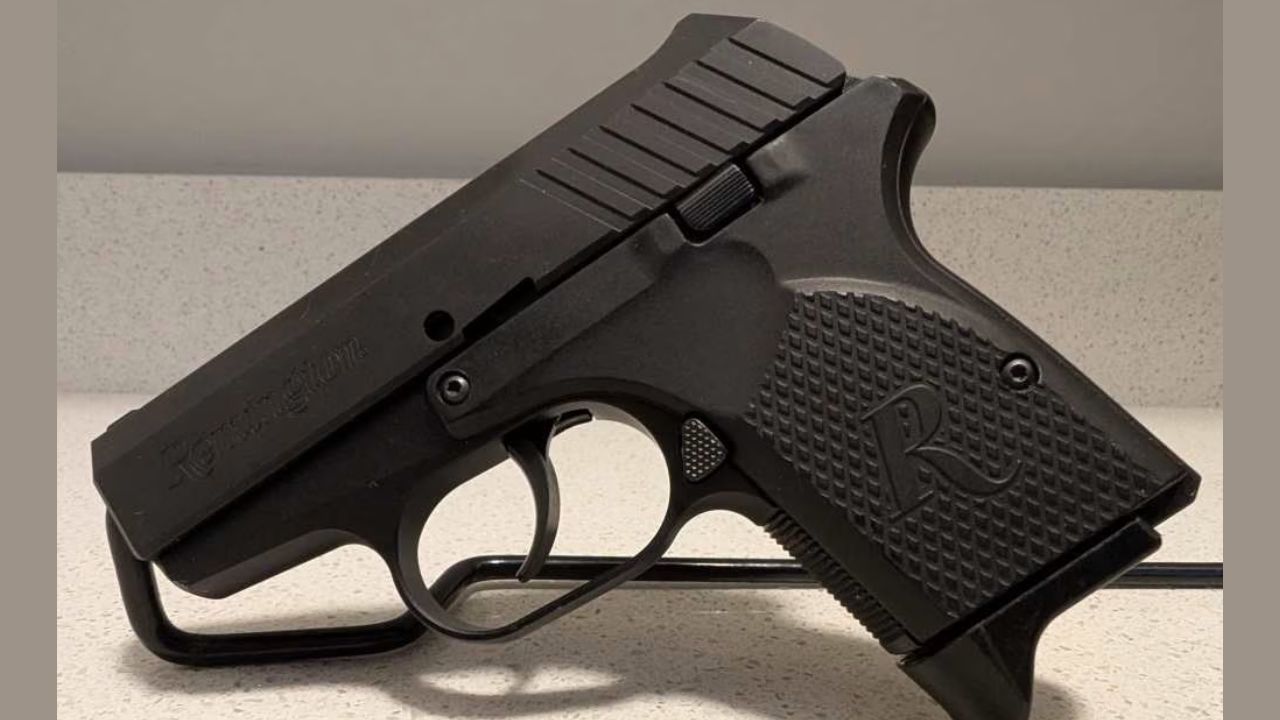
On paper, the RM380 should be a solid pocket pistol. It’s metal-framed, has a decent trigger, and is compact enough to disappear. But function has been hit or miss. Weak extraction, magazine feeding issues, and nose-diving rounds have all been reported. Add to that a fairly low capacity and tricky reloads, and you’ve got a recipe for hesitation.
The RM380 isn’t flashy, but in this case that doesn’t mean reliable. If your pistol won’t run defensive ammo with confidence, it’s hard to call it a serious option. For folks who train often and expect more than bare minimum performance, it’s fallen short.
Desert Eagle .50 AE

It might seem unfair to throw the Desert Eagle on this list—no one’s seriously carrying one, right? But I’ve seen people try, and I’ve seen them regret it. The thing is heavy, slow, and has a reputation for jamming with lighter grips or poor maintenance. Under ideal conditions, it’s a range toy. In real life, it’s a liability.
You might get one to run with the right ammo, oil, and stance. But in a defensive scenario? Forget it. Even racking the slide takes effort. It’s impressive, sure—but when it matters, the Desert Eagle is more of a paperweight than a sidearm.
Hi-Point C9
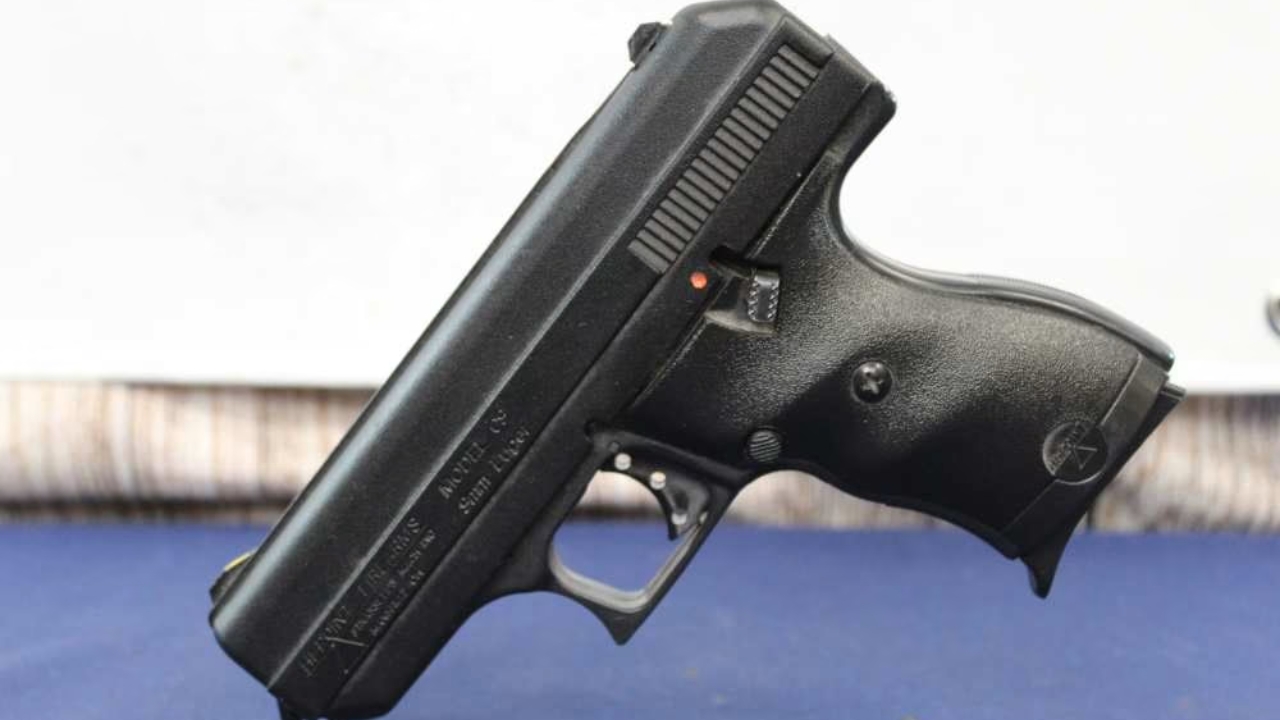
There’s no way around it: the Hi-Point C9 is often reliable—but that reliability comes with compromises. Heavy slide, awkward ergonomics, limited capacity, and a trigger that feels more like a stapler than a firearm. It can run, but it’s not built for speed, confidence, or intuitive handling.
You might not get failures to feed or eject. But in a real-life scenario where you’re drawing fast, reloading under pressure, or shooting one-handed, the clunky nature of the C9 starts to show. It might not jam, but it definitely won’t help you perform under stress.
Beretta 21A Bobcat
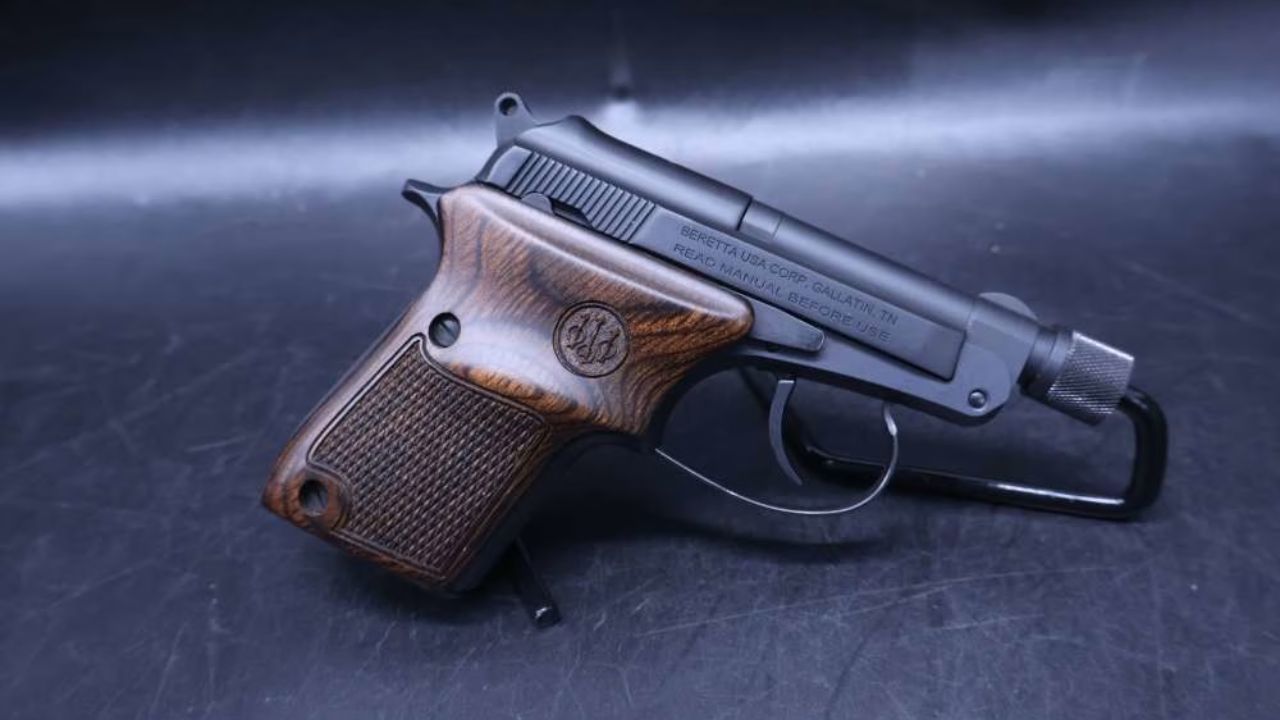
The Bobcat is tiny, charming, and easy to pocket—but when you start pushing it, things unravel. It’s a tip-up barrel design, which sounds handy, but also makes it harder to clear malfunctions quickly. And it doesn’t always like hollow points, which is a problem for any gun marketed for carry.
You’ve only got 7 rounds, a tiny grip, and a blowback .22 or .25 ACP platform that’s extremely sensitive to ammo quality. If you’re using rimfire in a defensive gun, reliability should be priority number one—and the Bobcat hasn’t earned that kind of trust from most seasoned shooters.
Like The Avid Outdoorsman’s content? Be sure to follow us.
Here’s more from us:
The worst deer rifles money can buy
Sidearms That Belong in the Safe — Not Your Belt
*This article was developed with AI-powered tools and has been carefully reviewed by our editors.