Photo credit: The Avid Outdoorsman
A famous name can make a gun feel safer before you ever fire it. You see the logo, remember the classics, and assume the company knows exactly what it is doing. Sometimes that works out. Other times, that same name makes the disappointment hit even harder because you expected the gun to feel sorted right out of the box.
Big brands still miss. They cut corners, chase trends, rush launches, or build something that looks better in ads than it feels in your hands. A good reputation can get a gun noticed, but it cannot make a rough trigger smoother, fix bad magazines, tighten loose accuracy, or make an awkward design suddenly feel right.
Colt All American 2000

Colt is one of the biggest names in handguns, so the All American 2000 should have had every advantage. It arrived with the Colt name on the slide and a 9mm double-action design that seemed ready for the modern service pistol market.
Then people actually handled it. The trigger was heavy, the feel was awkward, and the pistol never inspired the kind of confidence shooters expected from Colt. It was not just disappointing because it had flaws. It was disappointing because it came from a company that helped define American handguns. The name opened the door, but the gun could not stay in the room.
Remington R51
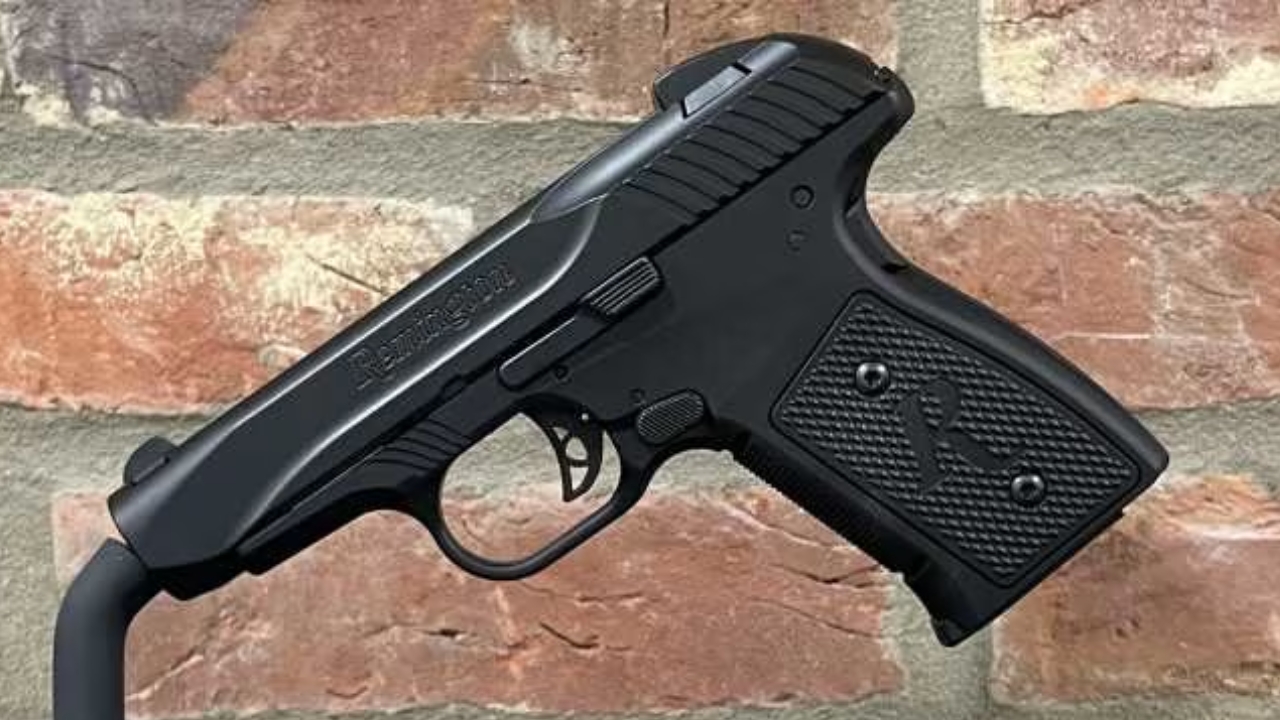
Remington had enough history behind it that shooters wanted the R51 to work. A slim 9mm carry pistol with an old Pedersen-style action sounded interesting, especially when the compact carry market was hungry for something different. On paper, it had plenty of attention.
The problem was execution. Early reliability complaints, rough handling, and a messy reputation made it hard for shooters to trust. Even after later fixes, the damage was already done. Remington’s name carried weight for shotguns and rifles, but that did not make the R51 a pistol people wanted to bet on. It proved a classic brand can still stumble badly when it tries to force a comeback.
Kimber Solo

Kimber built its name around good-looking 1911s, and that reputation helped the Solo get attention fast. A tiny 9mm carry pistol from Kimber sounded like something that should feel refined, accurate, and easy to carry. The styling certainly helped sell that idea.
Real-world ownership was not always so kind. The Solo had a reputation for being picky with ammunition, and small carry guns do not get much patience when they hesitate. A defensive pistol has to run with boring consistency. If it needs perfect ammo, perfect grip, and perfect conditions, confidence disappears. The Kimber name made people want it. The experience made plenty of them move on.
Smith & Wesson Sigma
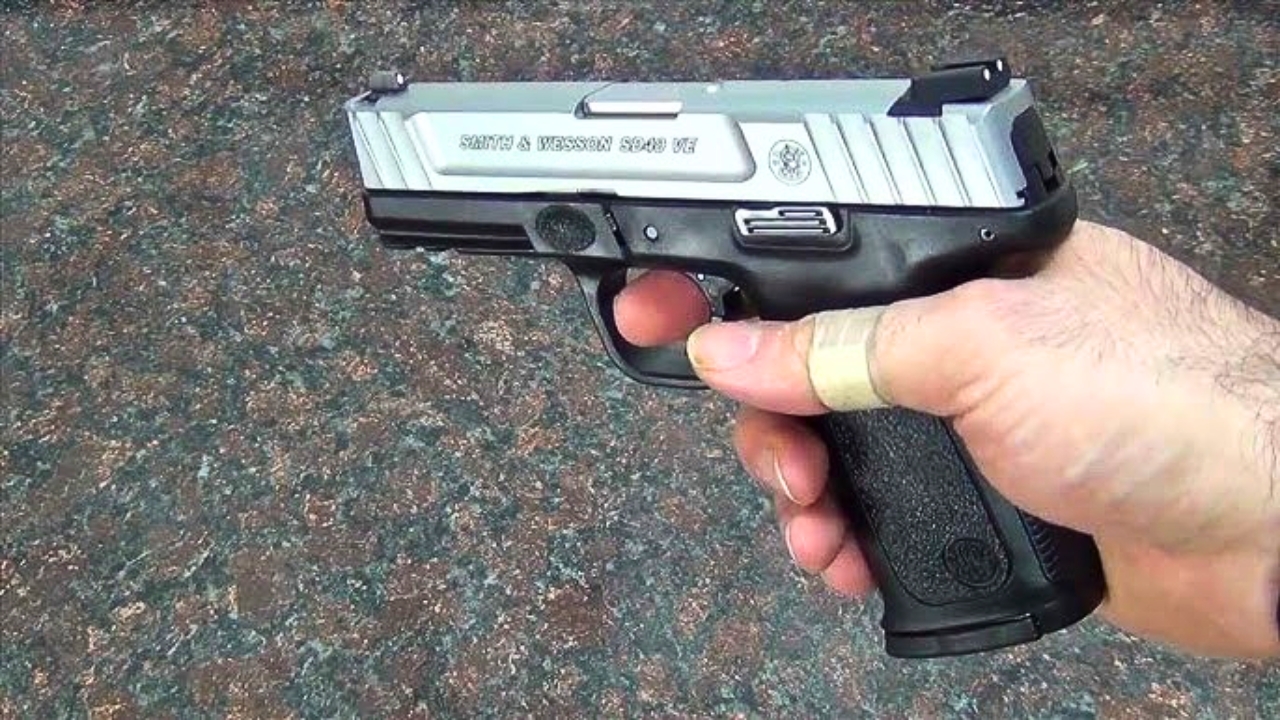
Smith & Wesson knows how to build serious handguns, but the Sigma never earned the kind of respect the company probably hoped for. It came during the polymer pistol boom and looked like it wanted to compete directly with Glock. That was a tough fight from the start.
The biggest complaint was the trigger. It was heavy, gritty, and made the pistol harder to shoot well than it needed to be. The gun could work, and plenty of people bought them because the price was right, but it never felt like Smith & Wesson at its best. A famous name can sell a budget pistol once. It cannot make people forget a bad trigger.
Taurus Curve

Taurus has had its ups and downs, but the Curve was one of those guns that seemed built more around a concept than a real shooter’s needs. The curved frame was meant to fit the body better for concealed carry, and that made it stand out immediately.
Standing out was not the same as being good. The grip, sighting system, controls, and overall handling felt strange to a lot of shooters. Concealed carry guns should disappear until needed, then work naturally under stress. The Curve asked you to adapt to too many odd choices. It was memorable, but not in the way a carry pistol should be.
Ruger LC9
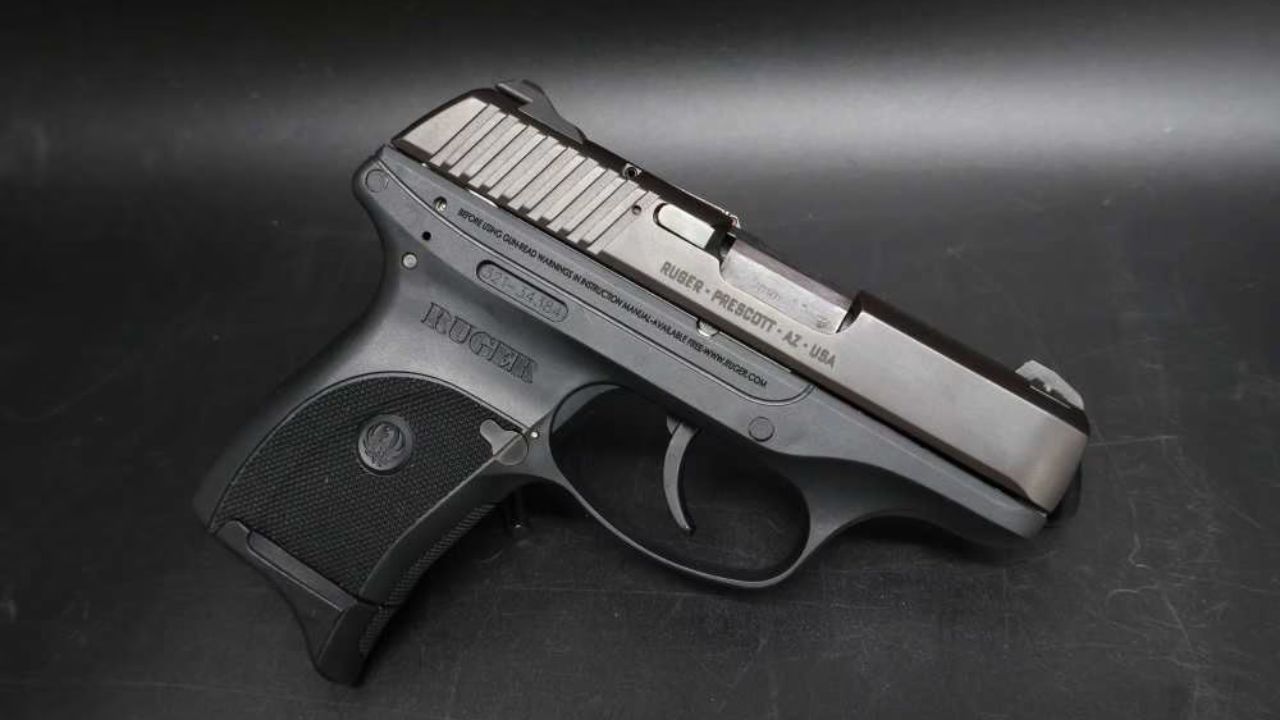
Ruger has a strong reputation for tough, practical guns, and the LC9 entered the market when slim 9mm carry pistols were taking off. It was small, easy to carry, and backed by a company many shooters trusted without much hesitation. That helped it sell.
But the original LC9 was not loved by everyone who shot it. The long trigger pull, thumb safety, magazine disconnect, and snappy feel made it less pleasant than many hoped. It was usable, but it did not feel as confidence-building as later options. Ruger eventually improved the line, but the early LC9 showed that even a reliable brand can release a gun that feels behind the curve.
SIG Sauer Mosquito
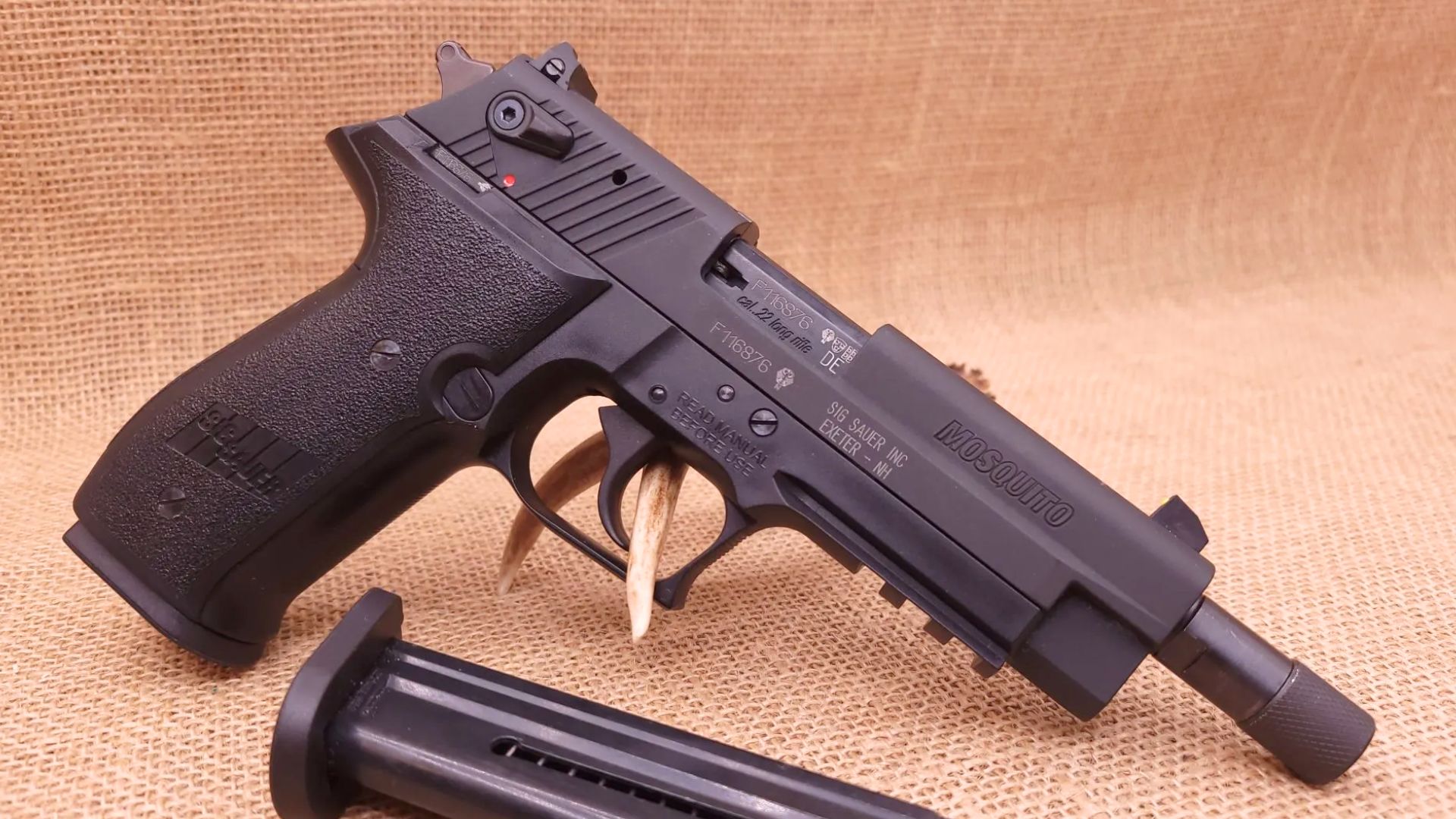
SIG Sauer has built some excellent pistols, so the Mosquito had every reason to be better than it was. A smaller rimfire trainer with SIG styling sounded perfect for cheap practice, new shooters, and anyone who wanted a lighter .22 with familiar controls.
The trouble was reliability. The Mosquito became known for being picky, especially with ammunition, and rimfire pistols already have enough excuses built in. When a .22 pistol constantly demands the right ammo and clean conditions, the fun disappears quickly. The SIG name made people expect a refined trainer. What many got was a frustrating range gun that did not feel worthy of the badge.
Walther CCP

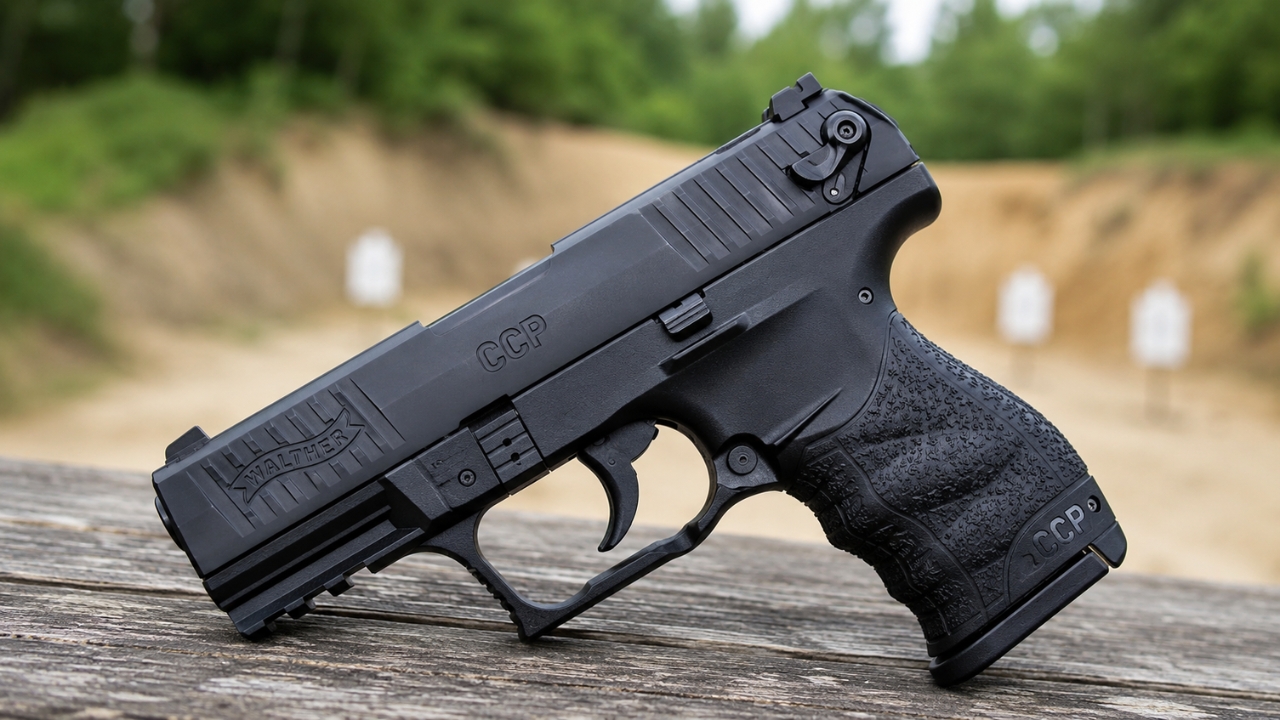
Walther has a strong pistol history, and the CCP looked like a smart concealed-carry option. The soft-recoil gas-delayed system sounded appealing, especially for shooters who wanted a manageable 9mm that did not beat up their hands. It had an interesting mechanical pitch.
The problem was that the CCP never felt as clean as the idea. Early takedown complaints, heat buildup, and mixed reliability impressions made some shooters lose interest. A carry pistol cannot be “almost right.” It has to be easy to maintain, easy to trust, and easy to run well. Walther’s name got people curious, but the CCP proved that clever mechanics still have to work cleanly in real life.
Beretta Nano

Beretta is one of the most respected names in pistols, so the Nano came in with high expectations. A slim striker-fired 9mm from Beretta sounded like an easy win in the concealed-carry market. It was compact, snag-free, and simple-looking.
But the Nano never fully clicked with a lot of shooters. The trigger feel, blocky grip, tiny controls, and occasional ammo sensitivity complaints hurt its reputation. It was not a disaster, but it was not the carry pistol many expected from Beretta either. When a company makes legends like the 92 series, people notice when a modern carry gun feels more like an experiment than a finished answer.
Winchester SXP
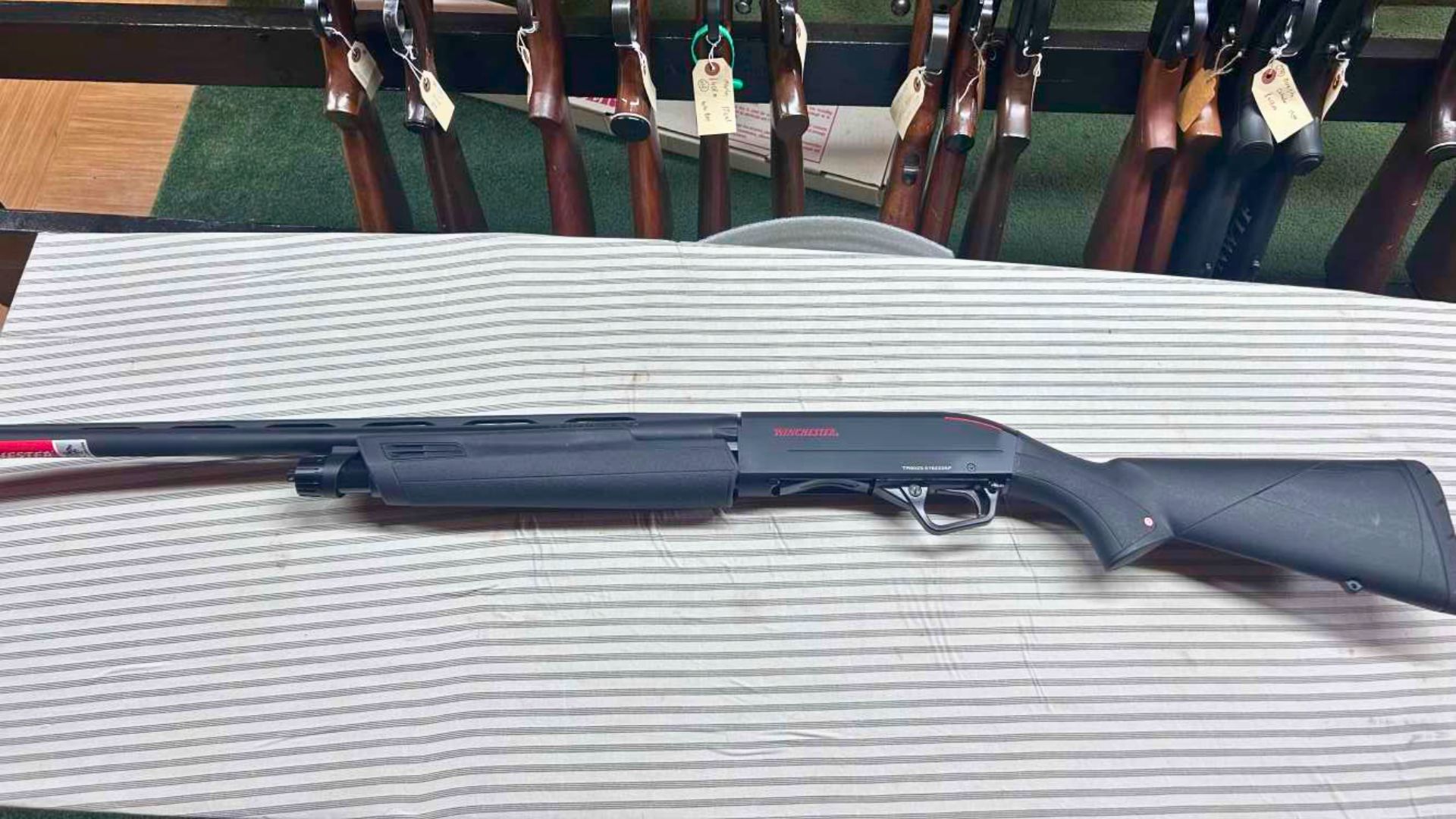
Winchester’s name carries a lot of weight in shotguns, and the SXP looks good to buyers who want a familiar brand without paying premium money. It is light, fast-cycling, and marketed as a practical pump gun for hunting, defense, and general use.
The disappointment comes when it does not feel like the Winchester name some hunters grew up respecting. The action can feel less solid than older pumps, and the overall fit and finish do not always inspire long-term confidence. Some run just fine, but others leave owners wishing they had bought a proven used pump instead. The logo is famous. The feel does not always match.
Mossberg 100 ATR

Mossberg has earned plenty of respect with shotguns, but the 100 ATR did not give hunters the same kind of confidence. It was an affordable bolt-action rifle built for buyers who wanted a deer rifle without spending much. That is a fair goal, but a hunting rifle still has to feel dependable.
The ATR often felt like a budget rifle in the worst ways. The stock, trigger, bolt feel, and overall finish could leave hunters underwhelmed. Some examples shot well enough, but the rifle never built the kind of trust that makes you reach for it season after season. Mossberg’s shotgun reputation did not automatically carry over into this bolt gun.
Browning A-Bolt 3

Browning is a name hunters respect, and the A-Bolt 3 came in with expectations attached to that buckmark. It was meant to be a more affordable Browning bolt-action, which sounds great if you want the brand without paying X-Bolt money. The idea made sense.
The issue is that it often feels like the cheaper rifle it is. The stock, magazine system, and overall handling do not always give hunters that classic Browning confidence. It may shoot fine, but “fine” can feel disappointing when the name suggests something better. The A-Bolt 3 proves that a respected brand can still build a rifle that feels more like a price-point product than a keeper.
Marlin 336 Remington-Era Rifles

The Marlin 336 is a great name, and older examples earned that reputation honestly. That is why the rougher Remington-era rifles frustrated so many lever-action fans. People wanted the same dependable woods rifle their dads and granddads trusted, not something that felt rushed.
Fit and finish complaints, rough actions, canted sights, and inconsistent quality hurt the trust fast. A lever-action rifle depends heavily on feel. If it does not cycle smoothly or look right, you notice immediately. The Marlin name was still there, but some of those rifles reminded buyers that a famous rollmark means less when quality control slips.
Springfield Armory XD-E
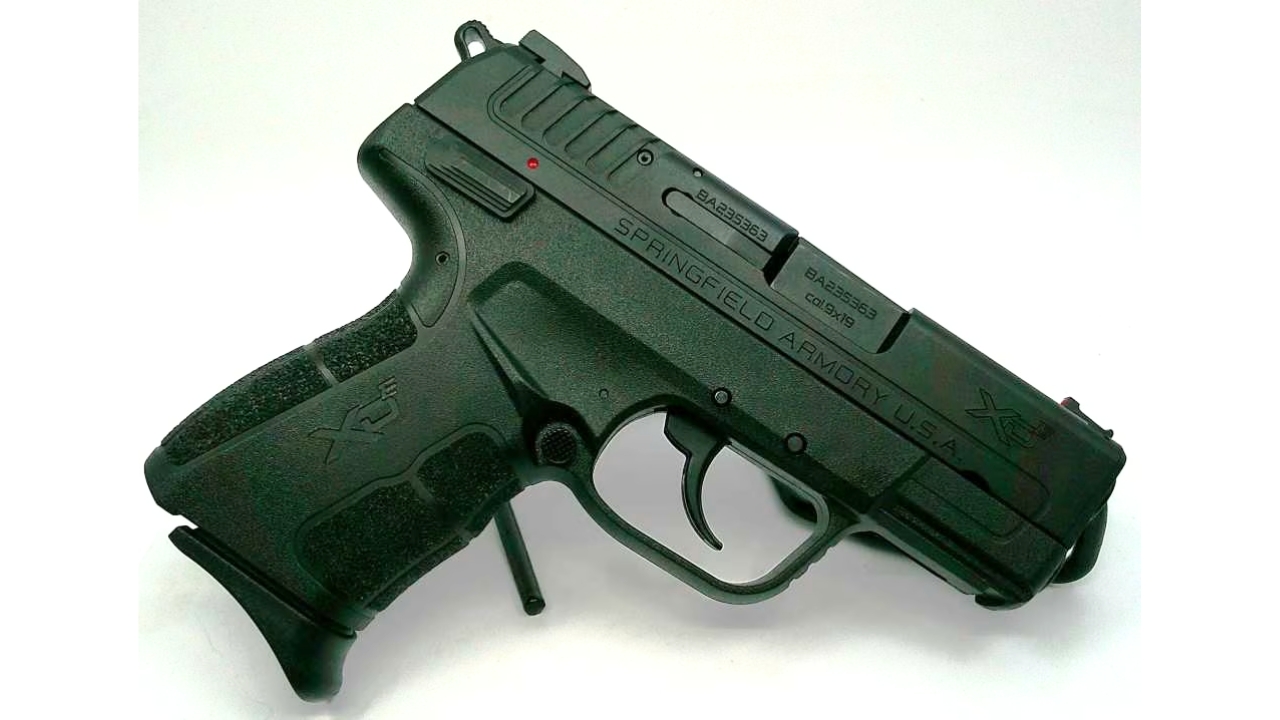
Springfield Armory has sold a lot of polymer pistols, and the XD-E tried to offer something different: a slim hammer-fired carry pistol with DA/SA operation. For shooters who disliked striker-fired guns, it seemed like a practical alternative. The concept had a real audience.
But the XD-E never felt as natural as it needed to. The double-action pull was heavy, the grip was not especially forgiving, and the pistol felt tall and awkward compared to newer carry options. It was not useless, but it did not win enough people over. Springfield had the name recognition, but the gun landed in that frustrating middle ground where the idea sounded better than the shooting experience.
Heckler & Koch VP70

Heckler & Koch has a reputation for serious engineering, and the VP70 was certainly different. It was an early polymer-framed pistol with a futuristic look and a design that arrived before the market fully embraced polymer handguns. Historically, that makes it interesting.
As a shooter, though, it is hard to love. The trigger is famously heavy, the ergonomics are odd, and the pistol feels more like an engineering statement than a practical sidearm. HK’s reputation makes people want to defend it, but the actual experience does not reward that loyalty. Sometimes being ahead of the curve does not mean the gun is good. Sometimes it just means the problems arrived early too.
Like The Avid Outdoorsman’s content? Subscribe to our newsletter so you never miss an article.
Here’s more from us: