Photo credit: BoomStick Tactical/GunBroker
If you’ve spent any time outside a climate-controlled range, you already know dust is no joke. It clogs up actions, gums up triggers, and exposes weak designs fast. Some guns handle grit like a champ and keep cycling no matter what. Others? They lock up, fail to feed, or start acting finicky the second you’re working in dusty terrain. These are the firearms that may look good clean on a bench but turn into a headache once the environment gets gritty.
Remington R51

The R51 had potential, but it didn’t take much for that to get buried—literally. Even a light dusting from dry field use can cause feeding issues and slow the action down noticeably.
The hesitation is most obvious around the locking breech and magazine interface. It’s tight-tolerance design doesn’t play well with grit, and cleaning it out in the field isn’t quick. If you’re carrying in rough country, you’ll want something that shrugs off dirt, not invites it in.
Desert Eagle

It might be iconic, but the Desert Eagle is a dust magnet. Its gas-operated system and tight slide tolerances don’t handle debris well. A little grit in the wrong place is all it takes to stop the action.
Cleaning it isn’t fast either, and the bulk alone makes it hard to protect the internals from exposure. It’s fun to shoot at the range, but if you’re in the field or on the move in dusty conditions, you’re asking for problems.
KelTec Sub2000

The Sub2000 is praised for its compact design, but once dust works into the action or around the folding joint, it starts to misbehave. Cycling gets rough, and failure to extract can become an issue.
The polymer receiver and internals don’t do much to shed debris, and there’s little room for error in the action. It’s a handy pack rifle, but if you’re relying on it for consistent performance in dusty terrain, you’ll spend more time clearing than shooting.
Springfield XD-M

The XD-M series runs fine under clean conditions, but it’s not the best when things get gritty. The grip safety and striker design can both be affected by fine dust and debris.
Once sand works its way into the frame, the trigger can feel inconsistent, and the slide can start to drag. It doesn’t choke immediately, but reliability drops off fast without a good wipe-down. If you’re operating in dry, dusty areas, you’ll want something that tolerates more neglect.
FN FS2000

The FS2000 has a lot going on internally, and that complexity makes it vulnerable to environmental crud. Dust tends to gather in the forward ejection system and around the bolt carrier group.
It also has some tight interior channels that don’t lend themselves well to field cleaning. If you’re in a controlled environment, it runs smooth. But start moving through dusty fields or dry desert terrain, and you’ll find yourself clearing jams and wondering why you brought it along.
Beretta 92FS

The 92FS is reliable in clean conditions, but that open-slide design works both ways. It helps with ejection, sure—but it also invites dust into every moving part.
Once grit gets in the hammer channel or under the locking block, performance starts to suffer. It’s not the worst offender, but if you’re somewhere with airborne sand and no shelter, you’ll be scrubbing it down more often than you’d like.
CZ 52

The CZ 52’s roller-locked system is interesting, but it’s sensitive to fouling. Dust works its way into the rollers and firing mechanism, and that tight fit becomes a problem fast.
Trigger grit, light strikes, and inconsistent cycling are all more likely once the dust settles. For something designed for hard use, it sure doesn’t handle real-world grime very well. If you’re after Cold War novelty, it’s fun. If you want a sidearm that handles abuse, look elsewhere.
Steyr AUG

The AUG might look like it’s built for everything, but the internals tell a different story. Its gas system can get fouled up with dust pretty quick, and field-stripping it isn’t the fastest process.
The trigger group, located in the stock, also has a way of collecting debris from dirty hands and environments. It’s a unique rifle with solid performance under control—but it doesn’t love sand, and it definitely doesn’t forgive poor maintenance after dusty sessions.
Taurus PT92
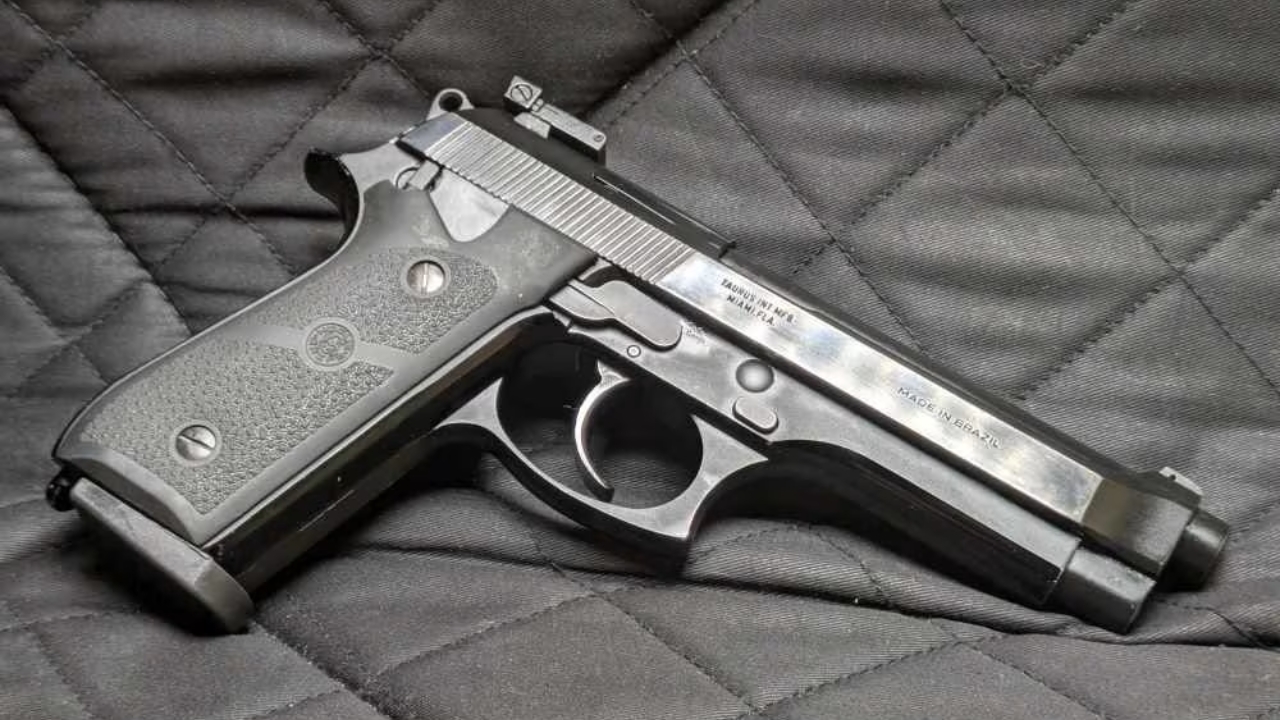
The PT92 is a Beretta 92 clone, and while it shares a lot of its strengths, it also shares its weaknesses. Dust gets into the open slide and fouls up the locking block quickly.
It’s a little less refined, and the looser tolerances help slightly, but not enough to make it ideal for dusty use. You can run it in clean conditions all day, but don’t expect it to handle field use like a duty-built striker gun would.
Bushmaster Carbon 15

The Carbon 15 was built with weight in mind, but the polymer frame and parts don’t do much to resist dust or heat. The bolt carrier group starts to drag with grit buildup, and the lighter construction doesn’t help buffer cycling.
The charging handle and dust cover don’t seal as tightly as they should, either. If you’re shooting in dry, dusty climates, you’ll be chasing malfunctions or dragging it back to the bench before long.
*This article was developed with AI-powered tools and has been carefully reviewed by our editors.