Photo credit: BoomStick Tactical/YouTube
When a handgun prints tight groups, most people assume it has to be expensive. Sometimes that’s true. More often, what you’re paying for is finish work, branding, or features that don’t actually help you punch smaller holes. Real accuracy is usually a mix of a consistent barrel, a repeatable lockup, decent sights, and a trigger you can run without fighting it. The rest is you doing your job.
The pistols below aren’t “magic,” and none of them make up for bad fundamentals. But they do give you a lot of mechanical honesty for the money. If you feed them ammo they like and you do your part, they’ll often shoot groups that make people guess you spent a lot more than you did.
CZ 75B

The CZ 75B has a way of making you look steady, even on days when you don’t feel steady. The weight sits low, the slide rides inside the frame, and the whole pistol tracks in a calm, repeatable way. That helps you keep sights aligned through the shot instead of chasing them.
In double-action, you’ll want some dry fire to smooth out your pull, but the single-action break is where the accuracy shows up. The barrel and lockup are consistent, and the sight radius gives you room to be precise. For a pistol that usually costs less than the “premium” crowd, it has a habit of stacking rounds close when you slow down and shoot like you mean it.
CZ P-10 C

The P-10 C is one of those striker guns that feels like it was designed by people who actually shoot. The grip geometry and trigger are both better than you expect at its price, and that matters when you’re trying to keep groups honest with a compact.
What helps most is how easy it is to run clean. The trigger has a crisp wall and a break that doesn’t feel mushy, so you’re not adding extra movement right before the shot. The bore axis sits reasonably low, and recoil comes straight back instead of flipping hard. With decent 124-grain ammo, it’s common to see it shoot like a more expensive “duty” pistol that’s been tuned.
Canik TP9SF Elite

Canik earned its reputation the hard way—by showing up at the range and outshooting what it “should” on paper. The trigger is usually the headline, and for good reason. It’s a clean break that helps you press straight through without yanking the sights off target.
The other part is stability. The gun has enough mass and a grip shape that lets you clamp down without over-gripping. That means your sights return to the same place shot after shot. The sights and barrel are also more consistent than people expect in this price bracket. You still have to do your part, but the Elite has a way of making you feel like you upgraded something even when you didn’t.
Canik Mete SFT

The Mete SFT shoots like a practical pistol that wandered into the match world by accident. It’s not a race gun, but the trigger, sight picture, and overall balance make it easy to shoot tight if you slow down and call your shots.
The longer slide and barrel help, but the real difference is how predictable the gun is. You get a clear wall, a defined break, and a reset that lets you keep rhythm without slapping. The grip gives you good leverage, and the gun doesn’t feel whippy. In the “value” tier, the Mete SFT is one of the easiest ways to buy mechanical accuracy you can actually use without spending the rest of the budget on upgrades.
Beretta APX A1 Full Size

The APX A1 doesn’t get talked about as much as it should, which is good news for your wallet. The barrel and lockup are consistent, and the gun points naturally once you settle into the grip. It’s the kind of pistol that rewards a steady press and doesn’t punish small mistakes as harshly as lighter guns.
The trigger isn’t a match unit, but it’s serviceable and predictable, and predictable is what keeps groups from opening up. The slide mass and overall balance help it track flat enough to stay on your sights. If you’re the type who likes to shoot for groups, the APX A1 is a sleeper that often prints better than people expect from a pistol priced like it’s trying to stay under the radar.
Beretta 92X
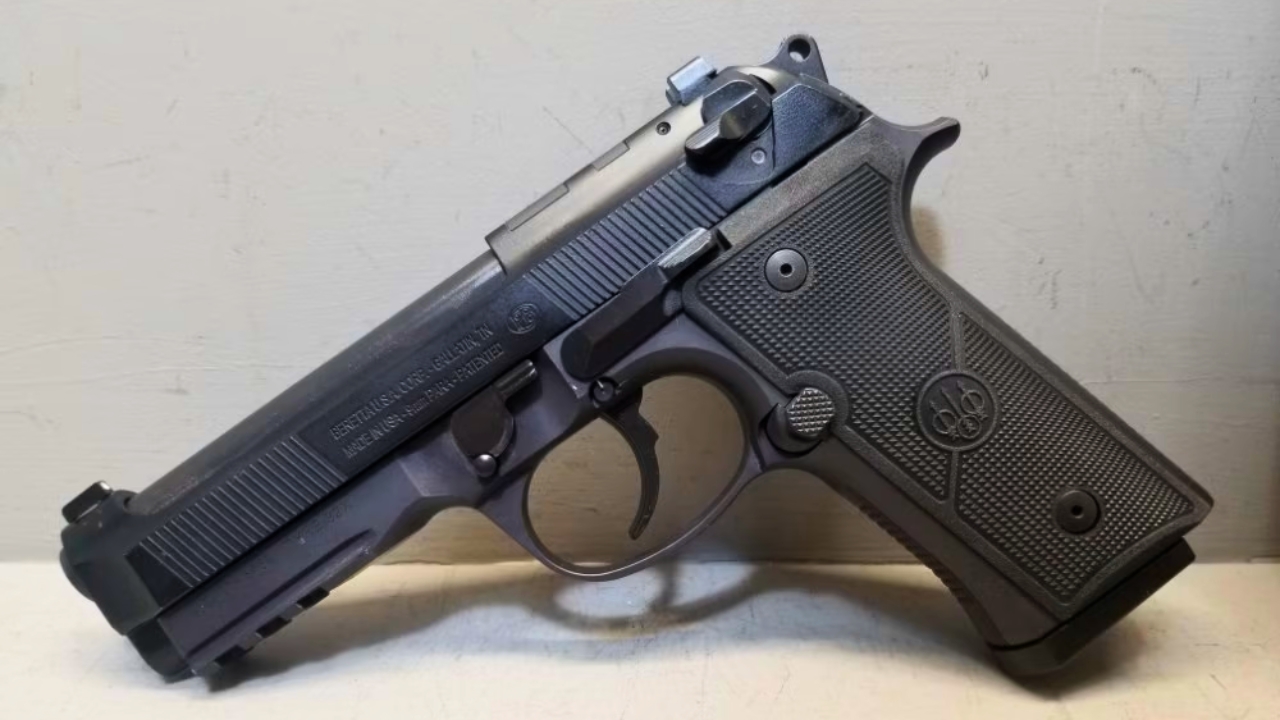
The 92X is a classic style that still holds up when you’re chasing accuracy. The longer sight radius and weight help, but what really stands out is how steady it feels in recoil. The gun doesn’t snap; it rolls. That makes it easier to keep the front sight where it belongs.
Beretta’s barrel consistency and lockup do a lot of the heavy lifting here. The DA/SA trigger takes a little time to master, but once you’re comfortable, the single-action press is a strong point. The 92X gives you a lot of precision without demanding custom-shop money. For the price, it’s hard to find another full-size pistol that feels so calm when you’re trying to cut groups.
Smith & Wesson M&P9 M2.0 Compact

The M2.0 Compact is a practical pistol that’s quietly accurate. The grip texture locks your hands in place, which helps you press the trigger without shifting the gun. That alone can shrink groups for a lot of shooters who struggle with slicker frames.
The trigger varies a little by production run, but the platform’s consistency is real. The barrel lockup and slide-to-frame fit do their job, and the gun tends to shoot to point of aim with common 115- and 124-grain loads. It’s also easy to find a sight setup that works for your eyes. When a compact pistol shoots like a duty gun at a lower price, that’s value you can actually see on the target.
Ruger American Pistol

The Ruger American Pistol is built like a tool, not a fashion piece, and that’s part of why it shoots well. It has a stable, straightforward lockup and a grip that helps you drive the gun without fighting it. You don’t feel like you’re babying it to get a good group.
The trigger is serviceable and consistent, and consistency is what matters when you’re trying to keep rounds touching. The sights are usable, the slide cycles smoothly, and the gun has a steady recoil impulse that doesn’t surprise you. It doesn’t get the same attention as trendier pistols, but if you’re judging by groups instead of internet noise, the Ruger American can punch above its price in a hurry.
Ruger Security-9

The Security-9 is one of those pistols people buy as a budget choice and then keep because it shoots better than expected. It’s light, but it doesn’t feel flimsy, and the grip shape makes it easy to get a consistent hand position—important if you want repeatable groups.
The trigger isn’t fancy, but it’s manageable, and the gun tends to be more accurate than most shooters are with it. That’s the key. If you slow down, line up the sights, and press cleanly, the Security-9 will usually reward you with tighter-than-expected clusters. It’s not a competition pistol, but it also isn’t priced like one. For a lot of people, it’s the first “cheap” gun that proves cheap doesn’t always mean sloppy.
Walther PDP Compact
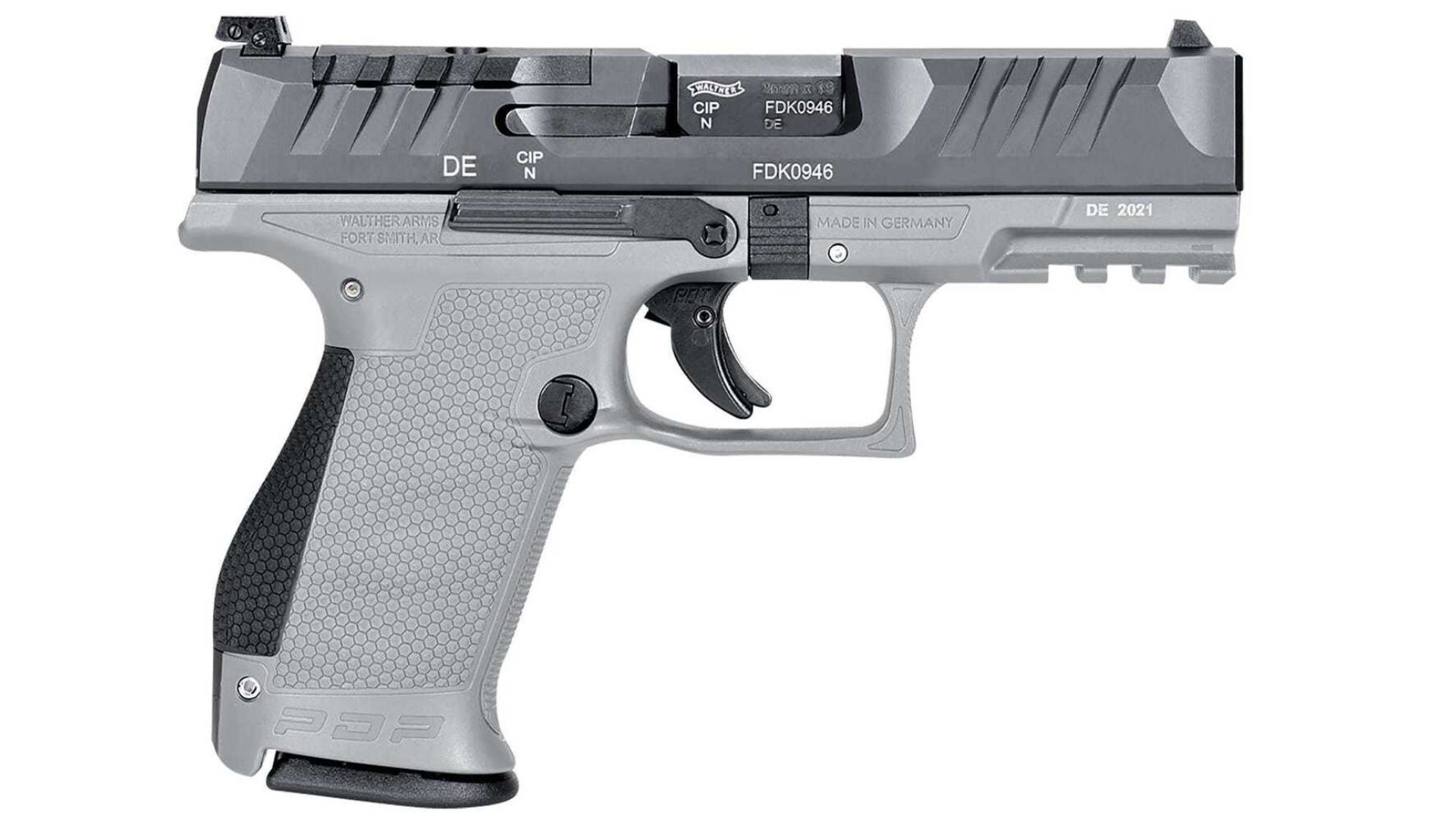
The PDP Compact isn’t the cheapest gun on the shelf, but it often costs less than people assume once they shoot it. Walther’s trigger is the big reason. It gives you a clean wall and a break that makes it easier to press straight back without dragging the sights off line.
The barrel and lockup are also consistent, and the sights sit in a way that helps you read what the gun is doing. Even when you’re shooting faster, it tends to return to the same place. If you’re a shooter who cares about practical accuracy—tight groups at realistic distances—the PDP Compact can feel like you’re getting a semi-custom trigger feel without paying semi-custom money.
Walther PPQ M2

The PPQ M2 built its reputation on being easy to shoot well, and it earned it. The trigger is light enough to help accuracy without being unpredictable, and it breaks in a way that encourages a clean press instead of a yank. That alone saves you a lot of “why did that one go left” moments.
The grip shape also fits a wide range of hands, which means more shooters get a consistent hold right away. Consistent grip equals consistent sights, and consistent sights equals smaller groups. The PPQ doesn’t need much help to shoot tight. If you’ve ever watched a new shooter suddenly print a nice cluster and look confused, there’s a decent chance they were holding a PPQ.
Tisas 1911A1

A basic 1911 can be a lot of accuracy for not much money, and Tisas has surprised plenty of people on that front. The platform gives you a straight-back trigger press and a longer sight radius than most modern compacts, which makes it easier to shoot tight groups if your fundamentals are decent.
You’re not buying hand-fit perfection at this price, but you don’t need it to shoot well at typical handgun distances. Many examples have barrels and bushings that are consistent enough to keep groups respectable, and the single-action trigger helps you avoid the “stack and creep” feel that opens groups on budget striker guns. If you want a traditional trigger feel without spending collector money, this is a real-value entry point.
Rock Island Armory 1911 Tactical
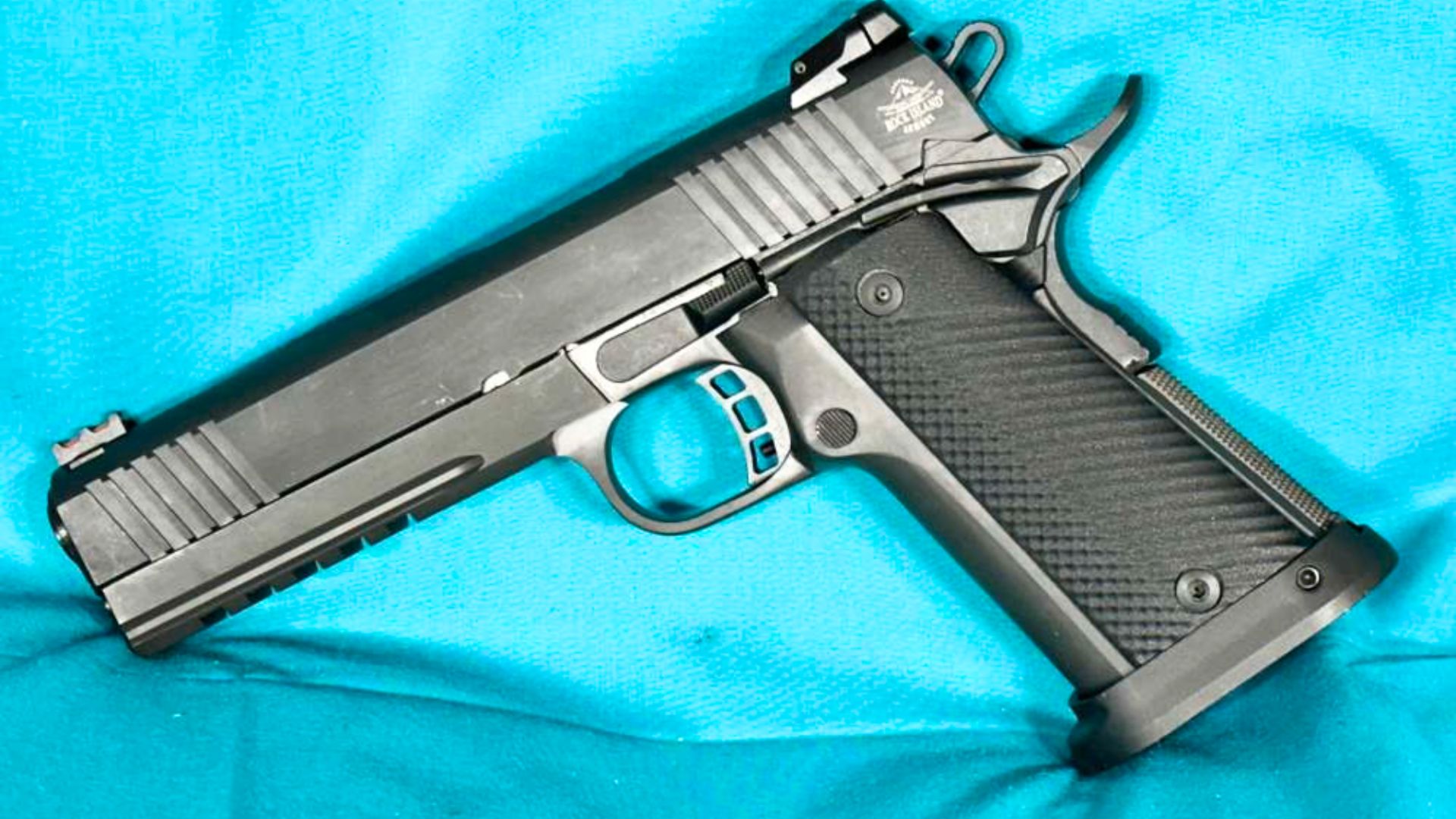
RIA 1911s don’t win beauty contests, but they often win targets for the money. The steel frame gives you weight that settles the gun down, and a decent single-action trigger gives you a clean press. When you’re chasing group size, those two things matter more than fancy rollmarks.
The Tactical models usually come with usable sights and features that don’t get in the way. You still want good magazines and you want to keep the gun reasonably clean, like any 1911, but accuracy is often the pleasant surprise. If you do your part and you feed it ammo it likes, you can get groups that make people assume you’re shooting a pricier 1911 with a little polish work.
Taurus G3

The Taurus G3 is another pistol that can humble expectations. It’s priced like an entry-level gun, but it often shoots like something a step above that. The grip is comfortable, the sight picture is straightforward, and the gun tends to track predictably enough to stay on target.
The trigger won’t feel like a high-end striker gun, but it can still be pressed cleanly with some practice. The bigger point is that the gun doesn’t fight you. If you establish a consistent grip and focus on a straight press, the G3 can print solid groups for what it costs. It’s not a match pistol, but it’s also not priced like one. For shooters who judge value by holes in paper, it can be a pleasant surprise.
IWI Masada

The Masada is simple, sturdy, and often more accurate than people expect from its price tag. The grip angle and ergonomics help the gun point naturally, and the recoil impulse is steady enough that you’re not chasing the front sight. That makes it easier to keep a tight cluster when you’re shooting slow and deliberate.
The trigger is serviceable and consistent, which is the real requirement for accuracy. You don’t need perfection—you need predictability. The Masada delivers that, and the barrel and lockup tend to do their job without drama. It’s also a pistol that feels like it was built to be used, not babied. When you can shoot a gun hard and it still prints tight with decent ammo, that’s value you can trust.
Jericho 941

The Jericho 941 is heavy, smooth, and often shockingly accurate for what it costs. The weight helps you hold steadier, the slide movement feels consistent, and the gun has that “settled” feel that makes it easier to break a clean shot without disturbing the sights.
The trigger system depends on the variant, but many shooters find the single-action pull very workable once they learn it. The platform’s roots in the CZ-style layout show up in how it tracks and how it locks up. It isn’t the lightest carry choice, but on a range bench or from a steady stance, it can shoot groups that make people ask what you paid for it. When the answer is “less than you think,” that’s the whole point.
Like The Avid Outdoorsman’s content? Subscribe to our newsletter so you never miss an article.
Here’s more from us: