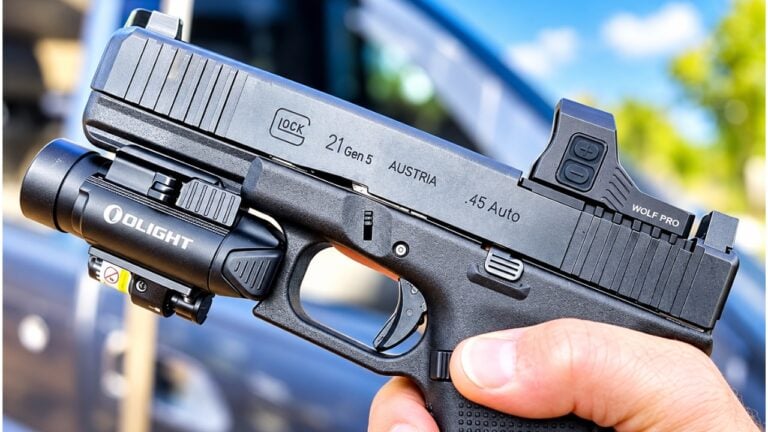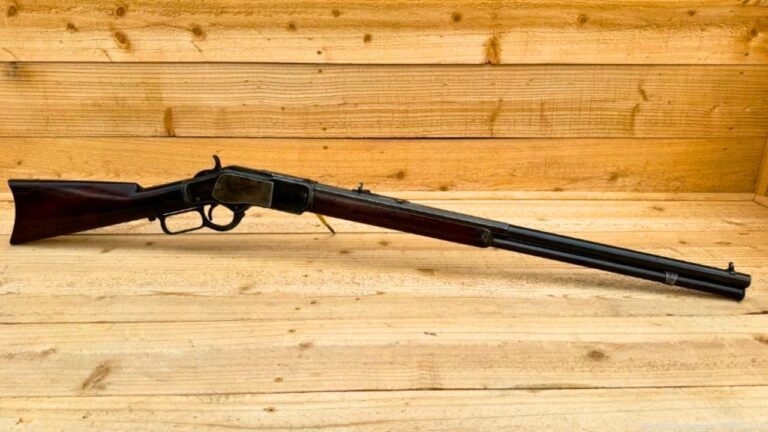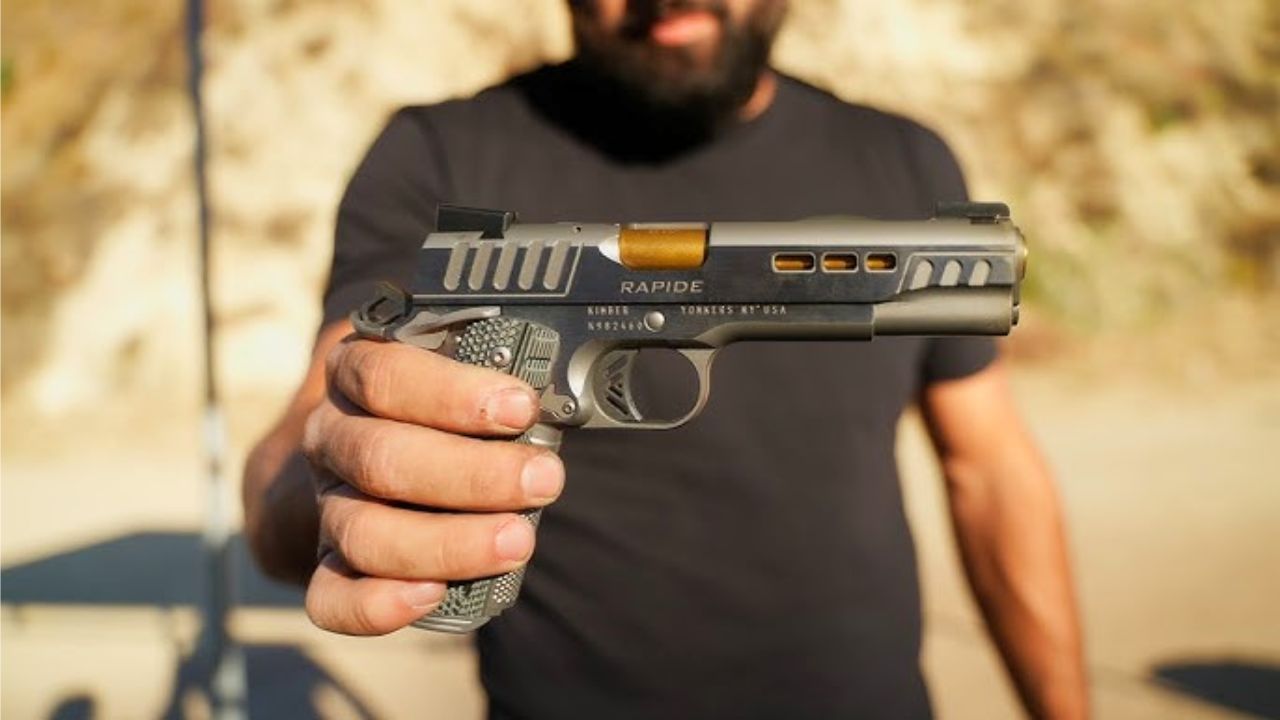
Photo credit: GRETA'S GUNS/YouTube
Expensive pistols are easy to justify before the first serious range trip. They look better in the case, feel more refined in the hand, and usually come wrapped in the kind of reputation that makes buyers think they are stepping into a higher class of handgun. That is a powerful mix. Once people spend real money, they also tend to assume the shooting experience will confirm the decision. Sometimes it does. Sometimes the first honest range day starts pulling the whole thing apart.
That is where certain expensive pistols get into trouble. They do not fail because they are badly made or because the owner suddenly hates nice guns. They fail because range day forces the buyer to stop admiring the idea of the pistol and start dealing with the actual thing. Recoil, trigger feel, reliability, sight picture, grip shape, magazine performance, and basic shootability all get louder once rounds start going downrange. A gun that felt worth every dollar in the store can start feeling strangely overcomplicated, underperforming, or simply overrated once the target and timer get involved.
Price often raises expectations higher than the gun can actually satisfy
One of the biggest problems expensive pistols run into is the expectation gap. The more money people spend, the more they expect the pistol to feel obviously better in every meaningful way. They expect cleaner shooting, better accuracy, softer recoil, tighter fit, and a level of refinement that makes the price feel self-explanatory. If the gun shoots merely well instead of spectacularly, disappointment starts creeping in fast.
That is not always fair to the pistol, but it is real. A gun that costs serious money has to do more than function. It has to make its value feel obvious. If the owner gets to the range and realizes the expensive pistol is not really helping him shoot better than his cheaper gun, the price starts feeling much harder to defend. That is when the whole purchase begins shifting from “premium tool” to “expensive explanation.”
Some pistols sell refinement and deliver sensitivity
A lot of higher-end pistols feel impressive because they are tighter, fancier, or built around more specialized design choices. That can be a real advantage, but it can also create a gun that feels less forgiving than the buyer expected. Maybe it likes certain magazines more than others. Maybe it wants specific ammo to really shine. Maybe it feels wonderful when everything is clean and calm, then less convincing once the round count climbs and the pace gets less polite.
This is where some expensive pistols stop making sense for ordinary shooters. They start feeling like guns that need to be understood, managed, and catered to instead of simply used. A buyer may have thought he was paying for better performance. On range day, he realizes he may also have paid for tighter tolerance, less forgiveness, and a pistol that expects more from the setup than his less glamorous gun ever did. That is not always a deal-breaker, but it changes the value conversation in a hurry.
Fancy features do not always help when the shooting gets honest
A lot of expensive pistols justify themselves with upgraded features. Better sights, better finish, optics compatibility, porting, compensators, match barrels, trigger work, custom texturing, or boutique ergonomics all sound great on paper. Some of that really does help. Some of it mostly helps the sales pitch. Range day has a way of separating the difference fast.
That is because the target does not care what the pistol cost or how impressive the spec sheet sounded. If the trigger still breaks in a way the shooter does not love, if the recoil is still snappier than expected, or if the overall package still does not point naturally for that person, the expensive features stop feeling like solutions. They start feeling like decoration around a gun that did not actually improve the owner’s performance much. That is when the buyer starts realizing he may have paid for more detail than benefit.
Some expensive pistols feel better in the hand than they do in recoil
This is a problem that surprises people a lot. A pistol can feel amazing when it is empty and still turn out to be a disappointment under recoil. Grip shape, weight distribution, bore axis, frame texture, and trigger character all matter much more once the shooting starts. An expensive pistol that felt refined and comfortable at the counter can suddenly feel jumpy, awkward, or harder to settle back on target than the buyer expected.
That is a brutal moment because it exposes how easy it is to confuse showroom comfort with real shootability. A gun that looks premium and feels premium does not always shoot premium in a way that matters to the average person. Some expensive pistols are absolutely worth the money because they hold up under live fire. Others feel like they were sold through atmosphere first and recoil management second. Range day sorts that out fast.
The owner starts comparing performance instead of prestige
Before the first real session, a buyer often compares the expensive pistol against an idea. After range day, he starts comparing it against his other guns. That is when the trouble starts for overpriced handguns. If the premium pistol is not clearly more accurate, easier to control, more confidence-inspiring, or more pleasant to shoot than the less expensive gun sitting beside it, the value story starts cracking.
This is especially true when a simple, proven pistol quietly does everything the expensive one was supposed to do, only with less attitude and less money tied up in the experiment. The owner may still like the expensive gun. He may still appreciate the craftsmanship or the brand. But once the direct comparison starts, the practical side of the brain usually gets louder. Prestige matters less when the cheaper gun keeps putting in equal or better work.
Expensive guns often get less honest feedback before purchase
Another reason some pricey pistols stop making sense after range day is that they usually get handled with softer language before the money changes hands. People do not love criticizing expensive things they admire. Reviewers often get more forgiving. Owners who already bought in tend to explain away quirks. Fans of the brand can make every flaw sound like a feature that only serious shooters will understand.
Then the buyer gets to the range and runs into the gun without all that protective language around it. Suddenly the truth is more plain. The trigger is not “special,” it is just a little odd. The recoil is not “lively,” it is sharper than it should be. The tight fit is not “precision,” it is a little fussier than the buyer wants. Range day strips away the social pressure to admire the pistol and replaces it with the simple question of whether it actually earns confidence. That question can get uncomfortable quickly.
A premium pistol still has to solve a real problem
This is the biggest point. An expensive pistol makes sense when it solves a real problem better than the cheaper options. Maybe it gives a competitive shooter a cleaner trigger and faster splits. Maybe it offers duty-grade durability with better ergonomics. Maybe it carries better while still shooting like a larger gun. Maybe it delivers the kind of precision the buyer actually needs. When the problem is real and the benefit shows up clearly, the price starts making sense.
But a lot of expensive pistols get bought without that kind of clarity. They get bought because they are admired, because they feel elite, or because the buyer wants to experience the “better” version of the handgun world. That is not automatically wrong, but it creates a weak foundation for value. If the gun is not clearly solving something on range day, then all the extra money starts looking less like an investment and more like a very polished form of wishful thinking.
Range day tells the truth faster than the sales pitch ever will
That is why some expensive pistols stop making sense after range day. The range is where price tags lose authority. A gun either helps you shoot, helps you trust it, and helps you enjoy the process more, or it does not. The target, the timer, and the recoil pulse usually settle the argument faster than brand reputation ever can.
A truly great expensive pistol still feels worth it after the session ends. The owner walks away understanding where the money went. A weaker one leaves him doing math in his head and trying to explain why the experience should have felt more impressive than it did. That is usually the moment the whole idea starts collapsing. Not because expensive pistols are bad, but because the smart ones prove themselves on the range, and the overpriced ones mainly prove how good they looked before the shooting started.
Like The Avid Outdoorsman’s content? Be sure to follow us.
Here’s more from us: