Photo credit: hickok45/YouTube
Some rifles got dismissed because they did not look exciting in the store or on paper. They were too plain, too traditional, too heavy, too slow, or just too lacking in hype for hunters chasing whatever seemed newer and smarter at the time. That kind of thinking usually holds until the rifle actually has to live in a truck, get dragged through weather, ride a sling all day, and deliver when the shot is ugly, rushed, cold, or farther from ideal than anybody wants to admit.
That is where a lot of opinions get corrected. Real-world use has a way of exposing what matters and what never mattered much at all. These are the rifles hunters brushed off until field time exposed exactly why they kept lasting.
Browning A-Bolt Stainless Stalker
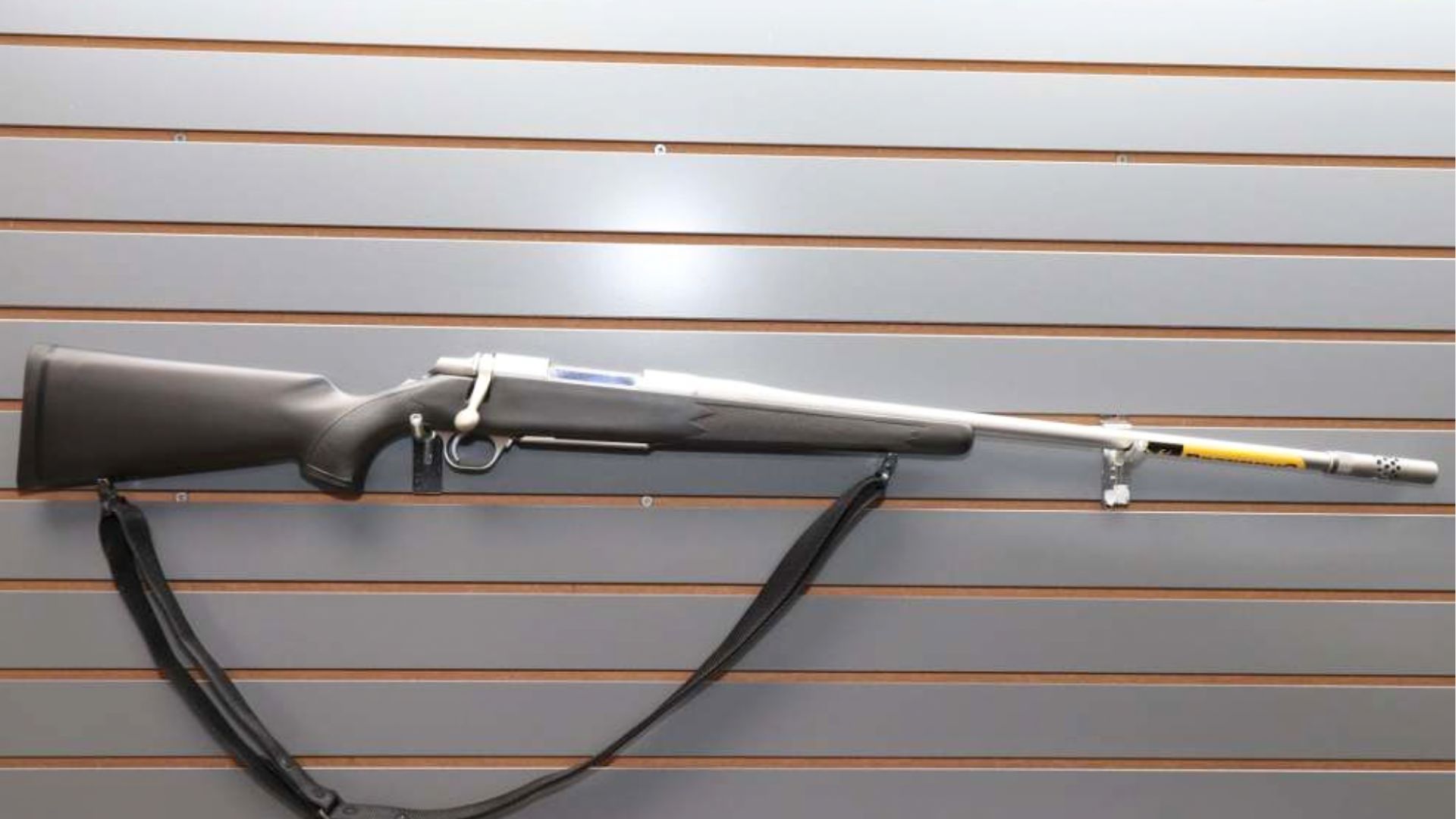
The Browning A-Bolt Stainless Stalker never had the kind of flashy identity that made hunters talk about it like some breakthrough rifle. It looked sensible, a little plain, and maybe even too polished to stand out in a crowd chasing trendier hunting setups. That made it easy to overlook when buyers were busy convincing themselves they needed something louder, lighter, or more modern-looking.
Then the rifle had to go hunting. That is where the A-Bolt started making a lot more sense. It carried well, fed smoothly, and gave hunters a weather-tolerant rifle that still felt like somebody cared how it handled in the field. Real-world use exposed the difference between rifles that sell excitement and rifles that quietly keep things under control when the weather, terrain, and pressure all start working against you.
Ruger M77 Mark II Frontier
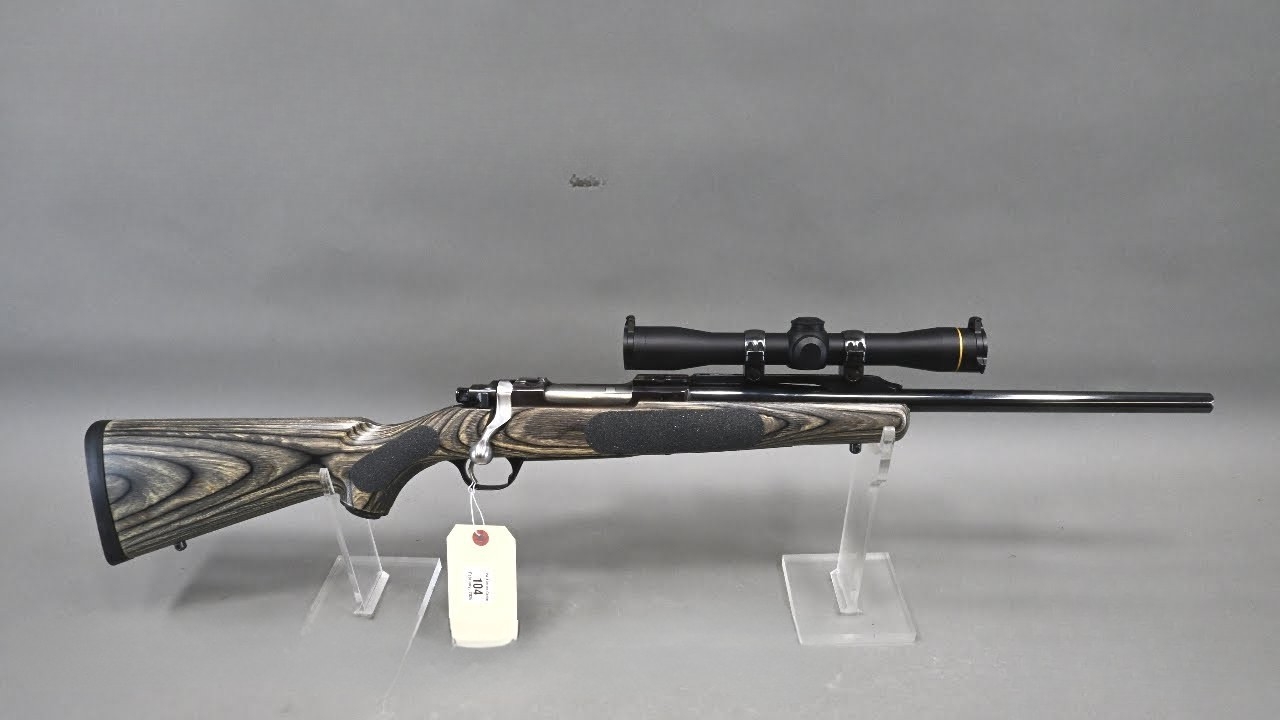
The Ruger M77 Mark II Frontier got brushed off by a lot of hunters because it seemed too odd to be taken seriously. It was short, compact, and a little outside the familiar shape many hunters expected from a serious field rifle. To some buyers, that made it look like a novelty or a compromise. It did not help that plenty of people judged it before ever carrying one up a ridge or through thick timber.
Out in the field, the whole argument changes. The Frontier starts making sense once you spend time in brush, on steep ground, or in places where a long rifle feels more annoying than helpful. Hunters who actually used one learned that quick handling, practical compactness, and dependable function matter a lot more than whether a rifle looks conventional leaning in the rack.
Remington 700 SPS Stainless

The Remington 700 SPS Stainless was easy for hunters to dismiss because it lacked warmth, romance, or much visual appeal. It looked like a plain tool, and plain tools rarely win the first round of attention. Buyers often saw it as the stripped-down version of something more desirable, not the sort of rifle they felt proud to want. It was the practical option, which for some reason is exactly what many people love to underrate at first.
Then bad weather showed up and kept showing up. That is where the SPS Stainless started earning much more honest respect. It could ride through rough seasons, shrug off ugly conditions better than prettier rifles, and keep doing the boring, valuable things hunters always claim to care about. Real-world use exposed that a lot of flashier rifles were selling image, while the plain stainless Remington was selling actual usefulness.
Winchester Model 70 Ultimate Shadow
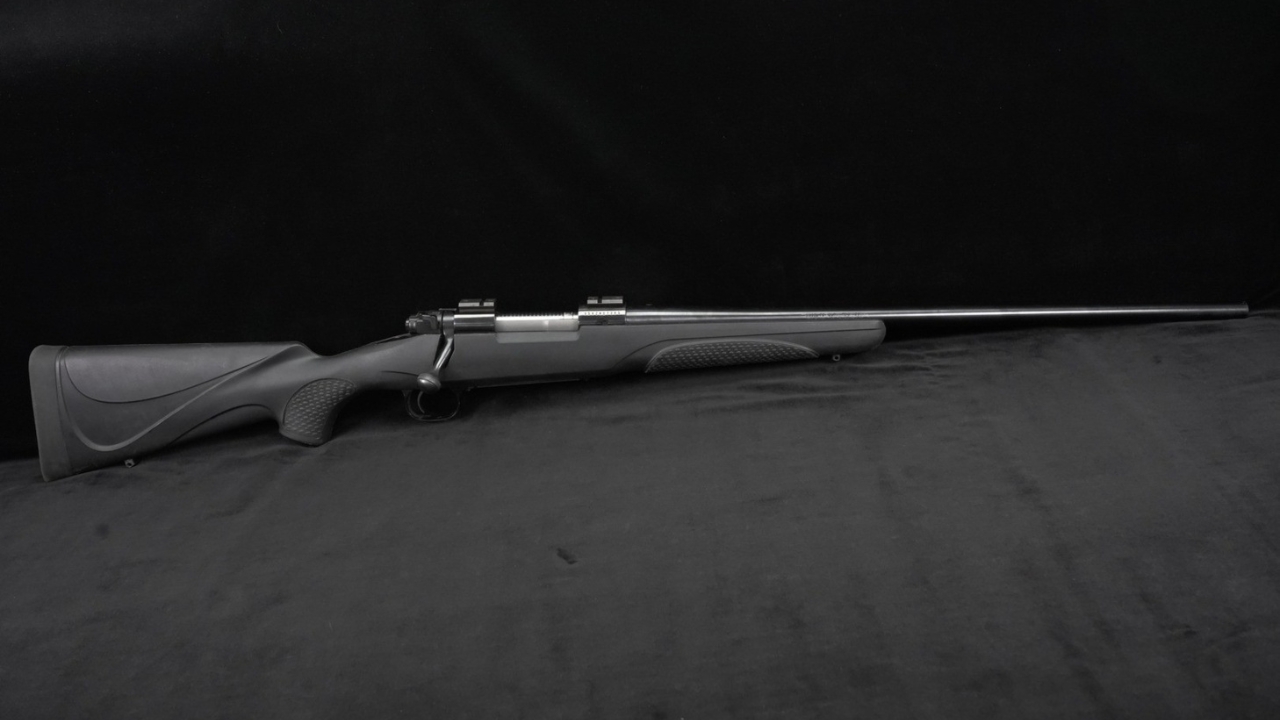
The Winchester Model 70 Ultimate Shadow got treated like one of those rifles hunters settled for when they could not justify something with more walnut, more gloss, or more personality. It looked a little too simple for people who wanted their rifle purchase to feel meaningful right away. That made it easy to overlook as just another synthetic-stock hunting gun in a market full of louder personalities.
Then hunters got serious about carrying one and relying on one. The controlled-round-feed action, familiar Model 70 feel, and all-weather practicality started landing harder once the rifle had to earn its keep outside a showroom. It turned out to be one of those rifles that made much more sense after miles, rain, and real field pressure stripped away all the stuff buyers thought they needed to be impressed by.
Savage 16 Lightweight Hunter
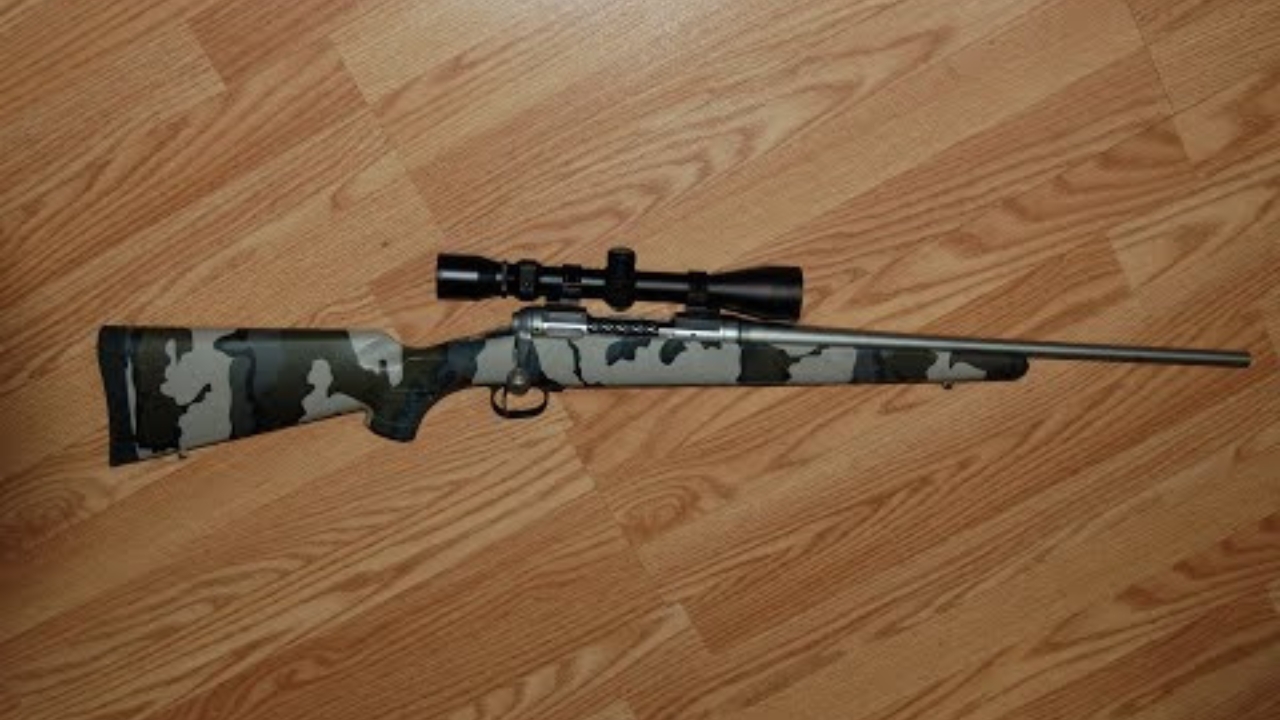
The Savage 16 Lightweight Hunter did not always get the kind of respect its name suggested it should. Some hunters saw Savage and assumed plainness. Others saw lightweight and assumed compromise. It had a reputation for practicality before it had one for desirability, and that tends to keep a rifle from getting treated like a serious object of want. It was often respected in theory and passed over in practice.
Then it started spending real time in mountains and broken country. Suddenly hunters understood why a truly useful lightweight rifle matters when the day gets long and the elevation keeps stacking up. The rifle’s value became obvious where it should have all along: in the carry, in the shot, and in the lack of excuses it demanded. That is when plain practical features start looking a lot more like wisdom.
Tikka T3 Lite Stainless

The Tikka T3 Lite Stainless got brushed off by some hunters because it seemed almost too clinical. It was light, synthetic, stainless, and efficient in a way that did not always stir much emotion. For buyers who wanted tradition or visible personality, it could feel like the rifle equivalent of a cold answer. They respected the accuracy talk, but often with a shrug, as if that kind of competence came at the cost of character.
Then they spent a few rough seasons carrying heavier rifles or dealing with rifles that made too many promises and too much noise. That is where the Tikka started looking smarter. Real-world use exposed how valuable it is to have a rifle that is easy to carry, easy to trust, and hard to blame. The farther a hunt gets from the parking lot, the less impressive gimmicks tend to feel and the more a rifle like this starts to shine.
Browning BLR Lightweight Stainless
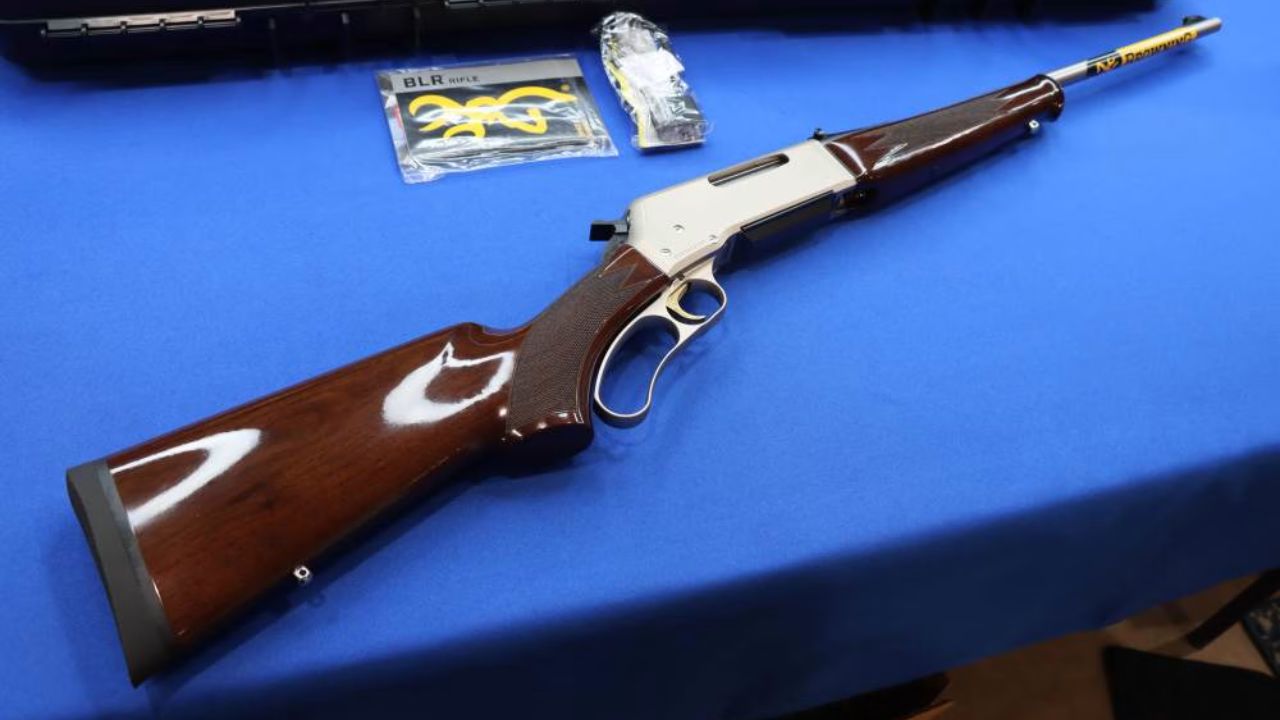
The Browning BLR Lightweight Stainless got dismissed by a lot of hunters who could not decide whether to view it as a lever gun, a modern rifle, or some awkward hybrid that did not fully belong anywhere. That uncertainty kept some people from taking it seriously. It was not traditional enough for one crowd, not modern enough for another, and easy to talk around without ever really understanding what it was built to do.
Field use usually fixes that in a hurry. The BLR makes a lot more sense once a hunter needs something compact, weather-ready, and fast-handling that can still run pointed bullets and useful cartridges. The rifle’s real value does not live in category arguments. It lives in how it carries, how it cycles, and how naturally it fits the kind of hunting where a long bolt gun can feel like more burden than help.
Ruger American Predator

The Ruger American Predator looked like exactly the sort of rifle many hunters thought they had already outgrown. It was inexpensive, synthetic, and unromantic in a way that made it easy to dismiss as a starter gun or a backup rifle. Buyers who loved polished steel and walnut, or who preferred more established prestige names, often treated it like something functional but uninspiring.
Then the rifle started working in real ways for real hunters. Accuracy, easy handling, and genuine field usefulness started crowding out all the snobbery that comes easy at the counter. Real-world use exposed that a rifle does not need to look expensive to solve real hunting problems. In plenty of cases, the Predator made clearer sense after a few expensive disappointments taught hunters that image and utility are often two very different things.
Howa 1500 Hogue rifle

The Howa 1500 Hogue-stocked rifles got brushed off by hunters who thought they looked too plain or too mid-tier to be worth serious attention. The name did not carry the same cultural weight as some of the usual favorites, and the stock package often made the rifle seem more ordinary than the underlying action really was. That made it easy to underestimate as just another workable hunting gun without much to say for itself.
Then hunters actually used them. That is where the Howa’s steadiness, reliability, and general lack of drama started to matter more than the lack of showroom sizzle. Real-world use exposed that a dependable action and a rifle that simply stays in its lane can be a better hunting partner than something more hyped but less settled. A lot of rifles get attention for what they promise. This one earns it for what it avoids doing wrong.
Winchester XPR Sporter

The Winchester XPR Sporter got treated by a lot of hunters as a rifle that looked respectable without seeming especially urgent. It had a recognizable name, yes, but it also seemed like one more modern hunting rifle trying to hold down a crowded lane. That kept some people from paying closer attention. It was not the rifle that stirred much talk around a counter full of louder names and stronger opinions.
Then it got dragged into actual hunting conditions. That tends to expose whether a rifle is just filling a spot in a catalog or actually built with useful priorities. The XPR Sporter started making sense once hunters saw that accuracy, practical handling, and straightforward reliability still matter more than whatever brief excitement sells faster in a store. Field time revealed a rifle that knew what it was for, which is more than can be said for plenty of trendier options.
Mossberg Patriot Walnut

The Mossberg Patriot Walnut got dismissed because it seemed too plain and too affordable to deserve much confidence from hunters who assumed price and prestige told the whole story. It looked like the kind of rifle you bought because you wanted a deer rifle, not because you wanted to feel especially proud of the purchase. That kept some buyers from ever giving it a fair chance.
Then hunters actually started using it in the one place that matters. The Patriot made more sense after seasons in the woods exposed the value of a rifle that carries well, points easily, and does not ask the owner to baby it or defend it all the time. Real-world use has a way of making a modest rifle look a lot smarter when the shot breaks clean and the rifle does exactly what the hunt demanded.
CZ 550 American

The CZ 550 American was easy to brush off for hunters who mistook traditional for outdated. It looked like a rifle from a different pace of buying, a rifle that asked the owner to appreciate balance and action feel instead of features and trend language. For buyers in a hurry to own whatever felt more current, that could make the 550 seem like a pleasant but unnecessary detour.
Then it saw enough real use to expose why hunters kept coming back to rifles built this way. The controlled-round-feed action, the handling, and the calm competence of the whole package started standing out in the field where all the marketing noise disappears. What looked old-fashioned at the counter often looked downright intelligent after enough time carrying it through country that punishes shallow decisions.
Remington 7600 Carbine

The Remington 7600 Carbine got brushed off by hunters who thought pump rifles were too plain, too regional, or too lacking in prestige to deserve much attention. If a hunter wanted to sound refined, he talked bolt guns. If he wanted excitement, he looked elsewhere. That attitude left the 7600 underappreciated by people who had never really hunted the kind of woods where it shines.
Then those woods went to work. In heavy cover, quick opportunities, and awkward real-world deer hunting, the 7600 Carbine starts making a lot more sense than plenty of fancier rifles. Real-world use exposed that fast handling, natural pointing, and reliable follow-up potential are not old-fashioned traits. They are extremely practical ones. Hunters who learned that lesson the hard way usually stop talking down pump rifles after.
Browning BAR MK II Safari

The Browning BAR MK II Safari often got brushed off as a rifle that was nice enough but heavier and more old-school than many hunters thought they wanted. In a market crowded with lighter rifles and more aggressive marketing around bolt guns, it could seem like a rifle from an older hunting mindset. Buyers admired it, but many still treated it like a rifle for somebody else.
Then long seasons and real field use started exposing what matters when shots come fast and conditions get unpredictable. The BAR’s steadiness, smooth repeat-shot capability, and mature field feel started looking less old-fashioned and more like exactly what some hunts demand. It is easy to underrate a rifle that does not need to prove itself with noise. Harder to underrate it after it keeps solving problems in country where theory gets thin in a hurry.
Weatherby Vanguard Weatherguard

The Weatherby Vanguard Weatherguard got brushed off because it lacked the glamour some hunters wanted from a Weatherby while also lacking the bargain-bin look that makes people forgive plainness. It sat in a tricky middle ground. To some buyers, it felt like a practical answer without much emotional pull. That can be a dangerous place for a rifle trying to win attention in a store.
Then hunters started putting it through real weather, real miles, and real decision-making pressure. That is where the Weatherguard starts looking a lot more serious. The action, the all-weather build, and the general sense of trust it develops over time matter more after use than they ever can on a shelf. Real-world hunting exposed that practical durability and steady accuracy are not boring traits. They are often the exact point of the whole rifle.
Sako A7 Roughtech

The Sako A7 Roughtech got brushed off by hunters who either wanted a full-tilt premium Sako experience or wanted something cheaper and less refined. That left it overlooked in a funny way. It had real quality, but not always the immediate prestige pull buyers expected from the name. For some, that made it easy to leave behind while chasing either a bigger badge or a smaller price tag.
Then it got used. That tends to cut through confusion fast. The A7 Roughtech handled rough conditions, shot honestly, and delivered the kind of composed field feel hunters usually only start valuing after a couple seasons with something that looked smarter than it behaved. Real-world use exposed that this rifle had far more going for it than the in-between reputation many buyers pinned on it early.
Like The Avid Outdoorsman’s content? Be sure to follow us.
Here’s more from us: