Photo credit: ilogic27/Shutterstock.com
Some firearms became so influential in battlefields, politics, or society that governments decided the only way to control their impact was to ban them. These weren’t obscure rifles or pistols—they were guns that shifted tactics, empowered movements, or reshaped how wars were fought. Once their effect was undeniable, restrictions followed. From bolt-actions that defined empires to semi-autos that altered modern warfare, these firearms left such a mark that authorities worldwide decided their presence was too disruptive to allow unchecked.
AK-47

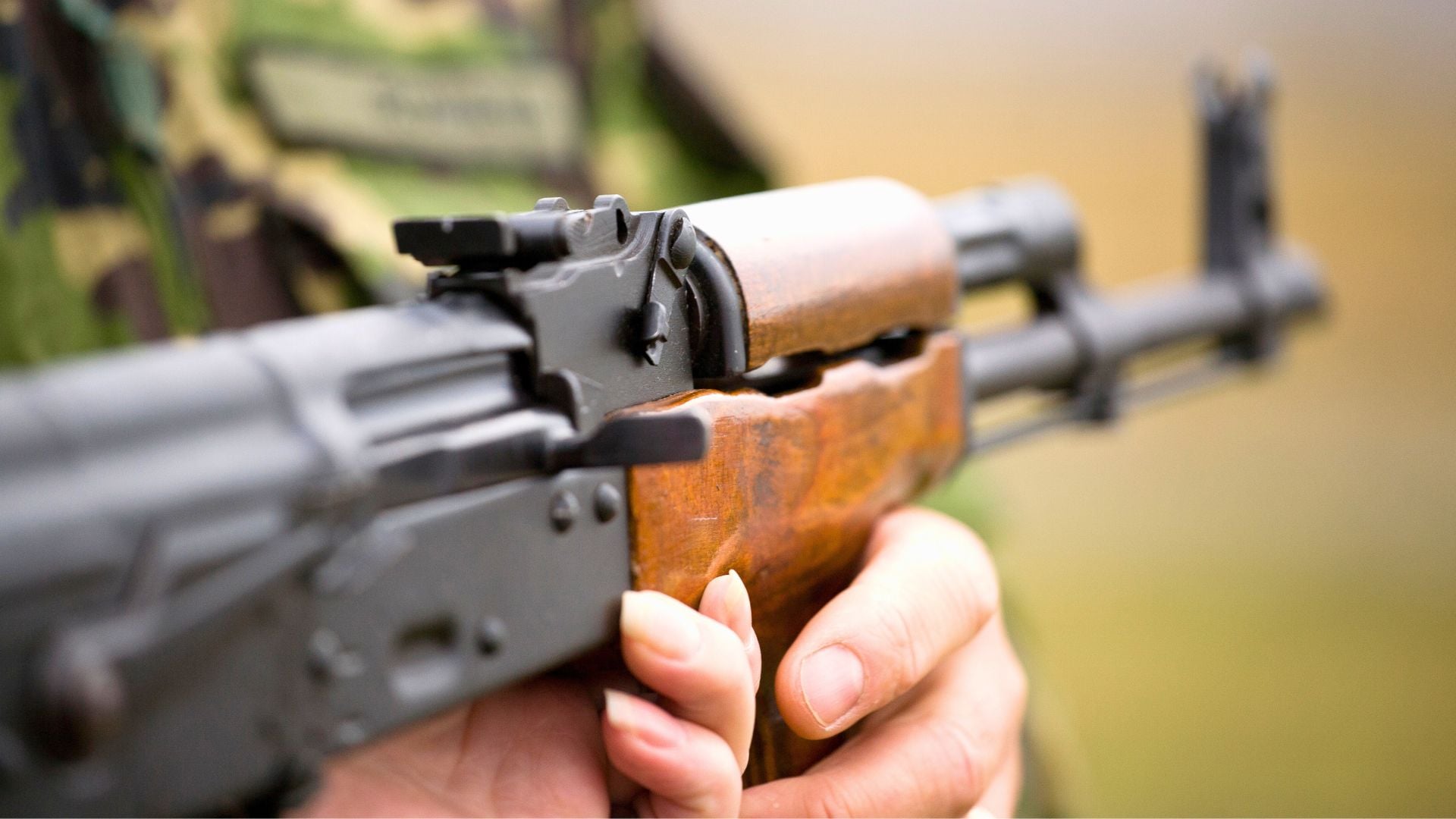
The AK-47 chambered in 7.62×39 became the most recognized rifle of the 20th century, arming insurgencies, militias, and national armies across the globe. Its simplicity, reliability, and low cost gave it unmatched influence in conflicts from Vietnam to Afghanistan.
Because of its role in revolutions and criminal violence, the AK-47 and its variants have been heavily restricted or outright banned in countries like the United States, Australia, and the United Kingdom. Its widespread use permanently changed global security, and its bans reflect its outsized historical footprint.
M16
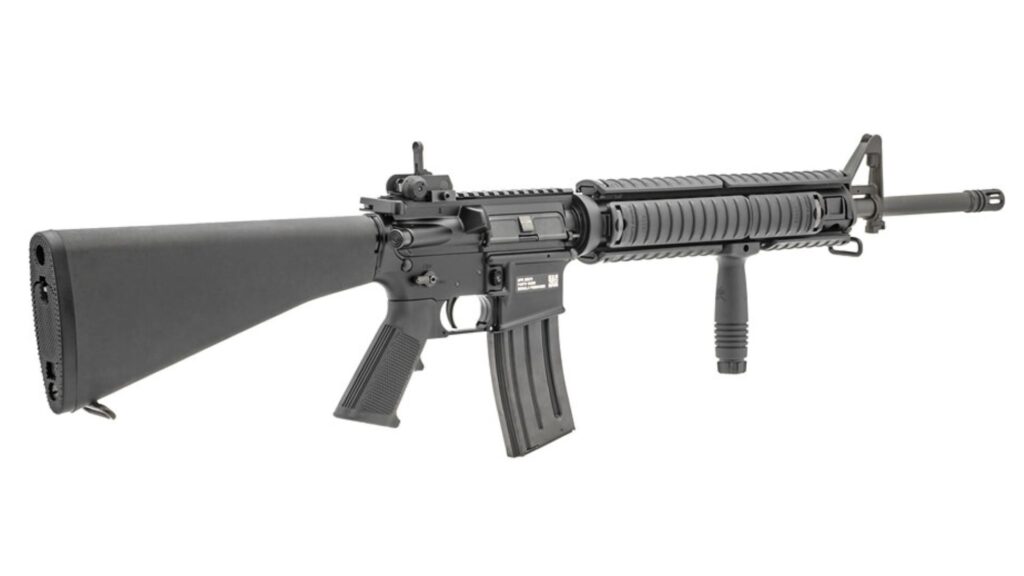
The M16, chambered in 5.56×45 NATO, transformed U.S. infantry tactics during the Vietnam War and later conflicts. It was lightweight, offered controllable automatic fire, and helped cement the smaller-caliber, high-velocity concept in modern militaries.
In the civilian market, however, fully automatic versions of the M16 were banned under U.S. federal law in 1986. Semi-auto variants remain legal but tightly regulated in some states. The M16’s influence was so significant that its core design lives on in the AR-15 platform, even as its military original remains heavily restricted.
FN FAL

The FN FAL, chambered in 7.62×51 NATO, earned the title “the right arm of the free world.” Adopted by dozens of Western-aligned nations during the Cold War, it gave NATO forces serious reach and firepower against Warsaw Pact adversaries.
Its semi-automatic civilian versions, however, faced bans in countries like Canada, the UK, and Australia. The combination of its battle-proven effectiveness and widespread proliferation made it one of the most heavily regulated rifles of the late 20th century, despite its historic role in shaping NATO doctrine.
HK G3
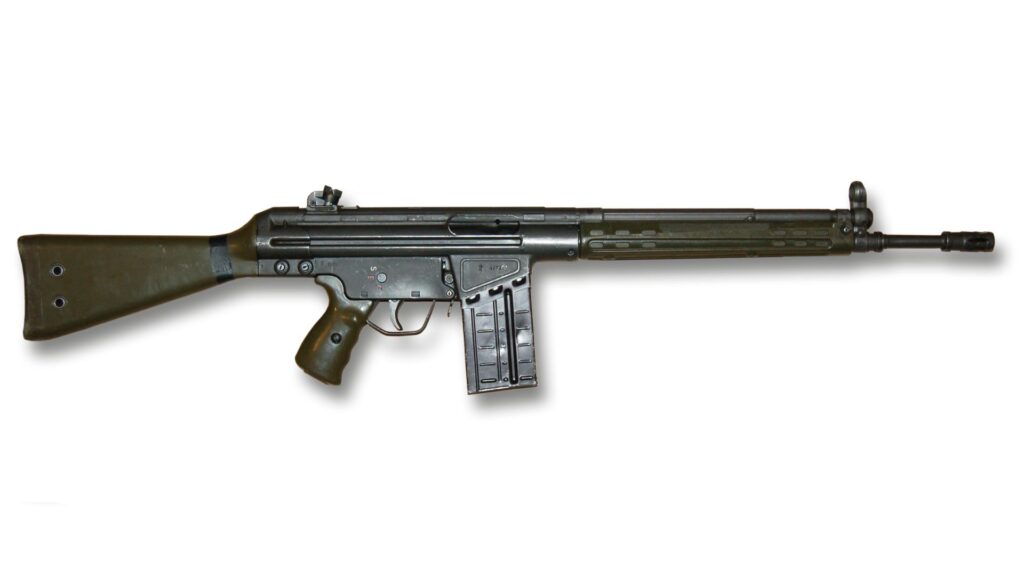
The HK G3, also in 7.62×51 NATO, was Germany’s postwar service rifle and quickly spread to over 60 countries. Known for its roller-delayed blowback system, it was reliable, powerful, and capable of sustained fire at longer ranges.
Because of its effectiveness and military pedigree, civilian versions of the G3 were banned or restricted in multiple nations. Countries like the UK and Canada prohibited importation or ownership of semi-auto versions, seeing its battlefield dominance as too dangerous for unrestricted civilian markets.
Armalite AR-18
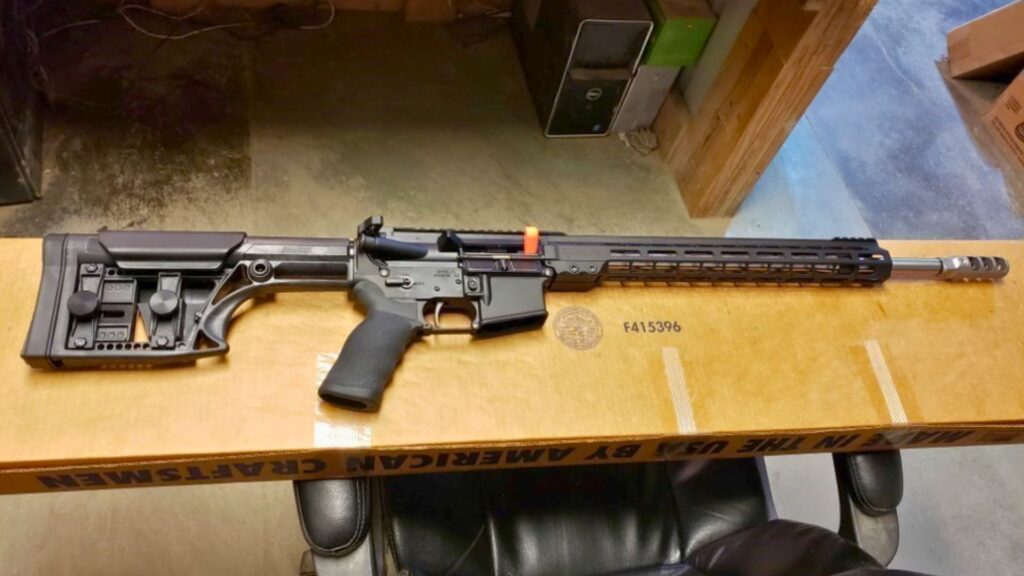
The Armalite AR-18, chambered in 5.56×45 NATO, never gained the adoption of the M16 but had an outsized impact on insurgencies. Its simple stamped construction made it easier to produce, and it was famously used by the IRA during the Troubles.
Governments quickly noticed its influence in urban warfare and guerrilla conflicts. The AR-18 was restricted or banned in several countries because of its reputation for arming insurgent groups. While less famous than the AK-47, its legacy shows how design and availability can reshape political violence.
Steyr AUG
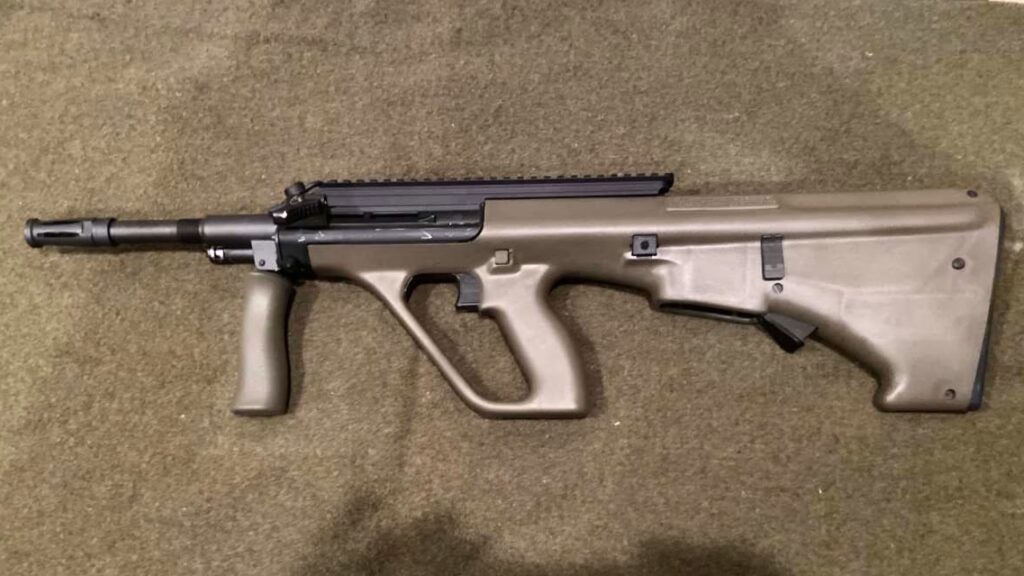
The Steyr AUG, chambered in 5.56×45 NATO, was one of the first successful bullpup rifles, placing a full-length barrel in a compact package. It became the standard rifle of Austria and was widely exported, praised for its futuristic design and modularity.
Civilian versions, however, were banned or restricted in countries like the United States after the 1989 import ban. The AUG’s battlefield success and unique profile made it an attractive rifle worldwide, but also placed it on the list of firearms considered too advanced for civilian ownership in many regions.
Dragunov SVD
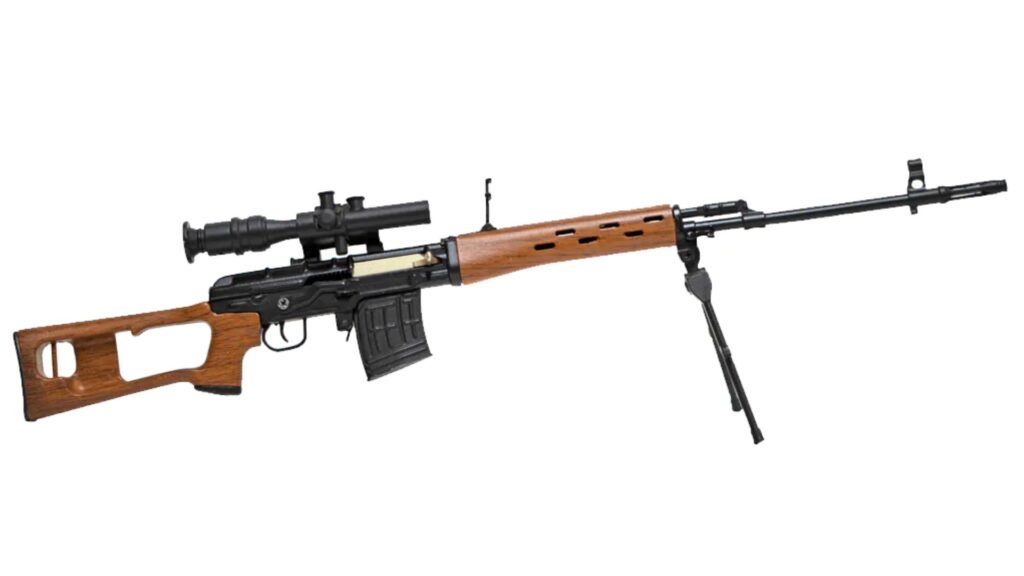
The Dragunov SVD, chambered in 7.62×54R, wasn’t a sniper rifle in the strict sense but a designated marksman rifle designed to extend infantry reach. It became iconic in Soviet doctrine and saw widespread use in conflicts across the globe.
Its role as a precision battlefield weapon led to bans or restrictions on civilian versions in multiple countries, including the U.S. during certain import bans. The SVD gave ordinary infantry squads the ability to reach past standard ranges, and its legacy ensured it would be tightly controlled worldwide.
Galil
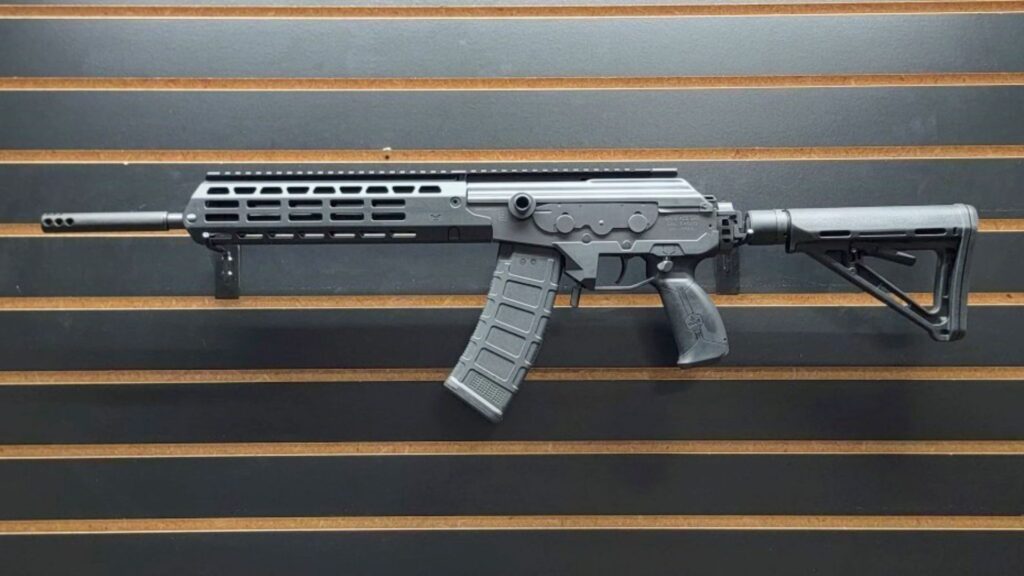
The Israeli Galil, chambered in both 5.56×45 NATO and 7.62×51 NATO, was developed after lessons from the Six-Day War. Its reliability in desert conditions made it a staple of the Israeli Defense Forces and a respected export rifle.
Despite its effectiveness, civilian versions faced bans in the U.S. after 1989, when imports of many military-pattern rifles were restricted. The Galil influenced rifle design across multiple nations, but its association with military conflict ensured it landed on the banned lists in several jurisdictions.
Type 56
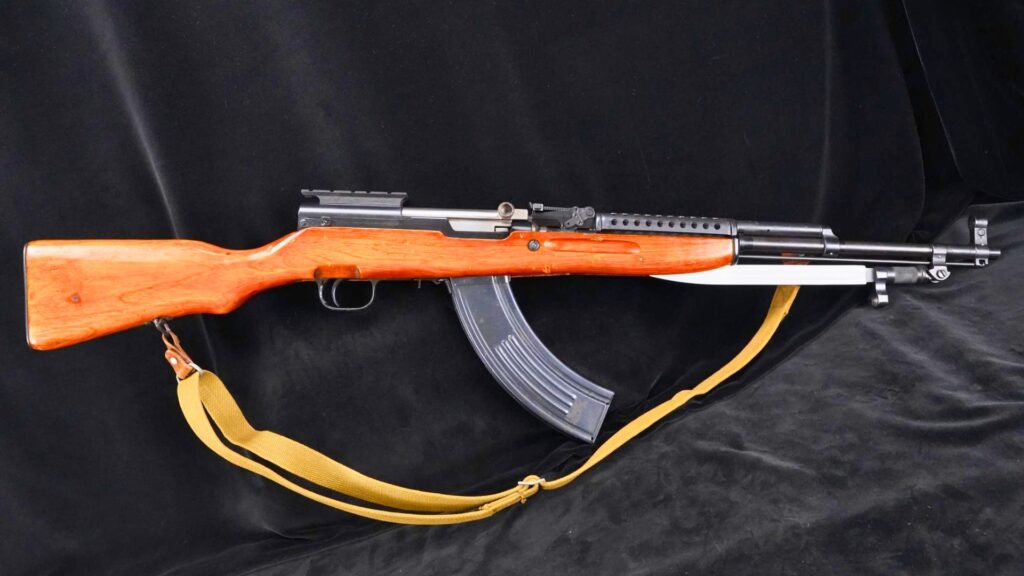
The Chinese Type 56, a licensed variant of the AK-47 in 7.62×39, flooded global markets and battlefields throughout the Cold War. It became one of the most common rifles in insurgent hands, from Africa to Southeast Asia.
Because of its role in fueling conflicts and its widespread use by unauthorized groups, many countries—including the U.S.—banned imports. The Type 56 represents how a cheap, mass-produced rifle can reshape wars and prompt sweeping restrictions worldwide.
Lee-Enfield SMLE (Restricted in Colonies)

The Lee-Enfield SMLE, chambered in .303 British, was the backbone of the British Empire’s military for the first half of the 20th century. Its fast-cycling bolt and 10-round magazine gave Commonwealth soldiers a major advantage in both world wars.
In colonial territories, however, the rifle was often banned or heavily restricted from civilian hands. Authorities feared its accuracy and firepower could fuel uprisings. While not banned in the same sense as modern semi-autos, its restriction shows how governments recognized its power to change the course of history.
*This article was developed with AI-powered tools and has been carefully reviewed by our editors.