Photo credit: 22plinkster/YouTube
There are guns that can be dragged through the mud and still run, and then there are guns that seize up if a cloud passes overhead. Moisture, especially when combined with poor tolerances or delicate internals, can cause all kinds of cycling problems. Some of these guns weren’t designed for harsh weather, while others are over-engineered to the point of failure when things aren’t perfect. If you’re looking for tools you can rely on in the field, these are the ones you might want to think twice about when the weather turns wet.
Desert Eagle

The Desert Eagle looks cool and hits hard, but it’s one of the most finicky pistols out there when it comes to environmental conditions. Rain, mud, or grime can throw off the gas system and lead to failures to cycle or eject.
It’s got tight tolerances, heavy parts, and relies on clean-burning ammo to function properly. Add in some moisture or debris, and you’re suddenly clearing malfunctions instead of making follow-up shots. This one’s built for the range—not the field.
Remington 597

The 597 was supposed to be Remington’s answer to the Ruger 10/22, but it never came close in reliability. Even light rain can cause issues with cycling, especially if the action isn’t spotless.
The bolt doesn’t like any resistance, and once water mixes with powder fouling or unburned crud, you’ll start seeing feed failures and stovepipes. If you’re heading out in variable weather, this one’s not a rimfire you want to count on.
FN FS2000

The FS2000’s futuristic design draws attention, but it’s got some real-world flaws when it comes to wet environments. The enclosed action holds in heat—and moisture. If water gets into the ejection port or action area, you’re likely to see sluggish cycling or stuck cases.
The forward-eject system works great in theory but adds complexity that doesn’t love dirt or water. If you’re shooting in dry conditions, it runs fine. If the skies open up, it becomes a gamble.
Taurus PT22

This little pocket pistol struggles even under ideal conditions. Throw in a bit of rain or humidity, and failures to eject or feed aren’t uncommon. The tip-up barrel design can also trap moisture inside the action.
It’s not built for rugged use or rough handling. While it’s small and lightweight, you’re trading off reliability when the weather turns bad. There are better compact options if you’re expecting to be outside.
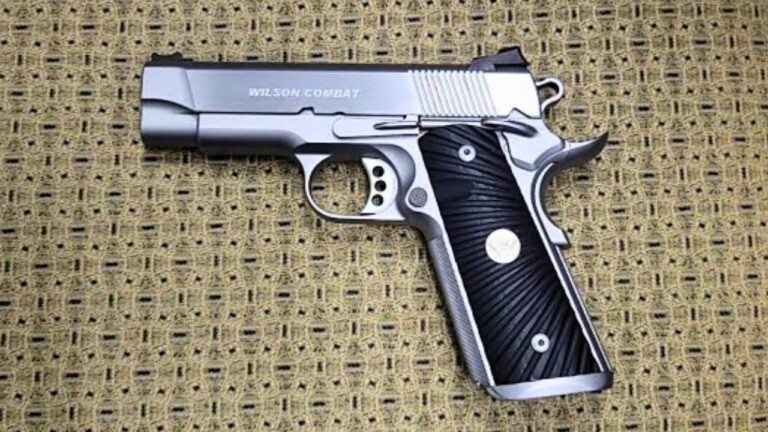
Kimber 1911 Ultra Carry

Kimbers tend to run tight out of the box, and while that can help with accuracy, it often hurts reliability—especially in wet or dirty conditions. The Ultra Carry models are even more prone to hiccups when moisture finds its way into the action.
The short slide and tight fit require everything to be in tune, and if rain or grime slows anything down, the gun may short-cycle or fail to feed. These guns run well clean and dry—but field-ready they’re not.
Beretta Bobcat

The Bobcat has a loyal following, but it’s a known issue that even slight debris or moisture can cause it to misfeed. Its open-top slide and small springs are sensitive to build-up and environmental gunk.
When it’s clean and dry, it’s fun and functional. But take it out in the rain or pocket-carry it in humid weather, and you’ll probably be clearing jams or light strikes more often than you’d like.
Winchester Wildcat

The Wildcat brought some interesting features to the rimfire market, but its cycling isn’t nearly as consistent as the competition—especially in poor conditions. Water in the action area tends to throw off the timing fast.
The bolt group is sensitive to gunk buildup, and once it’s wet, you’ll see light strikes or stovepipes. It’s a decent plinker on dry days, but not something you’d want to rely on if the weather shifts or the gun gets tossed around.
KelTec Sub2000

The Sub2000 folds up nice and packs small, but its action doesn’t like being wet or dirty. A little rain can quickly affect cycling, especially if the chamber or bolt starts sticking. The recoil spring isn’t strong enough to overcome much drag.
It’s lightweight and fun for the range, but it needs a clean environment to work properly. Out in the field, especially if it’s been rained on or stored damp, it starts showing its limitations fast.
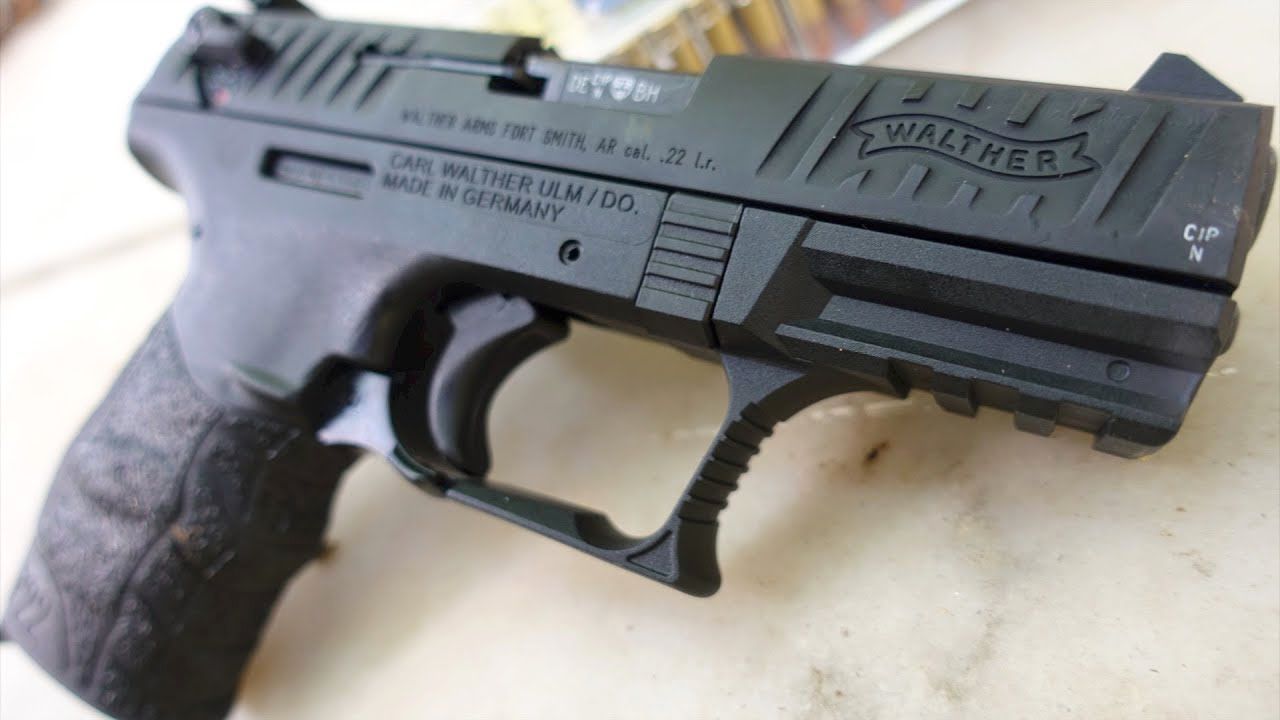
Walther P22

The P22 is known for being ammo sensitive, and moisture doesn’t help. Rain or heavy humidity can cause issues with light strikes or cycling failures—especially with standard velocity rounds.
It’s a fun gun for target shooting, but if you’re looking for something that runs no matter what, this one doesn’t hold up in less-than-ideal conditions. The tight slide and small recoil system don’t have much margin for error.
Ruger SR22

Like the Walther P22, the Ruger SR22 performs well when it’s clean and dry—but starts having issues when water gets involved. The rimfire action isn’t sealed well, and moisture can cause feed issues or slow the slide down enough to stop cycling.
You’ll also notice increased misfires with certain ammo once the chamber gets wet. While it’s better than some other .22s in this category, it still doesn’t belong in a wet-weather lineup if you need absolute reliability.
*This article was developed with AI-powered tools and has been carefully reviewed by our editors.