
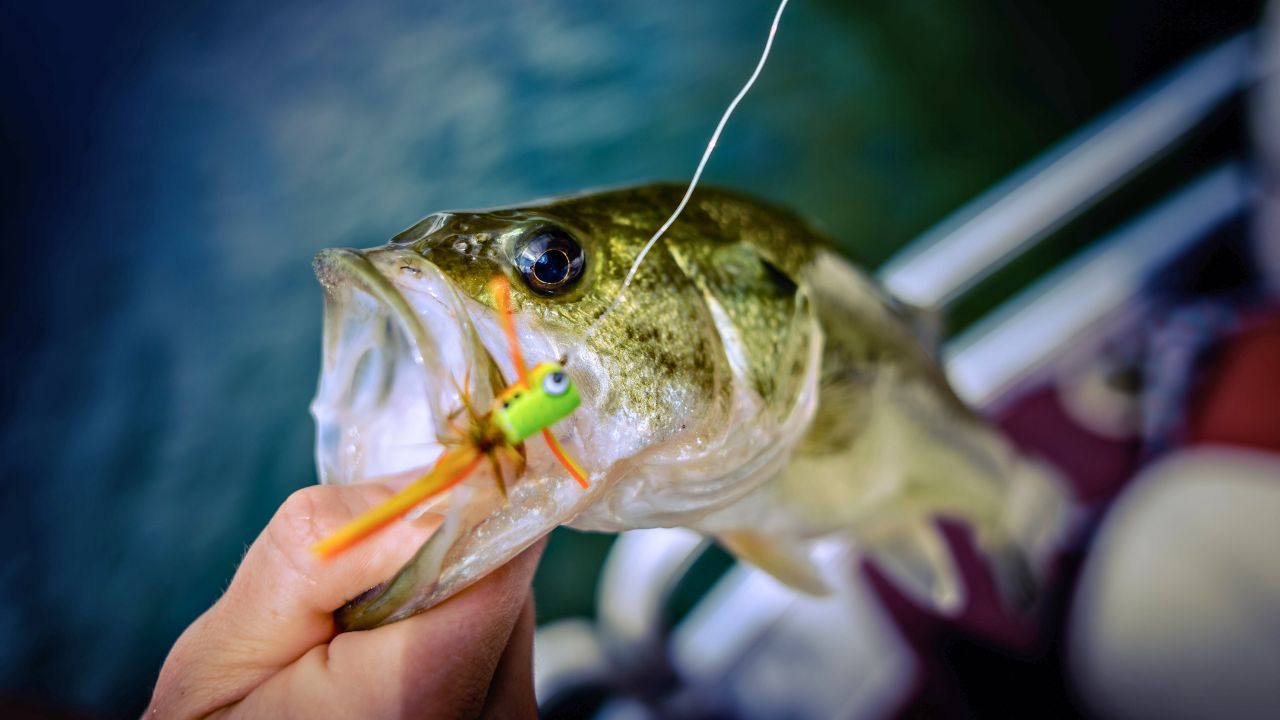
Photo credit: Wirestock Creators/ShutterStock.com
If your go-to spots are starting to come up empty or feel overfished, it might be time to think outside the usual launch ramps. Bass don’t care how pretty the lake is or how many boats show up. They care about cover, forage, and water conditions. A lot of the best bites happen where most folks never cast.
These overlooked spots don’t always look promising at first glance, but if you know what you’re doing, they can outproduce the main lake in a hurry.
Roadside Culverts and Drain Pipes
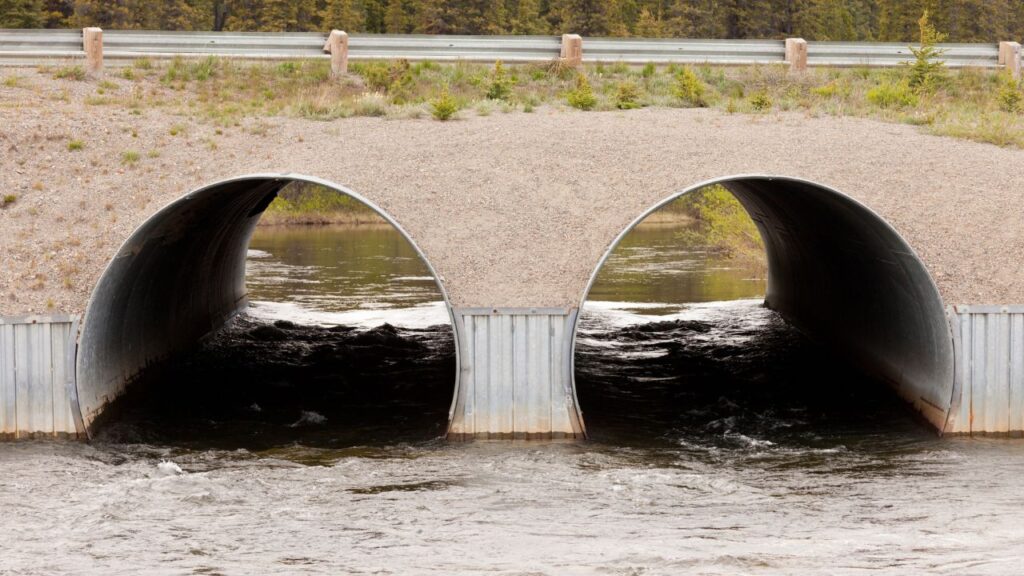
Runoff points can funnel baitfish like a buffet line, especially after a good rain. Culverts and pipes pull current, and bass know that’s where the food shows up. Even in shallow water, you’ll find them staging right where the outflow hits the pond or ditch.
You don’t need a boat. In fact, some of the best fish come from standing in the mud, tossing a weightless fluke or shallow crank into the swirl. If you’re ignoring culverts, you’re missing an easy win.
Creek Mouths That Feed Into Bigger Water
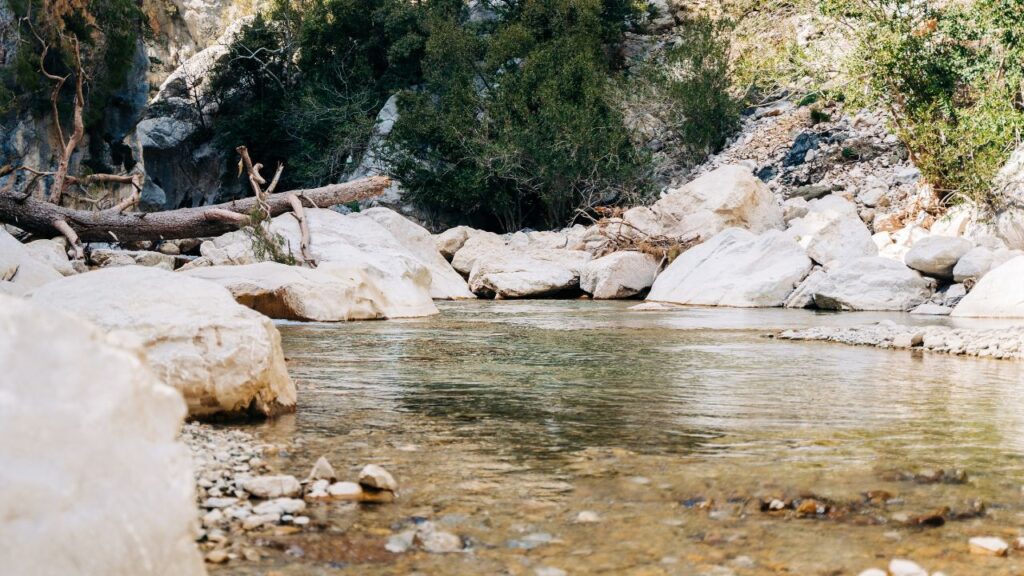
Bass use current breaks to ambush prey, and the mouth of a creek gives them a natural spot to hang back and wait. When water levels rise, baitfish pour out of those creeks and into the main body, and bass follow right behind.
Fish the edges, the drop-offs, and the nearby structure. Even when the flow slows down, creek mouths still hold oxygen-rich water and cooler temps—both things bass stick close to, especially in summer and early fall.
Shaded Dock Corners Nobody Casts To

Most folks hit the front of the dock, maybe skip under once or twice, and move on. But the corner spots—the shaded backsides or where two docks meet—are gold if you can get in tight.
Bass use those hard-to-reach angles as ambush zones. If you can skip a jig or wacky rigged worm into the darkest part, you’re in business. The bite usually hits right on the drop. Don’t overlook the back of the dock because it’s harder to reach.
Low-Traffic Spillways on Small Reservoirs
These aren’t the big dam spillways that get hammered every weekend. We’re talking the smaller, quieter ones tucked off county lakes or power plant reservoirs. They create enough turbulence to churn baitfish around, and bass love to stage nearby.
Look for eddies and slack water around the flow. Cast upstream and let your bait swing down naturally. You’d be surprised how many solid fish are sitting right behind those little concrete lips waiting for an easy meal.
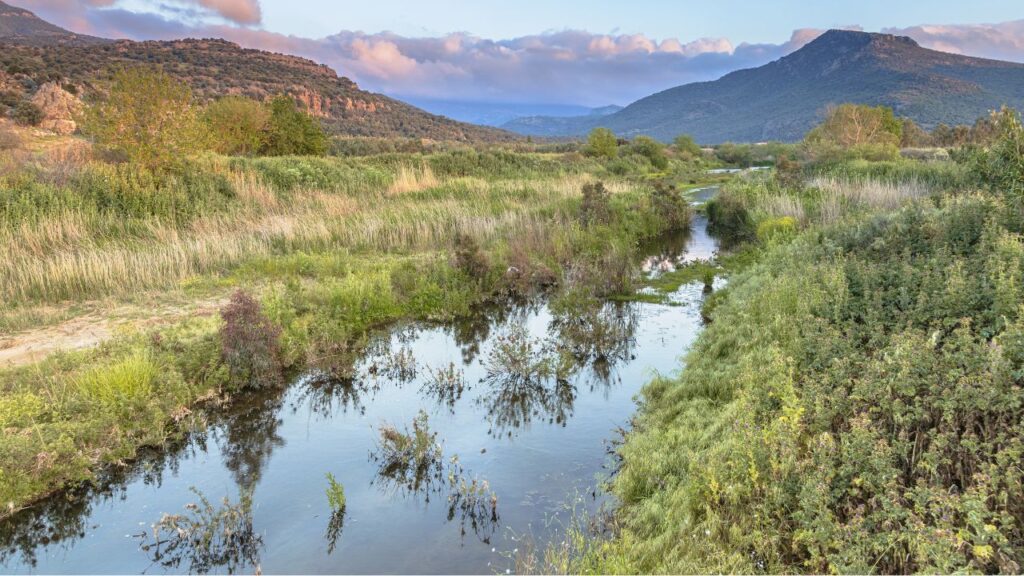
Overgrown Backwater Channels
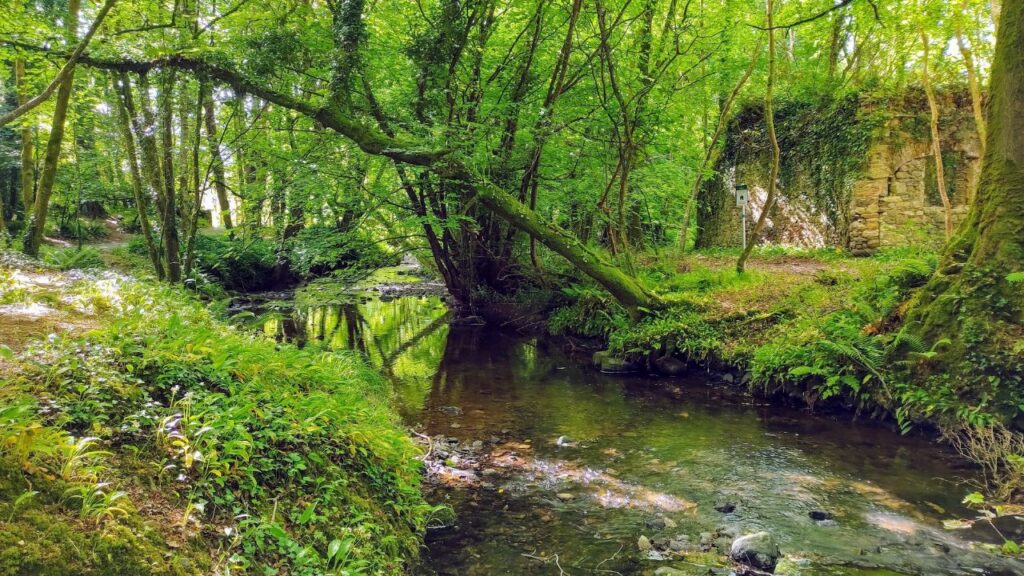
You’ve probably seen those swampy fingers off a main lake and thought they were too shallow or too messy to fish. But backwater channels with lily pads, hydrilla, or downed timber are hiding some of the best bass in the system.
Fish them slow and precise. Frogs, weightless plastics, or even a buzzbait through open pockets can trigger explosive strikes. These spots don’t get much pressure, which means the fish are usually more willing to hit—and they’re not always small.
Flooded Timber in Forgotten Corners
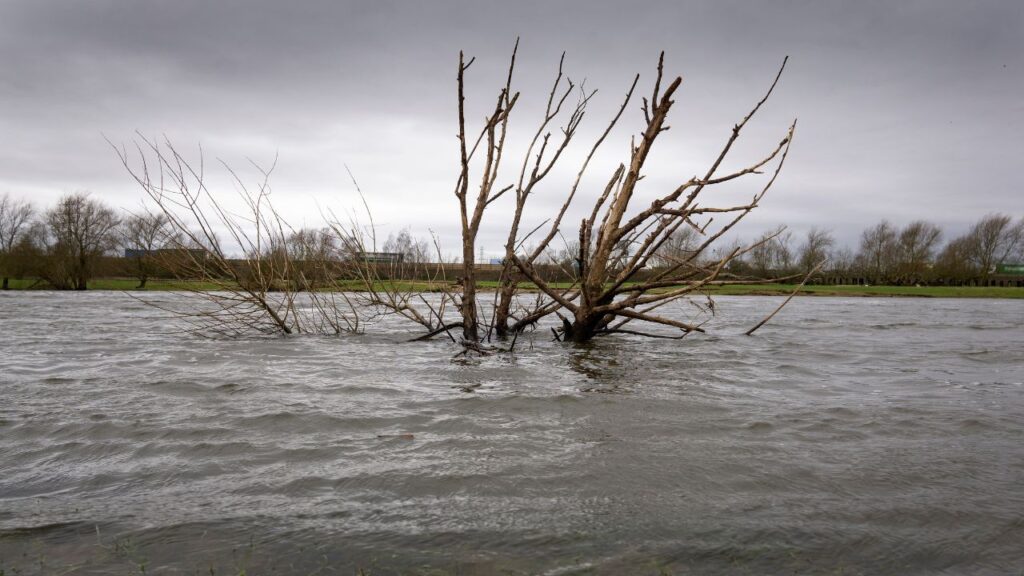
Some anglers avoid timber altogether, but if you’ve got the patience and gear to work it right, these areas are worth every hang-up. Bass like cover, and sunken trees provide perfect ambush spots, shade, and protection from current.
Start by fishing the edges with a squarebill or spinnerbait, then move in tighter with jigs or Texas rigs. These spots tend to reload, too—so if you find one good fish, don’t move on too fast. There’s likely more.
Unmarked Farm Ponds and Cattle Tanks
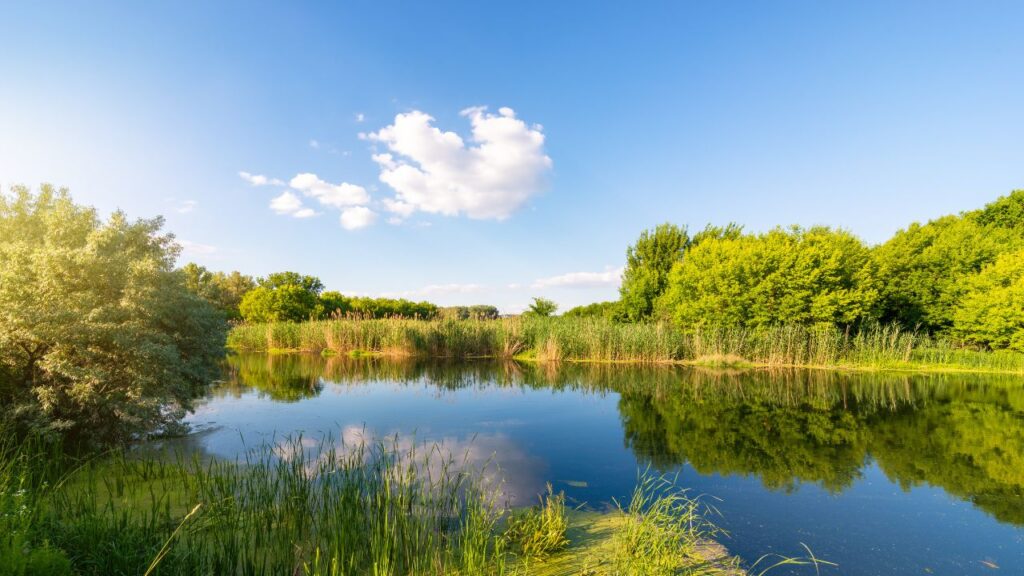
The best bass fishing you’ll ever have might be behind a barbed wire fence. Private ponds don’t see pressure, and if they’ve got decent forage and depth, the bass get big. You won’t know until you ask, but most landowners are open to polite requests—especially if you offer to share a few fillets.
Tanks with brush, old windmills, or feeder pipes tend to produce. Keep it quiet, pack light, and fish like every cast could be the one that breaks your PB.
*This article was developed with AI-powered tools and has been carefully reviewed by our editors.


