Photo credit: cottonbro studio/Pexels
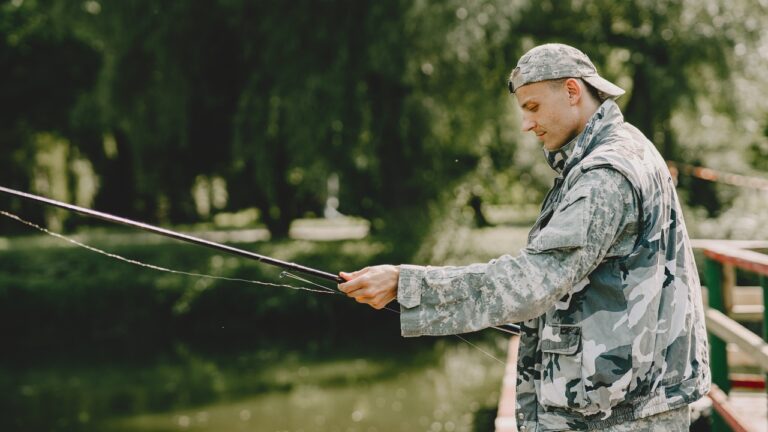
A South Dakota fishing trip had been a grind from the start. A Redditor said he and a couple buddies went out looking for walleyes and perch, planning to mostly catch and release but keep enough fish for a few family meals. He wanted some for himself and his grandma. His buddies wanted to bring fish home for their families too. It was not a meat-haul mission. They were just hoping to come back from the trip with enough cleaned fish to make the cold, drilling, and long hours worth it.
For two days, they could barely get anything going. They were not catching fish, and they were not even marking many. A weird warm front had moved in and made the bite tough, even for guides who knew the area better than they did. They were also fishing unfamiliar water, which made it harder to find the little sloughs that can hold a pile of fish when everything else feels dead. They drilled hundreds of holes trying to figure it out. Anyone who has ice fished knows how tiring that gets. You drill, check, move, drill again, stare at electronics, second-guess yourself, and wonder if you should have stayed home.
Then, on the final night, they finally found them. The walleyes were there, and the whole trip flipped. After two slow days, they caught well over 75 good walleyes. That kind of bite can rescue an entire trip in a couple hours. Suddenly all the dead holes, cold hands, walking, hauling gear, and guessing feel worth it. They kept a few fish each, stayed within what they intended to use, and headed back to the cabin with the kind of satisfaction that only comes after earning it the hard way.
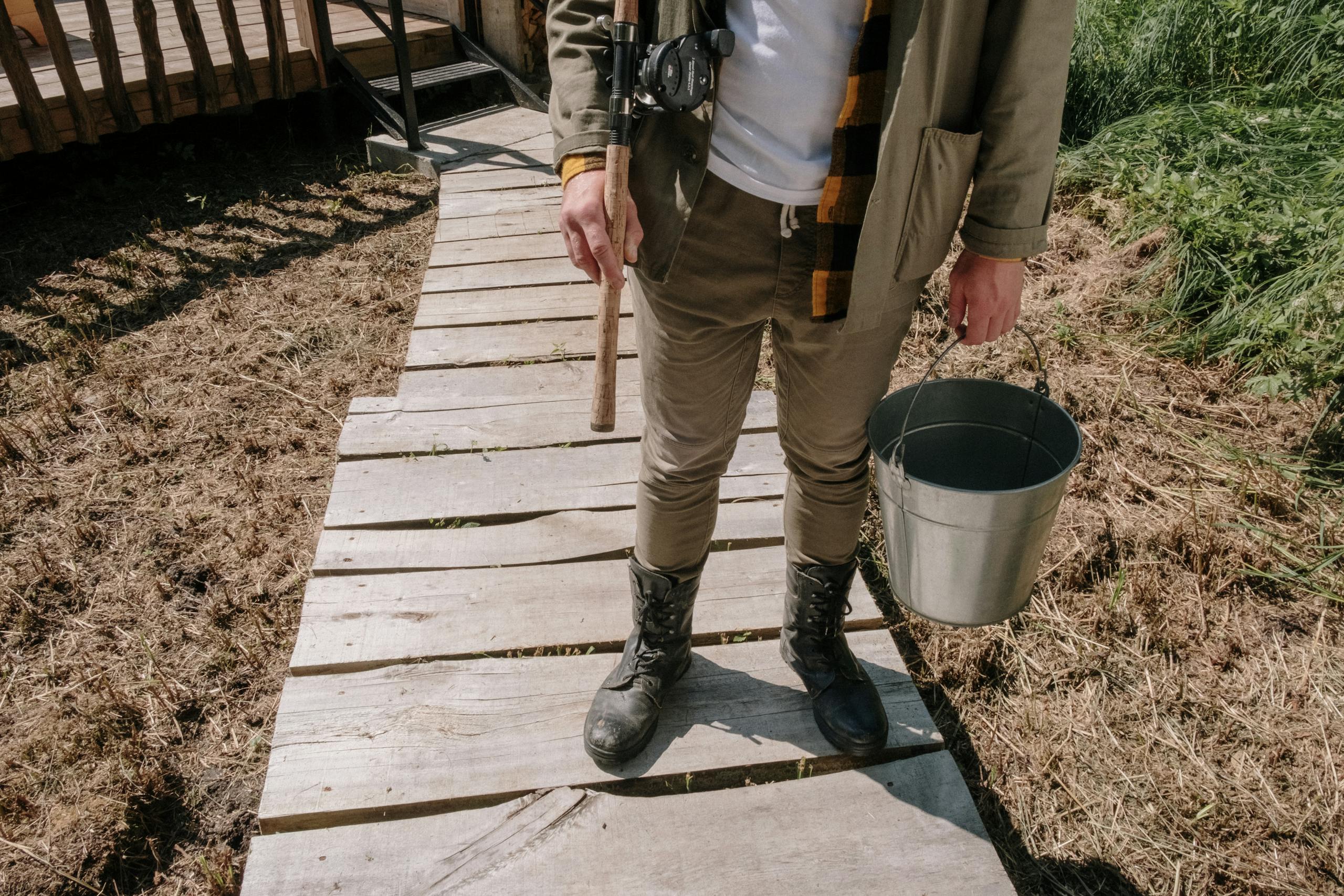
They cleaned the fish that night and packed the fillets into bags. Instead of bringing everything inside, they left the bags down in the bottom of five-gallon buckets outside the front door. The buckets were sitting near their Yeti cooler, bags of food, and other stuff. In a tiny town, after a long day, it probably felt safe enough. They were tired. The fish were cleaned. Morning was close. Most people who fish have made some version of that call — leave gear by the door, leave a cooler in the truck, leave rods leaned somewhere for a minute, and trust that nothing will walk off.
When they woke up, four of the five buckets were gone. The fish were gone too. They found one bucket in the cleaning shack, but the cleaned walleyes they had worked so hard for had disappeared. At first, there was a little room for doubt. Maybe an animal got into it. Maybe a cat or some other critter smelled fish and made a mess. But the buckets were missing, not just the fillets. That made it look a whole lot more like somebody walked by, grabbed the pails, found the fish inside, and decided to keep the whole thing.
That is the part that would drive any fisherman crazy. Losing fish to a bad hookset is one thing. Losing them at the hole is another. Having cleaned fillets stolen from outside the cabin after grinding for two days is a different kind of rotten. Those fish were already caught, cleaned, packed, and meant for people back home. The thief did not beat them to the spot or outfish them. He waited until the work was done and carried it off in a bucket.
The Redditor tried to keep a decent attitude about it. He said he hoped whoever ended up with the fish needed them more than he and his family did. That is a lot more grace than most guys would have after waking up to stolen walleyes. He still admitted it was a bummer, especially after they had worked so hard for just a couple meals. He also kicked himself a little, saying they probably should have brought the fish inside.
In the comments, people went back and forth on animals versus thieves, but the missing buckets made the answer pretty clear to most of them. One commenter said he might have assumed critters at first, but once the pails were gone too, it sounded like theft. Another brought up rods disappearing from boats and said you never think it will happen to you, especially around fishing and boating people, until it does. That is what makes stolen fishing gear or fish feel personal. Outdoorsmen tend to assume other outdoorsmen get it. They know what went into the trip. They know what that cooler or bucket means. Then somebody proves they do not care.
There was also a little warning tucked into the whole thing for anyone traveling to fish. Cabins, marinas, fish-cleaning stations, ice shacks, motel parking lots, and resort towns can feel friendly, but they are still public enough for stuff to disappear. A cooler, pail, rod, auger, flasher, tackle bag, or bag of fillets can be gone in seconds. It does not matter that everyone at the bait shop was nice or that the town feels quiet. If something is valuable, useful, edible, or easy to carry, somebody may decide it is worth taking.
The fix is annoying because it means treating even peaceful fishing trips like someone might be watching for an easy grab. Bring cleaned fish inside or lock them in a vehicle if the temperature and situation allow. Mark bags with names. Keep coolers locked or cable them down when possible. Do not leave rods, buckets, electronics, or tackle sitting outside overnight just because the place feels safe. Most people will leave your stuff alone. The problem is the one person who will not.
The fishermen still had the good part of the trip: they found the walleyes, cracked the pattern, and got the kind of final-night bite every ice fisherman hopes for after two bad days. But the ending was rough. They went to sleep with meals ready to take home and woke up with empty space where the buckets had been. A trip can go from hard-earned success to pure frustration pretty fast when someone decides your fish are now their fish.