Photo credit: Remington
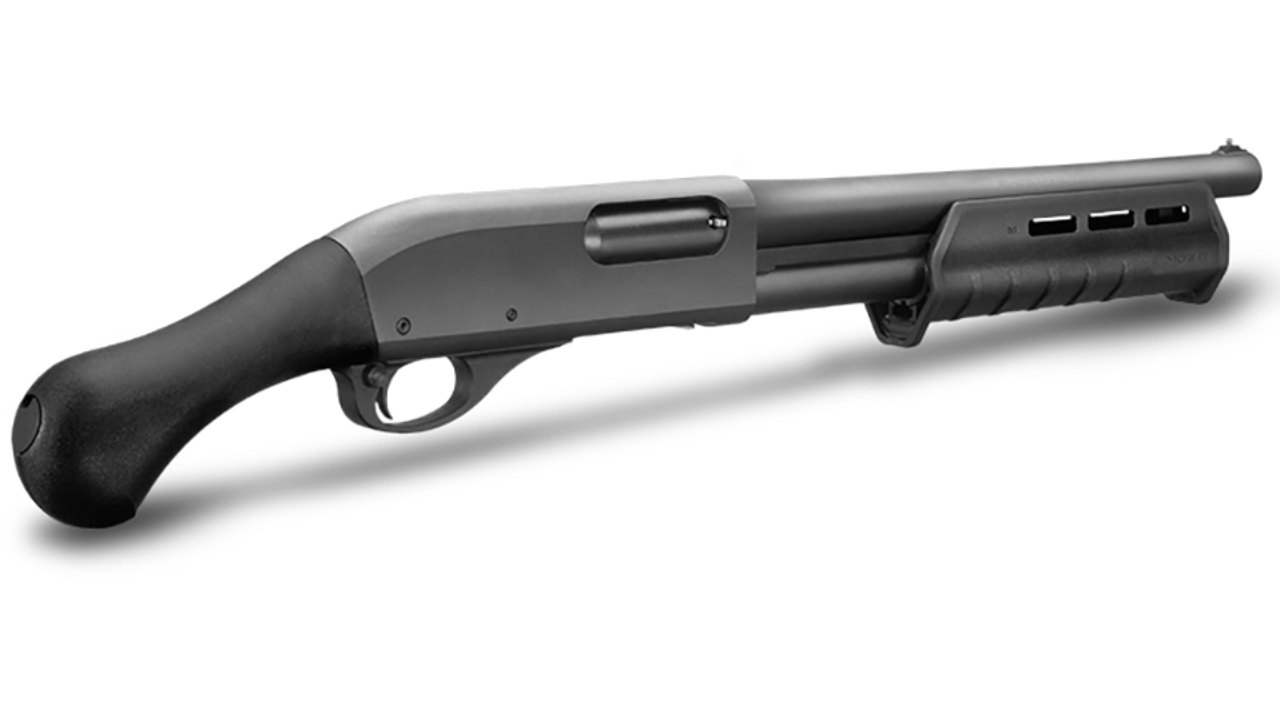
The Remington 870 has been around long enough that just about every shotgun person has an opinion on it. Some grew up with an old Wingmaster that ran slick as glass. Some bought an 870 Express and had to fight rough chambers, sticky extraction, or cheap-feeling parts. Others still trust the platform because, when an 870 is right, it is one of the most useful pump shotguns ever made.
The problem is that the 870’s reputation covers a lot of different guns from a lot of different production eras. An older Wingmaster and a later Express can feel like completely different shotguns. The core design is still simple and proven, but the most common complaints are pretty consistent: failure to extract, weak ejection, feeding problems, shell latch issues, short-stroking, and rough chamber problems. The official 870 manual also points to the shell latches as part of the action assembly sequence, which matters because those little parts control a lot more of the feeding cycle than many owners realize.
Failure to Extract
Failure to extract is probably the most talked-about Remington 870 malfunction, especially on some 870 Express guns. The shotgun fires, but the spent hull stays stuck in the chamber. The shooter pulls back on the fore-end and either feels the action lock up hard or sees the extractor slip off the rim while the empty hull remains in place. That turns a pump shotgun into a single-shot until the hull gets knocked or pulled out.
A rough or dirty chamber is one of the big suspects. When a shotshell fires, the hull expands. If the chamber is rough, rusty, fouled, or still has machining marks, the hull can grip the chamber wall too tightly. Several 870 troubleshooting discussions point to rough chambers as a common cause of extraction trouble, especially when cheap shells make the problem worse. A worn or damaged extractor can also be involved, but on a lot of sticky 870s, the chamber is the first place to look.
Sticky Extraction With Cheap Shells
A related complaint is sticky extraction that only shows up with certain ammunition. The 870 may run better shells without much trouble, then start hanging up with cheap promotional loads, steel-based shells, or rough hulls. That can confuse owners because the shotgun seems fine one minute and terrible the next.
This does not mean the shells are always defective. It means the combination of rough chamber, heat, fouling, and lower-quality hulls can make extraction harder. Some owners report cleaning or polishing the chamber helped their 870 run more reliably with the same ammo. That is not a license to go attacking the chamber with a tool and no clue, but it is a fair reminder that a pump gun still needs a smooth, clean chamber to extract well. If the problem follows one brand of shells, ammo is part of the equation. If it happens across several loads, the chamber and extractor need real attention.
Weak or Inconsistent Ejection
Weak ejection is different from failure to extract. In this case, the hull comes out of the chamber, but it does not kick clear of the receiver cleanly. It may dribble out, stovepipe, bounce back into the action, or hang around long enough to interfere with the next pump stroke. That can make the shotgun feel sluggish even though the extractor did its job.
This problem can come from how the gun is being run, but it can also point to the ejector or ejector spring. A pump shotgun needs the action opened with enough speed for the hull to hit the ejector and leave the gun. If the shooter eases the fore-end back, ejection may be weak. But if it still ejects poorly with a hard pump stroke, the ejector system deserves inspection. 870-focused troubleshooting discussions correctly separate rough-chamber extraction problems from true ejection problems, because once the hull is out of the chamber, the chamber is no longer the thing kicking it from the receiver.
Broken or Loose Ejector
The Remington 870’s ejector is one of the parts that can create real headaches when it gets damaged. If the ejector or ejector spring is broken, loose, bent, or worn, the shotgun may extract shells but fail to throw them clear. That can lead to stovepipes, weak ejection, or empty hulls staying loose inside the receiver.
This is more annoying than some other 870 fixes because the ejector is not as simple as swapping a magazine spring. It is attached inside the receiver, and repair can be more involved than many owners expect. Parts references and 870 troubleshooting guides commonly list the ejector and ejector spring among the parts most likely to cause function trouble over time. If an 870 suddenly starts ejecting weakly after years of normal use, the ejector is one of the first parts I would want checked.
Failure to Feed From the Magazine Tube
The 870 can also fail to feed from the magazine tube. The shooter pumps the action, but the next shell does not release correctly, releases too late, or gets hung up before it reaches the carrier. Sometimes the gun closes on an empty chamber. Other times the shell gets trapped partway inside the receiver.
This usually points toward the magazine spring, follower, shell latches, debris in the magazine tube, or a shell-control part that is not moving correctly. The right and left shell latches are important in the 870’s feeding cycle, and the official manual references them during action-bar installation because they physically stop and release parts of the action as the gun is assembled. If one latch is displaced, worn, dirty, or out of position, the whole feed cycle can get weird fast.
Shell Latch Problems
Shell latch issues are a known Remington 870 headache. The shell latches control when shells leave the magazine tube. If one gets loose, bent, unstaked, dirty, or out of position, shells may fail to release, release at the wrong time, or feed at a bad angle. That can create anything from a simple failure to feed to a full-on jam inside the receiver.
This is one of those problems that can make the shotgun feel haunted because everything else may look fine. The chamber can be clean, the extractor can be sharp, and the ammo can be good, yet the gun still fails because the shell is not being released correctly. If an 870 repeatedly refuses to feed from the tube or lets shells escape out of order, the shell latches need to be inspected instead of just cleaning the barrel and hoping for the best.
Double-Feeds
A double-feed happens when more than one shell tries to enter the action at the same time. Instead of one shell coming out of the magazine tube and landing on the carrier, another shell follows it and ties up the receiver. That can lock the pump and leave the shooter digging shells out by hand.
On the Remington 870, double-feeds usually point back to shell latch trouble. The latch system is supposed to release shells one at a time. If those parts are worn, loose, dirty, or not staked properly, the shotgun can lose control of the shell stack. This is not the most common 870 problem for a healthy gun, but once it starts happening, it is not something to ignore. A pump shotgun depends on shell timing just as much as a semi-auto does.
Short-Stroking the Pump
Short-stroking is always worth mentioning with pump shotguns, and the 870 is no exception. It happens when the shooter does not pull the fore-end fully rearward and push it fully forward. The gun may fail to eject the spent hull, fail to pick up the next shell, or stop with the shell halfway into the chamber.
The 870 is a simple gun, but it still has to be run with a complete pump stroke. New shooters sometimes baby the action, especially if the gun is stiff, new, or has a heavy load in it. Under stress, short-stroking gets more likely because people rush the motion and never actually finish it. If the shotgun runs fine when cycled hard but chokes when shot fast, technique is probably part of the problem. A pump gun does not care how much experience someone claims to have. It rewards a full stroke and punishes a lazy one.
Rough Action or Binding
Some 870s, especially rougher Express-era guns, can feel gritty or stiff when cycling. The fore-end may drag, the bolt may feel rough, or the action may bind slightly as it moves. This is not always a malfunction by itself, but it can make other problems worse. A rough action encourages short-stroking, slows ejection, and makes the gun feel less dependable than it should.
The cause can be dirt, lack of lubrication, rough internal surfaces, worn action bars, or parts that are not fitted as cleanly as they should be. Older Wingmasters often feel smoother because they were finished better and have had years of use to wear in. A rough 870 can still work, but if it feels like the action is fighting you, it deserves a closer look. Smooth cycling matters on a pump shotgun because the shooter is the operating system.
Like The Avid Outdoorsman’s content? Subscribe to our newsletter so you never miss an article.
Here’s more from us: