Photo credit: MykolaMoriev/Shutterstock.com
Public land hunting has its own set of rules, and not all of them are written on a sign at the parking area. Some are legal rules. Some are safety rules. Some are basic respect rules that every decent hunter learns sooner or later. You can technically be allowed to do something and still make every other hunter around you think you don’t know how to handle yourself in the woods.
The public land mistake that makes other hunters lose respect fast is crowding someone who is already set up. It happens all the time. A hunter sees a good ridge, a promising funnel, a hot scrape line, or a section of timber that looks better than anything else he’s found. Then he notices another truck, another headlamp, another stand, or another hunter already working that area, and instead of backing off, he pushes in anyway. That one move tells people plenty.
Public land does not mean you should crowd people
Yes, public land belongs to everybody. That is the line people love to use when they want to justify poor manners. Legally, you may have every right to walk into the same general area as another hunter. But having the right to be there does not mean you are making a good call.
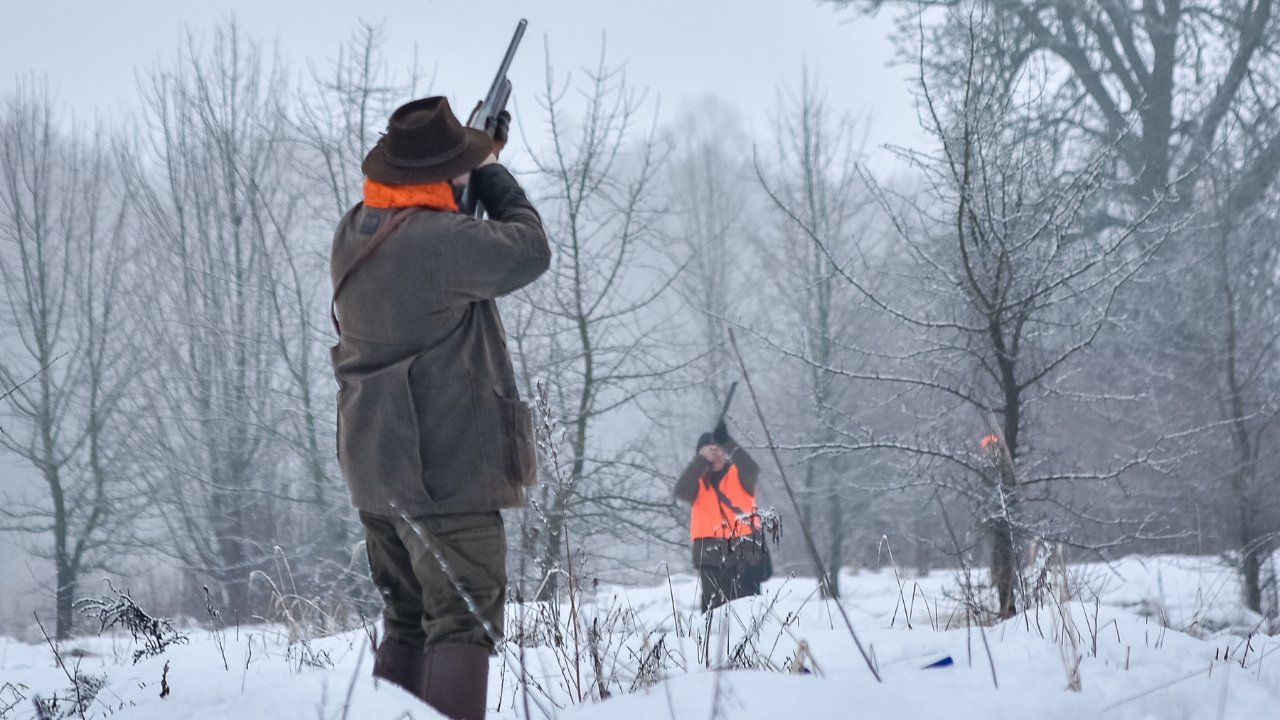
When another hunter beat you to a spot, the respectful move is to give him room. That does not mean the whole property is off-limits. It means you don’t set up on top of him, cut across his shooting lane, walk through the bedding cover he is watching, or sit so close that both of you are now hunting the same animal movement. Public land works better when people understand that shared access still requires judgment.
Other hunters notice how you handle pressure
Opening weekend, cold fronts, rut activity, and limited access can make hunters feel desperate. Everybody wants the best spot. Everybody thinks they scouted hard. Everybody believes their plan matters. That pressure reveals a lot about a person. Some hunters adapt. Others force their way in and act like the woods owe them something.
The hunters who earn respect are the ones who can adjust without throwing a fit. If a truck is already parked where you planned to enter, go to your backup spot. If someone is already sitting near the tree you marked, move. If you bump into another hunter before daylight, talk quietly and figure out space. The guy who refuses to adapt is usually the guy other hunters remember for the wrong reasons.
Walking through someone’s setup burns more than your own hunt
One of the fastest ways to make another hunter mad is marching straight through the area he is watching. Maybe you don’t see him at first. That can happen. But once you realize someone is set up, continuing through his lane, trail, or funnel is a bad look. You may not be breaking a law, but you are probably ruining his morning.
Scent, noise, and movement matter. If you walk through the cover another hunter is carefully watching, you may blow deer out, shift movement, or make mature animals avoid the area. On public land, nobody owns a trail or ridge. But every hunter understands what it feels like to have a setup wrecked by someone who could have simply backed out and gone around.
Claiming “I found it too” does not fix the problem
A lot of public land arguments start with both hunters saying the same thing: “I scouted this spot.” That may be true. Two people can absolutely find the same pinch point, bedding edge, bench, saddle, or creek crossing. Good spots are good spots, and they tend to stand out to anyone who knows what they’re looking at.
But finding a spot does not give you ownership of it. If someone gets there first, that matters. You can be frustrated, but you still have to make a choice. Do you crowd him and ruin the mood for both of you, or do you move and hunt like someone who came prepared? Respect on public land often comes down to what you do when Plan A is already taken.
Trail cameras and stands do not reserve public ground
Finding someone’s trail camera, blind, or stand does not mean the whole area is off-limits forever. Public land is still public land. But it should tell you someone else is actively hunting or scouting that spot, and that information should factor into your decision.
The disrespectful move is seeing obvious sign of another hunter and deciding to set up right beside it anyway. Worse yet is messing with their gear, turning their camera, checking their stand, or using their setup as your own landmark. Don’t touch what isn’t yours. Don’t assume abandoned gear is yours to use. If the area feels too crowded, move on. That is part of public land hunting.
Getting loud makes you look worse
When a public land overlap happens, volume matters. A calm conversation can solve a lot. A loud argument ruins the woods for both hunters and everyone nearby. If you walk in on another hunter and he lets you know he’s there, don’t get defensive and start barking about your rights.
A simple “Sorry, didn’t see you” goes a long way. Back out quietly and find another route. If there is enough distance to both hunt safely and respectfully, talk it through quickly and quietly. If not, move. Hunters judge each other by how they handle uncomfortable moments. Losing your temper because someone else got there first makes you look worse than the original mistake.
Don’t use public land as an excuse for poor ethics
There is a difference between legal access and good hunting ethics. Public land gives you the chance to hunt ground you don’t personally own. That is a privilege worth protecting. When hunters crowd each other, cut each other off, steal spots, mess with gear, or act like every acre is a competition, they make public hunting worse for everyone.
Good ethics means thinking beyond what you can get away with. It means asking whether your decision is safe, fair, and respectful. You may legally be able to sit 80 yards from another hunter in some places, but that does not make it smart. If your presence is likely to ruin both hunts, you are not being strategic. You are being stubborn.
Have backup spots ready before the season starts
The hunters who crowd people usually have one problem in common: they don’t have enough options. They found one good-looking area and built their whole plan around it. When someone else is already there, they panic. Instead of adapting, they shove in and hope it works.
That is poor planning. On public land, you need several spots for different winds, pressure levels, access points, and times of day. Some should be obvious. Some should be ugly little overlooked places that most hunters walk past. If your backup plan is solid, you won’t feel forced to crowd another hunter. You’ll just move and keep hunting.
Respect goes both ways
The hunter who gets there first should still handle things right. Being first does not give you the right to threaten people, scream at them, or act like you own the whole property. If someone accidentally walks in, make your presence known and give them a chance to leave without turning it into a fight.
Public land respect cuts both directions. Don’t crowd someone else, and don’t act like a king when someone stumbles into your area. Most hunters are not trying to ruin your day. A lot of conflicts come from confusion, darkness, bad maps, or crowded access. Handle it calmly, and there is a good chance both sides can walk away without hard feelings.
Your reputation follows you more than you think
Public land can feel anonymous, but hunters remember trucks, faces, stands, cameras, and bad behavior. If you are the guy who crowds people, walks through setups, argues in the dark, or messes with gear, word gets around. Maybe not everywhere, but enough. Local hunters notice patterns.
The opposite is true too. If you give people space, back out when you make a mistake, help when someone needs it, and hunt with some respect, people remember that as well. You do not need to be best friends with everyone in the parking lot. But you also don’t want to be the hunter everyone hopes they don’t run into.
Public land hunting is already hard. Pressure, weather, access, and animal movement are enough to deal with. Don’t add unnecessary conflict by crowding someone who beat you to a spot. Give people room, carry backup plans, and hunt like your name is attached to your behavior. Because in a lot of places, it is.
Like The Avid Outdoorsman’s content? Be sure to follow us.
Here’s more from us: