Photo credit: Amazon
When you depend on a fixed blade in the field, failure isn’t an option. The wrong knife can slow you down, ruin meat, or even put you in a dangerous spot. Some models might look impressive online or on a store shelf, but when it comes to edge retention, steel quality, or handle comfort, they fall short. If you want something you can truly count on, steer clear of these fixed blades that have earned a reputation for letting hunters down when it matters most.
Gerber Gator Fixed Blade

The Gerber Gator’s handle feels great at first, but its 420HC steel in this model is softer than what you’ll find on better hunting knives. It takes an edge quickly, but it doesn’t hold it long when you’re skinning or breaking down an animal. On top of that, the rubberized grip can get slick if it’s wet, which is a real problem when you’re deep in a job. It’s fine for light camp chores, but it’s not the kind of blade you want for a big hunt.
Buck Omni Hunter
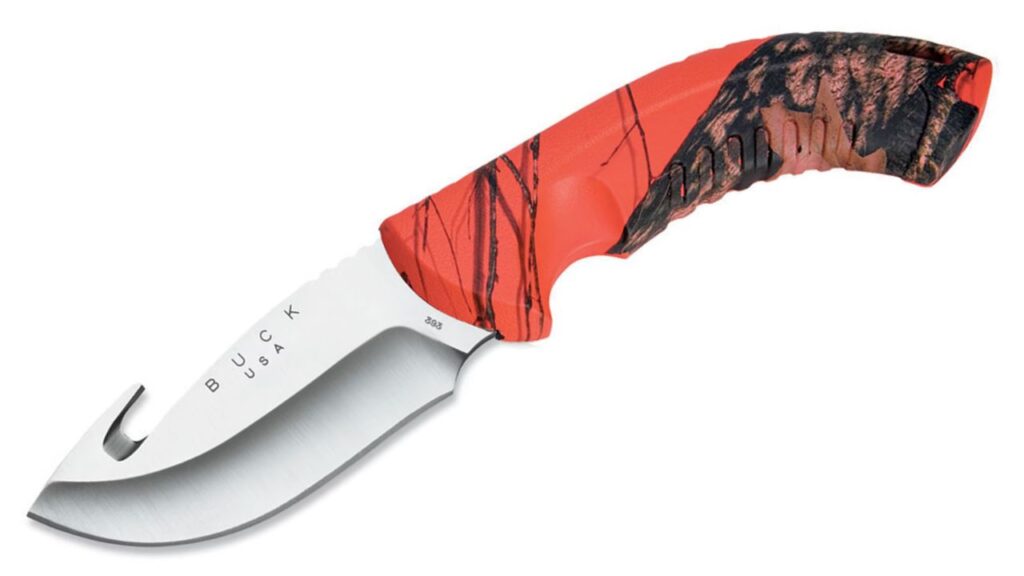
The Buck Omni Hunter has a nice size and shape for field dressing, but the hollow grind and softer 420HC steel mean you’ll be sharpening more often than you’d like. The handle can also feel too rounded, making it harder to keep a secure grip during messy work. It’s an affordable option for casual use, but for hunters who expect one knife to do it all in the field, this one doesn’t quite keep up with tougher, sharper competitors.
Cold Steel Canadian Belt Knife
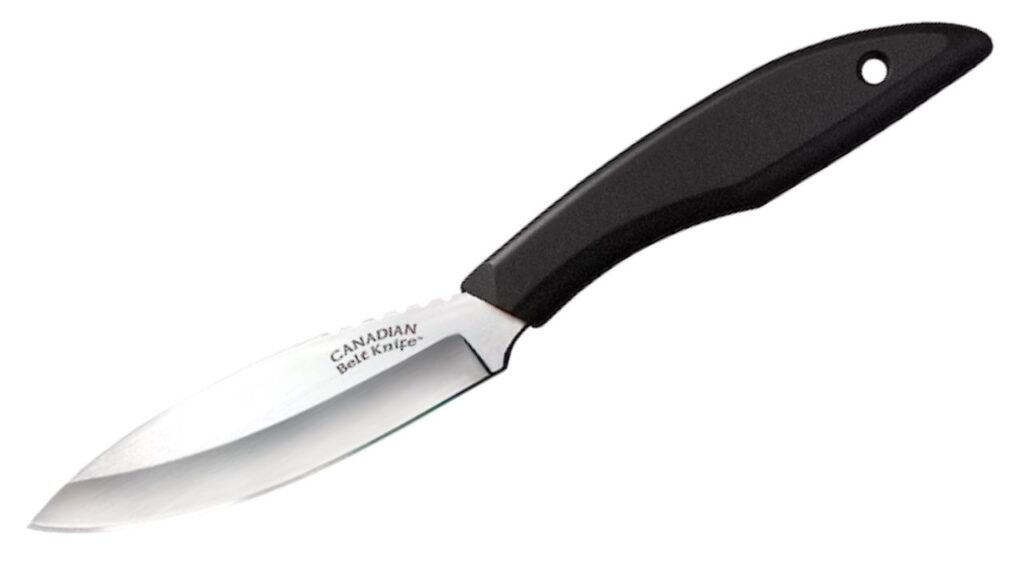
The Cold Steel Canadian Belt Knife is marketed as a versatile field tool, but its 4116 stainless steel just doesn’t hold an edge long under real hunting conditions. The handle design, while traditional, lacks the control you need when precision cutting around hide and meat. It works fine for camp cooking or light cutting, but serious hunters tend to leave this one behind in favor of something with better steel and ergonomics.
SOG Field Knife
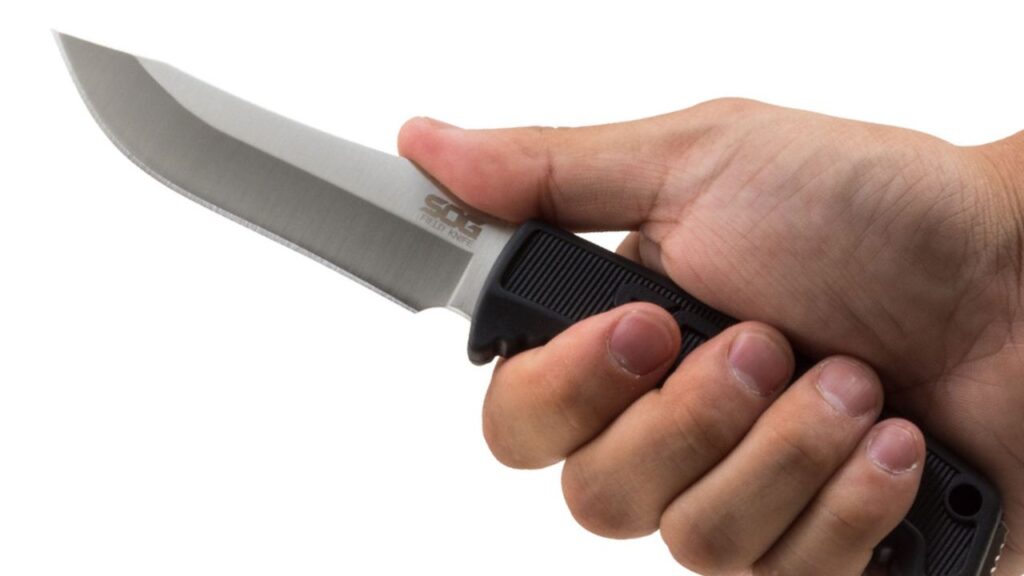
The SOG Field Knife looks the part, but its 7Cr17MoV steel is known for losing sharpness quickly. While it’s easy to re-sharpen, that doesn’t make up for how often you’ll have to do it. The sheath also feels like an afterthought, and retention can be an issue if you’re moving through thick brush. For occasional use, it’s serviceable, but if you plan to rely on it for field dressing multiple animals, you’ll be fighting the edge far too soon.
Morakniv Companion Heavy Duty
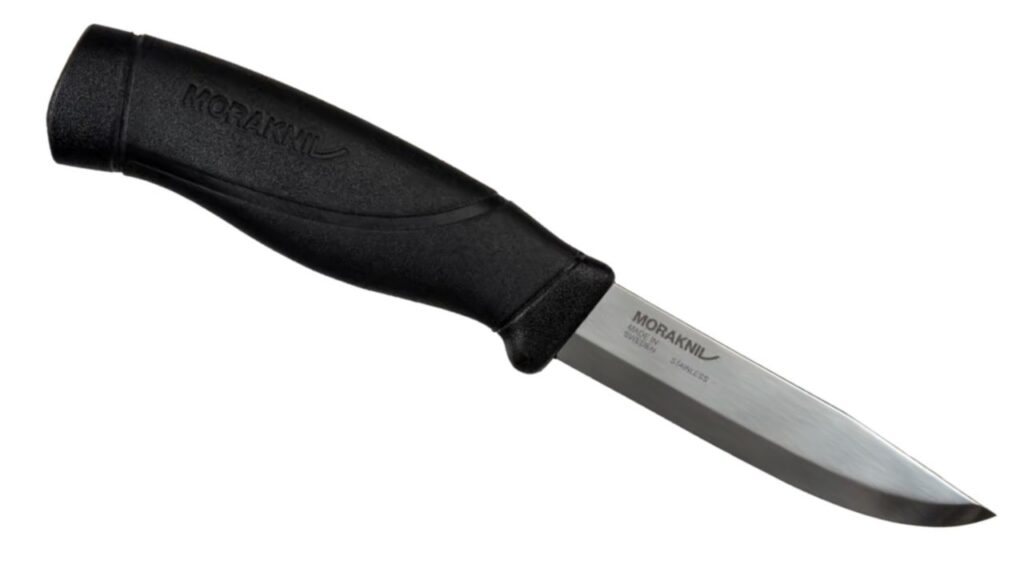
The Morakniv Companion Heavy Duty is popular for bushcraft, but it’s not the best pick for hunters tackling big game. Its carbon steel takes a great edge, but the scandi grind isn’t ideal for skinning or fine meat work. The plastic handle and sheath are durable but not designed for quick, efficient field dressing. While it’s a fantastic budget bush tool, most hunters eventually move to something built specifically for processing animals.
Old Timer Sharpfinger
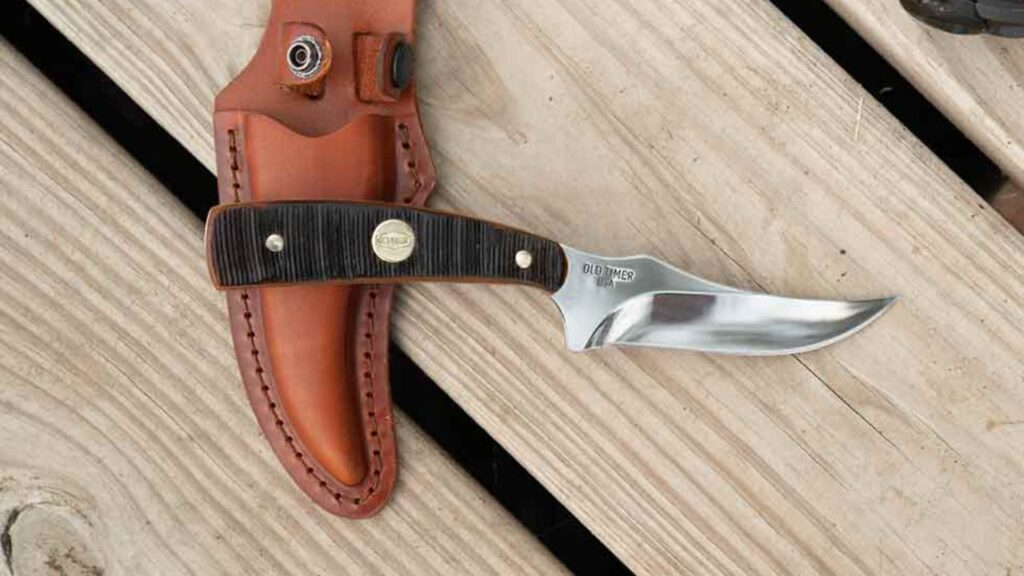
The Old Timer Sharpfinger has a nostalgic design, but its 7Cr17 steel is too soft for serious hunting use. You’ll notice it dulling quickly if you’re cutting through hide and meat for any extended period. The small handle also limits control when wearing gloves, which is a big drawback in cold weather. It’s fine for light chores or as a backup, but it’s not the best choice as your primary hunting knife.
Schrade Frontier 24
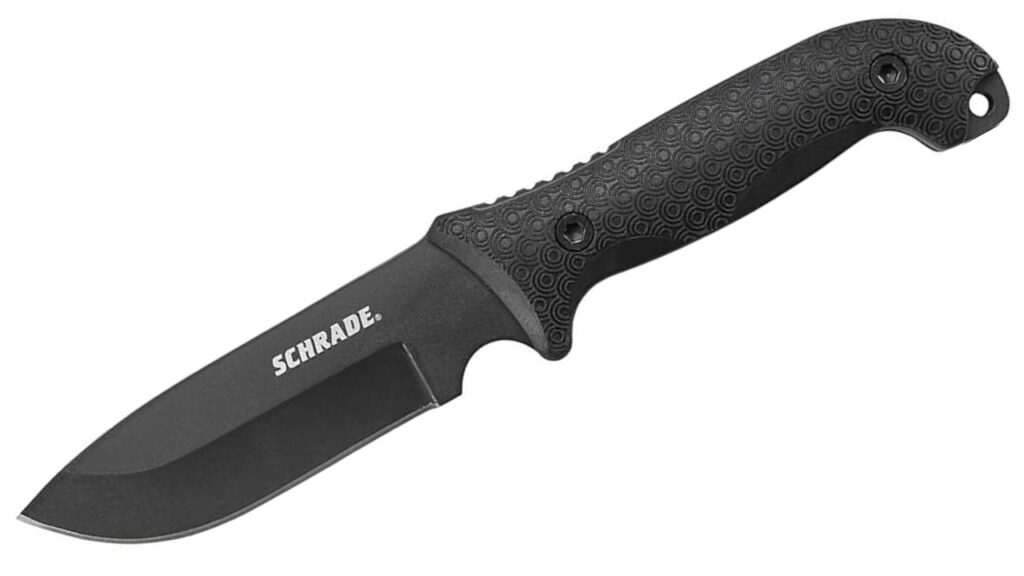
The Schrade Frontier 24 is big and feels solid in hand, but its 8Cr13MoV stainless steel doesn’t match the performance of higher-end steels in edge retention. The thick blade can also make it clumsy for precise cutting, which slows you down in the field. While it looks like it could handle anything, the reality is that hunters often find themselves fighting the blade instead of working with it.
CRKT Mossback Hunter
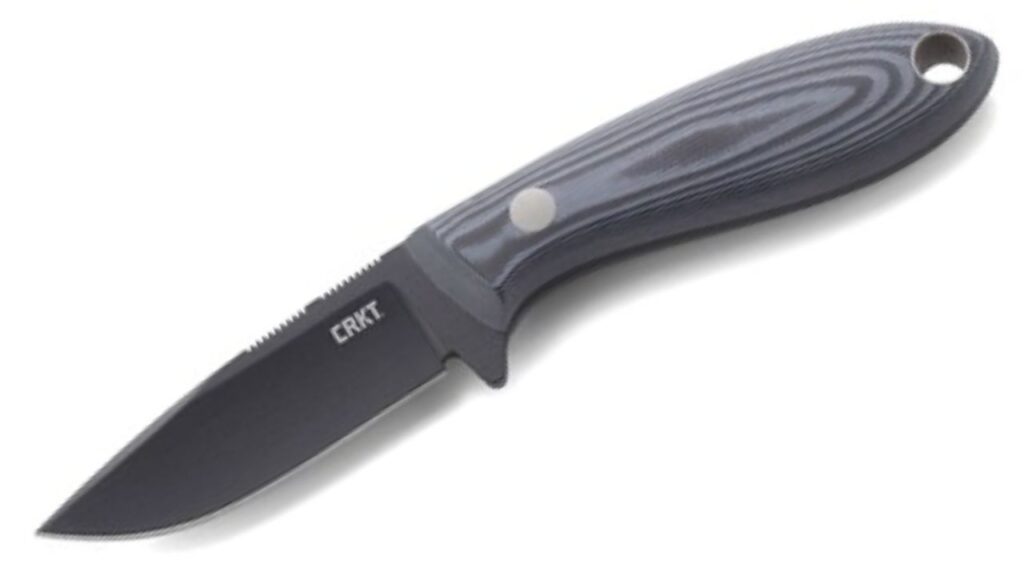
The CRKT Mossback Hunter has a comfortable shape and a manageable size, but the SK5 carbon steel it uses is prone to rust if you don’t stay on top of maintenance. It also doesn’t hold an edge as long as higher-end steels, especially in wet conditions. The sheath’s retention isn’t the most secure either, which can be a concern when moving through brush or packing gear.
Ka-Bar Little Finn
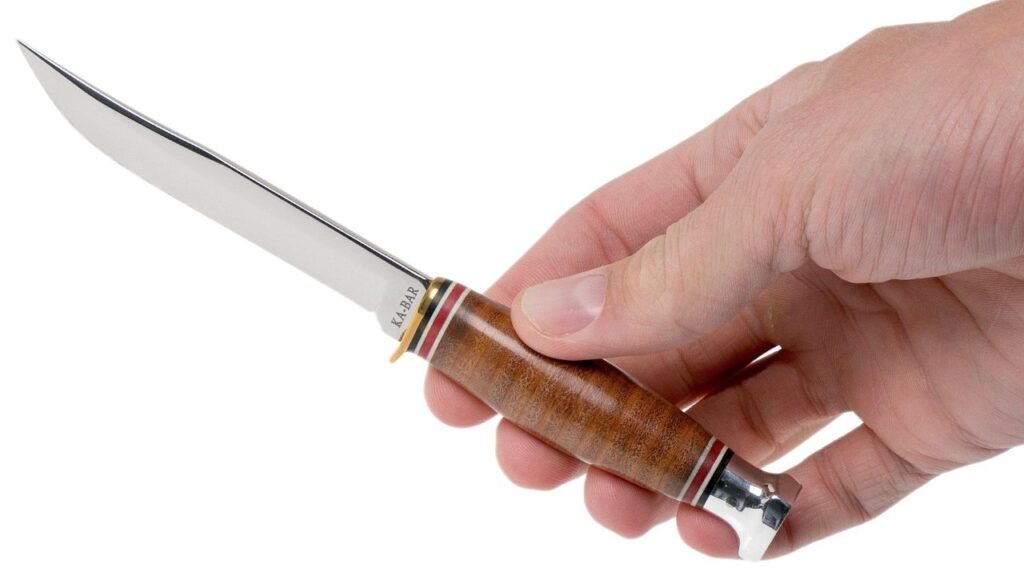
The Ka-Bar Little Finn is a classic, but its thin blade and 3Cr13 stainless steel aren’t suited for heavy processing work. The steel dulls quickly, and while the knife is lightweight, the narrow handle can be fatiguing during longer jobs. It’s more of a light-duty skinning knife for small game than a true all-around hunting knife. Serious hunters usually keep it as a nostalgic backup rather than a primary tool.
Elk Ridge ER-059
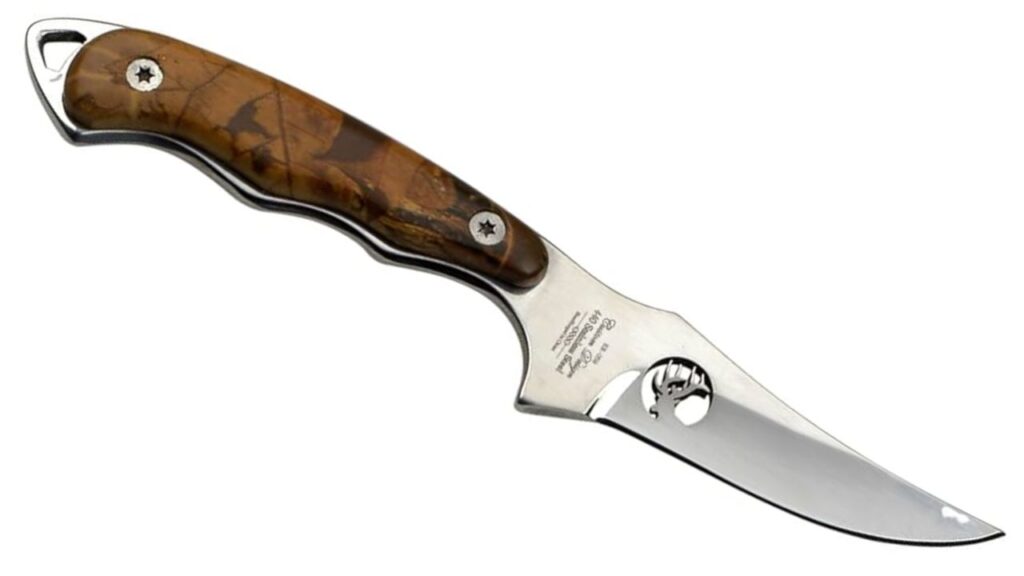
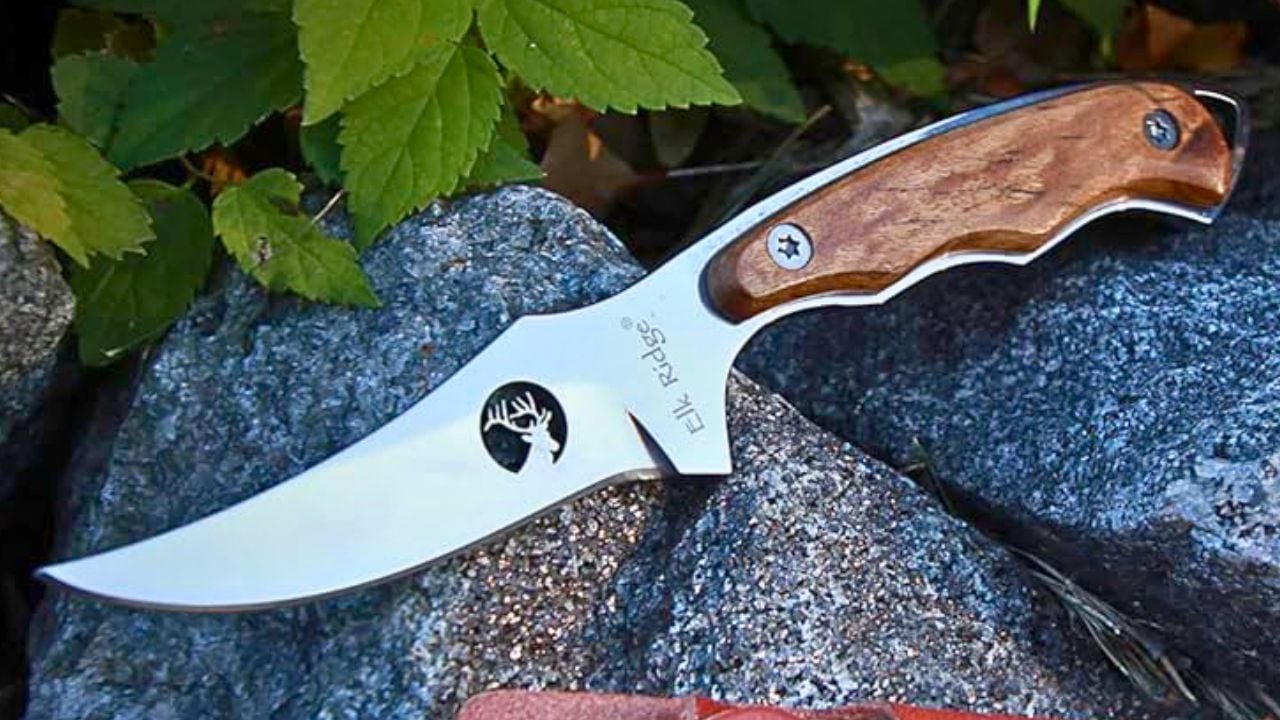
The Elk Ridge ER-059 looks like a hunting knife, but its 3Cr13 stainless steel offers poor edge retention. The blade will get through a few basic cuts before it starts to drag. The handle scales can also loosen over time, which isn’t something you want happening mid-hunt. While it’s inexpensive, the performance reflects the price, and hunters looking for a reliable field companion often move on quickly.
*This article was developed with AI-powered tools and has been carefully reviewed by our editors.