
Photo credit: Blade HQ Shorts/Youtube
A folding knife earns its keep when it’s dirty, wet, gritty, and you’re still leaning on it because it’s the only blade you’ve got on you. That’s when the weak stuff shows up fast: soft steel that rolls, locks that get sketchy, pivots that grind, and scales that turn slick when your hands are cold or sweaty. The knives below aren’t “safe queens.” They’re folders that have a reputation for staying tight, staying sharp long enough to matter, and still opening and locking like they’re supposed to after you’ve actually put them to work.
Spyderco Para Military 2

The PM2 has been a hard-use benchmark for a long time because it’s built around a simple idea: give people a strong blade shape, a dependable lock, and ergonomics that still work when your hand isn’t perfectly placed. The compression lock is one of the better options for real use because it’s strong and keeps your fingers out of the path when you close it, even when you’re tired and moving fast. The handle gives you room to choke up and keep control without feeling like you’re pinching a tiny knife.
In the field, this knife tends to keep doing the basics well. It cuts without feeling delicate, it doesn’t feel like it’s going to twist out of your grip, and it’s easy to maintain. It’s also a folder that handles dirty work better than many people expect because the overall design isn’t trying to be fancy. It’s a practical work shape with a lock that holds up, and that’s why it keeps showing up in “this is the one I actually carry” conversations.
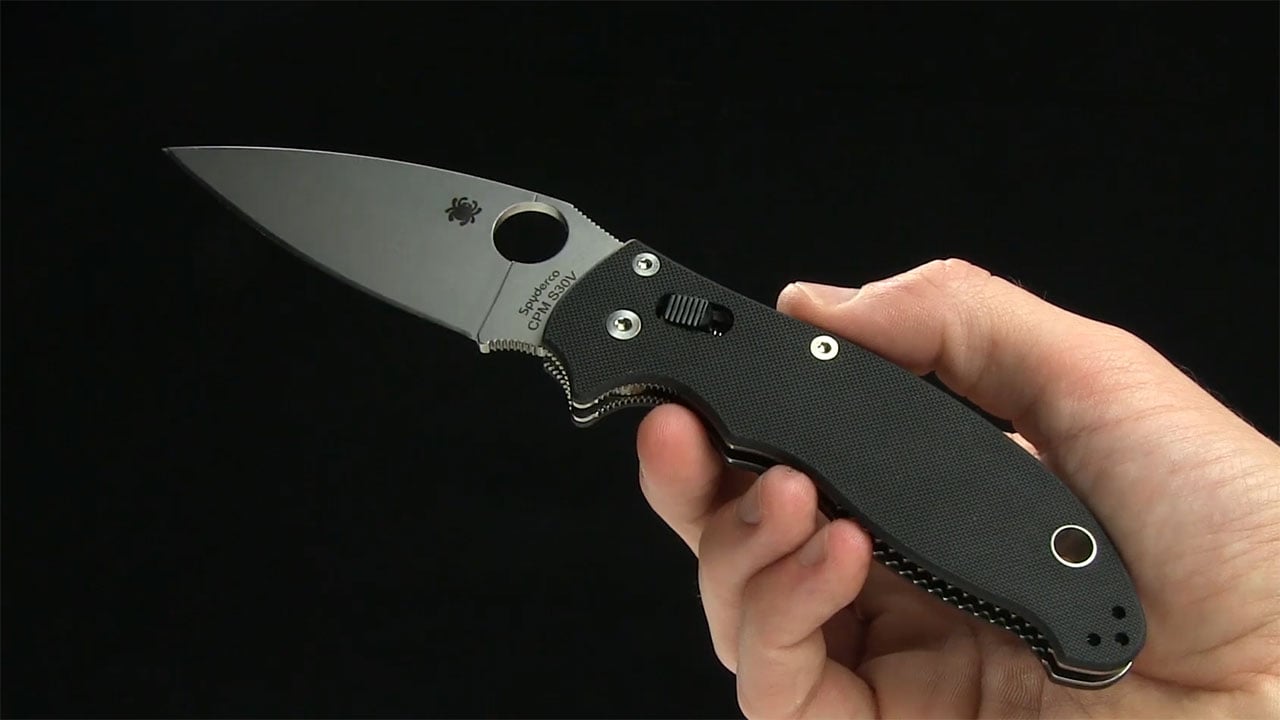
Spyderco Manix 2

The Manix 2 is a workhorse folder for people who want a stout feel without jumping into oversized, awkward carry territory. The ball-bearing lock (Spyderco’s version of it) is strong, simple to operate, and tends to be forgiving when the knife gets grit in it. That’s a big deal because many folders feel great until you’ve got dirt and pocket lint grinding into the pivot, then everything gets stiff and annoying. The Manix design also gives you a lot of grip security without needing aggressive texture that chews up your pocket.
What makes it a real “abuse” folder is how stable it feels in the hand. When you’re cutting tough material or you’re doing repetitive work—zip ties, cordage, feed bags, field dressing tasks—the knife doesn’t feel like it’s trying to walk around. You get control, leverage, and a lock that’s not constantly asking for attention. If you want a folder that acts more like a small fixed blade in use, this one belongs in the conversation.
Benchmade Griptilian
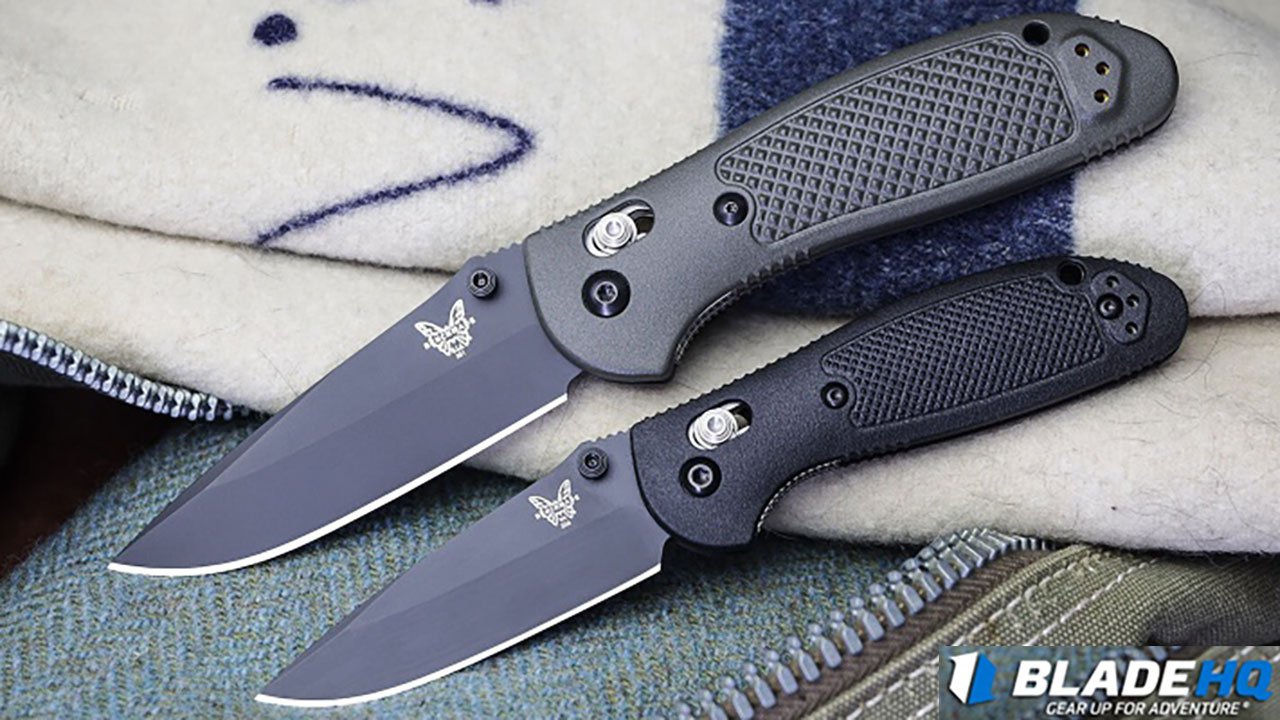
The Griptilian is popular for a reason: it’s simple, comfortable, and it’s hard to truly hate. The blade shapes are practical, the handle fills the hand well, and the axis-style lock (on Benchmades that are still running correctly) is easy to use with cold hands or gloves. For field abuse, it’s not about the “cool factor.” It’s about how often the knife gets carried and how rarely it gives you a reason to baby it. It feels like a tool, not a pocket trophy.
The Griptilian also holds up because it doesn’t overcomplicate things. You can clean it, you can sharpen it, and you can keep it going without a lot of fuss. In real use—barn work, deer camp, fishing trips, general property chores—it tends to keep its feel and keep its lockup decent. If you’re the kind of person who wants one folding knife that does normal life and outdoor life without drama, this is one of the safer bets.
Benchmade Bugout
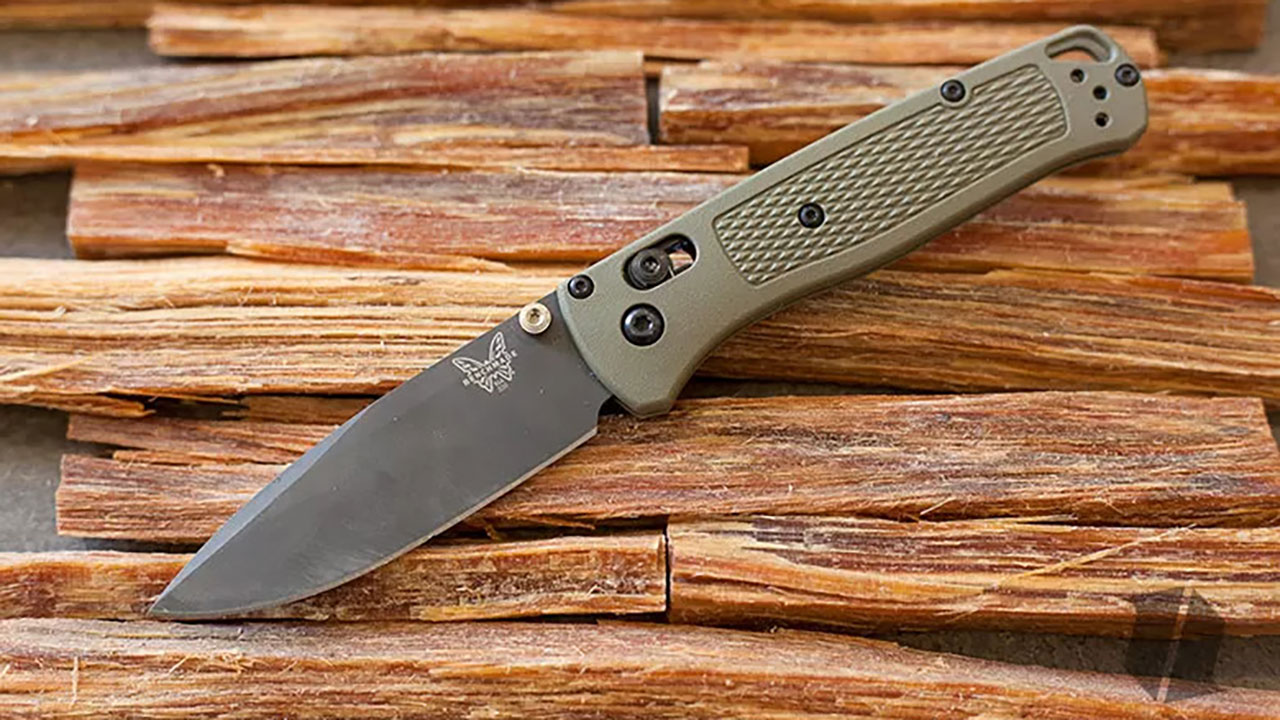
People argue about the Bugout because it’s light and it doesn’t feel like a brick, but that’s exactly why it gets abused in real life. If a knife disappears in your pocket, you actually carry it, and if you carry it every day, it ends up doing everything from food prep to cutting rope to cleaning up random jobs that weren’t planned. The lock is easy to operate, and the blade geometry is efficient, which means it cuts well without needing you to muscle it like a pry bar.
The key with the Bugout is using it like a cutting tool, not like a screwdriver. When you do that, it holds up better than people expect. It’s also a knife that’s easy to maintain in the field: touch up the edge, rinse it off, keep moving. It’s not the heaviest-duty folder on this list, but it’s one of the best examples of a knife that survives “real life abuse” because it’s always there and still performs when you’re not treating it gently.
Zero Tolerance 0350

ZT makes knives that feel like they’re built for people who don’t want to worry about flex or flimsy hardware, and the 0350 fits that. It’s thick, solid, and it carries like a work knife. The lockup is strong, the handle gives you a secure purchase, and the overall build is meant to take hard cutting without feeling like it’s going to loosen up the first time you twist the blade in cardboard or heavy strap. This is the type of folder people reach for when they know the day is going to be rough.
In the field, the 0350 tends to do best when you’re cutting tough material repeatedly—rope, webbing, heavy packaging, and general camp tasks. It’s not the thinnest slicer, but it’s reliable under pressure, and reliability is the whole point here. If you like a folder that feels like it could survive getting dropped in the dirt, rinsed off, and put right back to work, ZT built this kind of knife for you.
Cold Steel Recon 1

Cold Steel has always leaned into overbuilt lock strength, and the Recon 1 is a big reason people trust them for hard use. The Tri-Ad style lock is known for taking punishment, and that matters when you’re doing real work and you don’t want to think about whether your lock is going to slip. The blade shapes are practical, and the handle gives you a secure grip without forcing your hand into one position. It’s a knife that feels ready for ugly tasks.
Where the Recon 1 earns its reputation is that it keeps functioning even when it’s not clean. Mud, sweat, pocket grit—none of that is ideal, but the knife tends to keep opening and locking with less drama than many “nice” folders. It’s also a knife you can lean on a little harder without feeling like you’re abusing something delicate. If you want a tough folder and you don’t care about impressing anyone, this is a dependable choice.
Cold Steel American Lawman

The American Lawman is basically a more carry-friendly version of the same “built to hold up” idea. It still uses a lock design meant for strength, but it trims some bulk so it rides easier day to day. That matters because the knife that survives abuse is often the knife you actually have with you when the abuse shows up. It gives you a secure grip, a practical blade shape, and a build that doesn’t feel fragile when you’re cutting aggressively.
In real field use, it’s the kind of knife that handles gritty, unglamorous work without constant maintenance. Cutting wet rope, scraping gunk off gear, processing wood shavings, trimming material around camp—this is where the Lawman feels like it’s in its element. It’s not a flashy knife, and that’s a compliment. It feels like a tool that can take a beating and keep moving, which is the whole goal.
Hogue Deka

The Deka is one of those knives that surprises people because it’s light and still feels serious. Hogue’s build quality is often better than folks expect at the price, and the lock system is designed for quick, controlled one-hand use. The blade geometry tends to be efficient, meaning you’re not fighting a wedge when you’re cutting. In the field, efficient cutting matters because you’re not always in a perfect position to put your weight behind the knife.
What makes the Deka fit this list is how well it holds up when it’s used constantly. It’s the kind of knife that can be an everyday carry and still handle hunting camp chores without feeling like you need a second “hard use” blade. It cleans up easily, it sharpens without drama, and it tends to keep decent action even when it gets dirty. If you want a practical folder that punches above its weight, this one’s worth a look.
Kershaw Blur

The Blur has been around forever because it works. It’s not built as a collector piece; it’s built as a carry knife that gets used. The handle texture gives you traction, the shape sits well in the hand, and it’s the kind of knife people end up trusting because it’s been through enough pockets and enough jobs to prove itself. For field abuse, the value here is that you’re not scared to actually use it hard.
The Blur also does well in wet or messy conditions compared to a lot of smooth-handled knives. When your hands are sweaty, when it’s raining, when you’re working around fish slime or game processing, a little traction goes a long way. It’s not the most premium steel on earth depending on the version, but the knife’s overall “keep working” vibe is why it stays popular. It’s a realistic knife for realistic users.
Buck 110 Folding Hunter
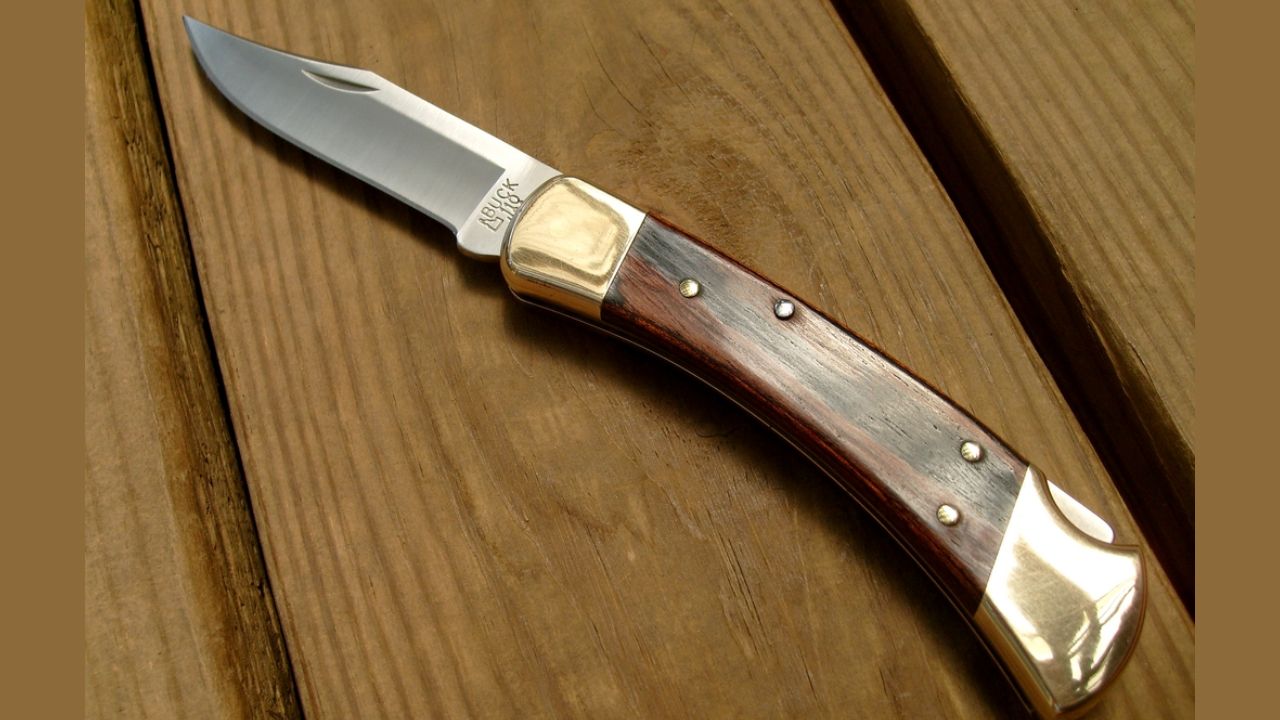
The Buck 110 is old-school for a reason: it’s been cutting for decades and it’s still doing the job. It’s not the fastest modern one-hand folder, but in terms of pure “field use and keep going,” it’s hard to argue with the track record. It’s strong, it feels solid in the hand, and it’s been used on everything from deer to camp chores to ranch work for generations. The lockback design is simple and dependable when it’s built right.
Where the 110 fits this list is durability and trust. It’s a knife people keep using because it isn’t fussy and it isn’t fragile. It takes sharpening well, it holds up to years of use, and it doesn’t feel like it’s going to fall apart because you actually used it. If you’re the type who likes a knife with real heritage that still performs today, the 110 is a classic that earns its place.
Buck 112 Ranger
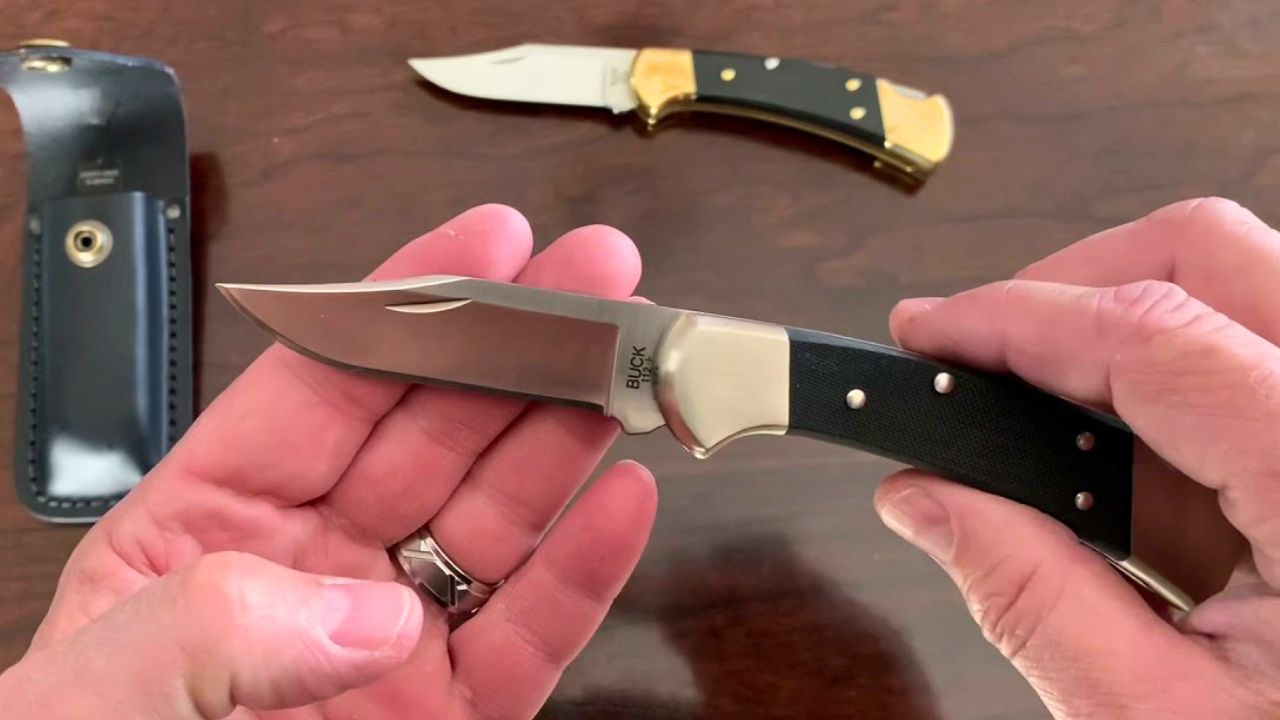
The 112 is basically the 110’s slightly more carry-friendly brother. Same vibe, same basic lockback simplicity, but in a size that rides a little easier for a lot of people. That matters because some folks love the 110 but don’t want that much knife in the pocket all day. The 112 gives you a solid, traditional folder that still feels capable in the field without being a boat anchor.
In use, it’s a steady performer: good control for cutting tasks, plenty of strength for normal hunting and camp chores, and a build that doesn’t feel disposable. The 112 is also the kind of knife that holds sentimental value for a lot of hunters because it’s been carried by dads and grandpas, then handed down. But even if you don’t care about that, it’s still a straightforward tool that keeps cutting when you stop treating your knife like it lives on a desk.
ESEE Avispa
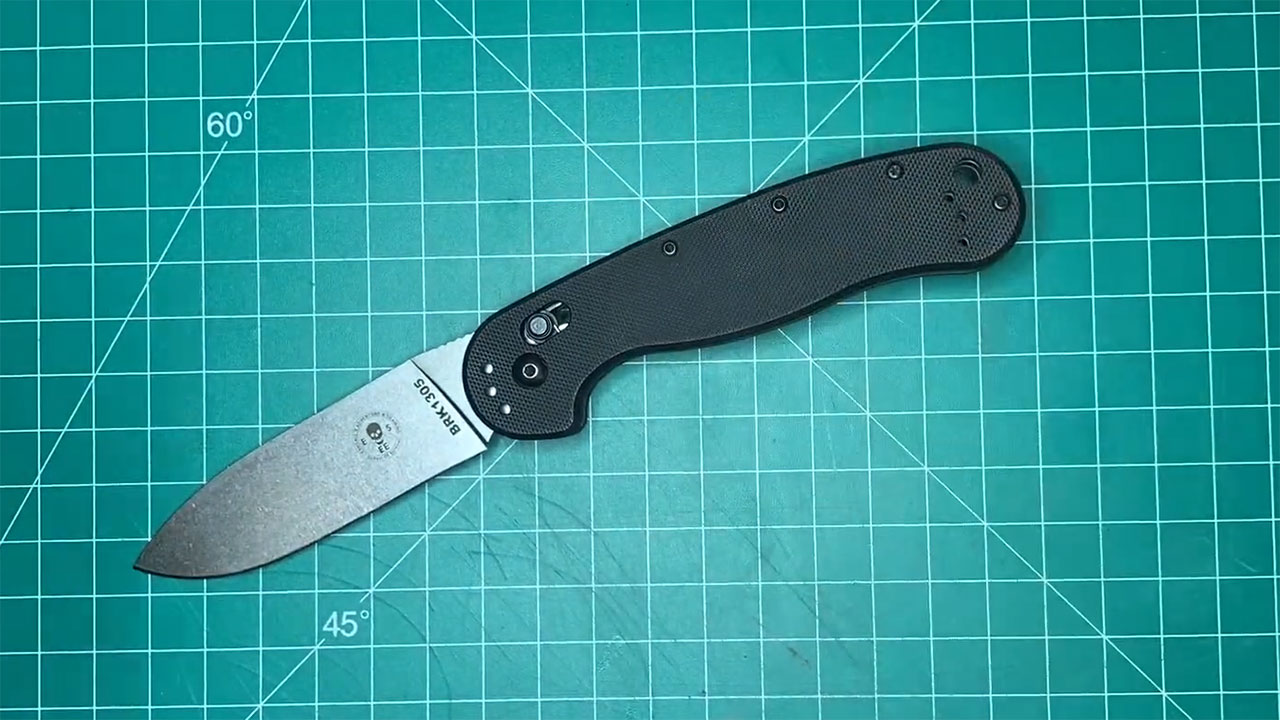
The Avispa is a budget-friendly folder that’s simple, tough, and not afraid of rough treatment. ESEE’s reputation comes from hard-use fixed blades, and while this is a folder, it carries that “built for use” mentality. It’s a no-nonsense design with solid ergonomics, and it’s a knife you can buy, carry, and use without constantly worrying about babying it. That’s a big deal if you actually work with your knives.
For field abuse, the Avispa shines as a “do the job and don’t complain” tool. It’s easy to touch up, it handles dirty work fine, and it’s the kind of knife you can loan to a buddy without expecting it to come back ruined. It’s not pretending to be high-end. It’s a practical folder for people who want a reliable cutter at a price that doesn’t make you wince when it gets scratched up.
Ontario RAT-1
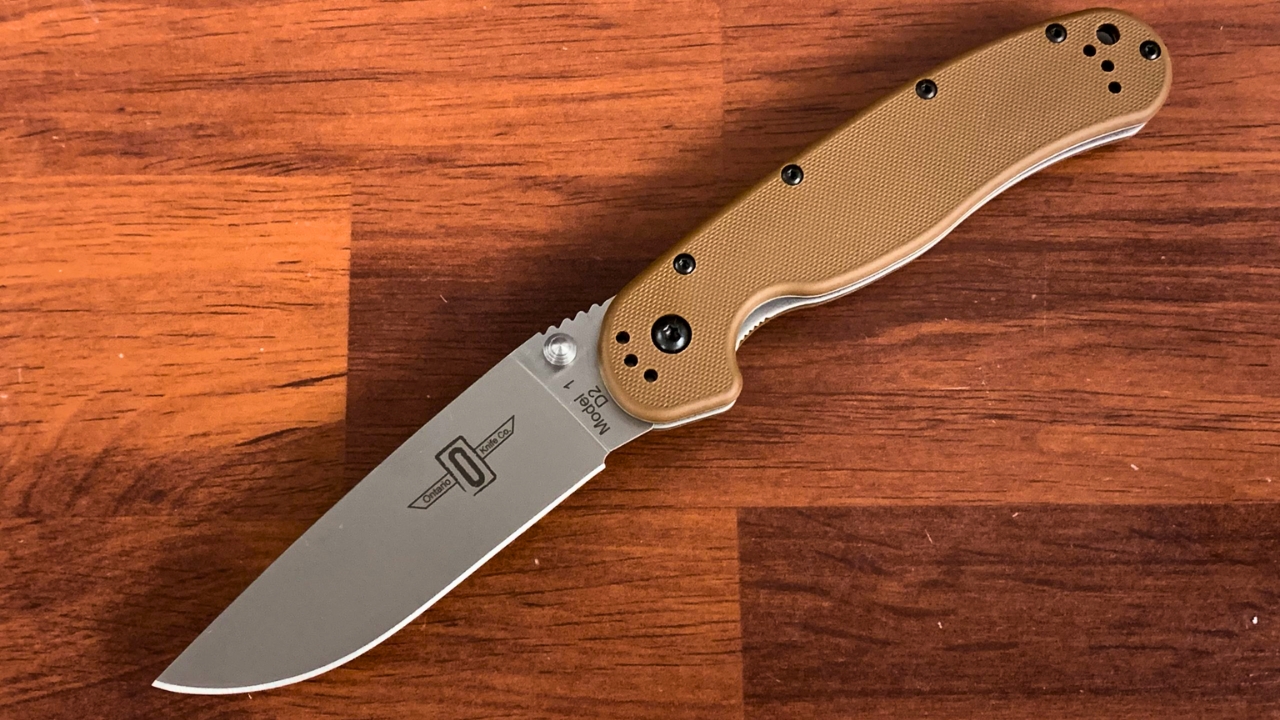
The RAT-1 is one of the most proven “real use” budget folders ever, and it’s earned that reputation over a lot of years. It’s comfortable, it gives you a solid grip, and it’s built in a way that holds up better than a lot of knives in its price bracket. The blade shape works for a wide range of tasks, and the knife doesn’t feel like it’s going to twist apart when you put pressure into a cut.
The reason it’s still around is because people actually use it and it survives. Camp chores, hunting chores, cutting rope, trimming kindling, breaking down boxes—this knife gets thrown into the mix without ceremony. It also sharpens easily, which matters if you’re not interested in babying a super-hard steel that’s a pain to maintain. If you want a folder you can beat up and not regret, the RAT-1 is a safe pick.
Spyderco Endura 4

The Endura 4 is a great example of a knife that’s light but still dependable, especially in ugly conditions. It carries easy, it gives you blade length without turning into a brick, and the ergonomics are solid when your hands aren’t perfect. The back lock design is straightforward and proven, and the overall knife tends to keep working even after it’s lived in pockets full of grit and been used in wet weather.
In field use, the Endura’s biggest strength is that it’s a high-efficiency cutter with enough grip to stay safe. It’s not trying to be a pry tool, but it doesn’t need to be. When you’re cutting cordage, trimming materials, breaking down feed bags, or doing camp food prep, it does the job cleanly. If you want a knife that rides light but doesn’t feel disposable, the Endura belongs on the list.
Chris Reeve Sebenza 31

The Sebenza is expensive, but it’s also one of the few “premium” folders that people actually beat on and still trust. The build quality is consistent, the lockup is solid, and the knife has a reputation for staying tight and smooth for a long time if you maintain it like a normal person. It’s not a fidget toy. It’s a precision-built tool, and that’s why so many working guys still carry one after years of hard use.
In the field, the Sebenza’s strength is that it doesn’t get weird. It doesn’t start feeling sloppy after a season, it doesn’t develop mystery play if you keep it clean, and it holds an edge in a way that feels dependable. You can strip it, clean it, and put it back together easily, which matters if you actually use your knives in dusty, wet, gritty places. It’s not for everyone, but if you want a folder that can be a lifetime tool, it’s a legitimate option.
Like The Avid Outdoorsman’s content? Subscribe to our newsletter so you never miss an article.
Here’s more from us:


