Photo credit: WHO_TEE_WHO/YouTube
A flinch doesn’t show up on opening day. It shows up in July, when the rifle is loud, the bench is hard, and you’re “confirming zero” while your brain starts bracing for the hit. Most of the time it isn’t weakness—it’s math. Too much recoil, too much blast, too little practice, and your body starts protecting you before your conscious mind even notices.
Some cartridges are repeat offenders. They’re powerful, and in the right rifle they’re absolutely manageable. But in the light hunting rigs people actually buy—thin pads, short barrels, no extra weight—they can turn range work into a punishment loop. If you find yourself blinking, dipping the muzzle, or rushing the shot, these are the calibers that often start that bad habit early.
.300 Winchester Magnum

The .300 Win Mag has probably created more preseason flinches than any other “common” hunting round. It’s everywhere, it’s effective, and it’s also a lot of recoil when it’s chambered in a seven-pound mountain rifle with a short barrel.
The problem isn’t only the shove. It’s the blast. A braked .300 can feel sharp to the face and ears, and an unbraked one can still hammer you off the bench. You can absolutely shoot it well, but it takes discipline—good hearing protection, good stock fit, and a real practice plan. If you only fire a box or two a year, this is the cartridge that teaches your trigger finger to hurry.
.300 Weatherby Magnum
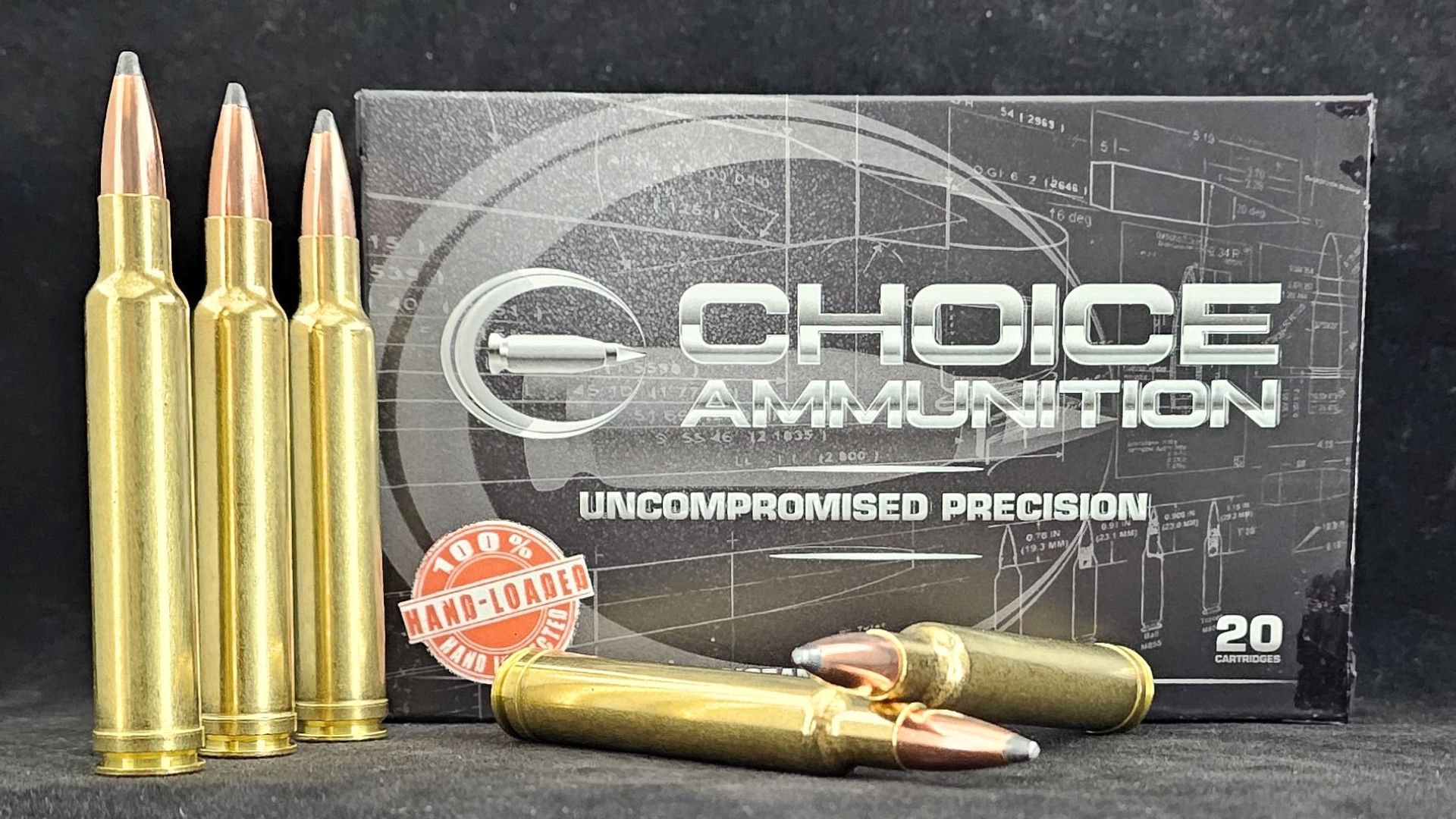
The .300 Weatherby brings speed, and speed comes with a price. Even in a well-built rifle, it has a punch that tends to stack up over a long range session. In lighter rifles, it can feel like the recoil starts before the shot breaks.
It also has a signature bark that makes people tense up, especially under a covered firing line. The flinch usually starts small: you begin to “help” the rifle by tightening your grip, then you start to yank the trigger at the last moment. If you love the cartridge, you’ll do best with a heavier rifle, a quality pad, and a pace that keeps you honest—because this one will punish sloppy range habits.
.300 PRC

The .300 PRC is built to push heavy bullets well, and that usually means more recoil than a lot of hunters expect. It’s not a cartoonishly brutal round, but it’s strong enough that a steady diet from the bench can turn practice into a chore.
The sneaky part is how many .300 PRC rifles are set up like precision rigs in theory, then carried like mountain rifles in reality. Short barrels and lighter stocks can turn the blast sharp, and the recoil starts to feel abrupt. It’s a cartridge that rewards technique, but it also punishes lazy trigger work. If your groups open up as the session goes on, it may not be the rifle—it may be the cartridge wearing you down.
.28 Nosler
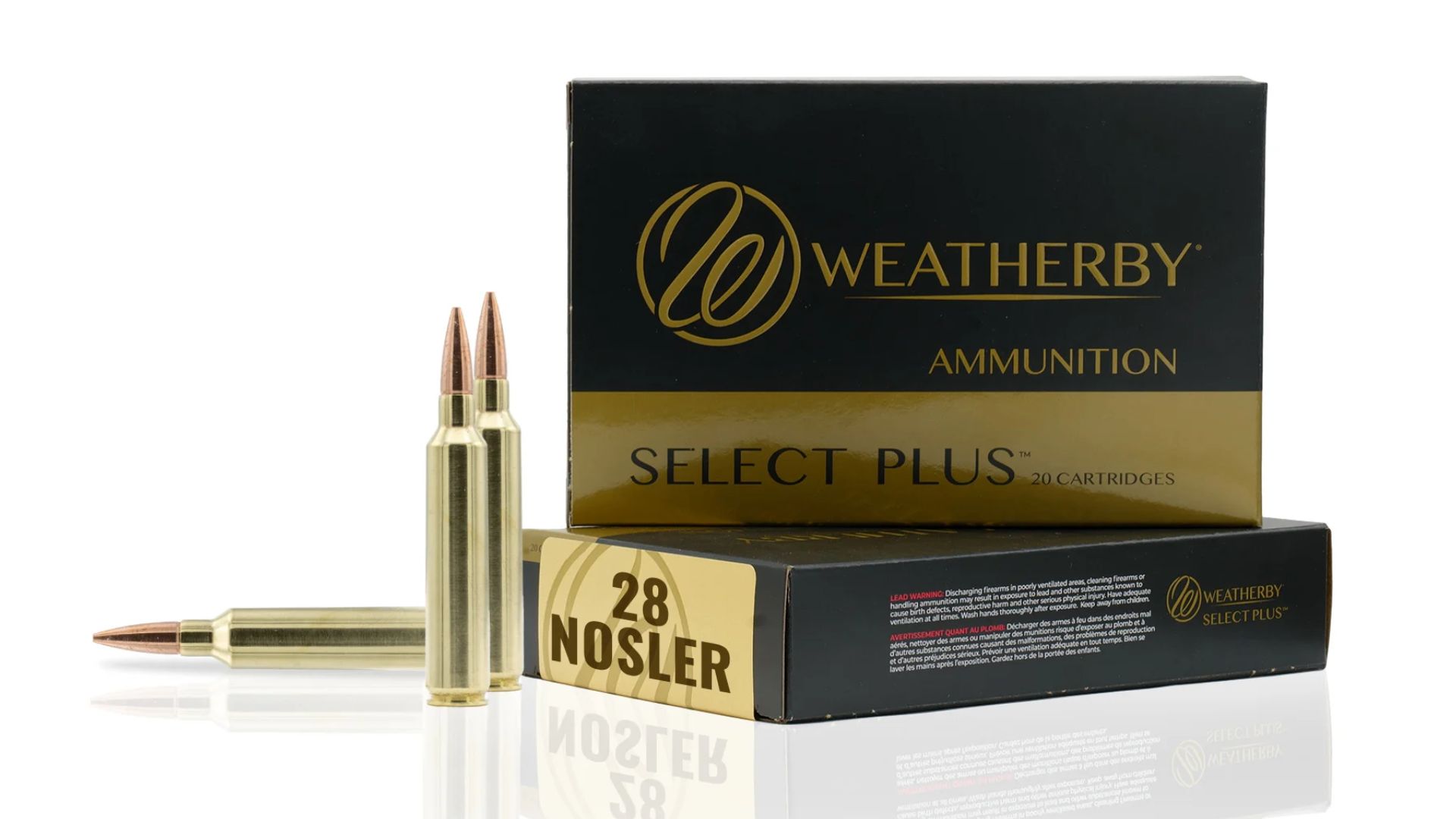
The .28 Nosler has real performance, but it’s also a fast, loud cartridge that can wear you out quicker than you expect. Many rifles chambered in it are built to be light and easy to carry, which is great on a ridge and rough on a bench.
Recoil isn’t always “bigger” than a .300, but it’s often sharper in feel, and the muzzle blast can be nasty. That combination is a flinch recipe when you’re trying to shoot tight groups in hot weather. You start anticipating the crack, then you start timing the trigger to get it over with. If you’re going to run a .28 Nosler, you’ll get more value out of shorter practice sessions and a setup that doesn’t beat you up.
7mm Remington Magnum

The 7mm Rem Mag isn’t the heaviest kicker in this list, but it belongs here because it’s so often paired with light, thin hunting rifles. In a heavier rifle it’s comfortable. In a lightweight sporter with a hard pad, it can teach bad habits fast.
A lot of shooters also underestimate the blast, especially with shorter barrels. You’ll see it in your targets: the first three shots are fine, and then the group starts drifting and opening as you begin to brace. The fix is usually not a new scope or a new load—it’s managing recoil and pace. If you want this cartridge to stay friendly, treat practice like training, not like endurance work.
.338 Winchester Magnum

The .338 Win Mag has a reputation for authority, and it earns it. It’s also one of the quickest ways to turn a casual range day into shoulder fatigue, especially if you’re shooting it off bags with a light rifle.
The recoil is a deep shove that can make you tense your neck and shoulders, and that tension shows up in the trigger press. The blast doesn’t help, either. Most hunters don’t shoot it enough to stay truly comfortable, so the flinch creeps in between seasons. If you’re committed to the .338, the smartest move is a rifle with enough weight to calm it down and a practice routine that prioritizes clean breaks over high round counts.
.338 Lapua Magnum

The .338 Lapua is a hammer, and it has no business being a “fun” range cartridge for most people. Even in a heavy rifle, it’s loud, it’s heavy in recoil, and it’s expensive enough that people often practice less than they should.
When you don’t practice, the cartridge gets louder in your head. You start bracing for it, and bracing turns into flinching. In hunting terms, it’s also easy to convince yourself you need it when you don’t. If you’re carrying a .338 Lapua, you’d better have a reason and the discipline to stay sharp. Otherwise it becomes the rifle you “respect,” which is another way of saying you don’t truly shoot it well.
.340 Weatherby Magnum

The .340 Weatherby is one of those rounds that sounds reasonable on paper—until you spend a day behind it. It hits hard, it’s fast, and it tends to deliver recoil in a way that feels both heavy and sudden.
That’s a rough combination for practice, because your body learns to protect you quickly. You’ll see yourself start to clamp down on the grip and rush the shot. Many rifles chambered for it aren’t overly heavy, either, because people still want to carry them in the mountains. That’s where the flinch starts: too much cartridge in too little rifle. If you’re going to run a .340, accept that you’ll shoot it best in shorter sessions and with a setup built to tame it.
.375 H&H Magnum
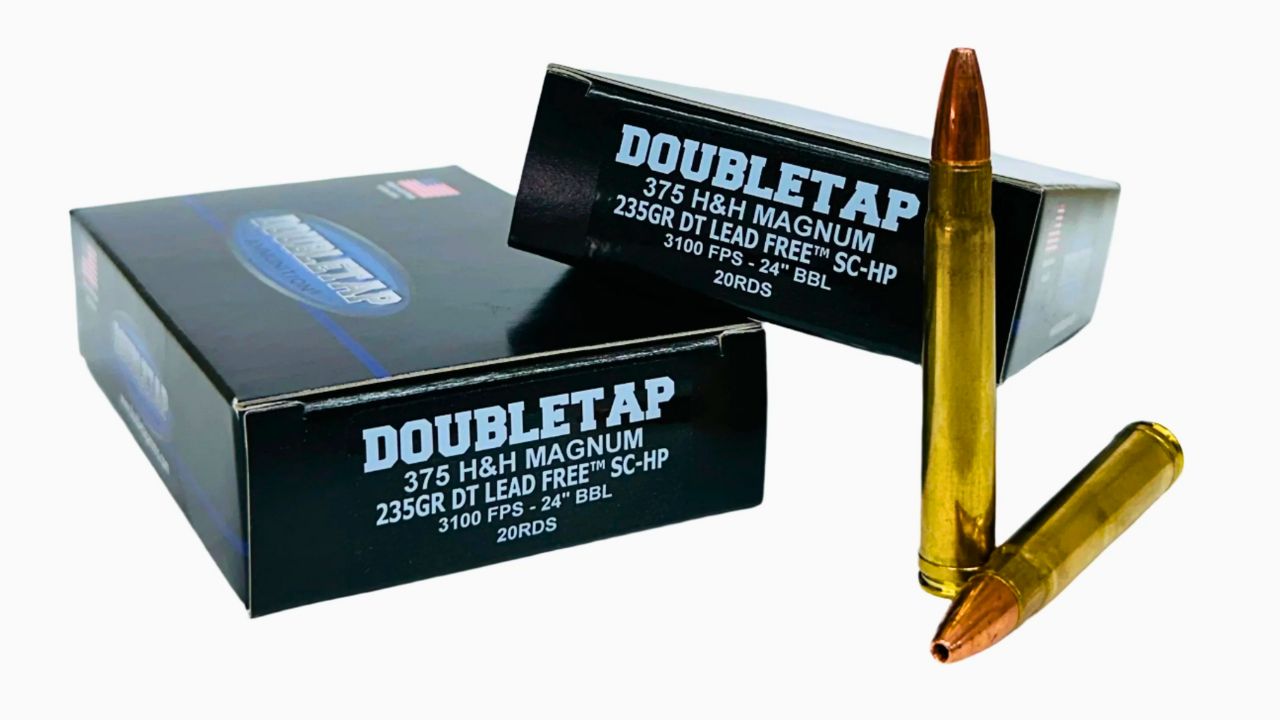
The .375 H&H is a classic, and it’s more shootable than many people expect—until they fire it off the bench for a string. The recoil isn’t sharp like some magnums, but it’s big, and it stacks up quickly when you’re trying to print groups.
The flinch usually shows up as a forward lean and a tight jaw, then the trigger press turns into a slap. The H&H is meant for serious hunting, not casual load testing for an afternoon. If you hunt with it, you’ll do best focusing on a few perfect rounds per session, practicing from field positions, and building confidence with clean hits. It’s a cartridge you can master, but it demands respect in how you train.
.375 Ruger
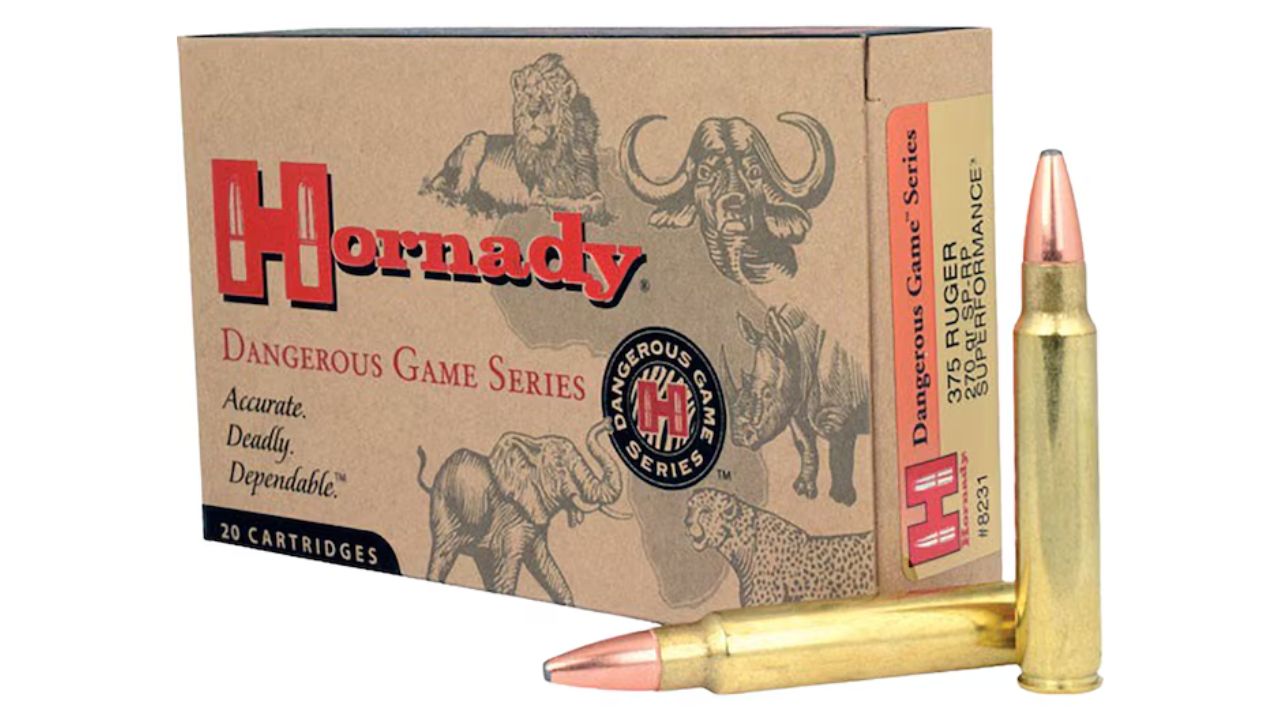
The .375 Ruger delivers .375 performance in a more compact package, and compact often means more felt recoil in real rifles. Shorter barrels and lighter builds can make it feel snappier than people expect from a big-bore.
It’s also loud, especially in the rifles that are built to be carried far and swung fast. That blast can be what trips your flinch switch, even before the recoil becomes the issue. If you find yourself blinking or tightening up at the shot, you’re already on the slide toward bad habits. The best way to stay solid with the .375 Ruger is to train smart: fewer rounds, better form, and more shooting from positions that match how you hunt.
.416 Rigby

The .416 Rigby is not a cartridge you “get used to” by accident. It’s a heavy push with a lot of momentum, and it’s usually fired from rifles that are built for serious work—not long strings at the bench.
That’s where flinches are born: trying to make a dangerous-game rifle behave like a mild deer gun. You start anticipating the hit, then you start trying to beat it. Most shooters do better practicing with a handful of perfect shots, not chasing tiny groups. The Rigby can be surprisingly smooth in a well-weighted rifle, but it still demands respect. If you want to stay honest, focus on shot execution and follow-through, not round count.
.416 Remington Magnum
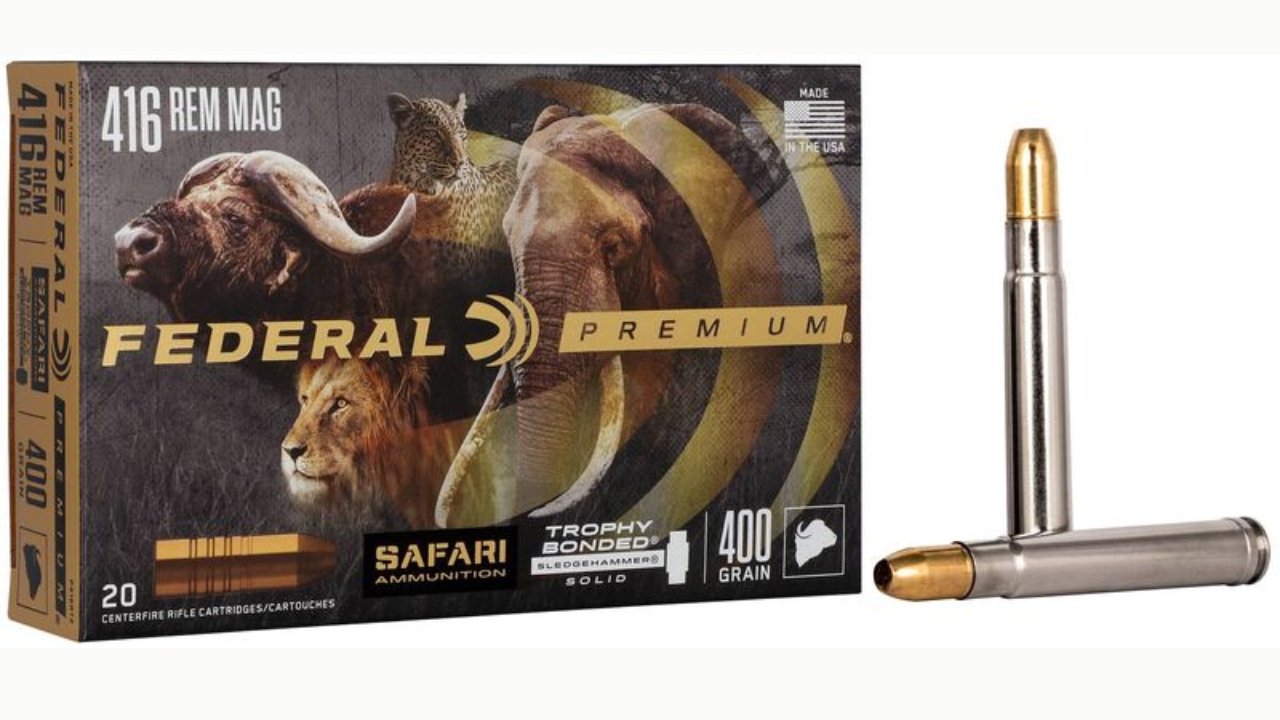
The .416 Rem Mag is a hard charger. It has that magnum crack plus heavy recoil, and it can wear you down fast if you try to “train” with it like a normal hunting rifle. Even experienced shooters can start bracing after only a few rounds.
The flinch with this cartridge often looks like a rushed trigger press and a head that lifts off the stock. Once that starts, your groups lie to you because you’re no longer shooting the rifle—you’re reacting to it. The solution is to treat it like a specialty tool. Practice in small, focused sets. Use good ear pro. Make sure the rifle fits you. This is a cartridge that rewards calm, not toughness.
.458 Winchester Magnum
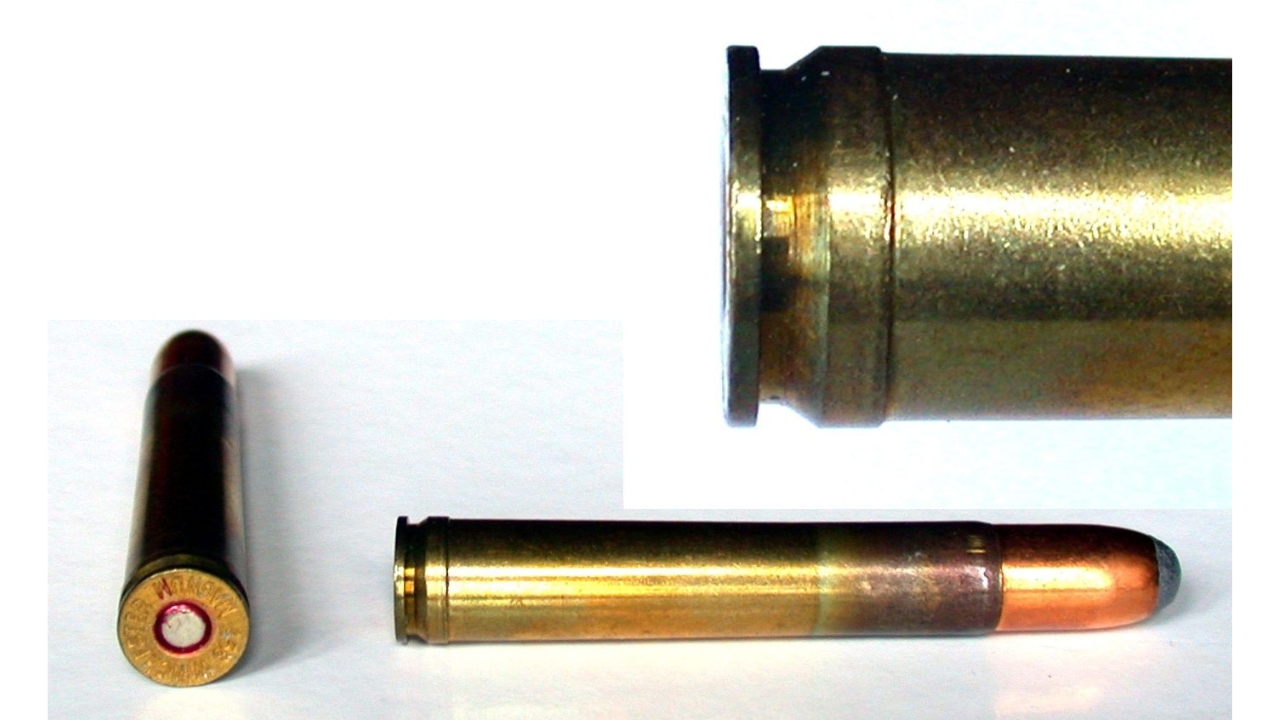
The .458 Win Mag is famous for a reason, and part of that reason is how quickly it teaches you to flinch if you’re not careful. The recoil is heavy, and the blast is big enough that many shooters tense up before the shot breaks.
It’s also common to see these rifles shot from awkward bench setups, and that makes recoil feel worse. When the butt isn’t seated right or the pad is hard, the cartridge doesn’t forgive you. The flinch that develops here is often dramatic: a full-body brace, a blink, and a trigger slap. If you’re going to shoot a .458 well, you keep sessions short and purposeful, and you work from positions that keep the rifle tracking straight.
.458 Lott
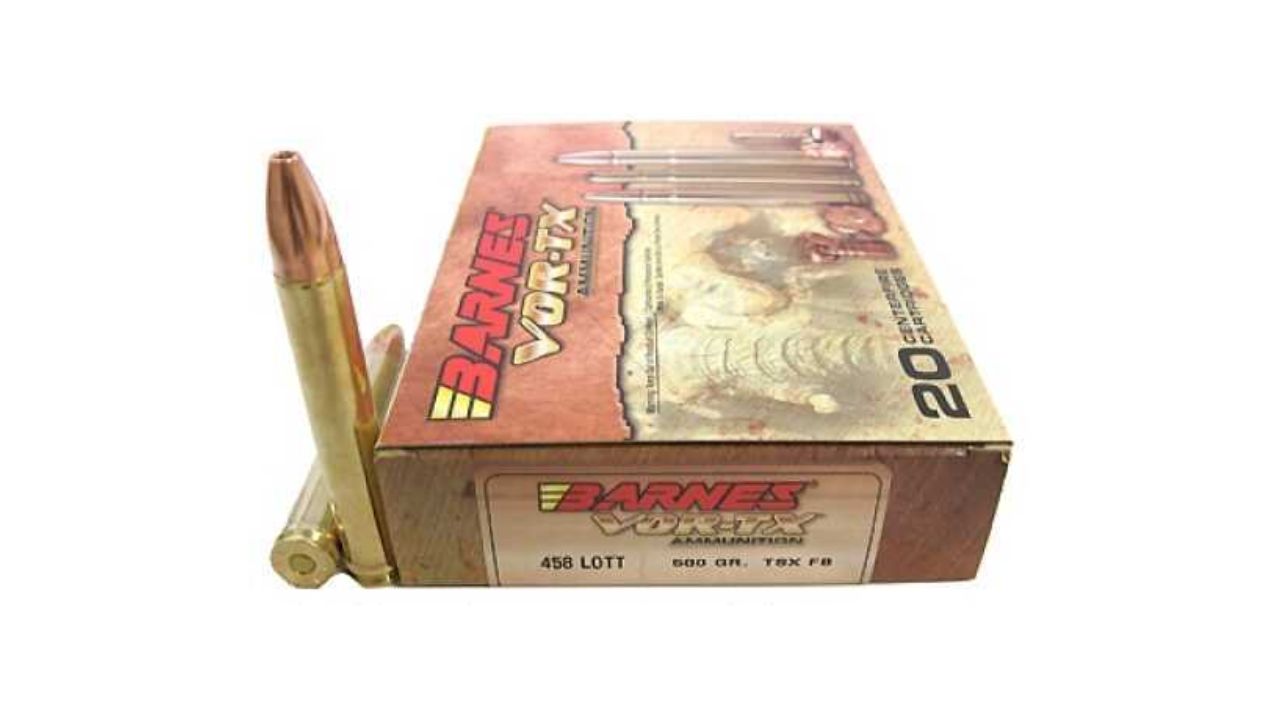
The .458 Lott is the “more” version of an already serious idea. It’s powerful, and it’s not a cartridge you casually burn through in practice. Most shooters can handle a few rounds fine, then the recoil starts to feel like a countdown.
What makes it flinch-worthy is that you often don’t shoot it enough to stay comfortable. The rifle becomes something you fire rarely, and rare firing makes every shot feel bigger. That anticipation is the root of the flinch. If you actually need a Lott, you owe it to yourself to build a training routine that doesn’t beat you up. Focus on clean singles and controlled follow-ups. When the rifle is predictable, your trigger finger stays honest.
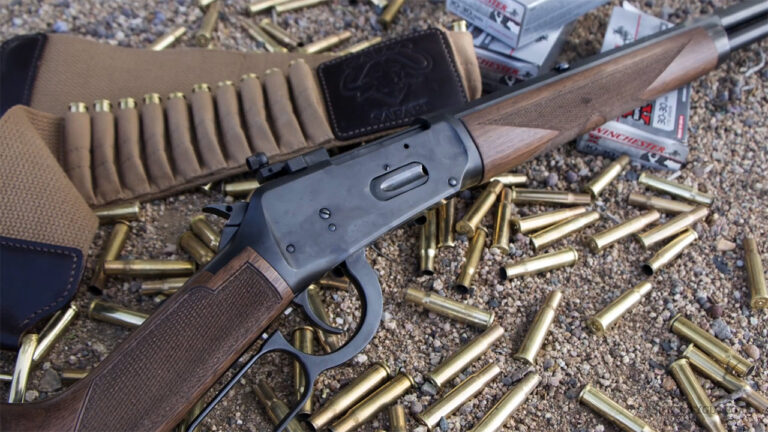
.45-70 Government (hot loads in light rifles)

The .45-70 itself doesn’t have to be brutal, but hot modern loads in a light lever gun absolutely can be. A short, handy rifle with a thin pad can make recoil feel sharp, especially if you’re shooting from the bench.
This is where flinches sneak in, because people assume the old cartridge will be gentle—then they touch off a heavy load and the rifle punches them. After that, they start bracing for the hit, and their accuracy falls apart. The fix is straightforward: be honest about your needs and your rifle. Standard-pressure loads kill deer cleanly at reasonable distances and are far easier to practice with. If you insist on the heavy stuff, treat practice like a small dose, not an afternoon event.
.450 Marlin

The .450 Marlin lives in that space where it looks like a woods cartridge, but it can recoil like a heavyweight depending on the rifle. Many .450 rifles are compact and lively, which is great in thick cover and rough on your shoulder during sight-in season.
The recoil impulse tends to be quick and stout, and that’s the type that makes people start blinking and tightening their grip. You’ll see it when the first shot is fine and the next two go wandering. The cartridge is effective, but it’s not forgiving when you try to force a long bench session. If you want to stay flinch-free, keep your range work short, confirm your zero, and spend more time practicing clean shots from field positions where the rifle tracks naturally.
Like The Avid Outdoorsman’s content? Subscribe to our newsletter so you never miss an article.
Here’s more from us: